The Florida Yard Feature That Armadillos Target Every Single Night
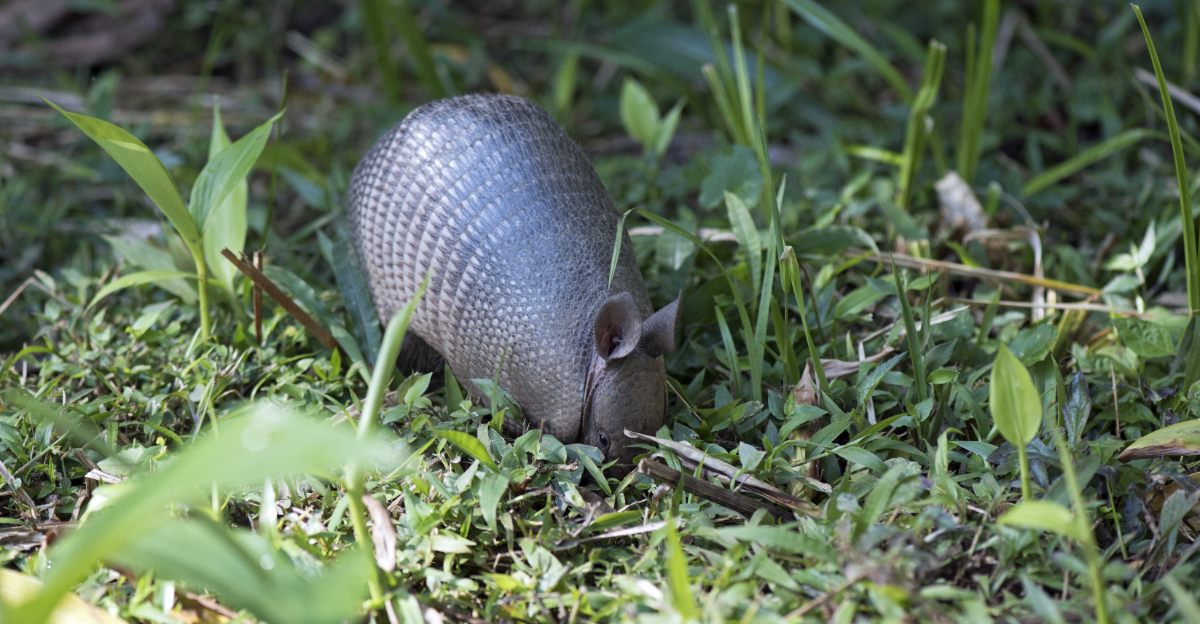
Armadillos do not wander Florida yards randomly. They follow a reliable logic night after night.
The yards that get hit hardest are the ones with one specific feature that armadillos find almost impossible to pass up. Most Florida homeowners focus on the damage after the fact.
Overturned soil, scattered mulch, holes that appear overnight like the yard developed a problem while everyone was asleep. The more useful question is what drew the armadillo to that exact spot in the first place.
The answer points to something most yards have without realizing what it signals to a foraging armadillo after dark. Remove it or change it and the yard becomes a less interesting destination.
Leave it and the visits become as predictable as the sunset. One yard feature is doing most of the work here.
Knowing what it is changes how a Florida homeowner thinks about the whole problem.
1. Loose Mulch Beds Become Armadillo Digging Zones
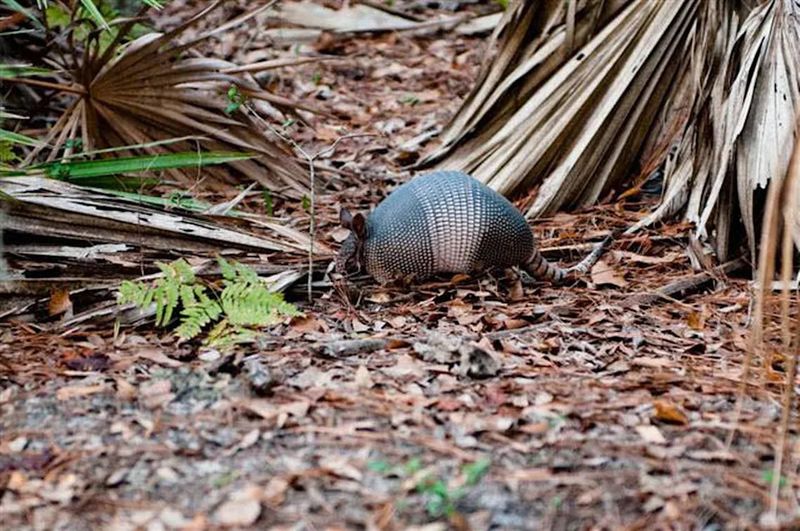
Walk out to a freshly mulched bed after a warm night and you might find it looking like something went to work out there. Loose, fluffy mulch is one of the easiest surfaces an armadillo can nose through, and that is exactly why it keeps getting targeted.
Organic material like shredded bark, pine needles, or wood chips creates a soft layer that requires almost no effort to push aside when searching for food beneath.
Beds near lawn edges, foundation plantings, tree rings, and vegetable borders are especially vulnerable. Any spot where soft mulch meets open ground gives an armadillo a low-resistance starting point.
Freshly refreshed mulch is often the most disturbed because it has not yet settled or compacted at all.
Mulch itself is not the problem. Used correctly, it helps plants retain moisture, regulate soil temperature, and reduce weeds.
The issue is when mulch is applied too loosely, piled too deep, or left with no edging or barrier between it and open lawn. A bed that is easy to nose through and full of soil-dwelling food sources becomes a reliable nightly stop.
Firming mulch lightly after spreading and keeping the depth between two and three inches can help reduce how easy it is to disturb. Edging strips, stone borders, or dense root zones along the perimeter can also slow access without removing mulch entirely.
2. Grubs And Insects Make The Damage Worse
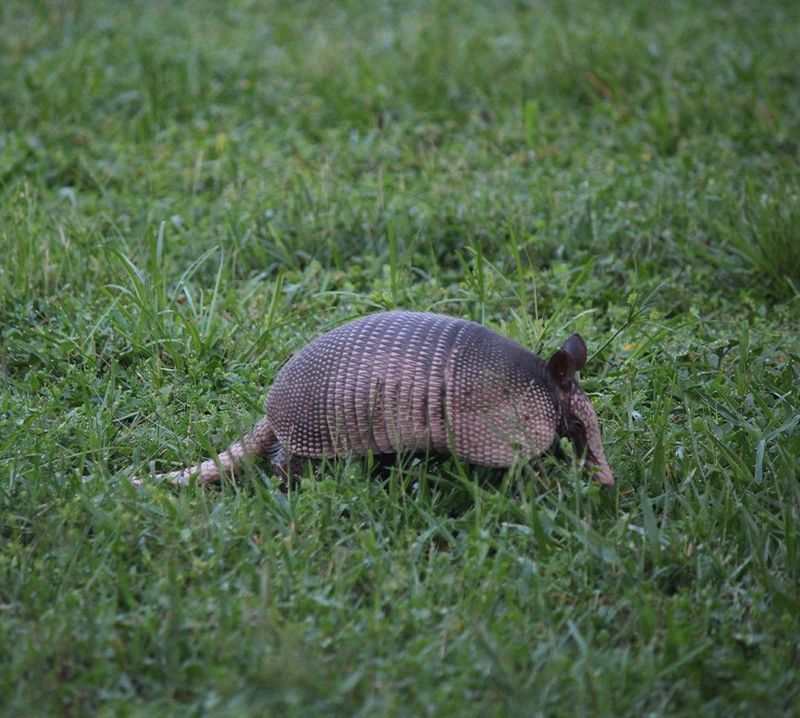
Armadillos are not random diggers. They follow food, and in warm-climate yards, the soil beneath mulched beds can be full of exactly what they are after.
Grubs, beetles, earthworms, ants, termites, and other soil-dwelling invertebrates are all part of an armadillo’s natural diet. UF/IFAS Extension resources on this species confirm that diet.
When a lawn or bed has a real grub problem, armadillo digging often gets worse and more concentrated in those areas. You may notice the same patch getting hit repeatedly while nearby beds stay untouched.
That pattern is worth paying attention to because it can point toward a genuine pest issue in the soil.
Your Florida Garden Changes Every Week. Your Plan Should Too.
Gardening in Florida changes quickly throughout the season. Every Friday you’ll receive a simple weekly plan showing exactly what to plant, prune, fertilize, harvest, and protect so you never miss the right timing.
The right response is not to broadcast chemicals across the entire Florida yard. Wiping out every insect in the soil would harm beneficial organisms, disrupt the food web, and may not even reduce armadillo interest if food remains nearby.
Extension-backed pest management always starts with identification. If you suspect a grub infestation, contact your county Extension office for guidance on confirming the pest and choosing an appropriate, targeted response.
Healthy, well-maintained lawns with proper mowing, irrigation, and fertilization practices tend to support fewer damaging pest populations over time.
Reducing real pest pressure in the soil can make beds and lawn edges less attractive to foraging armadillos without harming the broader yard ecosystem.
3. Soft Soil Lets Armadillos Nose Through Fast
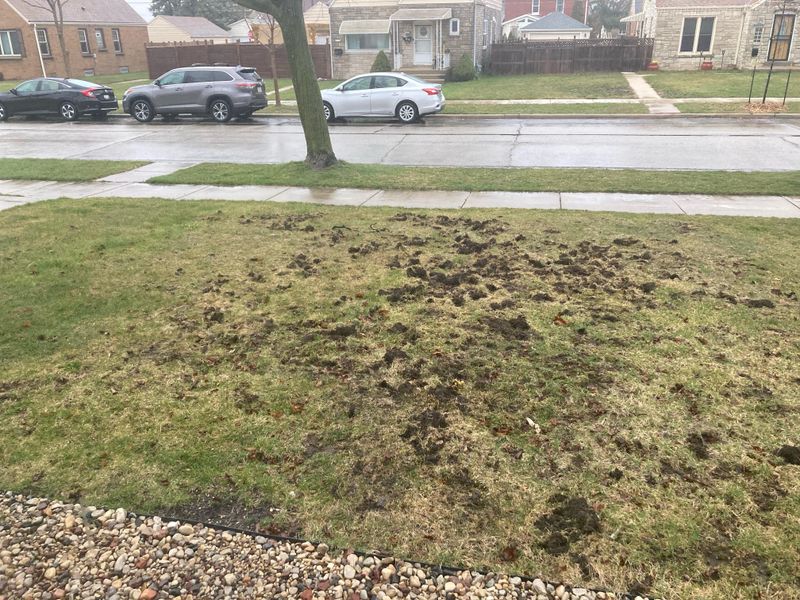
Sandy soil is common across much of this state, and it does not take much for it to become easy digging territory. Beds that have been recently turned, freshly planted, or lightly watered sit at a texture that armadillos can push through with very little resistance.
Even a small amount of nightly activity can uproot young plants before they get a chance to establish.
Newly planted annuals, seedlings, and shallow-rooted ground covers are often the first casualties. The armadillo may not be going after the plant at all.
It is likely nosing through the soil beneath or beside the plant while hunting for prey, and the roots simply get in the way.
Firming the soil gently around new transplants helps reduce how loose the surface feels. Watering new plants thoroughly right after planting encourages deeper root development and helps the soil settle naturally.
Avoid leaving large planting holes open overnight or piling loose backfill around young root balls without pressing it down.
Protective edging around newly planted beds can also reduce access from lawn edges where armadillos tend to start their search. Low metal or plastic edging strips pressed firmly into the ground create a subtle boundary.
For high-value new plantings, temporary wire cloches made from hardware cloth can protect individual plants while they establish. Make sure no sharp edges are left exposed where pets or children could contact them.
4. Freshly Watered Beds Can Draw More Night Activity
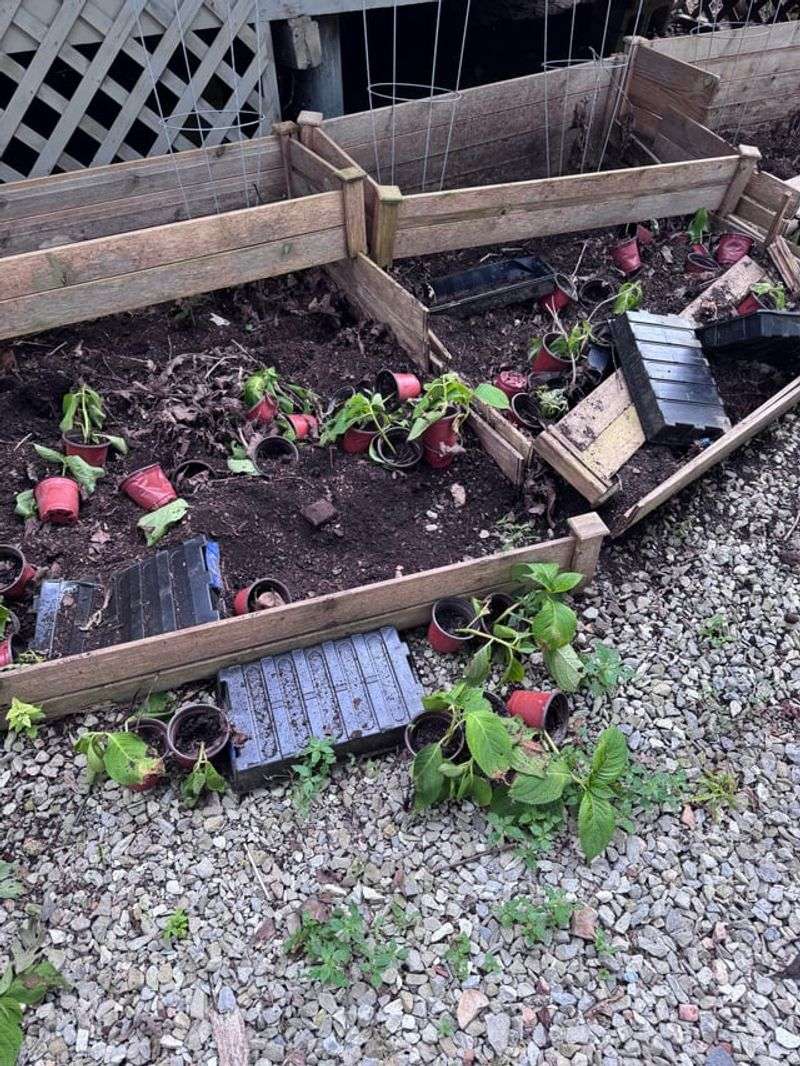
A bed that gets watered in the evening and stays moist through the night can become noticeably more active with soil life. Earthworms move closer to the surface in wet conditions.
Insects become easier to detect through damp soil. For an armadillo working through a Florida yard after dark, a freshly watered bed may simply be the easiest place to find food fast.
That does not mean you should stop watering plants that need moisture. Plants in warm climates need consistent water, especially during dry spells and the establishment period after planting.
The adjustment worth making is in the timing and the amount.
Watering in the early morning rather than the evening gives the soil surface time to dry slightly before nightfall. Beds that are not constantly soggy tend to be less attractive than beds that stay wet through the night.
Check whether irrigation heads are overspraying onto mulched areas, especially along lawn edges where armadillos tend to travel.
If you notice that the same bed gets disturbed on nights following irrigation, that pattern is useful information. It suggests the bed may be staying too wet or that the watering schedule is creating ideal surface conditions for soil-dwelling prey.
Adjusting run times, fixing misdirected heads, and improving drainage in low spots can reduce that cycle without stressing your plants. Healthy moisture and soggy overwatering are not the same thing, and the difference matters here.
5. Lawn Edges Give Armadillos An Easy Feeding Line
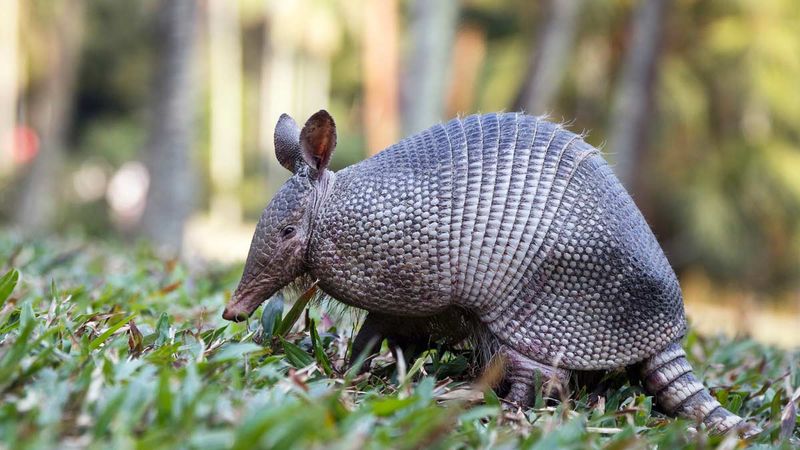
Picture the border where your lawn grass ends and your mulched bed begins. That transition zone is one of the most-used travel routes for armadillos working through a yard at night.
The edge offers cover from nearby shrubs while staying close to open turf, giving the animal a corridor where it can forage without feeling exposed.
Armadillos often move along these edges in a pattern, nosing through the mulch on one side while the open lawn sits just beside them. Foundation beds, shrub borders, and tree rings that run along lawn edges can all act as feeding lines rather than single targets.
A yard with long, unbroken mulched borders may see disturbance spread across a wider area over time.
Cleaner, more defined edging can reduce how easy it is to work along these transitions. A firm edging strip, a row of stones, or a slightly compacted border between turf and mulch creates a small physical interruption.
Keeping mulch slightly pulled back from the very edge of the lawn helps. It removes the easy nose-through zone where most digging starts instead of letting mulch blend loosely into the grass line.
Edging alone will not stop a determined animal from searching nearby. Combining a cleaner edge with moderate mulch depth and reduced food sources in the soil gives you a more effective result than any single fix on its own.
6. Shallow Plantings Get Uprooted First
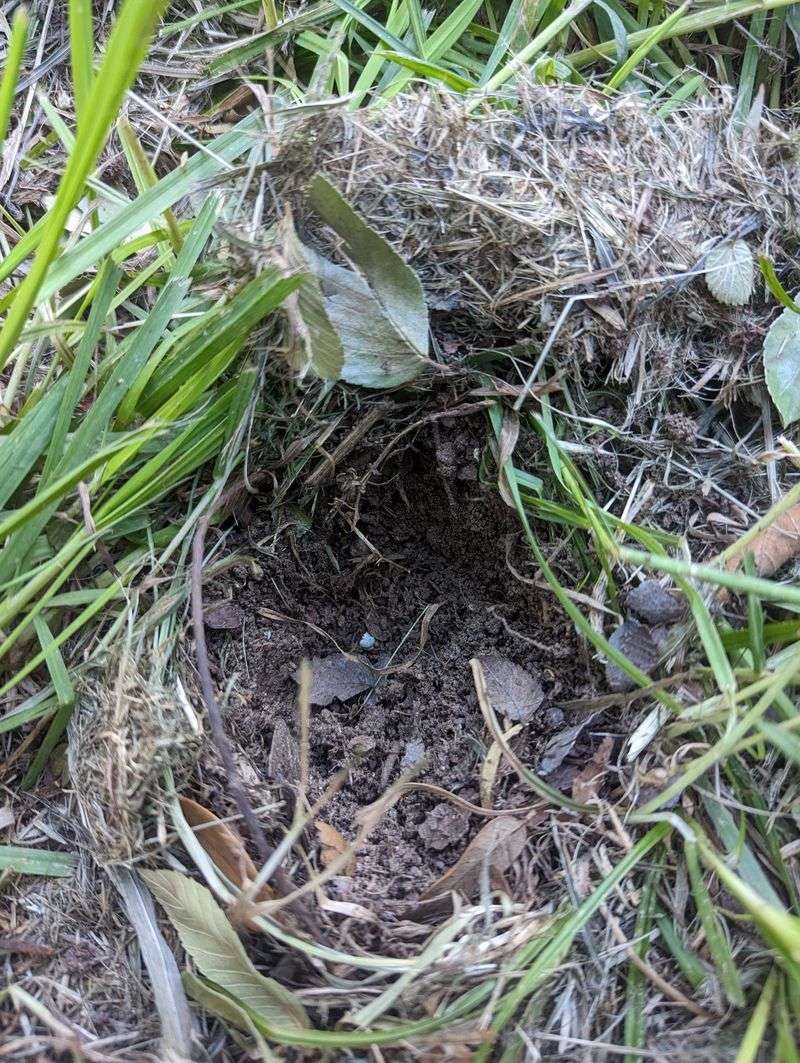
Freshly planted flowers rarely stand a chance when an armadillo decides to investigate the bed they are sitting in. Seedlings, plugs, small ground cover divisions, and soft herb transplants all share one vulnerability: their roots have not yet anchored deeply into the soil.
A single pass from a foraging armadillo can flip them out of the ground without the animal even noticing they were there.
Shallow-rooted annuals and recently divided perennials are usually the first to show damage. The armadillo is not eating them.
It is pushing through the soil surface hunting for prey, and anything with a weak root hold simply comes along for the ride.
Giving new transplants a better start can reduce how easy they are to disturb. Planting into firmed soil, watering in thoroughly, and pressing down lightly around the root zone all help a plant grip the ground faster.
Avoiding loose, food-rich compost piled on the surface right at planting time can also reduce how attractive the spot smells to a foraging animal overnight.
For beds with particularly vulnerable new plantings, temporary wire cloches made from hardware cloth offer individual plant protection. Place them carefully so no sharp edges are exposed, and remove them once plants have established a stronger root zone.
Choosing slightly larger transplants over tiny plugs when possible also gives new plants a head start against disturbance before they are fully settled.
7. Barriers Work Better Than Repellent Myths
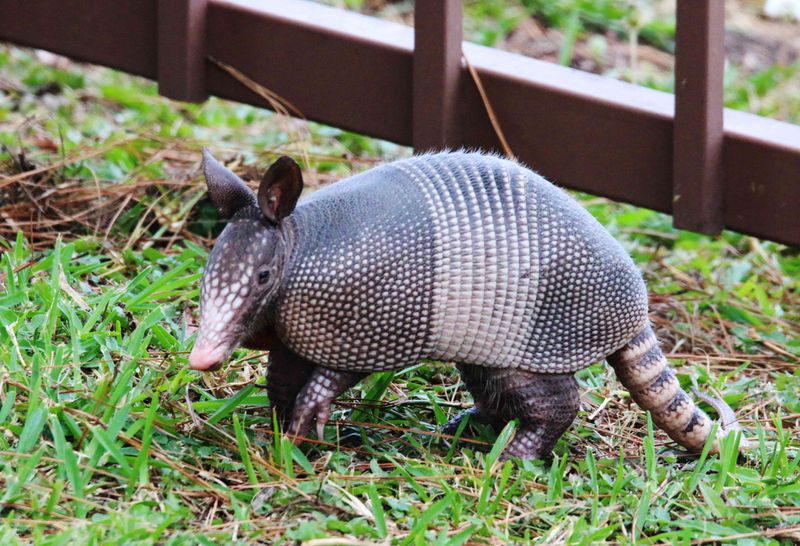
Scent-based repellents get talked about a lot in neighborhood groups and online forums, but the evidence supporting them for armadillo deterrence is weak. Mothballs are toxic and should never be placed in soil or garden beds.
Ammonia, bleach, and homemade chemical sprays can contaminate soil, harm beneficial insects, and create risks for pets and children.
Essential oil mixtures and cayenne-based sprays may smell strong to us but rarely stop a hungry animal working through a bed after dark.
Physical protection and smarter bed management are more reliable approaches. A low fence of hardware cloth or welded wire around a high-value bed can block access without harming wildlife.
Bury the bottom edge a few inches into the soil so the barrier cannot simply be nosed under. Make sure no sharp wire edges are left exposed where pets, children, or maintenance workers might contact them.
Temporary cages or cloches over individual plants and stones placed along bed edges create useful obstacles. Firmer edging strips also make a bed less rewarding to work through.
Protecting the most vulnerable spots, like newly planted foundation beds or vegetable borders, tends to give the best return for the effort spent.
Always check local FWC and county Extension guidance before attempting any exclusion around burrows near structures. Handling, cornering, or blocking an occupied burrow without guidance can create safety risks for the animal and for people nearby.
8. A Cleaner Bed Edge Makes Night Digging Less Inviting
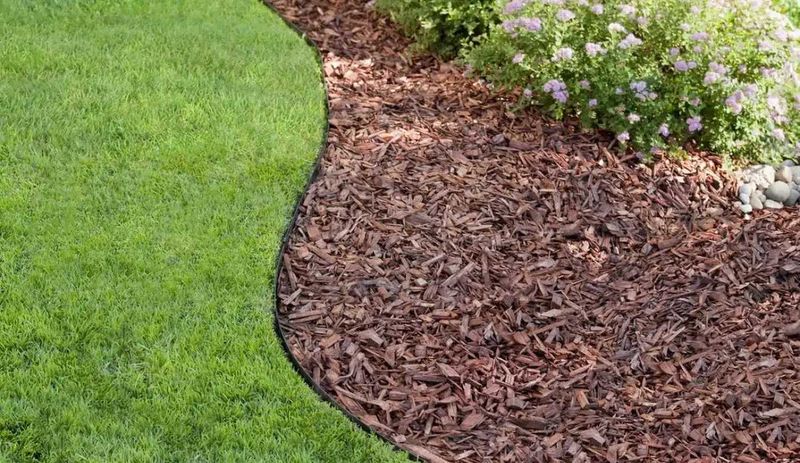
Mulch pulled two inches away from a wall, compost bins latched shut, and fallen fruit picked up before dark are small habits that add up over time. Armadillos are efficient foragers.
They return to spots that reward them with easy food and easy digging. A Florida yard that offers less of both becomes less worth revisiting, even if it never becomes completely off-limits.
Keeping mulch at a moderate depth of two to three inches helps reduce easy digging. Piling it thick and fluffy creates more of the nose-through texture that makes beds so accessible.
Mulch pressed too close to stems and walls can also hold moisture and invite other pest problems, so pulling it back slightly benefits the plants too.
Fallen fruit under citrus or fig trees and scattered birdseed below feeders can act as additional food signals. Uncovered compost piles near beds can also draw foraging animals into the yard.
Cleaning these up regularly reduces the overall reward of a nightly visit.
Check the spots that keep getting disturbed and look for patterns. Repeated digging in the same corner often points to a consistent food source, a moisture issue, or an especially soft patch of soil worth firming up.
Armadillos may still pass through a well-managed yard on occasion. That is normal wildlife behavior.
The goal is simply to make the yard harder and less rewarding to work through, one practical adjustment at a time.