The Most Underrated Texas Native That Helps Keep Mosquitos Out Of Backyards
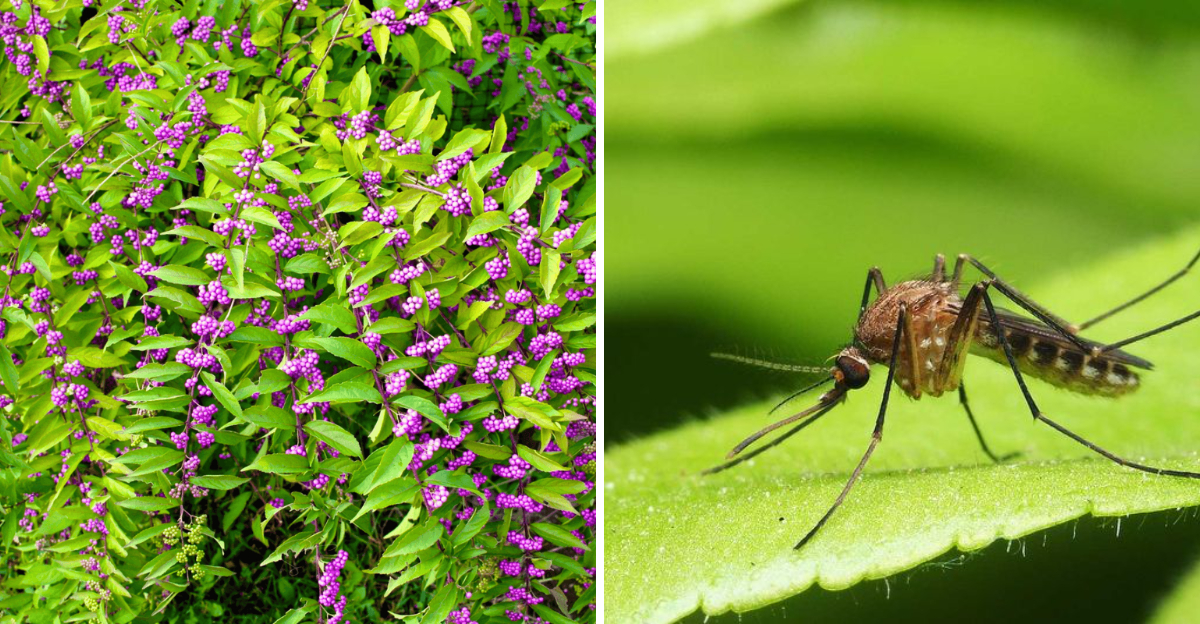
Mosquitos are basically Texas’s unofficial state pest. The moment you step outside on a warm evening, they find you.
And if your backyard has become their favorite hangout spot, you already know how frustrating that can be. Bug sprays, citronella candles, zappers.
You’ve probably tried them all. But what if the solution was already growing right here in Texas? There’s a native plant that Texans have been overlooking for years. It’s not flashy or trendy.
You won’t find it featured in every gardening magazine. But this quiet, hardy plant has a natural ability to help keep mosquitos at bay, and it does it while looking great in your yard and asking for almost nothing in return.
It thrives in the Texas heat, survives drought like a champ, and even attracts butterflies and pollinators. Basically everything you want in a backyard plant.
So what is it? Keep reading, because this underrated Texas native might just be the best thing you ever planted.
American Beautyberry
Not every great plant gets the spotlight it deserves. American beautyberry, or Callicarpa americana, is one of those shrubs that quietly does everything right while flashier plants steal all the attention.
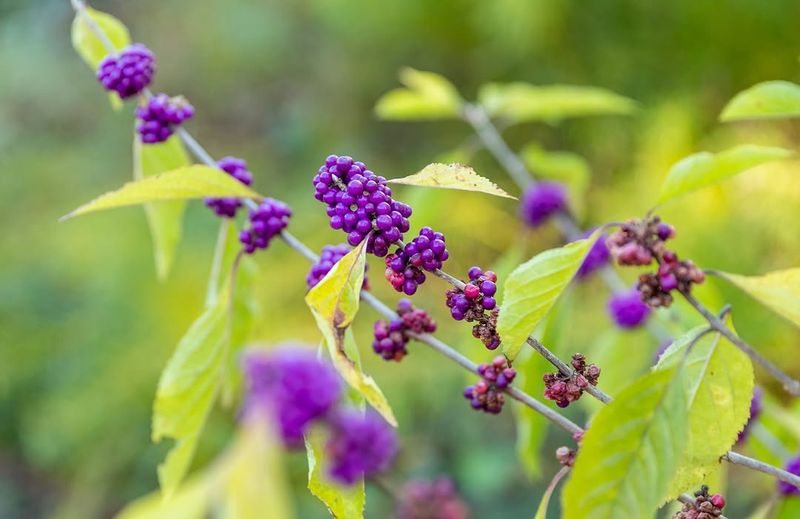
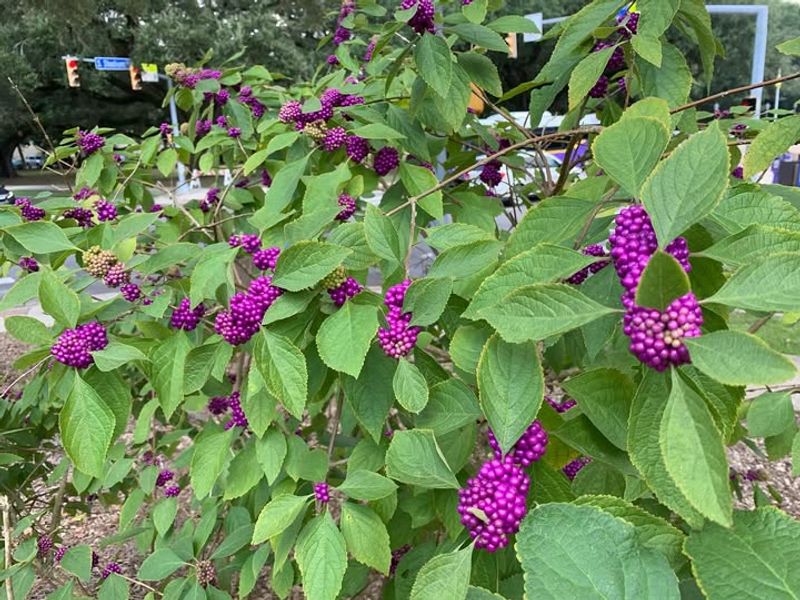
It is a Texas native with a personality all its own. Walk through almost any East Texas woodland in late summer, and you might spot it growing wild along the edges of trails and fence lines. The berries are hard to miss.
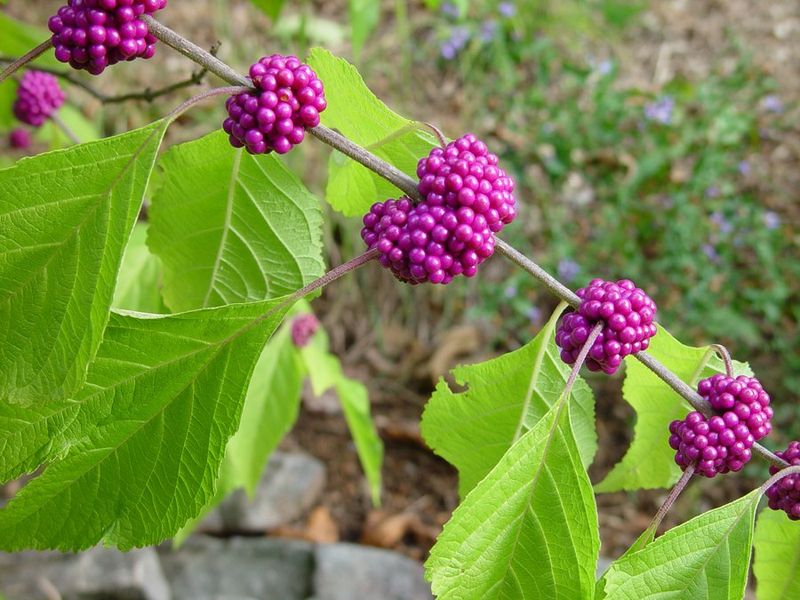
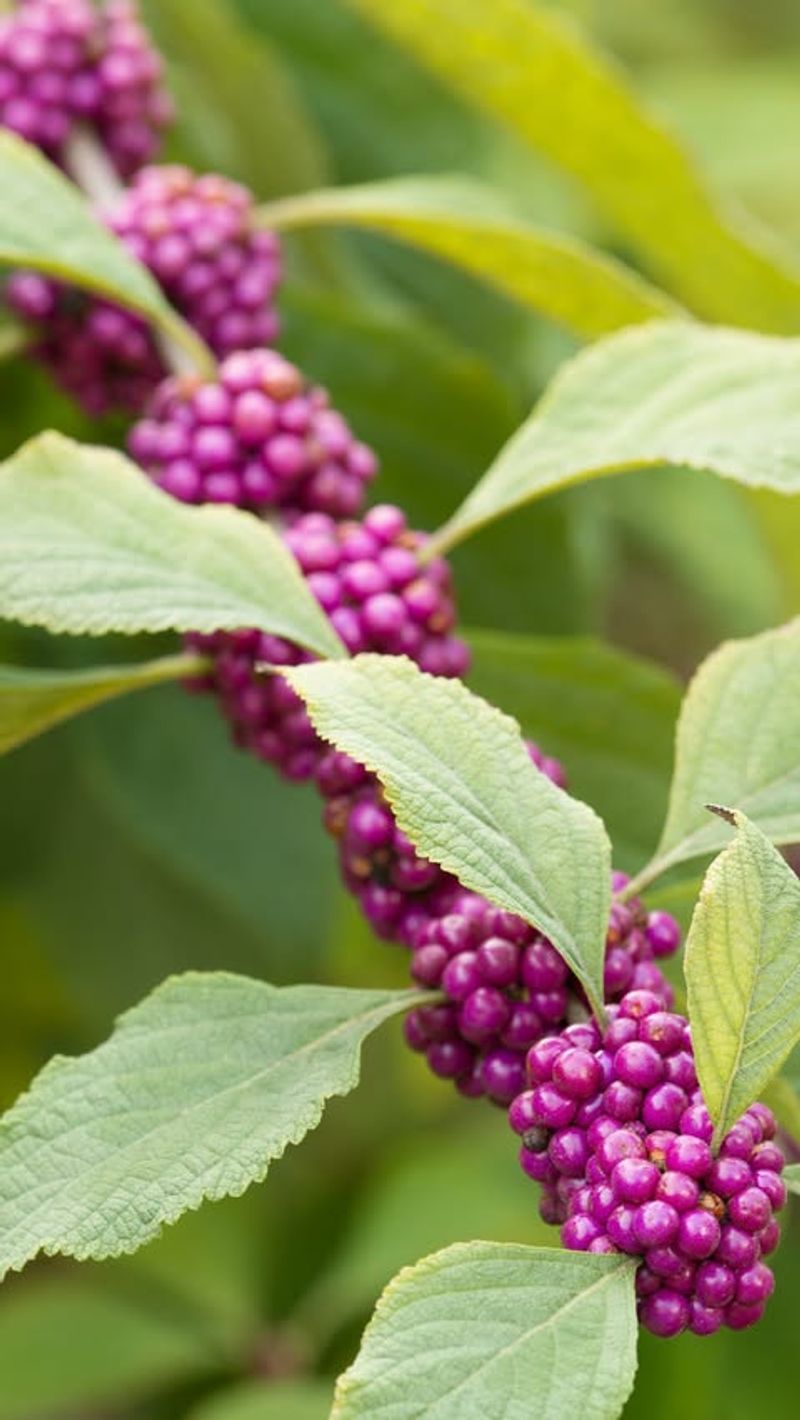
They appear in tight, vivid clusters of metallic purple that wrap around the stems like little jewels. No other plant in the Texas landscape looks quite like it.
The foliage is soft and green, with a slightly fuzzy texture that adds a gentle, natural look to any garden bed.
The leaves are large and oval-shaped, giving the shrub a full, lush appearance even before the berries arrive. It can grow anywhere from three to eight feet tall depending on conditions.
Many gardeners overlook it simply because it does not produce showy flowers the way roses or crape myrtles do. But American beautyberry has a quiet kind of charm that grows on you.
Once you plant one, you will wonder why it took so long to notice it. It is unpretentious, hardy, and genuinely beautiful in its own understated way.
For Texas gardeners looking for something native, low-maintenance, and truly eye-catching in the fall, this shrub checks every single box without asking for much in return.
Why American Beautyberry Belongs In Texas Backyards
Texas yards come in all shapes and sizes, but they all share one thing: the need for plants that can handle the heat. American beautyberry is built for exactly that.
It is a true Texas native, meaning it evolved right here and knows how to survive our unpredictable weather.
One of the best things about this shrub is how naturally it fits into different backyard styles. Got a shady corner under some old oak trees?
Beautyberry loves that spot. Want to soften the edge of a wooden fence or create a more natural-looking border?
Your Texas Garden Changes Every Week. Your Plan Should Too.
Gardening in Texas changes quickly throughout the season. Every Friday you’ll receive a simple weekly plan showing exactly what to plant, prune, fertilize, harvest, and protect so you never miss the right timing.
It handles that beautifully too. It works especially well in woodland-style gardens, naturalized beds, and wildlife-friendly yards where things are allowed to grow a little freely.
Beyond just fitting in, it actually adds real value to the landscape. In spring and summer, the green foliage creates a lush backdrop for other plants.
Then in late summer and fall, those unforgettable purple berry clusters take center stage. Few native shrubs offer that kind of seasonal payoff.
Another bonus is that it does not demand constant attention. Once established, American beautyberry is fairly drought-tolerant and does not need heavy fertilizing or frequent watering.
It handles Texas summers better than many non-native ornamentals that struggle and need constant care.
For homeowners who want a beautiful yard without spending every weekend maintaining it, this shrub is a genuinely smart choice that rewards patience and a little planning with season after season of natural beauty.
How It May Help With Mosquitoes
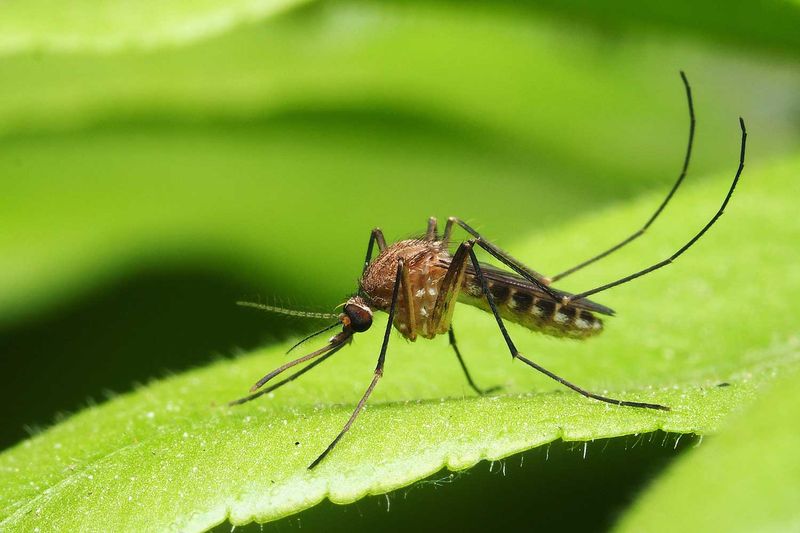
Here is where things get really interesting. Scientists at the United States Department of Agriculture actually studied American beautyberry back in the early 2000s and found something worth paying attention to.
The leaves of this plant contain natural compounds, including callicarpenal and intermedeol, that showed real mosquito-repelling activity in laboratory testing.
Folks in the rural South had known about this for generations. Old-timers reportedly used to crush the leaves and rub them on their skin or tuck branches under horse harnesses to help keep bugs away.
The USDA research gave that old folk wisdom some scientific backing, which is pretty remarkable for a plant most people have never heard of.
Now, it is worth being realistic about what this means for your backyard. Simply planting a beautyberry shrub near your patio will not create a mosquito-free zone.
The repellent benefit comes from the compounds found inside the leaves, not from the plant just sitting there. To get any direct benefit, the leaves would need to be crushed or processed in some way.
That said, having this shrub in your yard is still a smart move. Researchers continue to study its compounds as potential ingredients in natural repellent products.
Some commercial natural repellents are already exploring plant-based alternatives to synthetic chemicals. American beautyberry puts you one step closer to that natural approach.
Paired with good mosquito-control habits, it becomes a meaningful part of a smarter outdoor strategy rather than a standalone fix.
The Wildlife Benefits Go Beyond Mosquito Control
Honestly, even if mosquito repelling were not part of the picture, American beautyberry would still earn its place in a Texas backyard just for what it does for local wildlife.
The purple berries that ripen in late summer and fall are a favorite food source for dozens of bird species.
Mockingbirds, robins, brown thrashers, cardinals, and cedar waxwings are just a few of the visitors you might spot feasting on the clusters.
It is genuinely exciting to watch your backyard come alive with bird activity once those berries appear. Some mornings you might walk outside and find a whole flock working their way through the shrub.
If you have been trying to attract more birds to your yard, this plant is one of the most reliable ways to do it without putting up extra feeders or spending money on birdseed.
Small mammals like raccoons and white-tailed deer also browse the berries occasionally. Butterflies and other pollinators visit the tiny pink flowers that appear in summer before the berries develop.
The shrub becomes a little hub of backyard activity across multiple seasons, which makes it far more valuable than most ornamental plants that only look pretty and offer nothing to wildlife. Adding American beautyberry to your yard is a simple way to support the local ecosystem.
Native plants and native wildlife evolved together, so when you plant something like this, you are helping restore a natural balance that benefits everything from songbirds to beneficial insects. That kind of ripple effect is hard to put a price on.
Where And How Texans Should Plant It
Planting American beautyberry successfully starts with picking the right spot. In most parts of Texas, part shade or filtered light is the sweet spot.
The shrub can handle some morning sun, but harsh afternoon sun in Central and South Texas can stress it out and cause the leaves to look a little ragged by midsummer. Under the canopy of taller trees is often a perfect location.
Soil flexibility is one of its better qualities. American beautyberry can grow in sandy soils, clay soils, and everything in between.
It does prefer soil that holds a little moisture rather than staying bone dry, so adding some compost when planting helps get things started on the right foot. A layer of mulch around the base will help retain moisture and keep roots cooler during hot Texas summers.
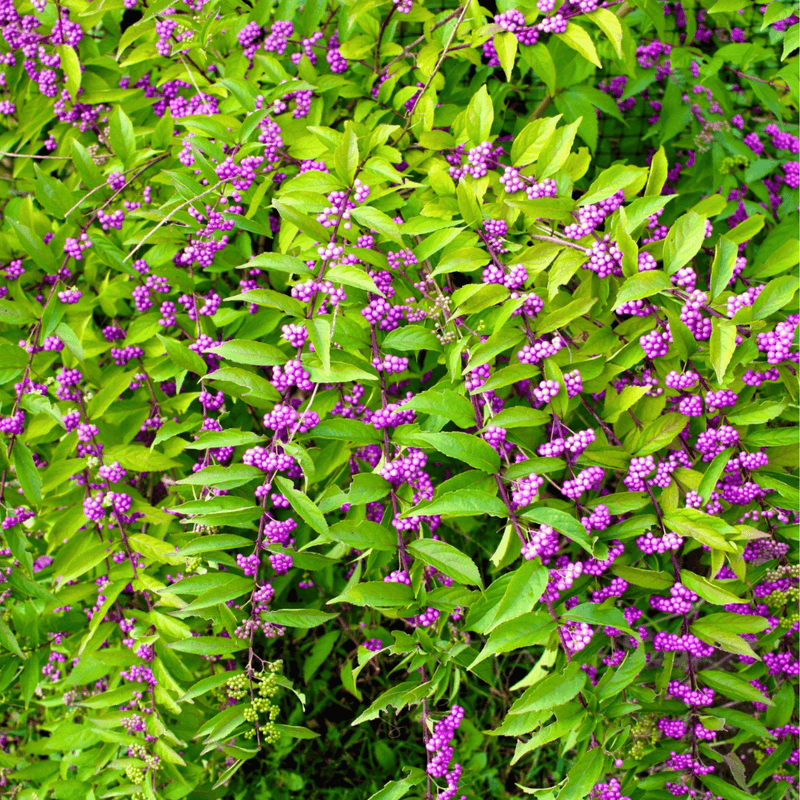
Give it enough room to spread. A mature beautyberry shrub can reach four to six feet wide, so spacing matters when planting near other shrubs or structures.
It works beautifully in informal backyard edges, along fence lines, in native plant borders, and tucked into corners where you want something low-maintenance but visually interesting.
Pruning is optional but can help keep the plant tidy. Many gardeners cut it back hard in late winter, which encourages vigorous new growth and a fuller shape by summer.
It bounces back quickly and reliably. Young plants may need occasional watering during their first summer, but once established, they are remarkably self-sufficient.
For a Texas-tough plant that asks for very little while giving back a lot, the planting process really could not be much simpler.
A Pretty Shrub With A Practical Side
Put simply, American beautyberry is the kind of plant that makes you wonder why it is not in every Texas backyard already.
It is native, beautiful, wildlife-friendly, and backed by real scientific research showing its leaves contain compounds with mosquito-repelling potential.
That is a lot to offer from one modest shrub that most people have never considered planting.
Part of what makes it so appealing is how low the barrier to entry really is. You do not need a big yard, a green thumb, or a large gardening budget.
A single plant from a local native nursery can get you started, and from there it pretty much takes care of itself. Year after year, it comes back fuller and more productive than before.
Of course, no single plant is going to solve your mosquito problem on its own. American beautyberry works best as one piece of a broader strategy.
Removing standing water from your yard is still the most important step you can take, since that is where mosquitoes breed. Adding a bug zapper, using fans on a patio, or applying personal repellent on heavy mosquito days all help too.
But having a plant in your yard that contributes to that effort naturally, while also feeding birds, supporting pollinators, and turning heads with its stunning fall color, is a genuine win. American beautyberry deserves far more attention than it gets.
Give it a spot in your yard this season, and chances are good it will become one of your favorite plants for years to come.