The Pennsylvania Native That Spreads Aggressively In The Best Way
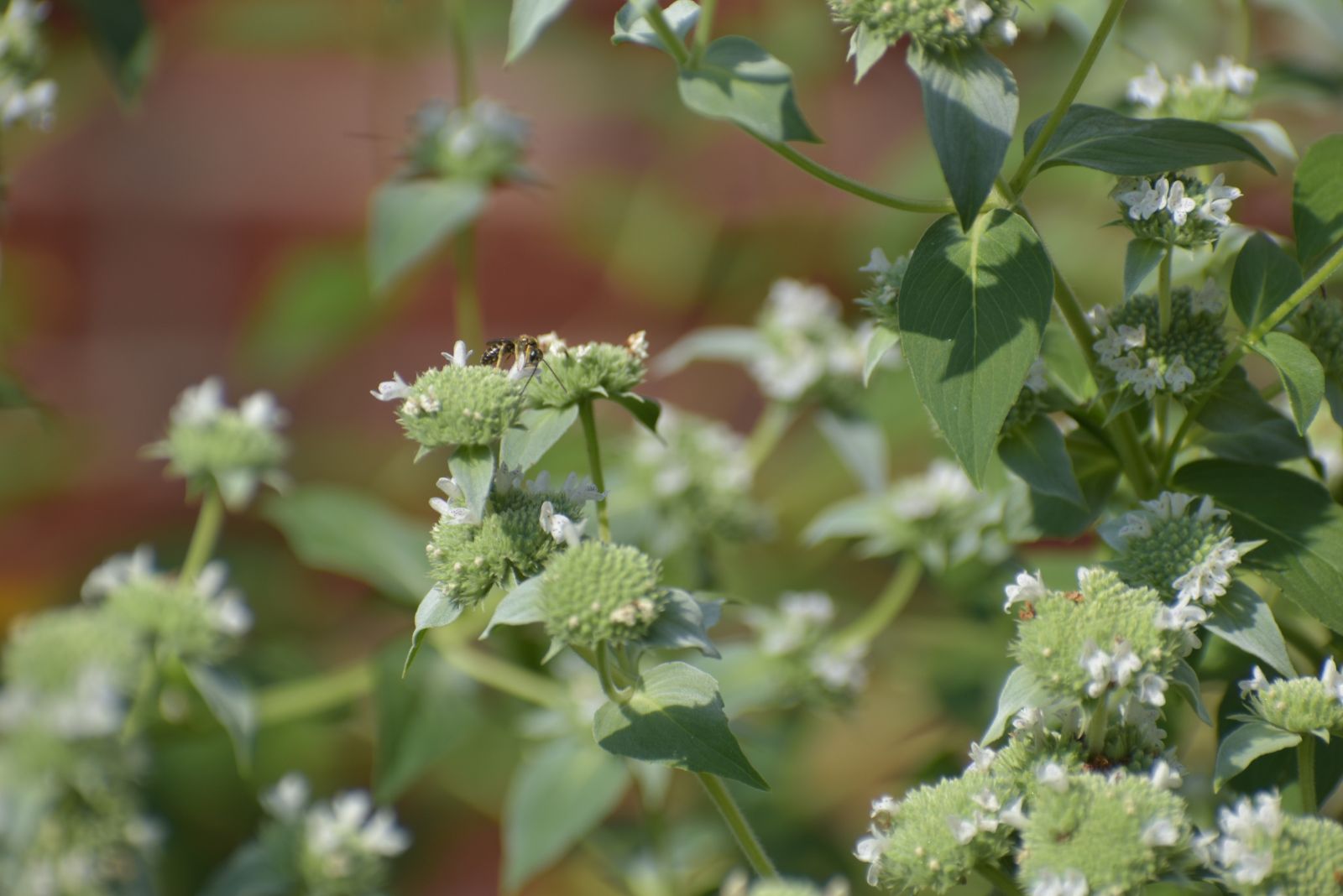
Most of the time when someone warns you that a plant spreads aggressively, it’s bad news. You end up with something taking over your garden beds, strangling your other plants, and showing up in places you definitely did not invite it.
But every once in a while, aggressive spreading is actually exactly what you want. This Pennsylvania native is the exception to the rule.
It spreads boldly and confidently, yes. But it does it in a way that fills in bare spots, crowds out weeds, and creates the kind of lush, full garden coverage that most people spend a lot of money and effort trying to achieve.
Instead of causing problems, it solves them. And because it’s native to Pennsylvania, it plays nicely with the local ecosystem. Pollinators love it. Wildlife benefits from it. It handles the climate like a pro without needing constant attention or babying.
Whether you have an empty slope to cover, a patchy garden bed that never looks quite right, or just a spot that needs something tough and beautiful, this plant is about to become your new best friend.
Mountain Mint As The Helpful Spreader
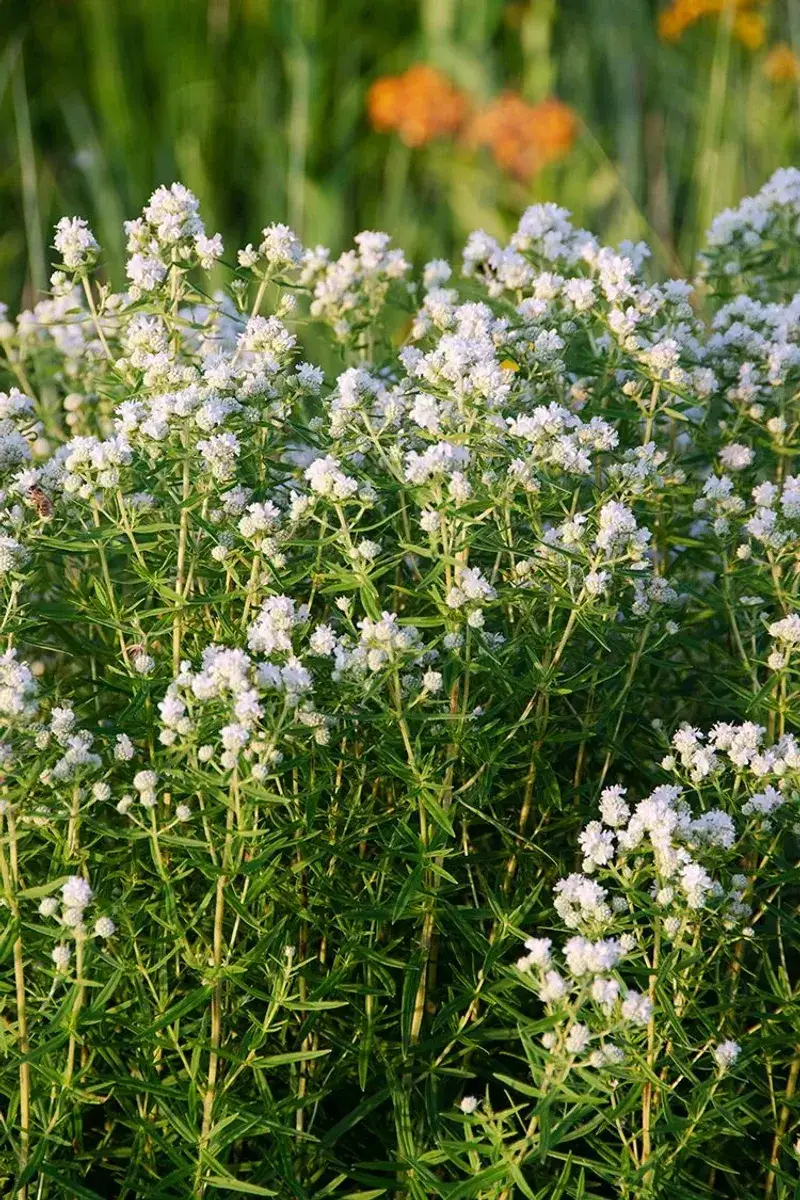
Not every plant that spreads is a problem. Meet clustered mountain mint, also called short-toothed mountain mint, or by its scientific name, Pycnanthemum muticum.
It is a Pennsylvania-friendly native perennial that has earned a real reputation for spreading boldly and confidently across garden spaces.
Mountain mint grows naturally throughout much of the eastern United States, including right here in Pennsylvania. It belongs to the mint family, which should give you a clue about its personality.
Like its cousins, it spreads underground using rhizomes, which are root-like stems that travel horizontally through the soil and send up new shoots as they go.
But here is the thing that surprises a lot of gardeners. This spreading habit is actually one of the plant’s greatest strengths.
When you put mountain mint in the right spot, it fills that space efficiently and beautifully without much help from you. It does not need babying, it does not need rich soil, and it does not need constant watering once it gets established.
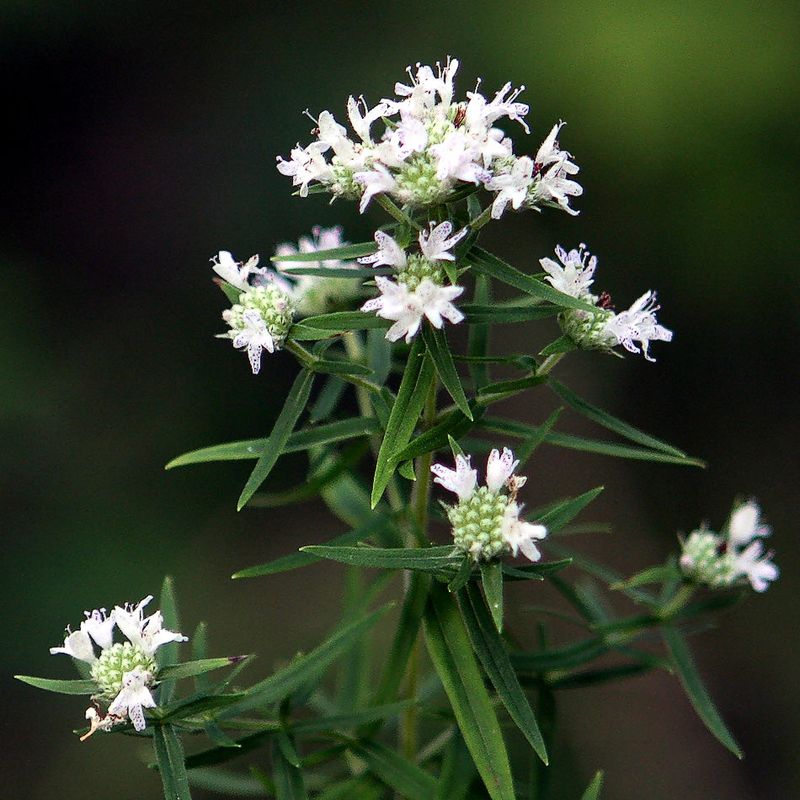
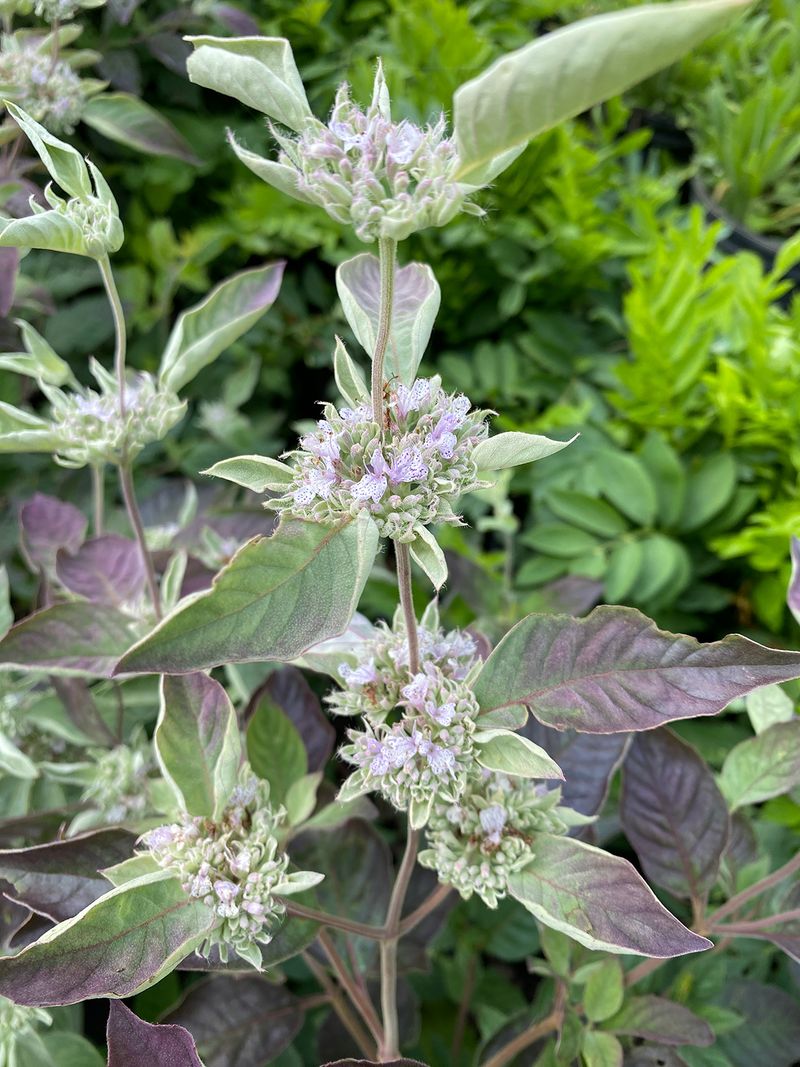
The plant typically grows two to three feet tall and produces clusters of small pale flowers surrounded by stunning silvery-green bracts.
Those bracts, which are modified leaves just below the flowers, stay attractive for most of the summer and give the plant a shimmery, eye-catching look even from a distance.
Pennsylvania gardeners who plant it in a sunny open spot with average soil often find themselves pleasantly surprised by how quickly it gets to work. It is one of those native plants that genuinely rewards you for simply giving it room to do its thing.
Why Aggressive Can Be A Good Thing In The Garden
The word aggressive gets a bad reputation in gardening. People hear it and immediately picture a plant muscling everything else out of the ground. But when a native plant spreads aggressively, there is usually a very good reason behind it.
Your Pennsylvania Garden Changes Every Week. Your Plan Should Too.
Gardening in Pennsylvania changes quickly throughout the season. Every Friday you’ll receive a simple weekly plan showing exactly what to plant, prune, fertilize, harvest, and protect so you never miss the right timing.
Mountain mint spreads because it is perfectly suited to local growing conditions. Pennsylvania summers can be hot and humid.
Winters can be harsh. Mountain mint handles all of it without complaint because it evolved right alongside these conditions over thousands of years. When a plant is that well adapted, it naturally wants to expand and fill available space.
That spreading behavior actually becomes a serious advantage in the right garden setting. Bare sunny patches that are just waiting to be taken over by weeds?
Mountain mint will cover those spots faster than most ornamental plants. Garden edges that look scraggly and undefined?
A stand of mountain mint softens those lines beautifully. Open areas that get a lot of sun and need ground coverage without constant maintenance? Mountain mint is your answer.
Where it works best is in naturalized borders, pollinator gardens, meadow-style plantings, and larger open areas where you want coverage without fighting for it.
It is not the best choice for a small, formal flower bed where every plant needs to stay in its assigned two-square-foot zone.
Thinking of spreading plants as workers rather than troublemakers changes everything. Mountain mint does not spread randomly.
It spreads because it is thriving, and a thriving native plant in your garden means less maintenance, fewer weeds, and a healthier outdoor space overall. That is a trade-off most gardeners are very happy to make.
Why Pollinators Love Mountain Mint
Few plants in the native garden pull in pollinators the way mountain mint does. On a warm summer afternoon, a blooming patch of mountain mint sounds almost alive.
The buzzing, fluttering, and hovering of insects around its flowers is genuinely impressive to watch.
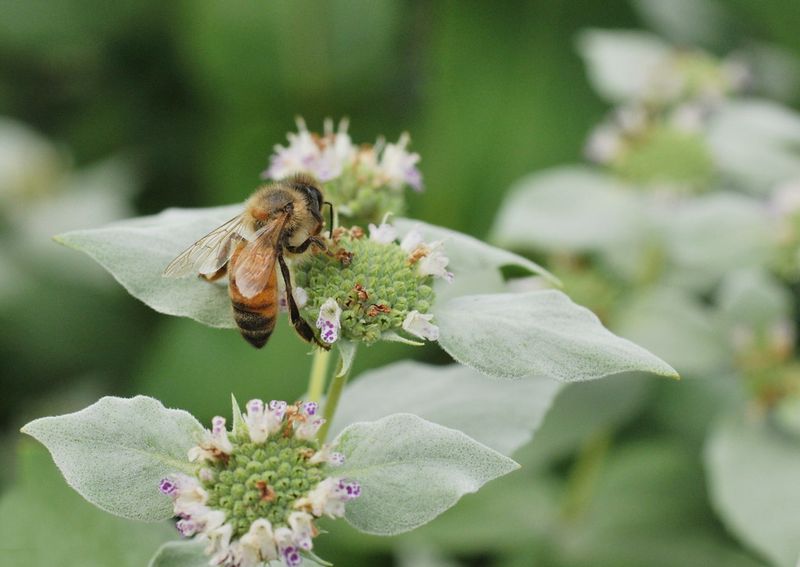
The plant produces clusters of small, pale lavender-to-white flowers that bloom from midsummer into early fall. Surrounding those flowers are the silvery-green bracts that give mountain mint its signature shimmery look.
Together, the flowers and bracts create a landing zone that pollinators simply cannot resist. Bees of all kinds visit mountain mint constantly. Native bees, honey bees, bumblebees, and many smaller specialist bee species are all frequent visitors.
Butterflies love it too, including skippers, swallowtails, and fritillaries. Wasps, flies, beetles, and other beneficial insects also show up in large numbers, making a single mountain mint planting feel like a full pollinator restaurant in peak season.
Researchers and native plant enthusiasts have repeatedly praised mountain mint as one of the most productive pollinator plants available to eastern gardeners.
Some sources have recorded dozens of different insect species visiting a single patch in one afternoon. That kind of biodiversity activity is rare and genuinely valuable for local ecosystems.
The flowers also have a light minty fragrance that adds to the sensory experience of having mountain mint in your garden. Brushing against the leaves releases a clean, refreshing scent.
So while the pollinators are enjoying the blooms, you get to enjoy the smell. It is one of those plants that gives back in multiple ways at once, making every square foot it covers feel completely worthwhile.
Where Pennsylvania Gardeners Should Plant It
Location really is everything with mountain mint. Plant it in the wrong spot and you will spend a lot of energy managing it.
Plant it in the right spot and it practically runs itself. Luckily, its preferences are pretty straightforward and easy to match in most Pennsylvania yards.
Mountain mint loves full sun. It will tolerate part shade, but it blooms most heavily and spreads most reliably when it gets at least six hours of direct sunlight each day. For soil, it is not picky at all. Average, well-drained soil works perfectly.
You do not need to amend it with compost or fertilizer. Rich, overly moist soil can actually make it floppier and harder to manage.
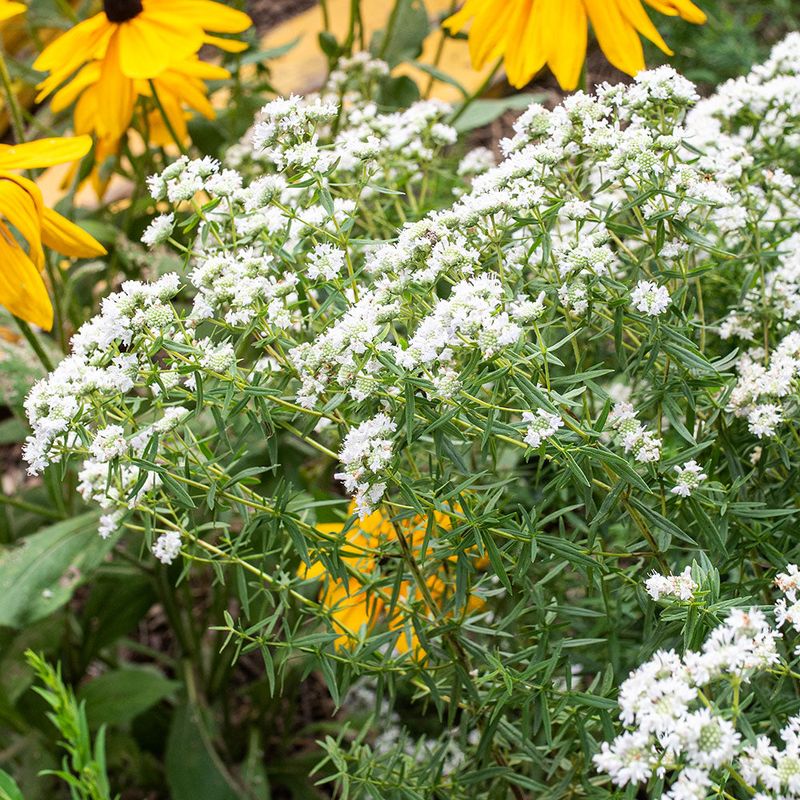
Great placement options include along fence lines where you want a natural-looking border that also attracts wildlife. It works wonderfully in native plant borders alongside other strong perennials.
Many gardeners plant it near vegetable gardens because the pollinators it attracts also help pollinate crops like tomatoes, peppers, and squash.
Meadow-style plantings are another excellent fit, especially in larger open areas where its spreading habit becomes a feature rather than a nuisance.
Tough spots that challenge other plants are actually where mountain mint shines brightest. Slopes, dry open areas, roadside strips, and sunny patches near driveways or paths are all solid candidates.
If you have a space that looks bare and gets baked by the afternoon sun, mountain mint is one of the best native solutions available.
Just be honest with yourself about the space you have. Tucking it into a small, formal raised bed surrounded by delicate plants is a setup for frustration. Give it room and it will reward you generously every single year.
How To Keep Mountain Mint From Taking Over
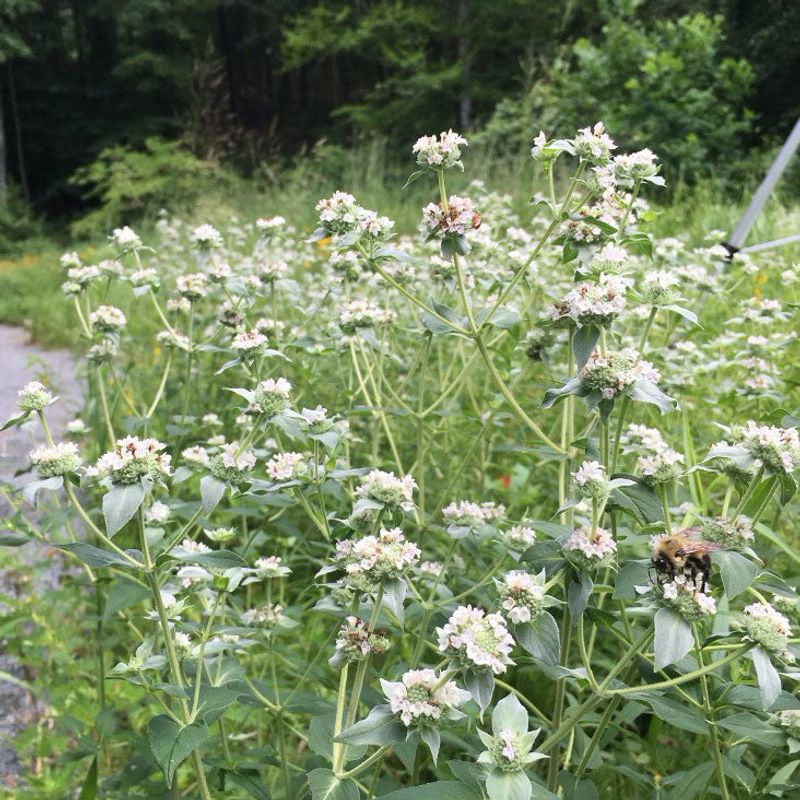
Here is a real talk moment for anyone considering mountain mint. Yes, it spreads. Yes, it spreads enthusiastically. But with a little planning and occasional attention, you can absolutely keep it right where you want it without a constant battle.
Mountain mint spreads through underground rhizomes. These horizontal root-like stems travel through the soil and pop up new shoots a few inches to a foot away from the main clump each season.
The spread is steady rather than explosive, which gives you time to respond and redirect it if needed.
One of the easiest management strategies is simply giving it enough space from the start. If you plant it knowing it will expand outward by a foot or two each year, you can design your garden around that behavior rather than against it.
Planting it in a spot bordered by a mowed lawn, a path, or a hard edge like a fence or driveway naturally limits how far it can travel.
Cutting back the outer edges of the clump in spring before new growth gets tall is another simple and effective approach. You can use a sharp spade to slice through the rhizomes right at the boundary where you want the plant to stop.
Those extra pieces you dig up can be shared with neighbors, composted, or moved to a new area where you want more coverage.
Dividing established clumps every few years also keeps the plant healthy and manageable. Pair mountain mint with other strong native perennials like Joe Pye weed, wild bergamot, or switchgrass.
Those plants hold their own and create a balanced, naturalistic planting that looks intentional and thrives without much fuss.
A Native Plant That Earns Its Space
Some plants sit in your garden and look pretty. Mountain mint works. It fills space, feeds pollinators, smells wonderful, handles tough conditions, and comes back stronger each year without asking much of you in return. That is a rare combination in any plant, native or otherwise.
To sum it up clearly: mountain mint is vigorous, aromatic, pollinator-friendly, and genuinely useful in the right garden setting. It earns every inch of ground it covers by doing something valuable with it.
A patch of mountain mint in peak bloom is one of the most ecologically active spots in any Pennsylvania yard, buzzing and fluttering with dozens of insect species on a single summer afternoon.
It is not the right plant for every situation. A tiny formal herb garden or a small raised bed with carefully spaced annuals is not where mountain mint belongs.
But a sunny native border, a meadow-style planting, a naturalized fence line, or a tough open area that needs coverage? Mountain mint fits those spaces like it was made for them, because honestly, it kind of was.
Pennsylvania gardeners sometimes avoid spreading plants out of caution, which is understandable. But native plants that spread are often the ones doing the most good for local wildlife and soil health.
Mountain mint is a perfect example of a plant that works hard for your garden ecosystem rather than just sitting there looking decorative.
So instead of thinking of it as a plant to be nervous about, think of it as a dependable native partner. Give it the right spot, let it do its thing, and watch your garden come alive in ways that truly matter.