The Native Georgia Flowering Plants That Actually Thrive In July Heat
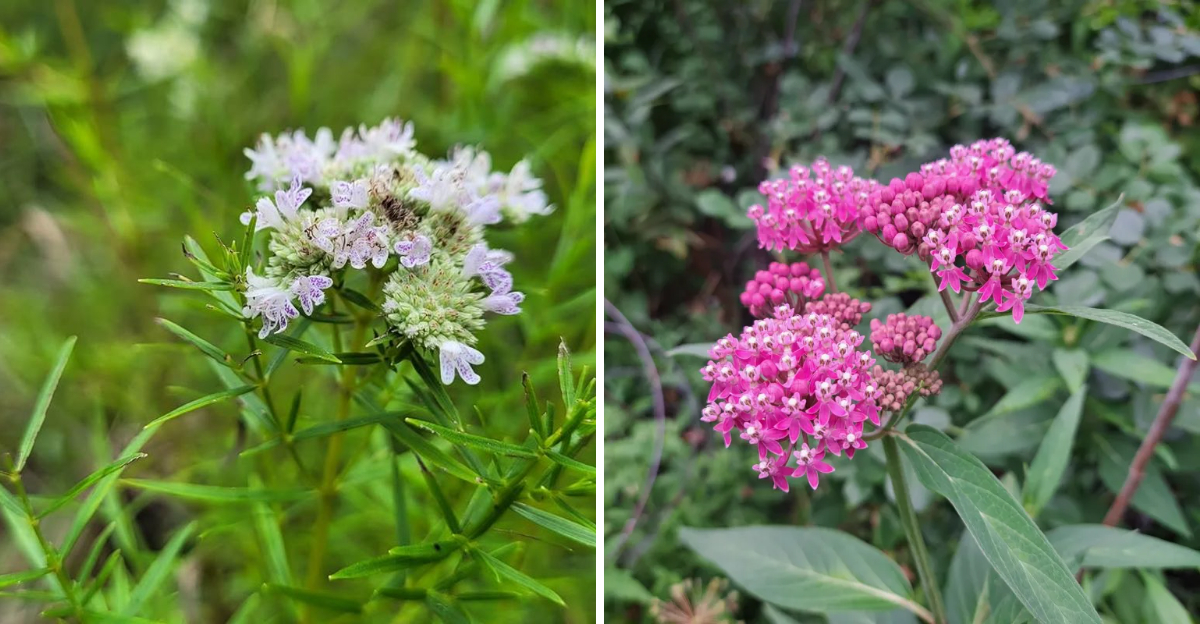
July has a way of separating tough plants from everything else. Flowers that looked beautiful in spring can start fading, blooming slows down, and some parts of the landscape lose the color they had earlier in the season.
It is one of the reasons midsummer can feel disappointing after months of growth and anticipation.
At the same time, certain plants seem completely unfazed by the heat. They continue blooming, continue attracting attention, and keep adding color when many other flowers are struggling.
Those reliable performers often become the plants people appreciate most once summer reaches its hottest stage.
That is especially true in Georgia, where July regularly brings long stretches of heat and challenging growing conditions. Choosing plants that are naturally suited to those conditions can make a noticeable difference.
Some native flowering species are particularly well adapted to midsummer weather and continue putting on an impressive show when other plants begin slowing down.
1. Purple Coneflower Keeps Blooming Through Summer Heat
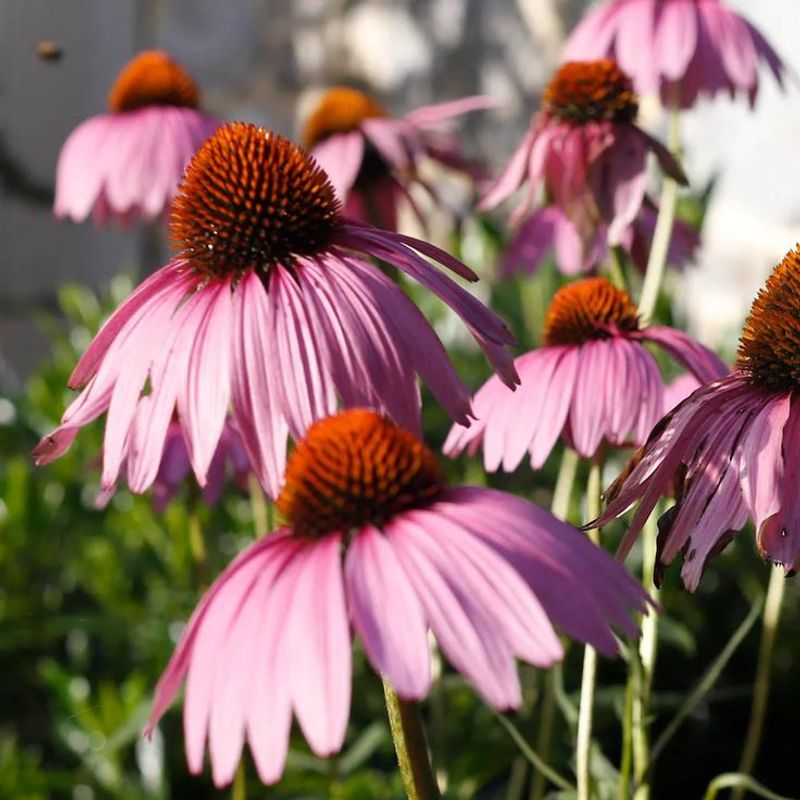
Few plants hold their color as confidently as purple coneflower does when July temperatures climb past 90 degrees. Native across much of the Southeast, this plant has deep roots that pull moisture from lower in the soil when the surface dries out fast.
Coneflower blooms from late spring all the way through late summer without needing much help. Once established, it handles dry spells pretty well.
Water it during the first season to help roots settle in, and after that, it mostly handles itself.
Butterflies and bees absolutely love it. You will see them working the flowers all day long, especially during peak summer weeks when other blooms have faded.
That makes it a solid choice for anyone trying to support pollinators.
Plant it in full sun for the best results. Partial shade works, but flowering tends to slow down.
Well-drained soil is important since soggy roots cause problems fast.
Deadheading spent flowers encourages more blooms, but leaving a few seed heads at the end of the season feeds goldfinches through fall. It is a low-effort, high-reward plant that earns its spot in any sunny border.
Expect plants to spread slowly over time through self-seeding, forming a fuller patch each year with very little work from you.
2. Butterfly Weed Handles Hot And Dry Conditions Well
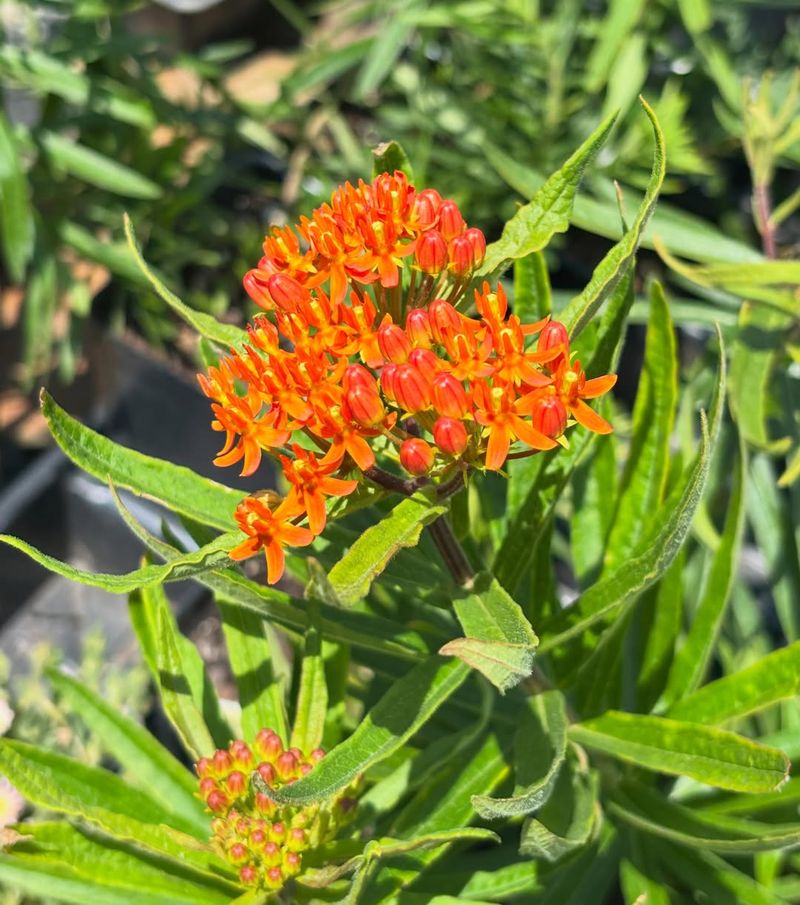
Bright orange and completely unbothered by heat, butterfly weed is one of the toughest native plants you can put in the ground. It thrives in lean, well-drained soil and actually struggles when given too much water or rich fertilizer.
Butterfly weed belongs to the milkweed family, which makes it a host plant for monarch butterflies. Females lay eggs directly on the leaves, and caterpillars feed there before forming their chrysalises.
Planting it means you are actively supporting a species that needs help right now.
Unlike common milkweed, butterfly weed does not spread aggressively through underground runners. It stays where you plant it and slowly expands from the base.
That makes it much easier to manage in a smaller garden space.
Full sun is essential. Even a few hours of shade will reduce flowering noticeably.
Your Georgia Garden Changes Every Week. Your Plan Should Too.
Gardening in Georgia changes quickly throughout the season. Every Friday you’ll receive a simple weekly plan showing exactly what to plant, prune, fertilize, harvest, and protect so you never miss the right timing.
Sandy or gravelly soil works better than heavy clay, though it can adapt if drainage is improved with amendments.
One thing to keep in mind: butterfly weed emerges late in spring. Mark your planting spots so you do not accidentally dig it up while it is still underground.
Once it appears and starts growing, it moves fast. By July it is usually in full bloom, covered in pollinators, and looking sharp even on the hottest afternoons.
It is genuinely one of the most reliable summer performers for dry garden spots in the region.
3. Blazing Star Adds Color During The Warm Season
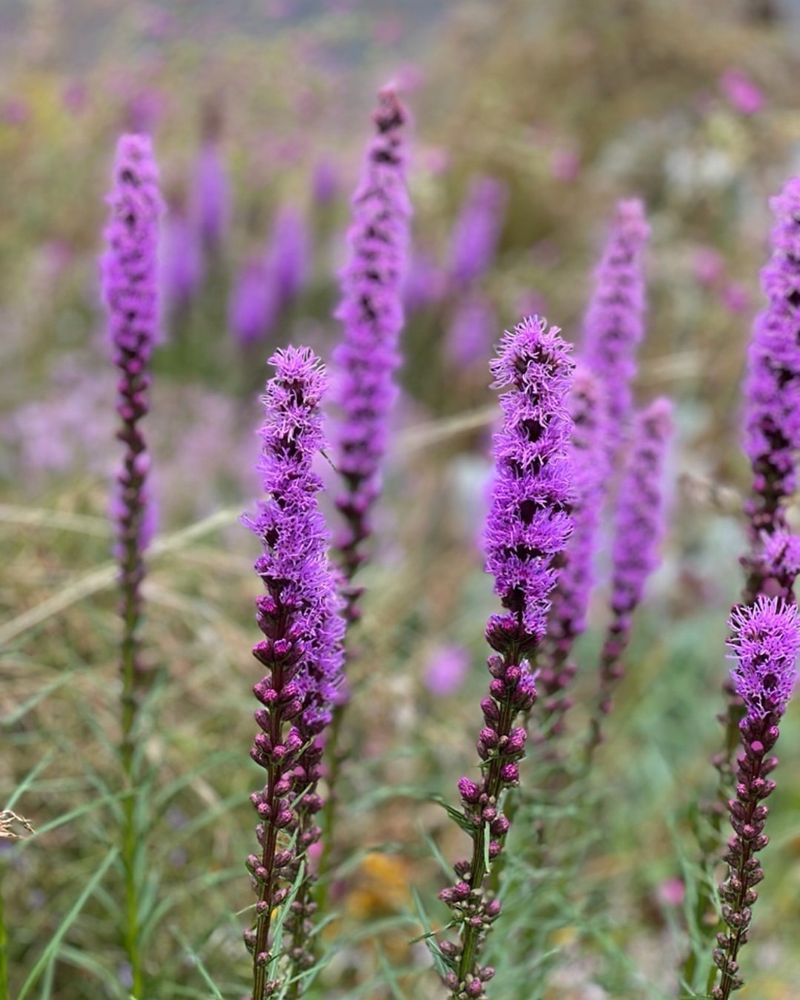
Blazing star opens its flowers from the top of the spike downward, which is the opposite of most flowering plants.
That quirky detail makes it easy to identify, and it also means the blooms stay fresh-looking for several weeks as lower buds continue opening.
Peak bloom for most blazing star varieties lands right in July and August, which is exactly when many other flowers are taking a break. That timing makes it especially valuable in a summer garden.
It fills a gap that can otherwise leave beds looking bare and dull.
Plant it in full sun with well-drained soil. Sandy loam works best, but it tolerates clay if water does not pool around the roots.
Avoid overwatering once established, since it naturally grows in open meadows and roadsides where rainfall is inconsistent.
Hummingbirds visit the flowers regularly. Bees and butterflies also show up in strong numbers, making this plant a reliable pollinator magnet through the warmest months of the year.
Blazing star grows from a corm, which is a small underground bulb-like structure. Plant corms about two to three inches deep in fall or early spring.
They establish quickly and reward you with strong blooms the following summer. Over time, clumps get larger and more impressive.
Dividing them every few years keeps growth vigorous. It is a standout plant in any naturalized border or sunny perennial bed.
4. Swamp Milkweed Continues Growing In Summer Heat
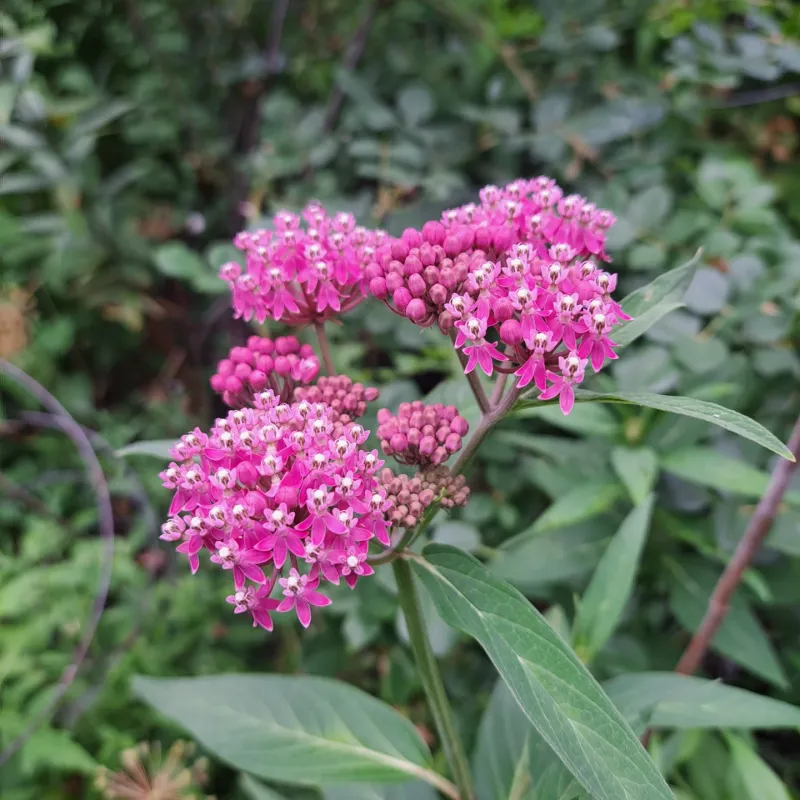
Swamp milkweed sounds like it only belongs near water, but that name is a bit misleading.
Yes, it grows naturally along stream banks and wet meadows, but it also performs well in average garden soil as long as moisture stays consistent through summer.
July heat does not slow it down. While many plants wilt by noon, swamp milkweed keeps its leaves upright and its flower clusters fresh.
That resilience comes from roots that run deep and hold moisture efficiently even during dry stretches.
Like butterfly weed, this is a monarch host plant. Caterpillars feed on the foliage, so expect some chewed leaves during peak butterfly season.
That is a good sign, not a problem. It means the plant is doing exactly what it is supposed to do.
Pink and mauve flower clusters bloom from late June through August. They attract an impressive range of pollinators including several native bee species that are less commonly seen on other flowers.
The scent is light and pleasant on warm afternoons.
Swamp milkweed can spread through underground rhizomes over time, so give it some room. It works beautifully near rain gardens, along fence lines, or at the back of a perennial border where its height, often reaching four feet, adds structure.
Regular watering during the first growing season helps roots establish. After that, it manages well with natural rainfall in most years.
5. Bee Balm Performs Well With Consistent Moisture
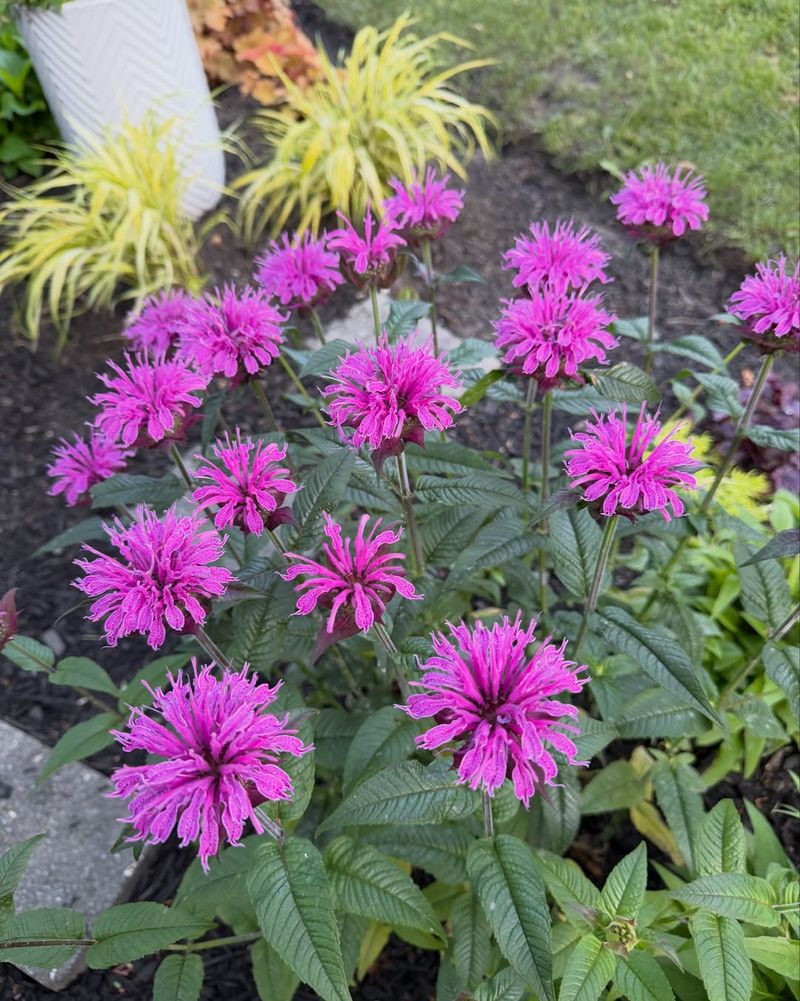
Bee balm is one of those plants that rewards attentive gardeners. Keep the soil consistently moist and give it decent air circulation, and it puts on a spectacular show all through July.
Let it dry out too much or crowd it in tight, and powdery mildew moves in fast.
Native varieties tend to handle humidity better than hybrid cultivars. Look for species like Monarda fistulosa or Monarda punctata if you want something that naturally fits the Southeast climate.
They are less showy than some hybrids but far more durable.
Hummingbirds are strongly attracted to bee balm. The tubular flowers are shaped perfectly for their long bills.
Plant it where you can see it from a window and you will likely catch hummingbirds hovering there on summer mornings.
Bees, especially native bumblebees, work these flowers heavily. The common name is not an accident.
On a warm July afternoon, a healthy bee balm patch is genuinely buzzing.
Full sun to light shade works well. Morning sun with afternoon shade can actually reduce mildew pressure during the hottest weeks.
Cut plants back by half after the first flush of blooms fades to encourage a second round of flowering later in summer. Divide clumps every two or three years to keep them healthy and vigorous.
Bee balm spreads through underground runners, so expect it to slowly expand beyond its original planting spot over time.
6. Blue Mistflower Thrives During Georgia Summers
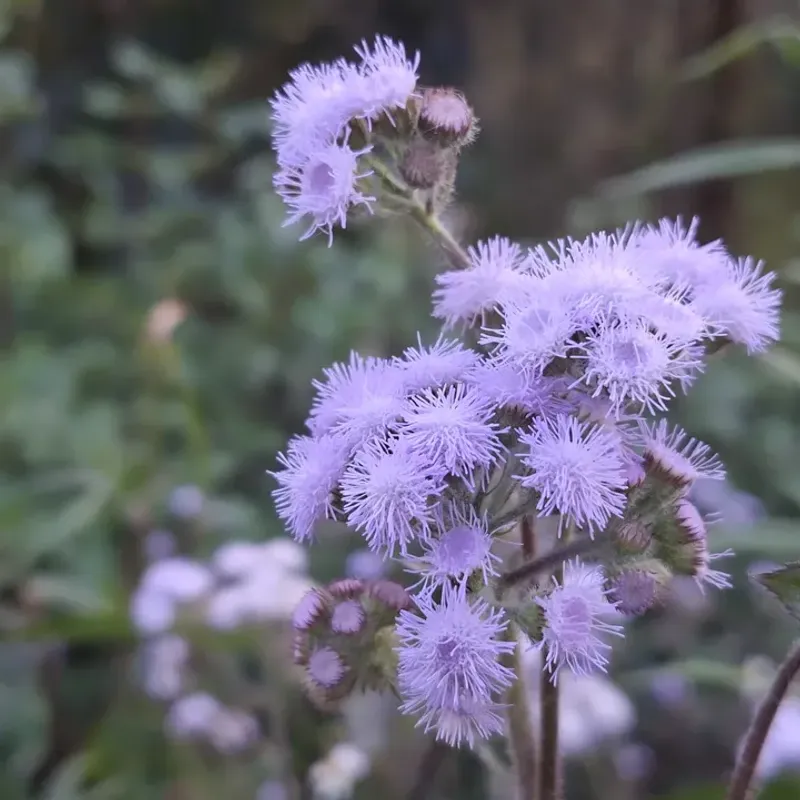
Blue mistflower is one of the most underused native plants in Southern gardens, and that is honestly a shame. It blooms in late summer and fall when most other plants have already peaked, and it handles heat and humidity with almost no fuss.
Soft blue-purple flower clusters cover the plant in a haze of color that looks almost delicate from a distance. Up close, each small bloom is actually quite structured and full of nectar.
Migrating butterflies stop here regularly during fall, making it a late-season pollinator magnet.
Partial shade suits blue mistflower well. Unlike most summer bloomers that demand full sun, this one actually prefers a spot with some afternoon shade.
That makes it useful in areas where other plants struggle to bloom.
Moist, well-drained soil is ideal. It tolerates clay better than many native plants, which is a real advantage given how common clay soil is across much of the state.
Avoid extremely dry spots since it tends to stress and drop leaves without consistent moisture.
Blue mistflower can spread aggressively through underground rhizomes in ideal conditions. Planting it in a contained bed or dividing it regularly keeps it manageable.
Height usually stays between two and three feet, making it a good mid-border plant. Pair it with taller natives like blazing star or swamp milkweed for a layered look that provides seasonal interest from midsummer all the way through October.
7. Narrowleaf Mountain Mint Attracts Pollinators All Season
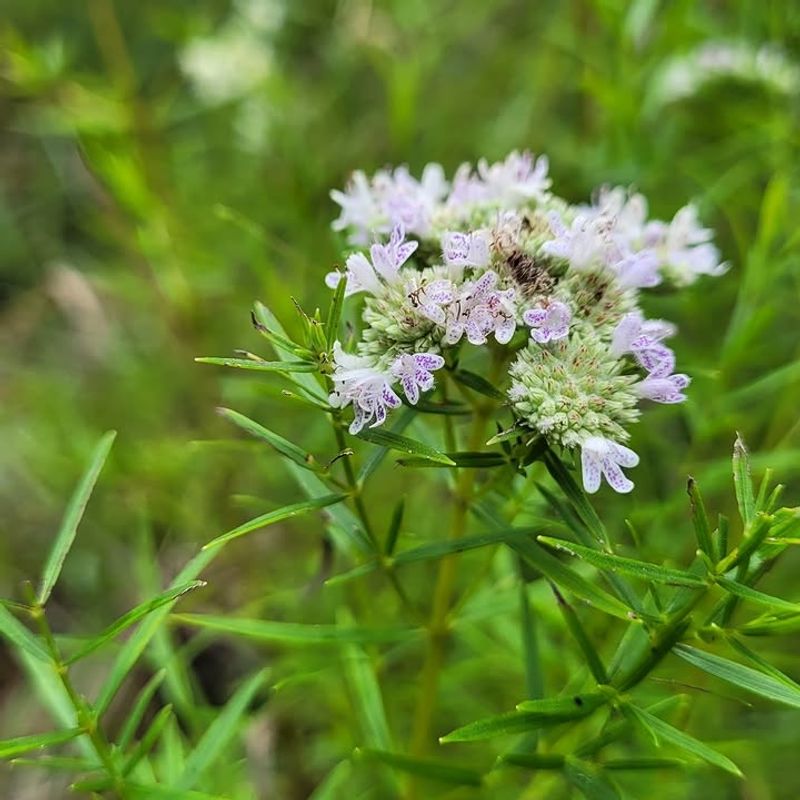
Walk past narrowleaf mountain mint on a sunny July afternoon and you will hear it before you see it. The hum from dozens of bees, wasps, and butterflies working the flowers is genuinely impressive.
Few native plants attract that level of pollinator activity so consistently.
Small white flowers with subtle purple spots cover the plant from midsummer through early fall. They are not flashy from a distance, but the silvery-green foliage gives the plant a clean, attractive look that holds up even in intense heat.
Full sun is where it performs best. It handles drought surprisingly well once established, making it a strong choice for spots that dry out between rain events.
Lean soil actually encourages more compact, tidy growth compared to rich amended beds.
Narrowleaf mountain mint spreads through rhizomes and can take over a section of a garden bed if left unchecked. Plant it where spreading is acceptable or divide it each spring to keep it contained.
Some gardeners use it as a ground cover in sunny areas where other plants struggle.
Crushing a leaf releases a sharp, clean mint scent that some people find pleasant and others find intense. Either way, deer tend to avoid it, which is a genuine bonus in areas with heavy deer pressure.
Pair it with coneflower or black-eyed Susan for a pollinator bed that stays active all season long. It is a workhorse plant with an impressive ecological value.
8. Black Eyed Susan Keeps Flowering Through Summer
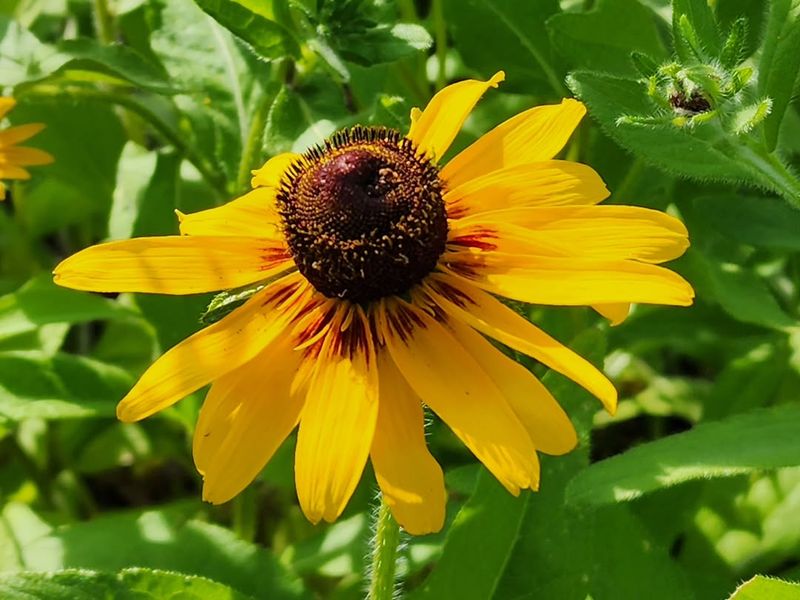
Black-eyed Susan is one of the most recognizable wildflowers in North America, and for good reason. It blooms reliably through the hottest part of summer without needing much attention, extra water, or special soil preparation.
Native to open meadows and roadsides, this plant is genuinely adapted to tough conditions. Heat, dry spells, and poor soil do not stop it.
In fact, rich fertilized soil tends to produce more leaves and fewer flowers. Keep it lean and sunny for the best bloom performance.
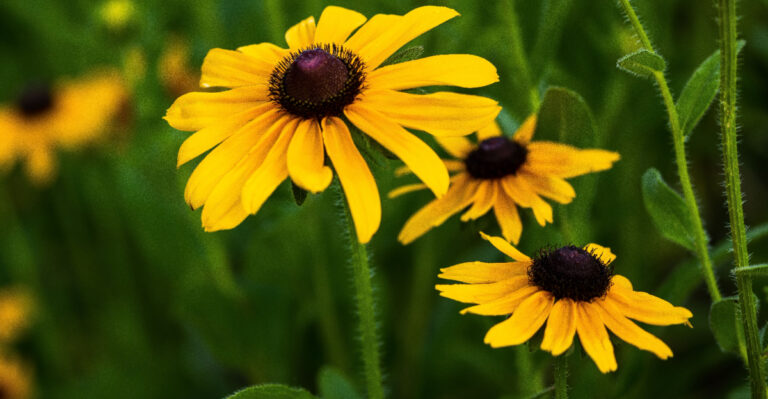
Yellow petals surrounding a dark brown center make it easy to spot from a distance. Blooms appear from June through September in most years, with peak flowering usually landing right in July.
That long season makes it a dependable source of color when the garden needs it most.
Native bees visit black-eyed Susan regularly. Goldfinches also love the seed heads in late summer and fall, so leaving spent flowers in place serves double duty for wildlife.
Plant it in full sun with well-drained soil. It self-seeds freely, which means a small planting can expand into a larger patch over several seasons.
If spreading becomes an issue, deadhead spent blooms before seeds fully ripen. Short-lived perennial or biennial depending on conditions, but self-seeding usually keeps the colony going indefinitely.
It is one of the easiest native plants to establish and one of the most rewarding to watch through the full arc of summer.