The Real Reason Calibrachoa Blooms Lose Their Size Over Time
You noticed it a few weeks in, the blooms that once covered your calibrachoa in a wave of color are now looking smaller, sparser, and a little underwhelming. Nothing obvious changed.
You are still watering, still giving them sun, still doing everything right. So what happened? Calibrachoa are not low-maintenance plants dressed up to look like they are.
They are heavy feeders that run through nutrients fast, and they respond to inconsistent care more noticeably than most annuals. The shrinking blooms are not a cosmetic issue. They are a signal.
Something in the plant’s environment shifted, and it is showing up in the flowers first. The reasons behind it are specific and, once you understand them, surprisingly easy to address.
Nutrient Depletion Is The Most Common Cause Of Smaller Blooms
Your plant is hungry, and it shows. Calibrachoa are heavy feeders that burn through nutrients faster than most flowering annuals.
When grown in containers, they exhaust the fertilizer in fresh potting mix within just a few weeks. After that point, every new bloom gets a little smaller than the last.
Most gardeners do not realize how quickly this happens. A plant that looked stunning in May can look tired and thin by late June simply from nutrient loss.
Nitrogen keeps foliage green and strong. Phosphorus fuels root health and flower development, while potassium supports overall plant resilience.
When any of these run low, blooms shrink noticeably. The plant is essentially rationing its energy to survive rather than to produce big, showy flowers.
Liquid fertilizers work faster than granular ones for containers. A balanced liquid fertilizer applied every one to two weeks gives calibrachoa the steady fuel supply they need to keep blooming big.
Some gardeners switch to a bloom-boosting fertilizer with higher phosphorus mid-season. That shift may support flower development, though results can vary depending on the plant’s overall condition.
Watch for yellowing leaves as an early warning sign. Yellow foliage usually means nitrogen is already running low before the blooms start shrinking.
Consistent feeding is the single biggest factor in maintaining calibrachoa bloom size all season long. Feed them regularly, and they will reward you generously with full, vibrant flowers right through fall.
How Soil pH Affects Flower Size In Calibrachoa
Here is a sneaky one that most people never suspect. Soil pH can silently block your plant from absorbing nutrients even when plenty are present.
Calibrachoa prefer a slightly acidic soil with a pH between 5.5 and 6.0. Outside that range, essential nutrients become chemically locked and unavailable to the roots.
Think of it like a locked door. The nutrients are right there, but the plant cannot get inside to use them without the right pH key.
When pH climbs above 6.5, iron and manganese become inaccessible. The result is interveinal chlorosis, where leaves turn yellow between the veins while staying green along them.
Blooms shrink because the plant is struggling to function at the most basic level. It cannot produce healthy flowers when it cannot access its own food supply.
Tap water in many American cities is alkaline, often registering above a neutral pH, which can gradually raise container soil pH over time.
Testing your soil pH costs almost nothing. Simple test kits from garden centers give you a reading in minutes and tell you exactly where you stand.
To lower pH, use an acidic fertilizer or add a small amount of sulfur to your mix. Switching to an acidifying fertilizer formulated for acid-loving plants is a safer and more consistent long-term fix.
Correcting pH often brings dramatic improvement in calibrachoa bloom size within just a short time. It is one of the most overlooked fixes in container gardening.
The Role Of Removing Spent Blooms In Keeping Flowers Full-Sized
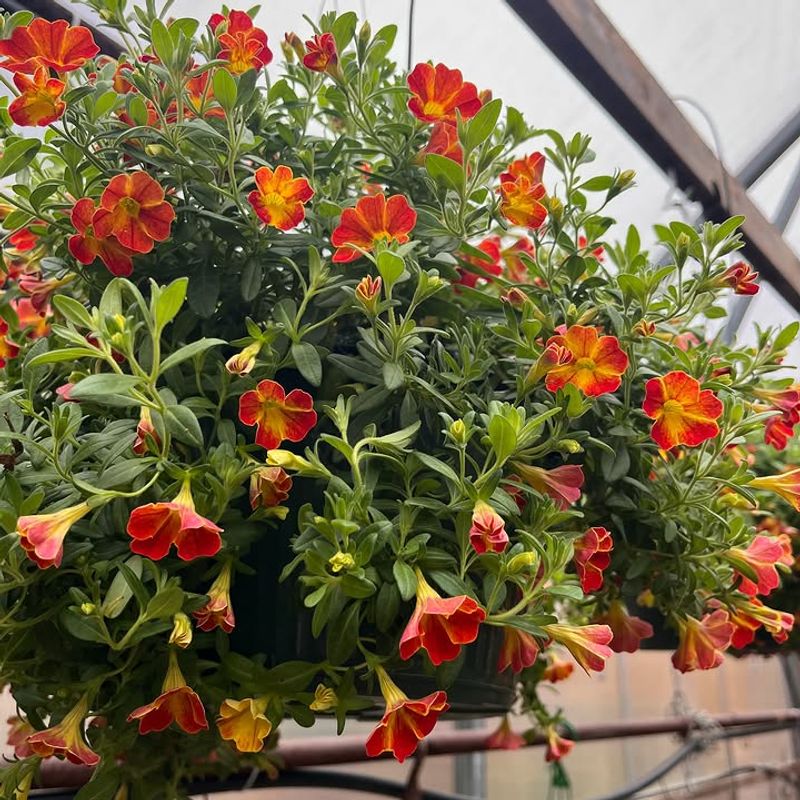
Spent blooms are easy to overlook, but they still take up space and resources the plant could use elsewhere.
Calibrachoa are sometimes marketed as self-cleaning, meaning old flowers drop on their own. But self-cleaning does not mean the plant benefits from neglect.
Even so, allowing old growth to accumulate on the plant can divert some energy and reduce the visual space available for new buds to develop.
Regular removal of spent blooms breaks that cycle completely. When you pull off faded flowers before seeds form, the plant redirects all its energy into producing the next flush of blooms.
The result is not just more flowers but noticeably larger ones. Plants that are consistently kept clean of old growth tend to maintain better bloom size throughout the season.
You do not need special tools for this task. A quick pinch with your fingers every few days is enough to make a real difference in bloom quality.
Some gardeners go one step further and cut the entire plant back by one-third mid-season. This hard reset triggers a fresh burst of vigorous new growth with full-sized flowers.
Trim back around mid-July in most American growing zones. New growth appears within a week, and fresh blooms follow shortly after with noticeably better size.
Think of removing old flowers as a conversation with your plant. You tell it to keep blooming by clearing out what it no longer needs, and it responds with exactly what you want.
Why Overcrowding Reduces Bloom Size Over Time
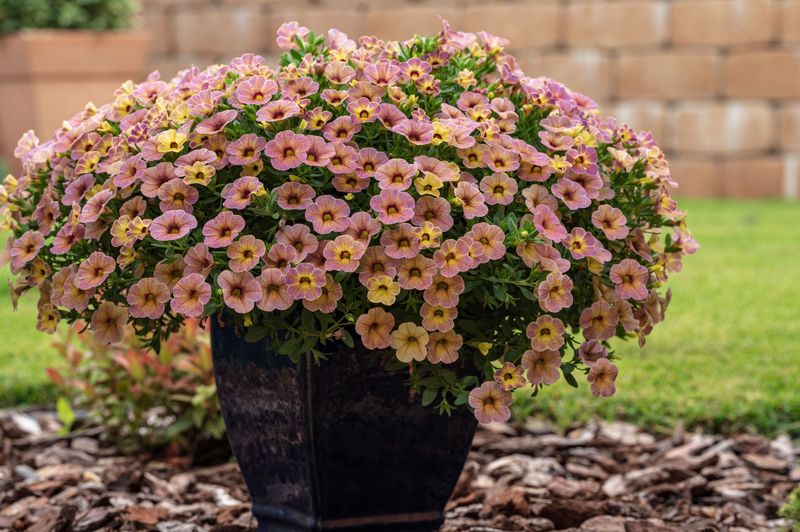
Too many plants in one pot sounds like a good idea at first. More plants equal more flowers, right? Not exactly.
When calibrachoa are crowded together, their roots compete fiercely for water, nutrients, and oxygen. Every plant in that container gets less than it needs to thrive.
Root competition is invisible but brutal. Crowded roots tangle and restrict each other, limiting how much each plant can absorb from the surrounding soil.
Above ground, dense foliage blocks airflow and traps humidity. That creates the perfect environment for fungal problems that further stress the plant and reduce bloom quality.
As the season progresses, the plants that started strong begin to weaken. Blooms get smaller because the plant simply does not have enough resources to sustain full-sized flowers.
A general guideline is two to three plants per twelve-inch container, giving each enough root space to thrive. Going beyond that tends to create the kind of competition that shows up in the blooms first.
If your container already looks overcrowded, you have options. Carefully remove one or two plants and give the remaining ones more room to spread and breathe.
Adding fresh potting mix after thinning gives the remaining roots immediate access to new nutrients. That boost alone can trigger noticeable improvement in bloom size within a week or two.
Giving your calibrachoa enough breathing room is not just about aesthetics. It is about creating the conditions where each plant can fully express its blooming potential all season long.
How Heat And Light Exposure Change Bloom Development
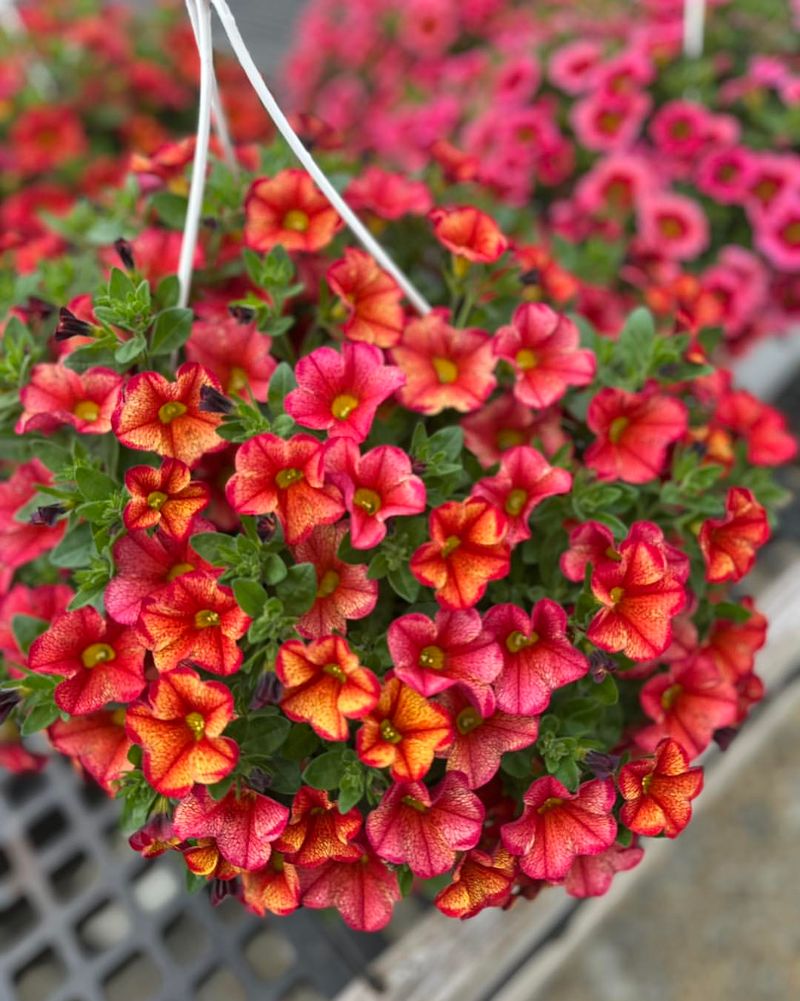
Midsummer heat hits calibrachoa hard. These plants love sun, but extreme temperatures push them past their comfort zone fast.
Calibrachoa bloom best when daytime temperatures stay between 60 and 85 degrees Fahrenheit. Once heat climbs consistently past 90 degrees, some reduction in bloom size and overall vigor is common, though tolerance can vary by variety.
High heat speeds up the plant’s metabolism. It burns through water and nutrients faster than roots can replace them, leaving less energy available for flower production.
Light is equally important to get right. Calibrachoa need at least six hours of direct sunlight daily to bloom their best and maintain strong flower size.
Too little light and the plant stretches toward the sun, producing leggy stems and smaller, paler flowers. Too much intense afternoon sun in hot climates causes heat stress and similar results.
The sweet spot is morning sun with some afternoon shade in hotter regions. That combination gives the plant the light it needs without the scorching stress of peak heat.
If your container sits in a spot that gets brutal afternoon sun, simply move it. Container gardening gives you flexibility that in-ground planting does not offer.
Mulching the top of your container with a thin layer of bark or moss helps regulate soil temperature. Cooler roots mean a less stressed plant and noticeably better bloom development.
Understanding how your specific microclimate affects your calibrachoa gives you real power. Small adjustments in placement can restore bloom size more effectively than any product you could buy.
Simple Fixes That Help Calibrachoa Recover Its Bloom Size
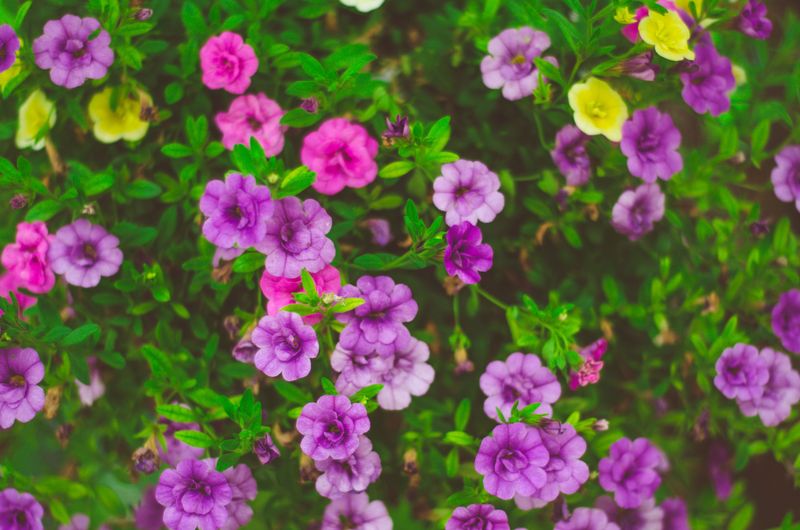
Good news: recovery is absolutely possible. Calibrachoa are resilient plants that respond quickly when you address the right problem.
Start with a thorough watering to flush any salt buildup from fertilizer residue in the container. Salt accumulation blocks nutrient uptake and is a common hidden cause of smaller blooms.
After flushing, apply a balanced liquid fertilizer right away. Feeding a freshly watered plant ensures nutrients move into the root zone quickly and efficiently.
Check your watering habits next. Calibrachoa like consistently moist soil but do not like sitting in soggy conditions that cut off oxygen to the roots.
Stick your finger about an inch into the soil before watering. If it still feels damp, wait another day before adding more water to avoid stressing the roots.
Trim back any leggy or overgrown stems to encourage compact new growth. Fresh growth produces the largest, most vibrant blooms the plant is capable of making.
Consider repotting into a slightly larger container if the current one seems tight. Fresh potting mix combined with more root space can transform a struggling plant within weeks.
Adding a slow-release fertilizer to the new mix gives the plant a steady nutrient base. Then supplement with weekly liquid feeding to keep energy levels high all season.
Restoring calibrachoa bloom size is completely within reach for any gardener willing to take action. Small consistent efforts add up to a container overflowing with the big, bold flowers you originally fell in love with.