The June Peony Habit That Pays Off Every Single Summer In Colorado
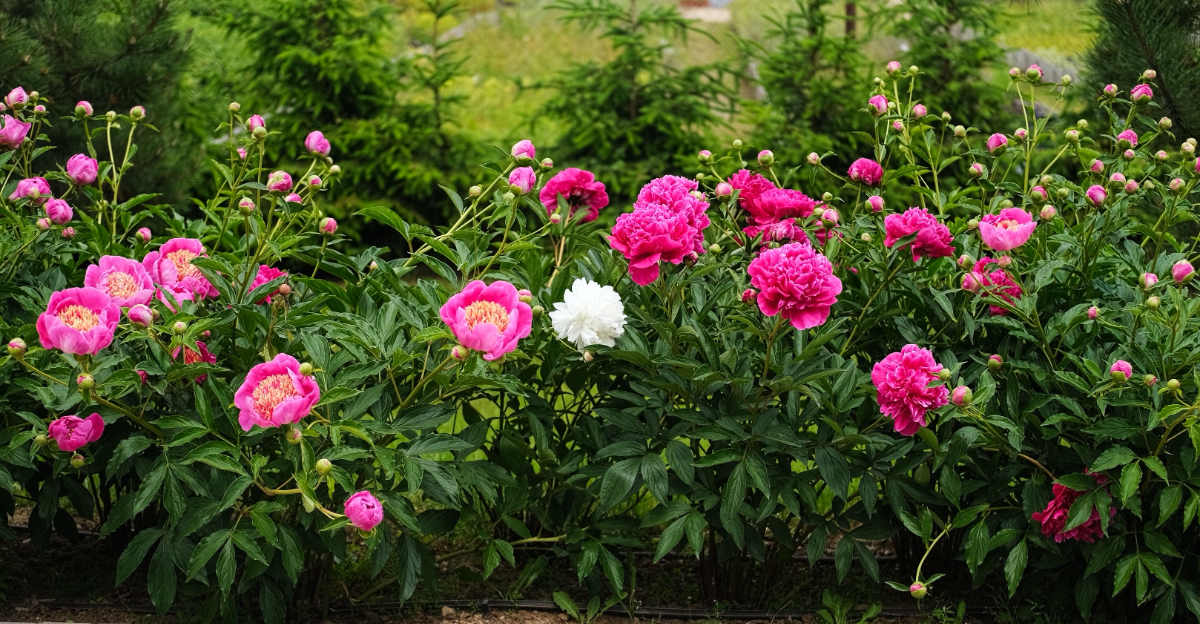
Colorado peonies do not follow the same rules as everyone else’s. The altitude pushes bloom time later, the sun runs hotter, and just when the flowers hit their peak, the weather reminds you who is actually in charge.
By mid-June, most of those blooms are finished. Most gardeners take that as their cue to move on. That is the mistake. What happens in your garden between now and the first hard frost decides exactly how your peonies perform next June.
Miss this window and you will spend next summer wondering why the blooms look smaller and fewer than the year before. Nail it and your plants will keep delivering, season after season, with almost no extra effort.
Colorado peonies are not high-maintenance. They are just specific.
Snip The Spent Blooms Before The Roots Pay The Price
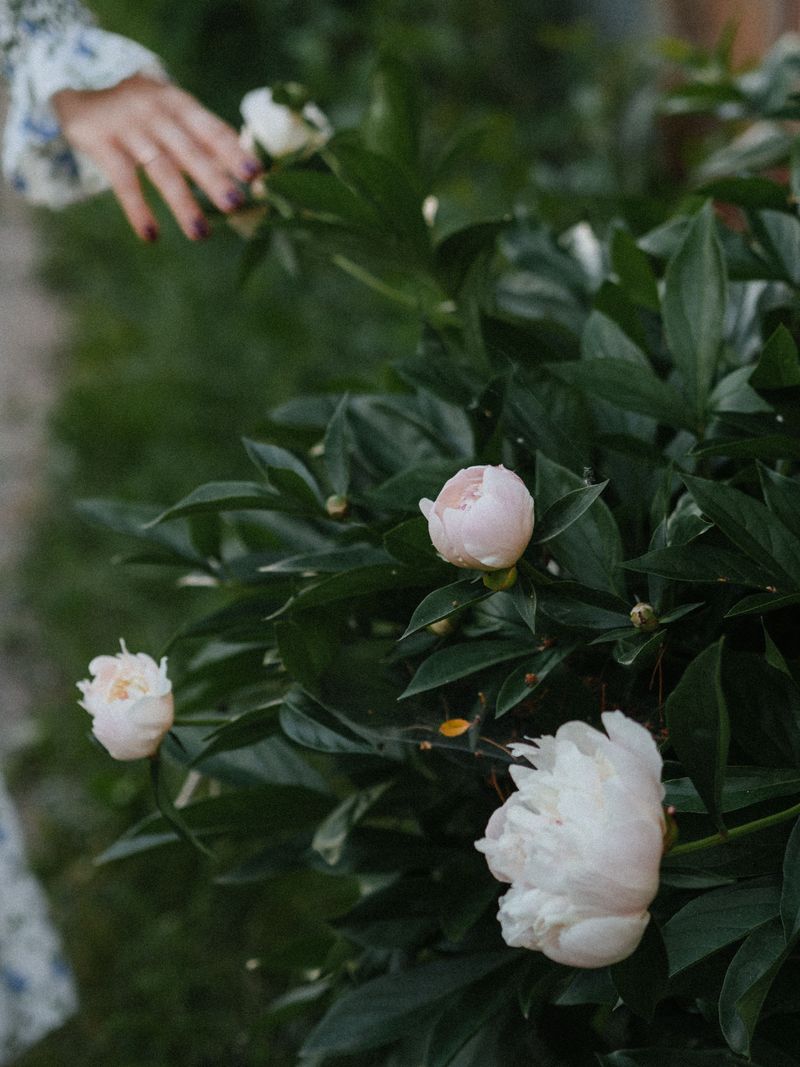
Removing spent blooms sounds like a chore, but it is actually one of the smartest moves you can make in June.
When a peony bloom fades, the plant does not just let go and move on. It starts pouring energy into forming seeds, which is energy stolen from the roots below.
Your roots need that energy for next summer’s show. Cutting the spent blooms redirects that power exactly where it belongs.
Use clean, sharp pruning shears and cut the stem back to the first set of healthy leaves. Do not yank or tear, because rough handling can stress the crown of the plant.
In Colorado’s intense June sun, spent blooms can also trap moisture and invite fungal problems. Botrytis blight thrives in moist, humid conditions, and a decaying flower head gives it exactly the foothold it needs.
Removing the bloom early keeps airflow moving through the plant. Better airflow means a healthier, stronger peony heading into the dry heat of July.
The June peony habit that pays off every single summer in Colorado begins right here, with a simple snip. You are not cutting back the plant; you are investing in it.
Think of removing spent blooms as a conversation with your peony. You are telling it to stop looking backward and start building forward.
This one task takes less than five minutes per plant. The return on that five minutes is a fuller, more vigorous bloom display the following June.
Your Peony Is Not Done, It Just Changed Jobs
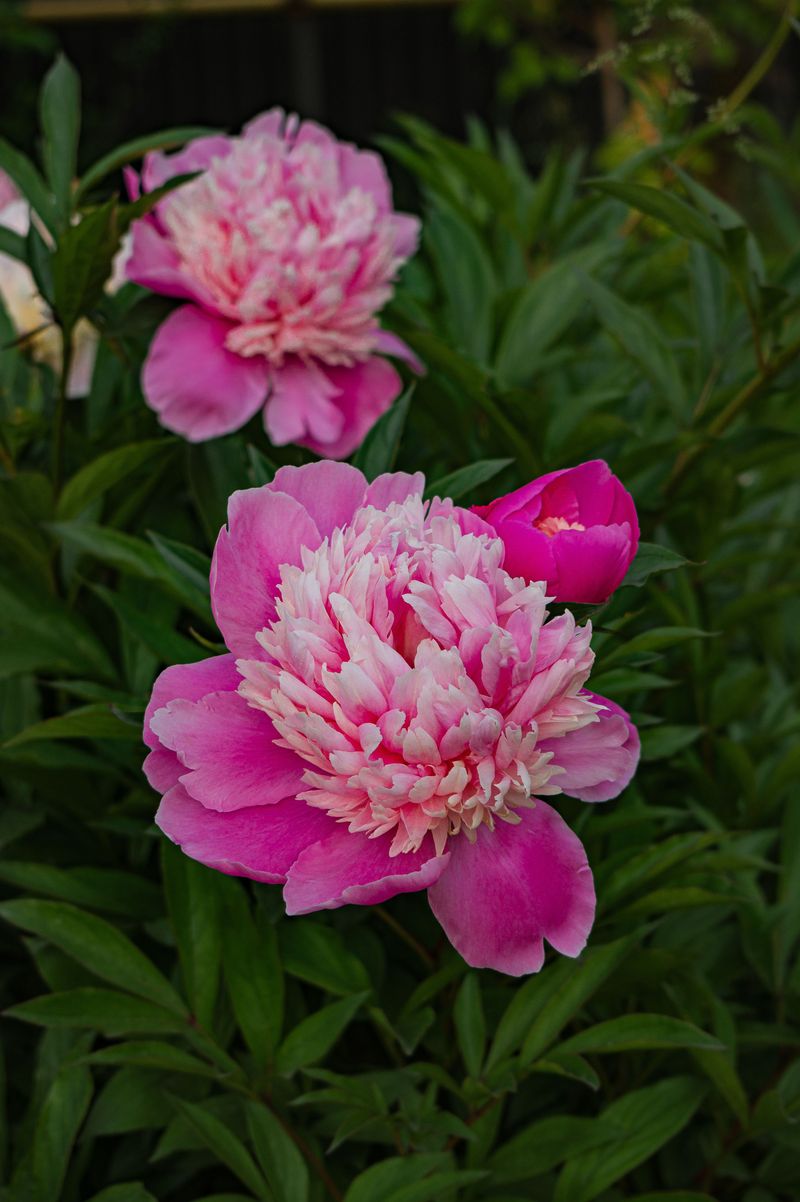
After the last bloom drops, many gardeners assume the peony is coasting until next spring. That assumption costs them dearly.
Right now, beneath those glossy green leaves, your peony is in full production mode. The foliage is capturing sunlight and converting it into stored energy for the roots below.
Those roots are building what botanists call carbohydrate reserves. In plain terms, they are stockpiling fuel for next year’s flowers.
Cutting the foliage back too early, or letting it get damaged and stressed, drains that fuel supply. A depleted root system produces weak, sparse blooms the following season.
Think of the leaves as solar panels on a rooftop. They look quiet, but they are working hard every single hour of daylight.
Your Colorado Garden Changes Every Week. Your Plan Should Too.
Gardening in Colorado changes quickly throughout the season. Every Friday you’ll receive a simple weekly plan showing exactly what to plant, prune, fertilize, harvest, and protect so you never miss the right timing.
In Colorado, where summer sun is intense and days are long, peonies actually have a real advantage here. More sunlight can mean more energy captured, which can translate to fuller, more consistent blooms next year.
Your job in June is to protect those leaves, not prune them. Water consistently at the base, and keep the foliage as intact as possible through summer.
Avoid overhead watering, which wets the leaves and invites disease in Colorado’s afternoon humidity spikes. A soaker hose or drip line is your best friend right now.
The peony has simply changed jobs after blooming. Respect the new role, and the plant will reward you generously when June rolls around again.
What Colorado’s Thin Air Does To Your Plants In Summer
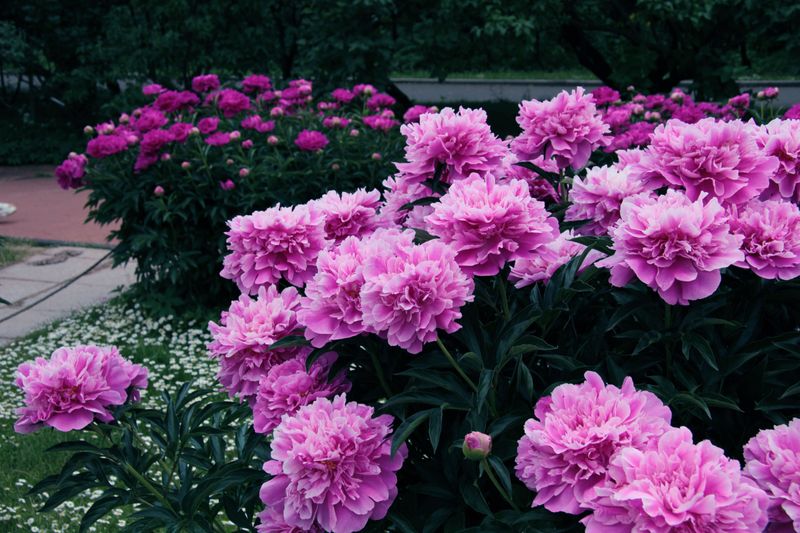
Gardening at altitude is a completely different experience, and peonies feel every bit of it. Colorado’s thin atmosphere lets ultraviolet radiation reach plants with noticeably more intensity than at sea level.
That means leaves sunburn faster, soil dries out quicker, and temperature swings between morning and afternoon are much more dramatic. Your peony is managing all of that stress simultaneously.
UV stress can cause foliage to yellow prematurely, which cuts short the energy-storage window the plant desperately needs. Protecting your peony from midday sun exposure in June is a surprisingly effective strategy.
A light layer of organic mulch around the base does two important jobs at once. It keeps soil moisture stable and regulates the soil temperature during those wild afternoon heat spikes.
Two to three inches of shredded wood mulch or straw works beautifully. Keep the mulch a few inches away from the crown to avoid rot at the base of the plant.
Colorado gardeners also deal with low humidity, which accelerates water loss through the leaves. Peonies are not drought-tolerant once they are actively storing energy, so consistent watering matters more than most people realize.
Water deeply once or twice a week rather than shallow daily sprinkles. Deep watering encourages roots to grow downward, making the plant more resilient to dry spells.
The June peony habit that pays off every single summer in Colorado includes understanding your environment. Work with the altitude, not against it, and your peonies will adapt beautifully.
The Pruning Mistake That Costs You Next Year’s Blooms
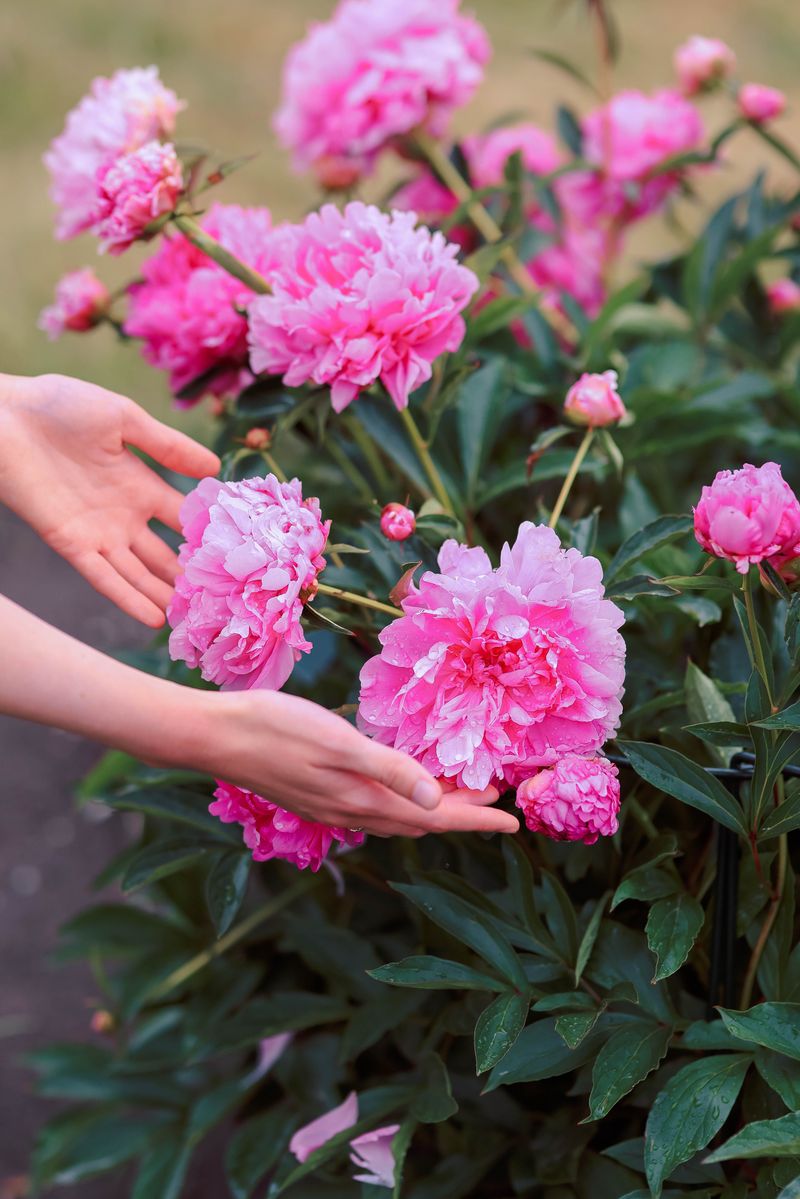
One wrong cut in June can significantly weaken your peony’s performance for an entire season. It sounds dramatic, but it happens to experienced gardeners all the time.
The most common pruning mistake is cutting the foliage back in summer, thinking the plant looks messy and overgrown. That instinct is understandable, but it is genuinely harmful.
Removing the leaves before fall means removing the plant’s ability to store energy for next year. The roots go into winter with an empty tank, and the spring bloom suffers the consequences.
Another frequent error is cutting stems too close to the crown. The crown is that knobby cluster of white or pink buds just at or below the soil surface.
Damaging the crown in summer can delay or prevent bud formation for the following spring. Handle that area with real care whenever you are working near the base of the plant.
Some gardeners also make the mistake of fertilizing heavily after blooming, thinking it will boost next year’s performance. High-nitrogen fertilizers in summer push leafy growth instead of root development.
A light application of low-nitrogen, phosphorus-rich fertilizer in early fall is far more effective. Phosphorus supports root strength and encourages robust bud formation underground.
The June peony habit that pays off every single summer in Colorado requires knowing what not to do. Restraint is a skill, and in peony care, it is often the most valuable one you can develop.
When Tired Foliage Is Still Working Foliage
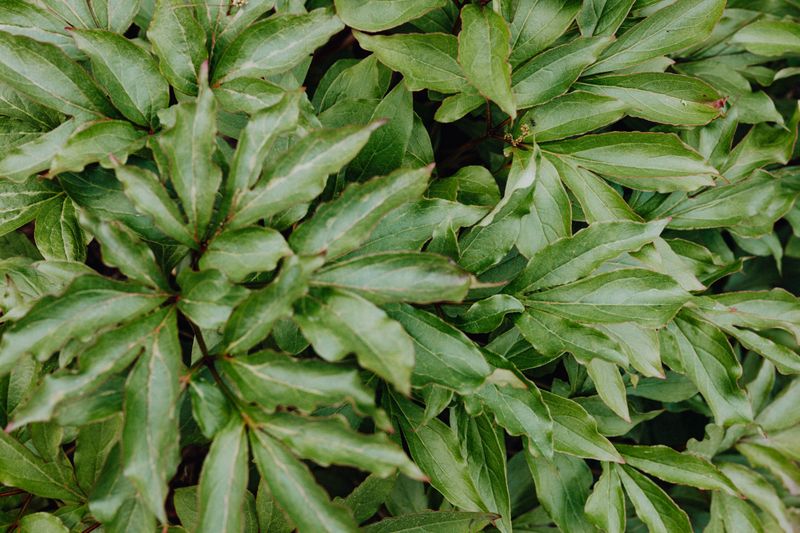
By late June, your peony foliage might look a little rough around the edges. Leaves may show minor spotting, slight yellowing, or edges that curl from the dry Colorado air.
That imperfect foliage is still doing its job, and it deserves your patience. A leaf that looks tired is not a leaf that has stopped working.
As long as the majority of the leaf surface remains green, photosynthesis is still happening. Energy is still moving down into the roots, building next summer’s bloom potential.
Resist the urge to strip away leaves that look less than perfect. Each one you remove is a small reduction in the plant’s energy income for the season.
If you notice significant spotting that spreads rapidly, that may indicate a fungal issue worth addressing. A light application of neem oil or copper-based fungicide can slow the spread without harming the plant.
Treat only what is necessary and leave the rest intact. Overtreatment with chemical sprays can sometimes stress the foliage more than the problem itself.
Colorado’s afternoon thunderstorms in July can cause temporary leaf damage from hail or heavy rain. Give the plant a few days to recover before deciding any intervention is needed.
Peonies are resilient in ways that surprise most gardeners. What looks like a struggling plant in late June is often a plant that is quietly storing everything it needs for a spectacular return next spring.
How Colorado Peonies Signal They Have What They Need
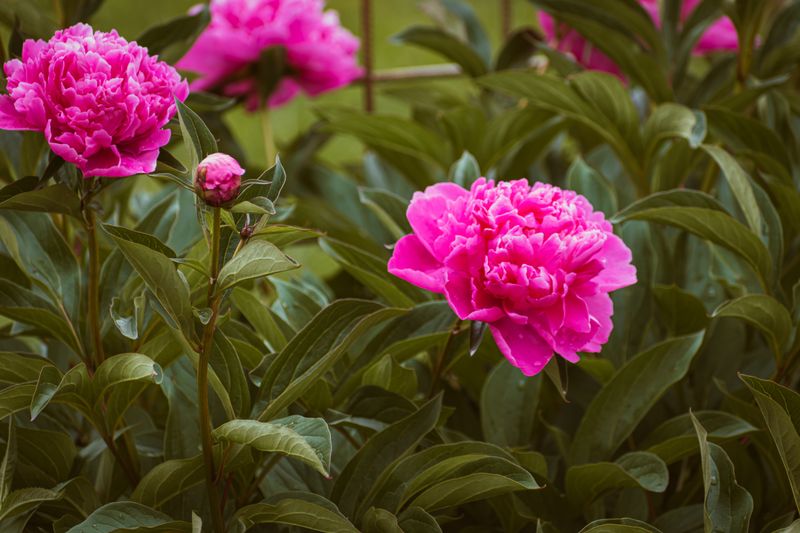
Peonies are not subtle when they are thriving. Once you know what to look for, reading a healthy plant becomes second nature.
Deep green, upright foliage is the clearest signal that your peony has enough water and nutrients to do its job. Leaves that stand firm in the morning sun are not struggling; they are succeeding.
Thick, sturdy stems that hold the foliage off the ground indicate a strong root system working well below the surface. Weak, floppy stems can point to overwatering, poor soil drainage, or simply a lack of structural support.
Colorado soil tends to be alkaline and clay-heavy in many areas, which can limit nutrient absorption. If your foliage looks pale despite regular watering, a soil test is worth the small investment.
Adjusting pH slightly with sulfur or adding compost to improve drainage can make a noticeable difference within one growing season. Your peony will tell you when the soil finally suits it.
New growth emerging from the base of the plant in late June is another positive signal. It means the crown is healthy and already planning ahead for next spring.
A thriving peony also tends to resist pests naturally. A plant that is well-fed and properly watered is simply a less inviting target for opportunistic insects.
The June peony habit that pays off every single summer in Colorado is partly about observation. Watch your plant closely, respond to what it shows you, and the rewards will keep coming year after year.