Why West Virginia Plants Wilt Even When You Water Them Regularly
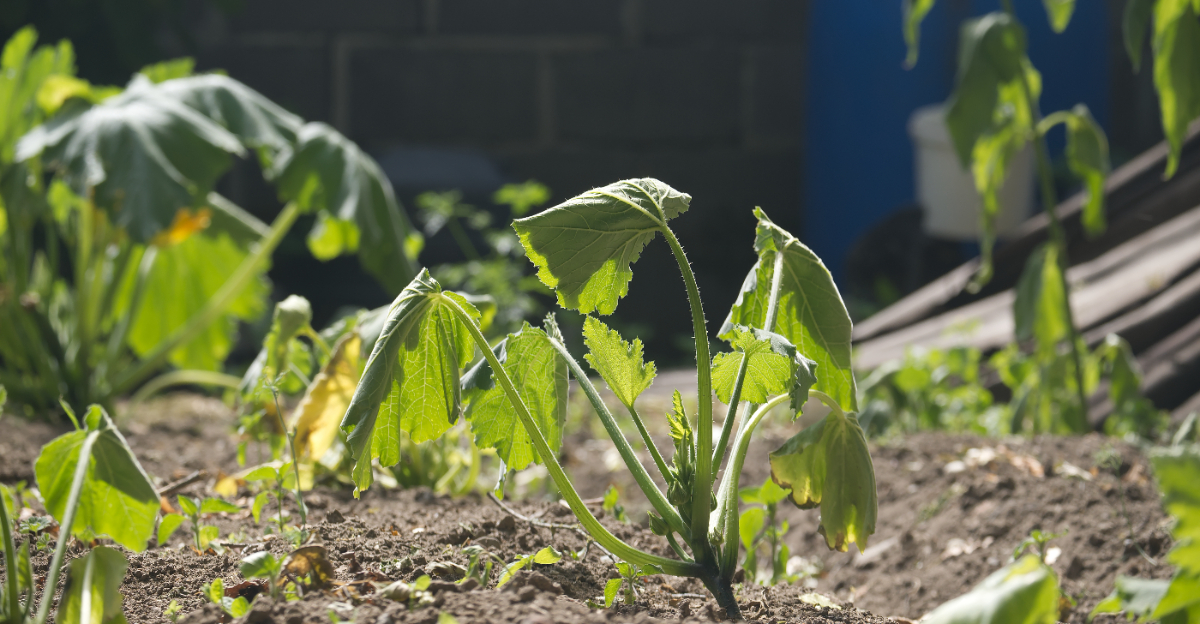
Your watering can is empty, your schedule is consistent, and your plants are still drooping like something went terribly wrong. Something is clearly off, and it is not your effort.
West Virginia summers are no joke, the heat index climbs, the humidity sits heavy, and the ground bakes between rain showers in ways that catch even experienced gardeners off guard.
What looks like a watering problem is often something else entirely working against your plants underground or in the air around them. The fix is rarely complicated, but it does require knowing where to look.
A few common conditions in West Virginia yards quietly sabotage even the most consistent watering routine, and most gardeners never connect the dots until the damage is done.
Wilting After Watering Is More Common Than You Think
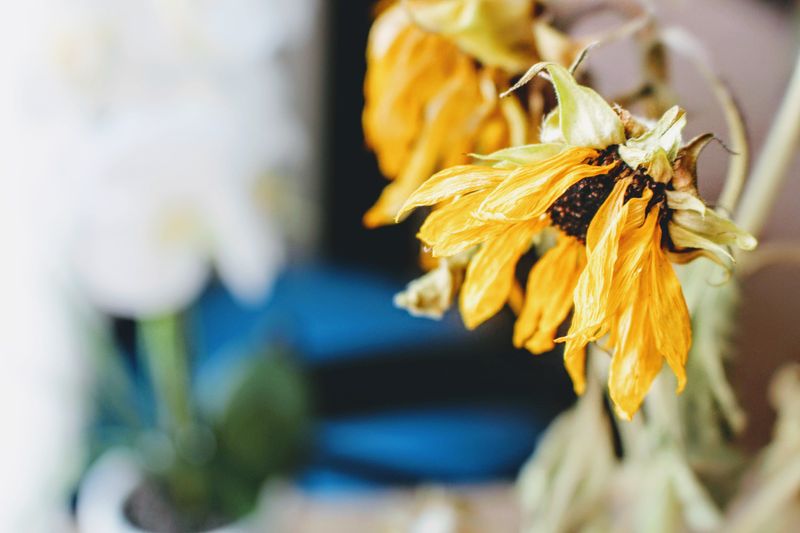
Your plants look thirsty, but the soil is soaked. That confusing scene plays out in backyards across the Mountain State every single summer.
West Virginia plants wilting even when you water them regularly is not a sign you are a bad gardener. It is a sign that something deeper is going on beneath the surface.
Many gardeners assume wilting always means drought stress. That assumption leads to more watering, which often makes things worse.
Plants wilt for several reasons that have nothing to do with water shortage. Soil problems, root damage, heat stress, and watering habits all play a role.
The tricky part is that most of these causes look identical from the outside. A drooping tomato plant does not come with a label explaining why it gave up.
West Virginia has a unique mix of humid summers, heavy clay soils, and dramatic temperature swings. Those conditions create a perfect storm for confused, struggling plants.
Understanding the real cause behind the wilt is the first step toward fixing it. Guessing and adding more water is like putting a bandage on a broken bone.
Each section below breaks down one specific reason your plants might be struggling. By the end, you will know exactly what to look for and what to do next.
Wilting plants are not hopeless plants. They are just asking you to look a little closer.
Summer Heat Forces Plants To Lose Water Faster Than Roots Can Replace It
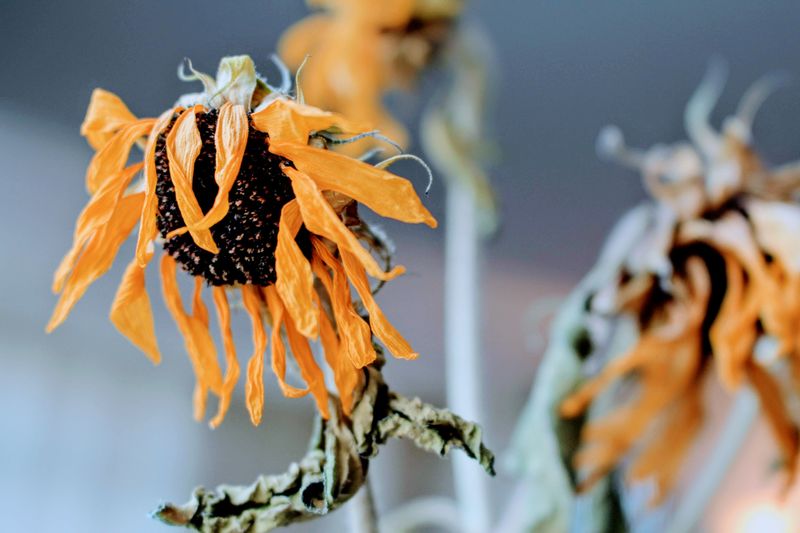
Midday in July hits West Virginia like an oven door swinging open. Temperatures can push past 90 degrees during summer heat waves.
Plants lose moisture through their leaves in a process called transpiration. On brutal summer days, that loss happens faster than roots can pull water up from the soil.
Even perfectly watered plants can wilt by early afternoon when heat peaks. This type of wilting is called heat stress, and it is temporary in most cases.
You might notice your plants perk back up once the evening cools down. That recovery is a strong clue that heat, not drought, is the real problem.
Dark-colored containers and raised beds absorb more heat than in-ground gardens. That extra warmth bakes the root zone and speeds up moisture loss dramatically.
Your West Virginia Garden Changes Every Week. Your Plan Should Too.
Gardening in West Virginia changes quickly throughout the season. Every Friday you’ll receive a simple weekly plan showing exactly what to plant, prune, fertilize, harvest, and protect so you never miss the right timing.
Mulching around your plants helps insulate the soil and keep roots cooler. A two-to-three-inch layer of wood chips or straw can drop soil temperature by several degrees.
Shade cloth is another powerful tool for heat-sensitive crops like lettuce and spinach. Blocking just 30 percent of direct sun can reduce wilting significantly during peak afternoon hours.
Watering in the morning gives roots a full tank before the heat arrives. Evening watering works too, but wet foliage overnight can invite fungal problems in humid climates.
Heat stress is manageable once you recognize the pattern. Your plants are not weak; they are just working overtime in tough conditions.
Compacted Soil Blocks Water From Reaching The Roots
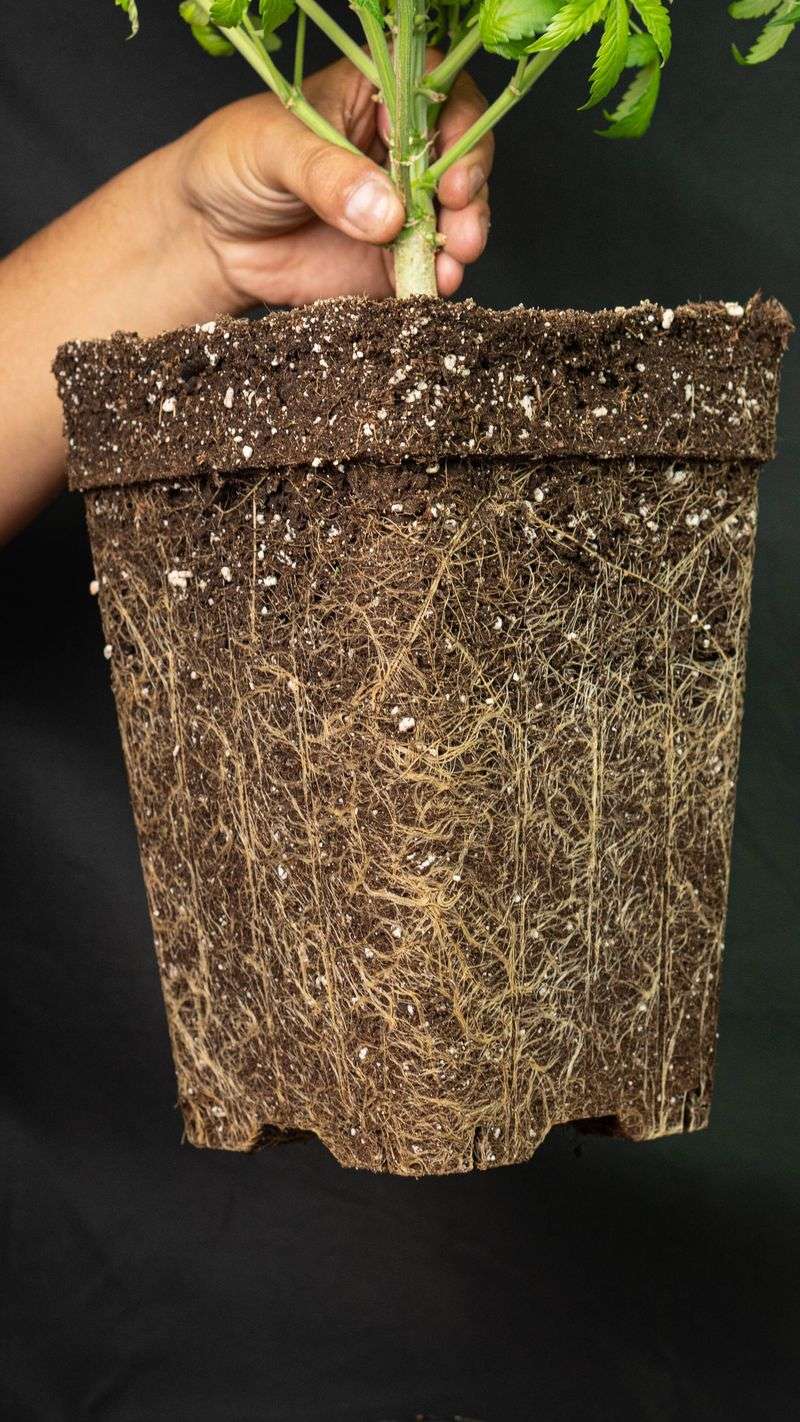
Stomp on your garden bed and it feels like a sidewalk. That hardness is a warning sign your plants are quietly suffocating underground.
West Virginia soils often have significant clay content that compacts easily under foot traffic, rainfall, and equipment. Once compacted, that soil repels water instead of absorbing it.
Water sitting on top of hard soil runs off to the sides rather than soaking straight down. Your plants look watered, but their roots are bone dry just a few inches below.
Compacted soil also squeezes out the air pockets that roots need to breathe. Without oxygen, roots slow down and struggle to absorb any moisture at all.
A simple screwdriver test reveals a lot about your soil. Push a screwdriver six inches into the ground; if it takes serious force, compaction is likely your problem.
Breaking up compacted soil with a garden fork loosens things up fast. Work the fork in gently to avoid slicing through root systems already stressed by the conditions.
Adding organic matter like compost improves soil structure over time. Compost creates channels that water and air can move through freely, making roots much happier.
Avoid walking directly on garden beds to prevent future compaction. Designated pathways between rows protect soil structure and save you from repeating this problem every season.
Loose, crumbly soil is the goal for healthy, upright plants. Fix the ground beneath your feet, and your plants will thank you from the roots up.
Root Rot From Overwatering Looks Just Like Underwatering
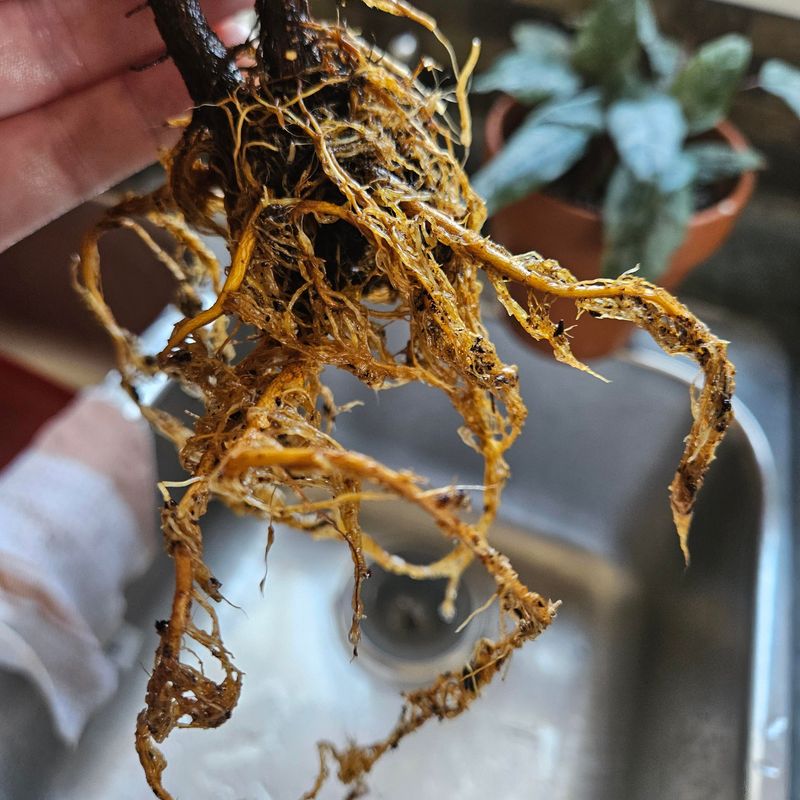
Here is the cruel trick root rot plays on gardeners: it makes overwatered plants look thirsty. You see the wilt, you add more water, and you accidentally speed up the damage.
Root rot is caused by fungi that thrive in waterlogged, oxygen-starved soil. Once those fungi take hold, they break down healthy roots and cut off the plant’s water supply.
The plant wilts because its roots can no longer function, not because the soil is dry. Adding more water only deepens the anaerobic conditions that the fungi love most.
Checking the soil before watering is the single best habit you can build. Stick your finger two inches into the soil; if it feels moist, hold off for another day.
Pulling up a struggling plant and checking the roots tells the full story. Healthy roots are white and firm, while rotted roots are brown, mushy, and smell faintly sour.
Improving drainage is the most direct fix for root rot in garden beds. Raised beds, amended soil, and sloped planting areas all help excess water escape before it causes harm.
For container plants, make sure every pot has drainage holes at the bottom. Saucers that collect standing water should be emptied within 30 minutes of watering.
Cutting away rotted roots and repotting into fresh dry soil can save many plants. Give the plant a few days without watering to let the remaining healthy roots recover.
Root rot is preventable with attention and restraint. Less water, better drainage, and regular soil checks keep this silent problem from ever starting.
The Wrong Watering Time Makes The Problem Worse
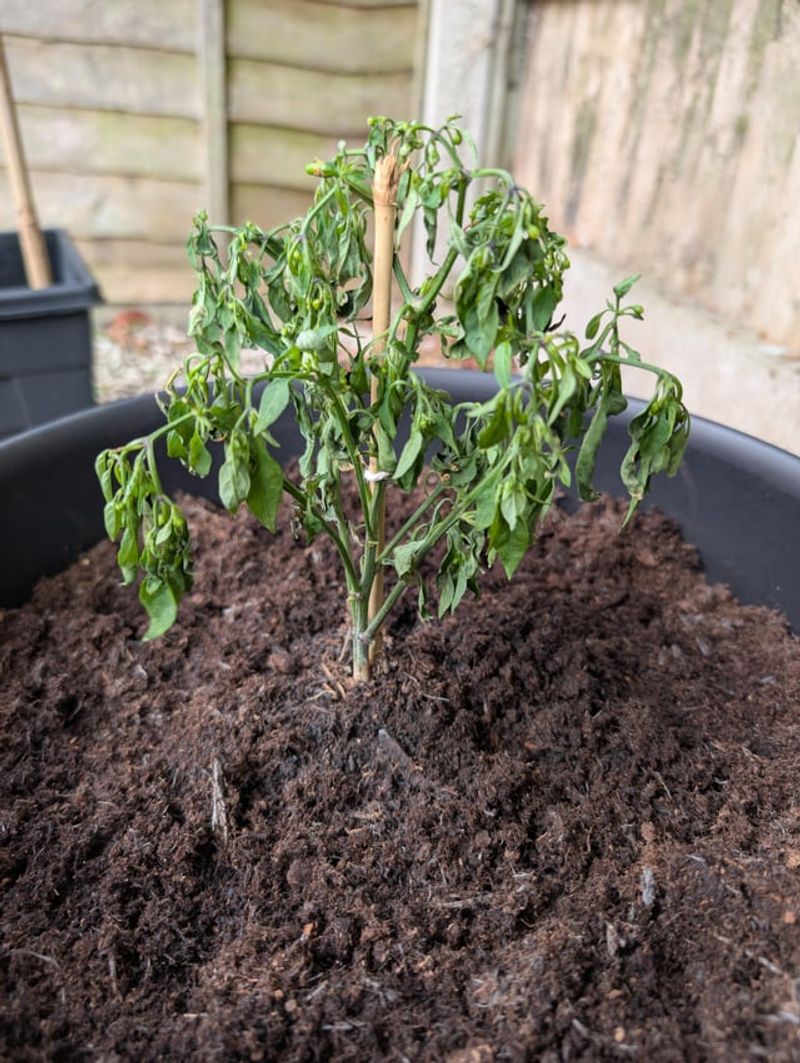
Midday is generally the least effective time to water your garden. The sun is at its peak, the air is hottest, and water evaporates before roots can use it.
Watering during peak heat hours wastes more moisture than it delivers. Plants in West Virginia’s humid summers are already working hard; poor timing just adds to their burden.
Wet foliage during peak afternoon heat adds unnecessary moisture stress to plants already working overtime. That extra burden slows recovery and keeps wilting going longer into the evening.
Morning watering between 6 and 10 a.m. is the gold standard for home gardens. Roots absorb moisture during the cooler hours, and foliage dries out before evening humidity sets in.
Evening watering is the second-best option when mornings are not possible. Soil stays moist overnight, but wet leaves in humid air invite powdery mildew and other fungal issues.
Drip irrigation solves the timing problem almost entirely. Water goes directly to the root zone without touching foliage, reducing evaporation and fungal risk at the same time.
Soaker hoses are a budget-friendly alternative to full drip systems. Laid along the base of plants, they deliver slow, deep moisture right where roots need it most.
Deep, infrequent watering trains roots to grow downward toward stable moisture. Shallow daily watering keeps roots near the surface, where heat and dryness cause the most stress.
Changing when and how you water can transform struggling plants quickly. Timing is a small shift with a surprisingly large impact on plant health.
Simple Adjustments That Help West Virginia Plants Stay Upright
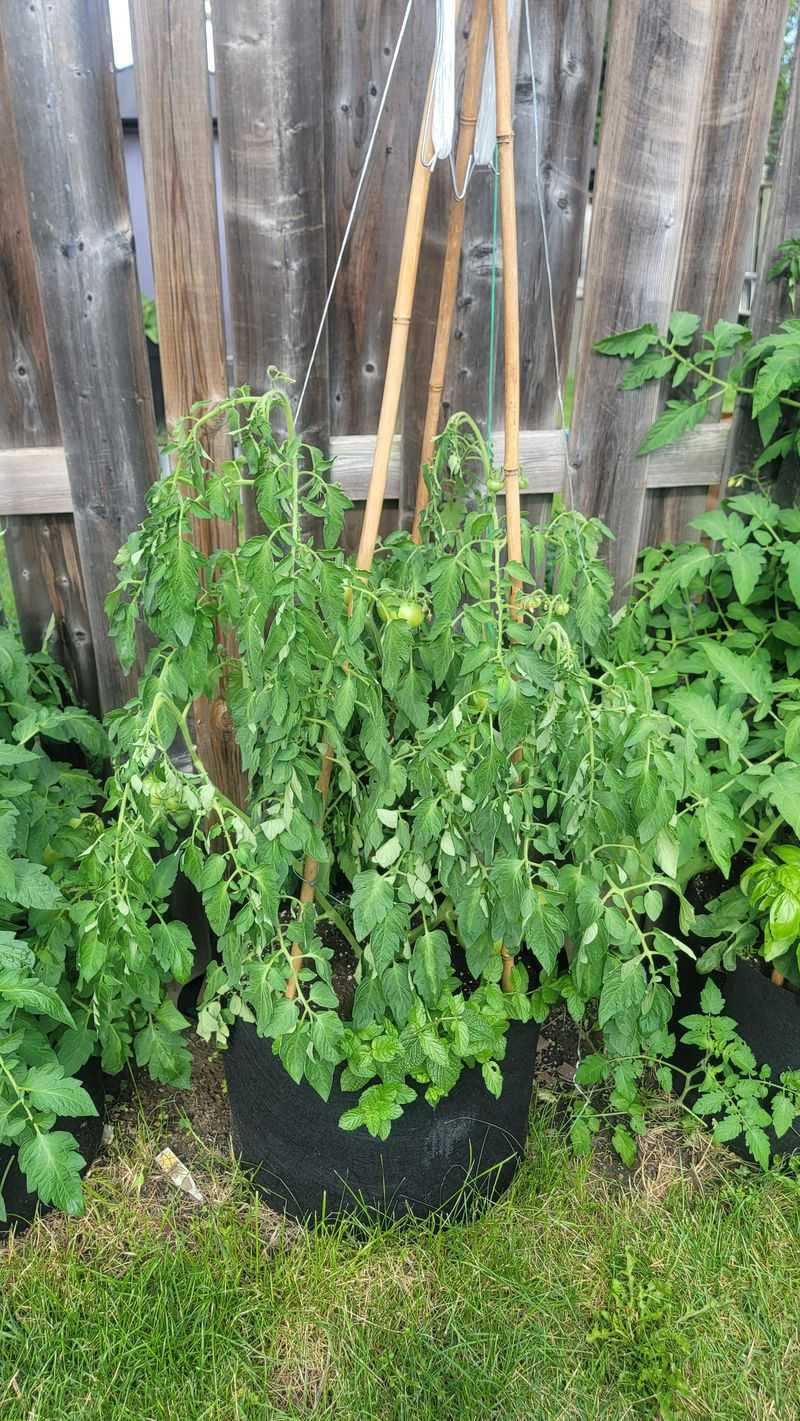
Fixing wilting plants does not require expensive tools or a horticulture degree. A few targeted changes to your routine can make a dramatic difference within one growing season.
Start by testing your soil drainage before the next planting season. Dig a hole about 12 inches deep, fill it with water, and see how long it takes to drain completely.
If the water is still sitting after a few hours, drainage is your biggest challenge. Mixing in compost, perlite, or coarse sand improves drainage and opens up the soil structure significantly.
Mulch is one of the easiest wins available to any gardener. A thick layer around plant bases keeps soil cool, holds moisture, and reduces the watering frequency your plants need.
Check moisture levels before every watering session, not just on a schedule. Plants in shaded spots dry out slower than those baking in full afternoon sun.
Grouping plants with similar water needs simplifies your whole routine. Thirsty vegetables should not share a bed with drought-tolerant herbs that prefer drier conditions.
Fertilizing stressed plants correctly also matters more than most gardeners realize. Nitrogen-heavy fertilizer pushes leafy growth that increases water demand and can worsen wilting in dry spells.
A balanced slow-release fertilizer supports steady growth without spiking water needs. Apply it early in the season when plants are establishing roots and building resilience.
West Virginia plants wilting even when you water them regularly is a solvable problem. Consistent small habits build a garden that stays strong through heat, humidity, and everything in between.