The Difference Between Determinate And Indeterminate Tomatoes, And Which To Grow In Michigan
Tomato shopping gets confusing fast once the labels start including terms that most gardening guides either skip over or explain in ways that do not connect clearly to actual planting decisions.
Determinate and indeterminate describe fundamentally different growth habits that affect everything from how much space a plant needs to when it produces fruit and how long that production continues through the season.
In Michigan, where the warm growing window is shorter than tomato-loving gardeners would prefer, this distinction carries real weight.
Choosing the wrong type for your specific goals, garden size, or intended use of the harvest leads to predictable frustrations that have nothing to do with how well the plants were actually cared for.
Understanding the difference clearly makes every tomato purchase and planting decision considerably more straightforward.
1. Determinate Tomatoes Grow Like Bushes
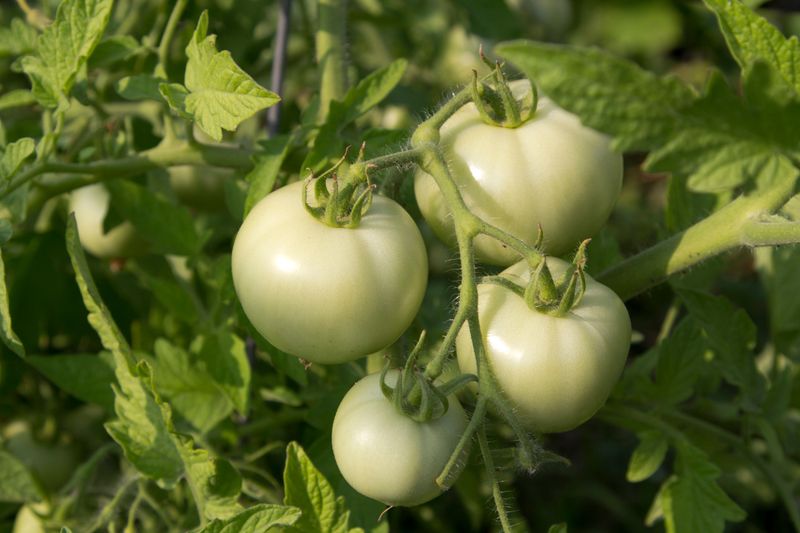
Picture a tomato plant that knows exactly how tall it wants to be and stops right there. That is pretty much how determinate tomatoes work.
These plants grow to a set height, usually somewhere between two and four feet, and then they focus all their energy on producing fruit in a concentrated window of time.
Because they stay compact and bushy, determinate tomatoes are much easier to support than their sprawling cousins. A standard tomato cage or a couple of sturdy stakes is usually all you need to keep them upright and tidy.
Michigan gardeners who want a clean, organized garden bed tend to really appreciate this tidy growth habit.
Another big advantage is how the fruit sets. Most of the tomatoes ripen around the same time, which is perfect if you are planning to make a big batch of sauce or want to share a basket with the neighbors.
Varieties like Roma, Celebrity, and Rutgers are popular determinate choices that perform well in Michigan’s climate. If you want predictability and a manageable plant, determinate tomatoes are an excellent starting point for your garden season.
2. Indeterminate Tomatoes Grow Like Vines
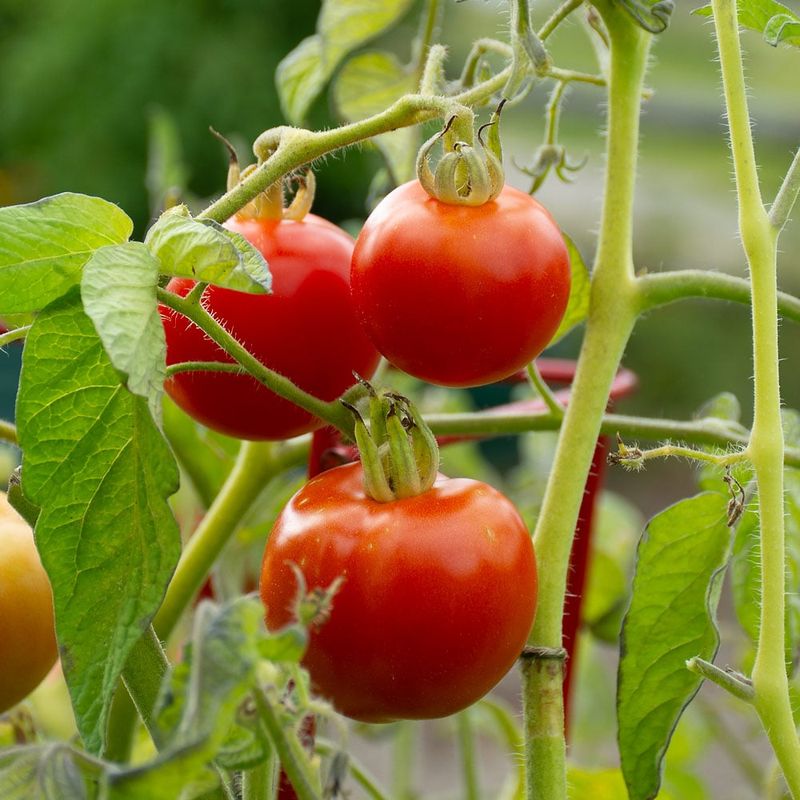
Some tomato plants simply refuse to stop growing, and that is exactly what makes indeterminate varieties so exciting.
These plants keep stretching taller and pushing out new flowers and fruit from early summer all the way until cold weather shuts things down for the season.
There is no built-in stopping point, which means the harvest keeps coming week after week.
That endless growth does come with a trade-off, though. Indeterminate plants can easily reach five, six, or even eight feet tall if conditions are right.
Without solid support, those long vines flop over, tangle together, and make harvesting a frustrating puzzle. Strong cages, tall wooden stakes, or a well-built trellis system are not optional here, they are essential.
Regular checking and tying stems as they grow will save you a lot of headaches later in the season.
Popular indeterminate varieties like Brandywine, Sun Gold cherry, and Big Boy thrive in Michigan gardens when given the room and structure they need.
The payoff for putting in that extra effort is a plant that rewards you with fresh tomatoes for months rather than weeks.
Your Michigan Garden Changes Every Week. Your Plan Should Too.
Gardening in Michigan changes quickly throughout the season. Every Friday you’ll receive a simple weekly plan showing exactly what to plant, prune, fertilize, harvest, and protect so you never miss the right timing.
For gardeners who love the daily ritual of heading outside to pick a few ripe tomatoes, indeterminate plants are genuinely hard to beat.
3. Determinate Tomatoes Are Better For Containers
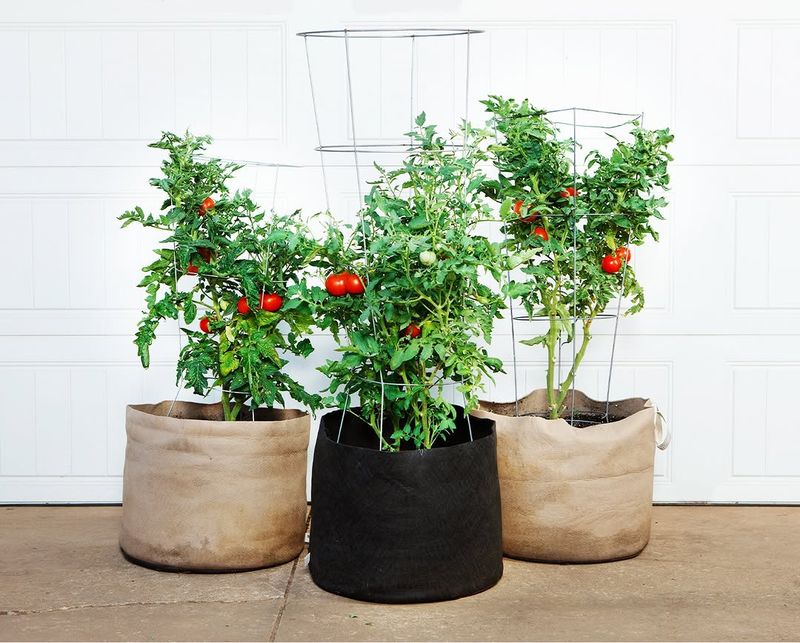
Not everyone has a big backyard to work with, and that is where determinate tomatoes really shine. Their shorter, bushier growth makes them a natural fit for containers, raised beds, and smaller garden spaces on Michigan patios and balconies.
You get a productive plant without needing a huge plot of ground.
Choosing the right container matters just as much as choosing the right plant. A five-gallon pot is usually the minimum size for a single tomato plant, and bigger is always better when it comes to root space and water retention.
Good drainage, regular watering, and a quality potting mix will keep your container tomato happy through the warm months.
When picking a variety for a container garden, look for words like patio, bush, or dwarf on the seed packet or plant tag.
Varieties such as Patio, Bush Early Girl, and Tumbling Tom are bred specifically for smaller spaces and tend to do very well in Michigan’s season.
Days to maturity is something worth checking too, since shorter seasons in northern parts of the state mean you want a plant that ripens sooner rather than later.
A well-chosen container tomato can produce a surprisingly generous harvest from a very small footprint, making it a smart option for any gardener working with limited space.
4. Indeterminate Tomatoes Are Better For A Steady Fresh Harvest
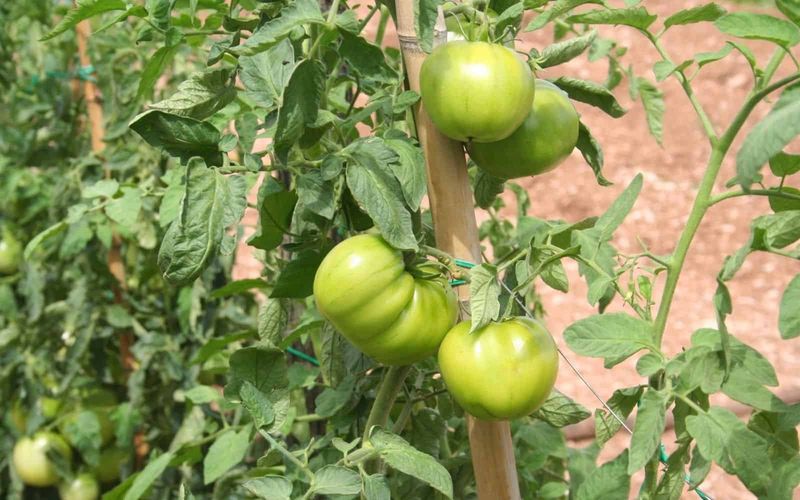
Fresh tomatoes straight from the garden taste completely different from anything you find at the grocery store, and indeterminate plants are the best way to keep that experience going all summer long.
Because these plants keep producing new flowers and fruit continuously, there is almost always something ready to pick on a warm Michigan afternoon.
Cherry tomatoes, grape tomatoes, and many beloved heirloom varieties fall into the indeterminate category. Types like Sun Gold, Sweet Million, and Mortgage Lifter are classic examples that gardeners across Michigan have grown for years.
Small-fruited varieties tend to ripen especially fast, which is a real bonus when the season feels short.
For families who love slicing fresh tomatoes onto sandwiches, tossing them into salads, or just eating them warm right off the vine, indeterminate plants make perfect sense. You never end up with a huge pile all at once and then nothing for weeks.
Instead, the harvest trickles in at a pace that is easy to enjoy and use up without waste. As long as temperatures stay warm enough, usually from late June through early September in most areas, these plants keep working for you.
That steady, reliable production is exactly why so many home gardeners choose indeterminate varieties as the heart of their summer garden.
5. Determinate Tomatoes Are Smart For Sauce And Preserving
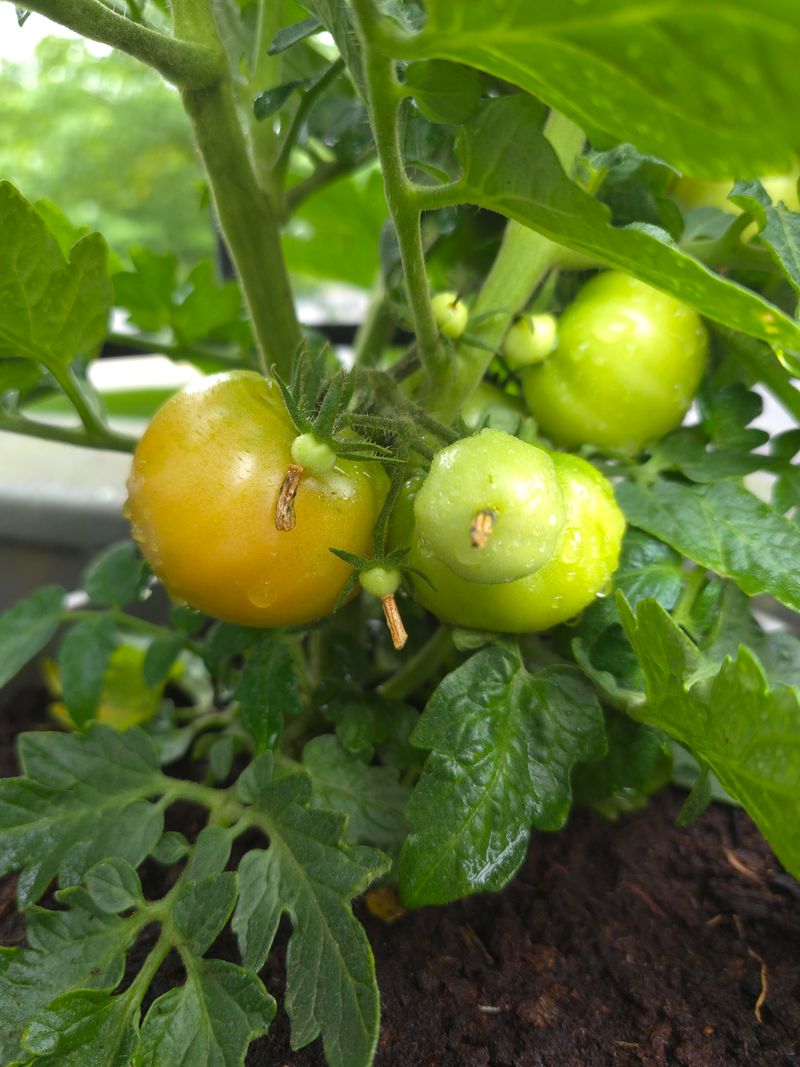
There is something deeply satisfying about standing in your kitchen surrounded by jars of tomato sauce you made yourself from your own garden.
Determinate tomatoes make that kind of kitchen project much more realistic because they drop most of their fruit at roughly the same time, giving you a large harvest to work with all at once.
Sauce tomatoes like Roma, San Marzano, and Amish Paste are all determinate varieties that produce meaty, low-moisture fruit perfect for cooking down into thick, rich sauce.
Because they ripen together, you can plan a canning weekend, invite some family over, and knock out a whole season’s worth of sauce in just a few days.
That kind of efficiency is hard to match with plants that only give you a handful of tomatoes each week.
Freezing is another great option for gardeners who find canning a bit intimidating. Simply roast your tomatoes, run them through a blender, and freeze in bags for easy winter soups and pasta dishes.
Having thirty or forty ripe tomatoes at once sounds like a lot, but when you are filling jars or freezer bags, you will wish you had planted even more.
Determinate tomatoes turn that big concentrated harvest from a potential problem into a genuine opportunity to stock your kitchen for months ahead.
6. Indeterminate Tomatoes Need More Space And Support
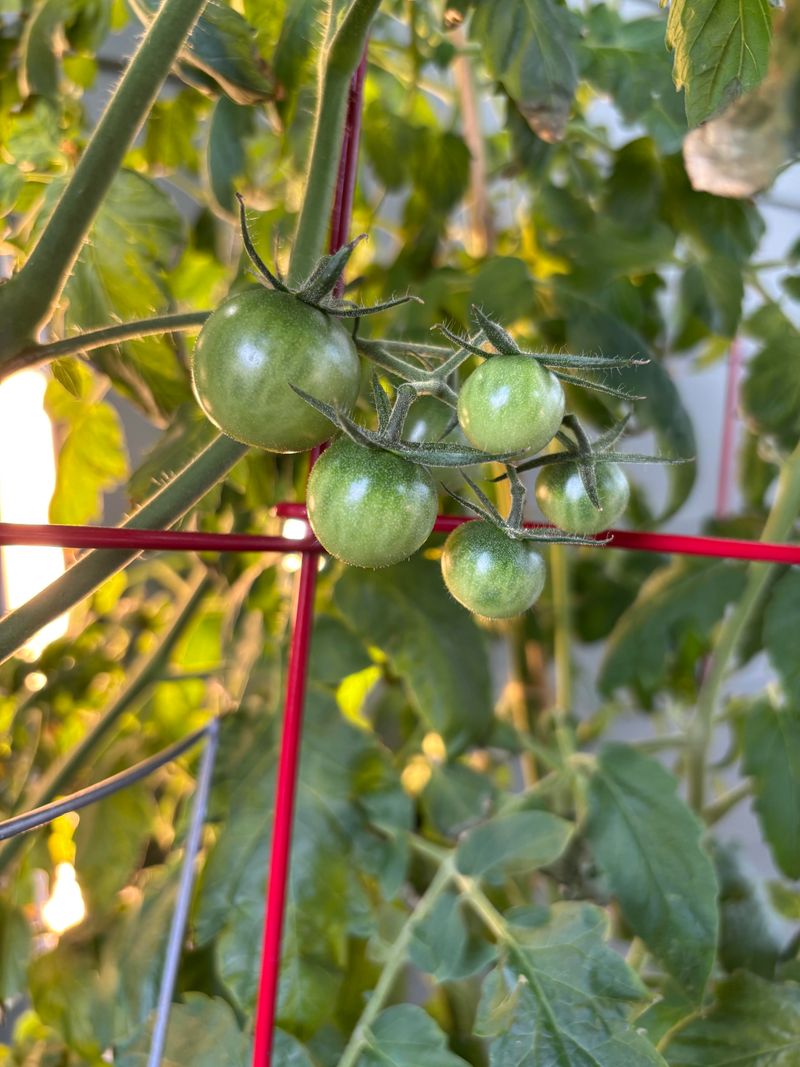
Walking into a garden full of unsupported indeterminate tomato plants is a little like trying to find your way through a jungle. These plants grow fast, spread wide, and get heavy with fruit.
Without the right setup from the beginning, things can get messy in a hurry, and harvesting becomes way harder than it needs to be.
Tall cages, at least five feet high, are a popular choice for gardeners who want something simple and sturdy. Heavy-duty wire cages hold up much better than the flimsy cone-shaped ones sold at most hardware stores.
Wooden stakes driven at least a foot into the ground give you another solid option, especially when you tie stems every eight to ten inches as the plant climbs.
Good airflow between plants matters more than most people realize. When vines are crowded together with no space between them, moisture gets trapped and fungal problems become much more common.
Spacing indeterminate plants at least three feet apart and keeping the lower leaves off the soil surface helps the whole plant stay healthier through the season.
Checking your plants every few days, adjusting ties, and making sure nothing is flopping over keeps everything manageable.
A little attention early on pays off with a cleaner, healthier plant that is genuinely easy to harvest from all season long.
7. Determinate Tomatoes Need Less Pruning
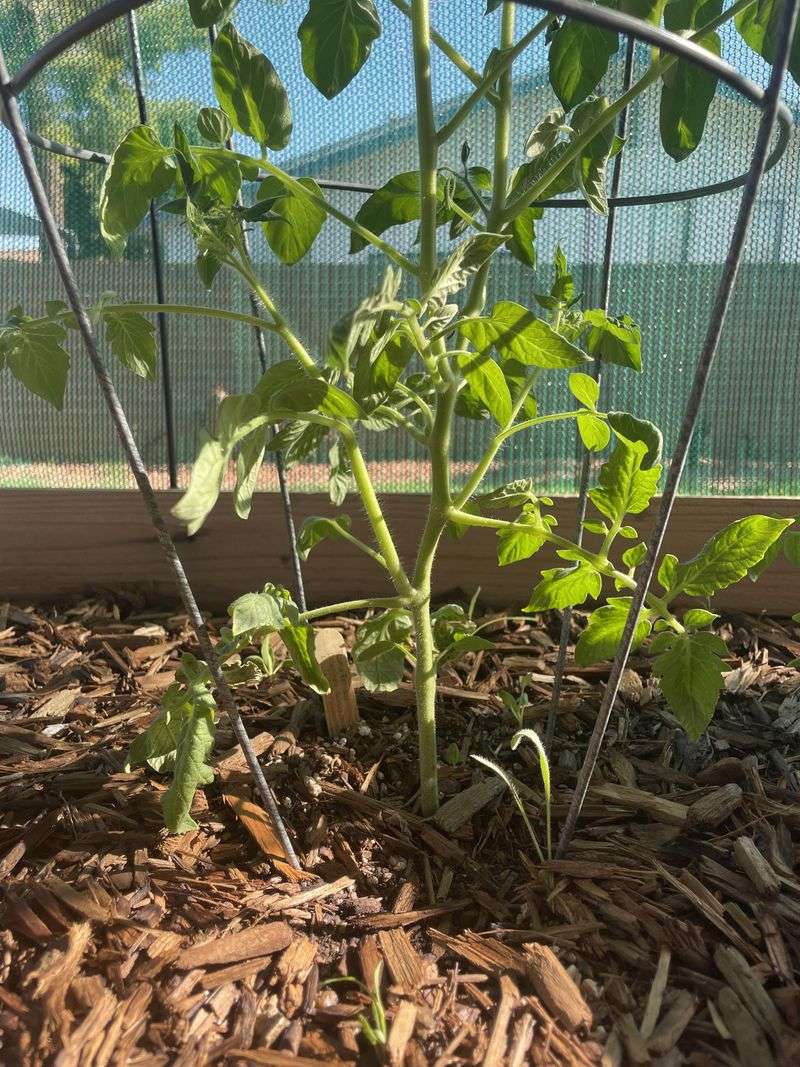
One of the quieter advantages of growing determinate tomatoes is how little fussing they actually need.
Because these plants have a fixed number of stems and flower clusters built into their growth pattern, heavy pruning can actually work against you rather than helping. Remove too much, and you end up removing future fruit along with it.
The general rule with determinate tomatoes is to keep your hands mostly off the main structure of the plant. You can remove leaves that are yellowing, lying on the soil, or blocking airflow in a crowded spot.
Beyond that, most of the growth on a determinate plant is there for a reason, and cutting it away can noticeably reduce your total harvest.
New gardeners sometimes assume that pruning always improves a tomato plant, but that idea really applies more to indeterminate types.
With determinate varieties, the plant is working on a schedule, and interfering with that schedule by removing healthy stems or shoots can throw off the timing of your harvest.
Think of it this way: a determinate plant is running a sprint, and every part of it is pointed toward the finish line.
Your job is to give it good water, good soil, and solid support, then step back and let it do what it was bred to do. Minimal pruning is truly the right approach here.
8. Indeterminate Tomatoes Can Benefit From Careful Pruning
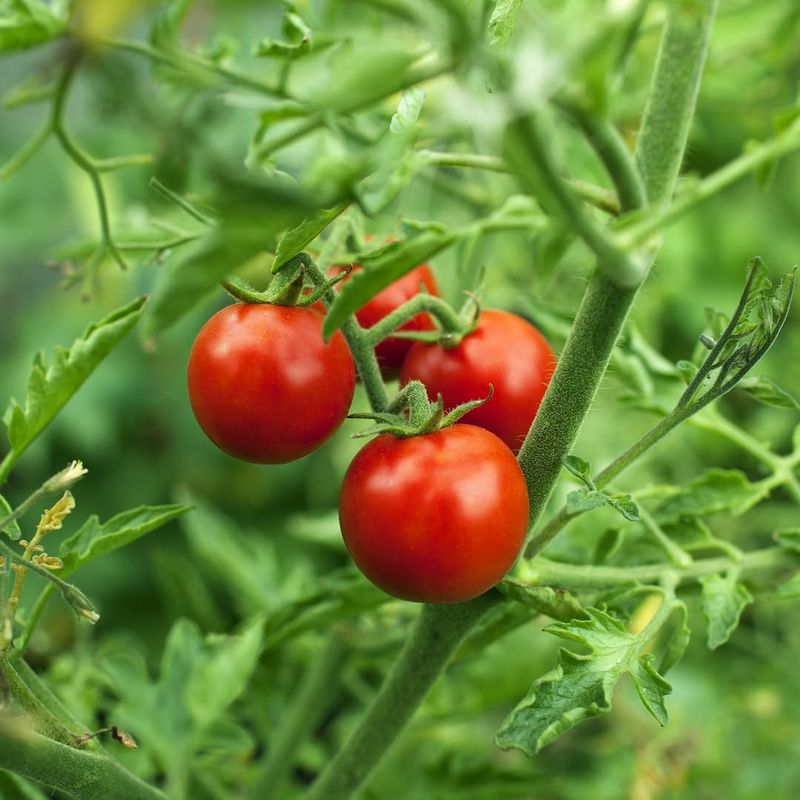
Indeterminate tomatoes are enthusiastic growers, and sometimes that enthusiasm needs a little guidance. Light, thoughtful pruning can make a real difference in how manageable these plants stay through a long Michigan summer.
The key word here is light, because going overboard with the pruning shears creates more problems than it solves.
Suckers are the small shoots that sprout in the angle between the main stem and a side branch. Left alone, every sucker becomes a full branch, and before long your plant is a massive tangle of stems fighting for light and airflow.
Removing some of the suckers, especially the ones low on the plant, keeps the structure cleaner and makes it easier for the plant to direct energy toward ripening fruit already on the vine.
Keeping the lower leaves off the soil is another simple step that pays off quickly. Leaves touching the ground can pick up soil-borne fungal spores and spread problems up through the plant over time.
Tie stems regularly as they grow, keep a few main leaders well-supported, and avoid stripping the plant of too much leaf cover since those leaves are what fuel the whole operation.
A well-pruned indeterminate tomato looks tidy, gets better airflow, and tends to produce cleaner, healthier fruit right through the end of Michigan’s warm season.
9. Michigan Gardeners Should Watch Days To Maturity
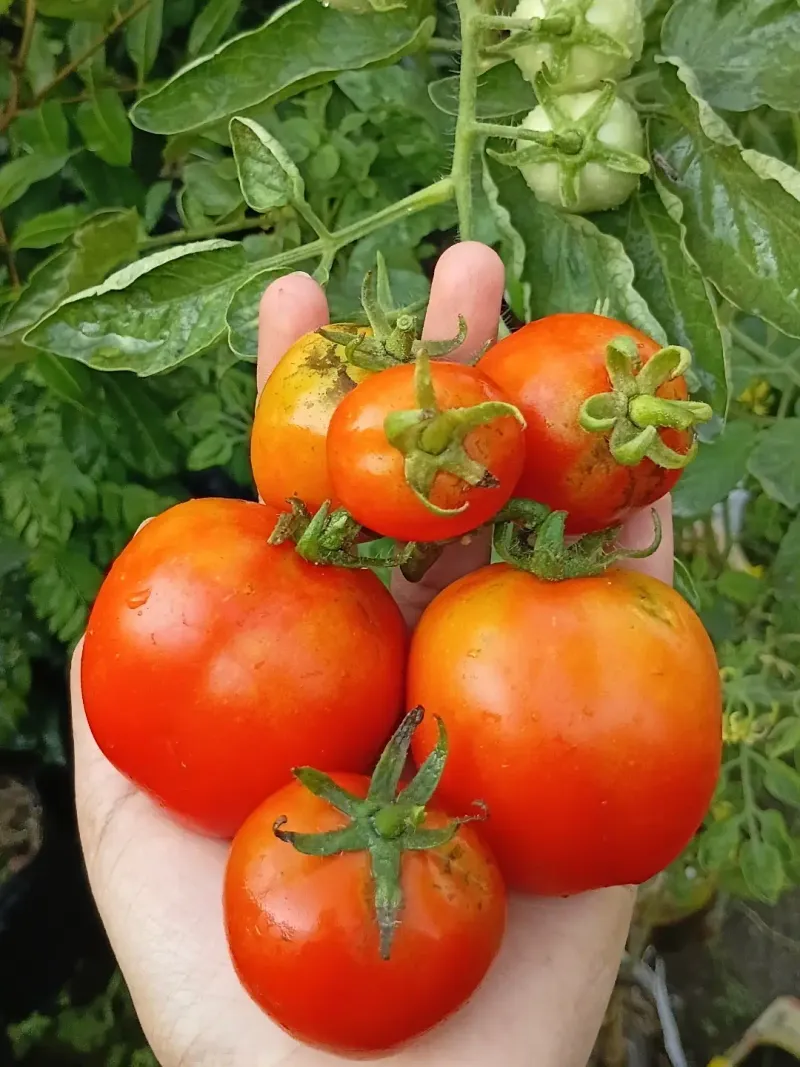
Michigan is a wonderful state for growing vegetables, but the warm season does not last forever.
Most of the Lower Peninsula sees reliable frost-free growing conditions from late May through early October, and parts of northern Michigan and the Upper Peninsula have an even shorter window to work with.
That makes days to maturity one of the most important numbers on any tomato seed packet.
Days to maturity tells you roughly how many days it takes from transplanting a seedling into the ground until the first ripe fruit appears. A tomato listed at 65 days will be ready to harvest much sooner than one listed at 85 or 90 days.
For gardeners in Marquette or Traverse City, a long-season beefsteak tomato that needs 90 days might never fully ripen before the first frost arrives in September.
Choosing varieties in the 60 to 75 day range gives gardeners a comfortable buffer and reduces the stress of racing against the calendar.
Early Girl, Jet Star, and Fourth of July are all varieties known for quick ripening and solid performance in shorter-season climates.
Starting seeds indoors six to eight weeks before your last frost date also gives plants a head start that can make a meaningful difference.
Matching your variety choice to your local season length is one of the smartest moves any Michigan tomato grower can make.
10. Cherry Tomatoes Are Often The Safest Indeterminate Choice
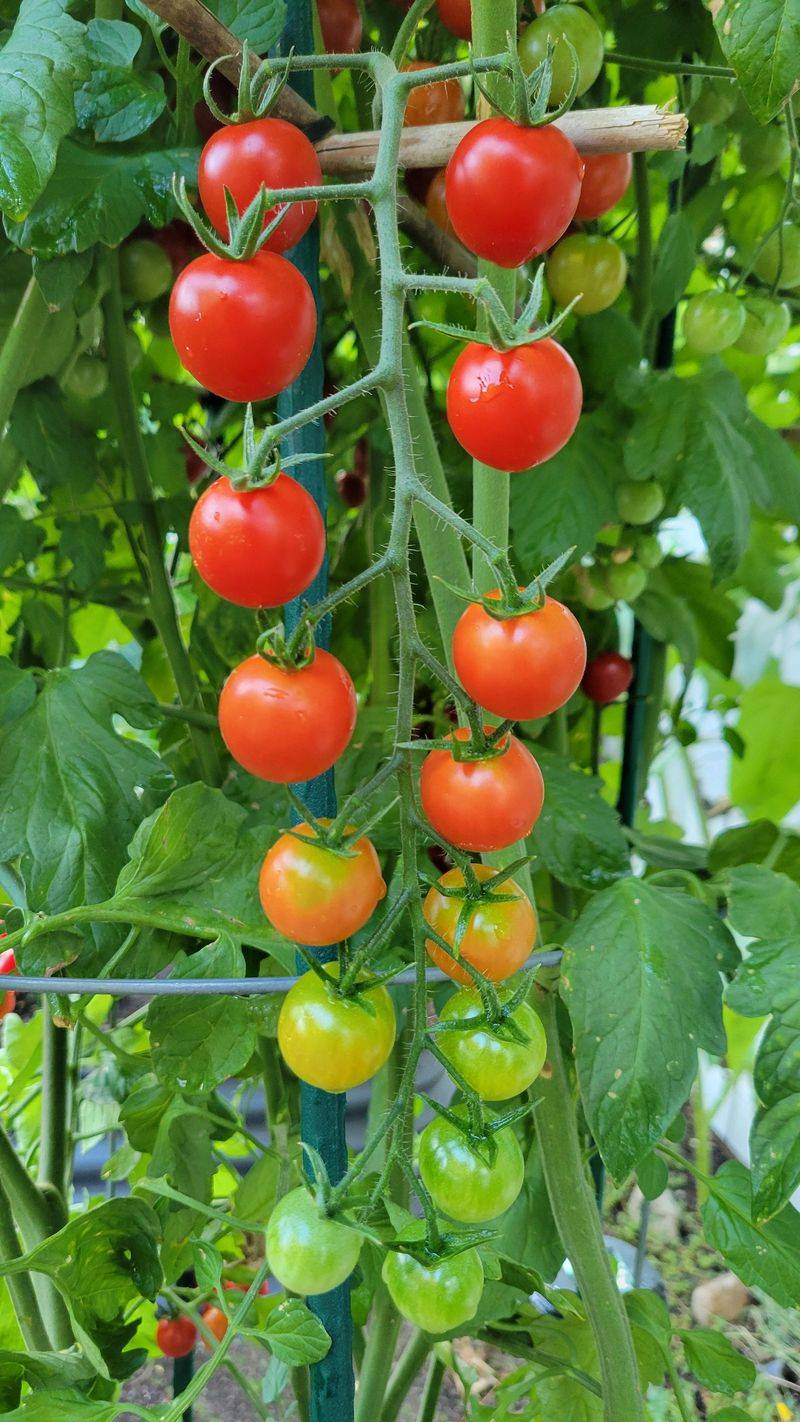
If you are a Michigan gardener who wants to grow indeterminate tomatoes but feels nervous about the shorter season, cherry tomatoes are your best friend. Small fruit ripens faster than large fruit, plain and simple.
While a big beefsteak tomato might take 80 or more days to reach full size and color, many cherry tomato varieties are ready in 60 to 70 days or even sooner.
Varieties like Sun Gold, Sweet 100, and Black Cherry have earned loyal followings among home gardeners for good reason. They produce heavy clusters of small, sweet, intensely flavored tomatoes that keep coming week after week.
Kids especially love picking cherry tomatoes straight off the vine, and honestly, most adults do too.
Cherry and grape tomatoes are also more forgiving when temperatures fluctuate, which happens regularly in Michigan summers.
Large tomatoes can struggle to set fruit during very hot or very cool stretches, but small-fruited varieties tend to push through those rough patches more reliably.
For anyone who wants the long-season fun of an indeterminate plant without the anxiety of watching a big tomato slowly ripen before frost arrives, cherry tomatoes are the answer.
Plant one or two in your sunniest spot, give them solid support, and enjoy the most rewarding daily harvests your garden can offer all summer long.
11. The Best Plan Is Often To Grow Both Types
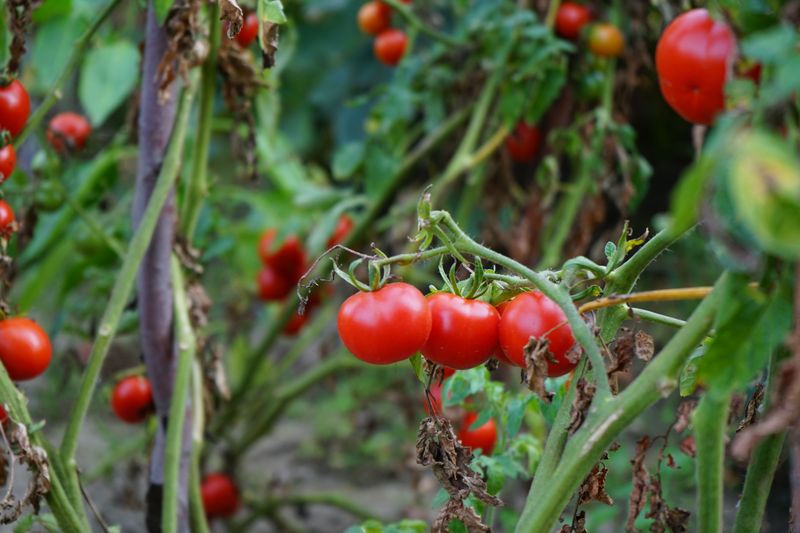
Why choose one type when you can enjoy the best of both worlds?
Many experienced Michigan gardeners have figured out that planting a mix of determinate and indeterminate tomatoes gives them more flexibility, more variety, and a better overall harvest than sticking with just one type.
It is a simple strategy that makes a lot of sense once you think it through.
For a practical setup, plant one or two determinate varieties (like Roma or Celebrity) for canning and sauces. Then, add one or two indeterminate plants (like Sun Gold cherry or a slicer) for steady summer eating.
That combination covers all the bases without overwhelming your garden space or your schedule.
Growing both types also gives you a natural backup plan. If one plant has a rough stretch due to weather or pests, the other type may be doing just fine and keeping your kitchen stocked.
Variety in the garden generally means more resilience, and resilience matters a lot in a state where the weather can shift quickly.
Starting with just one or two plants of each type keeps things manageable while still giving you that satisfying range of fresh, preserved, and snackable tomatoes from a single garden bed.
Most gardeners who try this approach never go back to planting just one type again.
12. Choose Based On Space, Harvest Goal, And Season Length
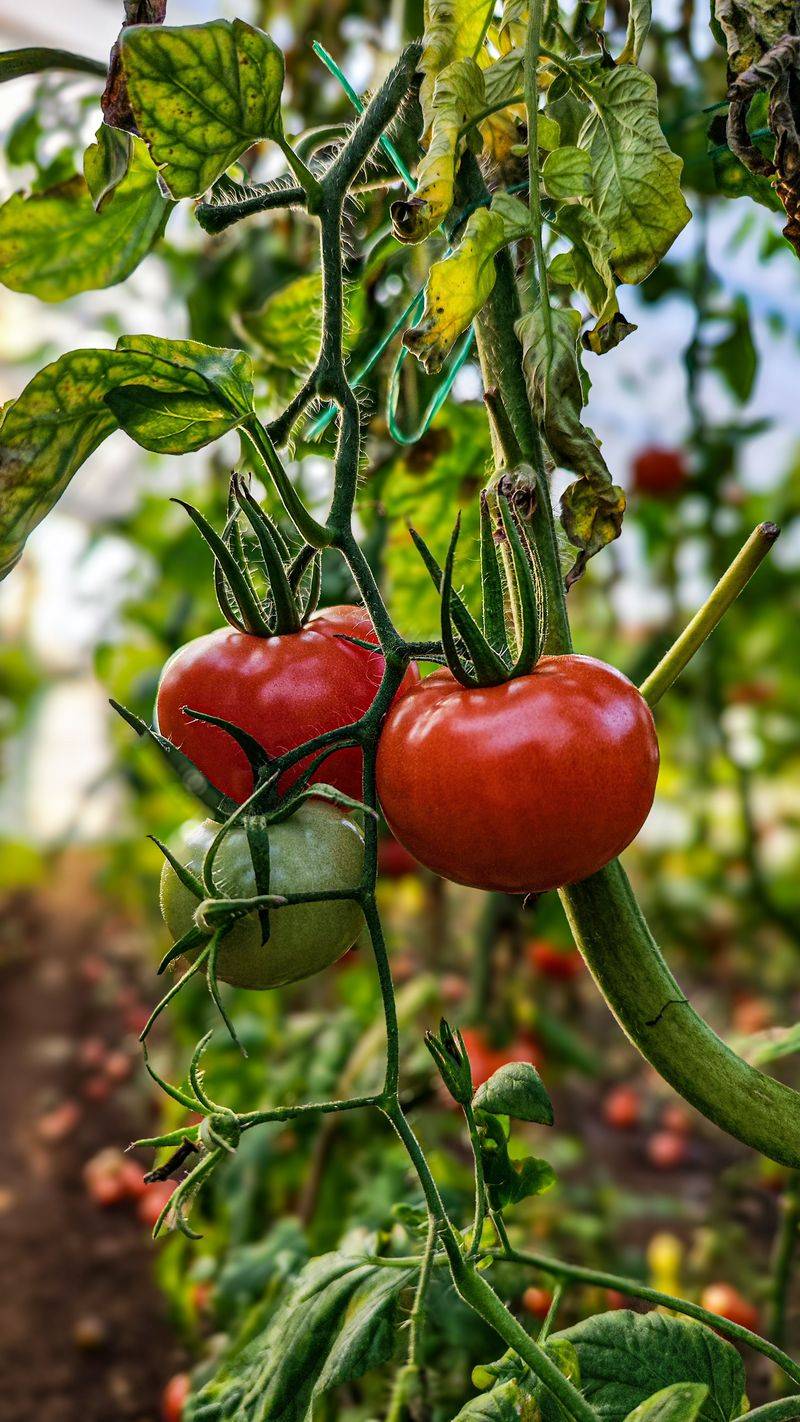
Picking the right tomato type is not complicated once you know what questions to ask yourself. How much space do you have?
What do you plan to do with your harvest? And which part of Michigan are you gardening in?
Those three questions will point you toward the right choice almost every time. Determinate tomatoes are the smart pick for container gardens, small yards, raised beds, and anyone who wants a focused harvest for sauce, salsa, or freezing.
They stay manageable, need less support, and deliver their fruit on a reliable schedule.
Indeterminate tomatoes are the better fit for gardeners with room to build tall support structures, a love of fresh daily harvests, and a preference for cherry tomatoes or heirloom slicers that keep producing all season.
No matter which type you choose, timing your planting correctly is just as important as the variety itself. Michigan soil needs to be warm and settled before tomato transplants go in, which usually means waiting until late May or early June in most areas.
Planting too early into cold soil slows growth and stresses young plants unnecessarily.
Match your variety’s days to maturity to your local frost dates, give your plants full sun and consistent water, and you will be rewarded with a tomato harvest that makes every bit of effort feel completely worth it.
Michigan summers are short, so make every growing day count.