The Native Michigan Wildflower That Goes From Seed To Full Size In A Single Season
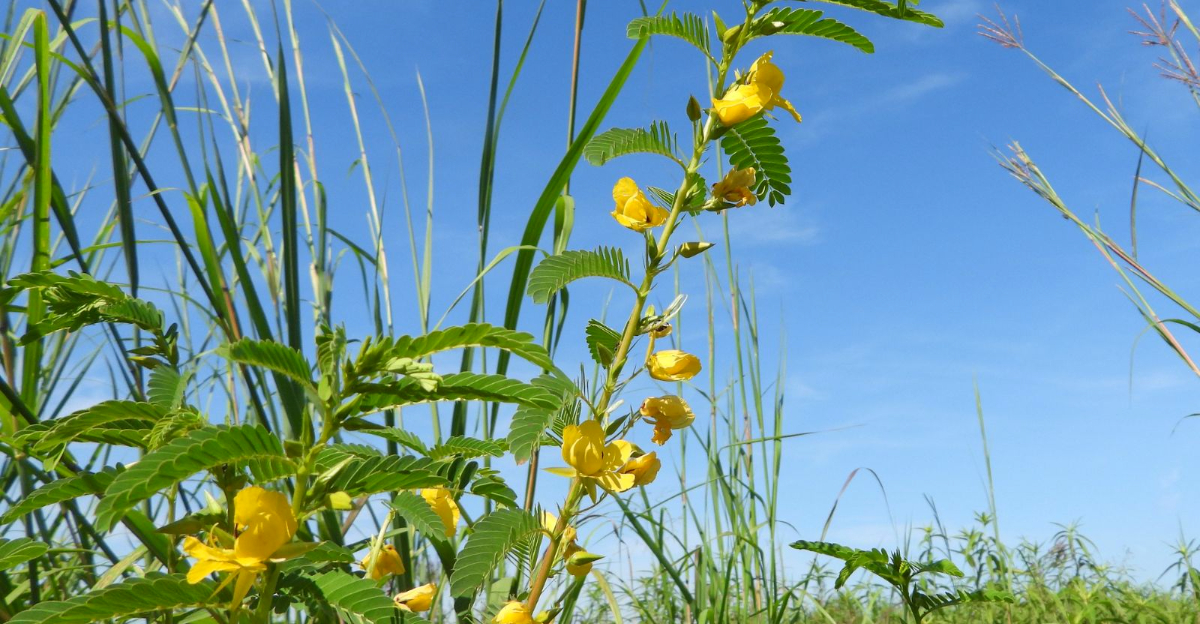
Michigan has no shortage of beautiful native wildflowers, but Partridge Pea has a way of stealing the show in a hurry. This sunny little annual does not waste time.
It sprouts, grows, blooms, and sets seed all in one season, which is pretty impressive for a plant that looks so relaxed about the whole thing.
For Michigan gardeners, that quick progress can feel especially satisfying when a new native planting starts coming to life fast.
Partridge Pea feels right at home in open, sunny spots, especially where the soil is sandy and the setting is a little wild around the edges.
It brings bright yellow flowers, seasonal movement, and real value for pollinators, all while keeping the garden looking cheerful.
If you like native plants that make an impact without taking years to get there, this is one Michigan wildflower that deserves a closer look.
1. Partridge Pea Grows Fast In One Michigan Season
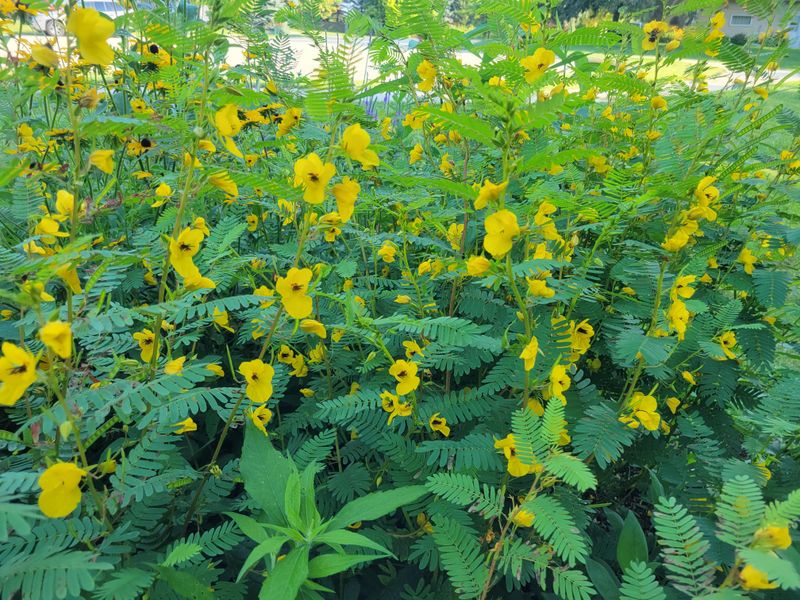
Sunny meadow edges across Michigan are some of the best places to witness just how quickly Partridge Pea can establish itself.
As a native annual, this wildflower completes its entire life cycle in a single growing season, moving from a small seed in the soil to a full-size flowering plant by midsummer.
That kind of seasonal momentum is genuinely rare among native wildflowers, and Michigan gardeners who plant it for the first time often find themselves surprised by how much the plant accomplishes before fall arrives.
Partridge Pea, known botanically as Chamaecrista fasciculata, can reach heights of one to three feet in favorable conditions.
It puts out its distinctive feathery, compound leaves early in the season, and the plant continues to develop steadily as warm temperatures settle in across Michigan.
The growth habit is upright and branching, giving the plant a full, bushy appearance that fills in open spaces nicely.
Because it is an annual rather than a perennial, Partridge Pea does not rely on an established root system from a previous year to fuel its growth. Everything happens fresh each season, driven by the seed itself.
That quality makes it a dependable option for Michigan native meadow plantings where fast, first-year coverage is a priority for the gardener.
2. Bright Yellow Flowers Help Partridge Pea Stand Out
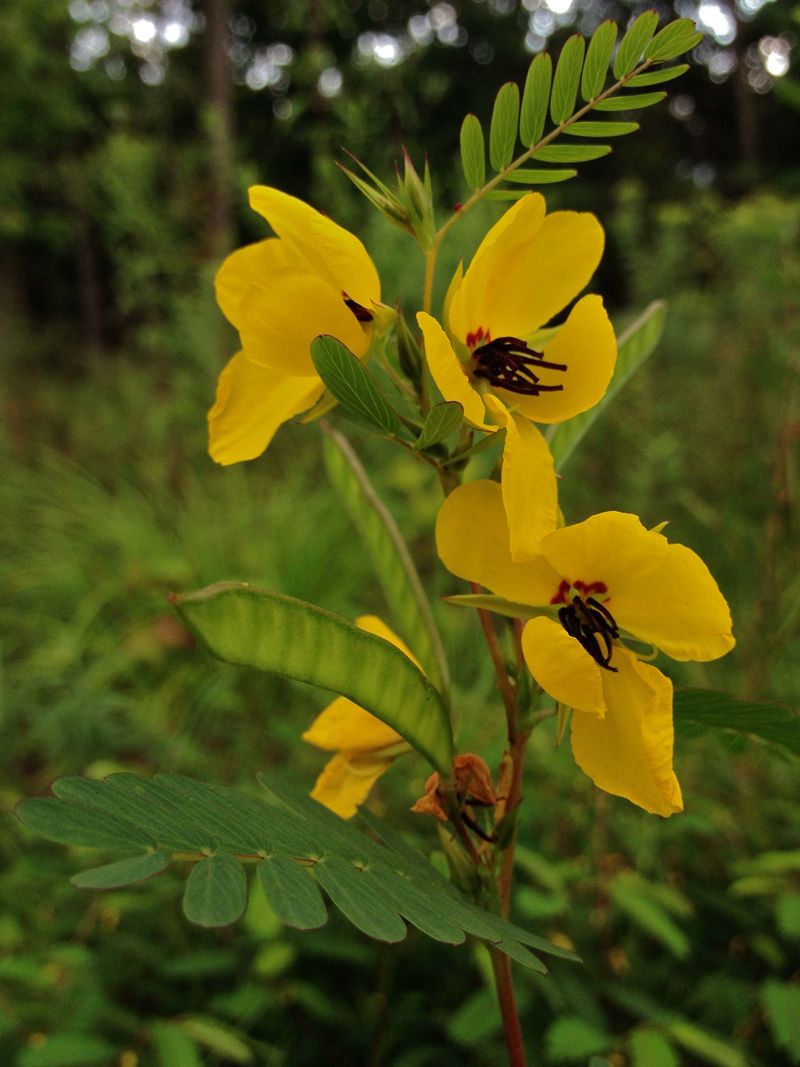
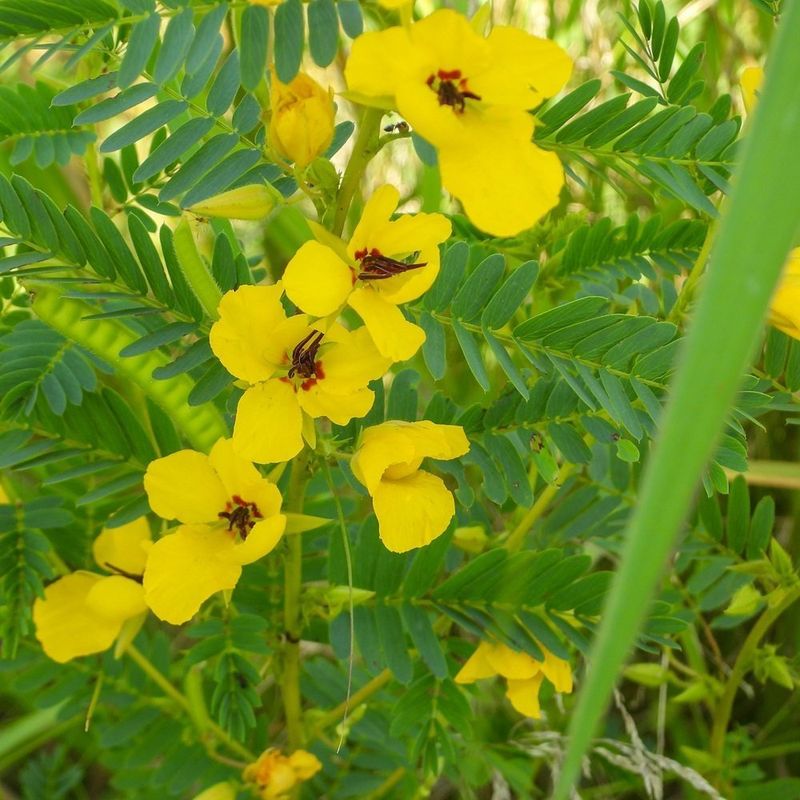
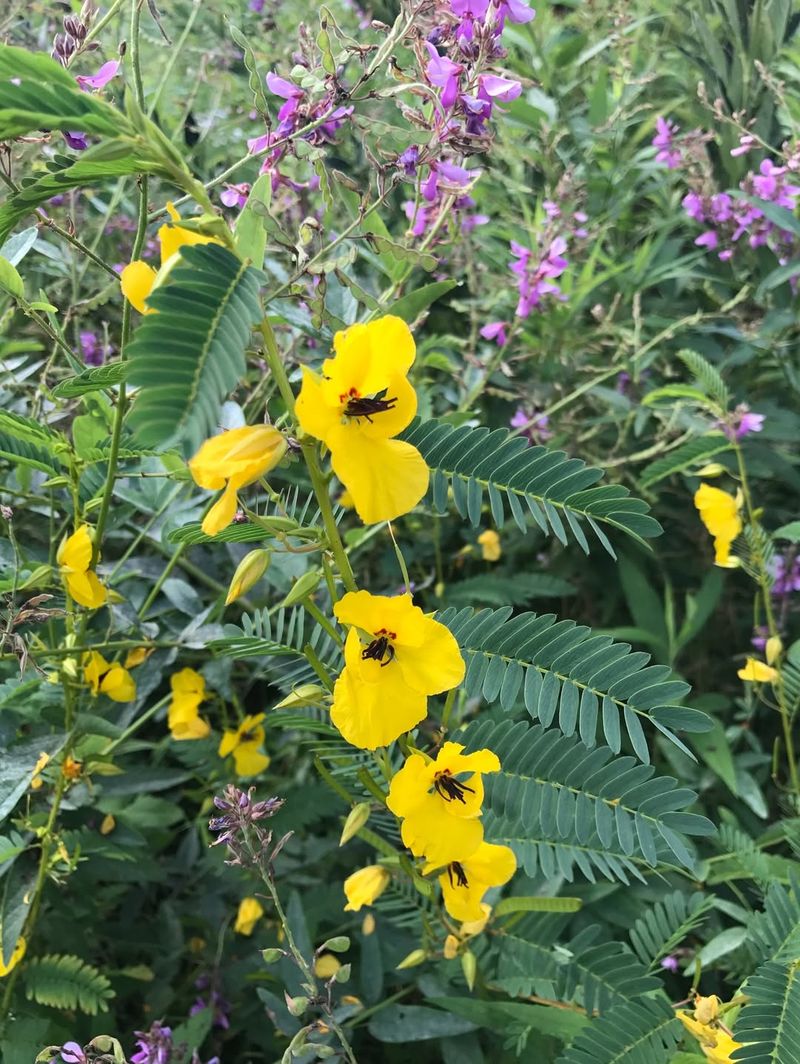
Few native wildflowers in Michigan can match the cheerful energy of Partridge Pea in full bloom. The flowers are a warm, vivid yellow, and they appear in clusters along the plant’s stems from midsummer into early fall.
Each individual blossom is relatively small but distinctly pretty, with five rounded petals that catch sunlight beautifully against the plant’s delicate green foliage. When several plants bloom together in a meadow patch, the effect is genuinely striking.
The blooms tend to open sequentially along the stem rather than all at once, which means a single plant can stay in flower for several weeks. That extended bloom window gives Michigan gardeners a long season of color from one native annual.
The yellow tones work especially well alongside other native meadow plants like black-eyed Susans and wild bergamot, creating a layered, naturalistic look that feels both lively and cohesive.
Your Michigan Garden Changes Every Week. Your Plan Should Too.
Gardening in Michigan changes quickly throughout the season. Every Friday you’ll receive a simple weekly plan showing exactly what to plant, prune, fertilize, harvest, and protect so you never miss the right timing.
Interestingly, Partridge Pea flowers do not produce nectar in the traditional floral sense. Instead, the plant offers nectar through small glands located at the base of the leaves rather than inside the flower itself.
Pollinators still visit the blooms enthusiastically, drawn in by pollen and the plant’s overall appeal. For Michigan gardeners hoping to add reliable summer color to a native planting, Partridge Pea delivers a warm, golden presence season after season.
3. Sandy Michigan Soil Can Suit Partridge Pea Well
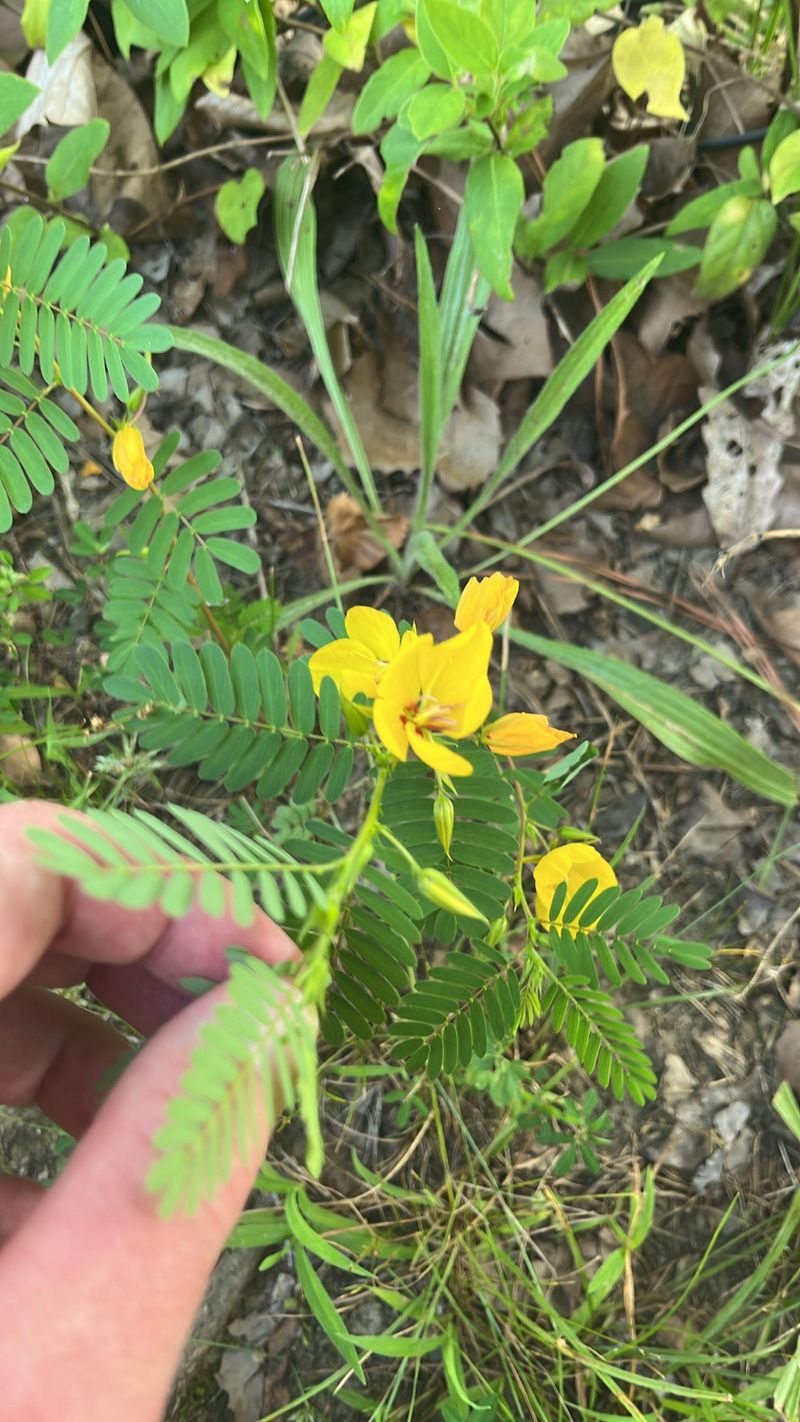
Walk along a sandy roadside or open field in Michigan on a warm summer day and you may spot Partridge Pea thriving in conditions that would challenge many other plants.
This native annual has a strong affinity for lean, well-drained soils, and sandy Michigan ground suits it particularly well.
Rather than needing rich, amended garden soil, Partridge Pea tends to perform better when the soil is on the drier and less fertile side.
Michigan has a wide range of sandy soil types, especially in the western and northern parts of the Lower Peninsula.
These areas often support native plant communities that are adapted to low-nutrient conditions, and Partridge Pea fits naturally into that ecological picture.
Gardeners working with sandy backyard spaces or sunny, dry slope areas may find that Partridge Pea establishes more readily than many traditional garden flowers would in the same spot.
Good drainage is probably the most important soil factor for Partridge Pea success. Wet or compacted soils tend to limit how well this plant performs, so choosing a site with open, loose ground gives it the best chance to grow through the season.
If your Michigan garden has a challenging dry corner that other plants tend to struggle in, Partridge Pea could be a genuinely practical and ecologically sound option worth trying in a naturalistic planting area.
4. First-Year Color Is Part Of Partridge Pea’s Appeal
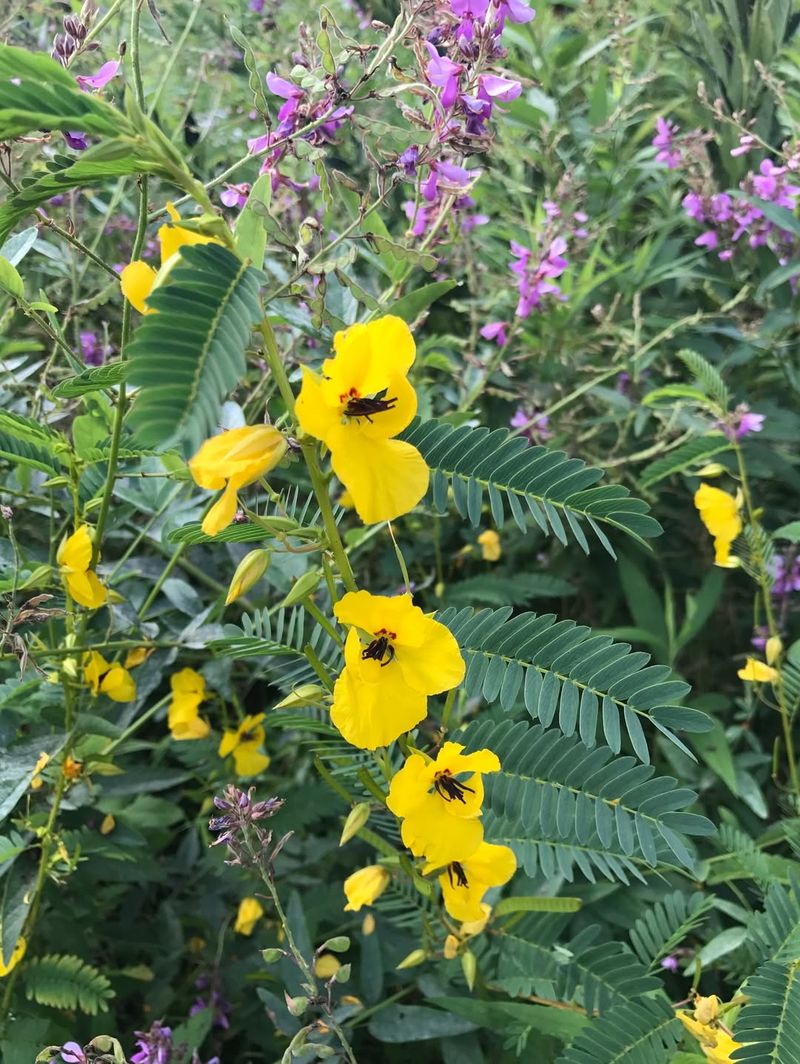
One of the most exciting things about including Partridge Pea in a Michigan native planting is that you do not have to wait years to see results. Many native perennials take two or three seasons before they bloom reliably, which can test a gardener’s patience.
Partridge Pea sidesteps that waiting period entirely because it is a true annual, completing its full cycle from seed to bloom in just one season. That first-year payoff is a genuine selling point for gardeners who want to see their native meadow come alive quickly.
Michigan gardeners establishing new native beds or meadow-style plantings often mix Partridge Pea with longer-lived perennials for exactly this reason.
While the perennials are still getting established underground, Partridge Pea fills the space above ground with leafy growth and cheerful yellow blooms.
The combination gives a new planting a more finished, lively appearance during those early seasons when bare ground might otherwise dominate.
First-year color also helps gardeners stay motivated during the sometimes slow process of building a native plant community. Seeing blooms and pollinators arrive in the same season you planted the seed is genuinely rewarding.
Partridge Pea offers that kind of immediate visual feedback, making it a useful companion plant for any Michigan gardener who wants a native meadow that looks alive and purposeful from the very start.
5. Summer Pollinators Love Partridge Pea Blooms
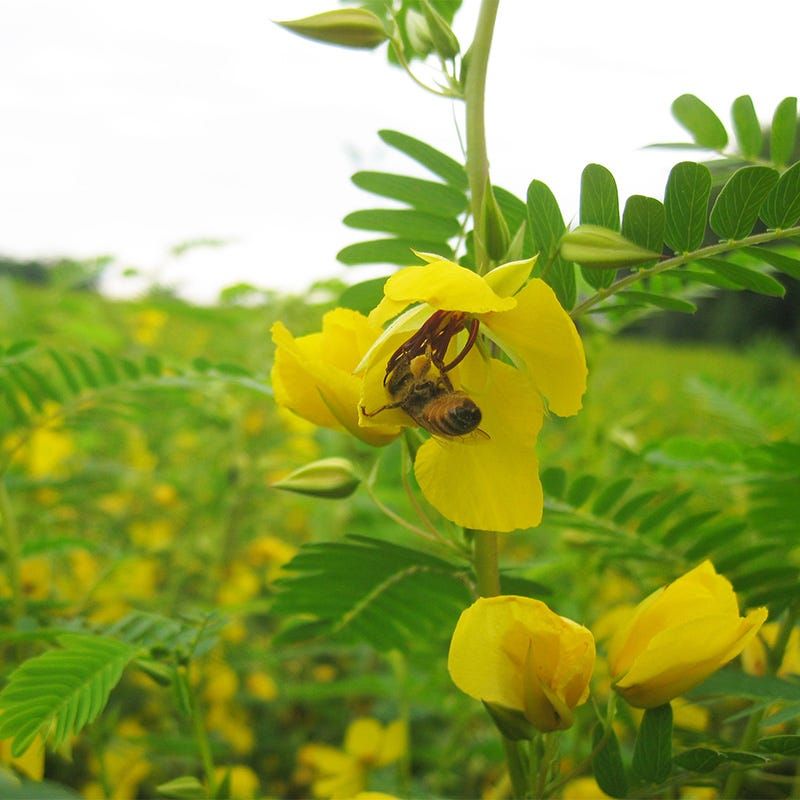
Pollinators moving through a Michigan meadow on a warm July or August afternoon will often zero in on Partridge Pea with real enthusiasm.
Bumblebees are among the most frequent visitors, and they use a behavior called buzz pollination, or sonication, to release pollen from the plant’s anthers.
This involves the bee vibrating its flight muscles at a specific frequency while gripping the flower, which shakes the pollen loose more effectively than simple contact would. It is a fascinating interaction to watch up close in a native garden setting.
Several native bee species beyond bumblebees also visit Partridge Pea regularly during its bloom period. The plant’s extrafloral nectaries, located at the base of its leaves, attract additional insects including ants and some butterfly species.
Cloudless Sulphur butterflies are known to use Partridge Pea as a larval host plant in parts of its range, adding another layer of ecological value to this native annual.
For Michigan gardeners focused on supporting native pollinator populations, Partridge Pea offers meaningful summer habitat during a period when some other native flowers may have already finished blooming.
Planting it in a sunny open area alongside other native species can help extend the season of pollinator activity in your yard.
That kind of layered, season-long support is exactly what a healthy Michigan pollinator garden aims to provide.
6. Fall Seed Pods Add More Wild Garden Value
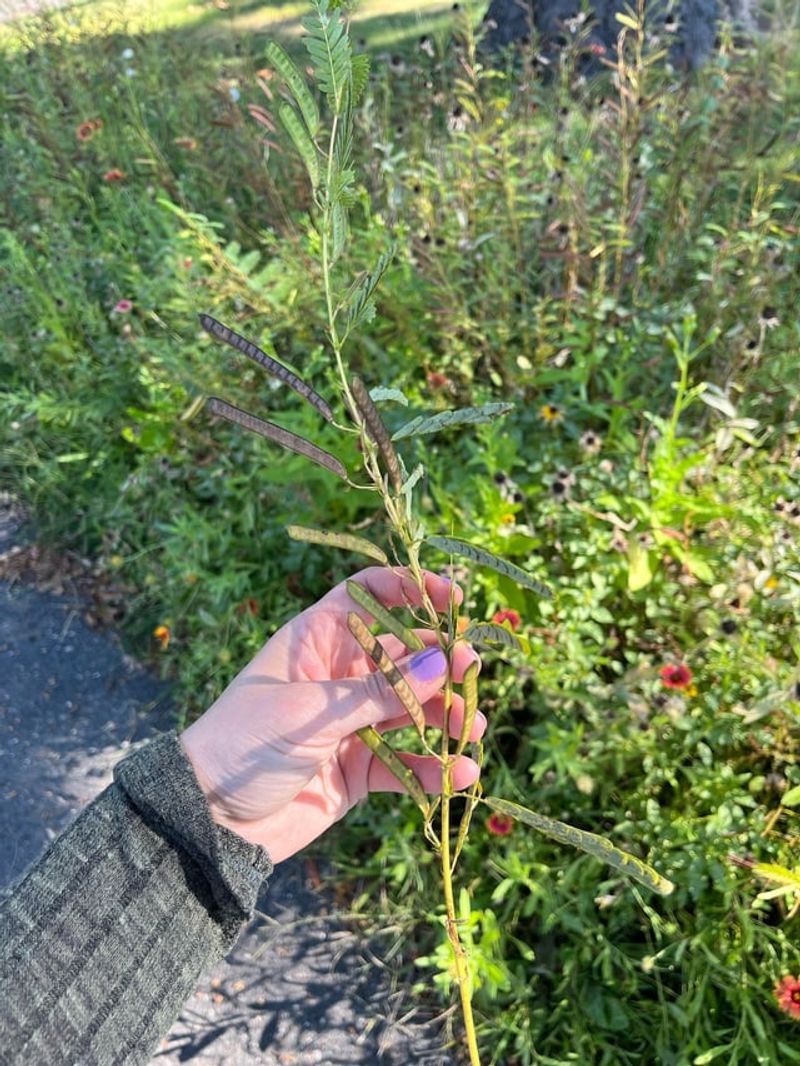
By late summer and into early fall, Partridge Pea shifts from a flowering plant into a seed producer, and that transition brings its own kind of garden interest. The seed pods are long, narrow, and flat, resembling small versions of a garden bean pod.
As they mature, they turn from green to dark brown and eventually split open to release seeds into the surrounding soil. Watching this process unfold in a Michigan native garden gives the season a satisfying sense of completion.
Beyond their visual interest, the seed pods provide food value for wildlife. Birds, including the Northern Bobwhite Quail that gives the plant part of its common name, have been known to feed on Partridge Pea seeds during the fall and winter months.
For Michigan gardeners who want their native plantings to support wildlife beyond just pollinators, leaving the seed pods standing through the fall and early winter is a simple and effective choice.
The seed pods also play a practical role in the plant’s ability to return the following season. Seeds that fall naturally from mature pods onto open, disturbed, or sandy ground have the potential to germinate in the next growing season.
That natural reseeding cycle is one of the reasons Partridge Pea can become a reliable presence in a Michigan meadow planting over time, without requiring the gardener to replant every spring.
7. As A Legume, Partridge Pea Can Help Enrich The Soil
Partridge Pea belongs to the legume family, which puts it in the same broad plant group as clover, beans, and wild lupine.
Legumes are notable in the plant world for their ability to form partnerships with certain soil bacteria, specifically Rhizobia, that can fix atmospheric nitrogen into a form usable by plants.
This relationship happens in small nodules that develop on the plant’s roots, and it can gradually improve soil nitrogen levels in areas where Partridge Pea grows over time.
For Michigan gardeners working to restore or improve lean, sandy soils in a natural setting, this soil-building quality adds real ecological value to Partridge Pea beyond its visual appeal.
While the plant is not a soil amendment in the traditional gardening sense, its presence in a meadow or restoration area may contribute modestly to the overall health of the soil community beneath it.
That kind of quiet, background benefit is part of what makes native legumes so valuable in naturalistic plantings.
It is worth noting that the nitrogen-fixing relationship depends on the presence of the right soil bacteria, which may or may not be naturally present in every Michigan planting site.
Inoculants are available commercially and can be applied to seeds before planting to help establish the beneficial bacterial partnership.
Even without that step, Partridge Pea still brings plenty of above-ground value to any sunny Michigan native garden or meadow edge.
8. Partridge Pea Readily Reseeds In The Right Setting
Michigan gardeners who have grown Partridge Pea through a full season often notice something encouraging the following spring: new seedlings appearing in and around the original planting area.
Because Partridge Pea is an annual that produces seeds prolifically, it has a natural tendency to reseed when conditions are favorable.
Open, sunny spots with sandy or well-drained soil and minimal competition from dense turf or aggressive plants tend to support this reseeding cycle most reliably.
Reseeding is not something that happens in every Michigan garden automatically. Dense ground cover, heavy mulch layers, or shaded conditions can all limit how well Partridge Pea seeds germinate the following season.
Gardeners who want to encourage natural return should consider leaving some areas of bare or lightly disturbed soil near where the plants grew, giving fallen seeds the open ground contact they need to sprout successfully.
When reseeding does happen reliably, Partridge Pea can become a self-sustaining part of a Michigan native meadow over several seasons.
That kind of low-maintenance return is appealing for gardeners who prefer naturalistic plantings that largely take care of themselves once established.
While results will vary depending on the specific site and season, Partridge Pea’s reseeding potential is one of the qualities that makes it a genuinely practical choice for sunny, open Michigan landscapes designed with native plants in mind.