Michigan Native Nuts And Seeds You Can Plant For Future Harvests
Growing your own nuts and seeds in Michigan is one of those long-game gardening decisions that pays back far more than it costs once the plants reach productive maturity.
Native species are the smartest starting point for this kind of planting because they are already calibrated to Michigan’s soil conditions, cold winters, and the specific climate pressures that non-native nut producers struggle with over time.
The selection available to growers is broader than most people realize, ranging from large canopy trees that anchor a property for generations to smaller shrubby species that begin producing surprisingly quickly after planting.
Understanding realistic timelines, spacing requirements, and what each species actually needs to move from establishment into genuine productivity is what makes this kind of long-term planting worthwhile rather than frustrating.
1. American Hazelnut
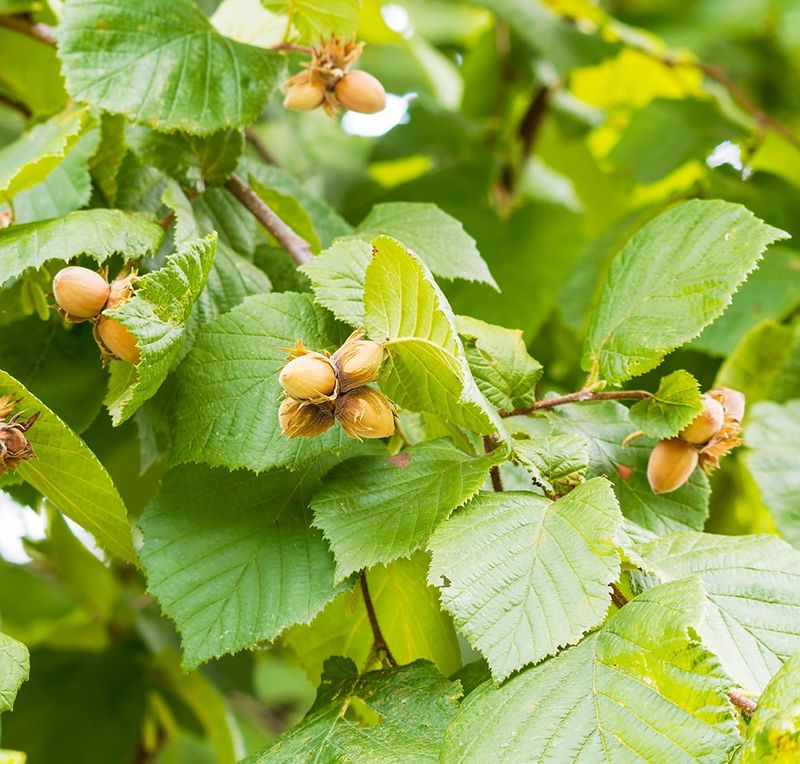
Picture a shrub that practically takes care of itself, feeds your family, and brings squirrels, turkeys, and songbirds right to your yard. That is the American Hazelnut in a nutshell, and Michigan gardeners absolutely love it for exactly that reason.
This native shrub grows across most of the Lower Peninsula and thrives in a wide range of soil types, from sandy loam to heavier clay soils found throughout the state.
American Hazelnut grows as a multi-stemmed shrub, typically reaching six to twelve feet tall and wide at maturity. Because of its spreading habit, give each plant at least eight to ten feet of space so it can fill out naturally without crowding.
It handles partial shade surprisingly well, making it a fantastic choice for planting along woodland edges, fence lines, or under the canopy of taller trees.
One important thing to know is that hazelnuts need cross-pollination to produce a good crop. Plant at least two or three shrubs within close range of each other and you will dramatically increase your nut set.
The nuts ripen in late summer, usually August through September, and are ready to harvest once they begin dropping from their papery husks.
Beyond the food value, American Hazelnut provides outstanding wildlife habitat. Its dense branching structure offers nesting cover for birds, and the foliage supports several native moth and butterfly species.
Young plants can begin producing nuts within three to five years of planting, making this one of the faster-rewarding native nut plants available to Michigan homeowners.
2. Black Walnut
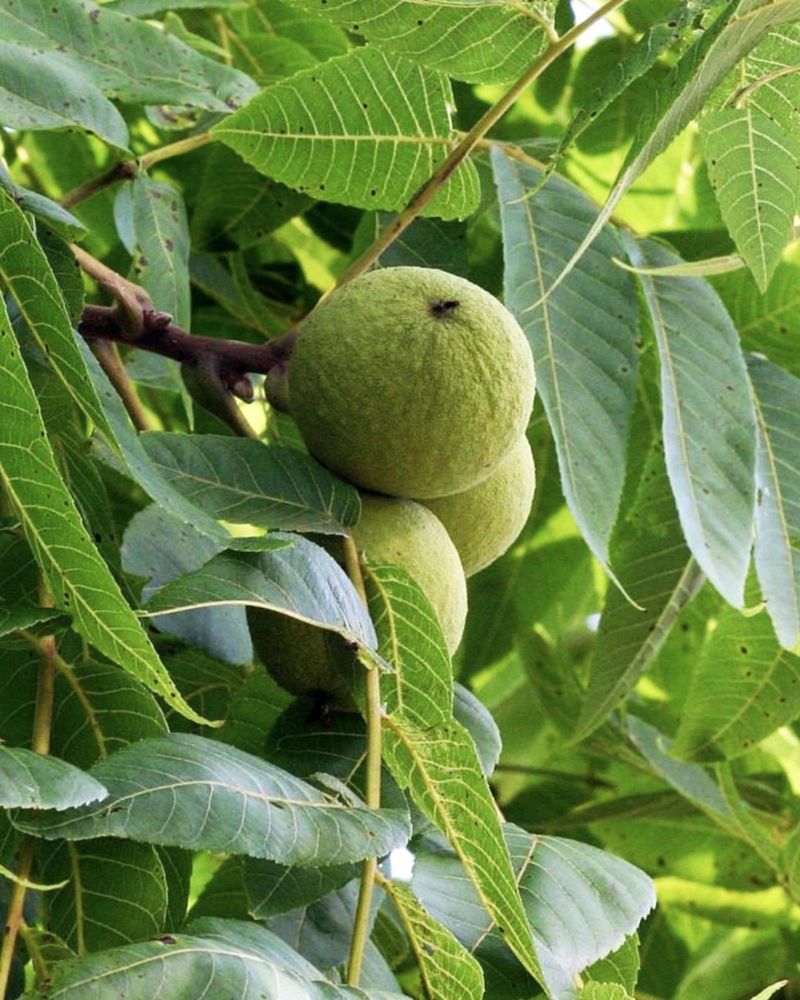
There is something deeply satisfying about cracking open a Black Walnut that you grew yourself.
The bold, rich flavor is unlike anything you will find in a grocery store, and once you taste it, you will understand why foragers and bakers have prized this nut for generations.
Black Walnut is one of Michigan’s most iconic native trees, and planting one today means future generations on your property will enjoy its rewards.
This tree grows large, often reaching sixty to one hundred feet tall at full maturity, so plan your planting location carefully. Full sun is ideal, and well-drained soil gives it the best start.
Black Walnut is adaptable and tolerant once established, but it does best when it is not sitting in wet or compacted ground for extended periods.
Your Michigan Garden Changes Every Week. Your Plan Should Too.
Gardening in Michigan changes quickly throughout the season. Every Friday you’ll receive a simple weekly plan showing exactly what to plant, prune, fertilize, harvest, and protect so you never miss the right timing.
One critical planning note every gardener should know is that Black Walnut produces a natural compound called juglone from its roots, leaves, and husks.
This chemical can suppress or harm certain plants growing nearby, including tomatoes, apples, and many garden favorites.
Keep your vegetable beds and fruit trees at least fifty to sixty feet away from your walnut planting to avoid problems down the road.
Despite that consideration, Black Walnut is a powerhouse for wildlife. Squirrels, deer, and over three hundred species of moths and butterflies depend on it.
The nuts typically begin dropping in September and October, and with patience, a well-sited tree can produce heavy crops for well over a century, making it a true legacy planting for your Michigan property.
3. Butternut
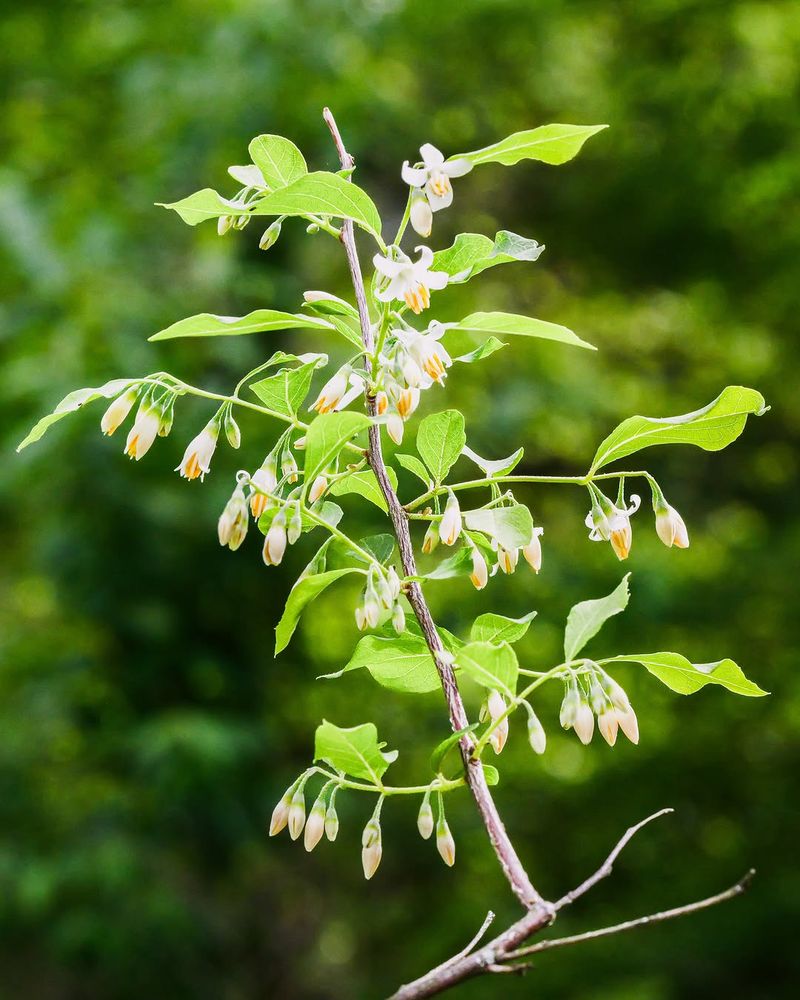
Butternut has a story worth telling. Once common throughout Michigan’s forests, this native nut tree has become increasingly rare due to a fungal canker disease that has dramatically reduced wild populations across the eastern United States.
Planting a Butternut today is both a personal investment and a small act of conservation that helps preserve a species with deep roots in Michigan’s natural heritage.
Also called White Walnut, Butternut produces elongated, oblong nuts with a sweet, buttery flavor that many people find milder and more approachable than Black Walnut.
The trees typically reach forty to sixty feet tall at maturity and prefer well-drained, fertile soils with a slightly alkaline to neutral pH.
Like its walnut relatives, Butternut does best in full sun and open settings where air circulation is good.
Butternut canker disease, caused by the fungus Ophiognomonia clavigignenti-juglandacearum, is a real challenge to be aware of. Infected trees develop sunken, discolored cankers on branches and trunks that can spread over time.
Sourcing your trees from reputable nurseries that offer disease-resistant or tolerant stock is one of the best strategies for long-term success.
Some breeding programs are actively developing more resilient Butternut varieties, so ask your nursery about the latest options.
Spacing Butternuts at least forty feet apart gives them room to develop full canopies without competition. Nuts typically ripen in September and October.
Even if your tree faces disease pressure, a healthy young Butternut can still provide meaningful harvests for many years, making it a rewarding addition to any Michigan food forest or homestead planting.
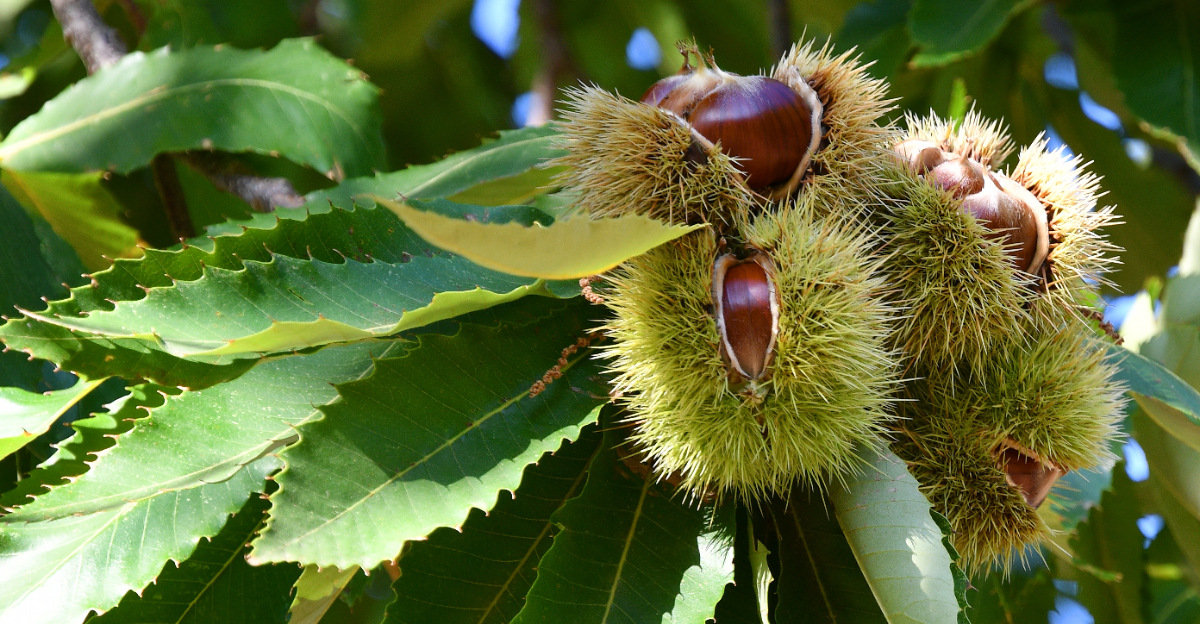
4. American Chestnut
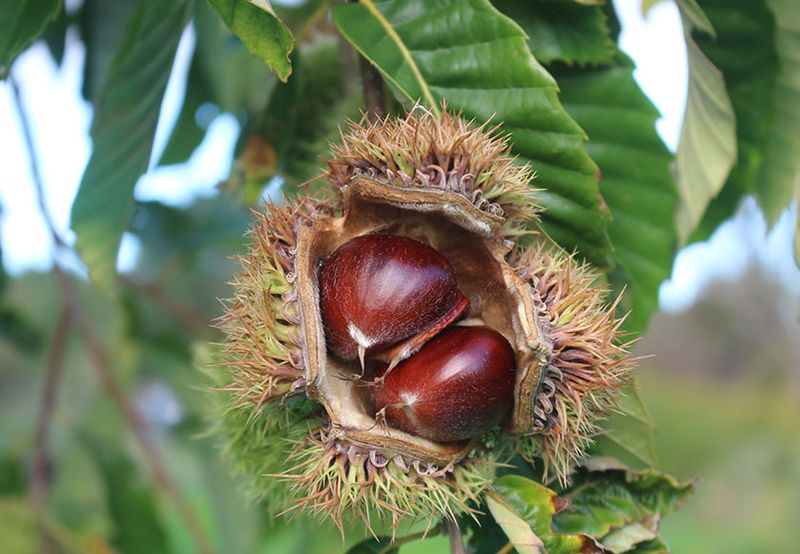
Few trees carry as much historical weight as the American Chestnut.
Before a blight nearly wiped out the species in the early twentieth century, these magnificent trees dominated eastern forests and provided enormous quantities of sweet, starchy nuts that fed both wildlife and rural communities across the region.
Today, restoration efforts are bringing this legendary tree back, and Michigan gardeners have a genuine opportunity to be part of that comeback story.
The American Chestnut Foundation and several university breeding programs have made significant progress developing blight-resistant American Chestnut trees through careful crossbreeding with Chinese Chestnut.
These improved trees carry the American Chestnut’s flavor, form, and ecological role while offering much better resistance to the blight fungus.
When shopping for trees, look specifically for certified blight-resistant stock from reputable sources rather than unimproved seedlings.
American Chestnut thrives in well-drained, slightly acidic soils and prefers full sun for best nut production. Michigan’s sandy and loamy soils in many parts of the Lower Peninsula are well-suited to this tree.
Space your trees at least thirty to forty feet apart, and plant at least two for cross-pollination since chestnuts are not self-fertile and require a nearby compatible tree to set fruit.
Chestnuts are harvested in early to mid-fall when the spiny burs begin splitting open naturally.
The nuts are lower in fat and higher in starch than most other tree nuts, giving them a sweet, almost grain-like flavor perfect for roasting, baking, and cooking.
Young trees can begin producing nuts in as few as three to five years, making the wait very manageable for home gardeners eager for results.
5. Shagbark Hickory (Carya Ovata)
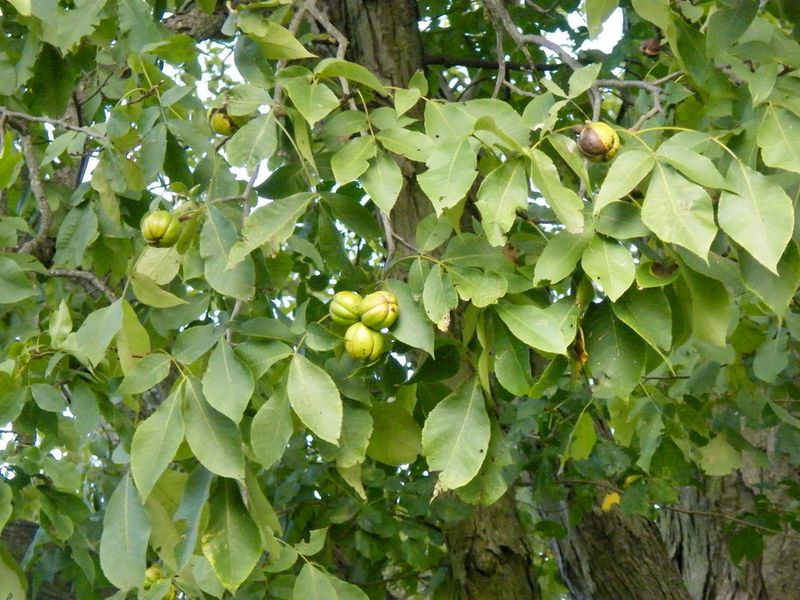
If you have ever seen a tree with long, curling plates of bark peeling dramatically from its trunk, you have met a Shagbark Hickory.
This striking native tree is one of Michigan’s most beloved hardwoods, producing large, sweet nuts that are considered among the finest flavored of all hickory species.
Growing a Shagbark Hickory requires patience, but the payoff is absolutely worth every year of waiting.
Shagbark Hickory grows slowly but steadily, typically adding one to two feet of height per year when young. Mature trees can reach sixty to eighty feet tall with a rounded canopy that provides excellent shade.
Full sun is strongly preferred, and the tree performs best in deep, well-drained soils where its long taproot can anchor firmly and access moisture during dry summers. Rocky or shallow soils will limit its development significantly.
Because of its slow growth, Shagbark Hickory is best thought of as a multi-generational planting. Most trees begin producing meaningful nut crops somewhere between ten and twenty years after planting, though some well-sited trees may start earlier.
Once production begins, though, a healthy Shagbark can continue bearing nuts for well over two hundred years, making it one of the most enduring investments in any food forest.
The nuts ripen and fall in October, encased in thick green husks that split open into four sections when mature. Wildlife absolutely flock to Shagbark Hickory during fall, with squirrels, deer, and wood ducks all competing for the crop.
Spacing trees at least forty feet apart ensures adequate light and airflow, setting each tree up for the healthiest possible long-term future on your Michigan property.
6. Shellbark Hickory (Carya Laciniosa)
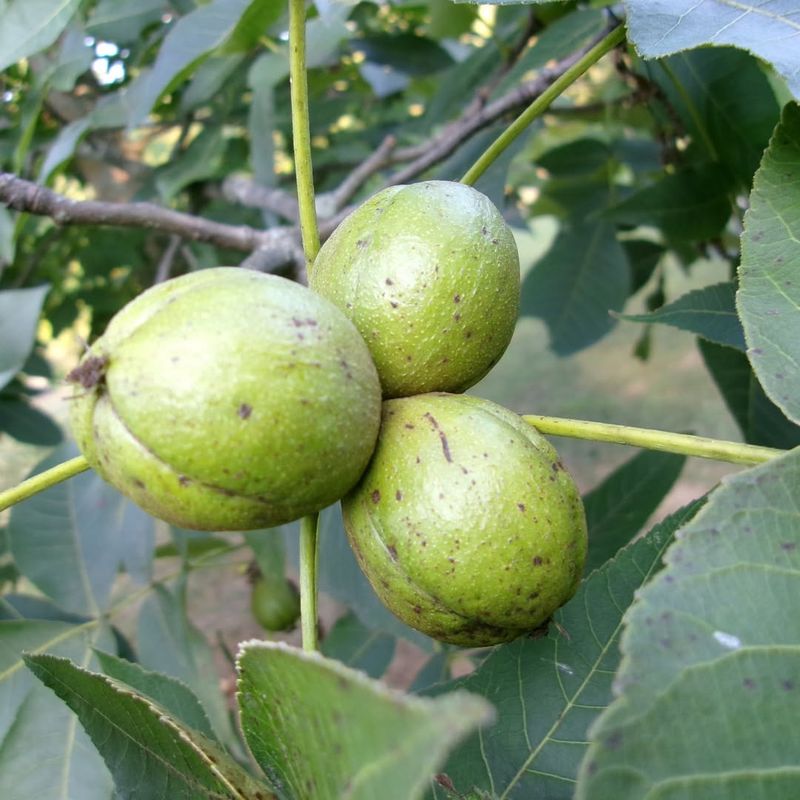
Shellbark Hickory holds a special distinction among Michigan’s native nut trees: it produces the largest nuts of any hickory species in North America.
These hefty, sweet nuts have earned it the nickname King Nut Hickory among foragers and food forest enthusiasts, and for good reason.
If you have room for a large, long-lived tree on your property, Shellbark Hickory is one of the most rewarding native choices available in Michigan.
Unlike its cousin the Shagbark, Shellbark Hickory naturally grows in low-lying areas, floodplains, and rich bottomland soils with high moisture levels.
This makes it an excellent option for Michigan homeowners dealing with wetter sections of their property where other nut trees might struggle.
It handles clay and loam soils particularly well, tolerating seasonal flooding far better than most nut-producing trees.
Shellbark Hickory grows to impressive sizes, often reaching sixty to one hundred feet tall at full maturity. Its large, compound leaves cast dense shade beneath the canopy, so plan companion plantings accordingly.
Like most hickories, it has a deep taproot that makes transplanting difficult once established, so choose your planting site thoughtfully and prepare the soil well before planting young trees.
Wildlife benefits from Shellbark Hickory are substantial. Wild turkeys, squirrels, raccoons, and many songbirds rely on its large, calorie-dense nuts as a critical food source heading into winter.
The tree typically begins producing nuts after ten to fifteen years, and heavy crops occur in cycles every few years.
With proper spacing of forty to fifty feet between trees, your Shellbark Hickory will thrive and produce for generations to come on your Michigan land.
7. American Beech
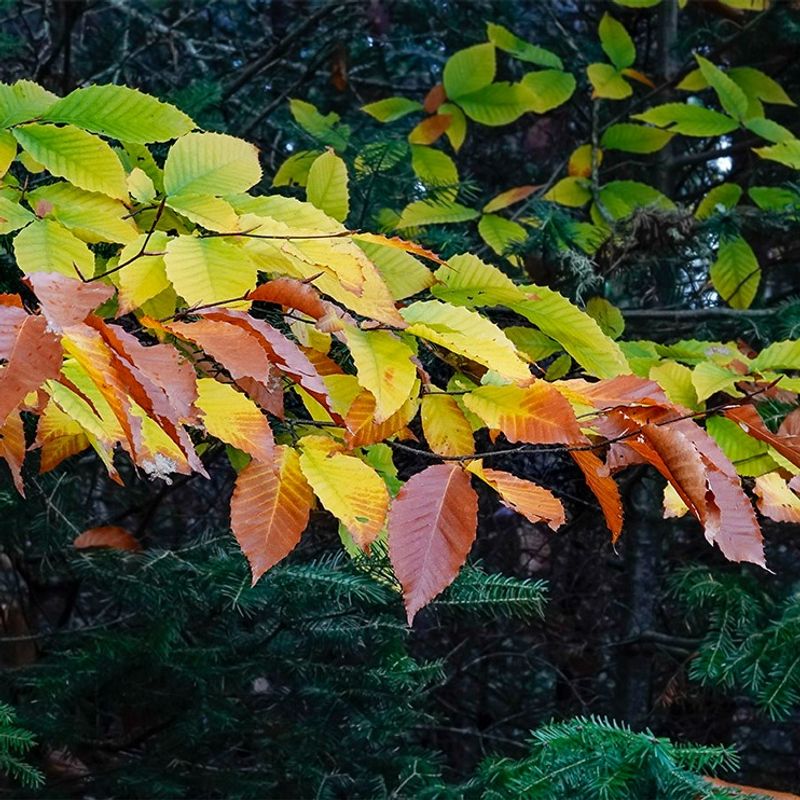
American Beech is one of those trees that stops people in their tracks. Its smooth, silver-gray bark looks almost sculptural even in winter, and in autumn, its golden foliage lights up the forest in a way that few other trees can match.
Beyond its stunning looks, American Beech produces small but highly nutritious beechnuts that are an incredibly important food source for wildlife across Michigan’s forests and woodlands.
Beechnuts are small, triangular, and encased in spiny husks that split open in fall, typically in October.
While the nuts are modest in size compared to walnuts or chestnuts, they are packed with fat and protein, making them exceptionally valuable to wildlife.
Black bears, white-tailed deer, wild turkeys, and numerous songbirds all depend heavily on beechnut crops during the fall season. Over time, a mature Beech grove can become a genuine wildlife magnet on your property.
American Beech grows best in well-drained, slightly acidic soils with good organic matter content.
It tolerates shade better than almost any other native nut tree, making it a natural fit for woodland understory plantings or shaded corners of your property where other trees might struggle.
Full sun will accelerate growth and nut production, but partial shade is perfectly acceptable for this adaptable species.
Growth is slow and steady, with meaningful nut production typically beginning around forty years of age for forest-grown trees, though open-grown specimens in full sun may begin producing earlier.
Space trees at least forty feet apart to give each one room to develop its broad, rounded canopy.
Planting American Beech is truly a gift to the future, a tree that will outlive its planter and feed Michigan wildlife for centuries ahead.