Why Minnesota Gardeners Are Dividing Their Bearded Iris Right Now, And What Happens If You Miss The Window
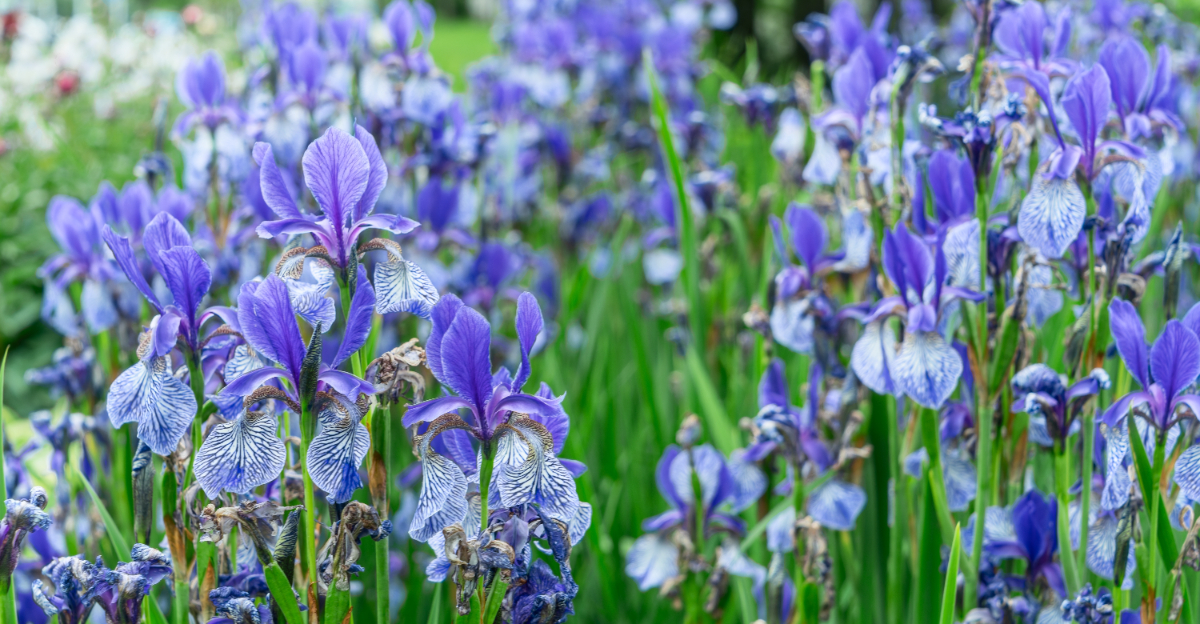
Bearded iris are one of those plants that seem to take care of themselves, until they quietly stop performing. The rhizomes keep spreading, the foliage keeps coming back, but the blooms get fewer and farther between.
Just a tighter tangle underground and a flower bed that used to turn heads now blending into the background. For Minnesota gardeners, late summer is the window that changes all of that.
This is when rhizomes are dormant enough to handle disruption but rooted enough to settle in before the ground freezes. Miss this window, and you are looking at another full year of declining blooms.
Bearded iris need division every three to five years, not as a chore, but as a reset. The process itself is straightforward, and the results show up the following spring in a way that is hard to ignore.
Late Summer Is The Sweet Spot For Dividing Bearded Iris In Minnesota
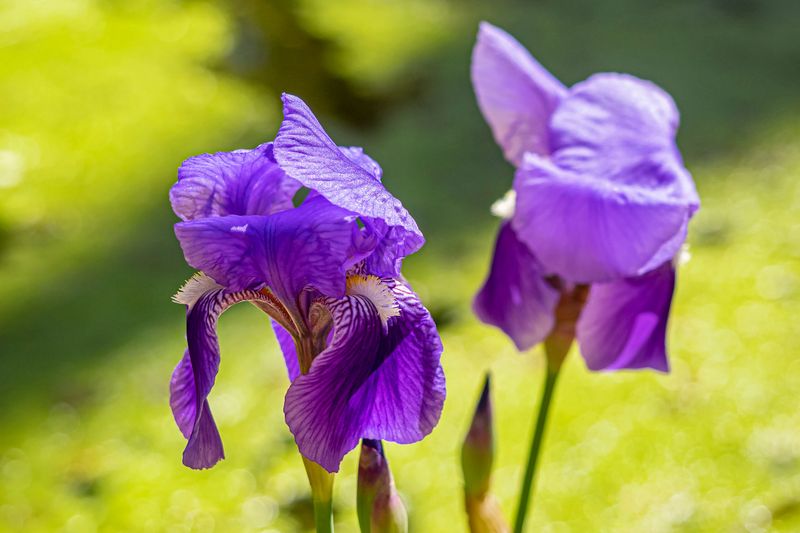
August heat, fading blooms, and the smell of warm soil: that is your signal to get moving. Bearded iris division in Minnesota works best between late July and early September.
That window gives newly planted rhizomes enough time to establish roots before the ground freezes hard. Aim for at least six weeks before your first expected frost, which in most parts of the state falls in late September or October.
Why does timing matter so much? Iris rhizomes need warm soil to send out new feeder roots quickly after replanting.
Cold soil slows that process dramatically and leaves your divisions vulnerable heading into winter. Plant too late, and you are essentially asking a wounded plant to survive without any root support.
Late summer also happens to be when iris are naturally in a semi-dormant phase after blooming. Their energy is not going into flowers or new top growth right now.
That makes it the ideal moment to disturb the roots with minimal stress to the plant. Think of it like surgery scheduled during a patient’s rest period.
Gardeners across the upper Midwest have learned through trial and error that this timing window is not flexible. Push it into October, and results tend to be less reliable.
Stick to late July through August for the best results. Your iris will reward the good timing with strong blooms the following spring, and that is exactly the payoff worth working toward.
Signs Your Iris Clumps Are Ready To Be Divided
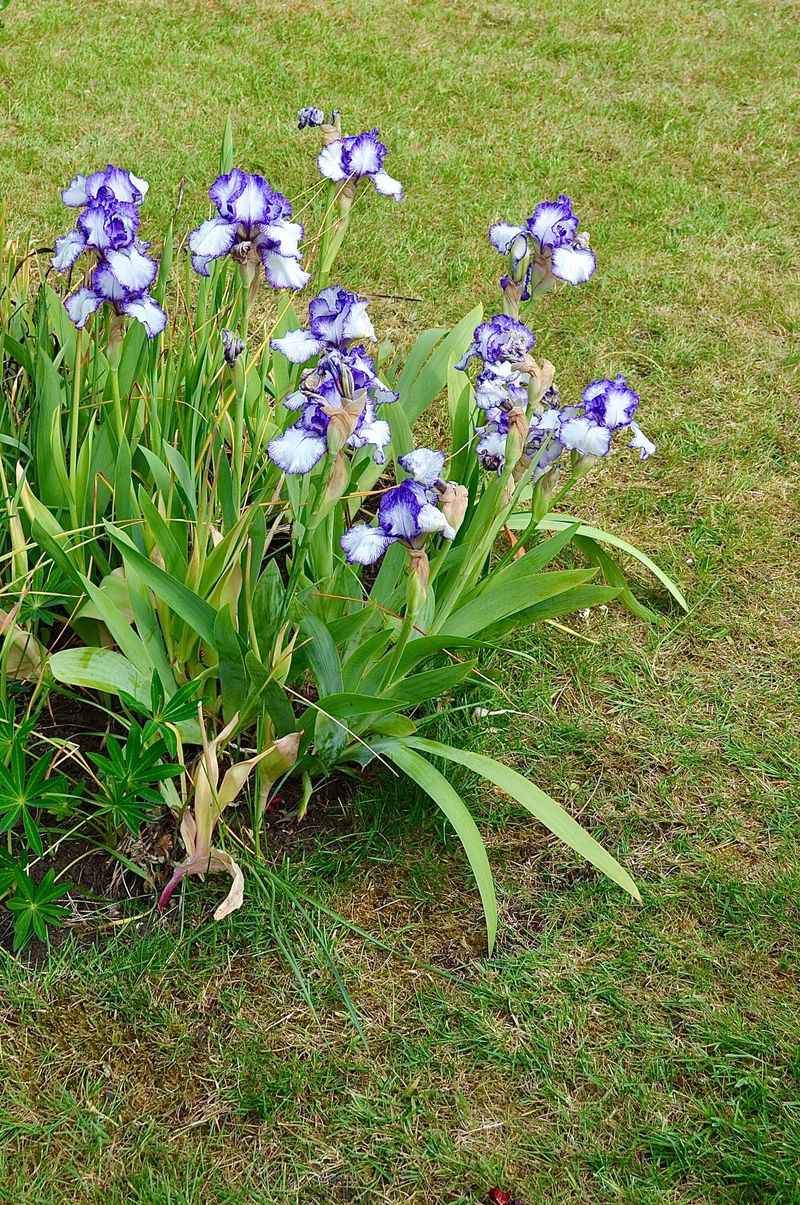
Your iris are trying to tell you something, and the message is not subtle. When a once-blooming bed suddenly produces fewer flowers, that is the clearest sign division is overdue.
Bearded iris bloom best when rhizomes have space to breathe and access to full sun. Overcrowding blocks sunlight from reaching the surface of the rhizome, which is where the plant stores energy for flowering.
Look at the center of your clumps closely. If you see a hollow ring of rhizomes with dried-out, spent material in the middle, your plants are signaling that division is overdue.
Your Minnesota Garden Changes Every Week. Your Plan Should Too.
Gardening in Minnesota changes quickly throughout the season. Every Friday you’ll receive a simple weekly plan showing exactly what to plant, prune, fertilize, harvest, and protect so you never miss the right timing.
Healthy iris spread outward over time, leaving that exhausted center behind. That worn-out core is where last year’s rhizomes have given all they had.
Another telltale sign is leaves that fan out weakly or turn yellow without any obvious pest or disease cause. Crowded roots simply cannot pull enough nutrients from the soil to support strong foliage.
You might also notice the rhizomes themselves pushing up out of the ground at odd angles. When space runs out, they start competing for every inch of room, crowding each other toward the surface.
Soft, mushy spots on rhizomes can signal rot, which spreads faster in dense, poorly ventilated clumps. Catching this early through timely division can save the whole bed.
If your iris have not been divided in four or more years, do not wait for more symptoms. The signs are already there, even if you have to look closely to find them.
Tools And Supplies To Gather Before You Start

Preparation is half the battle in any garden project. Gathering the right tools before you dig saves time and protects both you and your plants.
Start with a sturdy spading fork or garden fork. A flat spade can slice through rhizomes accidentally, so the fork is the smarter choice for lifting clumps intact.
You will also need a sharp, clean knife for cutting rhizomes apart. A dull blade tears and crushes plant tissue, which invites disease in through the wound.
Sanitize your knife with a diluted bleach solution or soapy water before you begin. Cutting from one plant to the next without cleaning spreads fungal and bacterial problems faster than you might expect.
Bring a bucket of water to rinse off soil as you work. Clean rhizomes are easier to inspect for rot, damage, and healthy growth points.
Have a shady spot ready to lay out your divisions while you prepare the bed. Direct sun dries out exposed rhizomes quickly, and that drying stresses the plant before it even gets back in the ground.
Bone meal or a low-nitrogen fertilizer is worth having on hand to work into the planting area. Iris prefer phosphorus-rich amendments that support root development rather than leafy top growth.
Garden gloves protect your hands from the slightly irritating sap that iris produce. A wheelbarrow or tarp helps haul away the debris from old, spent rhizomes once you are done cleaning up the bed.
Dividing And Replanting Bearded Iris Step By Step
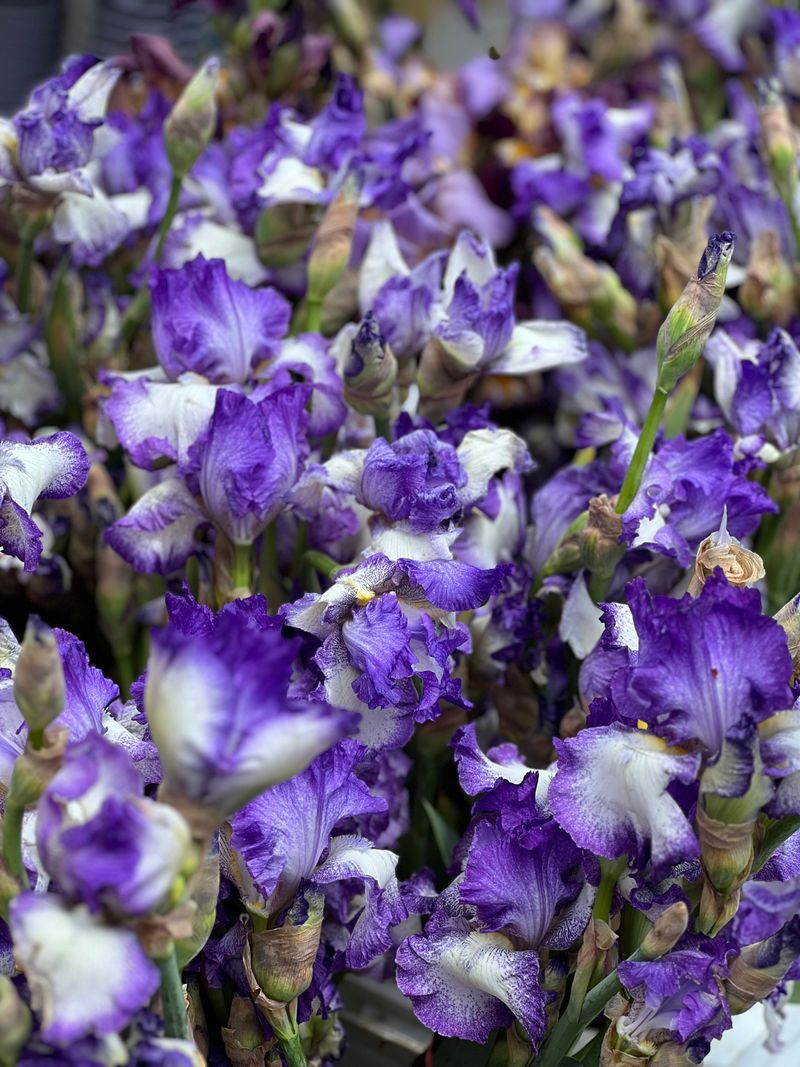
Push your fork into the soil about six inches from the edge of the clump. Work around the whole clump before you try to lift, loosening the root mass gradually.
Once the clump is free, move it to your shady work area and rinse off the soil. You want a clear view of what you are working with before you start cutting.
Look for healthy rhizomes that are firm, plump, and have at least one fan of leaves attached. Those are your keepers, and each one becomes a new plant.
Discard any rhizome that feels soft, smells bad, or shows dark, sunken spots. Rot spreads, and replanting damaged material just moves the problem to a fresh location.
Trim the leaf fans down to about four to six inches tall. That fan shape helps the plant stay upright after replanting and reduces moisture loss while roots establish.
Cut rhizomes apart so each division has a healthy section with one good fan attached. Some gardeners prefer divisions with two fans, which can establish slightly faster.
Prepare your bed by loosening the soil to about ten inches deep. Mix in compost and bone meal, then create a small ridge of soil in the center of each planting hole.
Set the rhizome on top of that ridge with roots draping down on either side. The top of the rhizome should sit at or just barely below the soil surface so it still gets sun exposure.
Caring For Newly Divided Iris Before Winter Sets In
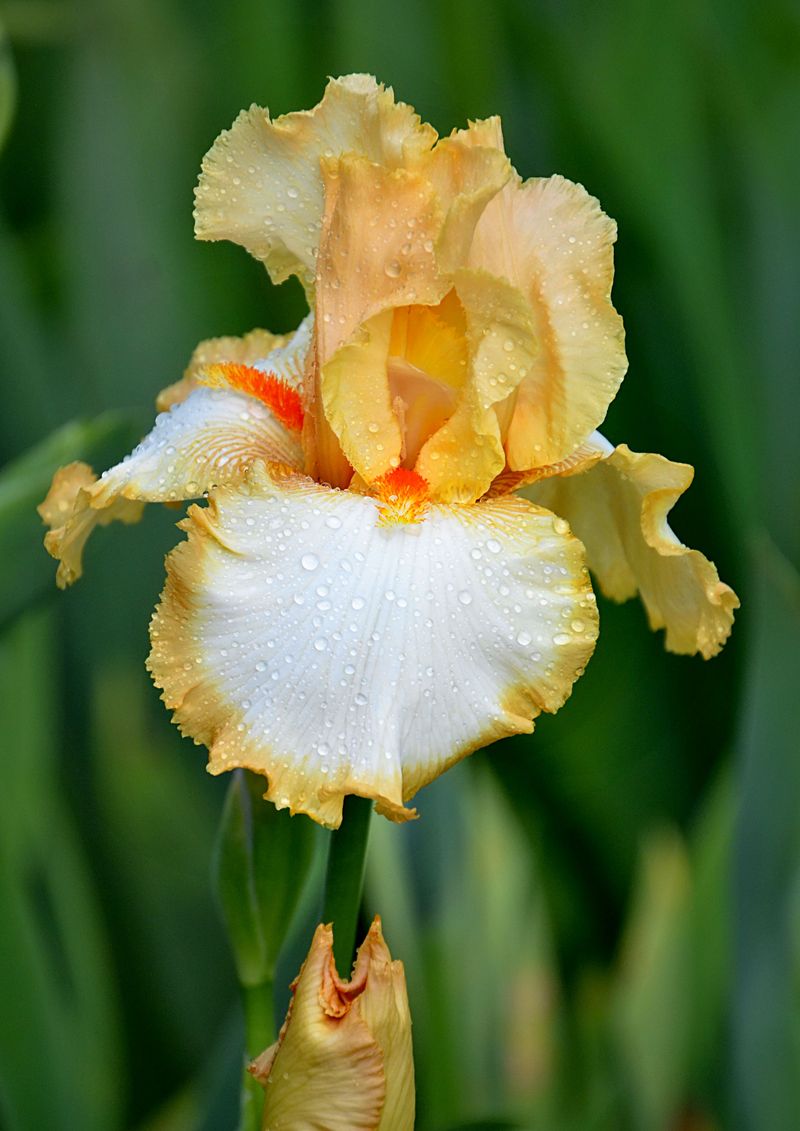
Freshly divided iris are tougher than they look, but they still need a little extra attention in those first weeks. Water your new divisions thoroughly right after planting.
After that initial soak, hold back on the water. Iris rhizomes are prone to rot when they sit in consistently wet soil, especially before their roots have spread out.
Aim to water once a week if rain does not do the job for you. Check the soil a few inches down before watering, and skip it if the ground still feels damp.
Do not fertilize heavily right after planting. A small amount of bone meal worked into the soil at planting time is enough to encourage root growth without pushing leafy top growth too hard.
Watch for any signs of soft rot in the weeks after division. Catching it early means removing just one plant instead of losing several.
As temperatures drop in October, a light layer of mulch around the base of each plant helps insulate the soil. Keep mulch away from direct contact with the rhizome itself to prevent moisture buildup.
Remove that mulch in early spring before new growth pushes up. Leaving it on too long can trap moisture and heat at exactly the wrong time.
Resist the urge to tidy up the leaf fans too aggressively before winter. Some foliage helps protect the crown of the plant from the harshest cold, and your new divisions will be grateful for that small shield.
The Real Cost Of Skipping Division Year After Year
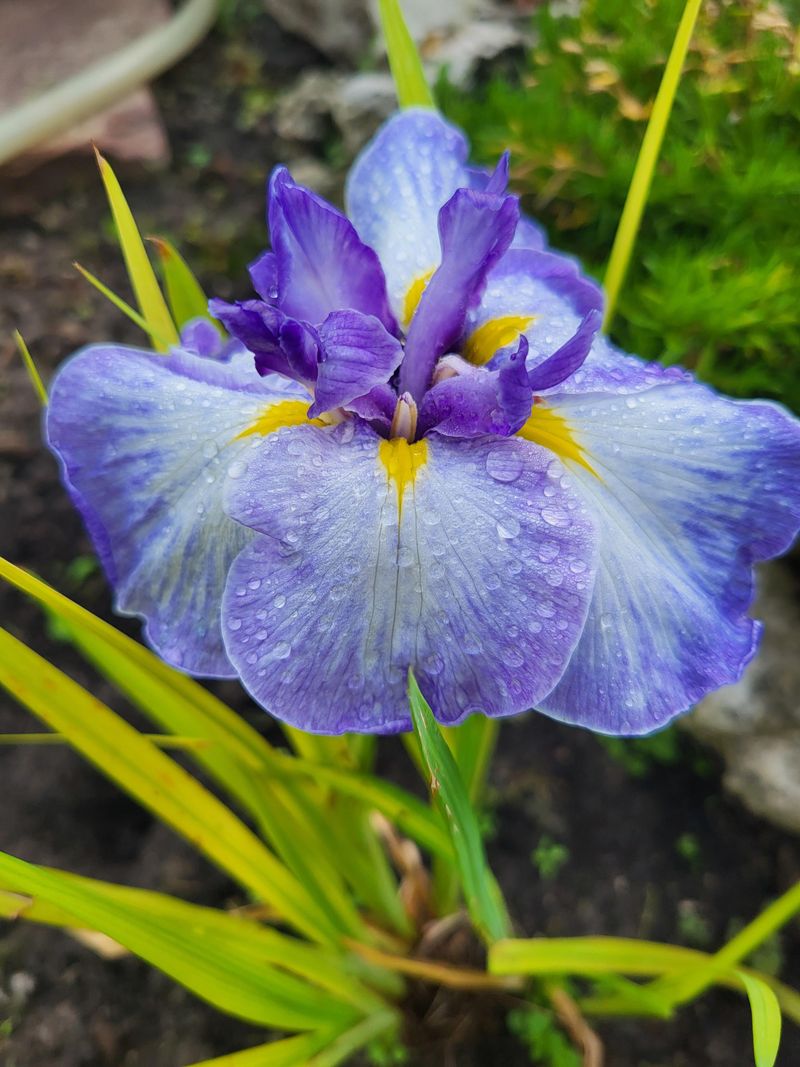
Skipping division once is forgivable. Skipping it three or four years in a row turns a beautiful flower bed into a frustrating mess.
The most immediate cost is bloom loss. Overcrowded iris simply stop flowering, and no amount of fertilizer or watering brings those blooms back without giving the plants more space.
Dense, tangled rhizomes make it much harder to spot iris borer damage before it spreads, and by the time you notice, it is often too late to save the whole bed.
Soft rot bacteria love the same crowded conditions. One infected rhizome in a tight clump can spread to its neighbors fast, and by the time you notice the smell, you may have lost most of the bed.
Skipping division also costs you free plants. Each healthy division is essentially a bonus plant you can replant elsewhere, share with a friend, or pot up for a neighbor.
Gardeners who skip division often end up spending money on new plants when the old ones fade out. That cost adds up quickly when you could have propagated your own for nothing.
There is also an aesthetic cost that sneaks up on you. A bed that once looked lush and full starts looking sparse, weedy, and neglected as the center fades out and gaps appear.
Dividing bearded iris on schedule keeps your garden looking intentional and alive. Miss the window too many times, and you are starting over rather than building on what you already have.