Rosemary Struggles In Georgia Summer When Gardeners Get This One Thing Wrong
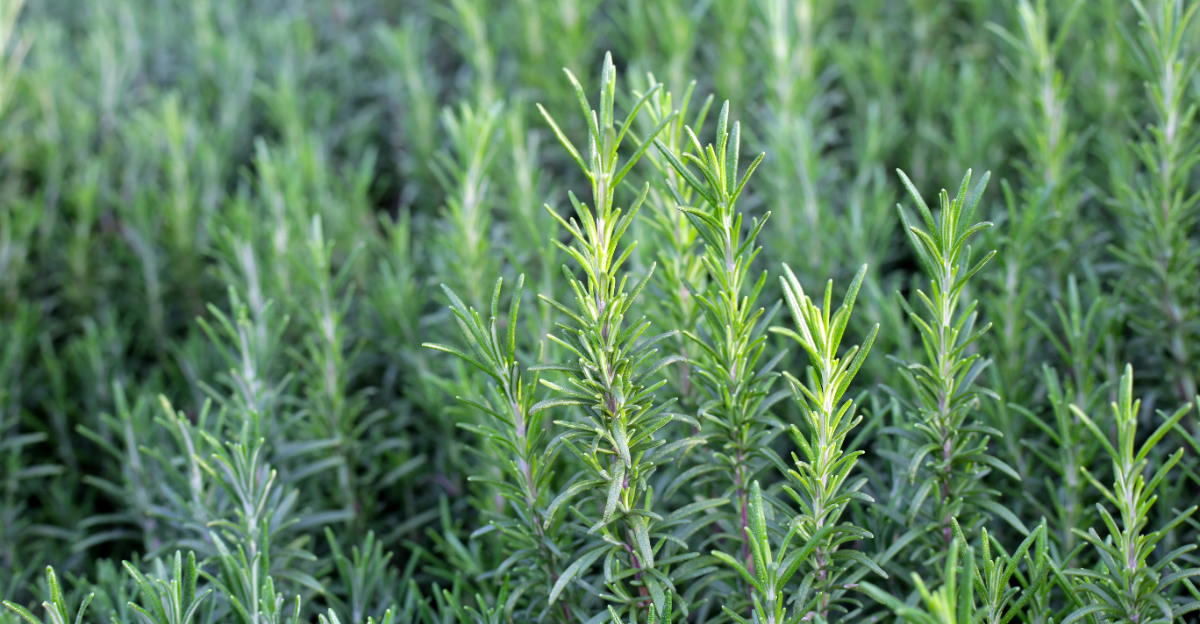
Rosemary is supposed to be the tough one. The indestructible herb. The plant you stick in the ground, ignore, and harvest forever.
Georgia gardeners know a different story. The plant yellows. The stems go soft. The whole thing slowly collapses in what should be perfect growing weather, and nobody can figure out why.
Here is the part that surprises most people: it is not the heat. It is not the sun. Georgia summers actually deliver exactly the warmth rosemary craves.
The problem is something most gardeners never think to check, and by the time the symptoms show up above ground, the damage is already well underway underground.
One mistake is doing all of it. Fix that mistake, and rosemary in a Georgia garden stops being a struggle and starts being the indestructible herb it was always supposed to be. So what is going wrong?
The Big Mistake Is Wet Soil
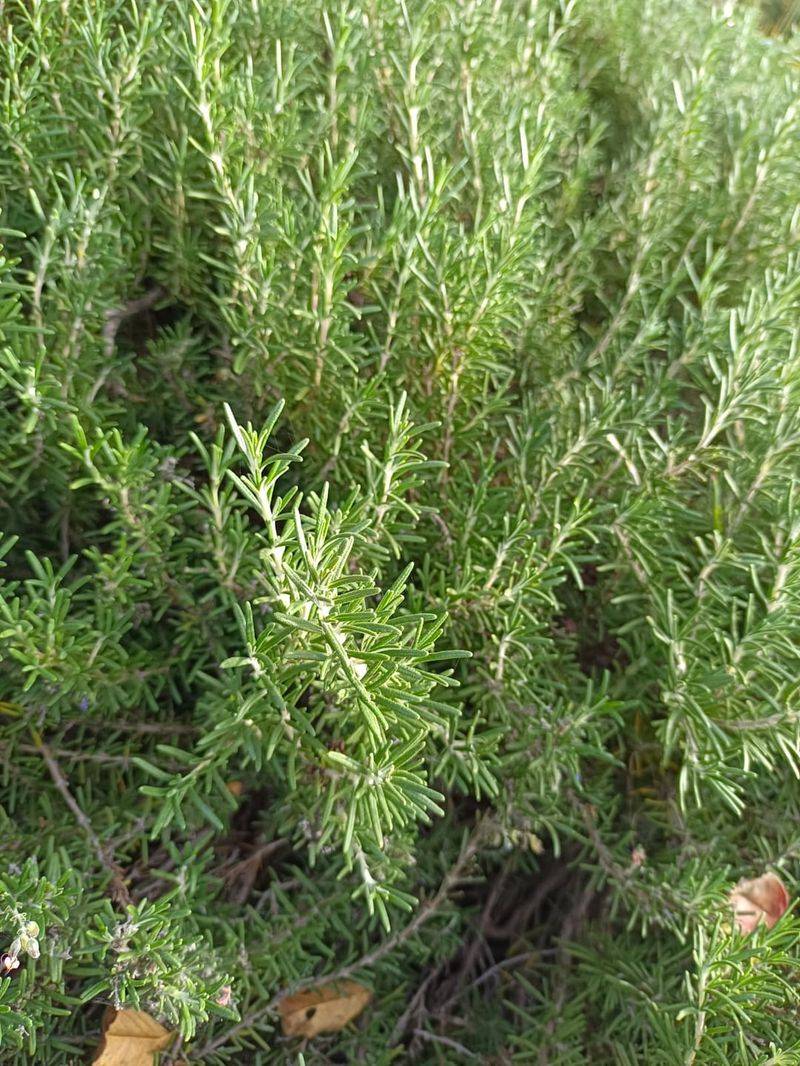
Three days of rain, a soaked garden bed, and rosemary that looks worse every morning. That scene plays out across Georgia every summer, and wet soil is almost always the reason.
Rosemary evolved in the Mediterranean region where summers are hot and dry, soils are rocky and thin, and rain drains away almost instantly.
Georgia soil behaves nothing like that. When soil stays wet, air pockets disappear, and roots need both water and oxygen to stay healthy.
Without air, roots begin to break down. The plant above ground starts showing stress. Leaves turn yellow or grayish, stems go soft near the base, and the plant looks droopy even on a sunny afternoon.
Here is the part that makes it worse: many gardeners see those symptoms and assume the plant needs more water. More water goes on.
The situation gets worse faster. Wet soil is the problem, not the solution, and the plant cannot tell you that directly.
Well-drained soil is the top priority for growing rosemary successfully in the Southeast. The ideal soil drains quickly after rain and does not hold puddles for more than an hour.
Sandy loam works well. Heavy, compacted, or clay-rich soil holds moisture far too long for rosemary to handle comfortably.
Checking drainage before planting is a simple test worth doing. Dig a hole about one foot deep, fill it with water, and watch how fast it drains.
If water is still sitting there an hour later, that spot needs serious improvement before rosemary goes anywhere near it.
Poor Drainage Stresses The Roots
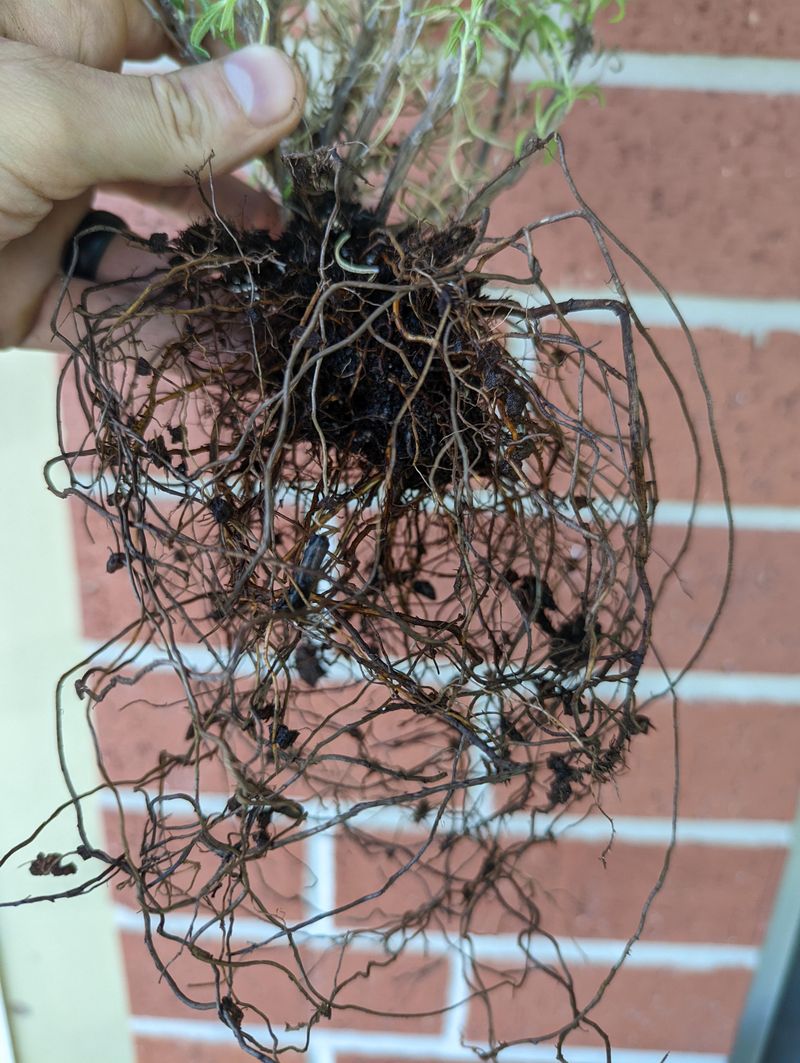
Roots are the engine of any plant, and when rosemary roots sit in soggy ground, that engine sputters fast.
The root zone of a rosemary plant is surprisingly shallow and wide, spreading out just below the surface to catch moisture and oxygen. That design works beautifully in dry, gritty soil. In wet soil, it becomes a serious liability.
Saturated soil creates conditions where harmful fungi and water molds thrive. Phytophthora and Pythium are two common culprits in the Southeast that attack plant roots when drainage is poor.
These organisms spread quickly in warm, wet conditions, which describes Georgia summers with painful accuracy.
Your Georgia Garden Changes Every Week. Your Plan Should Too.
Gardening in Georgia changes quickly throughout the season. Every Friday you’ll receive a simple weekly plan showing exactly what to plant, prune, fertilize, harvest, and protect so you never miss the right timing.
Once they take hold, the root system breaks down from the outside in, cutting off the plant’s ability to absorb nutrients and water even when those things are technically available.
The confusing part is what the symptoms look like. The plant wilts even though the soil is wet. Leaves turn brown at the tips while the rest stays green.
Lower stems feel mushy when pressed gently. Every sign points toward drought stress, but the actual problem is the opposite. Wet roots and drought symptoms at the same time is one of gardening’s cruelest tricks.
Improving drainage before symptoms appear is far more effective than trying to rescue a struggling plant.
Loosening compacted soil, adding coarse sand or pea gravel, and raising the planting area even a few inches can dramatically improve how fast water moves through the root zone after a heavy Georgia rainstorm.
Prevention is much easier than the alternative.
Heavy Summer Rain Makes It Worse
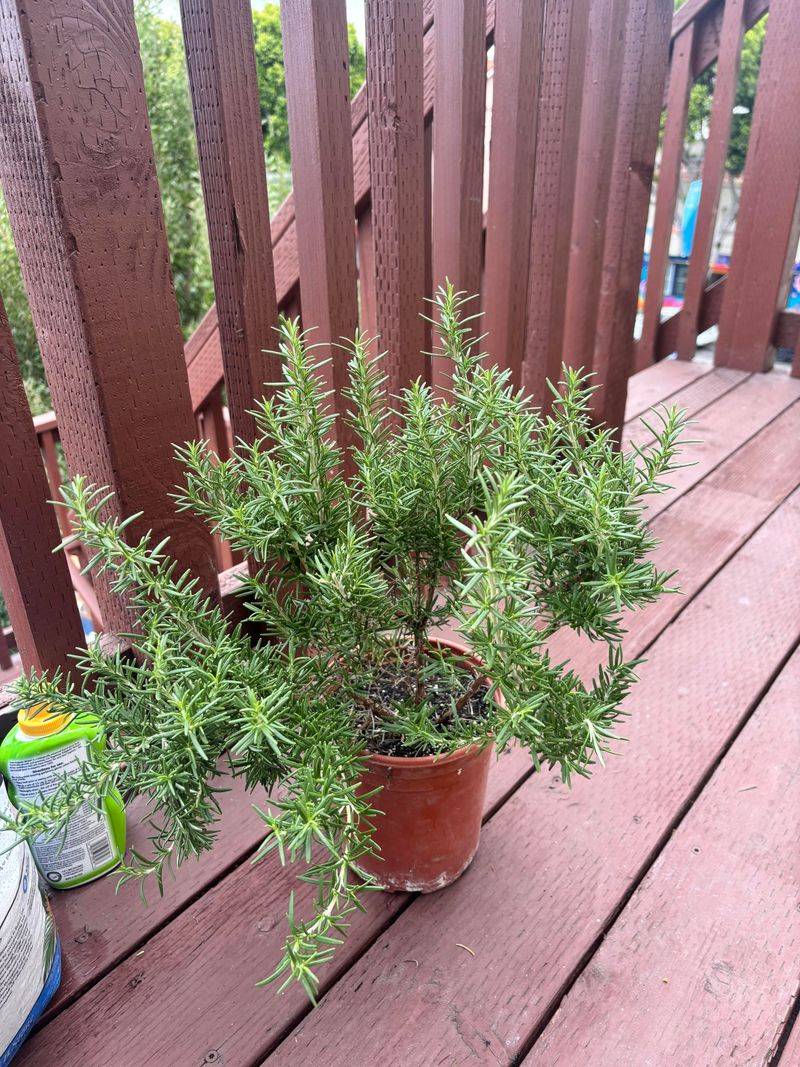
A Georgia summer afternoon rainstorm is not a gentle sprinkle. It can drop an inch or more of rain in under an hour.
The ground gets hammered, puddles form almost instantly, and low garden beds can stay soaked for hours afterward.
For many vegetables that kind of rain is manageable. For rosemary it can be genuinely damaging if the soil is not set up to drain properly.
Georgia averages around 50 inches of rainfall per year, with a significant portion falling during the hot summer months. That is a lot of water for a plant that prefers dry conditions.
The combination of heavy rain and high humidity creates a double challenge. Even after the rain stops, thick summer air slows the drying process significantly. The root zone stays wet far longer than most people realize.
Humidity affects the plant above ground too. Good airflow through the branches helps rosemary stay healthy.
When air is thick and still after a rainstorm, moisture lingers on leaves and stems and encourages fungal issues on the foliage itself, adding to the stress already happening underground.
The plant gets hit from both directions at once.
Planting rosemary with enough space between plants improves airflow significantly. Avoid crowding it next to dense plants or fences that block the breeze.
After a heavy rain, gently shake excess water off the branches if you can reach them easily. These small actions help rosemary recover faster between Georgia’s frequent summer downpours.
Sometimes the best gardening move is the one that takes thirty seconds.
Clay Beds Need Better Placement
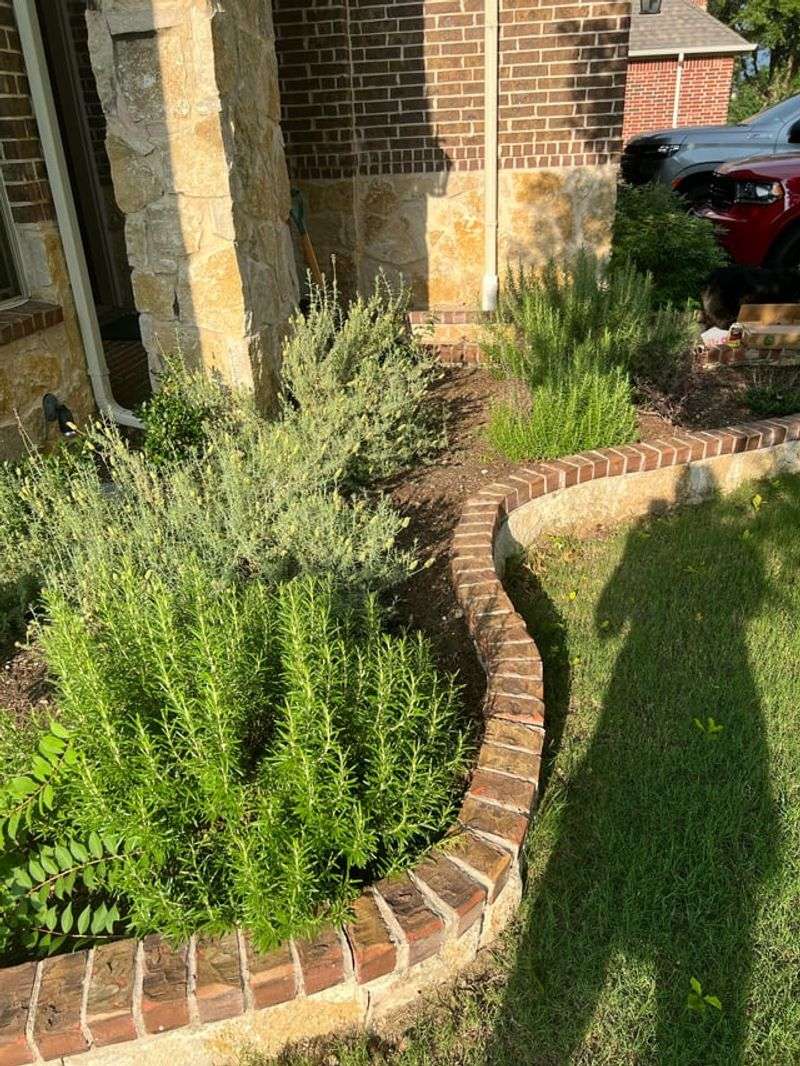
Red Georgia clay is legendary, and not in a good way for rosemary. It bakes hard in dry weather and turns into a sticky, waterproof layer when it rains.
For most herbs, clay soil is a challenge. For rosemary it can be a nearly impossible environment without some serious adjustments to placement.
Clay particles are tiny and pack together tightly, leaving almost no room for water to move through. After a summer rain, Georgia clay holds that water like a bowl.
The surface may look dry within a day, but six inches down the soil can stay saturated for much longer. Rosemary roots sitting in that zone are under constant stress during the rainy season, even when the garden looks perfectly fine from the outside.
The best solution for clay beds is to change the planting location entirely. Slopes and raised areas naturally shed water faster than flat ground.
Even a gentle slope of a few degrees makes a measurable difference in how quickly the root zone drains after rain.
Raised beds built on top of clay are another excellent option, as long as the bed is filled with a well-draining mix of coarse sand, compost, and pea gravel.
If moving the planting spot is not an option, amending clay soil helps but requires real effort. Mixing in coarse builder’s sand and aged compost improves drainage, but the work needs to go deep, at least 12 inches down.
Shallow amendments create a buried wet layer that traps water right where the roots live. Go deep, use gritty materials, and rosemary will reward you with strong fragrant growth even through a Georgia summer. Half measures with clay soil produce half results.
Containers Need Big Drain Holes
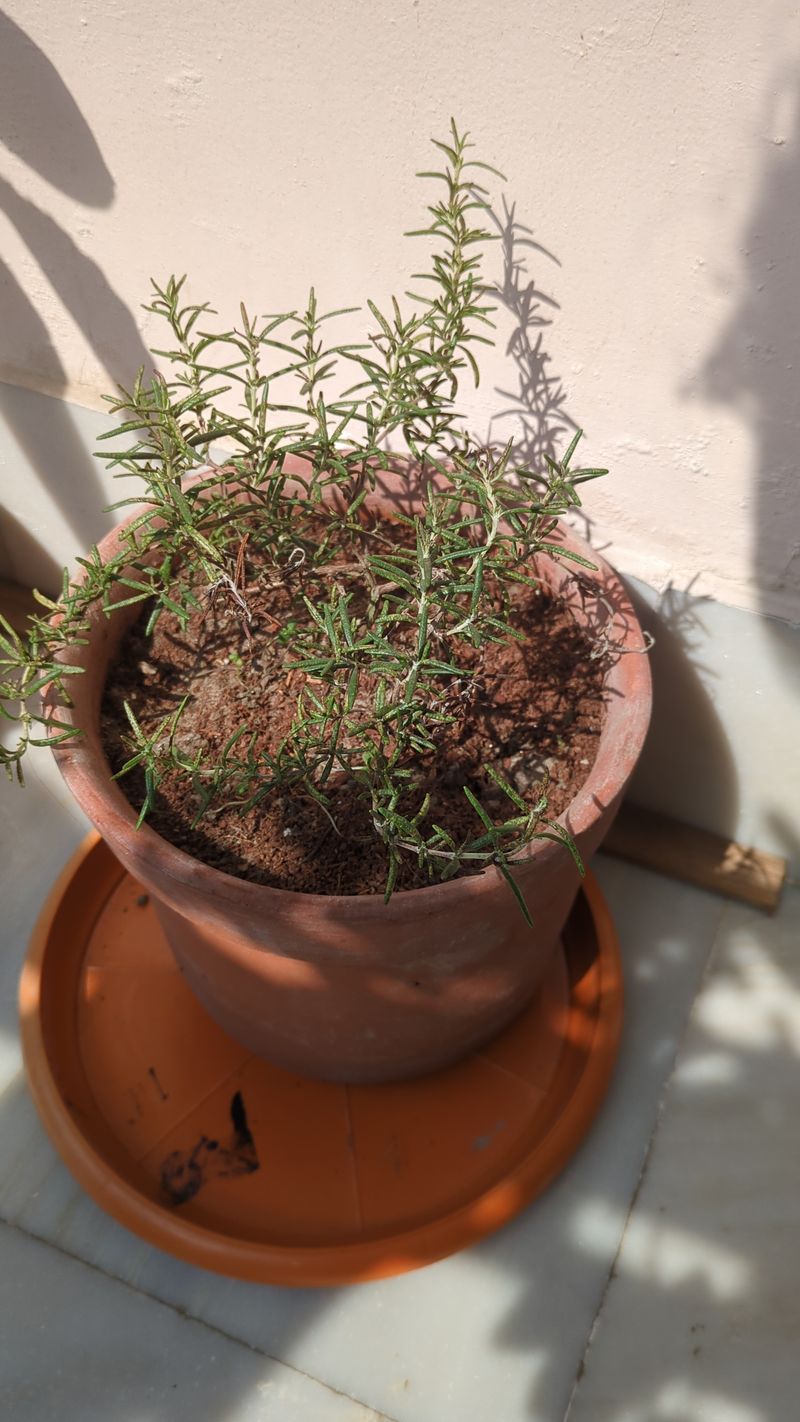
Growing rosemary in a container sounds like the perfect solution to Georgia’s drainage problems. You control the soil, you control the location, and you can move the plant out of heavy rain if needed.
Containers can still create their own drainage nightmares, though, if a few key details get ignored.
The drainage holes at the bottom of the pot are everything. A pot with tiny holes or just one small opening holds water at the base even when the top soil feels dry.
Rosemary roots travel downward toward that pooled water and then sit in it. Terracotta pots with multiple large holes work well because the clay itself is porous and helps wick away extra moisture.
Plastic pots need extra-large holes or several drilled in to compensate for non-porous walls.
Potting mix matters just as much as the holes. Standard potting soil holds too much moisture for rosemary.
Mixing in coarse perlite or poultry grit at roughly one part grit to two parts potting soil creates a faster-draining mix that rosemary genuinely thrives in.
Some growers add a layer of small gravel at the very bottom of the pot for extra drainage flow.
Skip the saucer under outdoor rosemary containers during summer. Saucers catch water and keep the bottom of the pot sitting in a small pool, which completely defeats the purpose of good drainage holes.
Let the pot drain freely onto the patio or ground after every rain or watering. The goal is water moving through and out, not collecting underneath. A draining pot and a dry crown is the combination rosemary is looking for.
Watering By Habit Causes Trouble
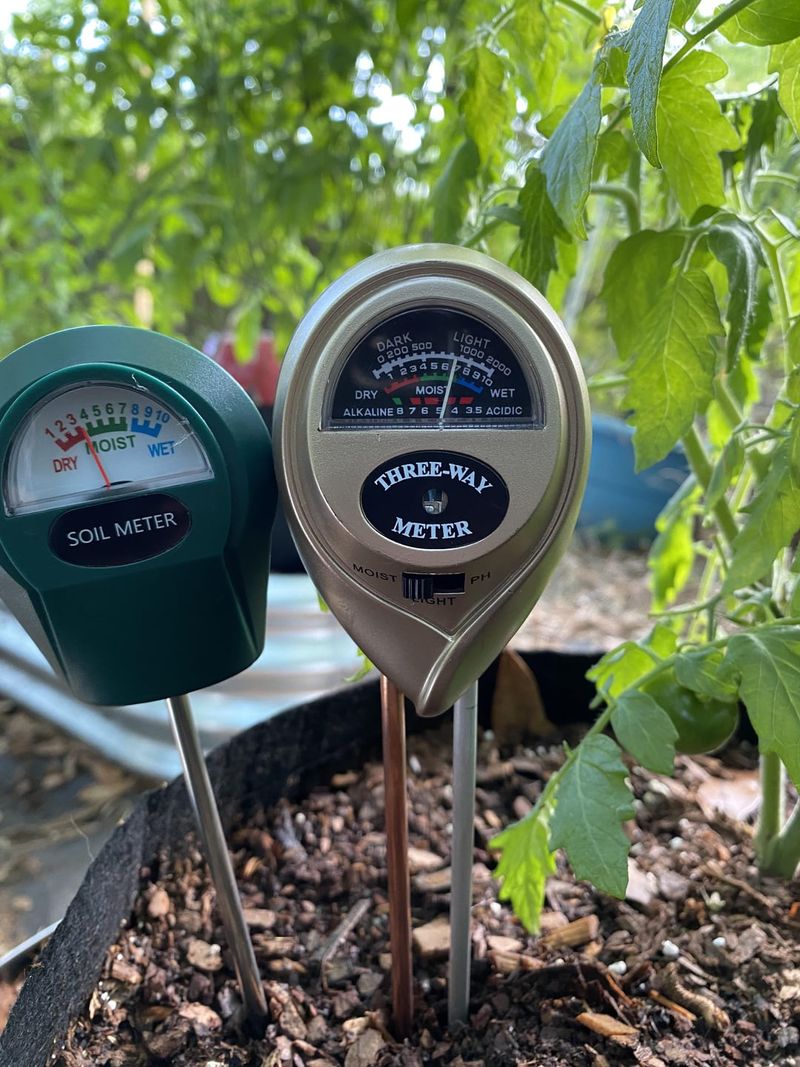
There is a gardening habit that causes more trouble with rosemary than almost anything else: setting a watering schedule and sticking to it no matter what the weather does.
In Georgia, where summer rain arrives almost daily, watering on a fixed schedule means the soil rarely gets a chance to dry out between sessions.
Rosemary is genuinely drought-tolerant once established. It prefers to dry out between waterings rather than stay consistently moist.
A plant that has not been watered in five days during a dry stretch is usually doing fine. A plant that has been watered every two days during a rainy week is likely struggling underground while looking normal above it.
The only reliable way to know when rosemary actually needs water is to check the soil directly. Push a finger two inches into the soil near the plant.
Damp or cool means leave it alone. Dry and crumbly means the plant is ready. This check takes five seconds and prevents the most common watering mistake gardeners make with this herb.
It sounds too simple to be the answer. It usually is the answer.
For established rosemary in Georgia, watering once every ten days to two weeks during summer is often enough, especially when rain has been regular.
New transplants need more attention until roots spread out. After the first full growing season, established rosemary becomes remarkably self-sufficient as long as drainage is solid underneath.
Let the soil guide the schedule, not the calendar.
Gravelly Mulch Keeps Crowns Drier
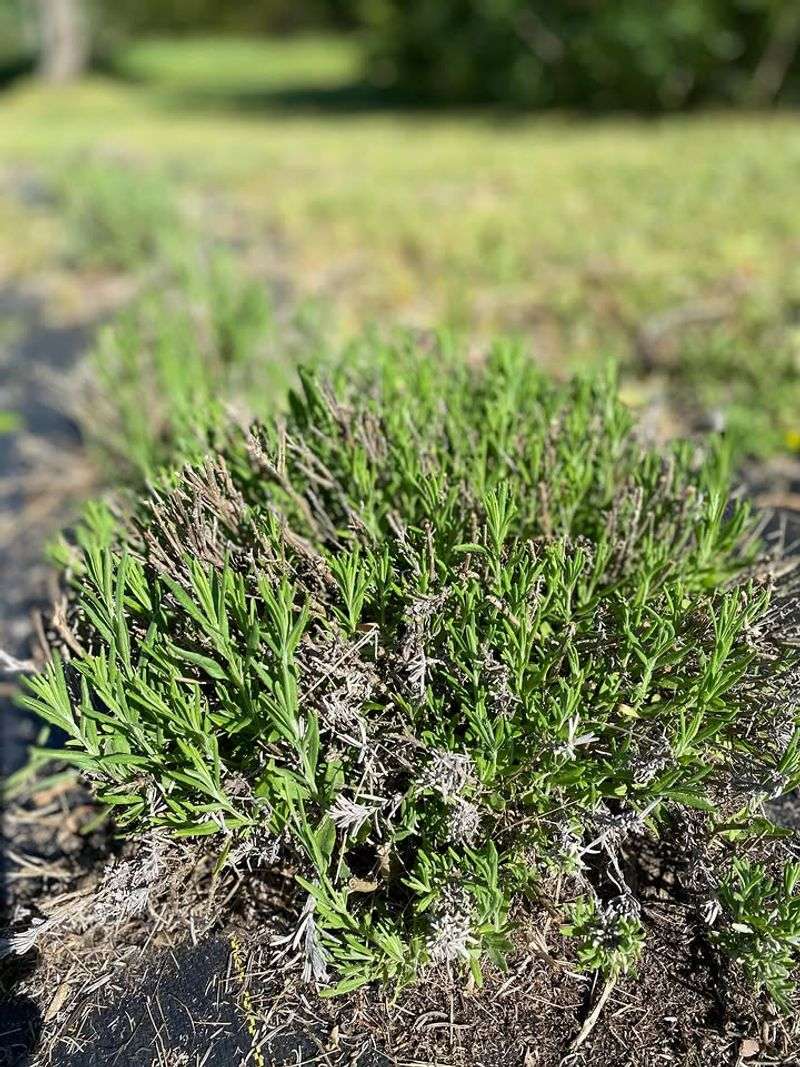
Many gardeners know that mulch retains moisture during hot summers. That is genuinely good advice for tomatoes and squash.
For rosemary, the wrong mulch can hold too much moisture right at the crown of the plant, the spot where the main stem meets the soil, and that creates a slow-building problem.
Organic mulches like wood chips, shredded bark, or straw are excellent at holding water. Packed around the base of a rosemary plant, they keep the crown area consistently damp, especially after rain.
That warm, wet environment is exactly where fungal problems start. The crown is one of the most vulnerable parts of the plant, and keeping it moist through a Georgia summer is asking for trouble in the most polite possible way.
Gravelly mulch works completely differently. Crushed granite, pea gravel, or decomposed granite spread around the base of rosemary allows water to drain through instantly while reflecting heat back up toward the plant.
Rosemary genuinely loves that warm, dry microclimate at its base. It mirrors the rocky Mediterranean hillsides where this herb naturally evolved, which is not a coincidence.
Spread gravel mulch about two to three inches deep in a circle around the base of the plant, keeping it a few inches away from the main stem.
This small gap prevents moisture from wicking directly onto the crown. Gravel also discourages weeds, does not compact over time, and looks clean and tidy in an herb garden.
It is one of the simplest upgrades a Georgia gardener can make for rosemary, and the plant will noticeably respond to it.