Plants That Survive Minnesota Winters (And Still Look Amazing)
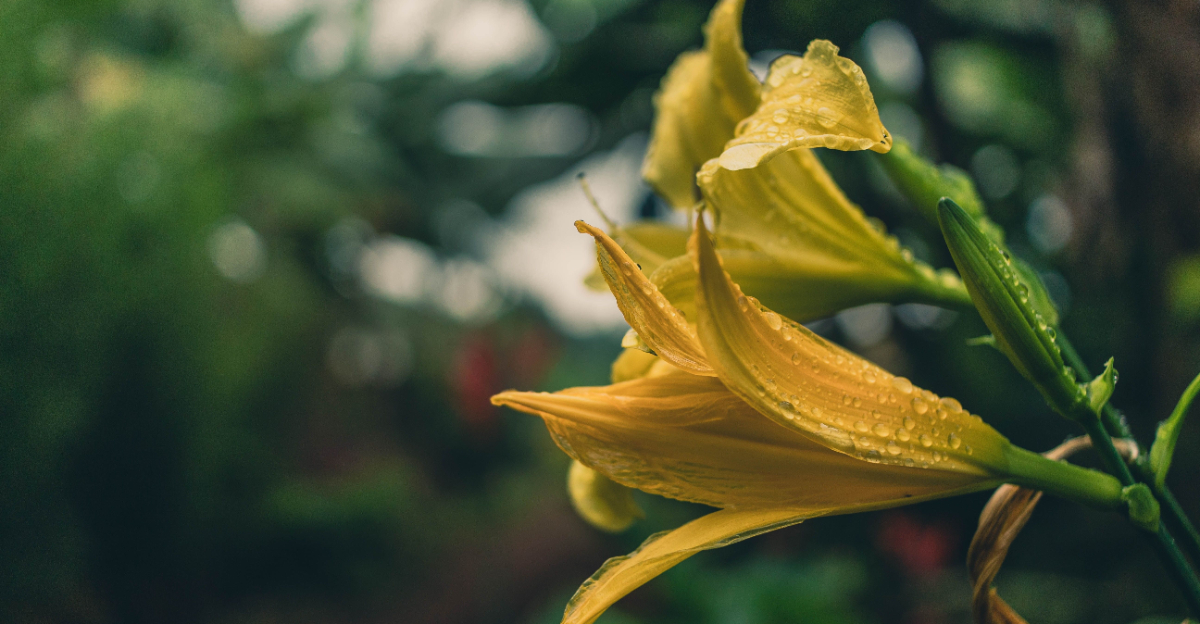
I remember the first winter after I moved to Minnesota, staring out at my frozen yard and wondering if anything green would ever emerge again. The temperatures dropped so low my car wouldn’t start, and I genuinely worried I’d accidentally created a plant graveyard instead of a garden.
But come spring, I discovered something magical: plenty of plants actually thrive in any climate. These aren’t wimpy flowers that barely hang on.
They’re tough, gorgeous plants that laugh in the face of subzero temperatures and come back stronger every year. Some even look stunning during winter itself, adding structure and color when everything else has given up.
After years of trial and error (mostly error, if I’m being honest),I’ve learned which plants can handle whatever the season throws at them. They’ll survive the cold snaps, the ice storms, and yes, even that weird week in January when it hits negative thirty. Your garden doesn’t have to be boring just because you live where winter lasts six months.
Coneflower Is Built To Survive The Freeze
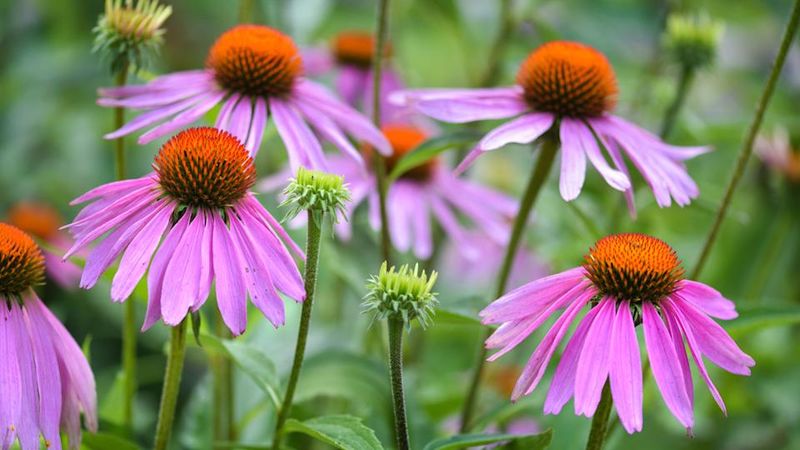
Every gardener needs that one reliable friend who shows up no matter what, and Purple Coneflower is exactly that plant. Mine have survived temperatures that would make a penguin reconsider its habitat choices.
The vibrant purple-pink petals surrounding those spiky orange centers brighten up summer gardens from July through September.
What makes these flowers so dependable is their complete indifference to weather drama. They handle drought like champions during those surprise dry spells.
When winter arrives with its arctic tantrums, their roots just hunker down and wait it out.
The height ranges from two to five feet, giving you options for different garden spots. Butterflies and bees treat them like an all-you-can-eat buffet, which adds movement and life to your yard.
Goldfinches show up in fall to munch on the seed heads, providing free entertainment from your kitchen window.
Planting them is ridiculously easy because they tolerate various soil types. Full sun makes them happiest, but they’ll manage in partial shade without throwing a fit.
Once established, you can basically ignore them and they’ll keep coming back year after year.
The flowers make excellent cuts for indoor arrangements if you’re into that sort of thing. After blooming, those seed heads create winter interest, standing tall above snow like little architectural elements.
I’ve divided mine several times to spread them around the garden, and every division thrived without complaint.
For a plant that looks this good and asks for this little, Purple Coneflower deserves a spot in every Minnesota garden.
Grow Black-Eyed Susan, The Ultimate Cheerleader Flowe
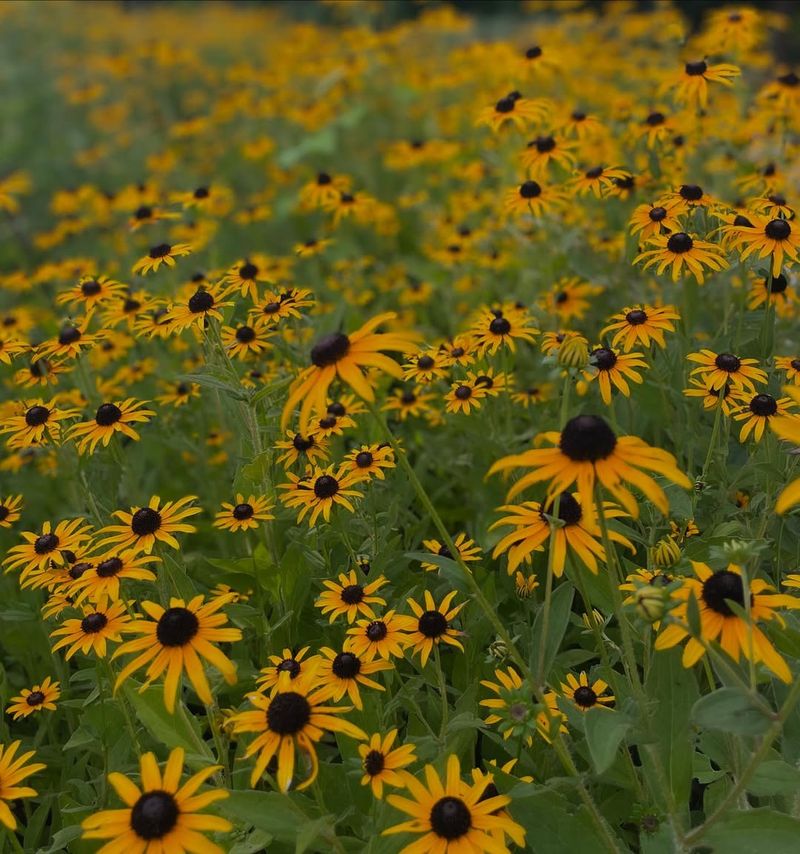
Bright yellow petals radiating around “chocolate-brown” centers make Black-Eyed Susans impossible to miss in any garden. These cheerful bloomers start their show in midsummer and keep going until frost shuts them down.
Their enthusiasm for tough conditions borders on aggressive, which honestly works in your favor. They self-seed generously, sometimes more than you’d expect, slowly filling gaps and spreading into corners you forgot to plant.
Your Minnesota Garden Changes Every Week. Your Plan Should Too.
Gardening in Minnesota changes quickly throughout the season. Every Friday you’ll receive a simple weekly plan showing exactly what to plant, prune, fertilize, harvest, and protect so you never miss the right timing.
What starts as a small cluster can quietly become a sweeping golden display over a few seasons, almost without you noticing.
And honestly, is there a more effortlessly cheerful color combination than bright yellow and deep brown? It works in July heat, it works in September light, and it never once looks like it’s trying too hard.
You’ll find baby plants popping up in unexpected spots, which you can either transplant or let them do their thing.
The flowers reach about two to three feet tall, creating golden waves that catch evening light beautifully. Pollinators go absolutely bonkers for them, turning your garden into a buzzing hub of activity.
Goldfinches perch on the seed heads in autumn, performing acrobatic shows while they feast.
Clay soil, sandy soil, mediocre soil, none of it slows them down. Drought doesn’t faze them once they’re established, saving you from constant watering duties.
The biennial or short-lived perennial designation sounds intimidating until you realize they reseed so reliably you’ll never miss them. Cut them back after blooming if you want to control their spread, or let nature handle the propagation.
Either way works fine.
Winter doesn’t damage them because they’re already dormant and planning their comeback. The dried seed heads add texture to winter landscapes if you leave them standing.
For low-maintenance color that practically plants itself, Black-Eyed Susans earn their keep ten times over in Minnesota gardens.
Daylily Dominates Cold Climate Gardens
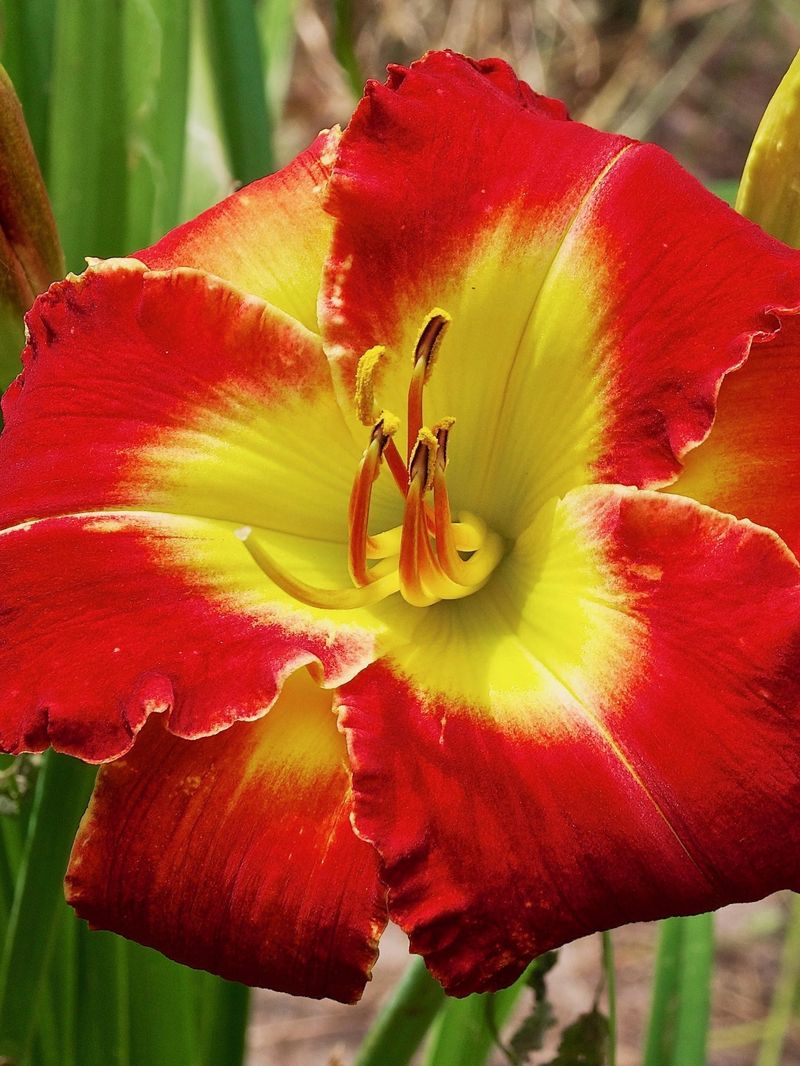
If plants had personalities, Daylilies would be those annoyingly perfect people who succeed at everything without trying. Some established patches have been known to survive decades of harsh winters, multiple floods, and questionable gardening experiments.
They just kept blooming like nothing happened.
Each flower lasts only one day, which sounds disappointing until you realize each plant produces dozens of buds. The show runs from early summer through fall depending on which varieties you choose.
Colors range from pale yellow to deep burgundy, with every shade in between available.
The grass-like foliage emerges early in spring, providing green interest before most perennials wake up. Height varies wildly from one to four feet, letting you use them as border plants or mid-garden statements.
That arching fountain shape adds movement even when nothing’s blooming.
Wild temperature swings don’t bother them one bit because their roots are tougher than winter tires. They multiply faster than rabbits, forming thick clumps you’ll eventually need to divide.
Dividing them is so easy you could do it half-asleep, which I’ve actually tested.
Full sun produces the most blooms, but partial shade works fine if that’s what you’ve got. They tolerate wet spots better than most perennials, making them perfect for those problem areas in your yard.
The foliage stays attractive most of the season unless we get an exceptionally dry summer. Even then, they bounce back with the first good rain.
For a plant that asks almost nothing and gives constant color, Daylilies deserve a spot in every garden without question.
Hosta Is The Best Plant For Shaded Spaces
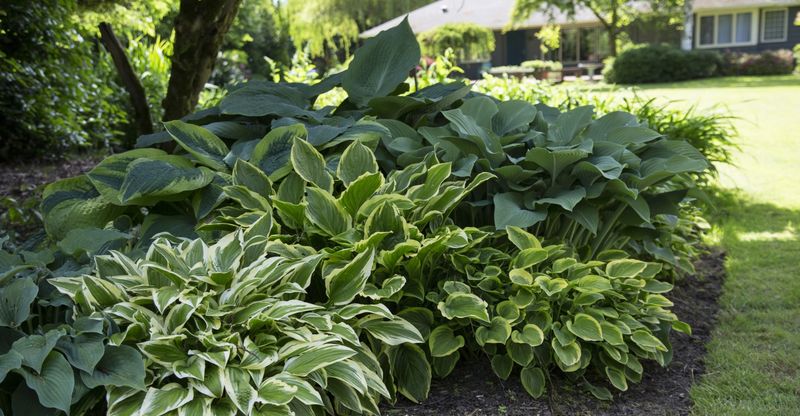
Forget flowers for a minute and appreciate the majesty of really good leaves. Hostas prove that foliage alone can make a garden spectacular, especially in those shady spots where nothing else wants to grow.
The variety is almost overwhelming, leaves that are blue-green, chartreuse, creamy white, or dramatically variegated, some the size of a dinner plate, others delicately small and textured. Once you start noticing the differences, it becomes genuinely hard to pick just one.
Or five. Or ten.
That’s the quiet trap of Hostas, every variety looks just different enough to justify one more.
Leaf colors range from blue-green to chartreuse to variegated patterns that look hand-painted. The texture variety is equally impressive, from smooth and glossy to puckered and rippled.
Those purple or white flower spikes appear in summer as a bonus feature. Most people grow them purely for the leaves, but pollinators appreciate the blooms anyway.
The flowers smell lovely if you plant them near a path where you’ll notice.
Hard winters completely obliterate the foliage each fall, which looks tragic until spring arrives. Then those shoots push through the ground like nothing happened, ready for another season.
Their cold hardiness is legendary among perennial enthusiasts who actually know what they’re talking about.
Slugs love them almost as much as gardeners do, which becomes your main battle. Making peace with some slug damage is often easier than reaching for chemicals.
The plants grow large enough that a few holes don’t ruin the overall effect.
They prefer shade but tolerate morning sun in Minnesota’s climate without burning. Rich, moist soil makes them happiest, though they’ll survive in less-than-ideal conditions.
Dividing them every few years keeps them vigorous and gives you extras to trade with fellow gardeners or fill more empty spots.
Peony Takes Its Time And Then Steals The Show
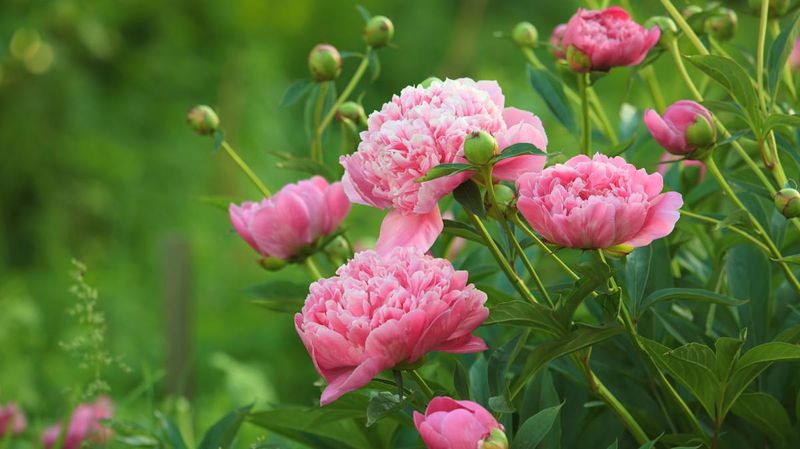
Nothing matches the over-the-top extravagance of a Peony in full bloom, and fortunately they thrive in cold climates. These flowers are so big and fluffy they look fake, like something from a wedding magazine that got photoshopped too enthusiastically.
Some established plants have been known to thrive for decades, which says everything about their staying power.
The blooms arrive in late spring, creating that brief moment when your garden looks professionally designed. Colors include white, pink, red, and everything between, often with the most amazing fragrance.
Each flower is so heavy it needs ant assistance to open, which sounds weird but it’s actually true.
After blooming, the glossy green foliage stays attractive all summer long. In fall, some varieties turn burgundy or bronze, adding another layer of interest.
Cold winters actually help Peonies bloom better, which is a rare and welcome gardening win. They need that winter chill to set buds properly, making them happier here than in warm zones.
Once established, they can persist for generations with very little intervention.
The main downside is patience, newly planted Peonies take two or three years to bloom well. But that wait is worth it when you finally see those massive flowers.
They hate being moved or divided, so pick your spot carefully from the start.
Full sun and good drainage make them thrive without much fussing. Support hoops help keep those heavy blooms from flopping over after rain.
For a plant that becomes a family heirloom, Peonies deserve their reputation as Minnesota garden royalty.
Sedum Asks Little And Delivers All Season
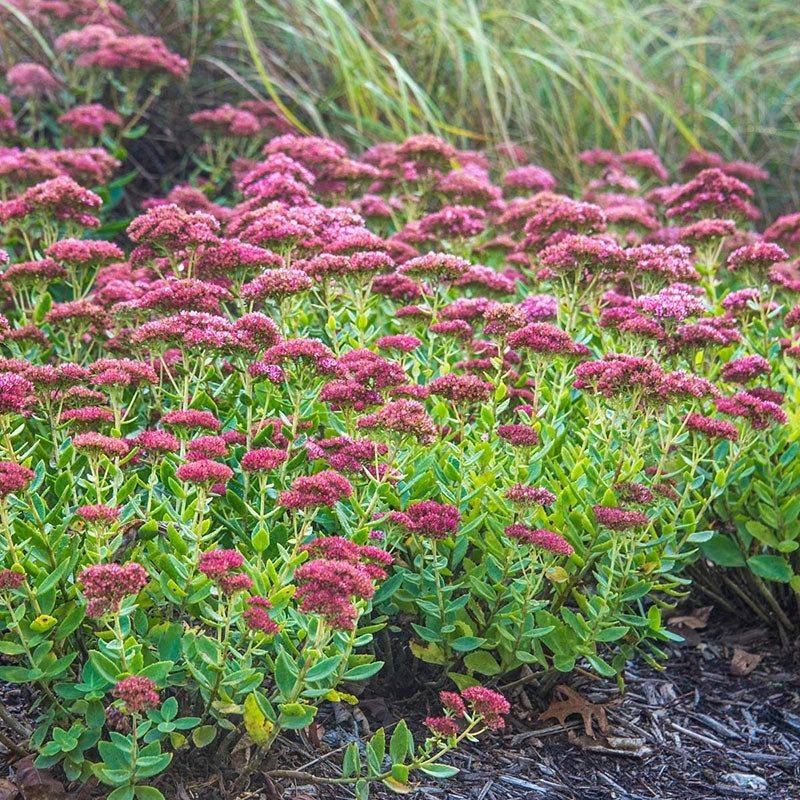
Thick, fleshy leaves that store water like tiny camels make Sedums the ultimate lazy gardener’s plant. Plant them in the driest, most neglected corner of the garden and they’ll respond by thriving better than anything that actually gets attention.
A harsh climate suits them perfectly despite their succulent appearance.
Varieties range from ground-hugging carpets to upright forms reaching two feet tall. The popular Autumn Joy type forms neat mounds that bloom in late summer with pink flower clusters.
Those flowers darken to rust-red in fall, then turn into attractive dried seed heads for winter interest.
The leaves often have a blue-gray or burgundy tint that adds color even when they’re not blooming. Butterflies mob the flowers like they’re having a convention.
Bees join the party too, creating that pleasant garden hum that means everything’s working right.
Drought is basically their preferred condition, so you can forget about watering once they’re established. Poor soil doesn’t bother them, in fact, they prefer it over rich, amended beds.
Full sun brings out their best colors and most abundant blooms.
Winter cold does nothing to them because they’re already prepared for harsh conditions. The upright varieties stand through snow, adding structure when everything else has collapsed.
In spring, they emerge looking fresh and ready to go again.
Propagation couldn’t be easier, just break off a chunk and stick it in the ground. It roots surprisingly quickly with almost no effort.
For a plant that looks interesting year-round and asks absolutely nothing from you, Sedums are practically non-negotiable.
Russian Sage Blooms Purple All Summer Long
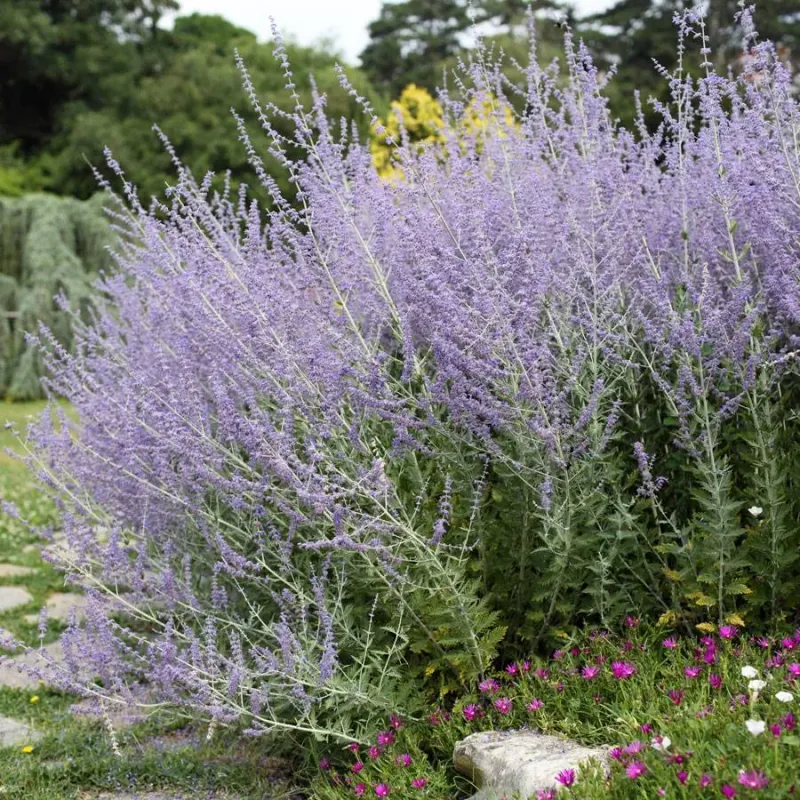
Silvery-gray foliage topped with clouds of tiny purple-blue flowers creates an almost ethereal effect in summer gardens. Russian Sage brings a cottage-garden vibe that feels right at home in even the toughest gardens.
The aromatic leaves smell amazing when you brush against them, releasing a sage-like scent that keeps deer away.
These plants grow three to four feet tall and wide, creating substantial presence without looking heavy. The stems have a woody quality that adds winter interest after everything else has vanished.
That airy texture provides the perfect contrast to plants with bolder, more solid shapes.
Blooms appear in mid-summer and continue until frost, which is an incredibly long flowering period. Bees and butterflies can’t resist them, visiting constantly throughout the day.
The purple-blue color combines well with nearly everything, making garden design easier.
Extreme temperature swings don’t faze Russian Sage because it’s naturally adapted to harsh continental climates. The plants prefer full sun and actually perform poorly in shade.
Once established, drought bothers them not at all, making them perfect for lazy or busy gardeners.
The only real maintenance involves cutting them back hard in spring before new growth emerges. I chop mine down to six inches, which sounds brutal but results in better shape and more flowers.
They can flop a bit in rich soil, so avoid over-fertilizing.
Poor to average soil suits them better than amended beds because they naturally grow in rocky, dry conditions. Good drainage is essential, or else they can rot in wet spots.
Serviceberry Feeds Wildlife And Looks Great
Spring flowers, edible berries, and brilliant fall color make Serviceberry the overachieving shrub that belongs in every yard. Plant one as a scraggly three-foot stick and within a few years it becomes a fifteen-foot beauty that provides year-round interest.
Minnesota’s native plant enthusiasts rave about it for good reason.
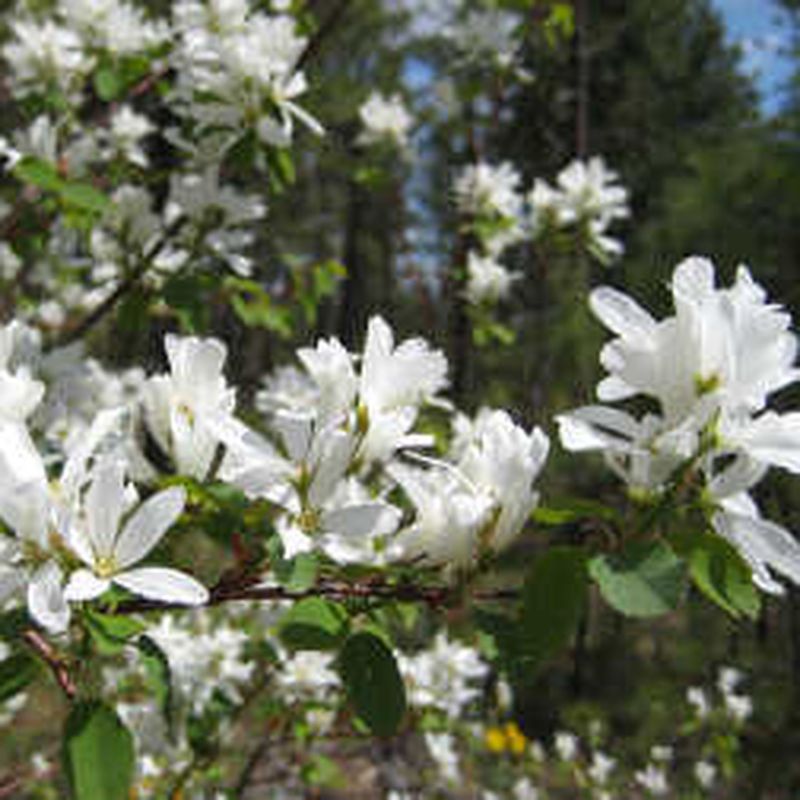
White flowers appear in early spring before most things have leafed out, creating a cloud-like display. Those blooms turn into edible purple berries by June, which taste like blueberries if you can beat the birds to them.
Birds absolutely love them, which depending on your perspective is either wonderful or frustrating.
The berries make excellent pies, jams, or eating fresh if you manage to harvest any. Usually, I just enjoy watching cedar waxwings strip the shrub clean within hours of ripening.
The show they put on is worth more than any pie I could bake.
Fall foliage moves through yellow, orange, and red, sometimes all at once. Smooth gray bark keeps things interesting through winter.
The natural multi-stemmed form gives it an effortless, informal look that fits almost any garden.
Being native to the region, Serviceberries handle our climate without any coddling. They tolerate partial shade but bloom and fruit best in full sun.
Soil preferences are flexible, they grow in everything from sand to clay.
They work as specimens, in shrub borders, or even as small trees with proper pruning.
For a plant that offers flowers, fruit, fall color, and winter structure, Serviceberry is quietly one of the most underrated choices for any garden.
Juniper Holds The Garden Together All Year
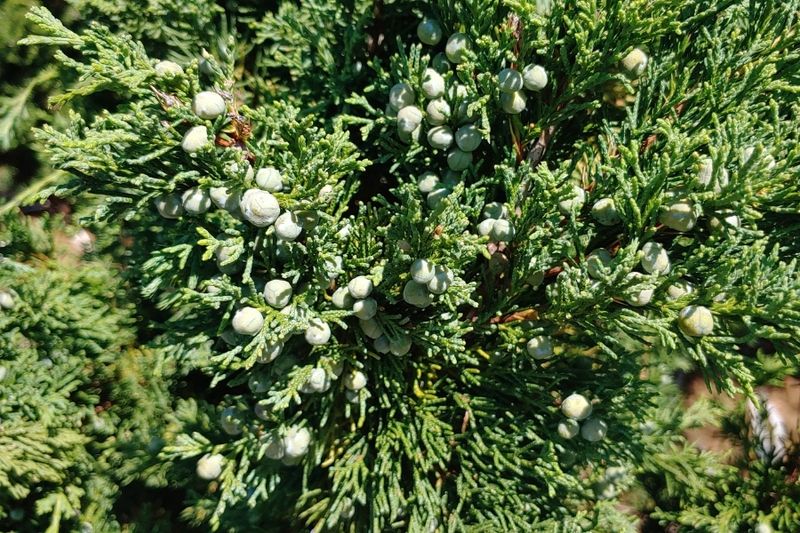
When everything else looks gray, Junipers stay green. Their needle-like foliage ranges from green to blue-green to silvery, holding its color and appeal through every season.
They work particularly well as anchor plants that give the garden structure when perennials are hiding underground.
Forms vary wildly from ground-hugging carpets to tall upright columns reaching fifteen feet. This diversity means you can find a Juniper for practically any landscape need.
Spreading types work great as foundation plants or for covering slopes where grass struggles.
The berries are actually modified cones that birds appreciate in winter. Some varieties have a blue-silver cast to their foliage that catches light beautifully.
The aromatic scent isn’t everyone’s favorite, but it does repel deer effectively.
The right variety handles cold winters without breaking a sweat, naturally built for harsh climates. Once established, drought tolerance kicks in and maintenance drops to almost nothing.
Full sun brings out their best color and densest growth. They adapt to various soil types as long as drainage is decent.
Wet, heavy soil can cause root rot, so avoid planting them in low spots that stay soggy.
The main drawback is their susceptibility to certain fungal diseases in humid conditions. Spacing them properly for air circulation helps prevent problems.
Proper spacing for air circulation is the simplest way to avoid disease issues and keep them healthy long term. .
Pruning is rarely necessary except to control size or shape. They grow slowly, so they won’t suddenly outgrow their space.
For reliable evergreen presence that handles Minnesota weather without complaining, Junipers remain unbeatable choices.
Spruce Stays Green Through Every Winter
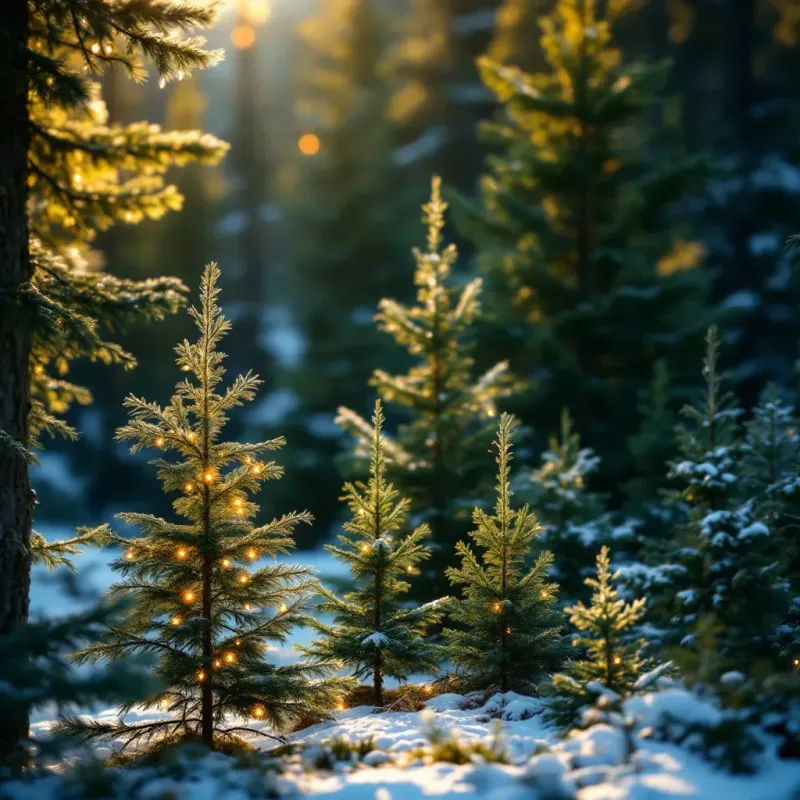
Towering evergreens that define any winter landscape, Spruces handle brutal cold like they were designed for it.
Some varieties reach sixty feet tall, standing proud through blizzards, ice storms, and windchills that would freeze your eyeballs.
These trees are the definition of toughness.
The classic Christmas tree shape makes them instantly recognizable and visually pleasing. Needle color varies by species from dark green to stunning blue-silver, adding color when deciduous trees are bare.
That perfect pyramidal form needs no pruning to maintain its shape.
Birds use them for shelter and nesting sites year-round. Squirrels harvest the cones for seeds, providing endless entertainment from your windows.
The dense branches create effective windbreaks and privacy screens that work in all seasons.
Baby Spruces look adorable and manageable, which tricks people into planting them too close to houses. Remember they’ll eventually reach thirty to sixty feet tall depending on species.
Give them room to grow into their full glory without crowding structures or other plants.
They prefer full sun and moist, well-drained soil but tolerate less-than-ideal conditions. Once established, they’re surprisingly drought-tolerant for evergreens.
Harsh winters are no problem since many species come from similarly cold northern climates.
For creating winter interest, defining property lines, and adding that northern forest feel to your landscape, Spruces remain the gold standard in Minnesota gardens.