8 Reasons Your Hydrangea Flowers Are Turning Brown
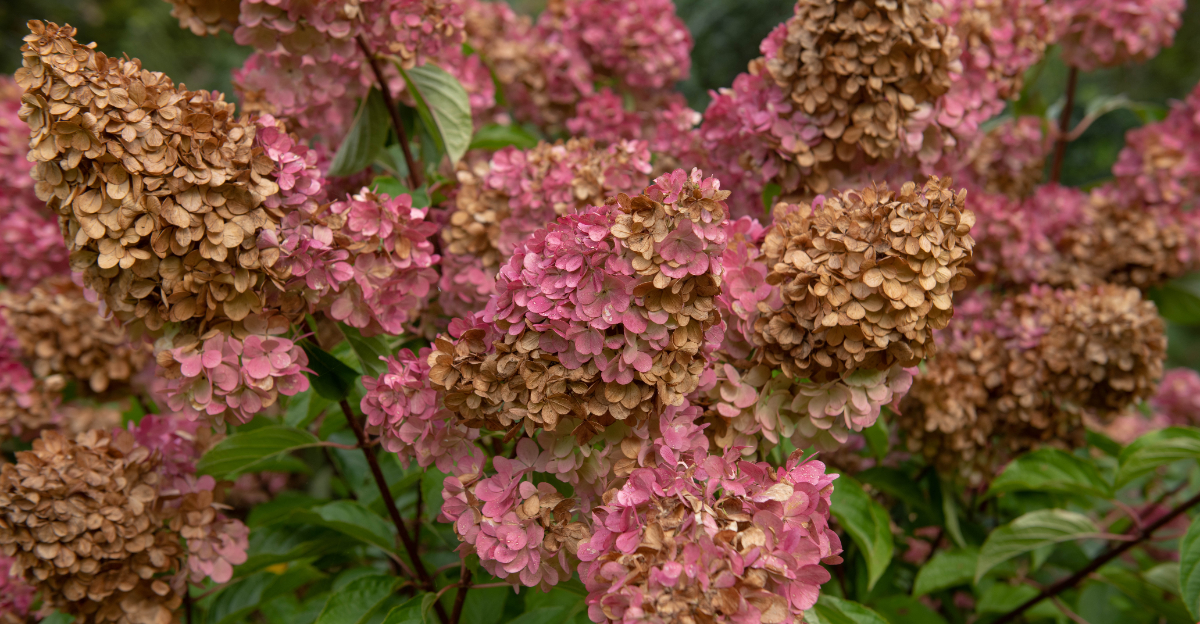
Hydrangeas can look absolutely stunning one week and heartbreakingly brown the next. It happens fast, and when it does, most gardeners assume the worst.
Before you start rethinking your entire garden setup, take a breath. Brown flowers do not automatically mean a lost cause, but hydrangeas are more sensitive to certain conditions than most gardeners realize.
A small shift in your watering routine or an unexpected cold night can be all it takes. What makes this frustrating is that the damage often shows up days after the real problem started, which means you are always playing a little bit of catch-up.
Still, most causes have a straightforward fix once you identify them. Check these eight reasons first, and you might be closer to a solution than you think.
1. Too Much Sun Is Scorching Your Blooms
Picture this: your hydrangeas looked perfect in the morning, but by afternoon they look like they got too close to a hair dryer. Direct sun, especially in the hot afternoon hours, is one of the most common reasons hydrangea flowers turn brown.
Most hydrangeas prefer dappled light over intense afternoon sun, though some varieties handle more direct exposure than others.
When petals get too much direct heat, the cells inside them dry out and collapse. That crispy, papery texture you see on the edges is essentially sunburn on your blooms.
Moving your plant to a spot with morning sun and afternoon shade can make a huge difference. A spot on the east side of your house is often ideal.
If moving the plant is not an option, try using shade cloth during peak afternoon hours. Even a nearby tree casting partial shade can protect those delicate petals.
Some varieties, like panicle hydrangeas, handle sun better than others. Bigleaf and oakleaf types are especially sensitive and need more protection from harsh rays.
Check how many hours of direct sun your plant gets each day. If it is more than five or six hours, that could easily explain the browning.
Your hydrangeas deserve a spot where they can thrive without frying, and finding that sweet spot might just transform your entire garden.
2. Your Hydrangea Is Thirstier Than You Think
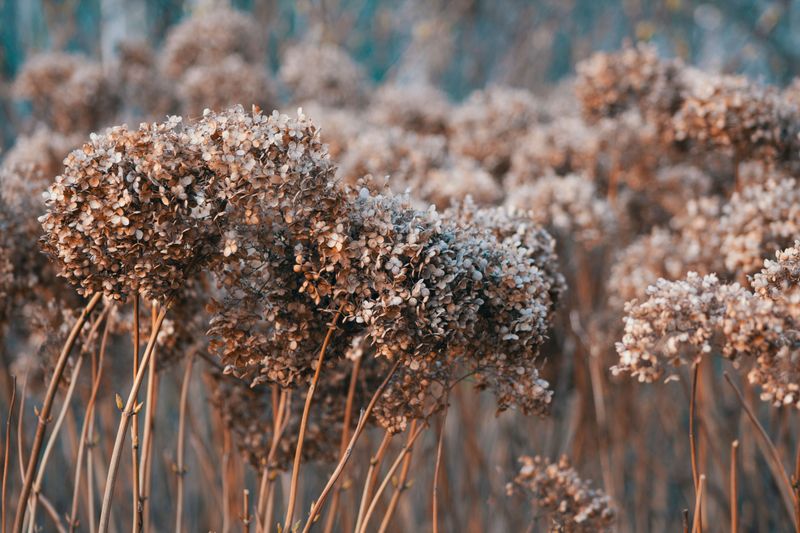
Hydrangeas have a bit of a dramatic side when they are thirsty. The flowers droop, the leaves curl, and those once-vibrant blooms start going brown fast.
These plants have large, lush flower heads that require a lot of moisture to stay healthy. Without consistent watering, they cannot keep up with their own demands.
During hot or dry spells, especially for container-grown plants, hydrangeas may need water nearly every day. A light sprinkle is not going to cut it for a plant this thirsty.
The goal is to water deeply so moisture reaches the roots, not just the surface. Shallow watering encourages shallow roots, which makes the plant even more vulnerable to drought.
Stick your finger about two inches into the soil near the base of the plant. If it feels dry at that depth, it is time to water thoroughly.
Mulching around the base of your hydrangea helps lock in moisture and keep soil temperature steady. A two-to-three inch layer of wood chips or shredded bark works great.
Morning watering is best because it gives foliage time to dry before evening. Wet leaves overnight can invite other problems, which we will get to later.
A consistent watering schedule, paired with good mulch, can stop brown blooms before they even start. Give your plant what it craves and watch it bounce back beautifully.
3. Soggy Soil Is Not Doing Any Favors
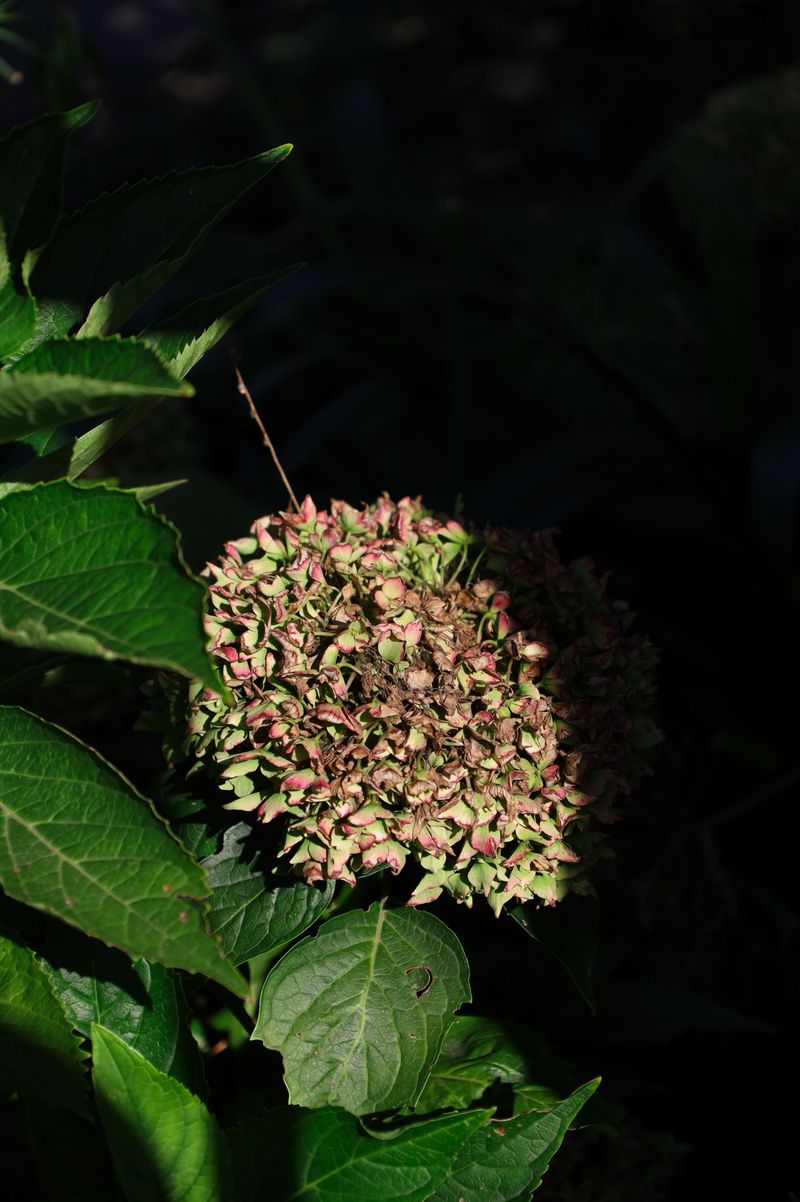
Too much water can be just as harmful as too little, and soggy soil is a sneaky troublemaker. When roots sit in standing water, they cannot breathe, and a stressed root system sends problems straight up to the blooms.
Overwatered hydrangeas often show brown flowers alongside yellowing leaves. The plant looks waterlogged because it literally is.
Poor drainage is usually the real villain here. Clay-heavy soil holds water like a sponge and does not let excess moisture escape quickly enough.
If you press on the soil and water pools or squishes up, that is a red flag. Your plant needs better drainage before anything else.
Amending your soil with compost or coarse sand can improve drainage significantly. Raised beds are another great option for gardens with naturally heavy soil.
Check how often you are actually watering versus how often the plant needs it. Many gardeners water on a schedule without checking whether the soil is already moist.
Letting the top inch or two of soil dry out between waterings gives roots the breathing room they need. Hydrangeas like consistent moisture, not constant saturation.
If root rot has already set in, you may need to repot or relocate the plant to save it. Catching soggy soil problems early is the key to keeping your blooms looking their best.
4. You May Be Overfeeding Your Plant
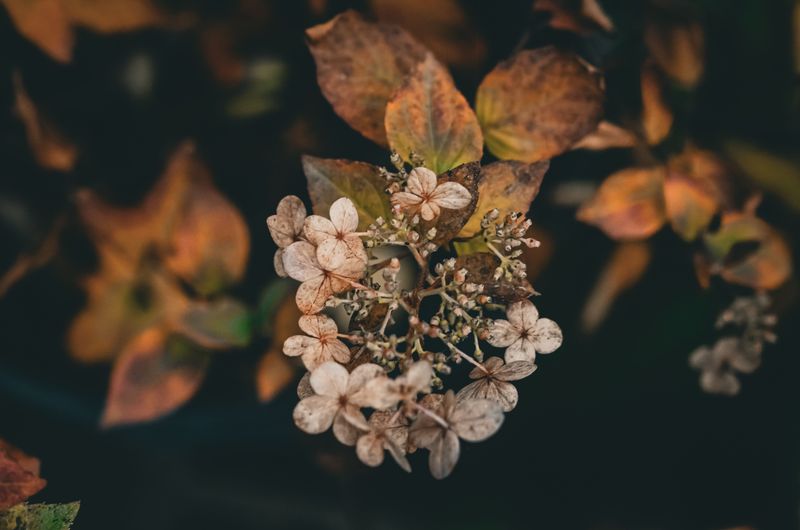
More fertilizer does not always mean more flowers, and your hydrangea is proof of that. Over-fertilizing is one of those well-meaning mistakes that can actually cause your blooms to brown and decline.
When you apply too much nitrogen, the plant puts all its energy into growing leaves instead of flowers. You get lush green foliage and sad, struggling blooms.
Excess fertilizer salts can also burn roots and cause the tips of flowers and leaves to turn brown. This is called fertilizer burn, and it looks a lot like drought stress at first glance.
If you fertilized recently and then noticed browning, that timeline is worth paying attention to. It may not be a coincidence at all.
Hydrangeas are not heavy feeders. One or two applications of slow-release fertilizer during the growing season is typically enough.
Avoid fertilizing in late summer or fall, as this can push new growth that will not have time to harden before cold weather arrives. That tender new growth is especially vulnerable.
If you suspect fertilizer burn, flush the soil with plenty of plain water to help wash away excess salts. Do this a few times over several days for best results.
Going easy on the fertilizer and letting your plant set its own pace often produces the most beautiful, long-lasting blooms. Less really can be more in the garden.
5. A Late Frost Hit Harder Than Expected
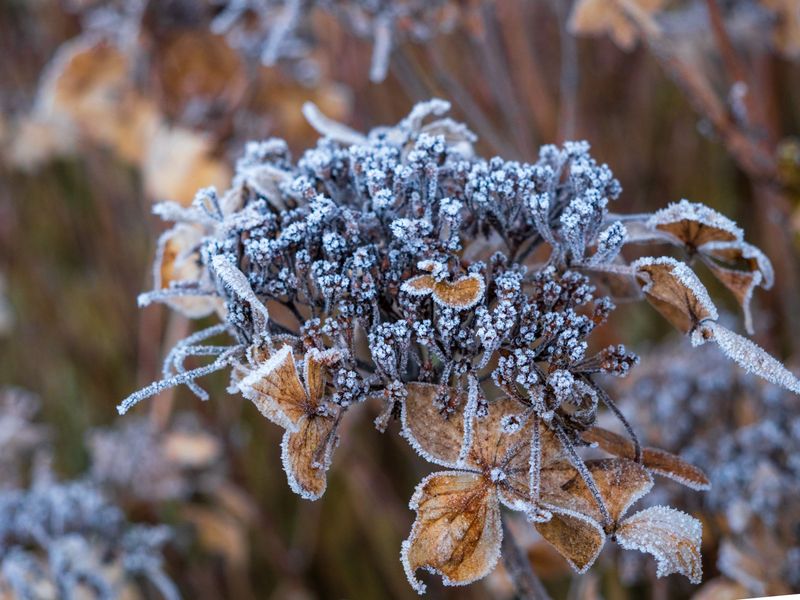
Spring can be a tease, offering warm days one week and a sharp frost the next. If you noticed your hydrangea flowers turning brown right after a cold snap, frost damage is almost certainly the reason.
Hydrangeas often push out new buds and blooms early in the season when temperatures warm up. Then a surprise frost swoops in and damages that tender new growth overnight.
Frost-damaged blooms typically turn brown and limp, with petals that look scorched or collapsed. The damage can look alarming, but the plant itself is often still perfectly healthy below the surface.
Bigleaf hydrangeas are especially vulnerable to late frosts because they bloom on old wood. Once that growth is damaged, those blooms may not come back until next year.
Covering your plant with a frost cloth or old bedsheet on nights when temperatures dip below freezing can protect new growth. Even a cardboard box placed over the plant works in a pinch.
Remove the frost cloth in the morning so the plant can get light and air during the day. Leaving it on too long can trap heat and cause other issues.
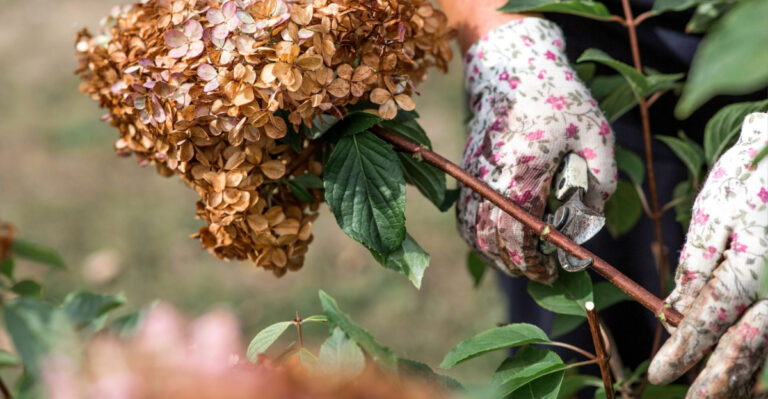
Pruning away the damaged brown sections helps the plant redirect energy to healthy growth. Use clean, sharp shears and cut just above a healthy leaf node.
Frost damage stings, but it is rarely the end of the story for a well-established hydrangea.
6. Fungal Disease Is Quietly Spreading
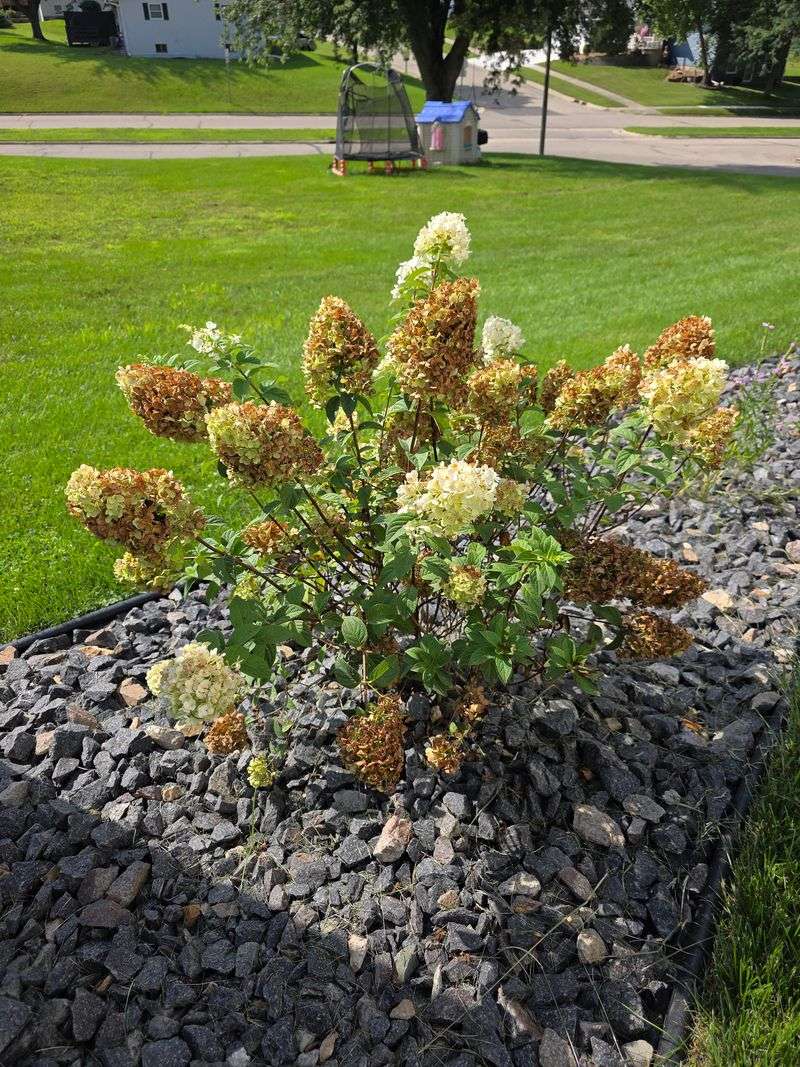
Fungal problems do not announce themselves loudly. They creep in slowly, turning petals brown from the edges inward, often when you least expect it.
Botrytis blight is one of the most common fungal issues on hydrangeas. It thrives in cool, wet conditions and can spread rapidly through a plant if left unchecked.
You might notice grayish-brown patches on petals or a fuzzy gray coating on affected areas. That fuzzy texture is the fungal spores doing their work.
Cercospora leaf spot is another fungal culprit that causes tan or purple-brown spots on leaves, and in severe cases can lead to premature leaf drop. Wet weather and poor air circulation help it spread fast.
Watering at the base of the plant instead of overhead keeps foliage drier and reduces fungal risk significantly. Wet petals sitting in humid air are basically a welcome mat for fungal spores.
Thinning out crowded branches improves airflow around the plant. Good air circulation is one of the simplest and most effective ways to prevent fungal disease.
Fungicide sprays, when applied early, can help manage active outbreaks. Always follow the label instructions carefully for the best and safest results.
Removing and discarding affected blooms and leaves prevents spores from spreading to healthy parts of the plant. Catching fungal issues early is the fastest path back to beautiful, healthy hydrangea flowers.
7. Wind Is Pulling Moisture Away
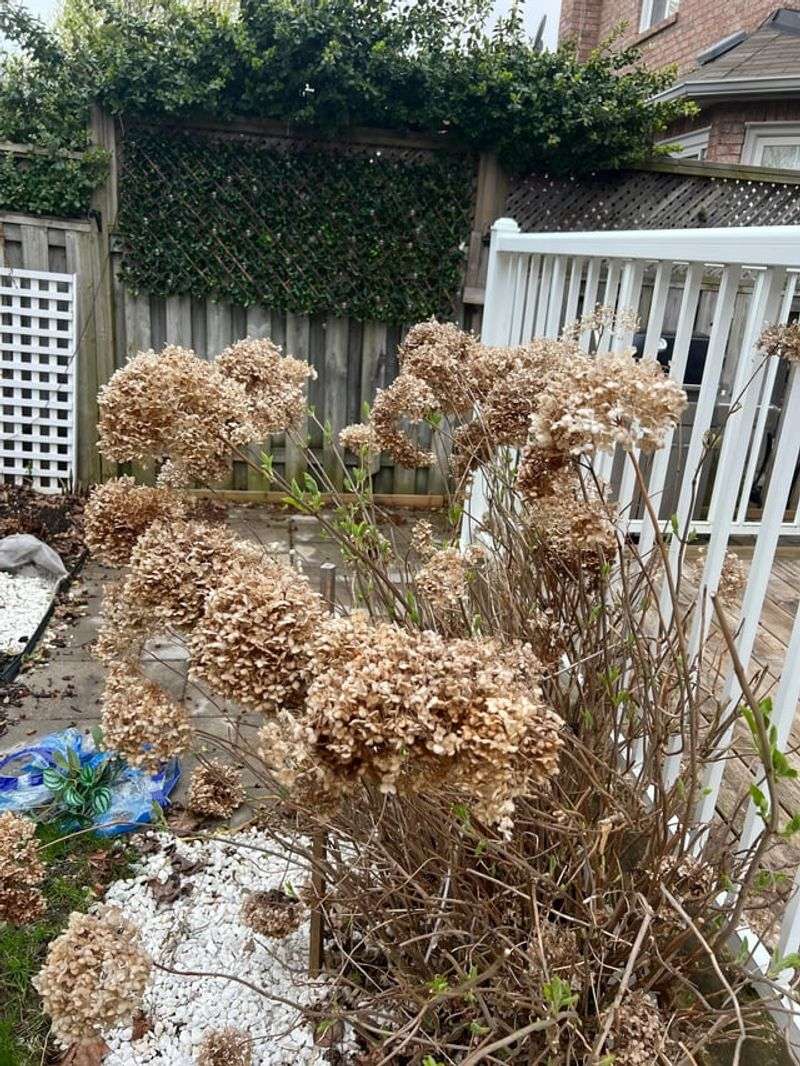
Wind might not be the first thing you think of when you see brown blooms, but it is a more common cause than most gardeners realize. Strong or persistent wind pulls moisture right out of flower petals, leaving them dry, papery, and brown.
This process is called desiccation, and it happens faster than you might expect on warm, breezy days. Even moderate wind can stress a plant that is already dealing with heat or low soil moisture.
Hydrangeas planted in exposed spots, like the corner of a house or the edge of an open yard, are most at risk. Those locations funnel wind directly onto the plant without any buffer.
A simple windbreak can make a big difference. Planting a hedge, installing a fence, or positioning your hydrangea near a wall gives it protection from prevailing winds.
Keeping the soil consistently moist during windy periods helps the plant replace moisture faster than the wind removes it. Mulching becomes even more important in these conditions.
If your hydrangea is in a container, moving it to a more sheltered location during windy weather is an easy fix. Pots give you flexibility that in-ground plants do not have.
Wind damage on petals looks similar to sunscorch, so check both factors if you are unsure which is the cause. Both are about moisture loss, just from different directions.
Shelter your plant well, and the blooms will hold their color far longer into the season.
8. The Blooms Have Simply Run Their Course
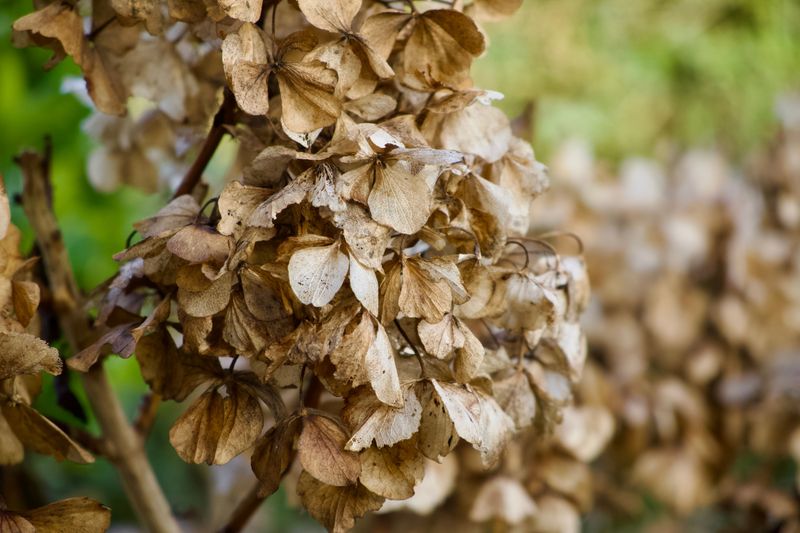
Sometimes the simplest explanation is the right one. Hydrangea flowers are not meant to stay fresh forever, and browning at the end of the bloom cycle is completely natural.
Most hydrangea blooms last anywhere from six weeks to a couple of months, depending on the variety and growing conditions. When they reach the end of their run, they fade and turn brown, just like any cut flower eventually would.
This kind of browning usually starts from the center of the bloom and moves outward. It tends to happen gradually, not suddenly, and the rest of the plant usually looks healthy.
Removing spent blooms encourages the plant to put energy into producing new flowers rather than setting seed. Snip faded blooms just above the first set of healthy leaves for the cleanest cut.
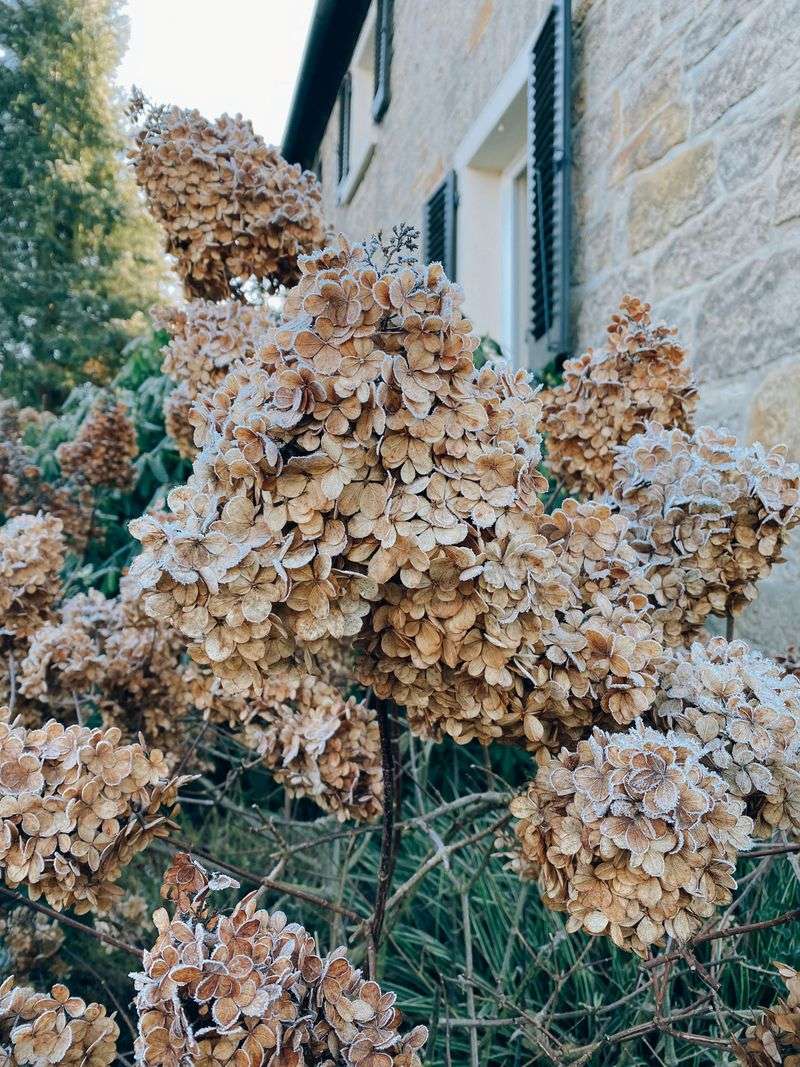
Some gardeners actually love the look of dried hydrangea blooms left on the plant through fall and winter. They take on a rustic, papery beauty that many people find charming.
If you want to extend your bloom season, choose reblooming varieties like Endless Summer or Incrediball. These types produce new flower heads throughout the season rather than just once.
Keeping your plant well-watered and lightly fed during the growing season supports longer, more vibrant blooms overall. Healthy plants simply bloom better and longer than stressed ones do.
If your hydrangea flowers are turning brown at season’s end, take a breath and enjoy the ride. Nature has its own timeline, and next year’s blooms are already on their way.