Why Missouri Winter Gardens Thrive With Cover Crops Instead Of Empty Beds
Most Missouri gardeners treat October like a finish line. Tools get cleaned, beds get cleared, and the garden gets forgotten until March.
But experienced growers know something the rest don’t. The soil never actually stops working. It just needs the right invitation. Winter cover crops are that invitation.
Planted in fall, they quietly fix nitrogen, break up compaction, smother weeds before they ever get a foothold, and hand you richer, looser earth by the time your first seed catalog arrives.
No expensive amendments, no extra hours of labor. Just living roots doing what living roots do best. If your beds are sitting bare right now, you’re not giving your Missouri garden a rest.
You’re giving it a setback, one that compounds quietly until you’re wondering why your tomatoes underperform every single summer.
Bare Soil Washes Away Rapidly During Missouri’s Heavy Winter
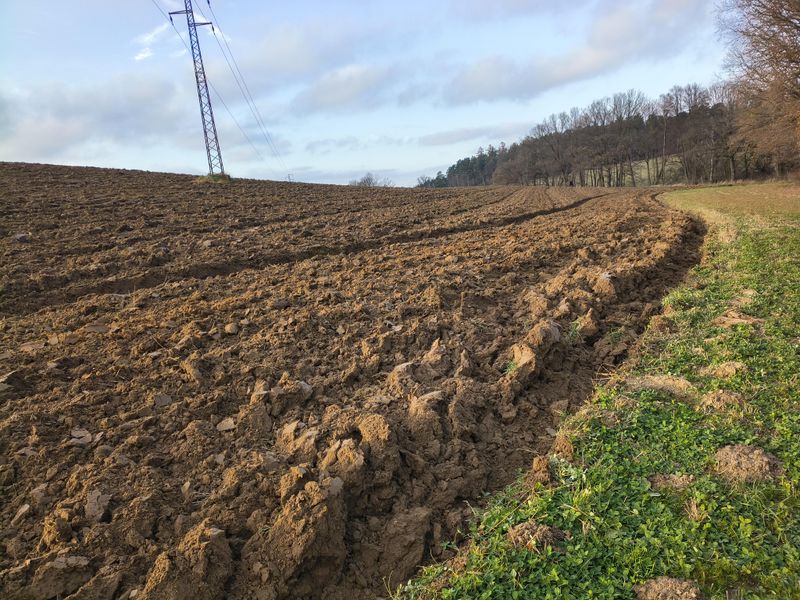
Picture your garden bed after a January downpour in Missouri. Rain gradually dislodges and carries away surface soil with every storm that passes through.
Missouri winters bring frequent rain that bare soil simply cannot handle. Without plant roots anchoring the ground, topsoil washes off into gutters and storm drains fast.
Losing topsoil is not just an eyesore problem. It strips away the nutrient-rich layer your vegetables depend on every single spring.
Cover crops act like a living shield over your beds. Their root systems grip the soil firmly, even during the hardest winter storms Missouri can throw at you.
Think of cover crops as a seatbelt for your garden. They hold everything in place so nothing precious gets lost before planting season begins.
Gardeners and agronomists consistently observe that uncovered soil can lose significant amounts of topsoil in a single season. That loss takes decades to naturally rebuild.
Winter gardens with cover crops stay intact, structured, and ready for action. Missouri winter gardens thrive specifically because the soil beneath those green canopies never gets a chance to run away.
Planting a simple mix of rye or clover before the first frost takes maybe thirty minutes. That small investment protects years of soil-building work from disappearing overnight.
Nitrogen Levels Get Naturally Replenished By Legume Cover Crops

Fertilizer bags are expensive, heavy, and honestly a little intimidating for new gardeners. Legume cover crops do the same job for free, quietly working underground all winter long.
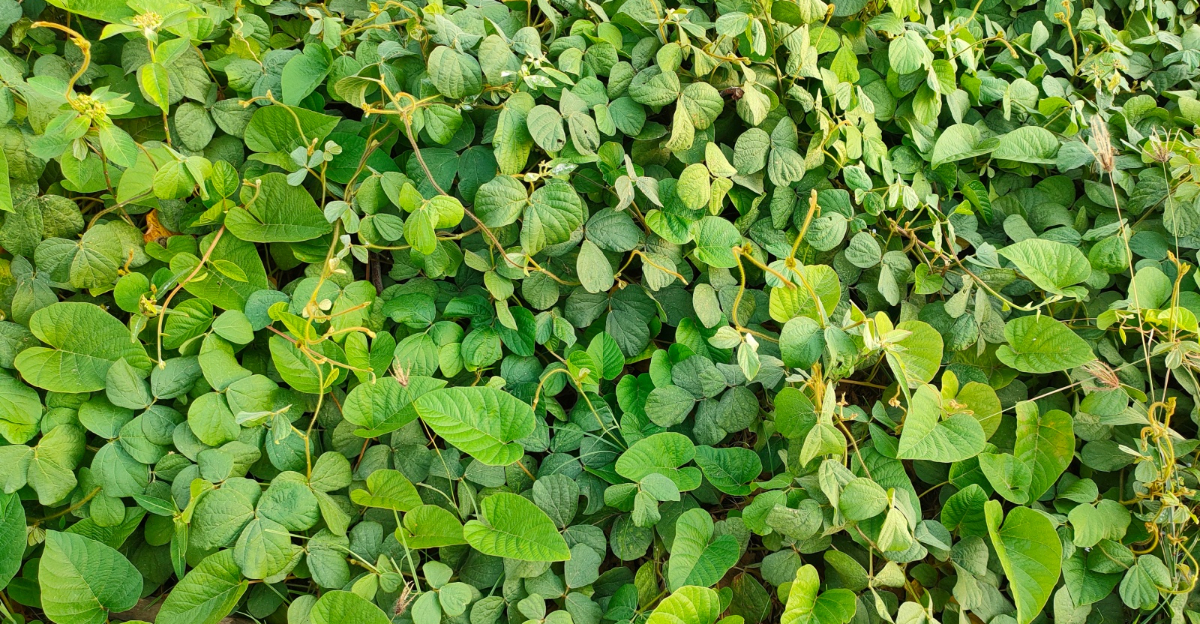
Legumes like crimson clover, hairy vetch, and field peas host special bacteria in their roots. Those bacteria pull nitrogen straight from the air and lock it into the soil.
Nitrogen is the nutrient that makes plants grow lush, green, and strong. Without enough of it, your tomatoes look pale and your lettuce grows slow.
When you till legume cover crops into the soil in spring, all that stored nitrogen releases. Your vegetables get a natural, slow-fed boost right when they need it most.
This process is called nitrogen fixation, and it has been used by farmers for centuries. Ancient Roman farmers rotated legumes into their fields long before synthetic fertilizers existed.
Your Missouri Garden Changes Every Week. Your Plan Should Too.
Gardening in Missouri changes quickly throughout the season. Every Friday you’ll receive a simple weekly plan showing exactly what to plant, prune, fertilize, harvest, and protect so you never miss the right timing.
In Missouri, crimson clover is a gardener favorite for winter planting. It survives cold snaps well, blooms beautifully, and feeds the soil generously before summer crops go in.
Skipping the chemical fertilizer also keeps your soil microbiome healthy and balanced. A diverse microbial community makes nutrients more available to plant roots over time.
Missouri winter gardens thrive when legumes do the heavy lifting underground. You get better harvests next summer without spending an extra dollar on soil amendments.
Weed Pressure Drops Dramatically When Beds Stay Densely Planted
Weeds are opportunists, plain and simple. The moment bare soil appears, they move in fast and take over before you even notice.
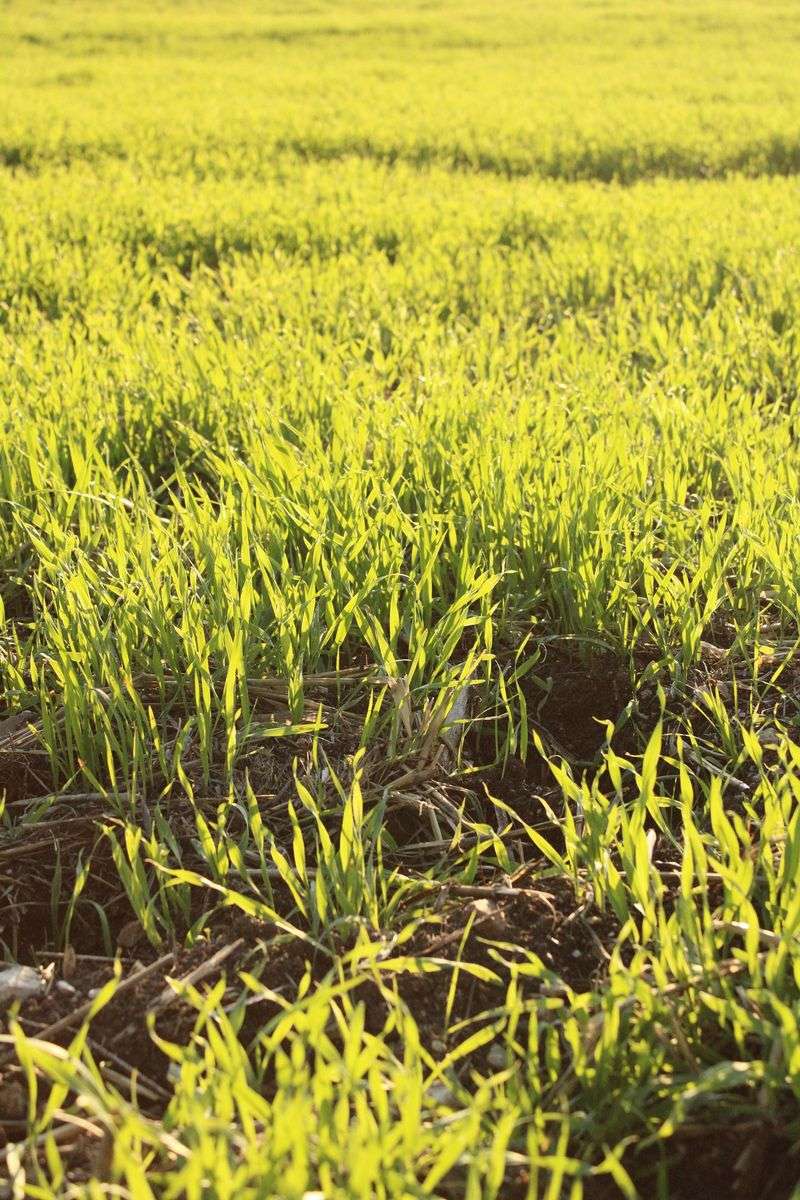
A thick stand of cover crops leaves no open space for weed seeds to germinate. Without sunlight reaching the soil surface, those seeds just sit there dormant and harmless.
Winter rye is especially aggressive at crowding out weeds. It grows so densely that even stubborn broadleaf weeds struggle to push through the canopy.
Gardeners who use cover crops consistently report spending far less time weeding in spring. That time savings alone makes planting a cover crop worth every bit of effort.
Some cover crops even release natural chemicals that suppress weed germination. This is called allelopathy, and winter rye is one of the strongest examples in the plant world.
Fewer weeds in spring also means less competition for your vegetable seedlings. They get more water, more nutrients, and more room to spread their roots freely.
Missouri winters can be mild enough for some weeds to keep growing right through February. A cover crop out-competes those cold-hardy weeds without any herbicide needed.
Missouri winter gardens thrive specifically because the soil beneath those green canopies never gets a chance to wash away. Keeping ground covered is one of the easiest wins in the entire gardening year.
Soil Structure Improves As Cover Crop Roots Break Up Compaction
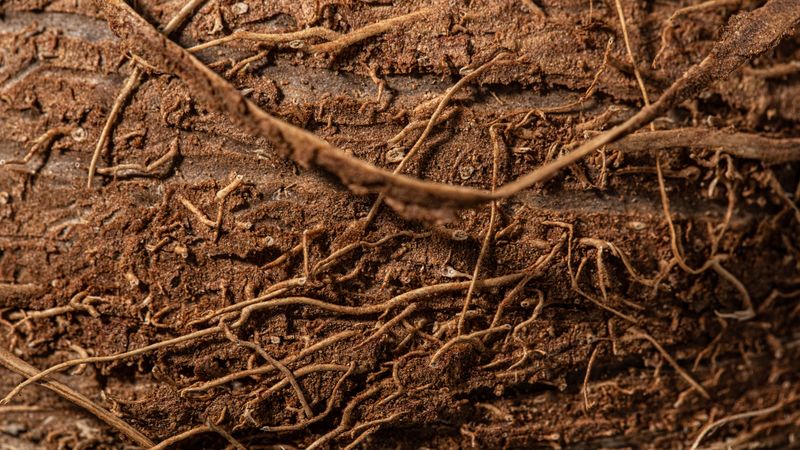
Compacted soil is like concrete for plant roots. Vegetables planted in tight, dense earth grow stunted, stressed, and struggle to absorb water properly.
Cover crop roots work down through compacted layers naturally. Over one winter season, those roots create tiny channels that air and water can move through easily.
Daikon radish is particularly effective at breaking up compaction. Its long taproot penetrates hardpan clay, leaving behind a decomposing tunnel that future roots love to follow.
Missouri soils, especially in central and southern regions, tend toward heavy clay. Clay compacts under foot traffic and heavy rain, making it a real challenge for vegetable gardeners.
When cover crop roots decompose after the plants are terminated, they leave behind organic matter and open pathways. Earthworms then move into those channels, further loosening the soil structure.
Better soil structure means better drainage, which protects spring seedlings from root rot. It also means better moisture retention during dry summer spells later in the year.
You can actually feel the difference in well-structured soil. It crumbles easily in your hand, smells earthy, and lets your fingers sink in without resistance.
Missouri winter gardens thrive because cover crops do underground renovation work for free. Come spring, your beds feel looser, lighter, and ready to welcome whatever you plant next.
Microbial Activity Stays Active Beneath A Living Green Canopy
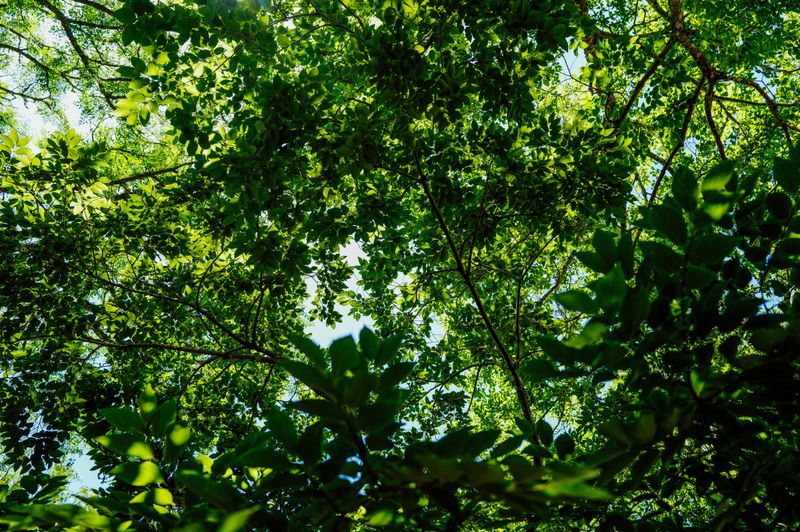
Healthy soil is not just dirt. It is a buzzing, living ecosystem packed with billions of bacteria, fungi, and tiny creatures working nonstop.
Bare soil exposed to freezing temperatures and harsh winds loses much of that microbial energy fast. The organisms either go dormant or fade when left without protection.
A cover crop acts like a warm blanket over the soil surface. The green canopy moderates temperature swings, keeping the ground several degrees warmer than exposed beds nearby.
Warmer soil means microbes keep working through winter, breaking down organic matter and cycling nutrients. That steady biological activity builds soil fertility without any input from you.
Mycorrhizal fungi are especially sensitive to soil disruption and temperature extremes. Keeping a living root in the ground all winter helps these beneficial fungi stay connected and thriving.
Those fungal networks actually help your spring vegetables absorb phosphorus and water more efficiently. Healthy fungal networks are linked to better nutrient uptake, which can result in stronger transplants come spring.
The relationship between plants and soil microbes is ancient and deeply cooperative. Feed the microbes through cover cropping and they will feed your vegetables in return all season long.
Missouri winter gardens thrive because the living canopy above mirrors the living world below. Protecting that underground community is the smartest investment a gardener can make before the cold sets in.
Freezing Temperatures Clean Up Many Cover Crops Before Spring
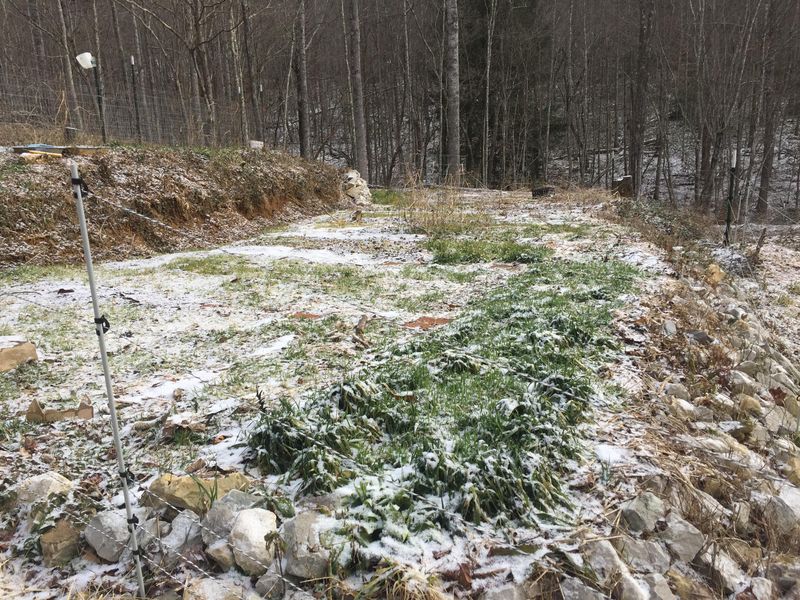
One of the best tricks in cover cropping is choosing plants that winter-finish on their own. You get all the soil benefits without ever picking up a shovel in March.
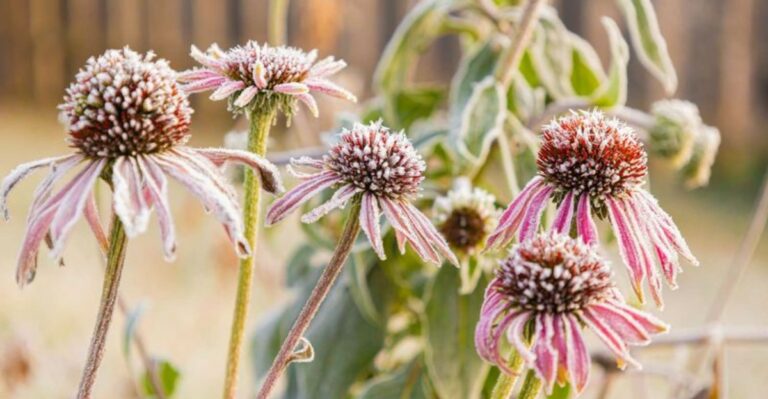
Oats, field peas, and buckwheat are classic winter-finish cover crops for Missouri gardens. They grow strong through fall, then freeze flat when temperatures drop hard in January.
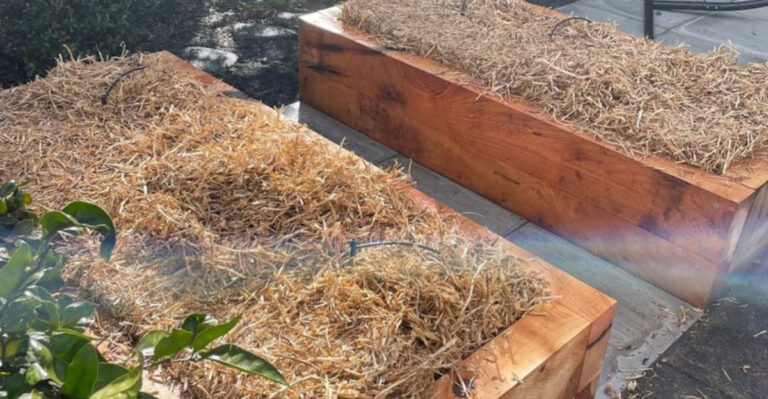
After they finish, they fall over and form a natural mulch mat on the soil surface. That mat suppresses early spring weeds while slowly decomposing into organic matter below.
No mowing, no tilling, no herbicide needed to get rid of them. Missouri winters do the termination work for you, which makes spring bed prep dramatically easier.
Gardeners who want to skip the extra step of terminating cover crops love this approach. Plant oats in September, let winter handle the rest, then direct-seed into the mat come April.
The flattened plant material also insulates the soil during late-winter temperature swings. Those sudden warm spells followed by hard freezes can heave soil and damage early transplants badly.
Choosing the right species for your winter-finish strategy takes just a little research upfront. Missouri Extension offices provide free guides on which cover crops terminate reliably in your hardiness zone.
Missouri winter gardens thrive when the season itself does half the gardening work. Letting nature manage your cover crops is efficiency at its absolute finest.
Organic Matter Builds Up As Cover Crops Decompose Into The Soil
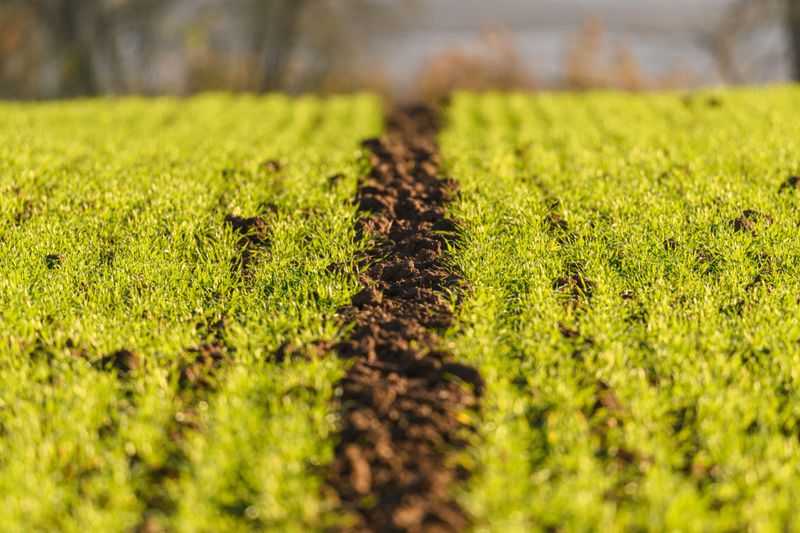
Organic matter is the secret ingredient that separates struggling gardens from thriving ones. It feeds microbes, holds moisture, and improves texture in every soil type imaginable.
Cover crops are essentially a free organic matter delivery system. You grow them, terminate them, and let decomposition do the rest of the work quietly underground.
As cover crop residue breaks down, it releases humus, the dark sticky substance that gives healthy soil its rich color and spongy feel. Humus holds onto nutrients so rain cannot wash them away.
Cover cropping builds organic matter incrementally, with meaningful gains accumulating over multiple seasons. Over several years, the cumulative effect transforms even poor clay or sandy soil dramatically.
Earthworms are highly active in beds with decomposing cover crop material. They pull residue underground, digest it, and deposit nutrient-rich castings throughout the root zone.
More organic matter also means better water-holding capacity during Missouri’s hot, dry summers. Gardens with high organic matter content need less frequent watering and handle drought stress far better.
You can accelerate decomposition by chopping cover crops finely before incorporating them. A sharp spade or rotary mower makes the residue break down weeks faster than leaving it whole.
Missouri winter gardens thrive because every season of cover cropping makes the next season better. Building organic matter is a long game, and cover crops make winning that game surprisingly simple.