8 Reasons Missouri Gardeners Are Adding Lemon Balm Near Their Patios
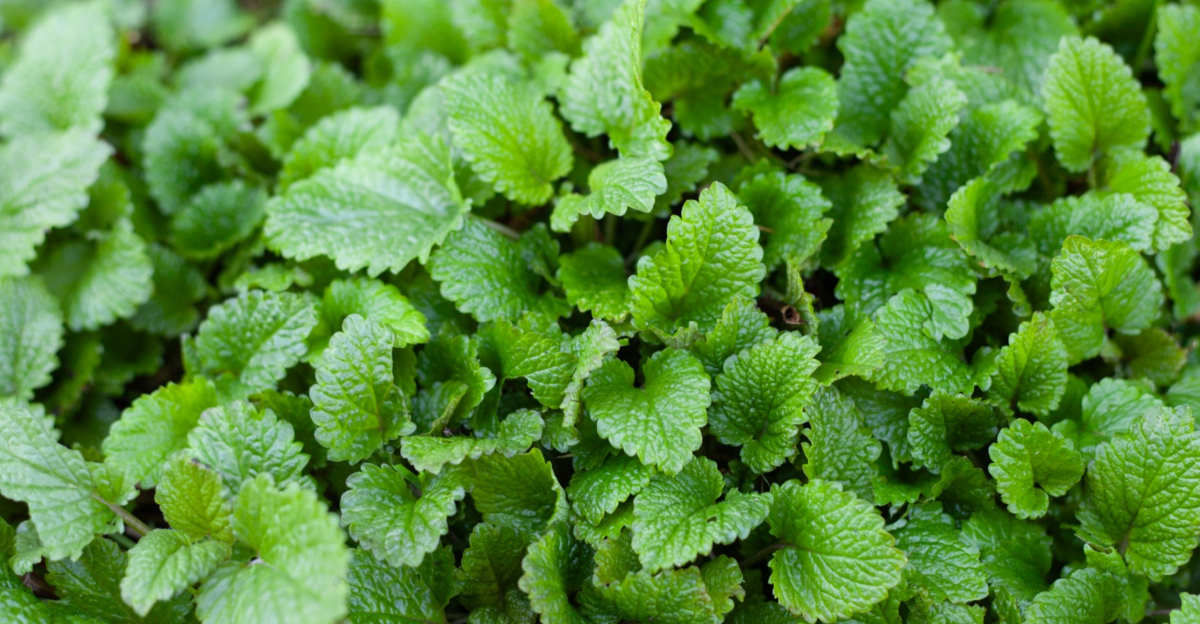
You brush past a pot of lemon balm reaching for a spent rose. That wall of cold lemonade and crushed herbs hits your face and stops you mid-step.
That scraggly little plant did that? No candle, no spray bottle, just leaves grazing your arm. So you rearrange things that same evening.
Lemon balm lands near every chair, every corner, every spot where Missouri evenings actually happen.
Mosquitoes back off and bees show up. Your patio starts smelling like somewhere worth staying, and the air shifts in a way you feel before you can name it.
Your guests notice it too. Why do some outdoor spaces pull people in while others empty out fast?
This is usually the answer sitting quietly in a corner container. Missouri gardeners are building their best summers one humble herb at a time.
Lemon balm does the heavy lifting, asks for almost nothing, and grows like it has something to prove. What it does to a warm evening is honestly a little unfair.
1. Natural Mosquito & Pest Repellent
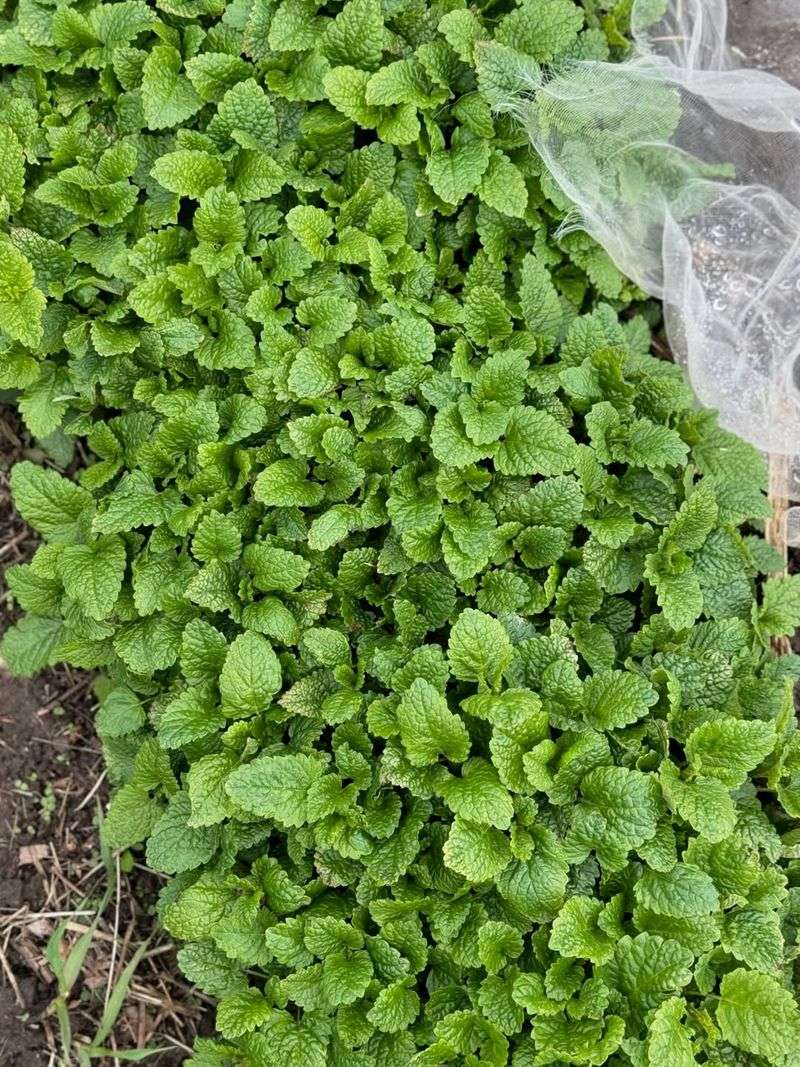
Forget the chemical sprays and the smoky citronella candles that never quite do the job. Lemon balm contains high levels of citronellal, a natural compound that mosquitoes genuinely dislike.
When you crush a leaf between your fingers, the scent releases immediately. That sharp, lemony burst is pleasant to humans but overwhelming to pests.
Planting lemon balm near your patio adds a fragrant, low-effort layer of pest deterrence to your outdoor space. No batteries, no refills, no chemical smell clinging to your clothes.
Studies have shown that lemon balm essential oil can deter mosquitoes when applied directly to skin, though it requires reapplication every one to two hours as the oils evaporate.
For anyone wanting a natural option for light evening use outdoors in Missouri, that is worth knowing.
Beyond mosquitoes, this plant is also reported to deter gnats and flies around outdoor seating areas.
Gardeners who grow it near seating areas report noticeably fewer buzzing interruptions during outdoor meals.
You can boost the effect by gently rubbing a few leaves and placing them near doorways or on outdoor tables. The scent fades as it dries, so fresh leaves work best.
Some gardeners crush leaves and rub them directly on their skin as a light, natural repellent. Most people find it far more pleasant than anything from a spray can.
Planting a few clusters around the perimeter of your patio gives you the best coverage. One season with lemon balm nearby, with crushed leaves on hand for skin application, and those evening bugs become much more manageable.
2. Irresistible Patio Fragrance
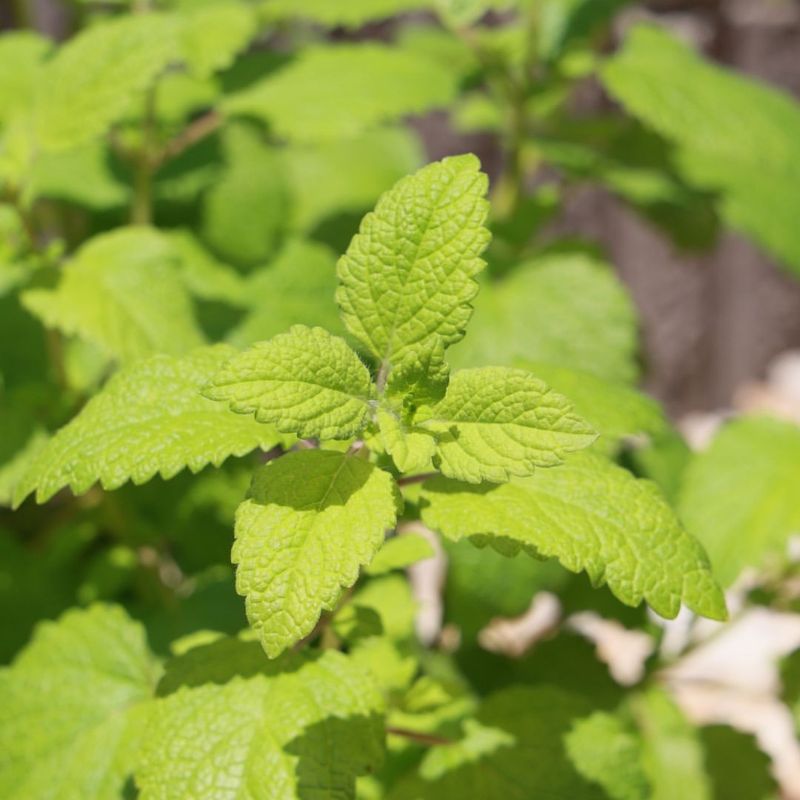
Some plants earn their place in a garden purely on looks. Lemon balm earns its spot through pure, intoxicating scent.
The fragrance is clean, bright, and citrusy without being sharp or overwhelming. It sits somewhere between lemon zest and fresh mint, which makes it incredibly pleasant near an outdoor living space.
On warm Missouri afternoons, the scent drifts naturally through the air without any help. A light breeze across the leaves is all it takes to perfume your entire patio.
Your Missouri Garden Changes Every Week. Your Plan Should Too.
Gardening in Missouri changes quickly throughout the season. Every Friday you’ll receive a simple weekly plan showing exactly what to plant, prune, fertilize, harvest, and protect so you never miss the right timing.
Unlike heavily perfumed flowers that can feel cloying in the heat, lemon balm stays refreshing. Guests always notice it and ask what that amazing smell is coming from.
Placing containers of lemon balm near seating areas or along pathways maximizes the aromatic effect. Every time someone walks past and grazes the leaves, a fresh wave of fragrance releases.
The scent also has a calming quality that many people find genuinely relaxing. Aromatherapy practitioners have used lemon balm for centuries to ease stress and lift mood.
Imagine ending a long workday by stepping onto a patio that smells like a lemon grove. That kind of sensory reset is something a garden can actually deliver.
For maximum fragrance impact, plant lemon balm in spots where foot traffic or air movement will naturally disturb the leaves. Your patio will smell less like a backyard and more like a retreat.
3. Powerful Pollinator Magnet
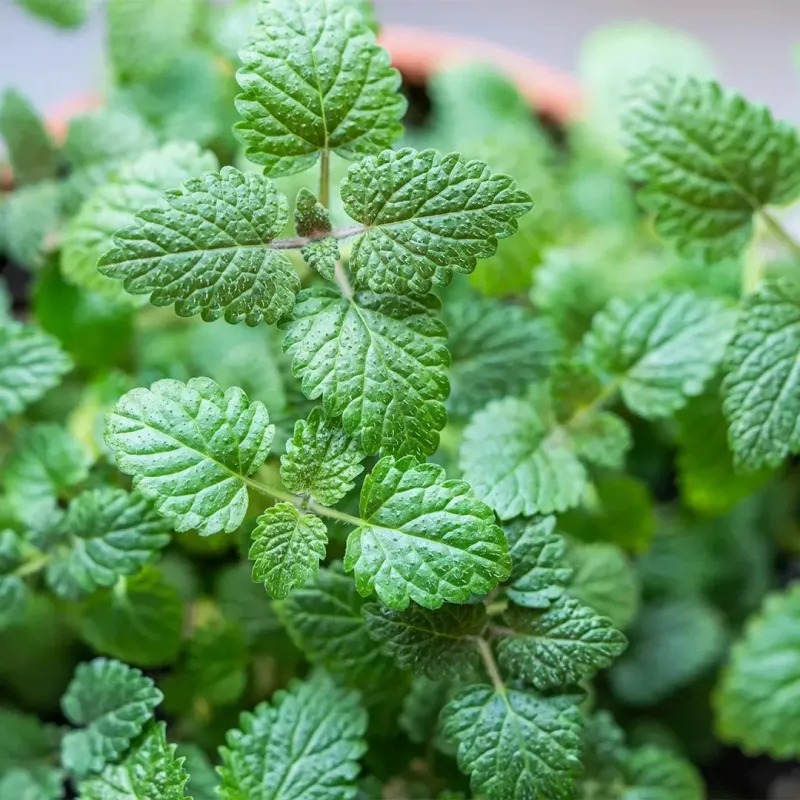
Bees go absolutely wild for lemon balm. Ancient beekeepers used to rub the inside of new hives with lemon balm leaves to attract swarms.
The small white flowers that bloom in summer produce nectar that honeybees and native bees find irresistible. A single plant in full bloom can host dozens of visitors on a sunny afternoon.
For Missouri gardeners with vegetable beds or fruit trees nearby, this pollinator activity is a game changer. More bees visiting your patio area means better pollination across your entire yard.
Butterflies are also drawn to the blooms, adding a visual element that no decorative pot can replicate.
Watching swallowtails and skippers float through your garden is one of summer’s best free pleasures.
Lemon balm belongs to the mint family, and its flowers are structured in a way that makes nectar easy for short-tongued pollinators to access. That means even smaller, less specialized bees benefit.
Planting lemon balm near your patio does not just help your garden. It supports the broader local ecosystem.
Native bee populations are under pressure, and every flowering herb helps.
The blooming season stretches from early summer well into fall if you trim the plant back occasionally. Regular light pruning encourages fresh growth and keeps the flowers coming.
A buzzing, fluttering patio full of life is the kind of scene that makes neighbors stop and stare. Lemon balm makes that scene surprisingly easy to create.
4. Extremely Hardy & Low-Maintenance
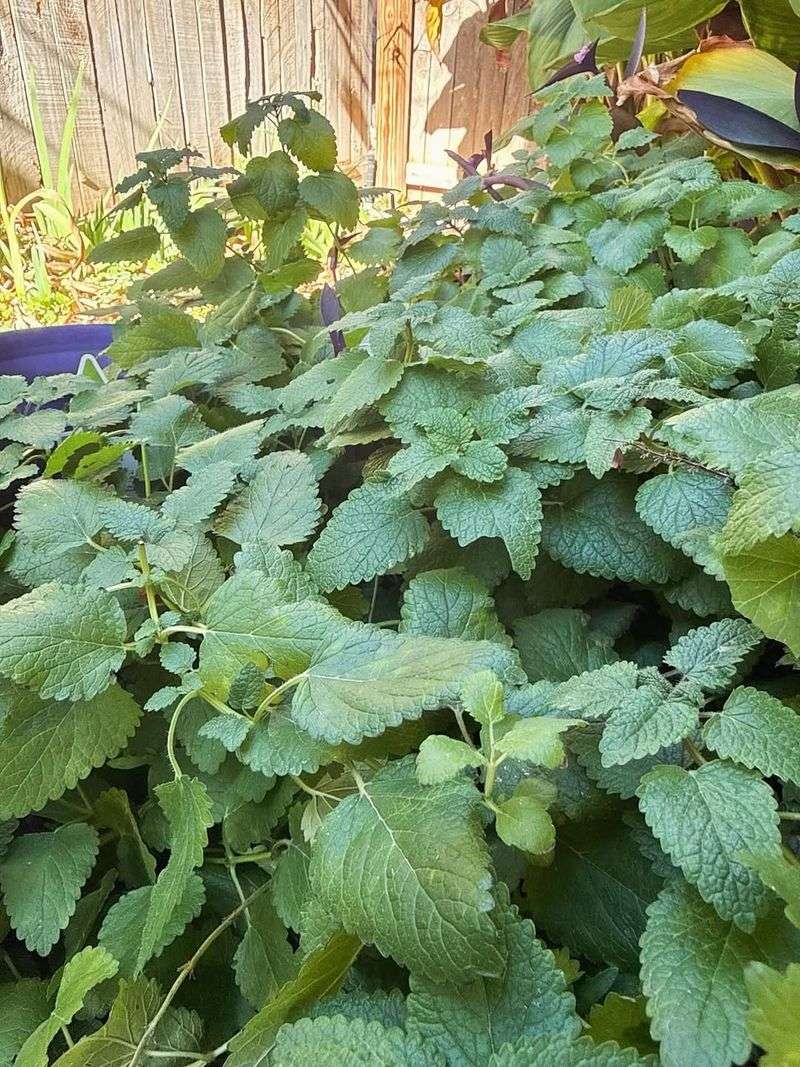
Not everyone has hours to spend fussing over garden plants. Lemon balm was practically designed for people who want results without the fuss.
It tolerates a wide range of soil conditions, from clay-heavy Missouri dirt to sandy, fast-draining beds. As long as drainage is reasonable and sunlight is present, this plant figures out the rest.
Drought tolerance is one of its standout qualities. Once established, lemon balm handles dry Missouri summers with minimal watering needed from you.
It also bounces back from heat stress faster than most herbs. Even after a scorching July week, a bit of water brings it roaring back to full, leafy life.
Pest pressure on lemon balm itself is remarkably low. The same aromatic oils that repel mosquitoes also discourage most plant-damaging insects from feeding on the leaves.
Diseases are rarely a serious concern if you give the plant decent air circulation. Spacing plants at least 18 to 24 inches apart keeps airflow strong and fungal issues at bay.
Pruning requirements are minimal. A light trim after flowering keeps the shape tidy and encourages fresh leaf production. No special tools or training required.
Fertilizing is optional, and many gardeners skip it entirely. Lemon balm actually produces more aromatic oils in slightly lean soil, so overfeeding can work against you.
For anyone who wants a productive, beautiful patio plant without a complicated care routine, this herb is the answer. Low effort, high reward, exactly what a busy gardener needs.
5. Reliable Perennial That Returns Every Season
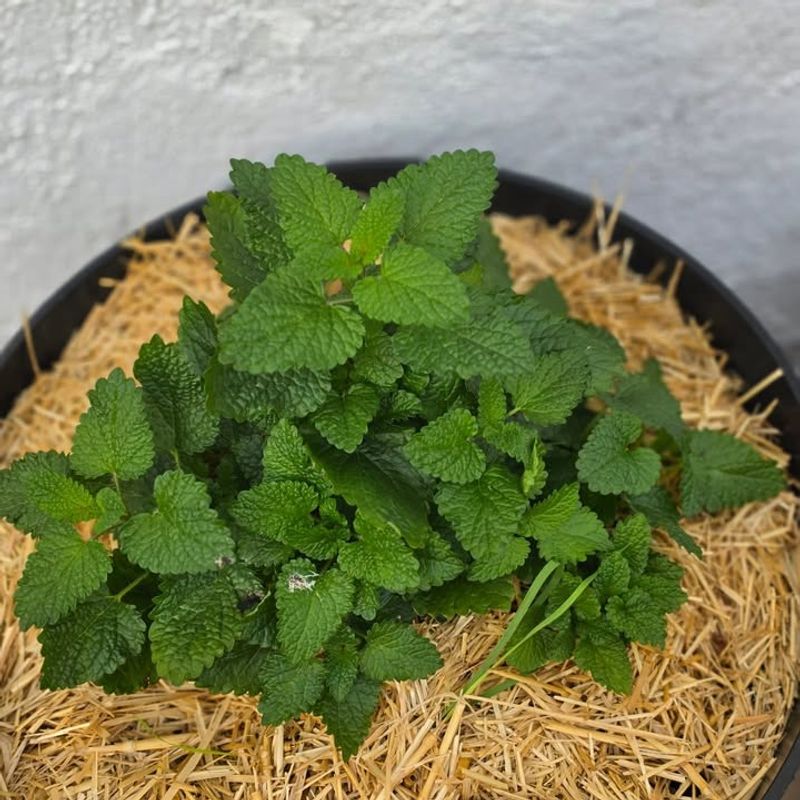
There is something deeply satisfying about a plant that shows up for you year after year. Lemon balm is a true perennial in most of Missouri, surviving winters and returning reliably each spring.
Missouri spans USDA hardiness zones 5b through 8a, and lemon balm thrives across all of them. You plant it once and enjoy it for many seasons without replanting.
In late fall, the foliage fades back as temperatures drop. But underground, the root system stays alive and healthy, ready to push new growth as soon as spring warmth arrives.
That first flush of fresh spring leaves is one of the garden’s quiet joys. By the time patio season kicks into gear, the plant is already full and lush.
Over time, established clumps grow larger and more productive each year. A small starter plant becomes a generous, spreading mound that fills in beautifully around patio edges.
Self-seeding is another bonus. Lemon balm drops seeds that sprout nearby, gradually expanding your planting without any effort from you. Some gardeners call this generous; others keep it tidy with a little light trimming.
Dividing clumps every few years keeps plants vigorous and gives you free new starts for other spots. Sharing divisions with neighbors is one of gardening’s best social traditions.
A plant that gives more every single year, without being replanted or replaced, is a genuine investment. Lemon balm pays dividends in fragrance, function, and beauty season after season.
6. Edible & Useful Right Off the Patio
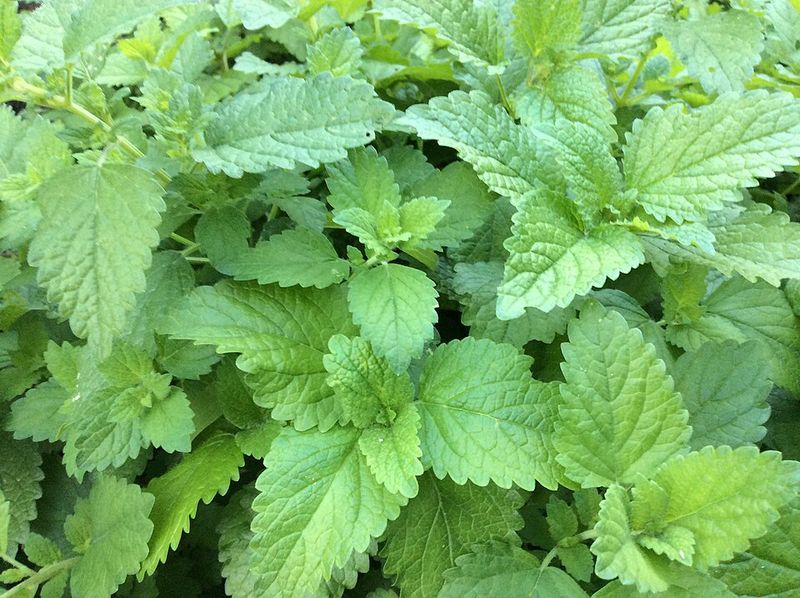
Having fresh herbs steps from your back door is one of the simplest pleasures a garden can offer. Lemon balm takes that convenience to a whole new level.
The leaves are completely edible and carry a mild, lemony flavor that works beautifully in both food and drinks. Tossing a few leaves into a pitcher of water instantly creates a refreshing infused beverage.
Lemon balm tea is a time-honored remedy for stress, anxiety, and sleep trouble. Steeping fresh or dried leaves in hot water for ten minutes produces a soothing, golden-tinted drink.
In the kitchen, the leaves shine in salads, marinades, and herb butters. A handful of chopped lemon balm stirred into softened butter creates a compound butter that transforms grilled fish or chicken.
Desserts welcome lemon balm too. The leaves pair naturally with berries, stone fruits, and honey-based recipes. A sprig tucked into a fruit salad adds brightness without overpowering anything.
Cocktail enthusiasts have discovered that lemon balm makes an exceptional muddling herb. It adds complexity to gin drinks, lemonades, and sparkling water mocktails with minimal effort.
Fresh leaves also dry well for year-round use. Hanging small bundles upside down in a warm, airy spot preserves both flavor and fragrance for months.
Having a productive edible plant right on your patio means fewer grocery store trips for fresh herbs. Lemon balm near your patio gives you a kitchen garden that practically runs itself.
7. Excellent Companion Plant for Nearby Gardens
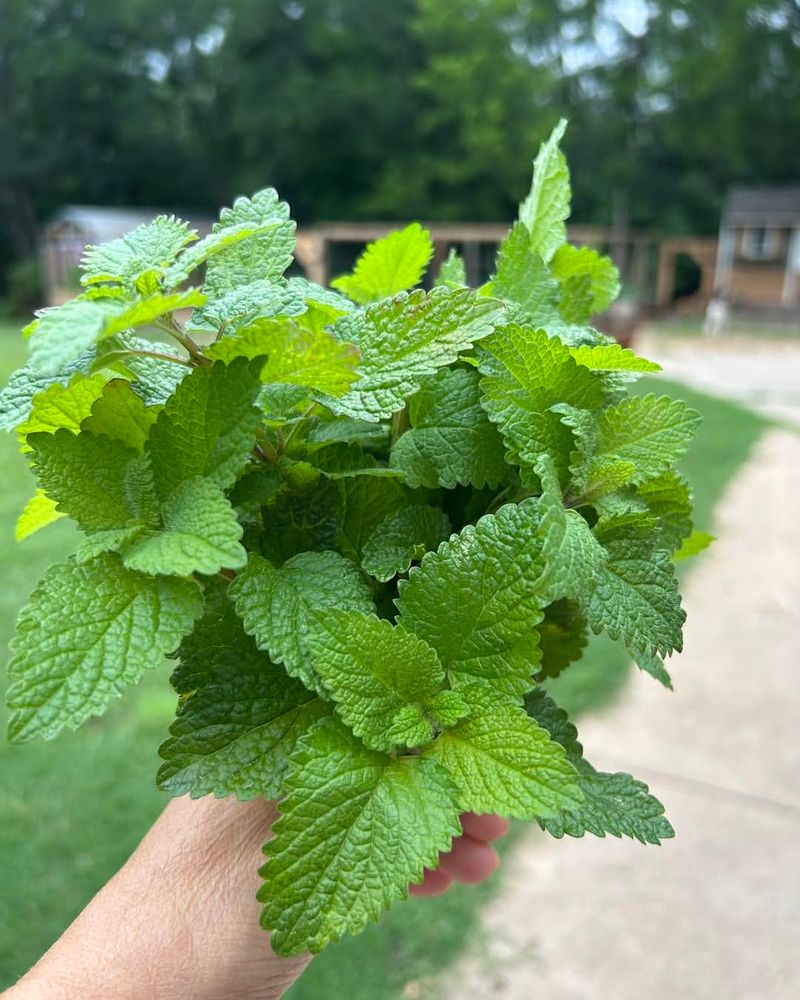
Companion planting is the art of letting plants help each other thrive. Lemon balm is one of the most cooperative neighbors you can add to a garden space.
Lemon balm’s aromatic oils are believed to confuse some common pests around vegetable beds, though results vary by garden and conditions.
Planting it at the edges of raised beds creates a fragrant, functional border, meaning fewer pest interruptions, less intervention, and potentially healthier harvests.
The pollinator traffic that lemon balm attracts benefits every flowering plant in the surrounding area. Tomatoes, cucumbers, and beans all produce better when bee activity is high.
Lemon balm also works well alongside other herbs like basil, parsley, and chamomile. These combinations create layered plantings that maximize small garden spaces beautifully.
Its spreading growth habit fills in bare soil between taller plants, suppressing weeds naturally. Less weeding is always a welcome side effect in any garden.
Some gardeners plant lemon balm near fruit trees to increase pollination rates during bloom season. The strategy is simple and the results speak for themselves in fruit set numbers.
Root competition from lemon balm is minimal, making it a considerate neighbor that does not bully surrounding plants for resources. It contributes without crowding, which is a rare and valuable quality.
A garden that works as a team is a garden that thrives with less effort. Adding lemon balm to the mix makes the whole space more productive and balanced.
8. Thrives in Containers & Flexible Spaces
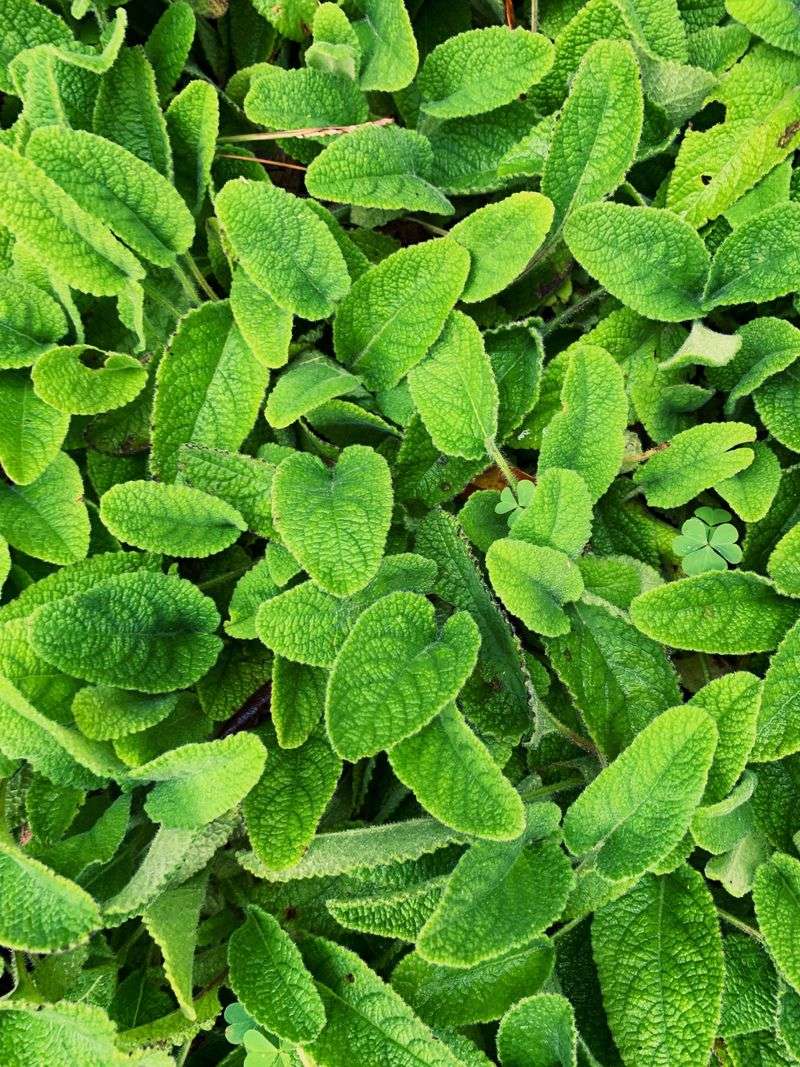
Not everyone has a sprawling yard to work with, and that is perfectly fine. Lemon balm grows exceptionally well in containers, making it accessible to gardeners of every space size.
A 12-inch pot with good drainage is enough to support a full, productive plant through the entire growing season. Larger containers allow bigger plants, but small ones still deliver impressive results.
Container growing also gives you complete control over placement. Move plants into shade during brutal heat waves, or shift them closer to seating when you want maximum fragrance nearby.
Apartment balconies, townhouse patios, and tiny backyard corners all become viable herb gardens with container lemon balm. No ground-level planting space is required at all.
One practical bonus of container growing is root containment. Lemon balm can spread aggressively when planted directly in open ground, so pots keep that enthusiasm neatly in check.
Window boxes are another excellent option for those with limited floor space. A long planter along a patio railing planted with lemon balm creates a fragrant, living privacy screen.
Watering needs increase slightly in containers compared to ground planting, but the schedule is straightforward. Check soil moisture every couple of days and water when the top inch feels dry.
Overwintering container plants is simple. Move them into a garage or shed before hard freezes hit.
They go dormant, rest through the cold months, and return fresh the following spring.
Lemon balm near your patio proves that great gardens are not about square footage. They are about choosing the right plants for the space you actually have.