Why Mushrooms In Oregon Garden Beds May Be A Better Sign Than You Think
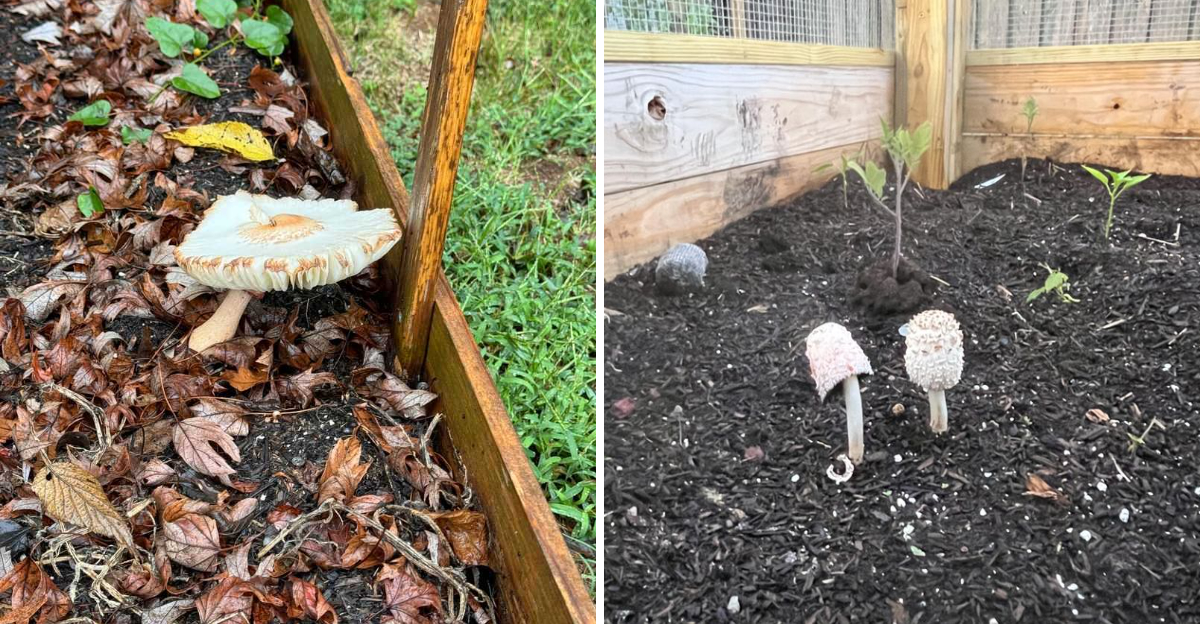
Coffee in hand, you walk out to the garden on a wet Oregon morning and stop in your tracks.
Overnight, a cluster of mushrooms appeared in the middle of your best bed. The instinct for many gardeners is immediate: grab a trowel, dig them out, move on.
Before you do that, consider the possibility that those mushrooms are actually the best news your garden has sent you all season.
Oregon creates perfect conditions for fungi, wet winters, heavy rainfall, abundant organic mulch, and what grows in those conditions tells you something specific about what is happening underground.
Mushrooms in a garden bed are not random. They are a signal, and most of the time that signal is a good one. Understanding what is actually going on beneath the surface changes how you see them entirely.
Your garden has been talking. Here is what it is saying.
1. Fungi Are Breaking Down Mulch
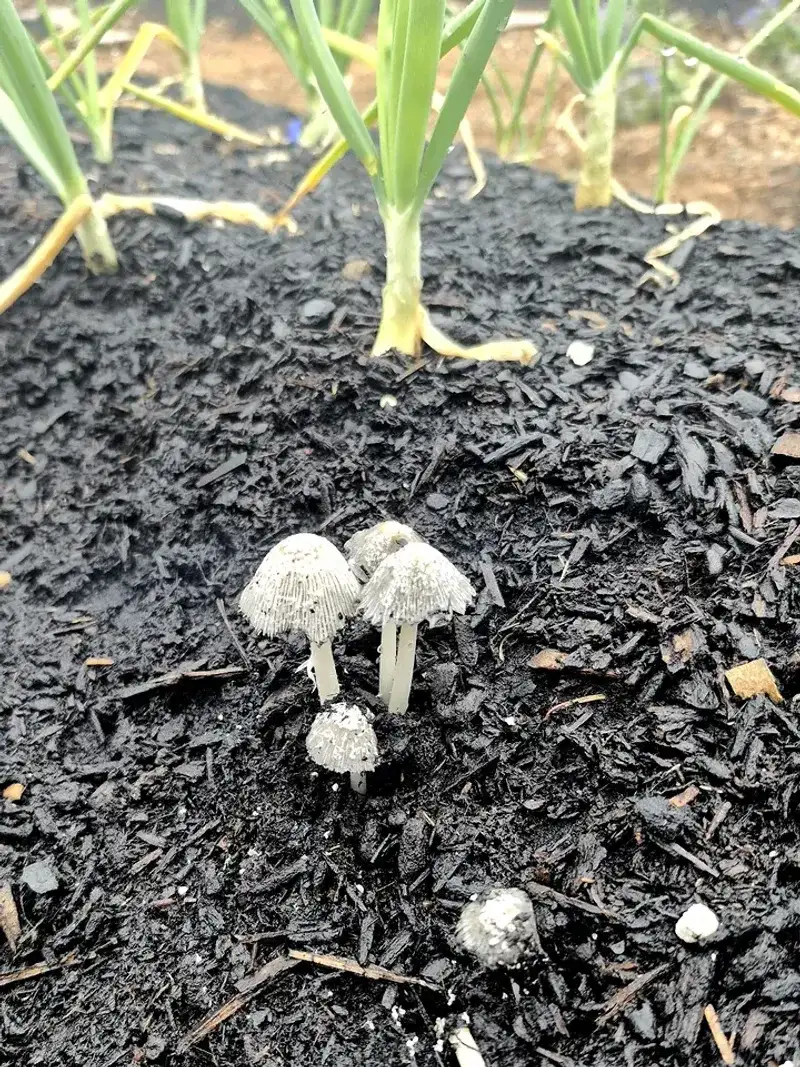
Wood chips and bark mulch do not break down on their own. Something has to do the heavy lifting, and fungi are built for exactly that job.
When mushrooms pop up through garden mulch, that is a front-row seat to one of nature’s most efficient recycling systems running at full capacity.
Fungi produce special enzymes that break apart lignin and cellulose, the tough structural materials found in wood. Most other soil organisms simply cannot do this.
Wood chip mulch is one of the richest habitats for fungal activity in Pacific Northwest gardens, and the organisms doing this work are not harming plants. They are preparing nutrients that plants will eventually absorb.
Mulch is essentially a slow-release fertilizer waiting to be unlocked. Fungi are the key. As they break down organic material, they release carbon, nitrogen, and other nutrients back into the soil in forms that plant roots can use.
The mushrooms visible above the surface are just the tip of a much larger operation happening underneath, and that operation is exactly what a productive garden bed needs.
Removing the mushrooms will not stop the process. The real work is underground and ongoing regardless of what happens above the soil line.
Rather than fighting it, adding fresh wood chip mulch each season gives the fungi more material to work with and keeps that nutrient cycle moving steadily.
The fungi are not the problem. They are the solution to the problem of all that mulch sitting there doing nothing.
2. Organic Matter Is Active Below
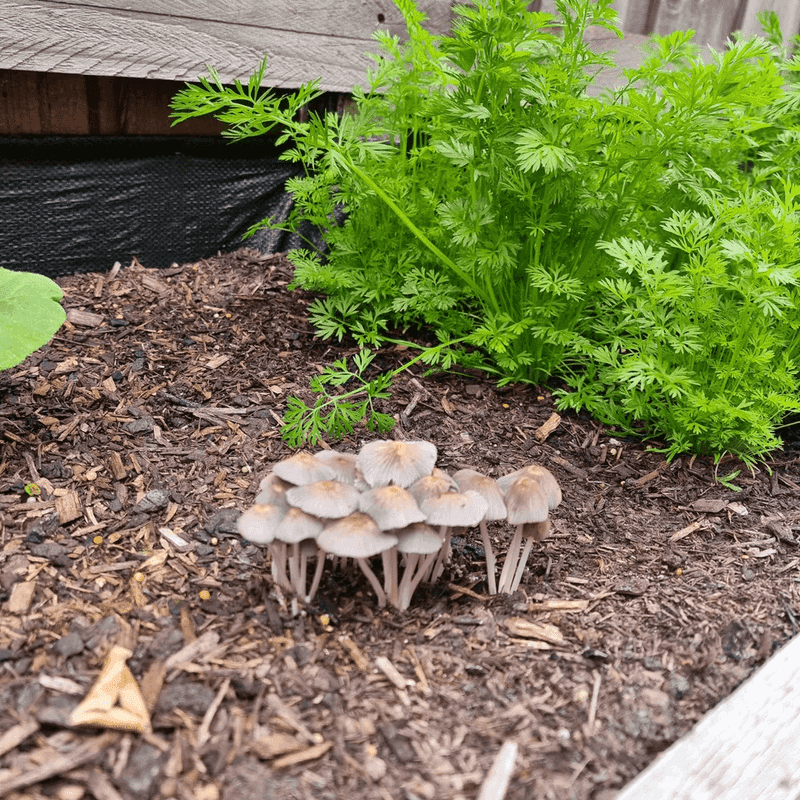
Healthy soil is not just dirt.
It is a living system packed with billions of microorganisms working together, and when mushrooms appear in a garden bed, one of the clearest messages they send is that organic matter is actively decomposing. That is exactly what a productive garden bed should be doing.
Active decomposition means microbes, fungi, bacteria, and tiny invertebrates are all converting fallen leaves, spent roots, and old plant material into humus, the dark spongy material that gives healthy soil its rich texture and fertility.
Oregon soils, especially in the Willamette Valley, can be naturally high in clay, making organic matter even more critical for improving drainage and soil structure. Fungi showing up means that conversion is underway.
Your Oregon Garden Changes Every Week. Your Plan Should Too.
Gardening in Oregon changes quickly throughout the season. Every Friday you’ll receive a simple weekly plan showing exactly what to plant, prune, fertilize, harvest, and protect so you never miss the right timing.
A garden bed with active decomposition tends to produce healthier, more resilient plants over time. Root systems grow deeper and stronger when soil structure is good.
The presence of fungi signals that soil biology is switched on and doing real work, which is genuinely useful information for any gardener who has been adding compost and cover crops and wondering if any of it is actually making a difference.
Gardeners who regularly add compost, leaf litter, or aged wood chips are feeding this underground system and keeping it running.
Finding mushrooms in those beds is confirmation that the effort is paying off. Some progress in gardening is invisible until something small and temporary pops up overnight and proves it was happening all along.
3. Moisture Has Reached The Bed
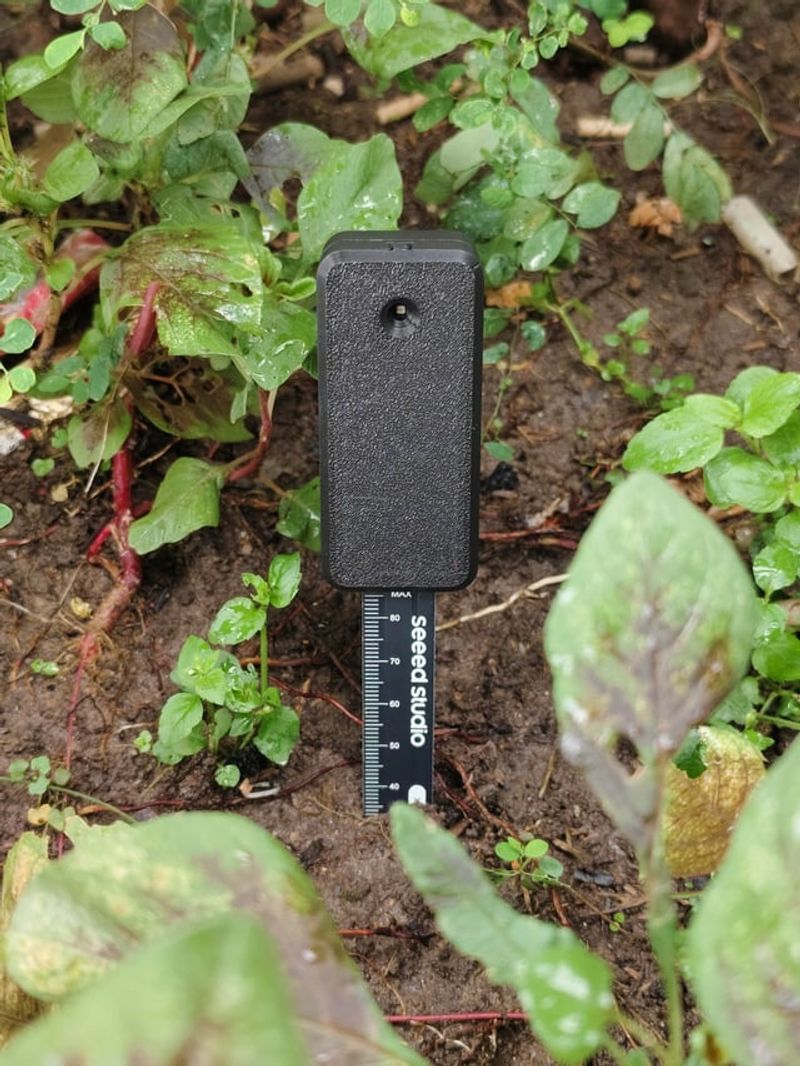
Oregon gardeners know rain. From October through April, the Pacific Northwest gets thoroughly soaked, and mushrooms almost always appear after wet periods.
That timing is not coincidental. Fungi need moisture to produce their fruiting bodies, and their appearance is a reliable indicator that water has actually penetrated deep into the garden bed rather than running off the surface.
That distinction matters more than most people realize.
Shallow moisture encourages shallow roots. Deep moisture penetration pushes roots downward, making plants more stable and drought-tolerant once Oregon’s drier summer months arrive.
A flush of mushrooms after a few rainy days is fungal confirmation that the soil profile is absorbing water the way it should.
In raised beds or heavily amended soils, water can sometimes pool near the surface without reaching deeper layers.
Mushroom growth after rain suggests that moisture has moved through effectively, which is good news for root health and overall plant vigor throughout the season.
Oregon springs can be relentless, and beds occasionally stay wet longer than ideal. A moderate mushroom appearance is generally not a concern. It is simply fungi responding to conditions they love.
Using mushroom timing as a natural moisture indicator is actually a fairly elegant diagnostic tool, one that requires no equipment and shows up on its own schedule.
4. The Soil Food Web Is Working
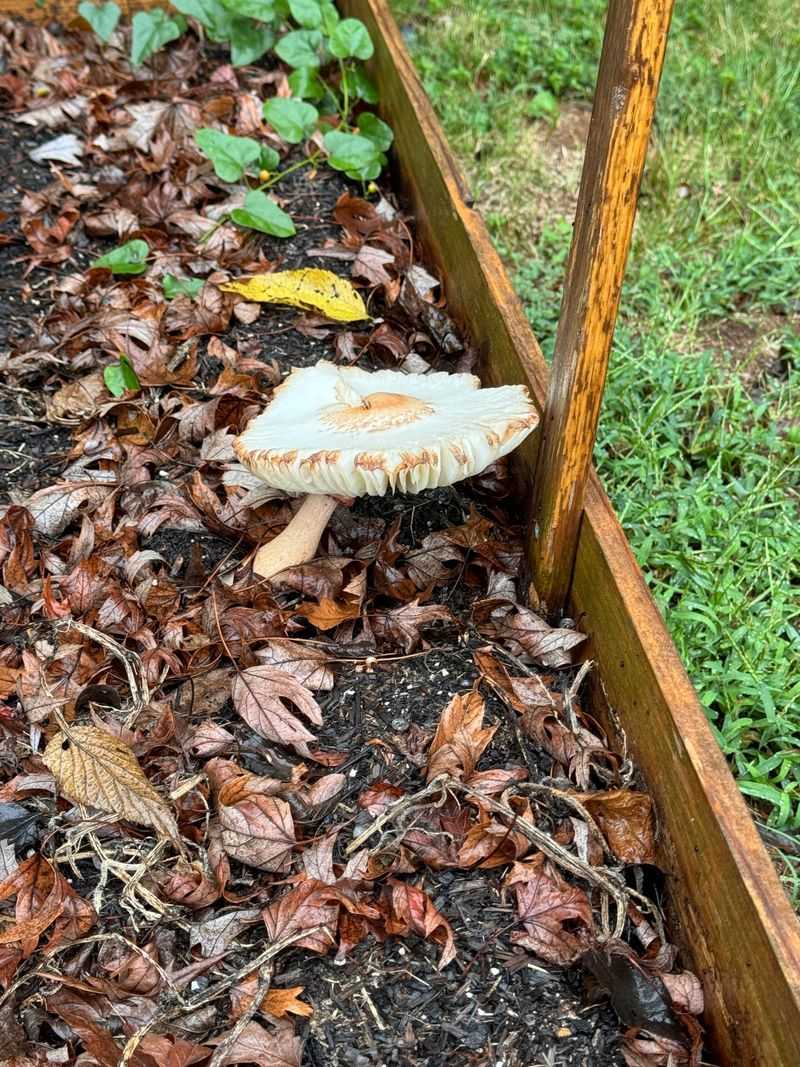
Soil is not a simple thing.
Scientists describe it as a food web, a complex network of organisms that feed on each other, cooperate, compete, and keep the whole system productive.
Fungi are one of the most important players in that web, and their presence means multiple layers of the system are active and functioning together.
At the base of the soil food web, bacteria and fungi break down organic matter. They are consumed by protozoa, nematodes, and small arthropods.
Those creatures feed larger organisms like beetles and earthworms. Every step of this chain releases nutrients in forms plant roots can absorb.
A garden with a healthy soil food web generally needs fewer synthetic inputs because the biology is handling much of the fertility work on its own.
Many gardeners spend years trying to build this kind of biological activity through composting, cover cropping, and avoiding harsh chemical treatments.
Finding mushrooms in a bed means those efforts are producing results. The soil food web is not something directly visible, but mushrooms are one of its most honest above-ground indicators that everything below is functioning the way it should.
Earthworms, beneficial bacteria, and microscopic organisms are likely thriving nearby whenever fungi are fruiting in a garden bed.
The whole system is connected, and the mushroom is just the part of it you can actually see. That small cap above the mulch is representing a lot of invisible activity happening in every direction beneath it.
5. Mycelium Is Doing Hidden Work
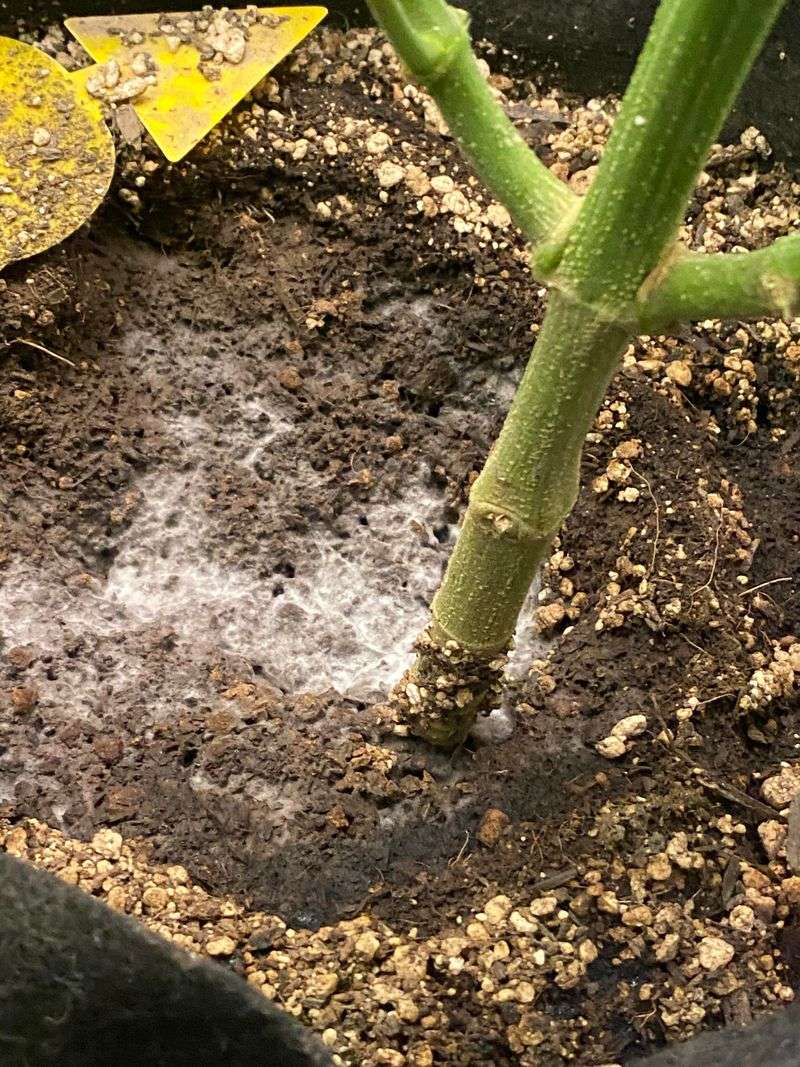
Many people only see fungi when mushrooms appear above the soil, but the real activity is underground.
Mycelium is the thread-like network of fungal tissue that spreads through soil, mulch, and organic matter, extending for feet or even yards in every direction.
It connects, breaks down, and transports nutrients in ways that benefit the entire garden without ever being visible.
Mycelium acts almost like a secondary root system. It reaches into spaces plant roots cannot access, pulling in water and nutrients and, in many cases, passing them directly to plant roots through partnerships called mycorrhizal associations.
The result is a garden that is more efficient at feeding itself than the visible plant structure alone could ever manage.
Mycelium also contributes to soil carbon storage as fungal threads grow and eventually break down, adding to the organic matter that makes soil dark, spongy, and fertile.
This process happens slowly and steadily, season after season, entirely out of sight. The mushroom popping up overnight is a small window into a network that may have been building for weeks or months before anything appeared above ground.
Protecting that network matters. Avoiding deep soil tilling and harsh chemical fungicides preserves one of the most powerful natural tools a garden has working in its favor.
The mushroom is temporary. The mycelium network that produced it is not, and that network is doing far more useful work than most gardeners ever realize.
6. Mushrooms Are Only The Fruiting Part
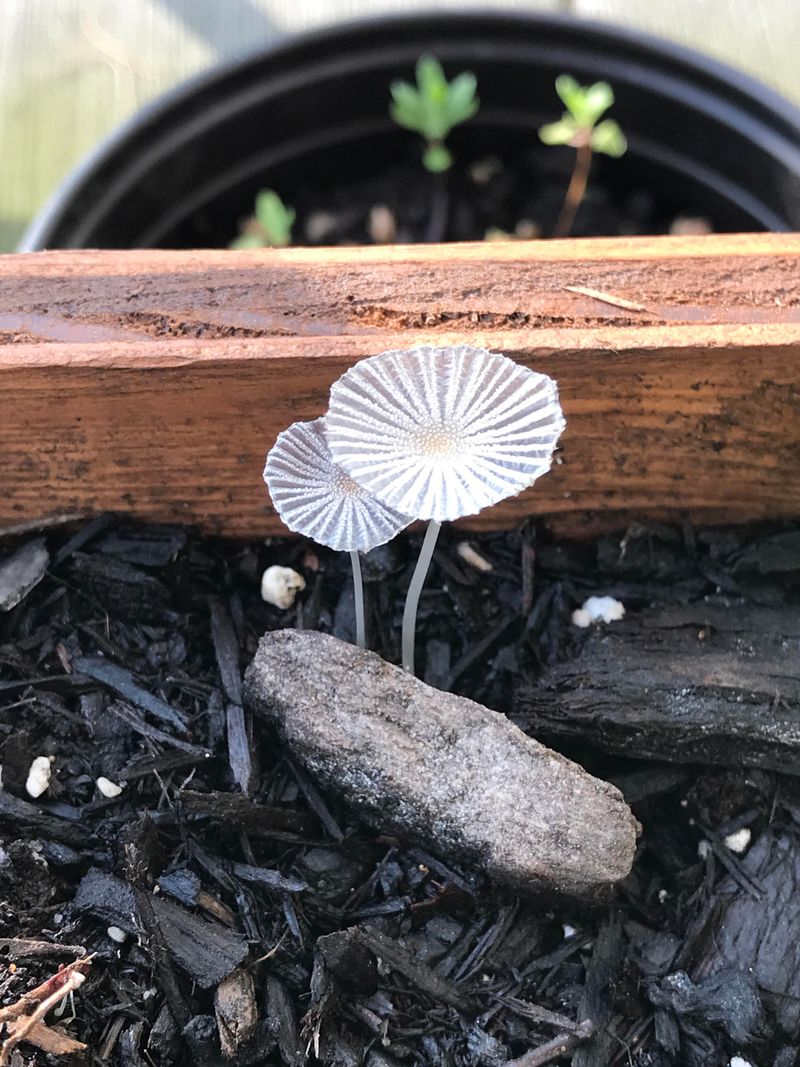
Here is something that genuinely surprises most gardeners. The mushroom above the soil is not the whole fungus. It is more like the apple on a tree.
The actual organism, the mycelium, lives underground and can be enormous compared to the small cap pushing through the mulch.
Fungi produce mushrooms as a way to release spores and reproduce. The mushroom appears, releases spores, and then collapses back down.
The mycelium below keeps growing regardless of what happens above. Removing mushrooms from a garden bed does not remove the fungus, any more than picking an apple removes the tree.
This is important context for gardeners who feel alarmed every time a new flush appears.
The fruiting event is temporary, triggered by the right combination of moisture, temperature, and available organic matter. Once conditions shift, mushrooms stop appearing.
The mycelium continues its work underground without interruption, completely unbothered by whether anyone noticed the show above ground.
Pulling up mushrooms by hand is fine for tidying a bed, but it changes nothing about what the fungal network is doing beneath it.
Understanding this distinction helps gardeners respond calmly instead of scrambling for a solution every time a new cluster appears.
The mushroom is just the messenger. The real value lives in the soil beneath it, and that soil is doing exactly what you spent seasons trying to get it to do.
7. Too Many Mushrooms Can Signal Excess Moisture
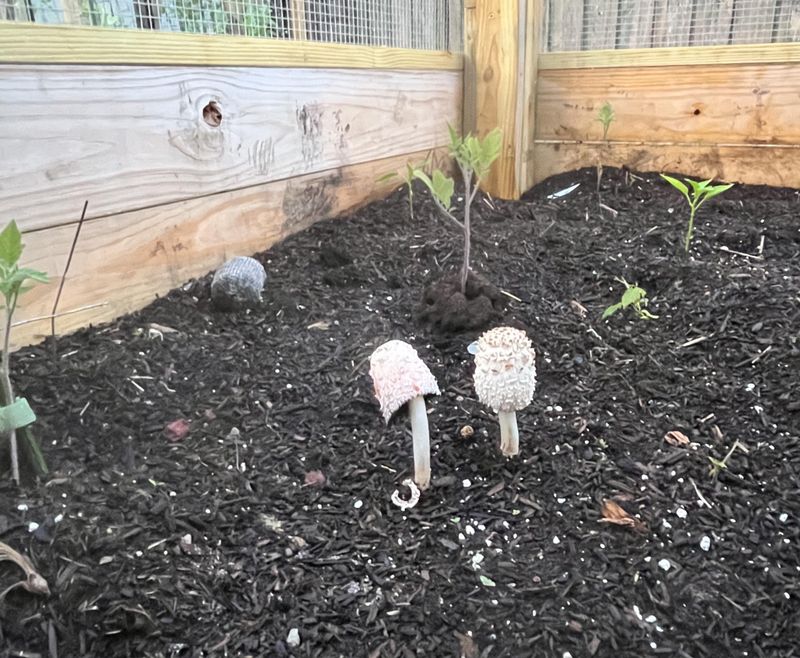
Most of the time, a few mushrooms in a garden bed are a positive sign.
Balance matters though, and an unusually heavy flush that keeps reappearing day after day in large clusters can point to a drainage issue worth investigating before it creates problems for plant roots.
Fungi thrive when soil drains well between wet periods. Soil that stays saturated for extended stretches creates the kind of consistently wet environment where fungi fruit repeatedly and aggressively.
In Oregon, where winters are long and wet, raised beds and in-ground beds alike can develop drainage problems that go unnoticed until something signals the issue.
Checking drainage is straightforward. Dig a small hole about a foot deep, fill it with water, and watch how quickly it empties. Well-draining soil should clear within an hour or two.
Slow drainage may mean compacted soil, clay layers, or a bed that needs amending with perlite, coarse sand, or additional organic matter to open up the texture and improve water movement.
Overwatering with irrigation systems is another common cause of persistently wet beds, especially in spring when Oregon rainfall is already substantial.
Scaling back irrigation during rainy periods makes a noticeable difference. Excess moisture does not just encourage fungi. It can also stress plant roots and invite other soil issues over time.
A moderate mushroom appearance is a healthy sign. An overwhelming one is your garden politely asking you to check the drainage situation before the next big rain rolls in.
8. Unknown Mushrooms Should Stay Off The Plate
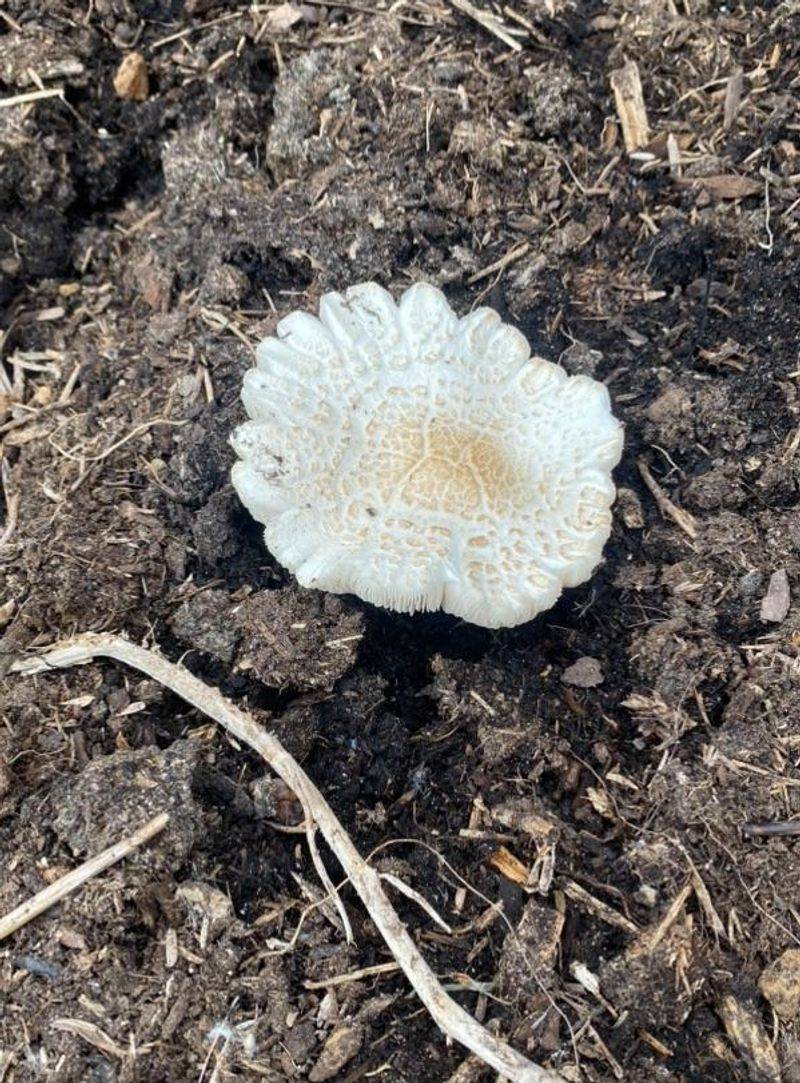
There is one area where garden mushrooms deserve serious caution.
No matter how tempting it might be to wonder if those backyard mushrooms are edible, the honest answer is simple. Unless you are a trained and experienced mycologist, garden mushrooms should never be eaten.
The Pacific Northwest is home to hundreds of mushroom species, and many of them look strikingly similar to each other. Some are harmless. Others are extremely toxic.
Visual identification alone is genuinely unreliable, even for experienced naturalists. Color, cap shape, and size are not enough on their own to make a safe call.
Spore prints, gill structure, and habitat context all factor into accurate identification, and getting it wrong has serious consequences.
Oregon Poison Control handles calls every year related to mushroom ingestion, and many involve people who were confident they had identified something correctly.
The safest approach is to appreciate garden mushrooms for what they do in the soil and leave eating to mushrooms purchased from a reputable grocery store or farmers market.
Children and pets are especially vulnerable around garden mushrooms since they are more likely to pick up and mouth unfamiliar things.
Teaching kids that garden mushrooms are not food, regardless of what they look like, is a straightforward and important safety habit.
Foraging for wild mushrooms is a legitimate skill, but it requires proper training, mentorship, and reference materials.
Your garden bed is a wonderful place to appreciate fungi at work. It is not the place to start experimenting with what is edible and what is not.