The Fast-Spreading Oregon Natives That Cover Bare Slopes Before Weeds Get There First
A bare slope in an Oregon yard is basically a weed welcome mat, and the weeds know it.
Winter rain loosens the soil, summer dryness stresses anything that tries to establish, and exposed ground fills in fast with exactly the plants you did not ask for.
It is one of those garden problems that feels genuinely discouraging because doing nothing makes it worse and planting the wrong thing makes it expensive.
Oregon natives are the smart play here, and not just for the ecological brownie points.
These plants evolved in local conditions, which means they handle wet winters, dry summers, and difficult banks far better than most conventional landscaping choices.
No plant covers a slope instantly or stops every weed on its own, but the right natives give you a strong natural head start that gets better every season.
1. Coastal Strawberry Covers Sunny Slopes Fast
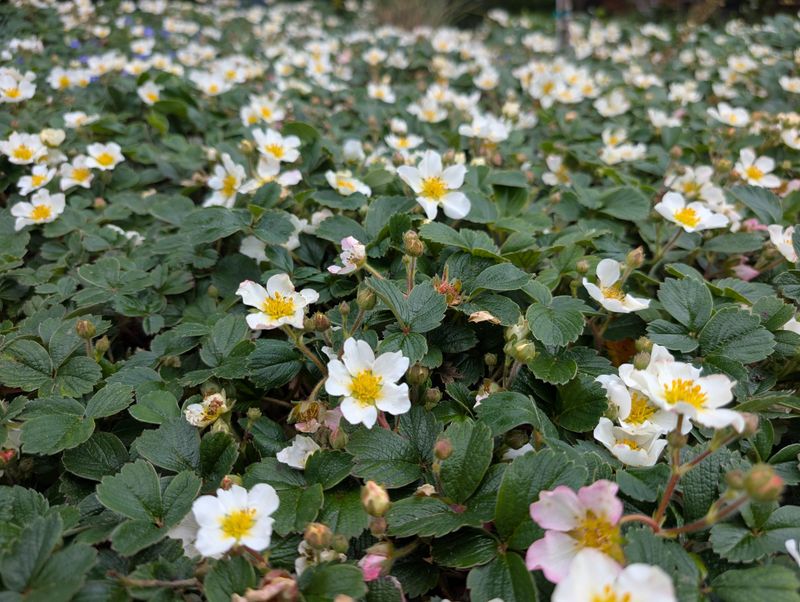
Exposed sunny banks along the Oregon coast and throughout the western valleys can be surprisingly hard to plant successfully, but coastal strawberry, known botanically as Fragaria chiloensis, handles those conditions well.
It is a low, spreading evergreen groundcover that stays green through most Oregon winters, which means it holds the soil and reduces bare ground even during the rainy season when weeds tend to germinate most aggressively.
Coastal strawberry spreads by short runners that root as they travel across the soil surface, gradually filling gaps between plants. In a sunny or partly sunny planting, established plants can knit together into a fairly dense mat over time.
It tends to do best in well-drained soil and tolerates the drier summer conditions that are typical west of the Cascades.
For homeowners working on a south-facing bank or a sunny side yard, this plant is worth considering as a low-maintenance option.
Spacing plants about 12 to 18 inches apart and mulching between them during the first season can help reduce early weed pressure while the runners get established.
Supplemental watering during the first dry summer gives new plants the best chance to spread steadily.
2. Wild Strawberry Spreads By Runners
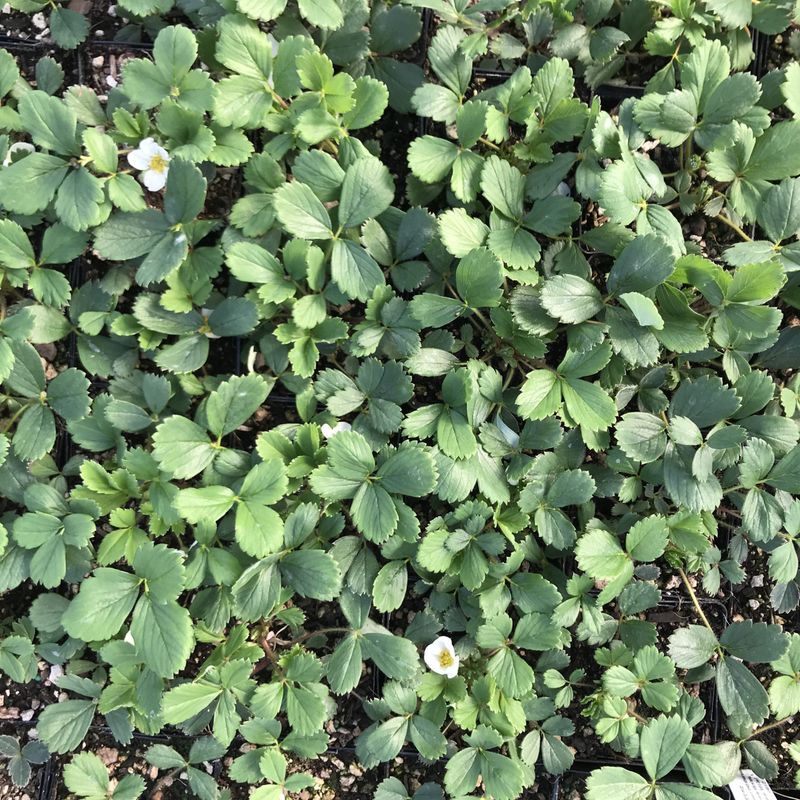
Walk along many Oregon roadsides in spring and you will likely spot wild strawberry, Fragaria vesca, threading its runners through the grass and low vegetation with quiet persistence.
It forms a low, somewhat open groundcover that spreads freely across disturbed slopes, woodland edges, and informal garden areas where other plants might struggle to get started.
Unlike coastal strawberry, wild strawberry is largely deciduous in colder parts of Oregon, meaning it may thin back during winter and offer less soil coverage during the rainy months.
That is worth considering when choosing between the two for erosion-prone banks, especially on steeper ground where bare winter soil can be a concern.
Still, wild strawberry earns its place on naturalistic slopes because of how readily it reproduces and spreads without much help from the gardener.
Once a few plants are established, the runners move outward steadily, and the plant tends to weave itself through existing vegetation rather than forming a solid mat.
Your Oregon Garden Changes Every Week. Your Plan Should Too.
Gardening in Oregon changes quickly throughout the season. Every Friday you’ll receive a simple weekly plan showing exactly what to plant, prune, fertilize, harvest, and protect so you never miss the right timing.
It works well combined with other native groundcovers to create a layered, low planting. Supplemental watering through the first summer helps runners establish before the dry season sets in fully.
3. Oregon Wood-Sorrel Takes Over Moist Shade
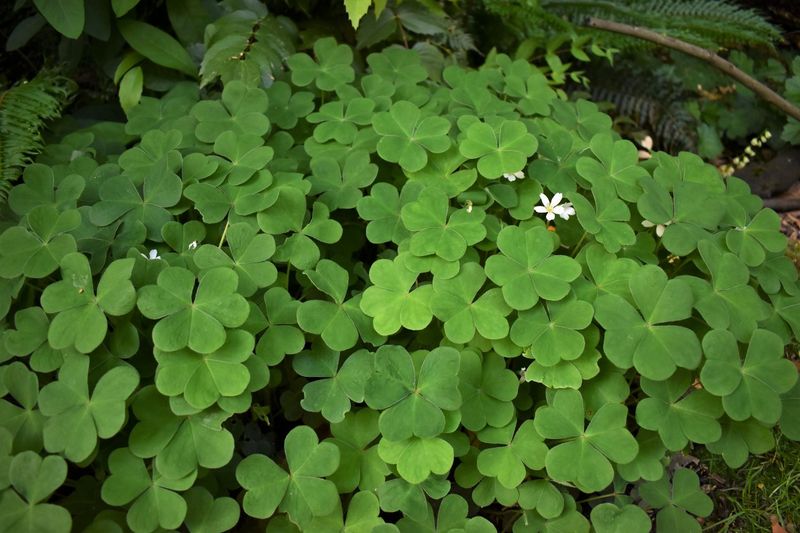
Few native plants move through moist shaded ground as efficiently as Oregon wood-sorrel, Oxalis oregana.
Once it finds a site it likes, which usually means cool, damp, organically rich soil under a dense canopy, it can spread into a thick, low carpet that leaves very little open ground for weeds to colonize.
The heart-shaped leaves are distinctive and attractive, giving shaded slopes a lush, forest-floor look that feels right at home in Oregon’s coastal and western Cascades landscapes.
The plant spreads by underground rhizomes rather than surface runners, so it moves steadily through the soil and tends to fill in evenly over time.
It can spread quite broadly, so it works best in spots where that kind of expansion is genuinely welcome.
Using Oregon wood-sorrel along a shaded bank beside a woodland garden, under a large native tree, or on the north-facing side of a structure can be a practical choice.
It is not suited to dry or sunny conditions and tends to struggle where the soil dries out in summer.
In the right moist, shaded site, though, it forms one of the most effective low-maintenance groundcovers available from the native plant palette, suppressing weeds through dense leaf coverage alone.
4. Salal Forms Thick Evergreen Colonies
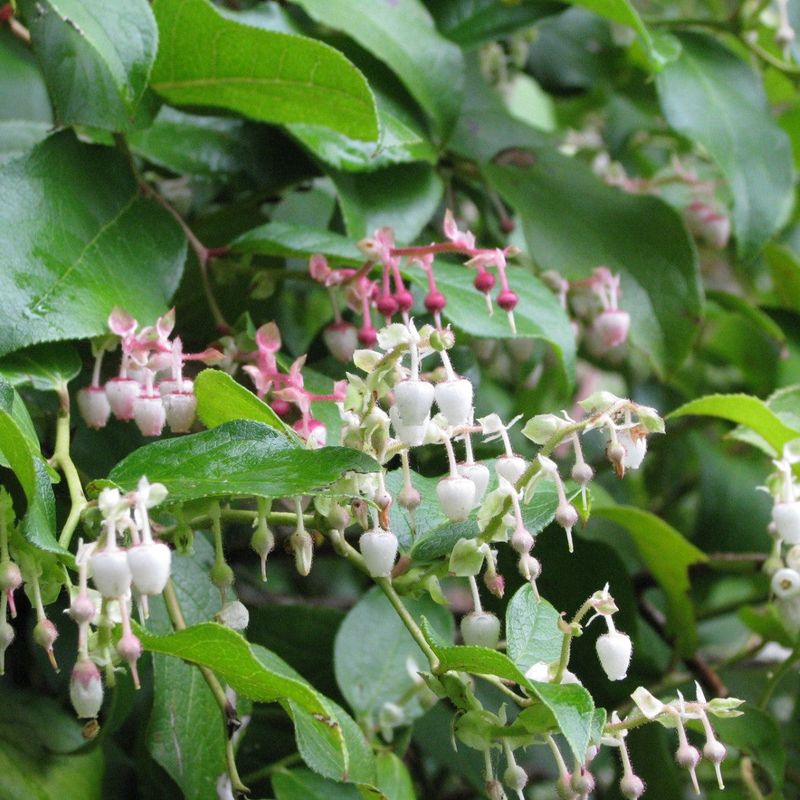
Anyone who has walked through western Oregon’s coastal forests has almost certainly pushed through a stand of salal, Gaultheria shallon.
This native evergreen shrub is one of the most dominant understory plants in the region, and for good reason: it forms thick, spreading colonies that cover ground with a dense layer of glossy leaves from the forest floor upward.
Salal is not a low groundcover mat. It grows anywhere from knee-height to well above waist-height depending on conditions, making it more of a high groundcover or shrub layer than a flat creeping plant.
It spreads underground through rhizomes and can gradually expand a planting over several years, filling in a bank or woodland-edge slope with dense evergreen growth that holds soil and shades out competing vegetation.
It handles dry shade better than many other native plants, which makes it especially useful beneath established Oregon conifers where summer moisture is limited.
Salal is a strong choice for larger banks, north-facing slopes, and woodland-style gardens where a taller, textured groundcover is more appropriate than a flat mat.
Planting in fall and mulching well gives new starts the best chance to establish before Oregon’s dry summer arrives. Patience during the first year or two pays off as the colony begins to fill in.
5. Kinnikinnick Creeps Across Dry Sunny Banks
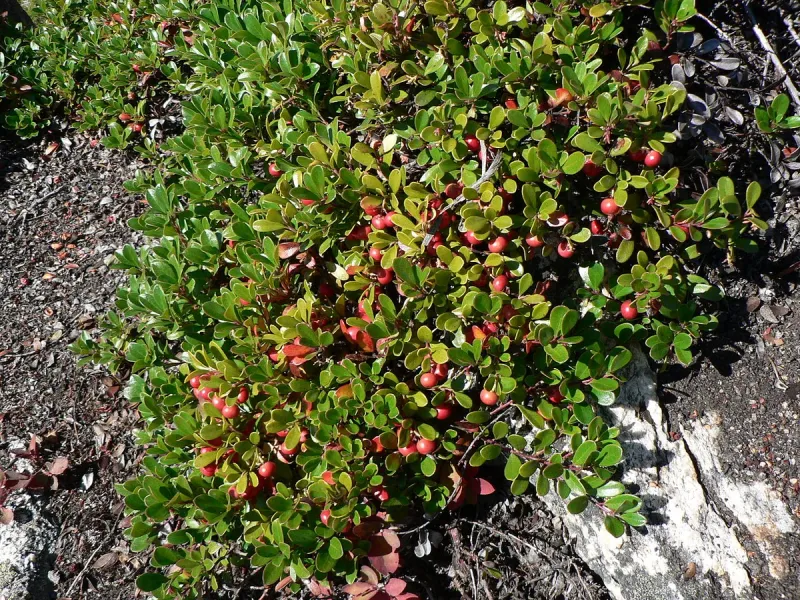
Dry, south-facing banks in Oregon can be some of the hardest spots to plant, especially where summer heat bakes the soil and winter rains cause erosion on any ground left bare.
Kinnikinnick, Arctostaphylos uva-ursi, is one of the few truly low evergreen groundcovers that handles those conditions with real staying power.
It creeps along the ground with a flat, trailing habit, rooting as it goes and building a mat of small, glossy leaves that stays attractive through all four seasons. Red berries in fall and early winter add seasonal interest and provide food for birds.
The plant is well adapted to well-drained, often sandy or rocky soils and tolerates the dry Oregon summers that challenge so many other groundcovers.
Compared with some of the faster-spreading natives on this list, kinnikinnick is relatively slow to establish and spread. That means close spacing at planting time, around 18 to 24 inches apart, and careful attention to early weed control are especially important.
Mulching between plants during the first season or two helps reduce open soil while the mat slowly fills in.
Once established, kinnikinnick is tough and long-lived, making the patience required during early establishment well worth the effort on the right dry, sunny Oregon bank.
6. Inside-Out Flower Covers Woodland Slopes
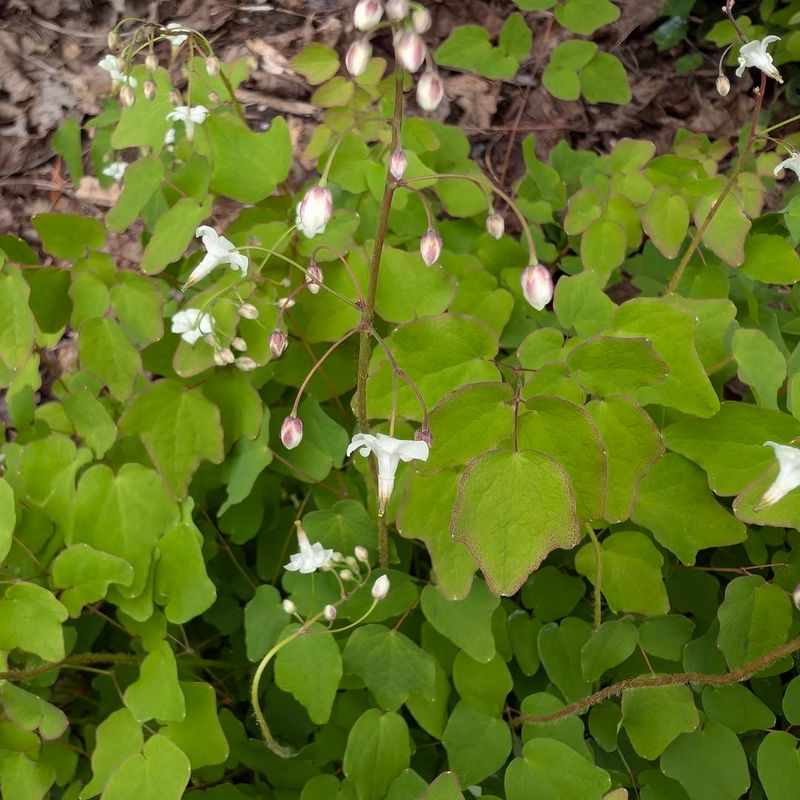
There is something quietly charming about inside-out flower, Vancouveria hexandra, pushing up through the leaf litter on a cool Oregon woodland slope.
The common name comes from the reflexed petals that give the small white flowers an inside-out appearance, and the delicate, compound leaves create a soft, airy texture at ground level that blends naturally into shaded native plantings.
Inside-out flower spreads underground through rhizomes, gradually colonizing cool, shaded, organically rich soil. It moves steadily rather than rapidly, so calling it a fast spreader would be an overstatement.
On a moist, shaded slope with good organic matter in the soil, though, it builds a reliable groundcover layer over time that fills in steadily without requiring much attention from the gardener.
It fits best in woodland-edge plantings, shaded banks, and the understory beneath Oregon’s native conifers or big-leaf maples.
Pairing it with other shade-tolerant natives like salal or Oregon wood-sorrel creates a layered planting that covers more of the slope and provides different textures and heights.
Planting in fall or early spring and keeping the soil evenly moist during the first growing season helps rhizomes establish and begin spreading.
Once settled in, inside-out flower tends to take care of itself with minimal intervention in the right Oregon woodland setting.
7. Pacific Bleeding Heart Spreads In Moist Shade
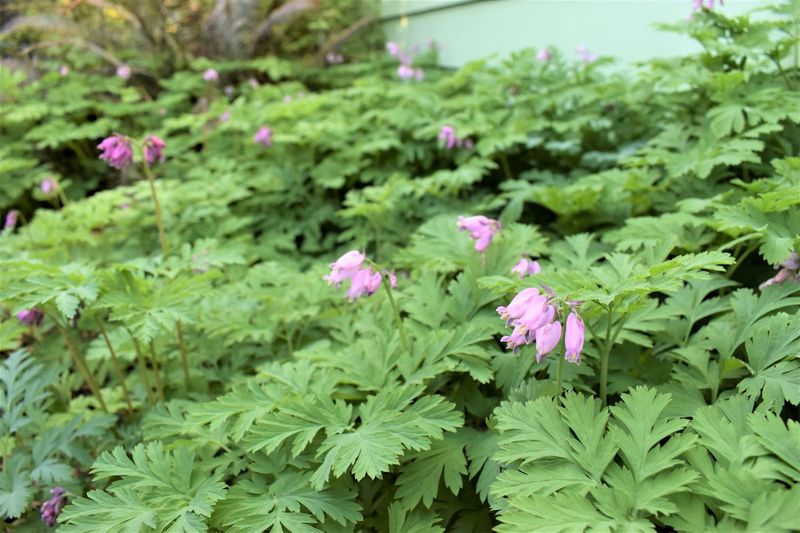
Moist, shaded slopes in Oregon often look their best in spring, when Pacific bleeding heart, Dicentra formosa, sends up arching stems of rosy-pink, heart-shaped flowers above soft blue-green ferny foliage.
It is one of the most recognizable native perennials in the Pacific Northwest and brings real visual appeal to naturalized plantings on difficult shaded banks.
Pacific bleeding heart spreads by both rhizomes and self-seeding, which allows it to colonize a moist shaded area gradually over time.
It can build a fairly dense stand in the right conditions, helping to reduce open soil on slopes that might otherwise attract weeds.
Seasonal behavior is worth keeping in mind: the foliage may thin back or go dormant during dry Oregon summers, leaving gaps in coverage until fall moisture returns.
Pairing Pacific bleeding heart with evergreen shade groundcovers like salal or Oregon wood-sorrel helps maintain coverage during those summer dry periods.
It suits naturalized slope plantings, woodland gardens, shaded side yards, and the moist edges of Oregon stream corridors.
Planting in fall or early spring and providing supplemental water during the first dry season gives rhizomes the best chance to spread and establish. Over several seasons, a well-placed stand can fill a shaded bank with lush seasonal growth.
8. Douglas Aster Fills Naturalistic Slopes
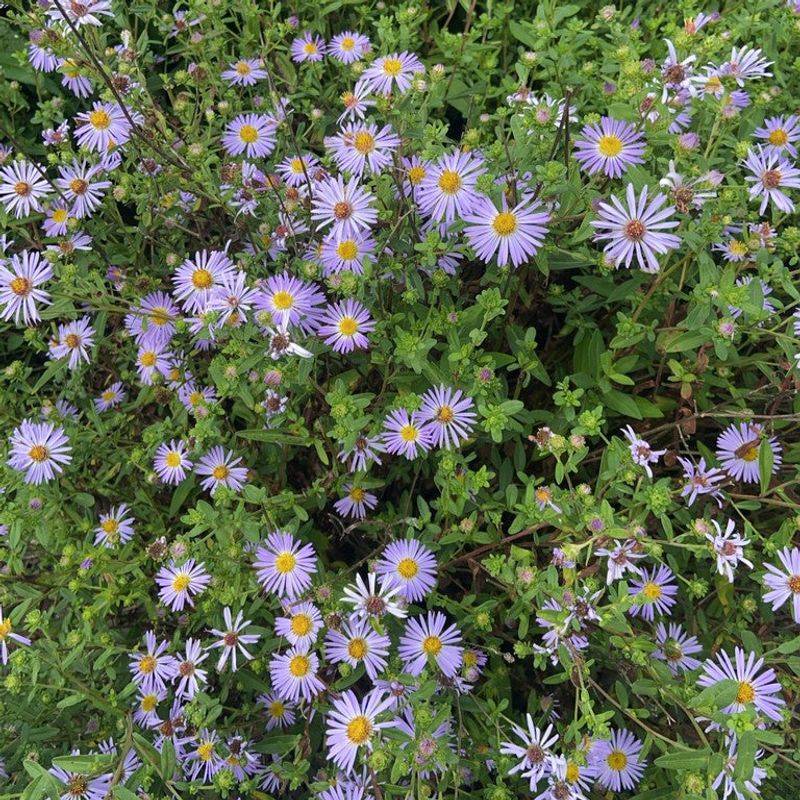
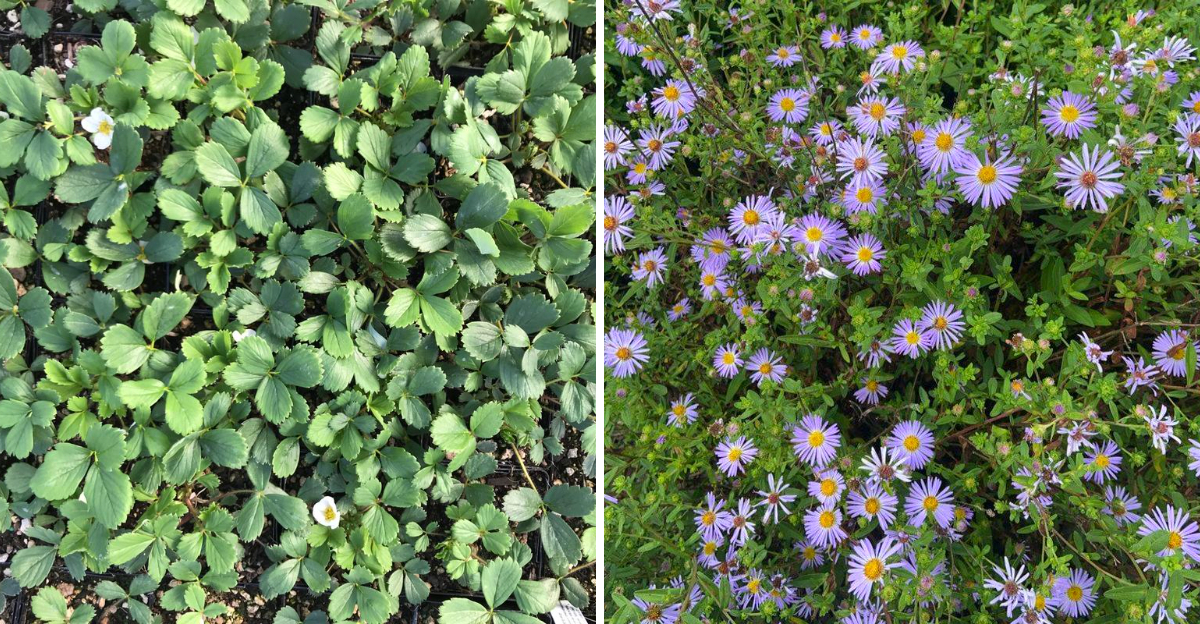
Late summer and fall in Oregon can leave many slopes looking tired and dry, but Douglas aster, Symphyotrichum subspicatum, saves its show for exactly that time of year.
Clusters of small purple, daisy-like flowers open from late summer into fall, brightening naturalistic slopes and sunny banks when most other plants have finished blooming.
Douglas aster is a taller spreading native perennial, not a low groundcover mat. It can reach two to four feet in height depending on site conditions, and it spreads through both rhizomes and self-seeding to gradually colonize sunny or partly sunny slopes.
That growth habit makes it better suited to naturalistic plantings, larger banks, and informal native borders than to tidy, low-growing groundcover situations.
On an Oregon slope where a more open, meadow-like feel is the goal, Douglas aster fits in naturally alongside other native perennials and grasses.
It handles the dry summer conditions typical west of the Cascades reasonably well once established, though supplemental water during the first summer helps new plants get rooted.
Cutting plants back in late fall or early spring keeps the planting tidy and encourages fresh growth. For homeowners looking to add pollinator habitat and seasonal color to a difficult slope, Douglas aster is a reliable and rewarding choice.
9. Common Snowberry Builds A Loose Thicket
Larger banks and steep slopes in Oregon sometimes need more than a low groundcover mat.
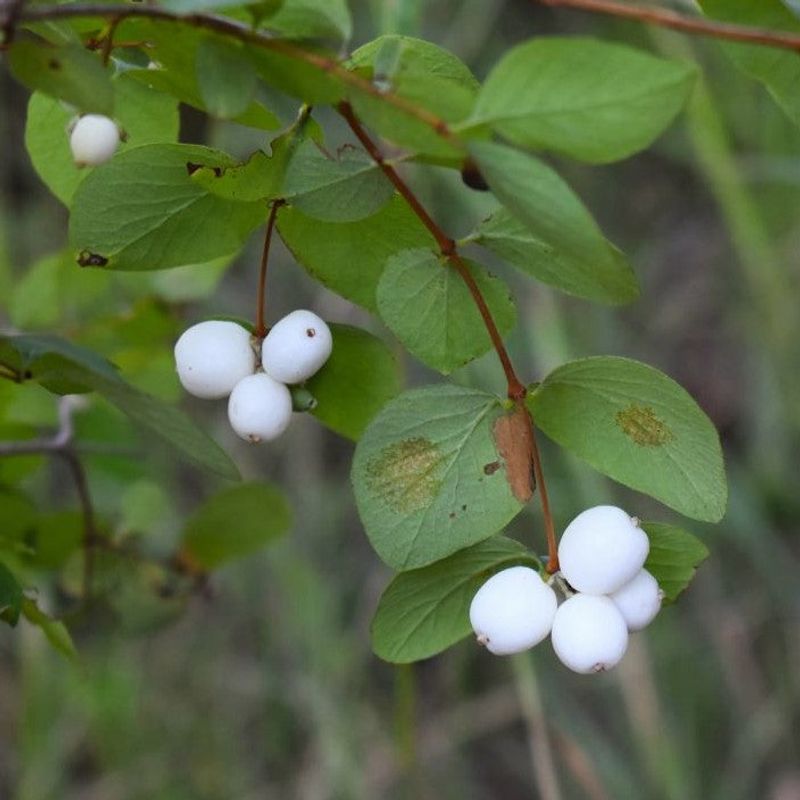
Common snowberry, Symphoricarpos albus, is a native shrub that spreads underground through suckers and rhizomes to build a loose, informal thicket that can cover significant ground over time.
Clusters of plump white berries in fall and winter make it easy to identify and give it a distinctive seasonal appeal.
Choosing snowberry for a slope changes the character of the planting from a low groundcover layer to a shrub layer.
Plants typically grow two to six feet tall, forming an open, arching mass of stems that shades the ground beneath and reduces the bare soil that weeds need to get started.
It tolerates a fairly wide range of conditions, including sun, part shade, dry soil, and moist soil, which makes it adaptable across many Oregon landscapes.
Snowberry works well on larger banks where height and spread are welcome, along property edges, and in informal native plantings where a naturalistic look is the goal.
It is not a plant for small, tidy spaces, but for a challenging Oregon slope that needs significant coverage, it can be a practical and low-maintenance solution.
Planting in fall and mulching around new starts helps establish the root system before the first dry Oregon summer.