Compact Conifer Varieties In Oregon That Attract Birds With Food And Shelter
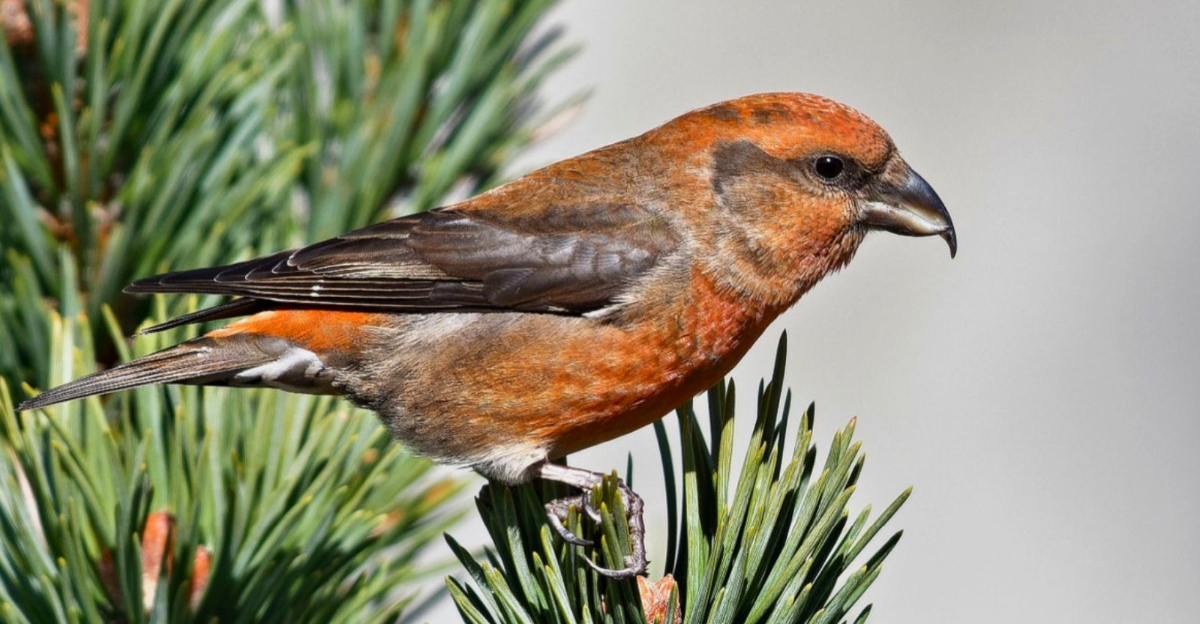
In Oregon, birds seem to appreciate a garden that does a little more than look good. A compact conifer can bring year-round structure to the yard while also giving visiting birds a place to tuck in, rest, and ride out rough weather.
Not a bad deal for one plant. Oregon’s mix of wet western gardens, colder inland spaces, and everything in between also makes conifers an easy fit for all kinds of landscapes, especially when you do not have room for a giant tree.
That is where compact varieties really shine. They add evergreen texture, hold their shape nicely, and offer that cozy, sheltered look birds seem to love.
Some even bring a little food to the picture, which makes them even more useful.
For Oregon gardeners hoping to make a space feel fuller, greener, and more welcoming to wildlife, these small conifers can quietly do a lot of heavy lifting.
1. Dwarf Alberta Spruce Adds Dense Shelter
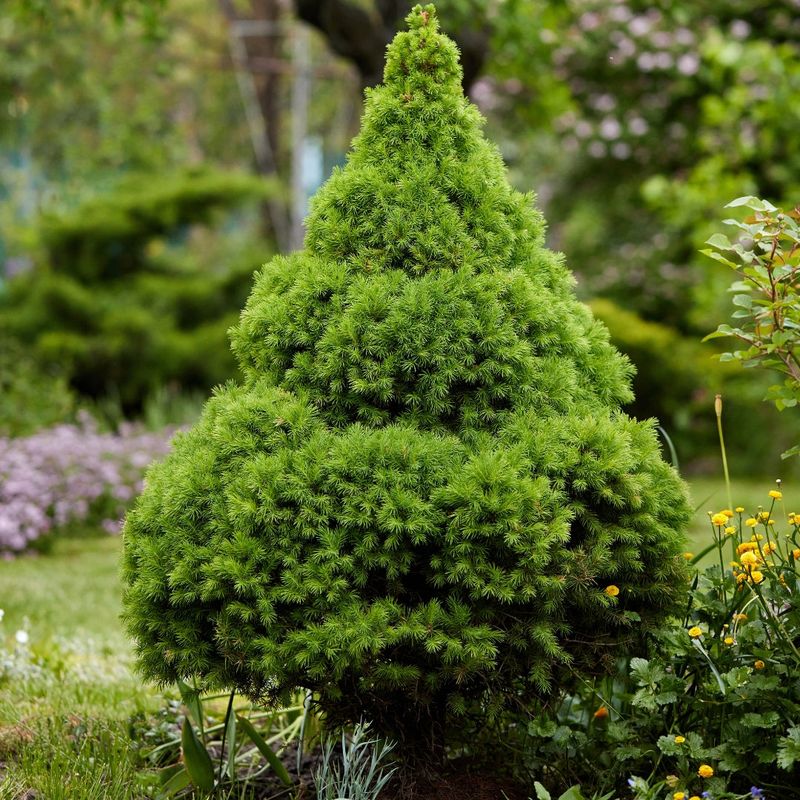
Few compact conifers create the kind of tight, layered shelter that birds actually seek out during cold Oregon winters quite like the Dwarf Alberta Spruce.
This slow-growing cultivar of white spruce forms a dense, cone-shaped mound of soft green needles that stays tidy without much pruning, making it an easy fit for foundation plantings, mixed borders, and small garden corners throughout Oregon.
Its neat shape also gives the garden a steady evergreen presence when everything else looks a little bare and sleepy.
Birds are drawn to its thick branching structure, which offers reliable cover from rain, wind, and predators.
Smaller songbirds such as chickadees and kinglets may use the dense interior for roosting on cold nights, tucking into the layered branches where the air stays a few degrees warmer than the open garden.
The shelter value here is largely about structure rather than food, so pairing this spruce with nearby berry-producing shrubs can round out its wildlife appeal.
In Oregon’s mild west-side climate, Dwarf Alberta Spruce tends to perform well in full sun to partial shade, though it can show some browning on the south-facing side if exposed to intense afternoon heat.
Gardeners in warmer, drier parts of Oregon may want to give it some afternoon shade and consistent moisture, especially during the first few summers.
Mature plants typically reach around six to eight feet tall over many years, so there is no need to worry about it quickly outgrowing a smaller space.
It is a reliable, low-maintenance choice for adding evergreen structure and bird-friendly cover to Oregon home landscapes.
2. Dwarf Western Red Cedar Offers Year-Round Cover
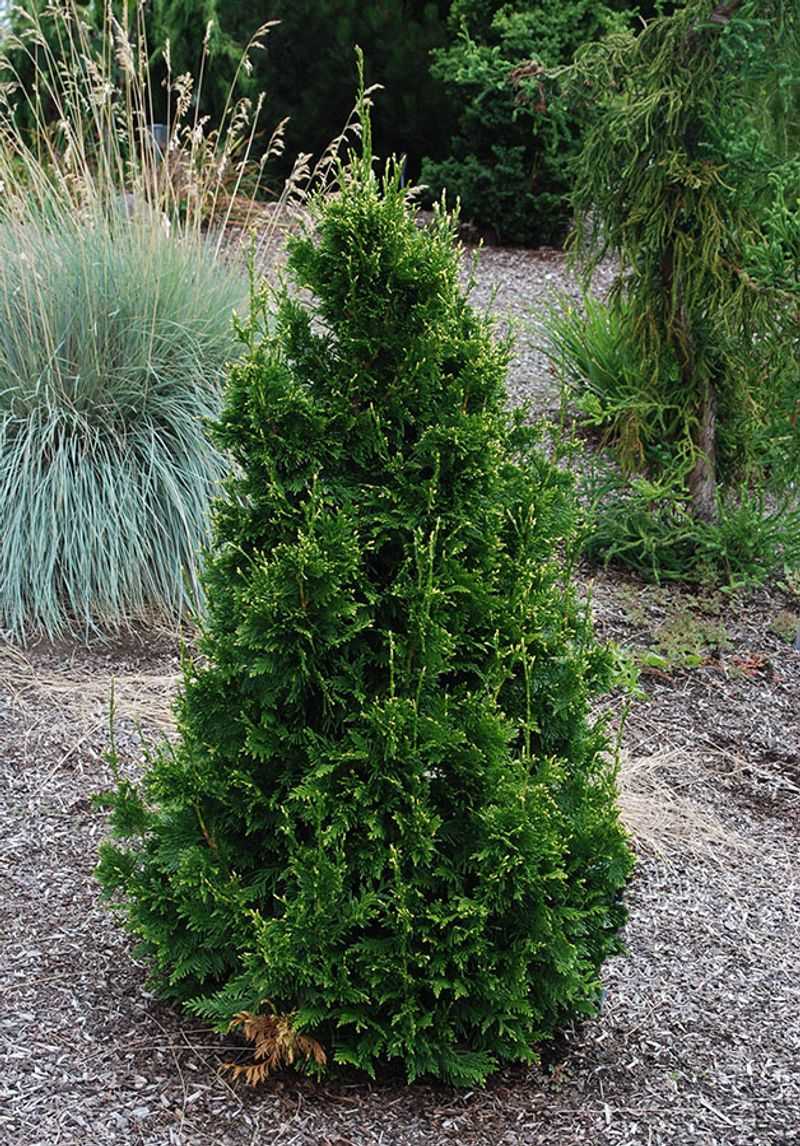
Walk through almost any forested corner of western Oregon and you will likely find Western Red Cedar growing nearby, its flat sprays of scale-like foliage catching the rain and providing cover for all kinds of wildlife.
The dwarf forms of this native tree bring that same ecological value into home gardens at a much more manageable scale, typically staying under ten feet tall depending on the cultivar and growing conditions.
Your Oregon Garden Changes Every Week. Your Plan Should Too.
Gardening in Oregon changes quickly throughout the season. Every Friday you’ll receive a simple weekly plan showing exactly what to plant, prune, fertilize, harvest, and protect so you never miss the right timing.
That smaller size makes it much easier to tuck into side yards, mixed borders, and other spots where a full-sized cedar would be far too much tree.
Because Western Red Cedar is native to Oregon and the broader Pacific Northwest, birds are already well acquainted with it.
The dense, overlapping foliage of compact cultivars creates excellent year-round shelter, and the fibrous bark of even young plants can provide nesting material for cavity nesters and small songbirds.
During the breeding season, the layered interior of a well-established dwarf cedar can offer enough cover to support nesting activity in a backyard setting.
Dwarf Western Red Cedar cultivars tend to prefer moist, well-drained soil and do especially well in the wetter, cooler regions of western Oregon where humidity levels stay relatively high.
They can handle partial shade, which makes them a practical choice for the shadier corners of a garden where other conifers might struggle.
Gardeners in drier parts of Oregon should plan for supplemental irrigation during dry summers, as this species naturally grows along streams and in moist lowland areas.
Choosing a native plant like this one also supports the broader web of local insects and wildlife that Oregon birds depend on throughout the year.
3. Dwarf Noble Fir Brings Soft Color And Shelter
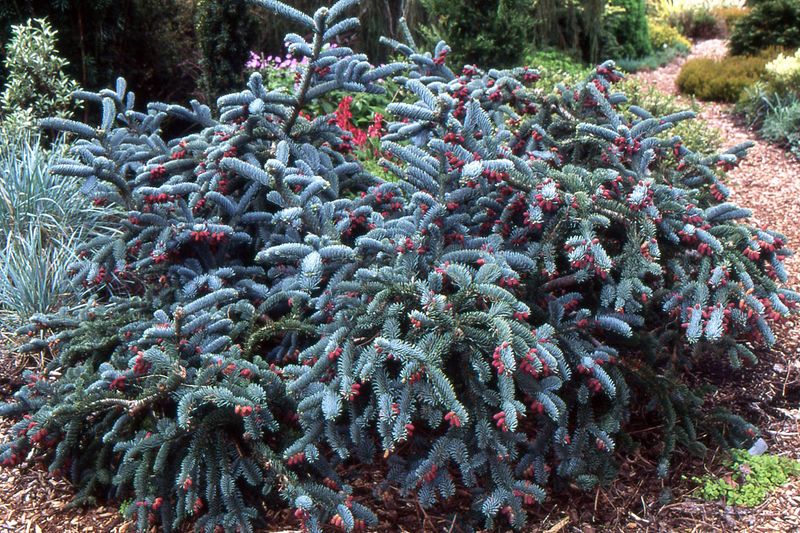
There is something quietly striking about the blue-green foliage of a Dwarf Noble Fir sitting in a mixed border on a grey Oregon morning.
Noble Fir is native to the higher elevations of Oregon’s Cascade Range, and the dwarf cultivars bring that cool, silvery color down into home gardens without the towering height of the full-sized species, which can reach well over a hundred feet in the wild.
For birds, the appeal of a compact Noble Fir comes from its layered, horizontal branching and relatively dense canopy, which can offer useful roosting and shelter spots.
The stiff, upswept needles create a textured interior that smaller birds may use for cover during wet or windy weather, which is a common enough situation across much of Oregon from late fall through early spring.
While Noble Fir does not produce the small, berry-like cones that juniper or cedar offer as a food source, the shelter it provides still adds meaningful habitat value to a wildlife-friendly garden.
Dwarf Noble Fir cultivars tend to grow slowly and stay compact for many years, making them a practical option for gardeners who want evergreen structure without frequent maintenance.
They generally prefer well-drained soil and cooler conditions, which suits many parts of Oregon, particularly at higher elevations or in areas with cool, wet winters.
In warmer, lower-elevation Oregon gardens, providing some afternoon shade and good drainage can help these plants settle in comfortably. Their soft color and tidy form also pair well with native perennials and flowering shrubs in mixed plantings.
4. Dwarf Shore Pine Adds Native Evergreen Cover
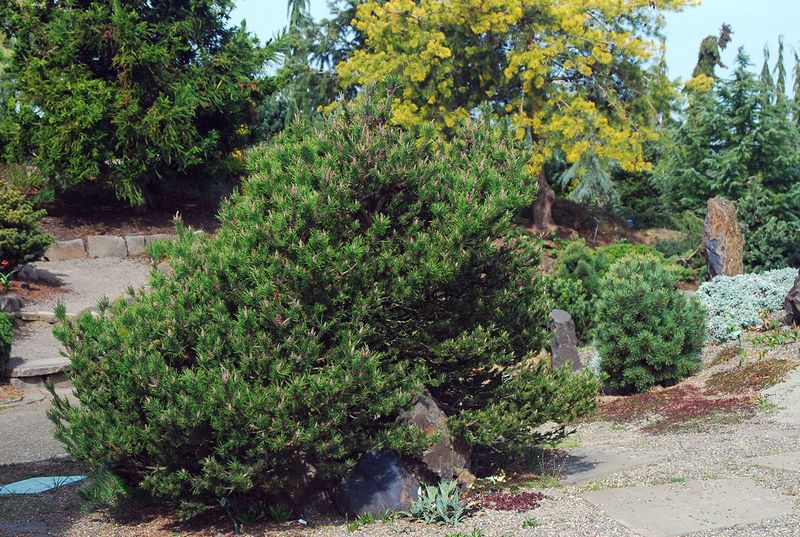
Shore Pine has a rugged, windswept character that feels right at home along the Oregon coast, where it naturally grows in bogs, dunes, and exposed headlands.
The compact and dwarf cultivars of this native Oregon pine carry that same tough, adaptable spirit into home gardens, offering evergreen cover in spots where conditions can be challenging for more delicate plants.
Birds find value in Shore Pine for several reasons.
The dense, somewhat irregular branching of dwarf forms creates useful roosting spots and wind shelter, and pine cones, even small ones, can attract seed-eating birds such as finches and crossbills that forage through conifer canopies.
The textured, somewhat open structure of Shore Pine also suits birds that prefer a bit more visibility around their perch, which can appeal to different species than the very dense shelter provided by spruce or cedar.
One of the practical strengths of Dwarf Shore Pine for Oregon gardeners is its tolerance for wet, poorly drained soils, a common challenge in many western Oregon yards during the rainy season.
It also handles coastal conditions well, including salt-laden air and wind, making it a solid choice for Oregon gardeners near the coast who want native evergreen structure without a lot of fuss.
Inland gardeners can also grow it successfully with reasonable moisture. Mature size varies by cultivar, but many dwarf selections stay in the four-to-eight-foot range over time.
Pairing it with other native plants can strengthen the overall habitat value for Oregon birds visiting the garden throughout the year.
5. Common Juniper Provides Food And Shelter
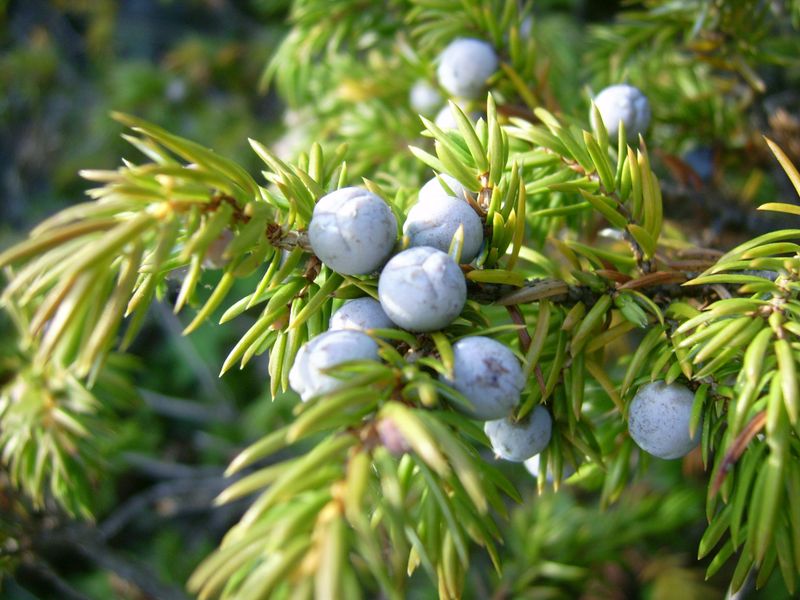
When it comes to compact conifers that genuinely deliver both food and shelter for birds, Common Juniper stands out from the rest.
Unlike most conifers, juniper produces small, fleshy, berry-like cones that ripen to a blue-grey color and persist on the plant through fall and winter, offering a valuable food source during the months when Oregon gardens can feel pretty bare.
Birds such as American Robins, Cedar Waxwings, Townsend’s Solitaires, and several species of thrush are known to feed on juniper berries, making a well-placed juniper shrub a genuine draw for wildlife in Oregon yards.
The dense, prickly foliage also provides excellent shelter and nesting cover, as the sharp needles help deter predators from reaching birds roosting or nesting inside.
That combination of food and protective structure is relatively rare in a single compact plant.
Common Juniper is also one of the most adaptable native conifers in Oregon, tolerating dry, rocky, or poor soils where other plants may struggle.
It tends to do well in full sun and handles Oregon’s dry summers without a lot of supplemental watering once established, which makes it a low-maintenance option for wildlife-friendly gardens.
Low-growing cultivars typically spread two to four feet tall and can spread several feet wide, making them a good fit for slopes, rocky areas, or the sunny edges of a mixed border.
For Oregon gardeners who want a compact conifer that actively feeds birds rather than just sheltering them, Common Juniper is a very worthwhile choice to consider.