Why Maryland Gardeners Are Turning Empty Beds Into Cover Crop Opportunities This Season
Bare soil is a missed opportunity, and Maryland gardeners are starting to figure that out. While most people pull their last tomatoes and call it a season, a growing number of growers across the state are doing something different with their empty beds.
It starts with a handful of seeds and a little prep work. What happens underground over the next few months is where the real story unfolds.
Cover crops quietly get to work when everything else goes dormant, rebuilding soil structure, crowding out weeds, and loading up nutrients that your spring plants will devour. The barrier to entry is low, but the payoff is anything but.
Just smart use of space that would otherwise sit cold and bare until March. If your beds are empty right now, you might be leaving some of the easiest gardening wins of the year on the table.
Cover Crops Give Empty Beds A Purpose Between Growing Seasons
Empty garden beds are not just wasted space. They are missed opportunities quietly waiting for a smarter plan.
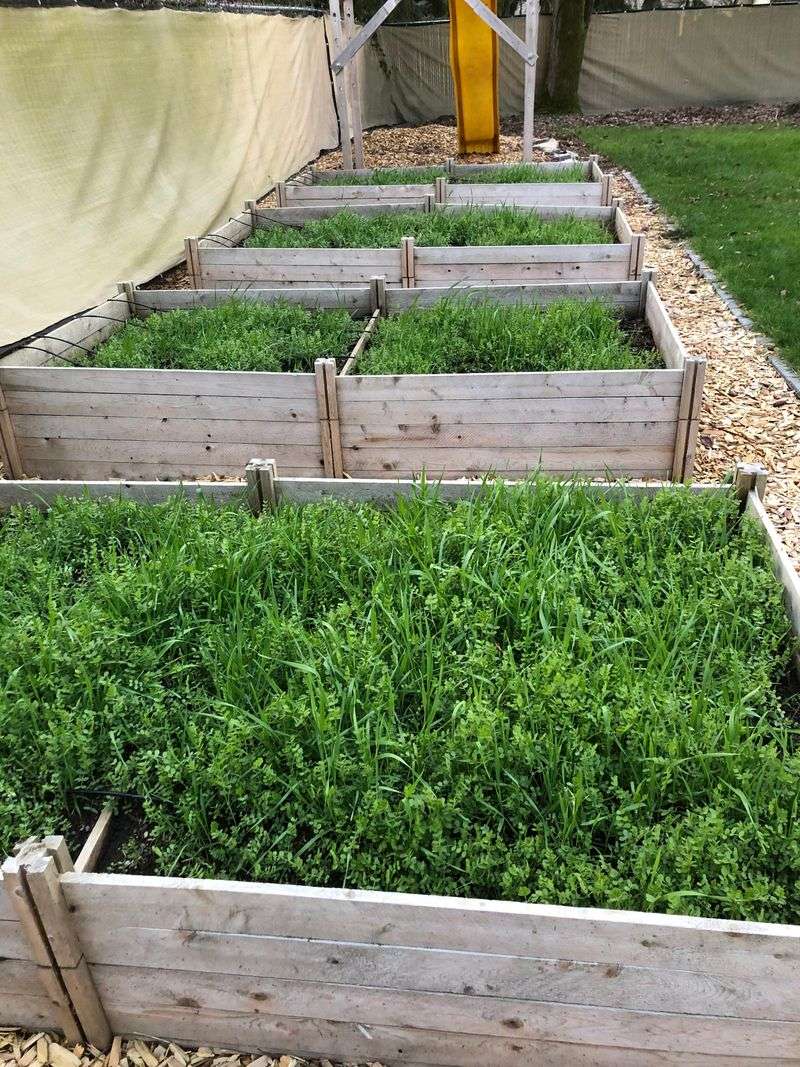
Cover crops give those bare patches a job to do all winter long. Instead of sitting exposed to wind, rain, and freezing temperatures, your soil gets protected by a living green blanket.
Maryland gardeners who have discovered this trick are not looking back. The difference between a covered bed and a bare one is visible the moment spring arrives.
Bare soil loses nutrients fast when rain pounds it all season. Covered soil holds its structure, stays loose, and welcomes roots with open arms come planting time.
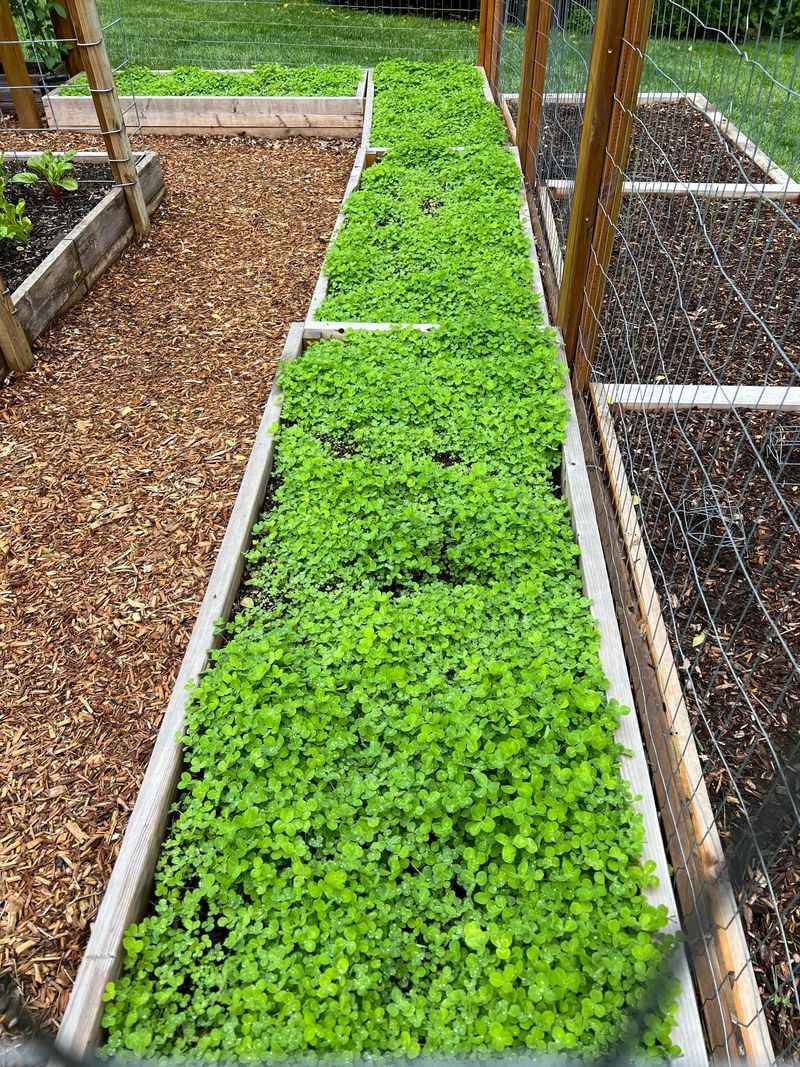
Beyond just protection, cover crops actively improve what is already there. Legumes like clover pull nitrogen from the air and store it right in the ground for your future tomatoes and peppers to feast on.
Grasses like rye create dense root systems that break up compacted layers deep below the surface. You get aeration without ever picking up a tiller.
Think of cover crops as a full-time crew working the off-season shift in your garden. They show up, do the hard work, and leave the soil better than they found it.
For Maryland gardeners juggling busy lives, this low-effort strategy pays off in big ways. Your beds stay productive even when you are not actively planting, and that momentum sets your beds up for a stronger spring season.
The Best Cover Crops For Maryland’s Climate And Soil
Not every cover crop thrives in every region. Maryland sits in a sweet spot that opens up a solid range of excellent options.
Winter rye is the go-to choice for most backyard gardeners here. It sprouts fast, handles frost like a champ, and builds deep roots that loosen heavy clay soil beautifully.
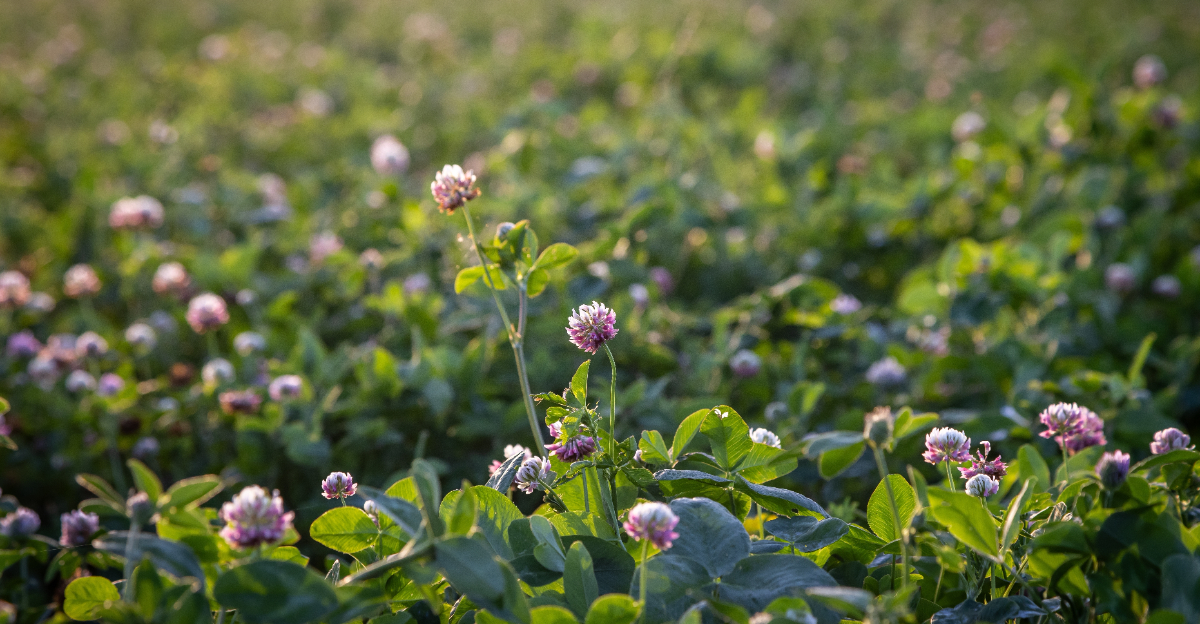
Crimson clover is another fan favorite across the mid-Atlantic region. Its bright red blooms attract pollinators early in spring, and it pumps nitrogen back into the ground as it grows.
Hairy vetch is tougher than it sounds and incredibly productive. Paired with winter rye, it creates a powerful duo that suppresses weeds and builds organic matter at the same time.
Your Maryland Garden Changes Every Week. Your Plan Should Too.
Gardening in Maryland changes quickly throughout the season. Every Friday you’ll receive a simple weekly plan showing exactly what to plant, prune, fertilize, harvest, and protect so you never miss the right timing.
Tillage radishes, sometimes called daikon radishes, punch deep holes into compacted earth. Those holes remain open after the roots decompose, creating natural channels for water and roots to follow come spring.
Buckwheat works beautifully as a warm-season option if you have a late summer gap in your planting schedule. It grows fast, smothers weeds, and breaks down quickly when turned under.
Oats are a gentler choice that do not survive Maryland winters, saving you the step of terminating them yourself. They leave behind a soft, easy-to-work mulch layer come spring.
Matching the right plant to your specific soil type and timing window makes all the difference. A little research up front turns a good cover crop season into a genuinely great one for your garden beds.
When To Plant Cover Crops In Maryland For The Best Results
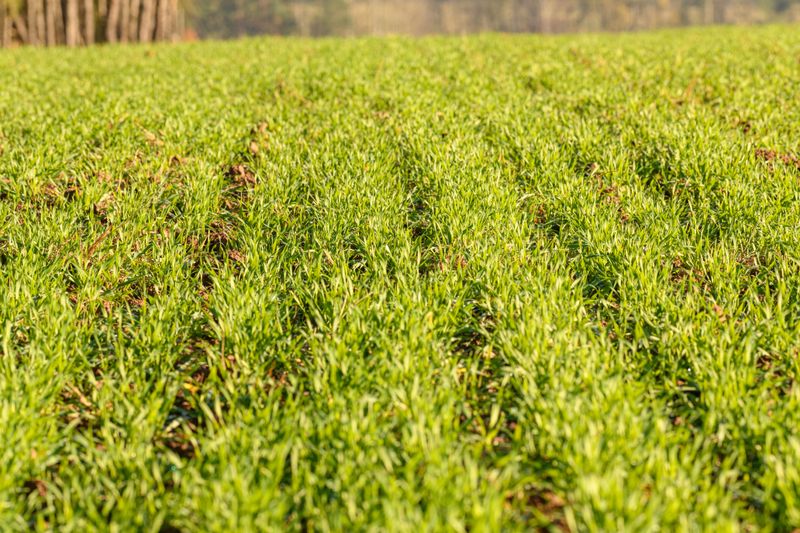
Timing is everything when it comes to cover crops. Plant too late and seeds struggle to establish before the ground freezes solid.
For most of Maryland, the sweet spot for fall planting runs from late August through mid-October. That window gives cool-season crops enough warm days to germinate and put down strong roots.
Winter rye is the most forgiving of the bunch. It can be seeded as late as early November in central and southern parts of the state and still establish before hard frost arrives.
Crimson clover and hairy vetch need a longer runway. Aim for late August or September to give legumes enough time to fix meaningful amounts of nitrogen before growth slows.
Gardeners in western Maryland near the mountains should plant a few weeks earlier than those closer to the Chesapeake Bay. Elevation and cold air drainage make a real difference in how quickly soil temperatures drop.
If you missed the fall window, do not panic. Some cover crops like oats can be broadcast in late winter and will germinate once soil temperatures climb above 38 degrees Fahrenheit.
Warm-season gaps in summer planting schedules are another great opportunity. Buckwheat can be seeded after a spring crop finishes and will cover bare soil for six to eight productive weeks.
Keeping a simple garden calendar with your last harvest dates helps you spot these windows before they slip by. Preparedness turns empty beds into thriving ones faster than anything else.
How To Prepare Empty Beds Before Sowing Cover Crops

A little prep work before seeding goes a long way. You do not need to overhaul the entire bed, but a few simple steps set cover crops up for success.
Start by clearing out old plant debris and spent crops from the previous season. Leftover stems and roots can harbor disease and pests that may carry over into the following season.
Once the bed is cleared, give the surface a light rake to break up any crust that has formed on top. Seeds need soil contact to germinate, and a smooth, loose surface makes that happen faster.
If your soil is heavily compacted, a broadfork can loosen the top few inches without disrupting the deeper soil structure. This step is especially helpful in clay-heavy Maryland soils that tend to seal up tight after summer rains.
Adding a thin layer of compost before seeding gives cover crops a nutrient boost right from the start. About half an inch worked into the surface is a good starting point for most Maryland beds.
Broadcast your seeds evenly across the prepared surface, aiming for good coverage without clumping. A light rake-over after seeding helps press seeds into contact with the soil, improving germination rates significantly.
Water the bed gently after seeding to activate germination. Consistent moisture for the first week or two plays a key role in getting a strong, even stand established across your beds.
Prepared beds reward you with faster germination and thicker coverage. That thick stand is exactly what keeps weeds from sneaking in all season long.
What Happens To Your Soil While Cover Crops Are Growing
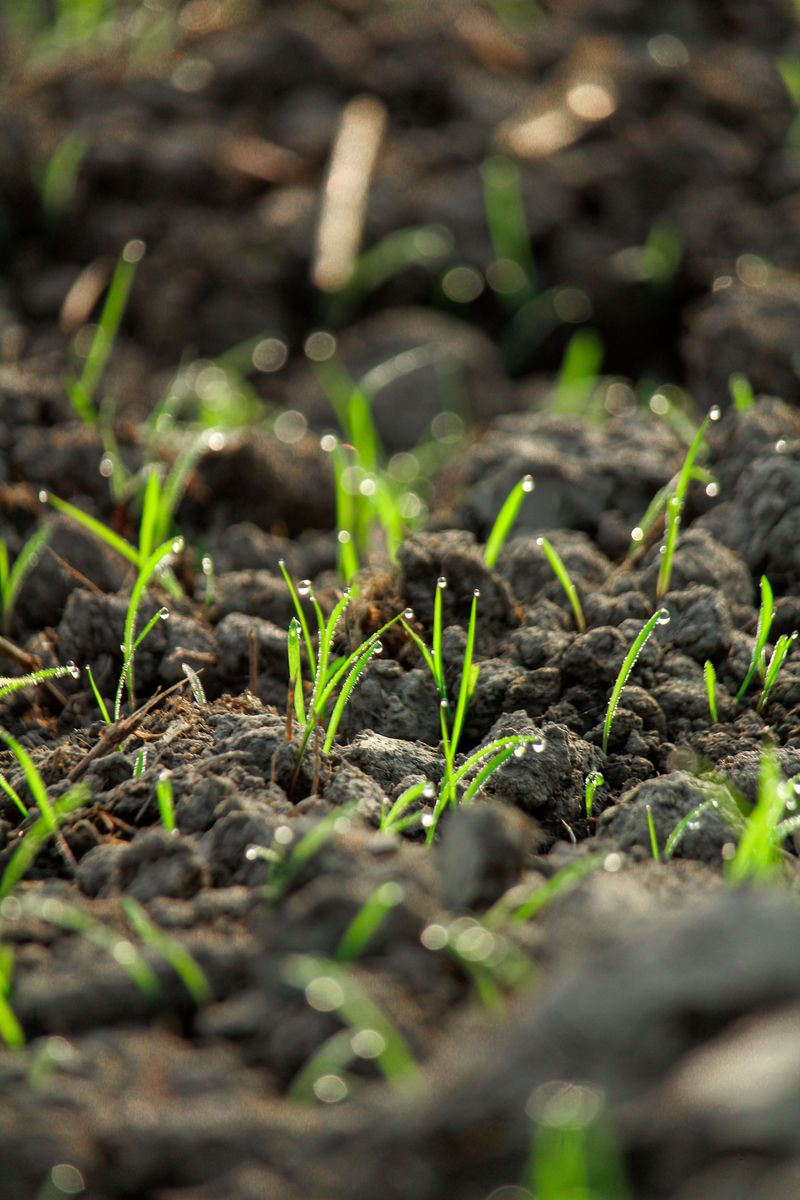
Something remarkable happens beneath the surface once cover crops take hold. The soil wakes up in ways that bare ground never could.
Root systems from cover crops create channels that improve drainage and allow air to move through compacted layers. Water infiltration in covered beds can improve noticeably compared to bare soil left exposed all winter.
Legumes like clover and vetch form partnerships with soil bacteria called rhizobia. These bacteria attach to roots and convert atmospheric nitrogen into a plant-available form that feeds the next season’s crops for free.
Earthworm populations tend to increase in covered beds. Worms are drawn to the organic matter and root activity, and their tunneling further improves soil structure in ways that no tool can replicate.
Microbial life in the soil also surges when cover crops are present. Bacteria, fungi, and other organisms feed on root exudates and build the biological ecosystem that healthy plants depend on to access nutrients efficiently.
Surface coverage from the canopy protects against erosion during Maryland’s heavy winter rains. Soil particles stay in place instead of washing away with the runoff, preserving the organic matter you have worked hard to build.
Weed pressure drops noticeably in covered beds because the dense canopy blocks sunlight that weed seeds need to sprout. Fewer weeds in spring means less work and more growing space for your food crops.
By the time spring arrives, your soil is biologically richer, structurally improved, and ready to support a noticeably stronger growing season.
How To Incorporate Cover Crops Into Your Beds Before Spring Planting
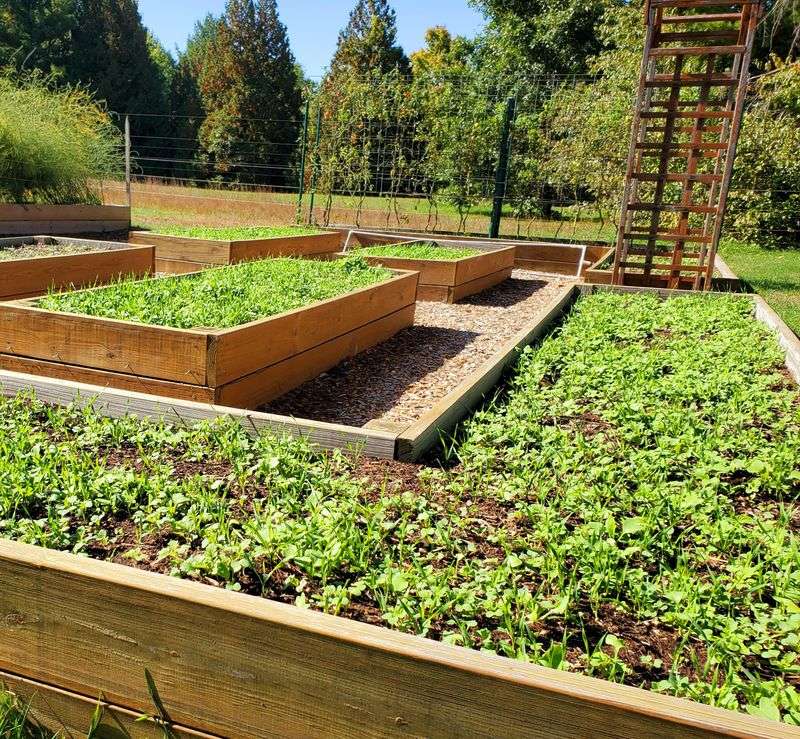
Spring arrives, the cover crops are lush, and now comes the satisfying part. Turning all that green growth into soil fuel is easier than most gardeners expect.
The key is timing your termination right. You want to incorporate cover crops at least two to three weeks before you plan to plant your spring vegetables.
That waiting period allows the green material to break down into the soil. Fresh plant matter can temporarily tie up nitrogen as it decomposes, so giving it time prevents any nutrient competition with your new transplants.
For small beds, a sharp garden fork or spade is all you need. Cut the cover crop down close to the soil surface, then turn the material under about four to six inches deep.
Cover crops like oats, which naturally fade out over winter, make this step even simpler. They collapse on their own and leave behind a soft, fibrous layer that you can rake aside or turn under with minimal effort.
Roller-crimping is a technique better suited to larger plots, where a weighted roller flattens the cover crop into a mulch mat without uprooting it.
You can also cut cover crops and compost them separately if you prefer not to till. The finished compost gets returned to the bed later, completing the nutrient cycle through a different but reliable approach.
Whichever method you choose, incorporating cover crops is the final step in a season-long investment that pays off with healthier plants and richer beds all season long.