Why Toads Show Up In Maryland Gardens Right After It Rains
One moment your Maryland garden is quiet and rain-soaked. The next, something moves near the hostas, then near the tomatoes, then along the fence line.
Toads have a way of appearing all at once, like the rain summoned them personally. In a sense, it did. These animals are not wandering into your yard by accident or out of curiosity.
These animals are not wandering into your yard by accident. Rain triggers something hardwired in them, and your garden, it turns out, is exactly where they were headed.
What that toad is doing, why it picked your yard over your neighbor’s, and what its presence quietly signals about your soil and ecosystem, that is where this gets interesting.
Rain Gives Toads A Reason To Move
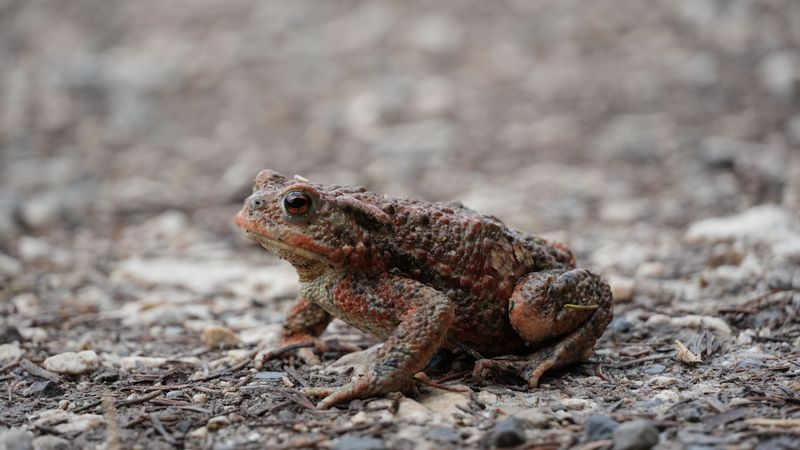
Toads are not fish, but they need moisture almost as much as one. Their skin is thin and permeable, which means water passes right through it.
When the ground is dry, toads lose body moisture fast. They retreat under logs, rocks, or loose soil just to survive the heat.
Rain changes everything for them. The moment water soaks the ground, their skin rehydrates quickly, and they feel safe enough to move around again.
Think of it like charging a phone. A toad on dry ground is running on 10 percent battery, and a rainstorm plugs them back in.
Toads in Maryland gardens right after it rains are not seeking shelter from the storm. The storm itself is the signal that it is safe to come out.
Their skin also absorbs oxygen directly from the environment. Moist air makes breathing easier for them in ways dry heat simply cannot match.
This moisture dependence is not a weakness. It is a finely tuned survival system that has worked for toads for millions of years.
So next time rain hits your yard, know that the toads were already waiting. They just needed the weather to cooperate before making their move.
What That Toad Is Actually Up To
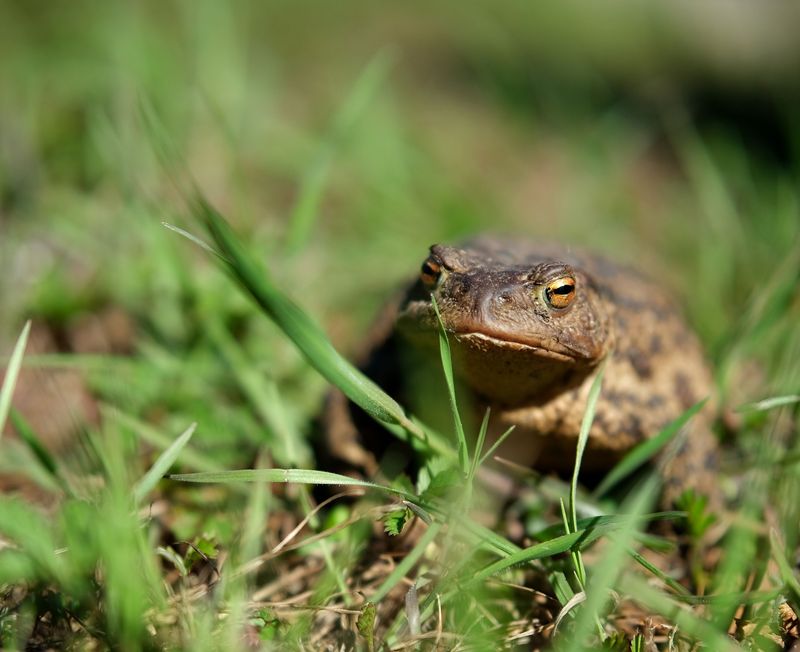
Spotting a toad near your tomatoes is not a coincidence. That little amphibian is on a very focused mission, and your garden is the target-rich environment it was looking for.
Toads are insect-eating machines. A single toad can eat up to 10,000 insects in one growing season.
Slugs, beetles, earwigs, and mosquito larvae are all on the menu. Your garden basically looks like an all-you-can-eat buffet to a hungry toad after a rainfall.
Rain stirs up the soil and brings bugs to the surface. Worms wiggle up, beetles scatter, and slugs slide out from their hiding spots, making hunting incredibly easy.
Toads use a sticky tongue to snag prey in a fraction of a second, and they are just as likely to actively search a garden bed as they are to sit and wait.
They are also surprisingly strategic about location. Toads tend to return to the same feeding spots night after night if the hunting is good.
Your garden offers two things they need most: food and cover. Dense plantings give them shade and protection from predators between meals.
Your Maryland Garden Changes Every Week. Your Plan Should Too.
Gardening in Maryland changes quickly throughout the season. Every Friday you’ll receive a simple weekly plan showing exactly what to plant, prune, fertilize, harvest, and protect so you never miss the right timing.
Toads in Maryland gardens right after it rains are not wandering aimlessly. They are working your garden beds like seasoned professionals, and your plants are quietly benefiting from every visit.
Which Toads You Are Most Likely Seeing In Maryland
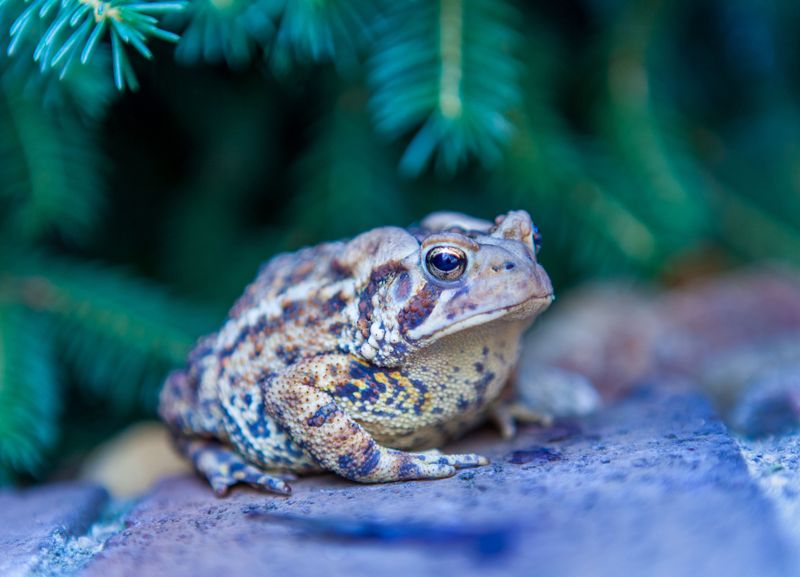
Not every bumpy brown creature hopping through your mulch is the same species. Maryland is home to a few different toad types, but one shows up far more often than the rest.
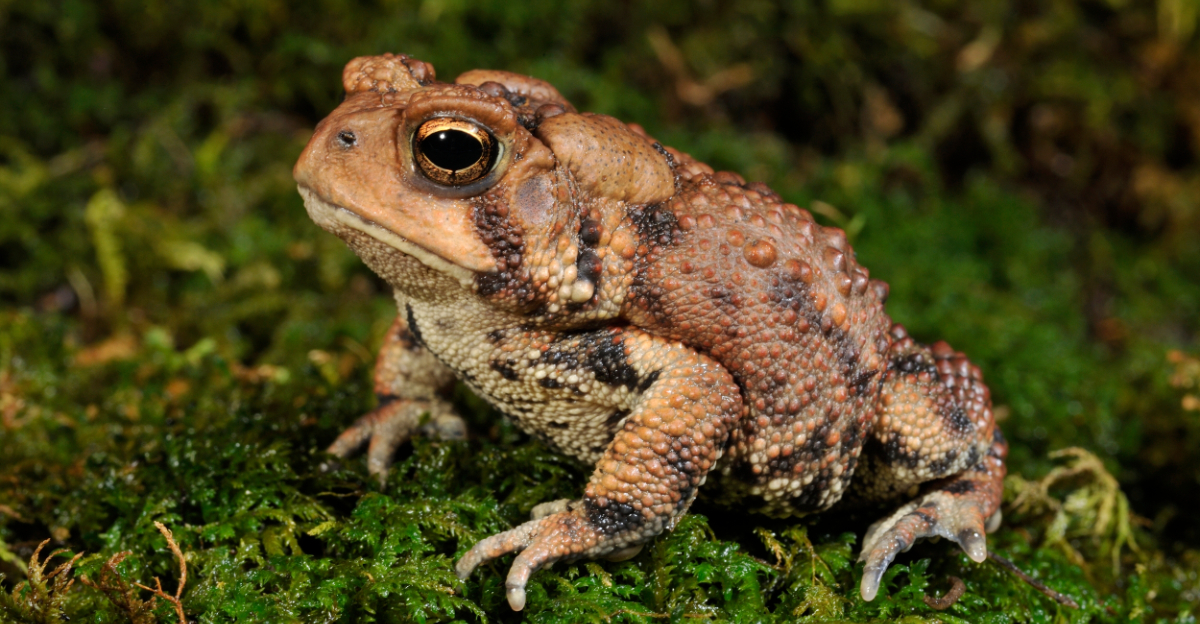
The American Toad is the most common guest in backyard gardens across the state. It is stocky, brown or reddish-brown, and covered in those signature raised bumps.
Look for the copper-colored eyes with horizontal pupils. That detail alone helps you identify an American Toad with confidence, even from a short distance away.
Fowler’s Toad is the second species you might spot. It looks very similar to the American Toad but tends to have more spots and a slightly different call.
Fowler’s Toads prefer sandier soils and are most common along the coastal plain, though they turn up across the state. In most Maryland backyards, the American Toad is still the more likely visitor.
Both species are harmless to humans and pets in normal circumstances. The mild toxin in their skin discourages predators but poses no real threat to people who simply observe them.
Wash your hands after handling any toad, just as a basic hygiene habit. That is not fear-based advice, just smart outdoor practice for any wildlife encounter.
Knowing which toad you have in your garden makes the whole experience feel more personal. You are not just hosting a random amphibian, you are hosting a neighbor with a name.
What A Toad Visit Tells You About Your Garden’s Health
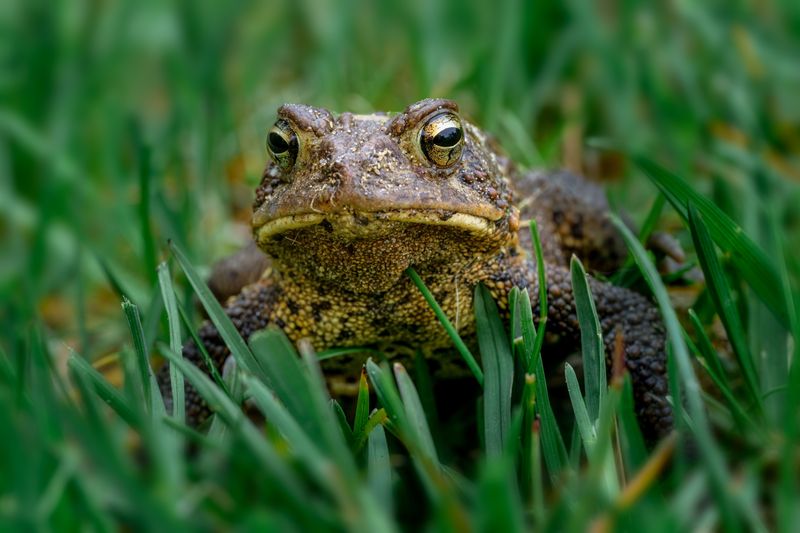
When a toad chooses your garden, it is actually giving you a compliment. These creatures are picky about where they settle, and their presence signals something genuinely positive.
Toads are considered bioindicators, meaning their activity reflects the health of the surrounding environment. A yard full of chemical pesticides or heavily compacted soil is unlikely to attract them.
Their permeable skin makes them extremely sensitive to toxins in the ground. If your soil has been treated with harsh chemicals, toads feel it and avoid the area entirely.
Seeing one hop through your raised beds means your soil ecosystem is likely in good shape. Healthy soil hosts the worms, beetles, and larvae that toads depend on for food.
A toad visit also suggests your yard has good moisture retention. Soils that drain too fast or bake hard in summer do not offer the damp conditions toads need to thrive.
Biodiversity in your plantings helps too. Gardens with a mix of ground covers, shrubs, and open soil patches create the layered habitat that attracts both toads and their prey.
If toads are showing up consistently after rain, your garden is doing something right. That is real, measurable feedback from nature, and it costs nothing to receive.
Toads in Maryland gardens right after it rains are essentially nature’s report card. And if they keep coming back, you are clearly earning high marks as a steward of your outdoor space.
The Role Maryland’s Climate Play In Toad Activity
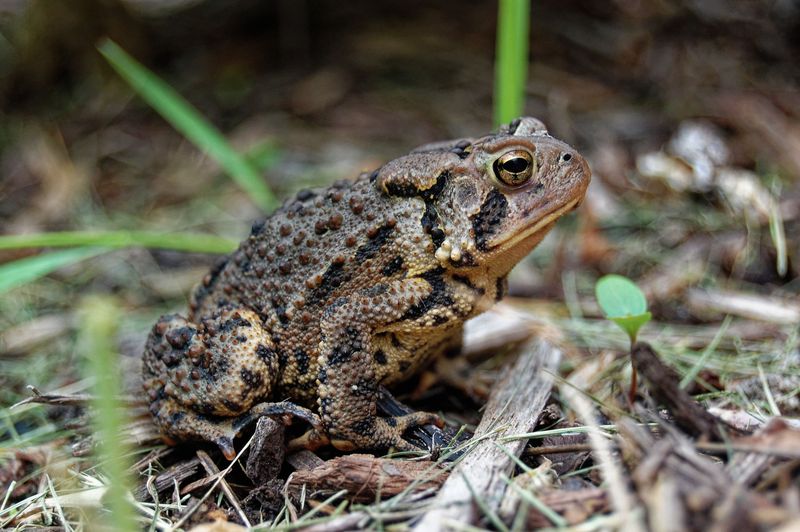
Maryland sits in a climate sweet spot for toad activity. The state gets warm, humid summers with regular rainfall, which is practically a toad paradise from early spring through October.
Spring is when things really kick off. As soil temperatures climb above 50 degrees Fahrenheit, toads emerge from their winter burrows and start moving toward breeding ponds.
The breeding season runs roughly from March through late summer, depending on the species and local conditions. During this window, toads are especially active after rain because moisture fuels both movement and reproduction.
Summer thunderstorms are the biggest trigger for post-rain toad sightings in backyard gardens. The combination of warm ground and sudden moisture is irresistible to toads that have been waiting out dry spells underground.
By late fall, activity slows dramatically. Toads begin burrowing into loose soil or leaf litter to overwinter as temperatures drop below comfortable ranges.
Maryland winters are cold enough to force toads into a dormant state, but mild enough that they survive reliably year after year. This cycle repeats with remarkable consistency each season.
The timing of rain matters as much as the amount. A quick afternoon shower in July will bring toads out faster than a slow drizzle in October when temperatures are already cooling.
Understanding Maryland’s seasonal rhythm helps you predict toad activity. Once you know the pattern, spotting them after summer storms starts to feel less like a surprise and more like clockwork.
Turning Your Maryland Garden Into Toad Territory
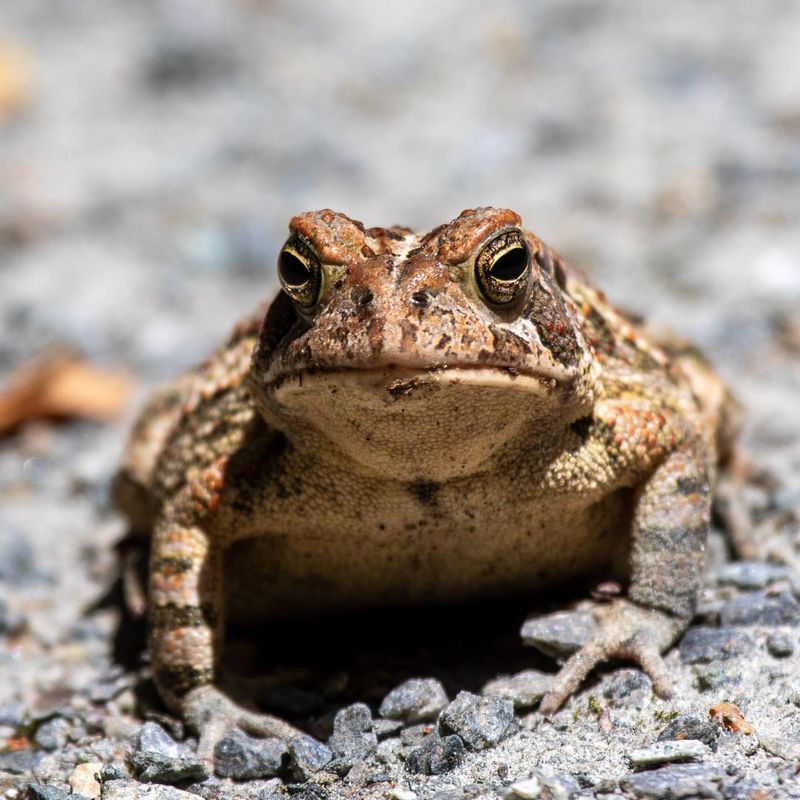
If you want more toad visitors after every rainstorm, a few simple changes to your garden can make a huge difference. You do not need a pond or a massive property to attract them.
Start with shelter. A tipped clay pot with a notch cut in the rim makes a perfect toad house, and they will actually use it on a regular basis.
Place the shelter in a shaded corner near dense plantings. Toads prefer spots where they can hide quickly if a predator appears, so open sunny areas rarely appeal to them.
Add a shallow water dish at ground level. Toads do not drink through their mouths, they absorb water through their belly skin, so even a small dish of clean water helps them rehydrate.
Skip the chemical pesticides entirely. Synthetic insecticides remove the food supply toads depend on and can absorb directly through their sensitive skin when they cross treated soil.
Native plants are your best tool for creating a toad-friendly habitat. They support the insects and ground-level biodiversity that toads need to hunt successfully each night.
Mulch your garden beds generously. A layer of organic mulch holds moisture longer after rain, extending the window when toads feel comfortable being active above ground.
Toads in Maryland gardens right after it rains will keep coming back if you give them reasons to stay. Build the habitat, skip the chemicals, and let nature handle the rest.