10 Perennials That Reward Your Patience By Growing More Spectacular Each Year
Your garden has a memory. Plant the right perennial and it will remember that spot for decades, coming back each spring with more muscle, more color, more presence than the year before.
No replanting, no starting over, no wondering if this is the year it finally looks like the photo. Just compounding beauty, the kind that makes neighbors stop and ask what you did differently.
The secret is not a technique or a product. It is choosing plants that are built to grow stronger with age rather than burn bright and disappear.
These perennials are exactly that. A few of them will look modest in their first season and you will question yourself.
Stay the course. Because what is coming in year three, year five, is the kind of garden most people only dream about, and you get there simply by not giving up.
1. Hostas
Shade gardens can feel impossible to fill. Hostas laugh at that problem and solve it beautifully.
Few plants grow as dramatically over time as the hosta. A tiny starter plant transforms into a bold, sculptural centerpiece within just a few years.
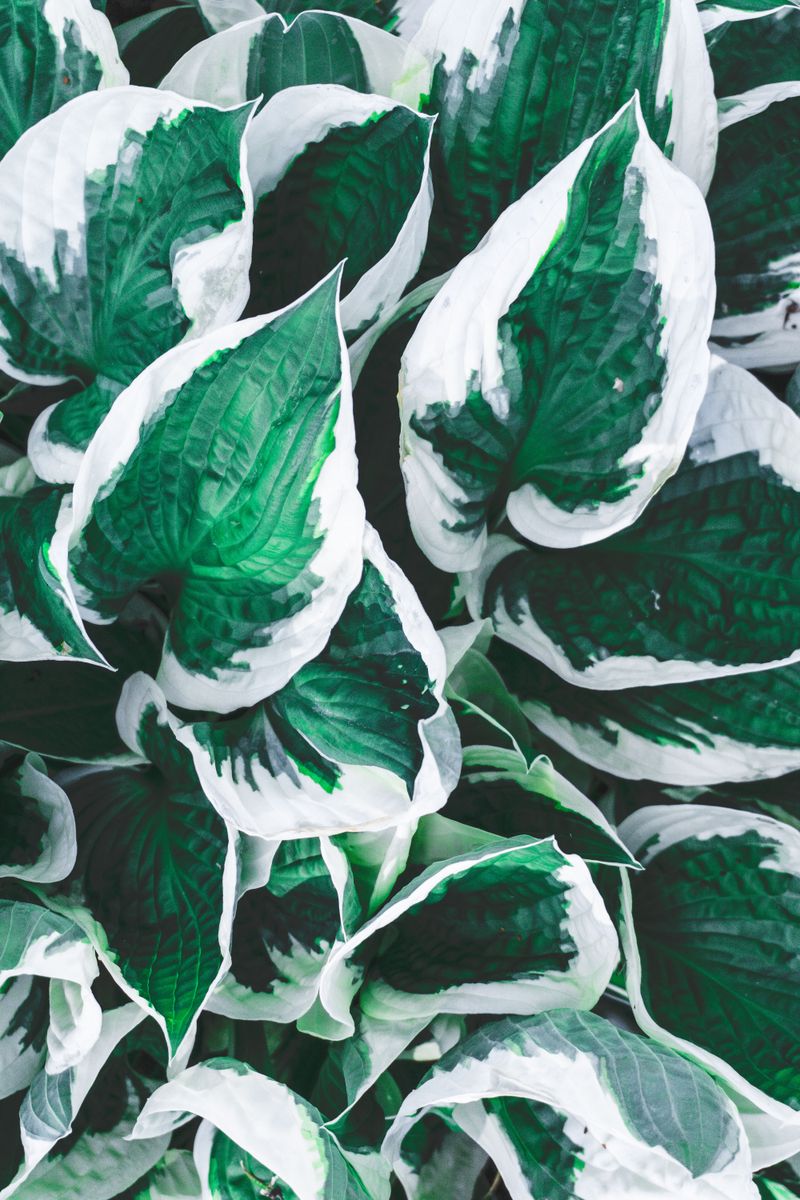
Hostas thrive in low-light spots where most plants simply refuse to cooperate. Their wide, textured leaves come in shades of deep green, golden yellow, and creamy white, often with striking variegated edges that make them look almost too good to be real.
Larger varieties can spread three to four feet wide, creating a lush, layered carpet beneath trees and along shaded borders.
They need almost no fuss once established. Water them, mulch them, and mostly just leave them alone.
Dividing them every few years gives you free plants to fill other problem corners of the garden. It is one of the rare situations where a plant rewards neglect as generously as it rewards attention.
The longer you leave a hosta undisturbed, the more jaw-dropping it becomes. Gardeners who plant them early and resist the urge to interfere are always the ones with the most spectacular shade gardens on the street.
2. Black-Eyed Susan
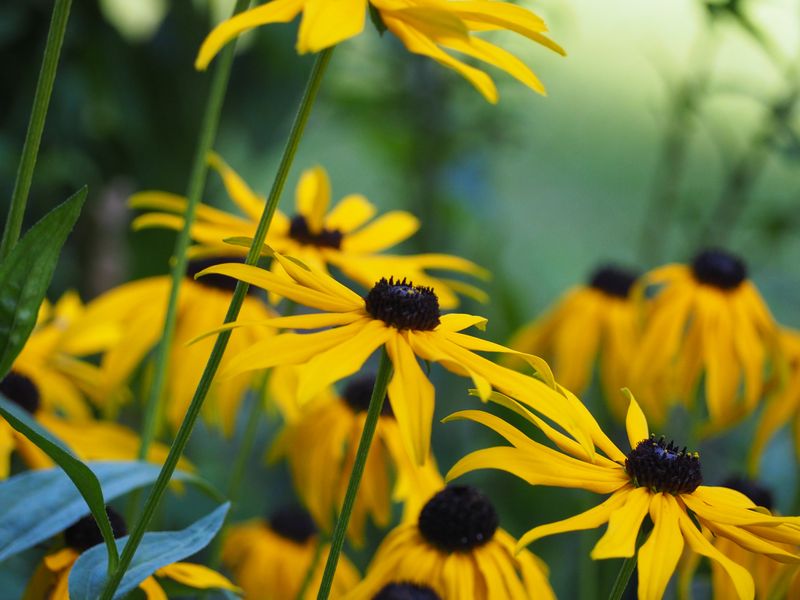
Bright and cheerful, Black-Eyed Susan is the flower that never plays it cool. It bursts onto the scene in midsummer with bold golden petals surrounding a rich, chocolatey center that stops you mid-stride every single time.
In year one, you might get a modest cluster of blooms, pretty but restrained. By year three, you have a sweeping golden colony that self-seeds and spreads with joyful, unstoppable enthusiasm across borders you thought were already finished.
These tough native wildflowers handle heat, drought, and poor soil without a single complaint. They attract butterflies and bees like a neighborhood block party, pulling life and movement into every corner of the yard from July straight through September.
Black-Eyed Susans pair beautifully with purple coneflower and ornamental grasses. The contrast of gold against purple looks planned even when it happened completely on its own.
Leave the seed heads standing in fall and the birds will thank you all winter long. Goldfinches especially love picking the tiny seeds clean, turning your dormant garden into a quiet feeding station when everything else has gone to sleep.
These plants reward neglect almost as well as they reward care. Each passing season makes the colony thicker, taller, and more breathtaking than the last.
3. Peonies
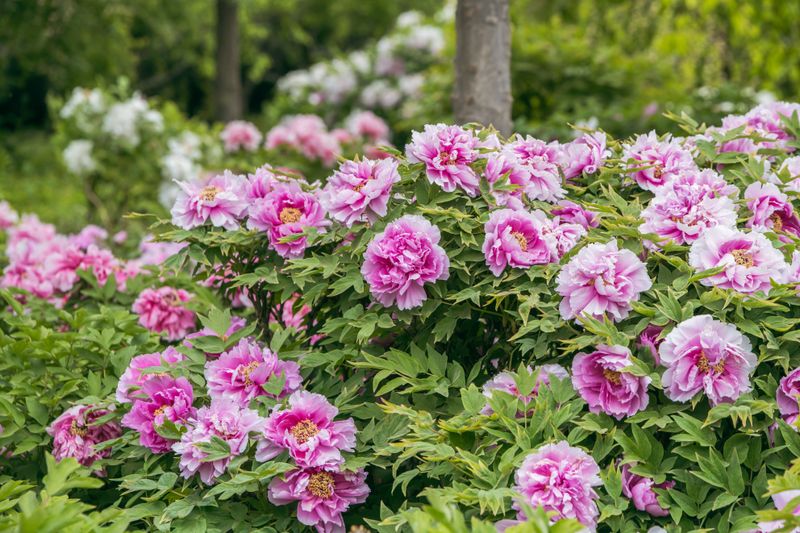
Peonies are the garden’s most glamorous divas, and they earn every bit of the spotlight. Their blooms are enormous, fragrant, and so lush they look almost unreal, like something a florist arranged rather than something that just grew in your yard.
The secret to peonies is time, and that is where most impatient gardeners go wrong. They sulk a little in years one and two, quietly putting their energy underground to build a root system strong enough to support what comes next.
By year three, the payoff begins. By year five, you have a shrub-sized plant covered in blooms so heavy they bend their own stems, stopping neighbors mid-sentence and mid-stride.
Peonies planted by your grandparents can still bloom decades later. These are genuinely multigenerational plants, outlasting garden trends, property owners, and nearly everything else around them by a century or more.
They prefer full sun and well-drained soil, and they are particular about planting depth in a way that matters. Keep the eyes, those small red buds, just an inch below the soil surface or they will grow beautifully and never bloom at all.
Avoid moving them once established. Peonies resent disruption deeply and will punish you with years of sulking.
Leave them alone and they will reward you with a spring show that gets more spectacular every single year without exception.
4. Salvia
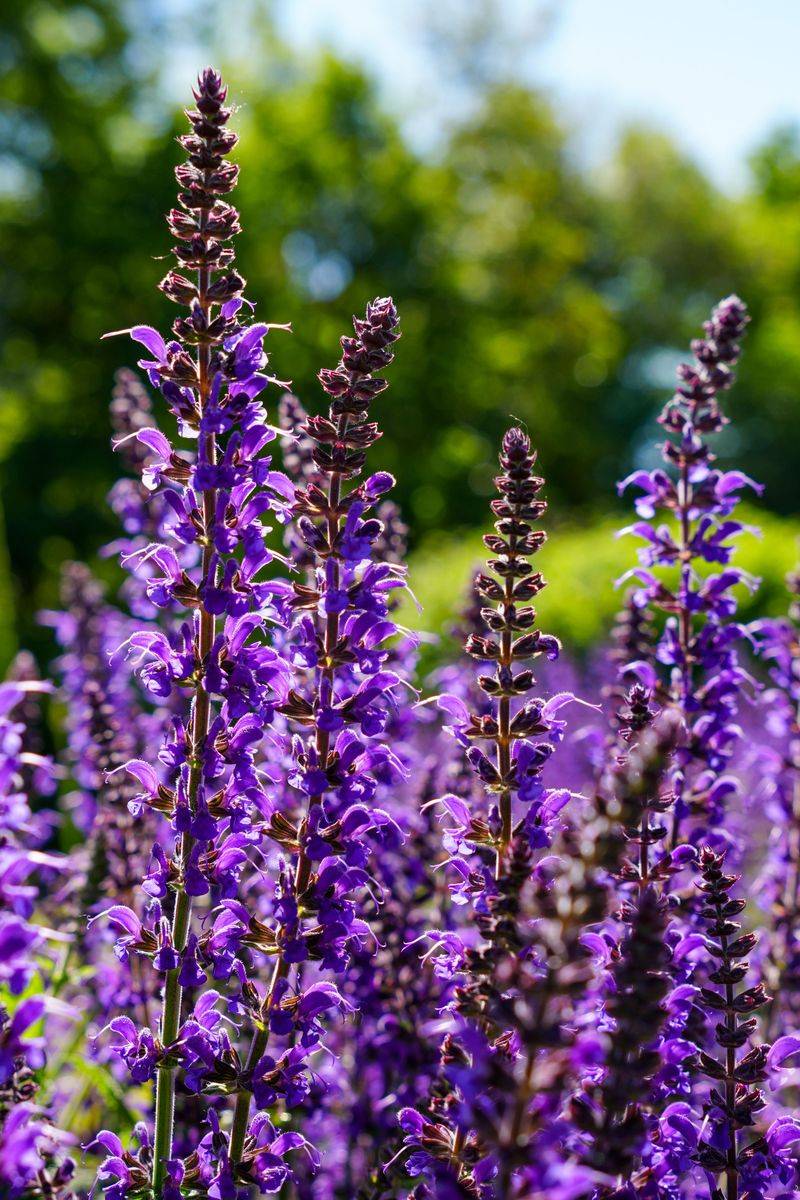
Purple spikes rising from a silver-green mound, perennial salvia is both elegant and effortless. It blooms in late spring, takes a short rest, and often repeats in late summer with a second flush of color.
What makes salvia truly special is how it thickens and expands each year. A single plant becomes a wide, bushy clump that anchors a border with confidence.
Deer and rabbits tend to avoid it, which is a genuine gift for suburban gardeners. The aromatic foliage is the reason, and it doubles as a sensory delight when you brush past it.
Removing spent blooms encourages that second round of flowering. A quick trim after the first flush keeps the plant looking tidy and energized.
Perennial salvia pairs well with roses, ornamental grasses, and yellow coreopsis. The purple-and-gold combo is a classic that never goes out of style.
Established plants handle drought surprisingly well once their roots go deep. Each year they return faster, bloom harder, and look more intentional in the landscape.
5. Astilbe
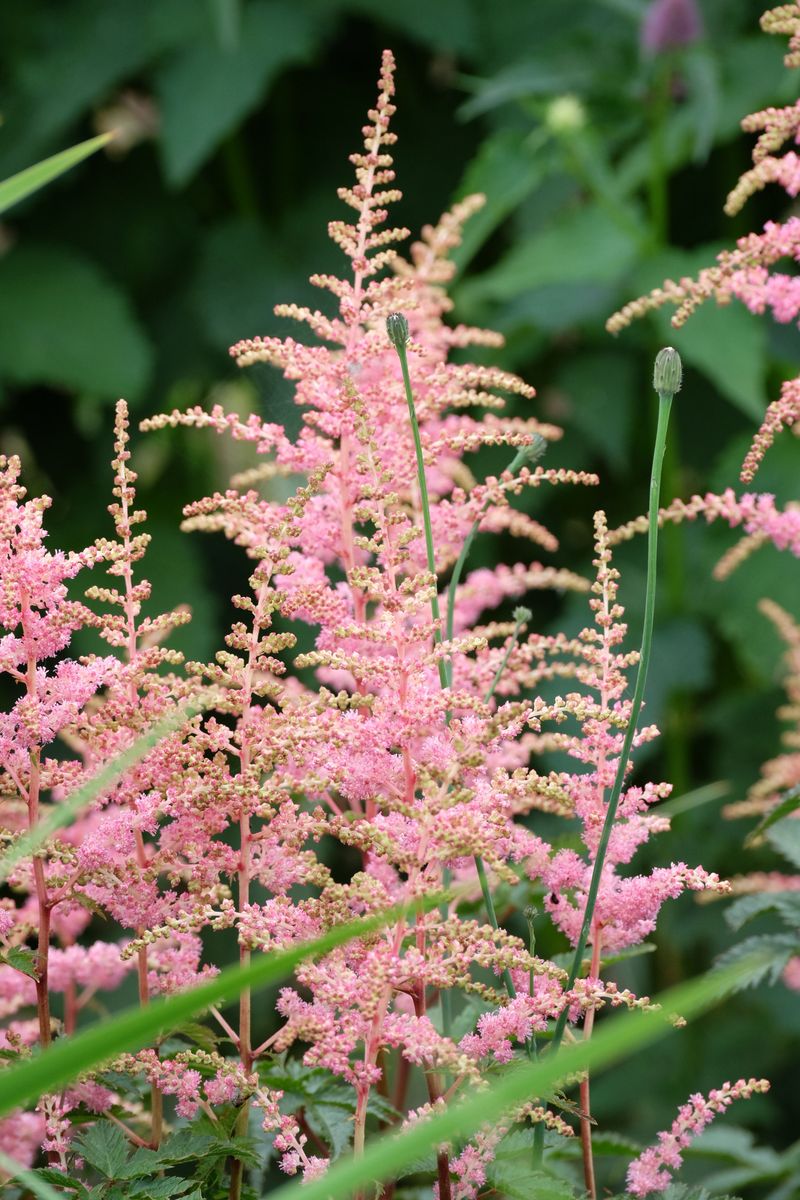
Astilbe brings the party to shady spots that most flowers refuse to attend. Its feathery plumes rise like colorful fireworks above finely cut, fern-like foliage.
In the first season, astilbe establishes quietly and blooms modestly. Return visits over the next few years reveal a plant that doubles in size and multiplies its flower spikes dramatically.
Colors range from soft blush pink to deep magenta and creamy white. Planting a mix of early, mid, and late-blooming varieties extends the show across the entire summer.
Moist, rich soil is their happy place. They pair perfectly with hostas and ferns in shaded borders, creating a layered, woodland-garden look that feels lush and intentional.
Once established, clumps can be divided every three to four years. Each division gives you bonus plants to expand the display or share with friends.
The dried seed heads hold their form into winter and add texture to the garden. Astilbe is one of those plants that makes a shady corner feel like a secret paradise.
6. Karl Foerster Grass
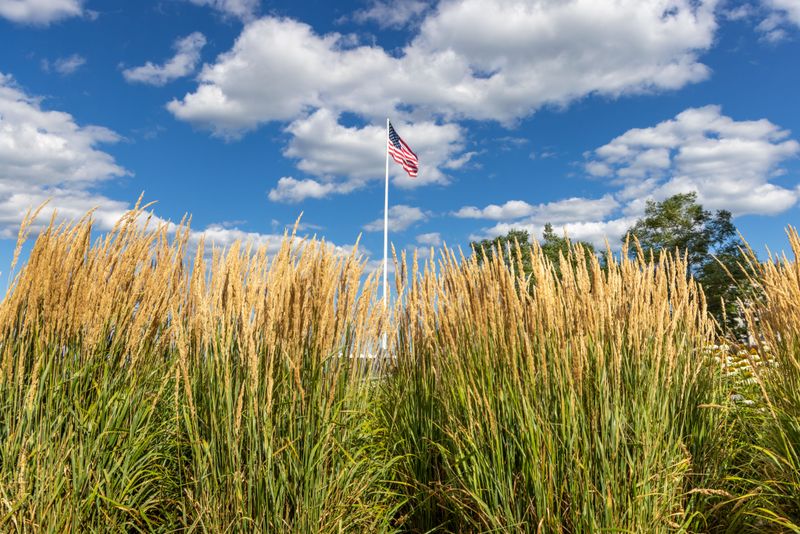
Karl Foerster grass is the garden’s exclamation point. Its narrow, upright form shoots skyward and adds vertical drama that almost no flowering plant can match.
In spring, feathery pink plumes emerge above the dark green blades. By midsummer, those plumes turn a warm golden wheat color that glows in afternoon light.
What makes Karl Foerster exceptional over time is its reliable consistency. It returns each year in the same spot, growing slightly larger and more commanding with each season.
This grass handles heat, cold, wind, and occasional drought without flinching. It is one of the most adaptable ornamental grasses available to American home gardeners.
Plant it in groups of three or five for maximum visual impact. The movement it creates when the wind blows gives the garden a sense of life and energy.
Cut it back hard to about four inches in late winter and it bounces back fast. By midsummer you will wonder how you ever designed a garden without it.
7. Coneflower
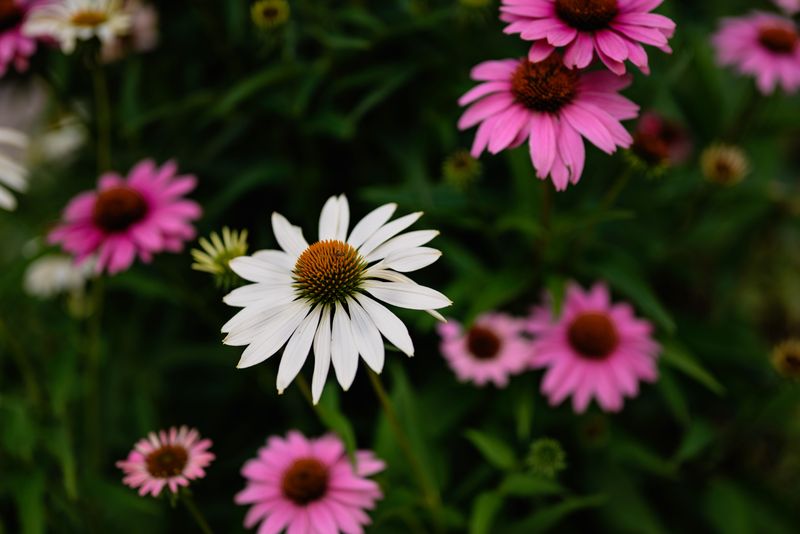
Tough, beautiful, and loved by every pollinator in the zip code, coneflower is a garden staple. Its daisy-like blooms with raised, spiky centers have become one of the most beloved wildflowers in North American gardens.
Echinacea is a slow builder in the best possible way. Year one brings a few blooms, but by year three the clump has expanded into a dense, flowering mass that hums with bee activity.
These perennials are extraordinarily heat and drought tolerant once their roots establish. They thrive in full sun and poor soil, asking very little in return for months of color.
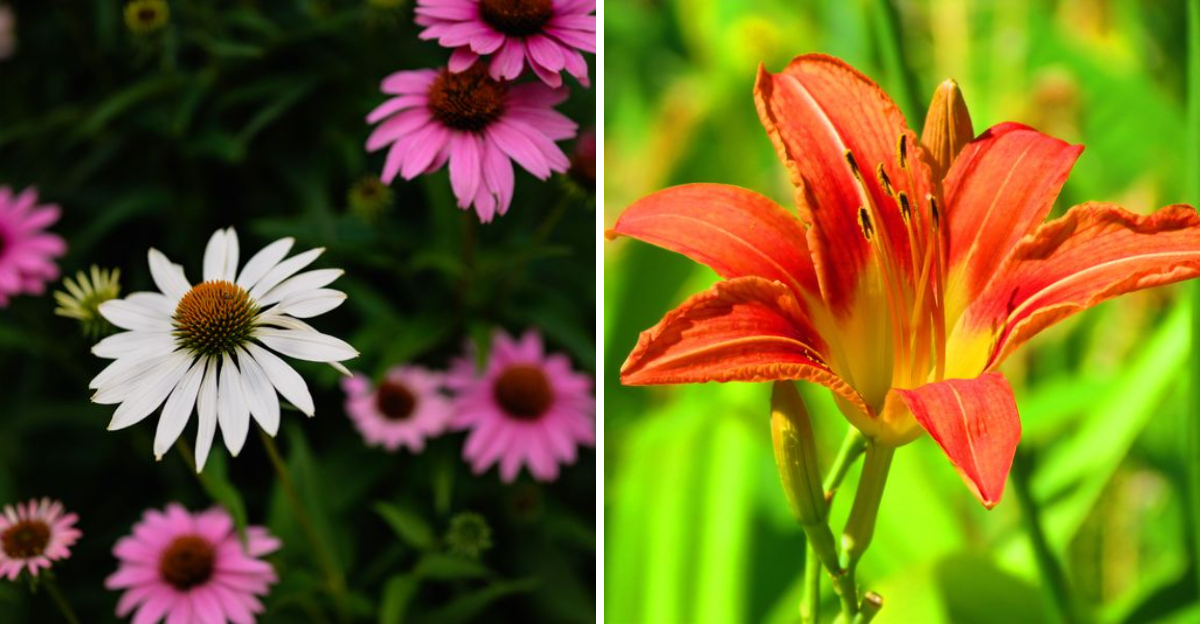
Modern breeding has introduced shades beyond the classic purple, including orange, yellow, red, and white. Mixing varieties creates a meadow-style palette that feels both wild and curated.
Leave the seed heads standing through fall and winter. Birds feast on them and the architectural forms add beauty to an otherwise bare garden.
Self-seeding means new plants appear around the mother plant over time. Each passing year, your coneflower patch grows without any extra effort on your part.
8. Russian Sage
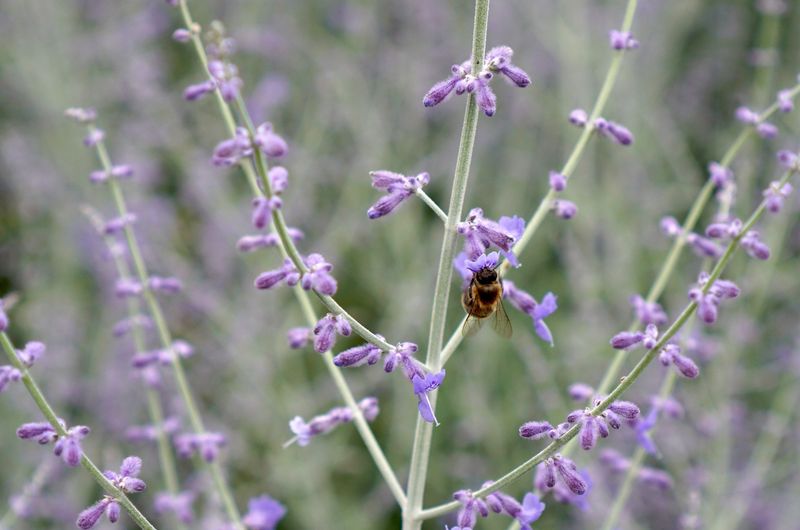
Russian sage looks like it belongs in a painting of the French countryside. Its silver stems and tiny lavender-blue flowers create a hazy, ethereal cloud that shifts and sways in the breeze.
This plant is built for patience. In year one it sits low and looks uncertain, but by year two or three it rises into a four-foot-tall, billowing mass of silver and blue.
Russian sage thrives in full sun and lean, well-drained soil. Overwatering or overly rich soil actually weakens it, so the less you fuss, the better it performs.
Its long bloom season runs from midsummer well into fall, bridging the gap when many other perennials fade. Few plants offer that kind of staying power in the heat of August.
It pairs brilliantly with ornamental grasses, black-eyed susans, and sedums. The silver-blue tones cool down hot color combinations and add a sophisticated, airy contrast.
Cut it back hard in early spring to encourage fresh, vigorous growth. Gardeners who discover Russian sage rarely design a sunny border without it again.
9. Daylily
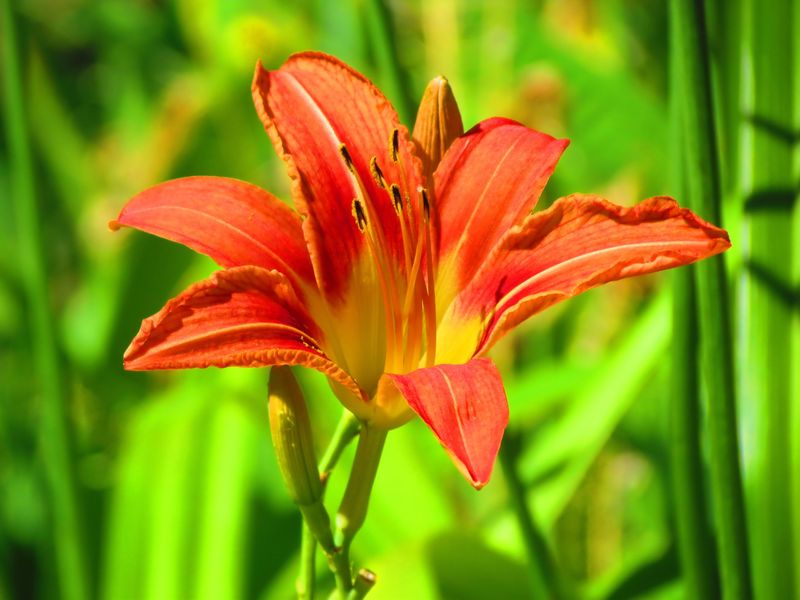
No plant earns the nickname “perfect perennial” more honestly than the daylily. It blooms in a dazzling range of colors, spreads steadily each year, and asks almost nothing from the gardener.
Each individual flower lasts only one day, but a mature clump produces hundreds of buds over a bloom season. The show keeps going for weeks without any intervention required.
Over the years, daylily clumps expand from a modest tuft into a wide, lush colony. A single plant purchased in spring can become a two-foot-wide clump by its third season.
They handle sun, partial shade, heat, and occasional drought with remarkable flexibility. That adaptability makes them ideal for gardeners who want reliable beauty without constant maintenance.
Dividing overgrown clumps every four to five years keeps them blooming at peak performance. Each division becomes a new plant, giving you free material to fill other areas.
Thousands of named varieties exist, ranging from classic orange to deep burgundy and pale cream. The more you grow daylilies, the more spectacular your garden becomes each passing summer.
10. Baptisia (False Indigo)
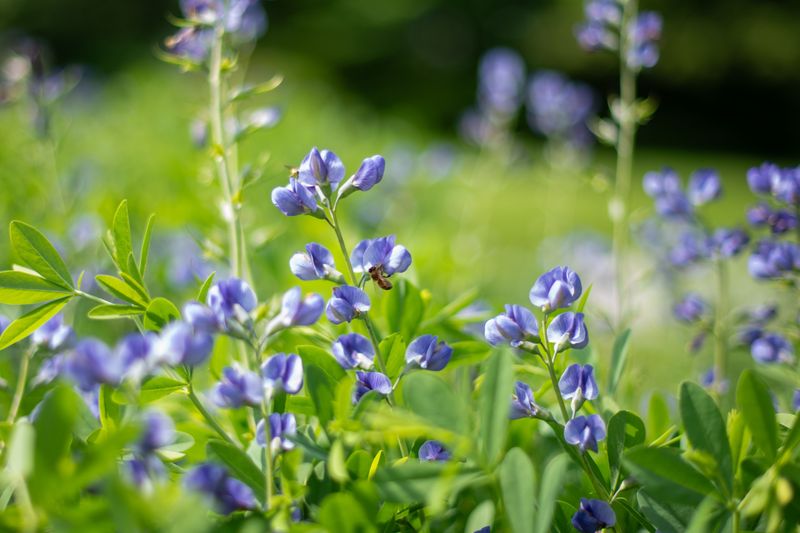
Baptisia is the perennial that serious gardeners brag about. Its tall spikes of indigo-blue, pea-shaped flowers are stunning in spring, but the real flex is the plant’s sheer size after a few years.
Slow to establish, Baptisia spends its first two seasons building a massive root system underground. By year three or four, it emerges as a full, shrub-like mound reaching three to four feet in every direction.
Once established, it is exceptionally resilient. Drought, heat, poor soil, and neglect barely register as challenges for this deep-rooted native plant.
After the blooms fade, inflated seed pods appear and rattle in the breeze like natural maracas. Those pods turn charcoal gray and remain decorative through fall, adding a second season of interest.
Baptisia fixes nitrogen in the soil, quietly improving the ground around it while it grows. That makes it a generous neighbor to other plants in the border.
Never move it once it is settled because the roots go deep and wide. Patience with Baptisia pays off with one of the most rewarding perennials that grow more spectacular each year.