Florida HOAs Keep Fighting This Native Lawn Plant Even Though It Belongs In A Florida-Friendly Yard
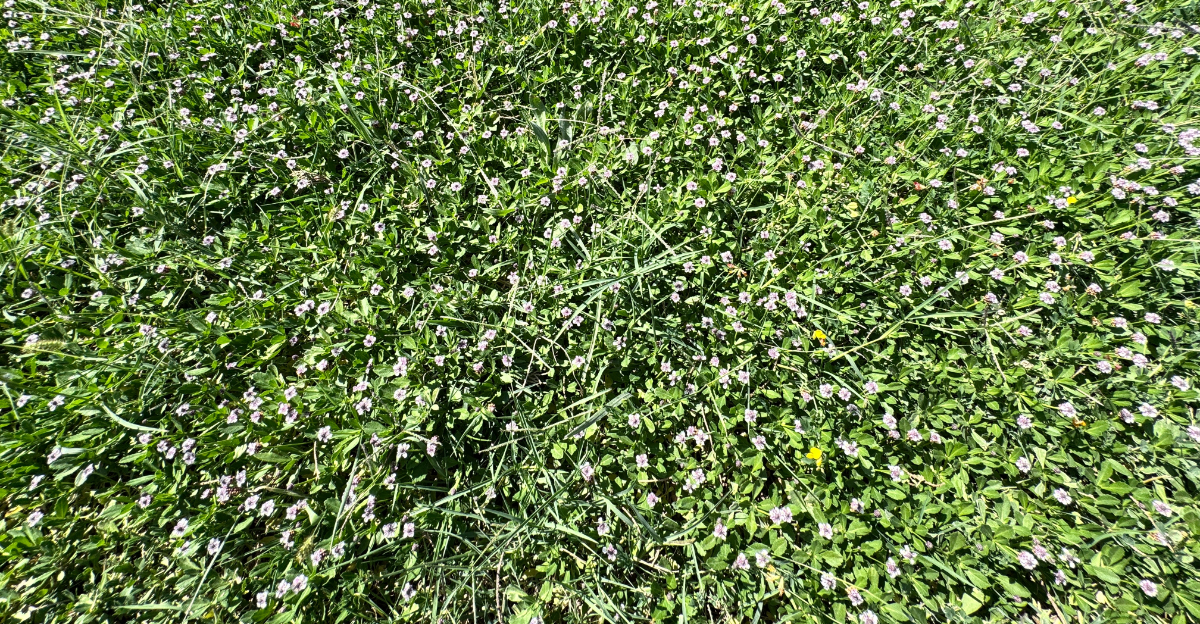
Florida HOAs have a complicated relationship with anything that does not look like traditional turf. One native plant has been caught in that crossfire longer than almost any other.
It grows low, spreads steadily, handles heat and drought without drama, and supports pollinators in ways that a standard lawn never could. HOAs flag it.
Residents yank it. And the plant keeps coming back because it belongs here in a way that imported turf grass simply does not.
Florida-friendly yard guidelines exist specifically to encourage plants like this one. The research backs it up.
The environmental case is clear. And yet the default response in neighborhoods across the state is to treat it like a problem rather than a solution.
What is actually growing in those yards is worth understanding before the next violation notice arrives. This plant has a stronger case for being there than the grass it is trying to replace.
1. Frogfruit Looks Like A Weed Until You Know What It Does
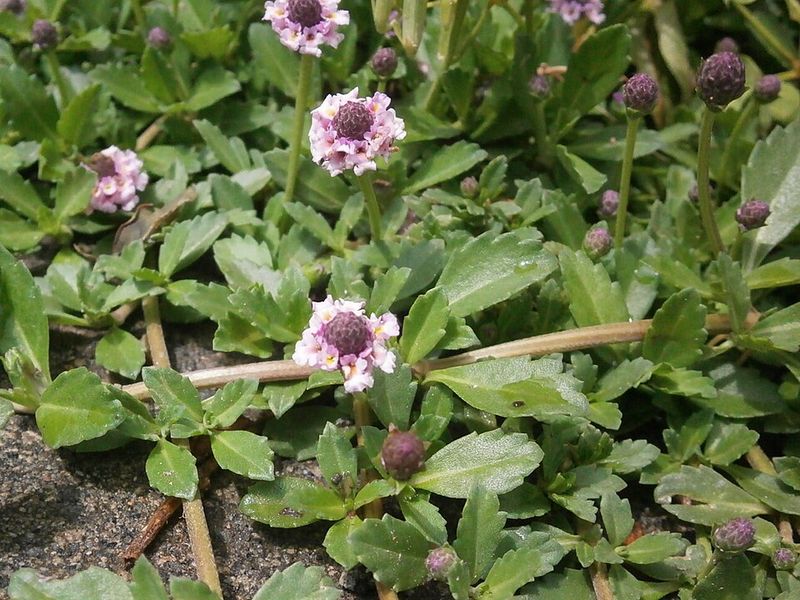
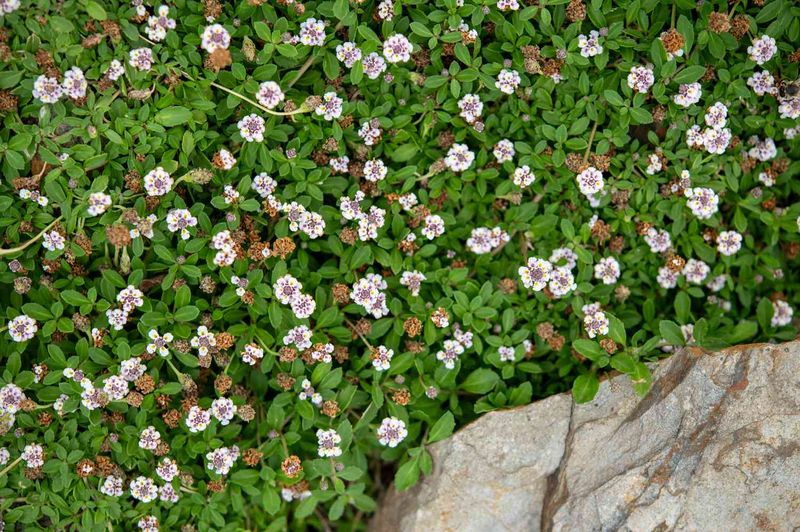
Walk past a yard covered in frogfruit and your first thought might be that someone forgot to mow. Phyla nodiflora is a low-growing native ground cover that hugs the ground, spreads outward along creeping stems, and rarely grows taller than a few inches.
Its small, slightly toothed leaves form a dense mat that can fill in gaps where turfgrass struggles.
What makes it easy to misread is the flower. Tiny blooms appear on short stalks and look almost like clover at a glance.
A homeowner who knows the plant sees pollinator habitat and a water-wise lawn layer. An HOA board member walking the neighborhood may just see something that does not look trimmed or tended.
Appearance matters a great deal in HOA communities. Edging, density, weed mixing, and seasonal patchiness can all affect how a frogfruit planting is perceived.
During dry stretches or cooler months, it may thin out or look uneven compared to neighboring lawns. That visual difference is often where the conflict begins.
Knowing what frogfruit actually is, and being able to explain it clearly, gives homeowners a much stronger starting point when questions from a board or neighbor come up.
2. A Native Lawn Alternative Can Still Make HOAs Nervous
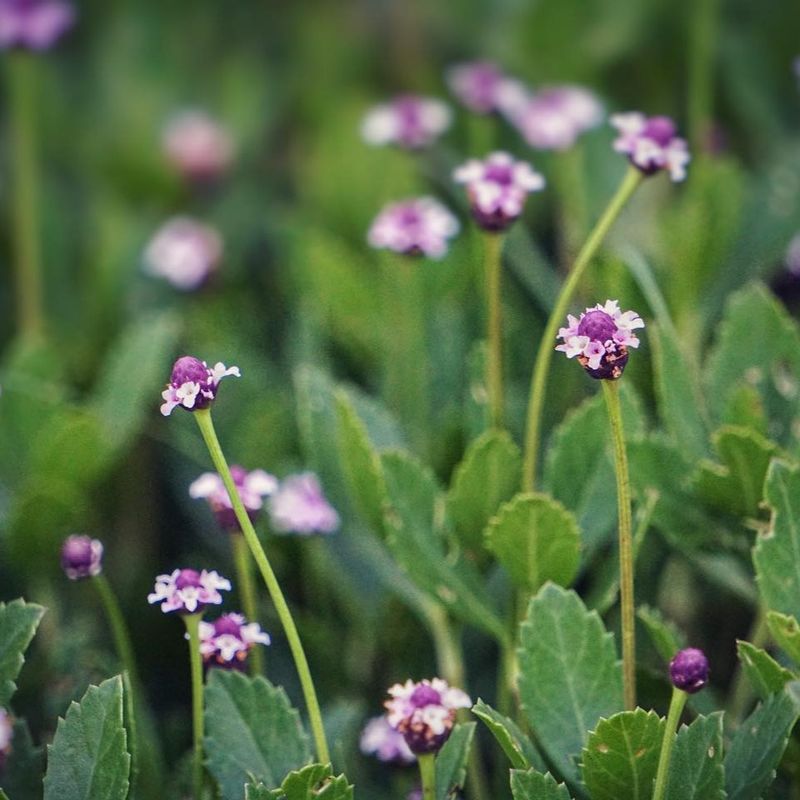
Homeowners associations in this state were largely built around a specific picture of what a yard should look like. Uniform green turf, clipped edges, matching curb appeal up and down the street.
Most HOA governing documents were written with conventional turfgrass in mind, not native ground covers that bloom, spread unevenly, or mix with other low plants.
Frogfruit can do all of those things. It may push into the edges of a St. Augustine lawn, bloom in clusters that look different from turf, or thin out in spots during dry weather.
From a board member’s perspective, that can look like a yard that is not being maintained. That concern is not always unreasonable, even if the homeowner has a completely different and equally valid vision for the space.
Your Florida Garden Changes Every Week. Your Plan Should Too.
Gardening in Florida changes quickly throughout the season. Every Friday you’ll receive a simple weekly plan showing exactly what to plant, prune, fertilize, harvest, and protect so you never miss the right timing.
Being fair to both sides matters here. A homeowner may genuinely want a more sustainable, water-wise yard that supports local wildlife.
A board may genuinely worry about one yard affecting the look and property values of the whole community. Neither view is automatically wrong.
Understanding that tension is the first step toward finding a solution that works, rather than turning a landscaping choice into a prolonged neighborhood dispute.
3. Florida-Friendly Landscaping Gives Homeowners A Stronger Case
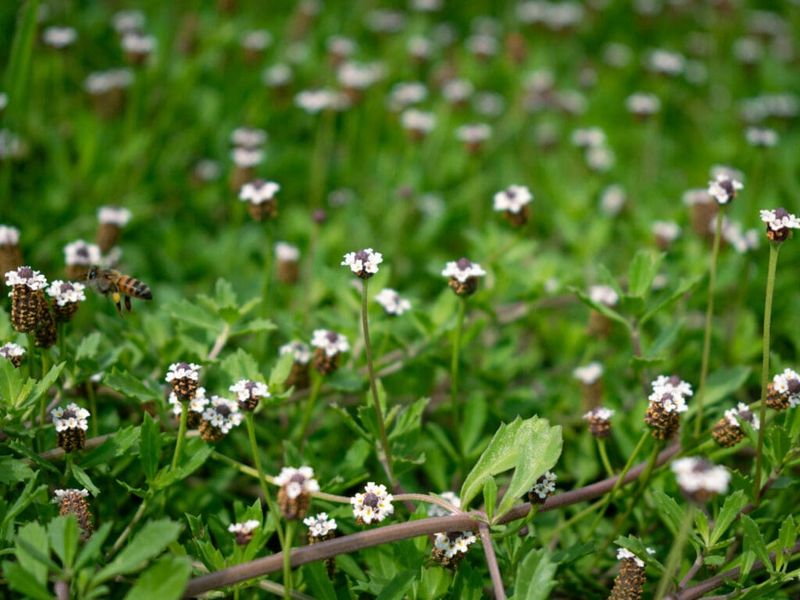
State law in this state does provide meaningful protection for Florida-Friendly Landscaping. Under Florida Statutes, HOA documents generally cannot prohibit Florida-Friendly Landscaping outright.
That gives homeowners a real basis for using native plants, reducing irrigation, and making more sustainable yard choices. But the law does not remove every HOA role from the picture.
Homeowners may still need to follow a design review process, submit a landscape plan, meet maintenance standards, and comply with reasonable rules about appearance.
Florida-Friendly Landscaping is built on principles that include right plant, right place, water efficiency, mulch use, reduced runoff, and responsible upkeep.
A planting that follows those principles is easier to defend than one that simply looks overgrown.
Always review your specific governing documents before making changes. Rules vary widely between communities, and what one HOA allows another may review more closely.
Check current statutes, because laws can change. Your local UF/IFAS Extension office can help you understand Florida-Friendly Landscaping principles and give you reliable plant information.
For any personal legal dispute with your HOA, a qualified attorney familiar with community association law in this state is the right resource. General articles like this one are no substitute for that guidance.
4. Tiny Blooms Turn Frogfruit Into Pollinator Habitat
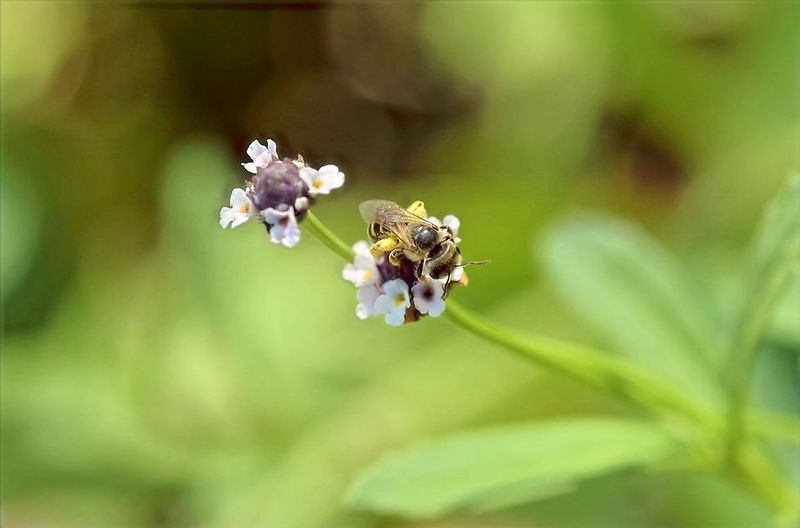
Spend a few minutes watching a patch of frogfruit in bloom and you will likely see something moving. Small native bees, skippers, and certain butterfly species visit the tiny flowers, which bloom on short upright stalks above the mat of leaves.
Frogfruit is sometimes called turkey tangle fogfruit, and it has a solid reputation as a low-growing pollinator plant among native gardening circles in this state.
The ecological value is real, but it does create a visual side effect that can complicate HOA conversations. When frogfruit blooms, the flower stalks add texture and height variation that makes the lawn look less uniform.
To someone who values habitat, that is a feature. To a board focused on curb consistency, it can look like a yard that needs attention.
Pollinator value does not automatically override HOA design standards, and it is worth being honest about that. A yard can support native bees and still need clean edges near the sidewalk.
A pollinator patch near a mailbox or driveway may need extra structure to look intentional rather than accidental. Combining ecological purpose with thoughtful design keeps the habitat value intact.
It also reduces the visual friction that sometimes leads to a board notice.
5. Low Growth Helps It Work Where Turf Struggles
Sandy soil, full sun, and spots where St. Augustine just will not cooperate are exactly where frogfruit tends to perform well. It tolerates dry conditions better than many conventional turfgrasses.
It can also fill low-traffic areas, sunny lawn edges, and difficult patches where other plants thin out or wash away. That makes it genuinely useful in yards across this state’s varied soil and climate conditions.
It is not a universal replacement for turf, though. Frogfruit does not hold up well under heavy, repeated foot traffic the way a maintained turfgrass lawn does.
A path kids run across daily or a lawn used for regular outdoor activities may not be the right spot. Matching the plant to the right conditions matters a great deal for both performance and appearance.
Light, soil moisture, and foot traffic all affect how frogfruit looks over time. In the right location, it can form a dense, attractive mat that needs less mowing and water than surrounding turf.
In the wrong spot, it may look patchy or stressed. Think carefully about where frogfruit goes in your yard instead of spreading it everywhere at once.
That will give you a better result and a much easier conversation with your HOA if questions arise.
6. A Messy Planting Can Still Lose The Argument
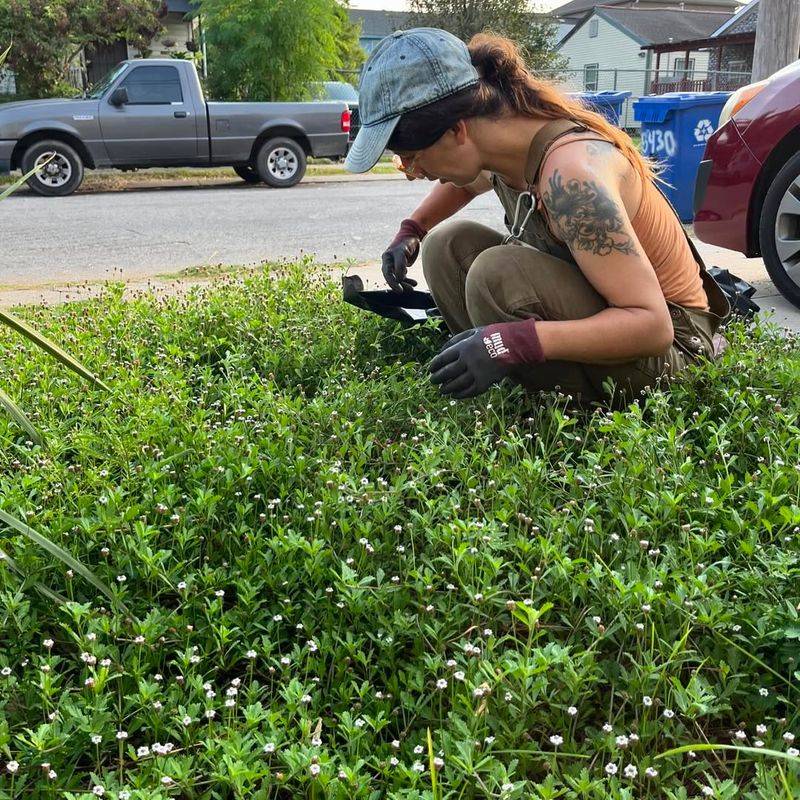
Even a plant with excellent ecological credentials can lose an HOA argument if the planting looks neglected. Frogfruit mixed with unrelated weeds, thinning in patches, or spilling over a sidewalk edge sends the wrong message.
So does frogfruit spreading into a neighbor’s turf instead of looking like a clean, intentional ground cover planting. The difference between a native yard and an ignored yard can be surprisingly small from the street.
Weeding matters more than many homeowners expect. Frogfruit is low-growing, which means taller weeds can push through and dominate the visual impression quickly.
Keeping the planting relatively clean of weedy grasses, dollar weed, and other opportunistic plants makes a real difference in how it reads from the curb. It also makes the frogfruit itself look healthier and denser.
Edges are just as important. A frogfruit planting that spills unevenly across a sidewalk or driveway edge looks accidental.
Trim those borders regularly and consider a defined edge treatment to separate the ground cover from hardscape. If gaps appear, fill them in rather than letting the planting look incomplete.
An HOA board is far more likely to accept a native ground cover that clearly looks planned and maintained. It is less likely to accept one that appears to have taken over a yard on its own.
7. Good Edging Makes Frogfruit Look Intentional
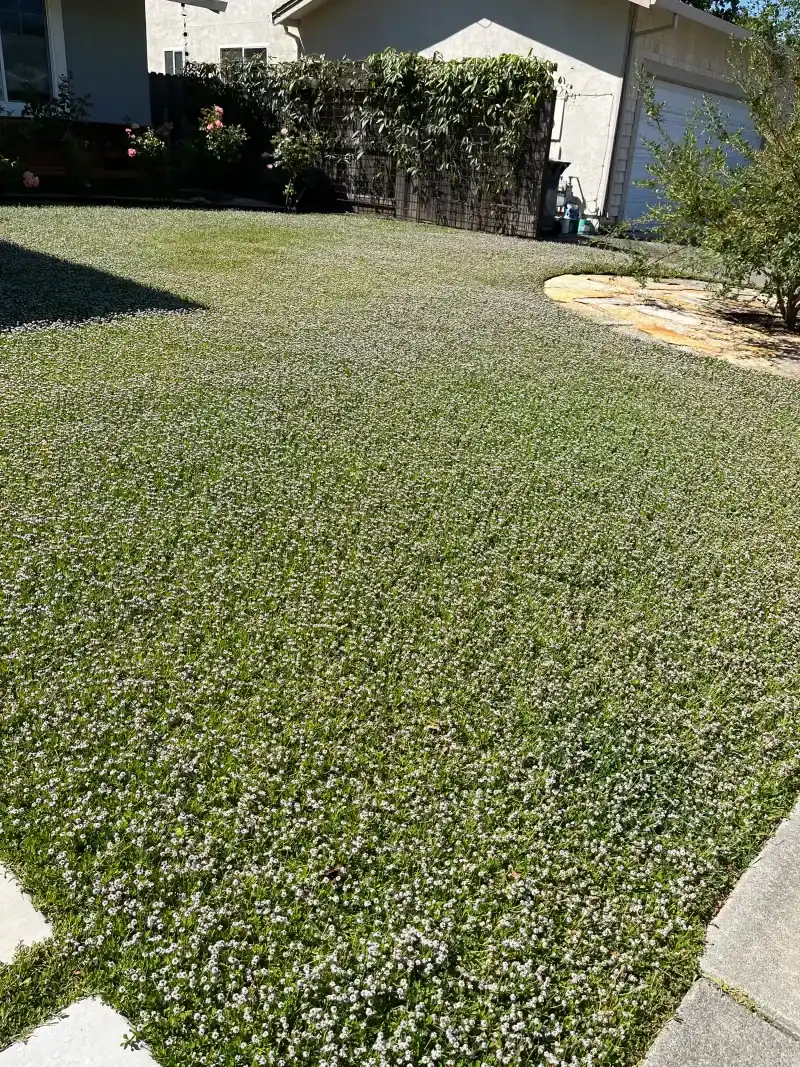
A clean edge changes everything. Frogfruit planted without defined borders can look like it wandered in from a nearby lot, even if it was placed there deliberately.
Adding a crisp edge along driveways, front walks, and sidewalks signals that the yard is being maintained and that the ground cover is a choice, not an oversight.
Mulch transitions work well alongside frogfruit. A border of organic mulch between a planting bed and the lawn, or between frogfruit and hardscape, creates a visual separation that reads as intentional design.
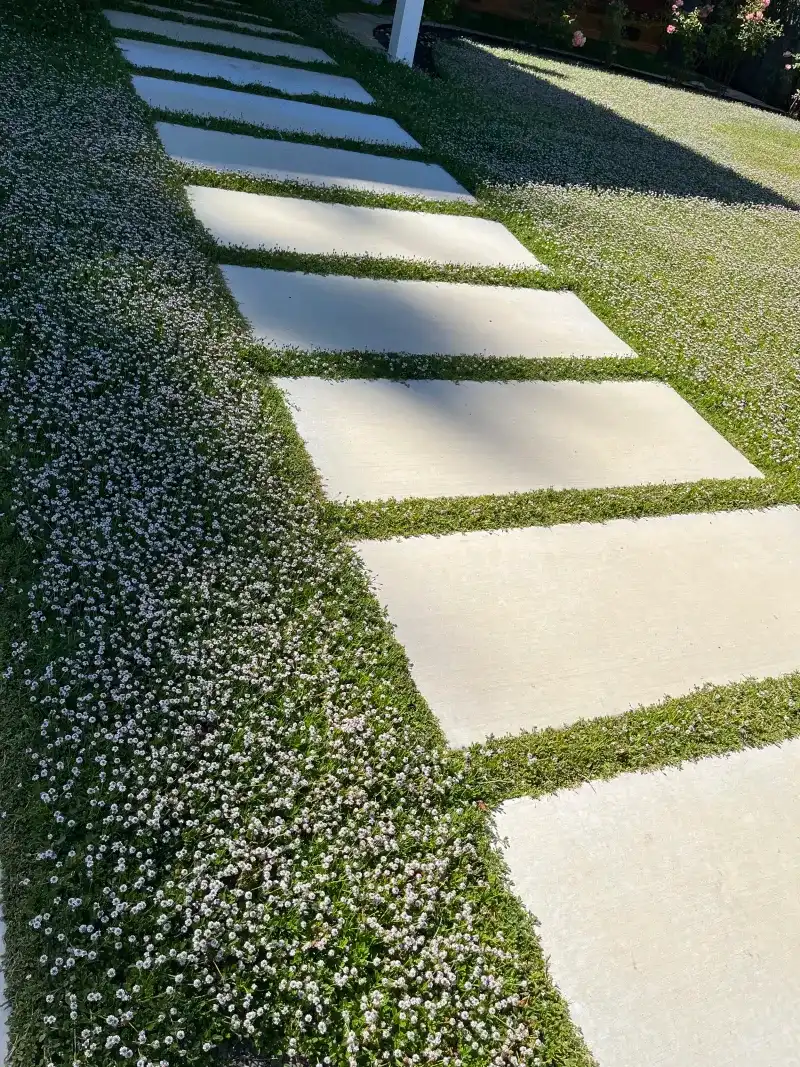
Stepping stones placed through a frogfruit patch can add structure and make the space feel considered. Repeating frogfruit in more than one area of the yard also helps it look like part of a plan rather than a random patch.
Near high-visibility spots like a mailbox, front entry, or curb edge, extra care with structure pays off. Those are the areas most likely to draw attention from a board or neighbor.
A frogfruit planting near a mailbox that has clean edges, a defined mulch border, and no weeds sticking up through it looks like landscape design. One that has none of those things looks like something that needs to be addressed.
The plant itself is the same in both cases. The presentation is what makes the difference.
8. HOA Approval Still Matters Before You Rip Out Grass
Before pulling up a single strip of sod, read your HOA covenants. Many communities require advance approval for any significant change to front yard landscaping, including turf removal.
Skipping that step can lead to a violation notice, even with the best intentions and a genuinely Florida-Friendly plant. That notice is much harder to resolve after the fact than before it.
Submitting a simple written plan makes a real difference. Include a brief description of the plant, why you are using it, how you plan to maintain it, and photos of healthy frogfruit plantings for reference.
Citing Florida-Friendly Landscaping principles and noting your plan to edge, weed, and maintain the planting shows the board that you are being thoughtful, not impulsive. Document your submission and any responses you receive.
If your HOA pushes back, stay calm and communicate clearly. Ask which specific standards the planting needs to meet and work toward those.
Your local UF/IFAS Extension office is a strong resource for plant facts and Florida-Friendly Landscaping guidance.
For any dispute that moves beyond a simple conversation, a qualified attorney familiar with community association law is the right person to consult.
Frogfruit genuinely belongs in a Florida-Friendly yard. It succeeds best when the planting is both ecologically useful and visibly cared for.