Stop Planting Butterfly Bush In Texas (These Natives Bloom Longer And Actually Help Butterflies)
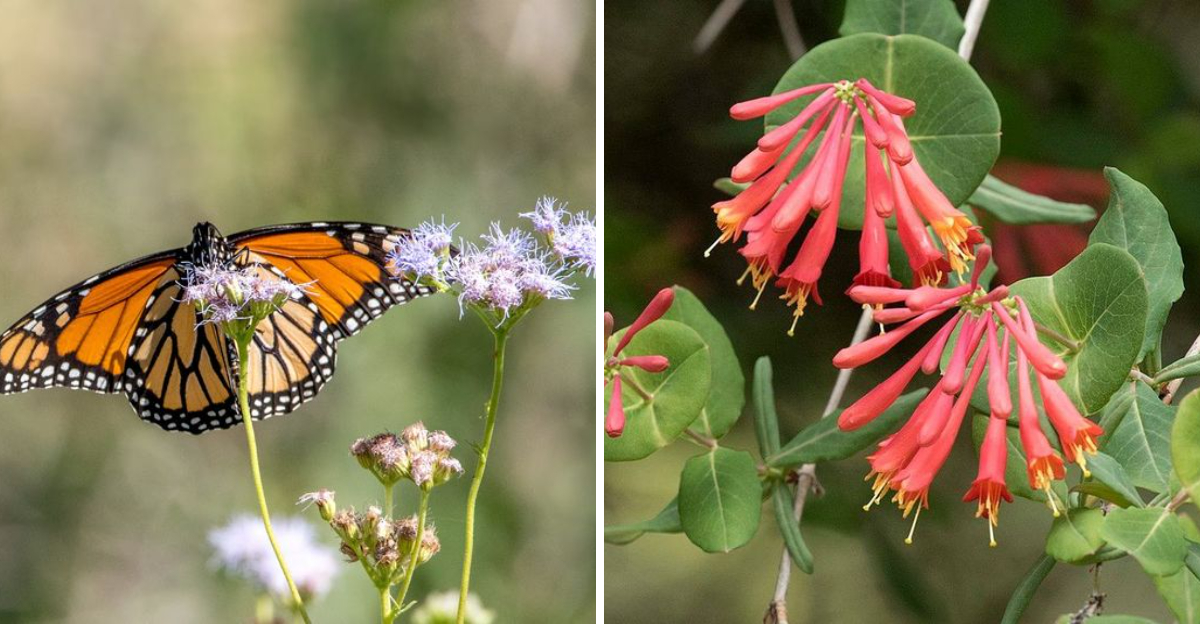
Butterfly bush has a great reputation. The name alone sounds like exactly what every garden needs, and those long colorful blooms do a fantastic job of pulling butterflies in for a visit.
So it’s completely understandable why so many Texas gardeners have planted one, or several. It looks like you’re doing something wonderful for butterflies.
The truth is a little more complicated than that. While butterfly bush does attract adult butterflies looking for nectar, it stops there. It offers nothing else. No shelter, no place to lay eggs, no food for caterpillars.
Butterflies visit, fuel up, and move on. For the actual survival and reproduction of butterfly populations, butterfly bush contributes almost nothing.
Some experts even consider it harmful because it takes up valuable garden space that could be supporting butterflies at every stage of their life cycle. And here’s what really makes this worth paying attention to.
There are Texas native plants that bloom just as long, look just as beautiful, and actually support butterflies from egg to adult. It’s time to make the switch. Here’s what to plant instead.
1. Texas Sage
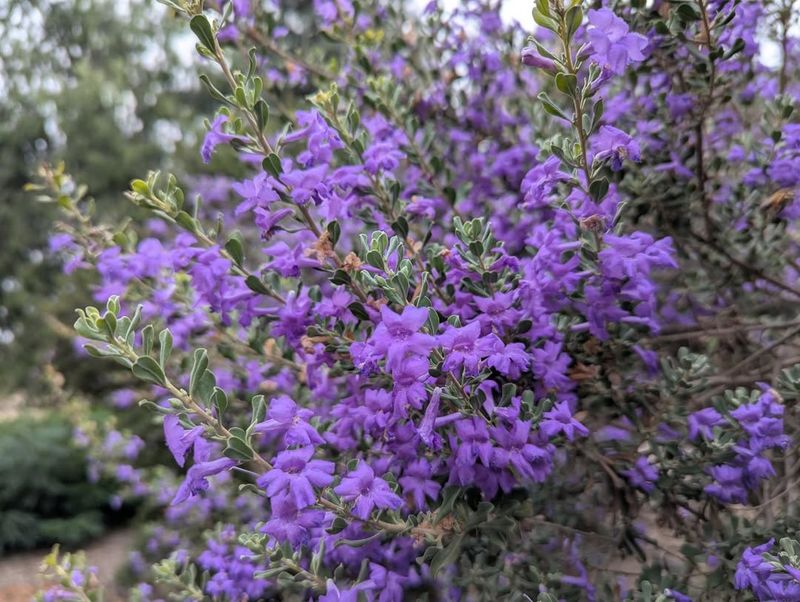
There is a reason Texans have been planting Texas Sage in their yards for generations. After a good rain, this tough little shrub bursts into a cloud of purple blooms almost overnight. Locals call it the barometer bush because it tends to flower right before or after rainfall.
Texas Sage is native to the Chihuahuan Desert and thrives across most of Texas. The silvery-gray foliage looks stunning year-round, even when the plant is not in bloom. It adds texture and color to a landscape even during the driest stretches of summer.
Unlike butterfly bush, Texas Sage has zero invasive tendencies. It stays where you plant it, grows at a manageable pace, and never tries to take over your garden. That alone makes it a much smarter choice for responsible gardeners.
Pollinators absolutely love the tubular purple flowers. Bees, butterflies, and even some moths visit the blooms regularly throughout summer and into fall.
The plant provides reliable nectar during some of the hottest months when many other plants have already stopped blooming.
Texas Sage is incredibly low-maintenance once established. It is drought-tolerant, heat-tolerant, and deer-resistant.
It actually prefers poor, well-draining soil and does not need supplemental watering once its roots are settled in.
You can find Texas Sage in a range of sizes, from compact two-foot varieties to larger six-foot shrubs. It works beautifully as a hedge, a focal point, or a border plant.
For Texas gardeners who want something that looks great and supports pollinators without any headaches, Texas Sage truly delivers every single season.
2. Gregg’s Mistflower
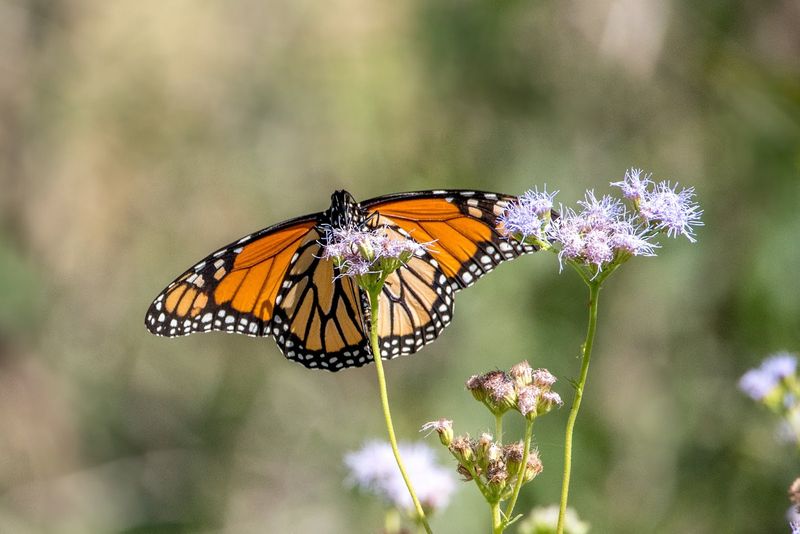
Walk past a patch of Gregg’s Mistflower on a warm Texas afternoon and you will likely stop in your tracks. The clusters of soft blue-purple blooms are absolutely covered in butterflies, bees, and other pollinators.
It is one of those plants that makes you feel like you stepped into a nature documentary. Gregg’s Mistflower is a Texas native that blooms from spring all the way through fall. That is a seriously long season of color.
Your Texas Garden Changes Every Week. Your Plan Should Too.
Gardening in Texas changes quickly throughout the season. Every Friday you’ll receive a simple weekly plan showing exactly what to plant, prune, fertilize, harvest, and protect so you never miss the right timing.
Most ornamental plants cannot come close to matching that kind of staying power in the brutal Texas heat.
One of the best things about this plant is how easy it is to grow. It thrives in full sun to partial shade and handles dry conditions well once established.
It does not need much fuss, which makes it perfect for gardeners who want big results without a lot of effort.
Butterflies do not just visit Gregg’s Mistflower for nectar. Several species, including the queen and bordered patch butterfly, use it as a host plant.
That means females lay eggs on it, and caterpillars feed on the leaves. Butterfly bush cannot offer that at all.
Gregg’s Mistflower spreads naturally through rhizomes, so it will slowly fill in a garden bed over time. You can also divide clumps to share with neighbors or expand your own planting. It tends to stay low and mounding, usually reaching about two feet tall.
If you want a plant that truly supports the full butterfly life cycle while adding a pop of cool blue-purple color to your landscape, Gregg’s Mistflower is a fantastic place to start.
3. Scarlet Sage
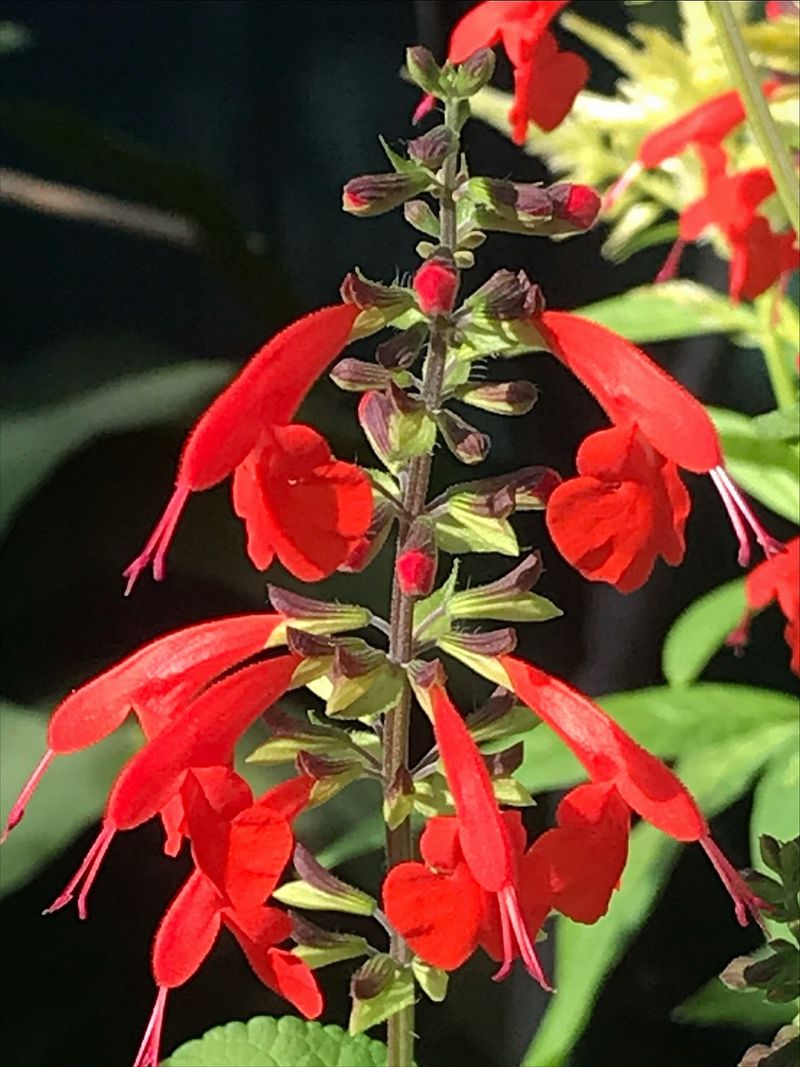
Scarlet Sage is basically the life of the party in a Texas summer garden. The tall spikes of fire-engine red tubular flowers keep going and going all summer long, even when the heat is absolutely relentless.
It is one of those plants that makes the rest of the garden look like it gave up. Hummingbirds are wild about Scarlet Sage. The long tubular flowers are perfectly shaped for their bills, and you can watch them hover and feed for hours on a warm afternoon.
Butterflies, especially swallowtails and skippers, visit the blooms constantly for nectar too. What makes Scarlet Sage stand out from butterfly bush is that it reseeds itself naturally.
Drop a few plants into your garden and they will come back year after year without any help from you. Over time, you end up with a whole colony of red-blooming plants that wildlife loves.
Scarlet Sage grows best in full sun but tolerates some afternoon shade, which is helpful during the most brutal Texas summers.
It reaches about two to three feet tall and works great in borders, containers, or mixed pollinator beds. It pairs beautifully with blue or purple flowering plants.
This plant is also extremely adaptable. It grows in average to poor soils and does not need much supplemental water once it gets going.
You can start it from seed or transplants, and either way it establishes quickly and starts blooming fast.
For gardeners who want continuous summer color that genuinely feeds and supports local wildlife, Scarlet Sage is one of the most rewarding native plants you can grow anywhere in Texas.
4. Autumn Sage
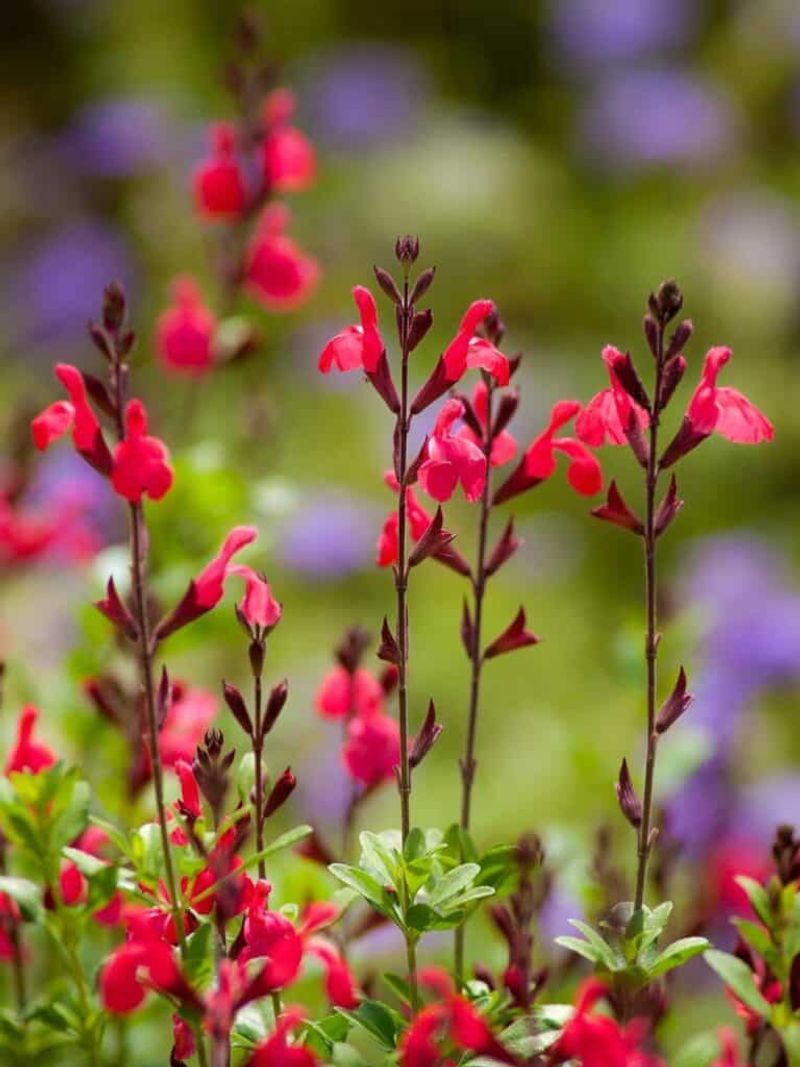
Ask almost any experienced Texas gardener what their go-to plant is, and there is a good chance they will mention Autumn Sage.
It blooms from spring all the way through fall, handles Texas heat like a champion, and comes back reliably year after year. Few plants can match its combination of toughness and beauty.
The flowers come in red, pink, coral, white, and purple depending on the variety you choose.
All of them attract butterflies and hummingbirds consistently throughout the growing season. Swallowtails, painted ladies, and sulphur butterflies are especially drawn to the blooms.
Autumn Sage is native to the Trans-Pecos region of Texas and northern Mexico. It evolved in rocky, dry, alkaline soils, which means it is perfectly suited for the challenging growing conditions found across much of the state.
It does not need rich soil or heavy watering to perform well. One of the smartest things about planting Autumn Sage is how drought-resistant it becomes after its first season. Once established, it can go weeks without rain and still produce flowers.
That kind of resilience is exactly what Texas gardeners need during long, dry summers. Autumn Sage typically grows two to three feet tall and wide, making it a nice mid-border plant.
It pairs well with ornamental grasses, Gregg’s Mistflower, and other native perennials. Regular light pruning after each bloom cycle encourages even more flowers throughout the season.
If you have been looking for a low-effort, high-reward plant that supports pollinators all season long, Autumn Sage is genuinely hard to beat in a Texas garden setting.
5. Winecup
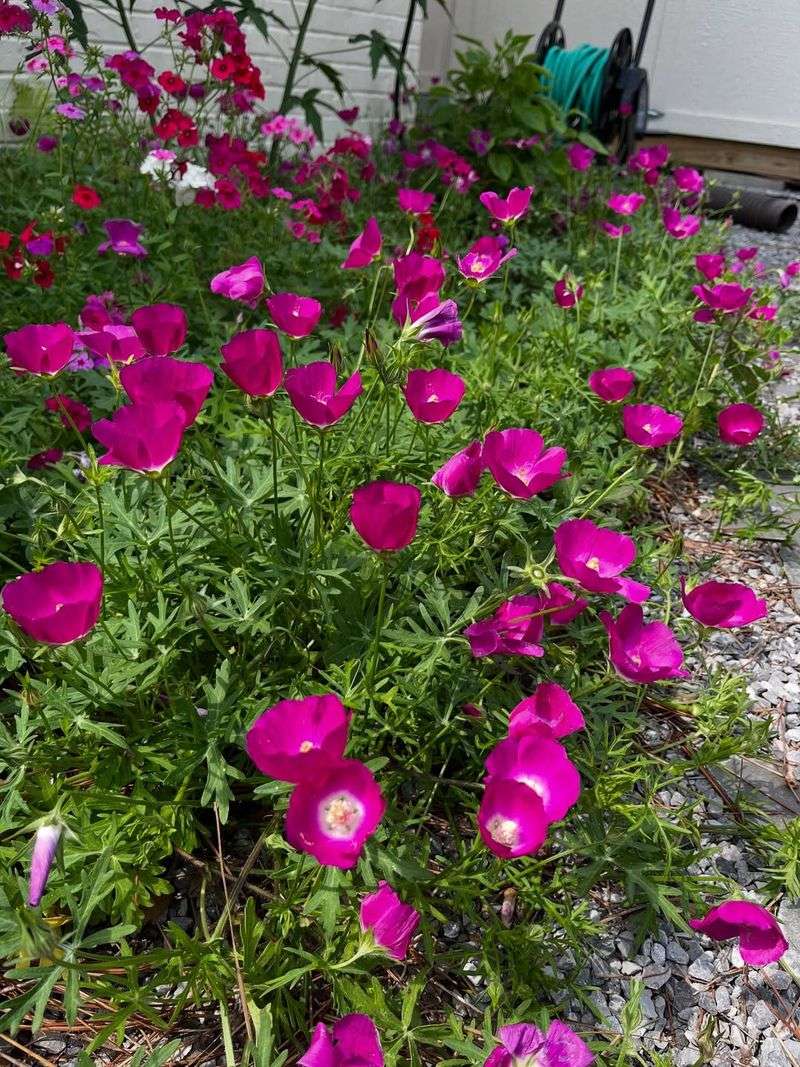
Winecup is one of those plants that stops people in their tracks the first time they see it. The flowers are a deep, rich magenta that almost glows in the sunlight, and they have a simple cup shape that feels both wild and elegant at the same time.
It is genuinely one of the most eye-catching native plants in Texas. Blooming from spring into summer, Winecup spreads along the ground in a low, sprawling mat.
It works beautifully as a ground cover, a border plant, or a colorful addition to a wildflower meadow. The trailing stems can reach several feet in length, filling in gaps in the garden naturally.
Bees absolutely swarm Winecup flowers. Butterflies visit regularly too, feeding on the nectar throughout the bloom period.
Because it spreads and reseeds on its own, a single plant can turn into a large, thriving patch over just a couple of seasons without any extra effort from you.
Winecup grows from a deep taproot that makes it extremely drought-tolerant once established. It thrives in well-draining soil and full to partial sun.
It actually struggles in heavy clay or overly wet conditions, so good drainage is the main thing to watch for when choosing a planting spot.
Unlike butterfly bush, Winecup is not aggressive or invasive. It spreads politely and stays within reason, making it a responsible and beautiful choice for any Texas garden. It also goes dormant in summer heat and then bounces back with cool weather in fall.
For a splash of wild, vivid color that pollinators truly love, Winecup earns its place in any Texas native plant garden.
6. Mealy Blue Sage
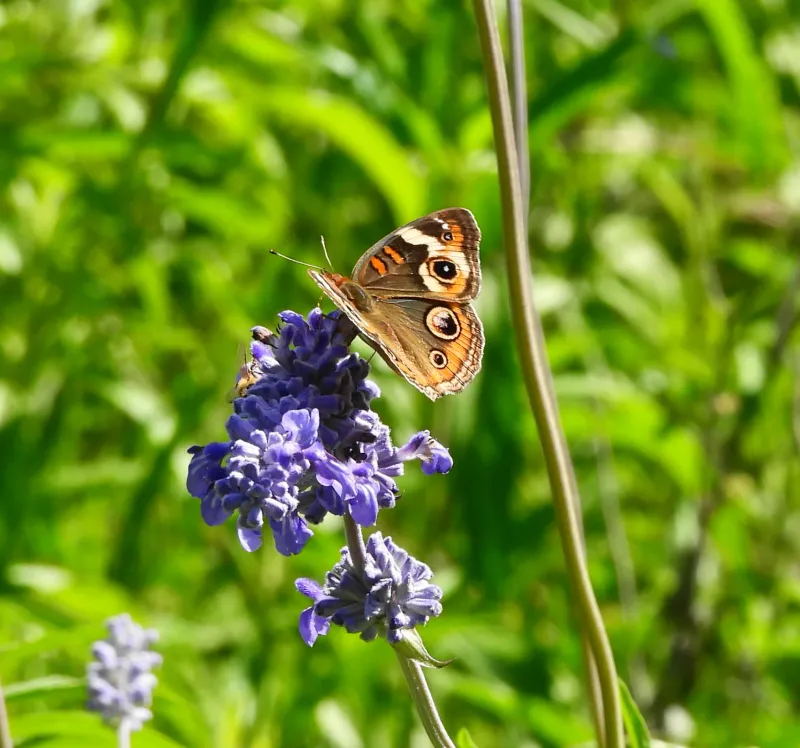
Few native plants in Texas can match Mealy Blue Sage when it comes to sheer bloom time. The tall blue-purple flower spikes start appearing in late spring and keep going strong all the way through fall. That is months of reliable color and pollinator activity in a single plant.
The name comes from the whitish, powdery coating on the stems and flower bases, which gives the plant a soft, almost frosted appearance. The blue-violet blooms contrast beautifully against this pale backdrop, making it a standout in any garden bed or naturalized area.
Bees are the most frequent visitors, but butterflies and beneficial insects love Mealy Blue Sage too. It supports the kind of healthy insect ecosystem that keeps a garden balanced and thriving.
Planting it alongside other natives creates a buzzing, fluttering paradise throughout the warmer months.
Mealy Blue Sage is native to central and south Texas, so it is built for the state’s hot, dry conditions. It grows well in poor soils, handles drought once established, and does not need fertilizer to perform well.
It is genuinely one of the most low-maintenance native perennials available to Texas gardeners.
The plant typically reaches two to three feet tall and works well in borders, rain gardens, and mixed pollinator beds. It reseeds freely, which means you will likely get more plants each year without doing anything at all.
You can deadhead spent blooms to encourage fresh growth or let it go to seed for wildlife to enjoy.
Mealy Blue Sage is a workhorse of the Texas native plant world and deserves a spot in every pollinator-friendly garden.
7. Coral Honeysuckle
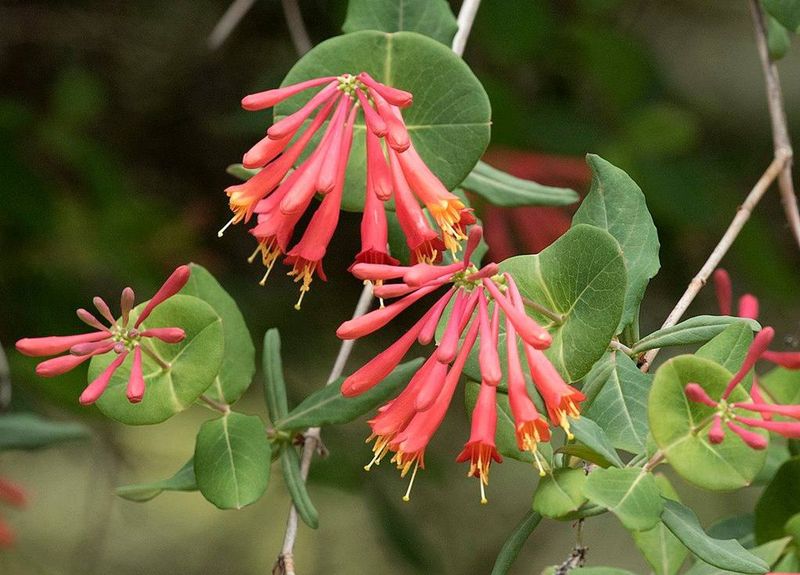
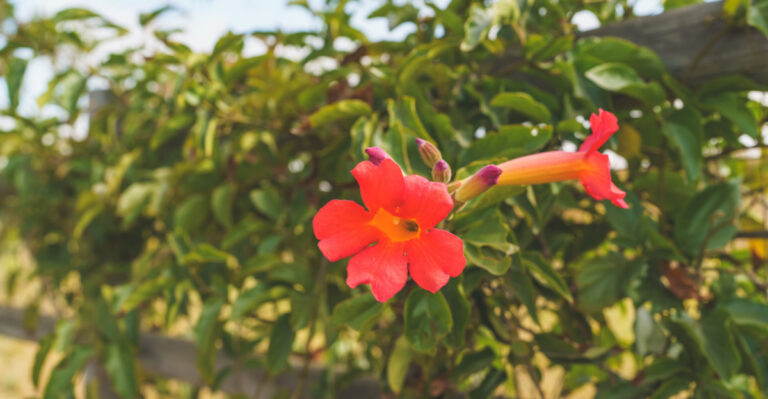
Coral Honeysuckle is the vine that every Texas garden fence or trellis has been waiting for. The clusters of long, slender red tubular flowers are absolutely irresistible to hummingbirds, and butterflies are not far behind.
When this vine is in full bloom, it becomes one of the most active wildlife spots in the entire yard.
Unlike its invasive cousin Japanese Honeysuckle, Coral Honeysuckle is a well-behaved native vine. It climbs without strangling trees or smothering other plants.
You get all the beauty and wildlife value of a honeysuckle without any of the headaches that come with invasive species.
Blooming from spring through summer and sometimes into fall, Coral Honeysuckle provides nectar during a long stretch of the growing season. Ruby-throated hummingbirds especially rely on it during their spring migration through Texas.
Watching them feed from the flowers is one of the great joys of having this plant in your garden.
Zebra longwing and other butterfly species use Coral Honeysuckle as a nectar source during their active season.
The red berries that follow the flowers also attract songbirds in late summer and fall. One plant provides multiple layers of wildlife value across several months of the year.
Coral Honeysuckle grows best in full sun to partial shade and adapts to a range of soil types. It is moderately drought-tolerant once established and does not require much supplemental watering.
It can reach ten to twenty feet with support, making it a great choice for covering fences, arbors, or pergolas.
For a native vine that is gorgeous, wildlife-friendly, and easy to grow, Coral Honeysuckle is an outstanding choice for any Texas landscape.