These Native Texas Plants Practically Grow Themselves Along The Hottest Fence Lines
A south or west-facing fence line in Texas during summer is one of the more punishing growing environments in any residential landscape.
Reflected heat off the fence structure, minimal air circulation, dry compacted soil at the base, and full sun exposure through the most intense part of the day create conditions that eliminate most plant choices quickly and without much mercy.
The fence lines that end up looking good through a Texas summer are almost always planted with natives, and not just any natives but the ones that are specifically calibrated for exactly this kind of exposure.
These plants do not just survive the hottest fence line conditions. They settle in and start performing, filling the space with growth and sometimes bloom in a way that makes the surrounding area look considerably more intentional than bare dirt and stressed ornamentals ever managed.
Getting the right natives established along a difficult fence line is one of the higher-impact, lower-effort decisions a Texas gardener can make.
1. Texas Sage
Rain is coming. You might not have checked the forecast, but your Texas Sage already knows.
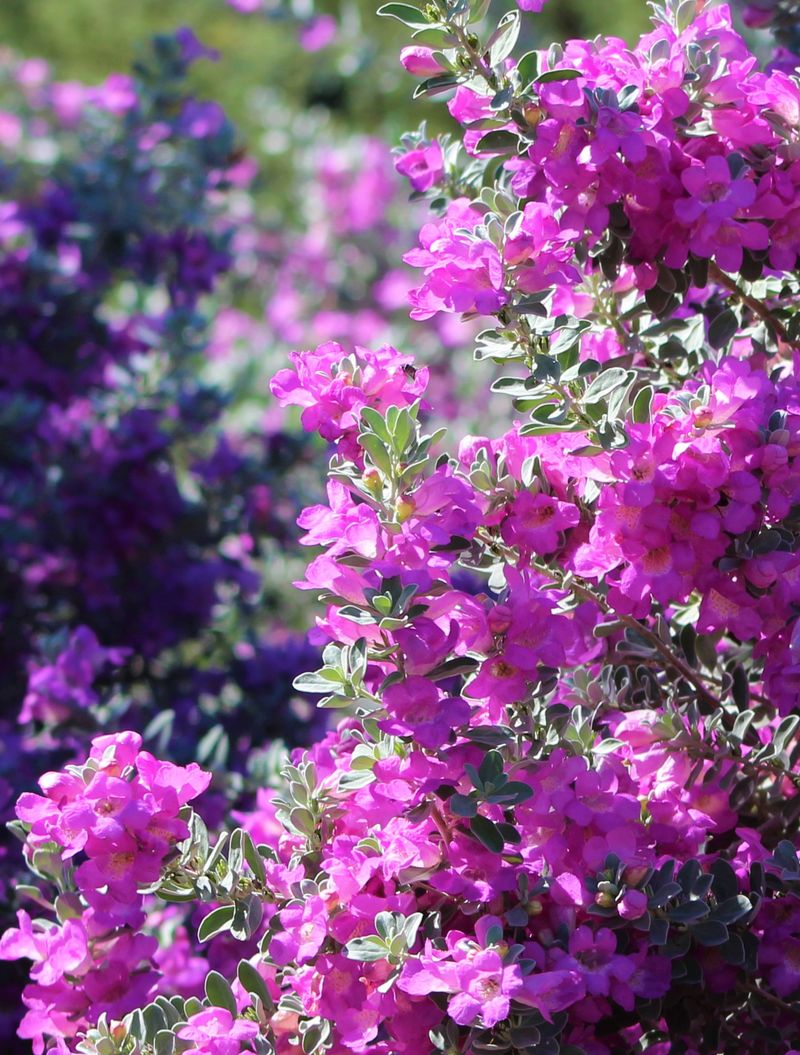
This incredible shrub is sometimes called the “barometer bush” because it bursts into full purple bloom right before a rainstorm.
Gardeners across Texas have used it as a natural weather predictor for generations, and that alone makes it one of the most charming plants you can grow along a fence.
Texas Sage is an evergreen shrub that stays attractive all year long. Its silvery-green leaves reflect sunlight beautifully, giving your fence line a soft, dusty look even when it is not blooming.
When those purple flowers do appear, they cover the entire plant almost overnight. The effect is absolutely breathtaking, especially against a plain wooden or wire fence.
Planting Texas Sage is straightforward. It loves full sun and well-drained soil, and it actually performs better when you leave it alone.
Overwatering is one of the few ways to run into trouble with this plant. Once established, it rarely needs irrigation and can handle the worst Texas heat without flinching. It grows slowly and steadily, reaching about five to eight feet tall at maturity.
Pruning is optional but can help maintain a tidy shape along a fence. Many gardeners prefer to let it grow naturally into a rounded mound.
Texas Sage is also resistant to most pests and diseases, so you will not be spending weekends fighting off bugs or spraying chemicals. For a low-effort, high-reward fence plant that genuinely thrives in Texas conditions, this one is hard to beat.
2. Flame Acanthus
Want to turn your fence line into a hummingbird highway? Flame Acanthus is the plant for the job.
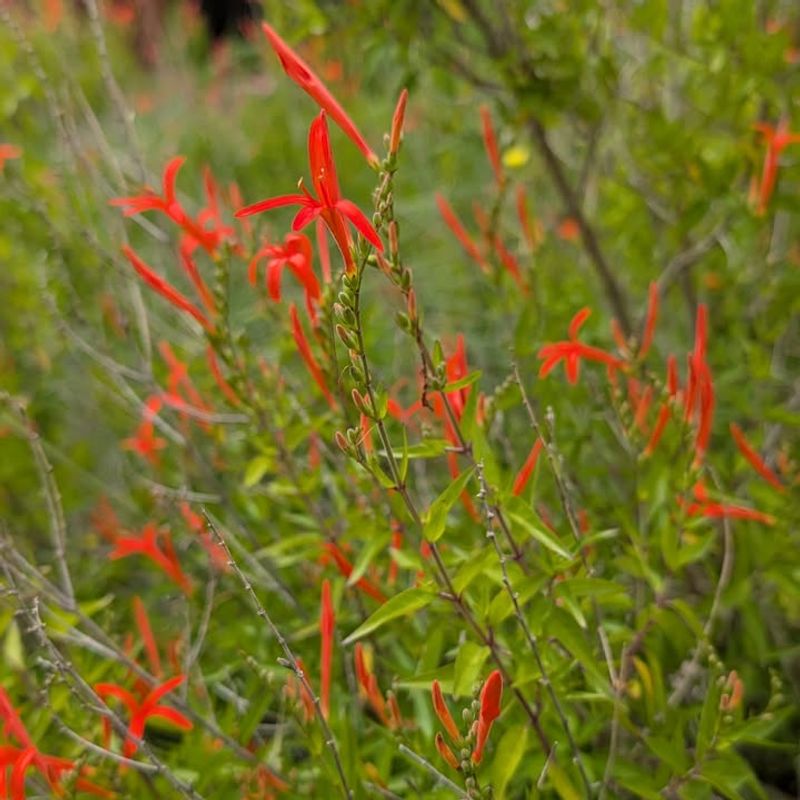
This Texas native produces an explosion of bright orange-red tubular flowers from midsummer all the way through fall, and hummingbirds simply cannot resist them.
Butterflies show up too, turning your yard into a lively outdoor show with almost zero effort on your part.
What makes Flame Acanthus truly remarkable is how little it asks for in return. Poor soil? No problem. Blazing afternoon sun? Bring it on. Extended dry spells? It barely notices.
Your Texas Garden Changes Every Week. Your Plan Should Too.
Gardening in Texas changes quickly throughout the season. Every Friday you’ll receive a simple weekly plan showing exactly what to plant, prune, fertilize, harvest, and protect so you never miss the right timing.
This plant was practically built for the toughest spots in your yard, which is exactly why it thrives so well along exposed, sun-hammered fence lines where other plants would struggle badly.
Flame Acanthus grows as a loose, airy shrub reaching about three to five feet tall and wide. It fits nicely along a fence without completely blocking the view, making it a great choice for property borders where you still want some openness.
The plant goes dormant in winter and may look scraggly, but do not be discouraged. It bounces back with fresh new growth every spring like clockwork.
Cutting it back in late winter actually encourages more vigorous growth and better blooming the following season. A single plant can spread slowly over time through root offshoots, gradually filling in gaps along your fence without any help from you.
If you want a plant that works hard, feeds wildlife, and asks for almost nothing in return, Flame Acanthus deserves a serious spot on your planting list.
3. Coral Honeysuckle
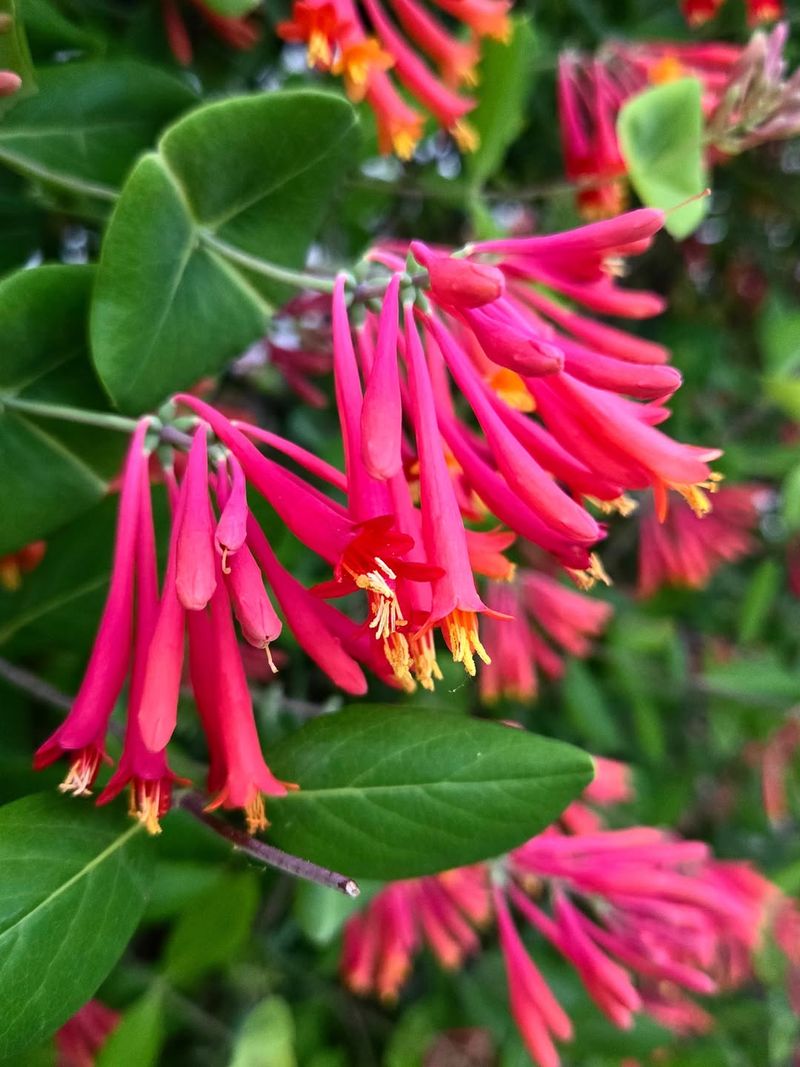
There is something almost magical about watching a vine take over a bare fence. Coral Honeysuckle does exactly that, and it does it with style.
Unlike its invasive Japanese cousin, this native Texas vine behaves itself beautifully. It climbs steadily, blooms generously, and never tries to take over the entire neighborhood. Ruby-throated hummingbirds are absolutely wild about its long red tubular flowers.
Coral Honeysuckle blooms heavily in spring and then continues producing flowers on and off through fall. The red blooms are eye-catching against the dark green, oval leaves, and they eventually give way to small red berries that birds love to snack on.
So even after the flowers fade, this vine keeps earning its place on your fence by feeding local wildlife through the warmer months.
Growing Coral Honeysuckle along a fence is easy. Give it something to climb, whether that is chain link, wood slats, or a simple wire trellis, and it will figure out the rest.
It prefers full sun to partial shade and tolerates a wide range of soil types as long as drainage is decent. Once established, it handles drought well and rarely needs supplemental watering during normal Texas summers.
One of the best things about this vine is how low-maintenance it really is. Light pruning after the main spring bloom keeps it tidy and can encourage a second flush of flowers later in the season.
It does not need heavy fertilizing and stays relatively free of serious pest problems. For covering a fence quickly with color and wildlife value, Coral Honeysuckle is genuinely one of the best native choices available in Texas.
4. Gregg’s Mistflower
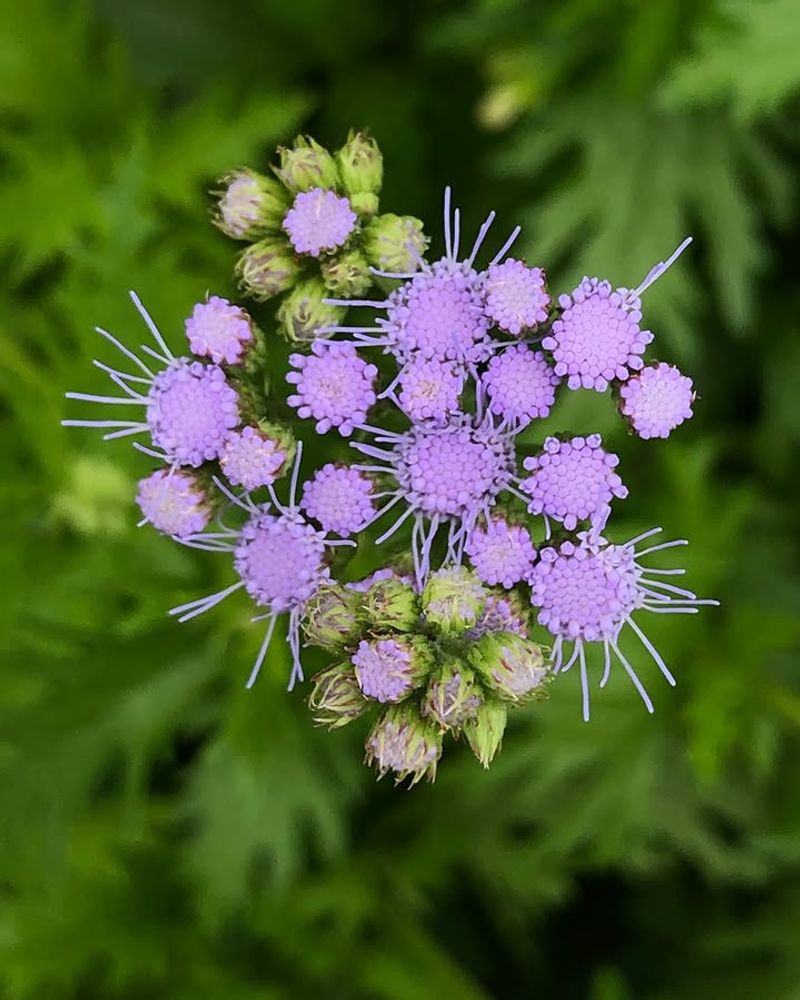
Most flowering plants in Texas start winding down as summer drags on, but Gregg’s Mistflower is just getting warmed up.
From late summer straight through fall, this tough little perennial pumps out fuzzy clusters of blue-purple flowers that look almost like tiny bursts of lavender mist.
Monarch butterflies and queen butterflies in particular are drawn to it during their fall migration, making it one of the most ecologically valuable plants you can add to a fence line.
Gregg’s Mistflower grows naturally in rocky, dry soils across central and west Texas, which tells you everything you need to know about its toughness. It does not need rich soil, consistent watering, or any kind of pampering.
Once it gets established along your fence, it basically runs itself. The plant spreads by reseeding, gradually filling open gaps along the fence line with new plants each year.
In terms of size, Gregg’s Mistflower stays relatively compact, usually reaching about two to three feet tall and wide. That makes it a great front-of-fence option when paired with taller plants like Texas Sage or Desert Willow behind it.
The layered look adds depth and visual interest to your landscape without requiring any fancy design knowledge.
Come winter, the plant dies back to the ground but returns reliably each spring. Leaving the old stems in place over winter actually provides shelter for small beneficial insects.
A light trim in early spring cleans things up before new growth begins. For late-season color and serious butterfly appeal along a hot Texas fence, Gregg’s Mistflower is an underrated gem worth planting right away.
5. Desert Willow
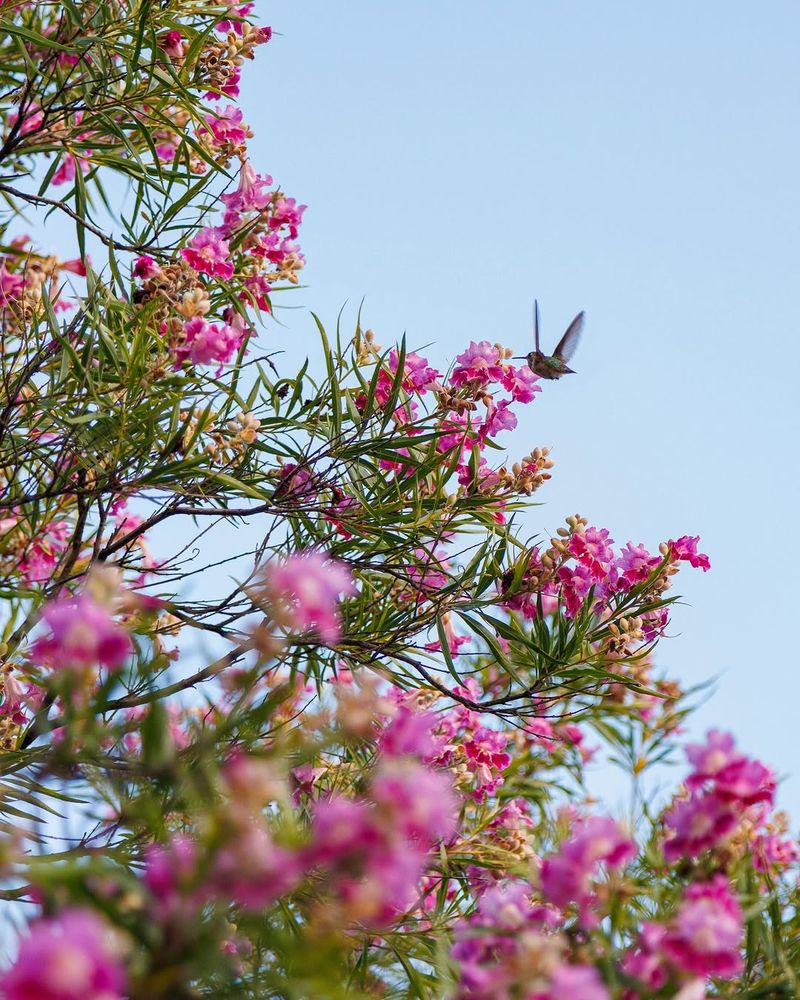
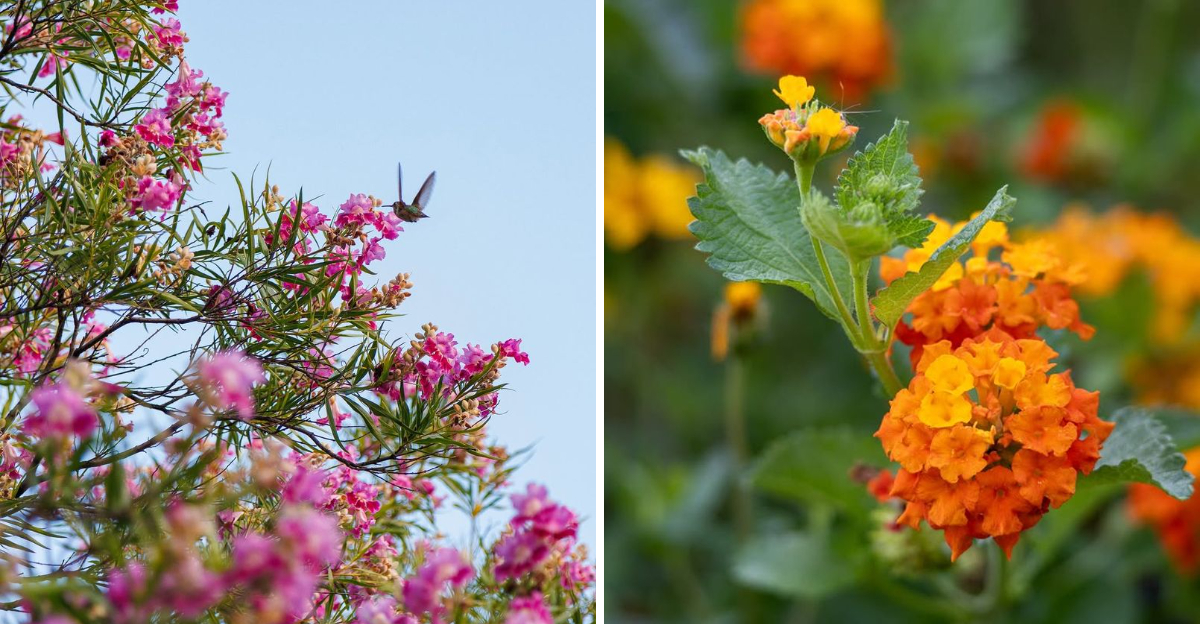
Picture a small tree covered in showy, trumpet-shaped flowers in shades of pink, lavender, and white, standing tall along a sun-scorched fence line without a drop of irrigation. That is Desert Willow in a nutshell.
Despite its name, it is not actually related to true willows at all. It belongs to the same family as catalpa trees, and its big, fragrant blooms reflect that connection in the most beautiful way possible.
Desert Willow is built for extremes. It thrives in full sun, rocky or sandy soil, and extended dry periods that would flatten most ornamental trees.
In Texas, it is right at home along fence lines that bake in the afternoon heat. Hummingbirds visit the flowers constantly during blooming season, which runs from late spring through summer and sometimes into early fall depending on rainfall.
As a screening plant along a fence, Desert Willow is excellent. It grows quickly, reaching anywhere from fifteen to twenty-five feet tall, and its long, narrow leaves give it a graceful, tropical appearance that softens the look of any fence.
Because it drops its leaves in winter, it provides dense shade in summer while letting more light through during the cooler months.
Watering deeply but infrequently during the first growing season helps establish a strong root system. After that, Desert Willow is largely on its own.
Pruning lower branches encourages a more tree-like form, while leaving it unpruned creates a large, multi-stemmed shrub.
Either way, it fills space beautifully and delivers year after year of color with minimal attention from the gardener. It truly earns its place along any Texas fence line.
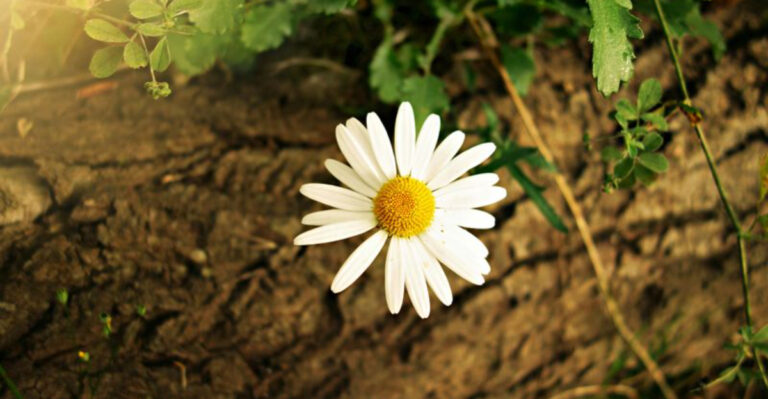
6. Blackfoot Daisy
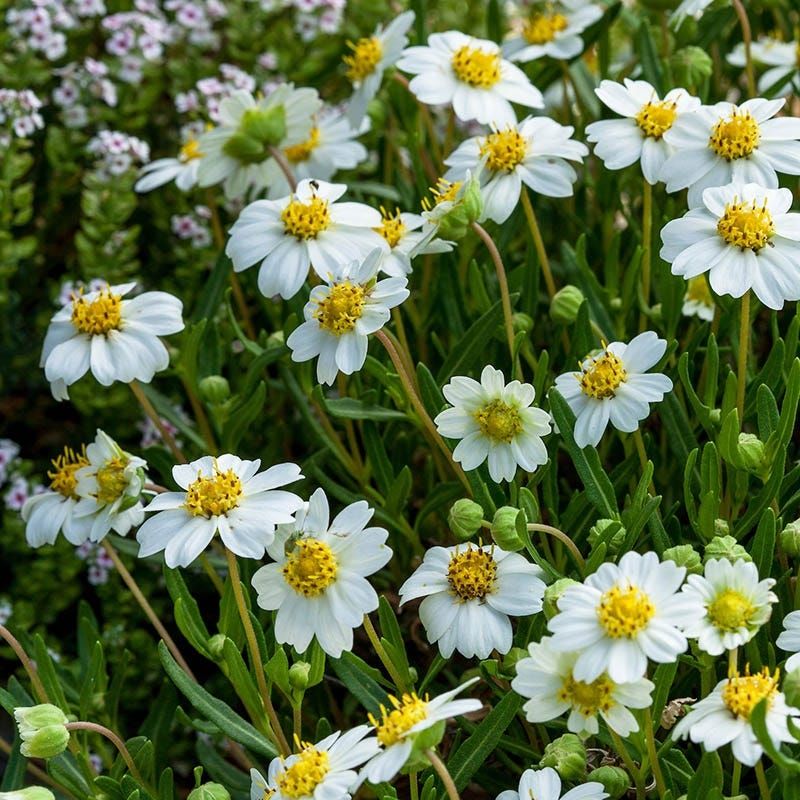
Cheerful is the only word that really captures what Blackfoot Daisy brings to a fence line. These bright white flowers with sunny yellow centers bloom almost continuously from spring through fall, creating a low-growing carpet of happiness along the base of any fence.
Even on the hottest, driest days of a Texas summer, Blackfoot Daisy just keeps on blooming like it has absolutely nothing to worry about.
Native to the rocky limestone soils of central and west Texas, this compact perennial has adapted to some of the harshest growing conditions in the state.
It typically grows about one foot tall and one to two feet wide, making it a fantastic edging plant along fence lines.
Over time, individual plants reseed and spread naturally, gradually filling in bare patches without any intervention from you.
One thing gardeners quickly notice about Blackfoot Daisy is its pleasant honey-like fragrance. On a warm afternoon, a cluster of these plants near a fence can perfume the surrounding air in the most delightful way.
That sensory bonus is something you rarely get from other drought-tolerant natives, and it makes spending time in the yard near a fence planted with Blackfoot Daisy genuinely enjoyable.
Plant Blackfoot Daisy in full sun and well-drained soil, and then largely leave it alone. It actually blooms better with lean soil and minimal water once established. Too much irrigation causes the plants to become floppy and short-lived.
Cutting them back by about a third in midsummer can refresh the plant and encourage a fresh round of blooming heading into fall. For effortless, long-season color along a hot fence, few native plants can match it.
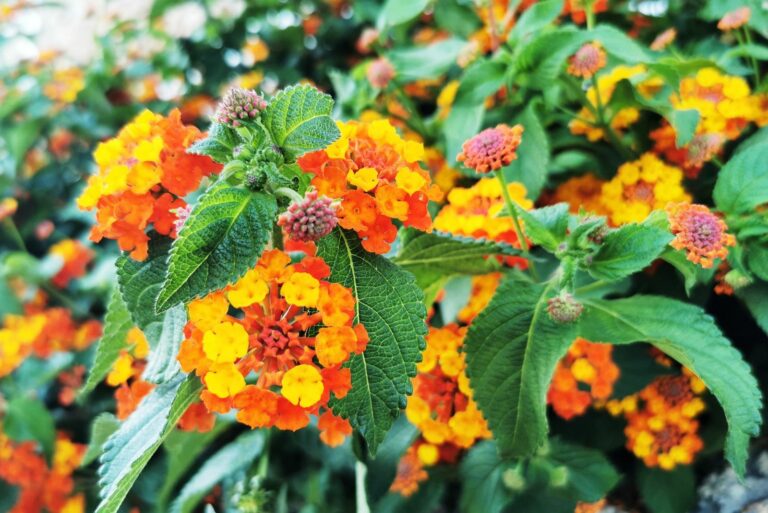
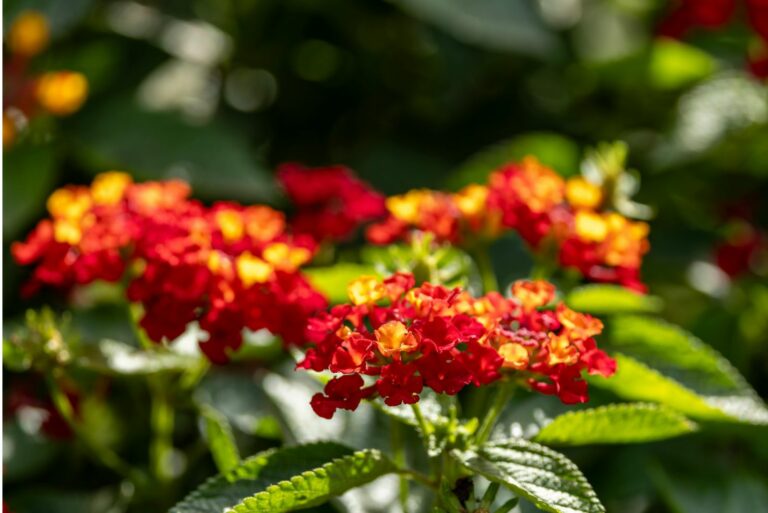
7. Texas Lantana
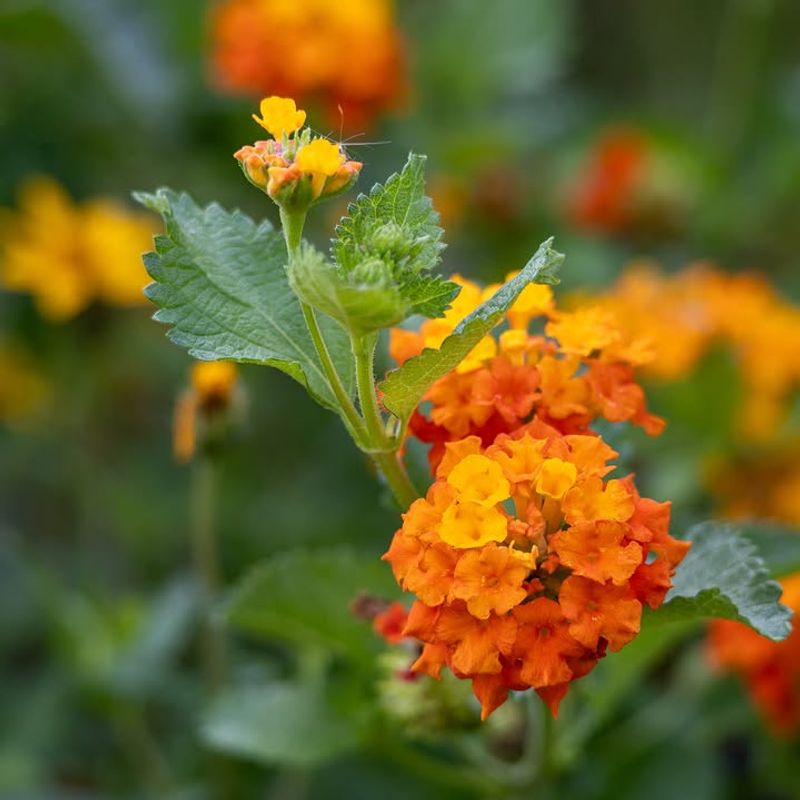
Bold, bright, and completely unbothered by Texas heat, Texas Lantana is the kind of plant that makes your fence line look like it belongs on the cover of a gardening magazine.
From spring through the first frost, this native shrub pumps out dense clusters of yellow, orange, and red flowers without asking for much of anything in return.
Butterflies, bees, and hummingbirds treat it like an all-you-can-eat buffet from the moment it starts blooming.
What sets Texas Lantana apart from the widely planted non-native varieties is that it is genuinely adapted to Texas conditions.
It evolved here, which means it handles the brutal combination of summer heat, alkaline soil, and long dry stretches far better than imported cultivars.
Once established along a fence line, it spreads steadily through root growth and reseeding, filling gaps and creating a lush, colorful border with almost no help needed.
Texas Lantana typically grows three to four feet tall and can spread just as wide, making it a solid choice for creating a low, informal hedge along a fence. The dense foliage also helps suppress weeds, which is a practical bonus that gardeners genuinely appreciate.
Birds are attracted to the small dark berries that follow the flowers, adding another layer of wildlife activity to your yard throughout the season.
Cutting plants back hard in late winter or early spring encourages vigorous new growth and the best possible bloom production. Outside of that annual trim, Texas Lantana needs very little attention.
No special fertilizer, no frequent watering, no complicated care routine. Just plant it in a sunny spot along your fence, step back, and let this tough Texas native do what it does best.