The Beautiful Blue Flowers Hummingbirds In Michigan Cannot Resist
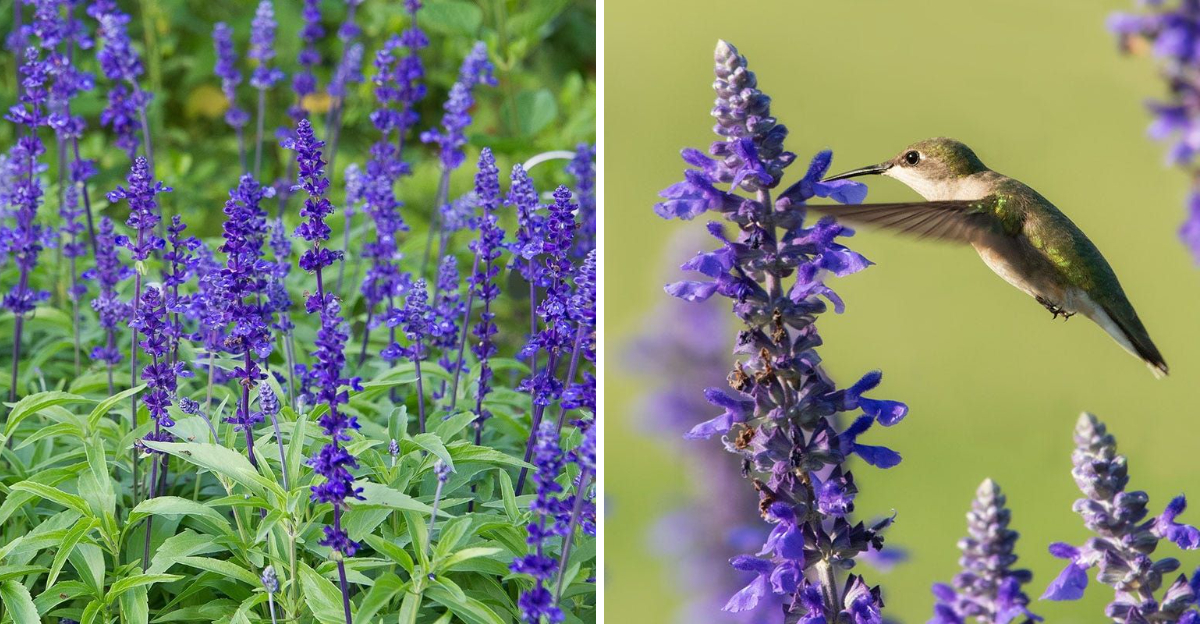
Hummingbird gardens in Michigan tend to lean heavily on red and orange flowering plants, and for good reason. Those colors trigger strong feeding responses in hummingbirds reliably.
What often gets overlooked is that blue flowering plants draw significant hummingbird attention as well, particularly during the mid to late summer stretch when other nectar sources start thinning out across the state.
Several blue-flowering species produce nectar in volumes and concentrations that hummingbirds seek out repeatedly through the day.
Adding them to an existing hummingbird planting extends the feeding season and draws birds to areas of the garden that were previously getting no traffic at all.
The visual effect of combining those blue blooms with the movement of feeding hummingbirds is something genuinely worth planning for.
1. Great Blue Lobelia
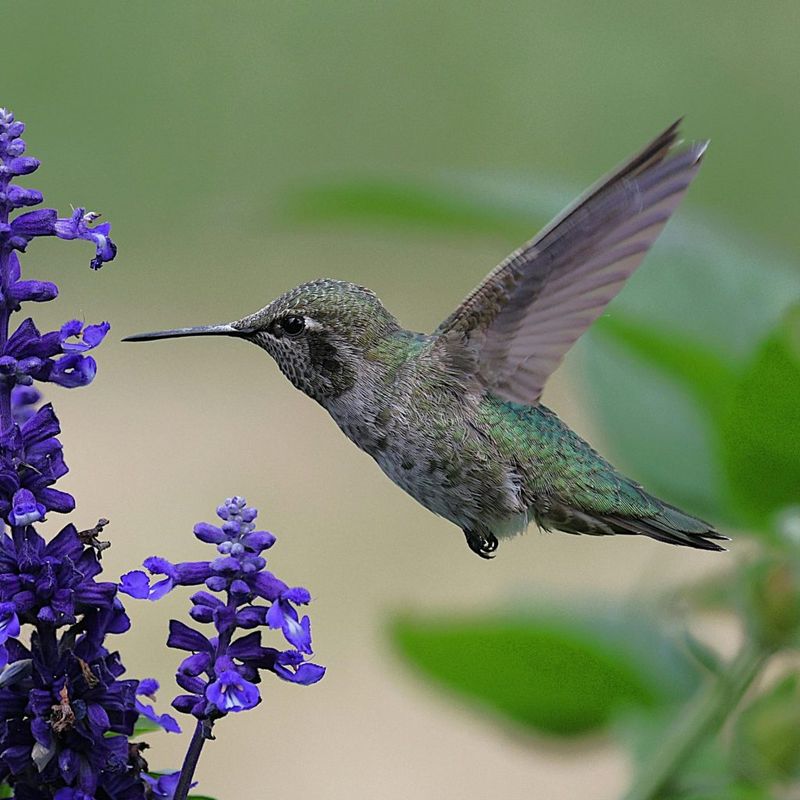
Few native plants earn as much excitement from Michigan gardeners as Great Blue Lobelia.
Known botanically as Lobelia siphilitica, this stunning wildflower produces tall spikes covered in blue to purple tubular blooms that hummingbirds find genuinely hard to pass up.
It is one of those plants that quietly does everything right without asking for much in return.
The flower shape is a big reason hummingbirds love it so much. Tubular blooms allow a hummingbird’s long, slender bill to slip right inside and reach the nectar pool at the base, which flat or open flowers simply cannot offer in the same way.
That easy nectar access makes Great Blue Lobelia a preferred stop rather than a last resort.
Bloom time runs from late summer into early fall, which fills a gap in many Michigan gardens when other flowers start to fade. That timing is no small thing when hummingbirds are bulking up for their long southern migration.
Having reliable nectar available during those weeks can keep hummingbirds visiting your yard longer than usual.
Great Blue Lobelia grows well in moist soil, making it a natural fit for rain gardens, pond edges, and low spots that stay damp after rain. It handles part shade to full sun, so it works in a wider range of spots than many flowering plants.
Plant it in groups of three or more and you will quickly see just how much activity one small patch of blue can bring to your summer garden.
2. Black And Blue Salvia
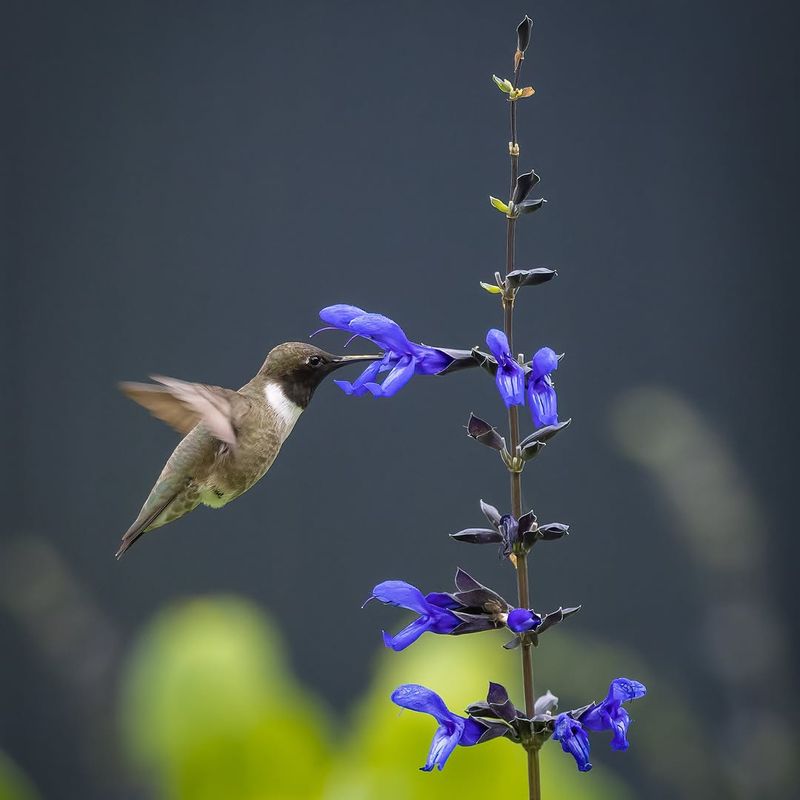
There is something almost electric about the deep blue color of Black and Blue Salvia.
The blooms are so richly pigmented they practically glow in a sunny Michigan garden, and hummingbirds respond to that visual signal like a flashing neon sign pointing straight to a nectar buffet.
Once you grow this plant, it is very hard to imagine your summer garden without it.
Black and Blue Salvia, or Salvia guaranitica, produces long upright spikes packed with tubular flowers that bloom from early summer all the way through the warm months.
In Michigan, it is typically grown as an annual since it is not cold hardy enough to survive harsh winters.
That means planting fresh each spring, but most gardeners who have seen hummingbirds hovering around it say the effort is absolutely worth it.
Your Michigan Garden Changes Every Week. Your Plan Should Too.
Gardening in Michigan changes quickly throughout the season. Every Friday you’ll receive a simple weekly plan showing exactly what to plant, prune, fertilize, harvest, and protect so you never miss the right timing.
One of the most interesting things about hummingbirds is how loyal they become to reliable nectar sources. Once a hummingbird finds Black and Blue Salvia in your yard, it will come back again and again, sometimes at predictable times of day.
Gardeners have reported watching the same hummingbird return to their salvia patch multiple times each morning, almost like clockwork.
Containers work beautifully for this plant, especially on sunny patios or decks where you can watch hummingbirds up close. It thrives in full sun with regular watering and benefits from removing spent blooms to keep new flowers coming.
Pair it with other nectar-rich plants nearby and your yard becomes a destination hummingbirds actively seek out all summer long.
3. Blue Fortune Anise Hyssop
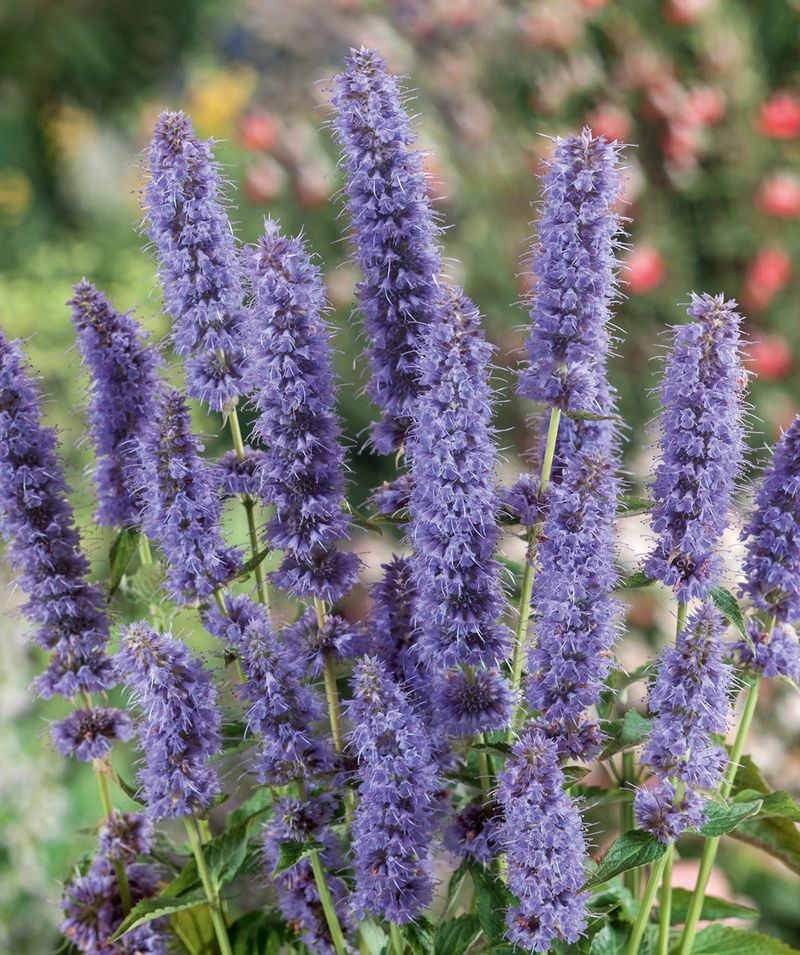
Walk past Blue Fortune Anise Hyssop on a warm afternoon and you will catch a sweet, licorice-like scent drifting off its foliage before you even spot the flowers.
That fragrance alone makes it a standout in any Michigan garden, but the upright spikes of blue lavender blooms are what pull hummingbirds, bees, and butterflies in from surprisingly long distances.
It is a plant that does triple duty with almost no fuss. Blue Fortune is a hybrid of Agastache foeniculum, bred specifically for strong performance and long bloom.
The flower spikes rise tall above the foliage and stay covered in nectar-rich blooms from early summer well into fall, giving hummingbirds a consistent food source through the heart of the season.
Few plants in this color range can match that kind of staying power in Michigan gardens.
Full sun is where this plant truly shines. Good drainage and airflow around the stems help keep the plant healthy and productive, especially during humid Michigan summers when some plants struggle with moisture-related issues.
Avoid planting it in heavy clay or spots where water pools, and it will reward you with season-long color and activity.
The nectar in Blue Fortune’s blooms is genuinely attractive to hummingbirds, not just visually but because of the sugar content that gives them the energy they need.
Planting it in a mass of five or more creates a striking visual display that is nearly impossible for passing hummingbirds to ignore.
Add it to a sunny border alongside salvia and lobelia and you have built something special for your Michigan backyard.
4. Hummingbirds Love Tubular Flowers
Hummingbird bills are not just pretty accessories. They are precision tools shaped by millions of years of evolution to match specific flower types, and tubular flowers are the perfect fit.
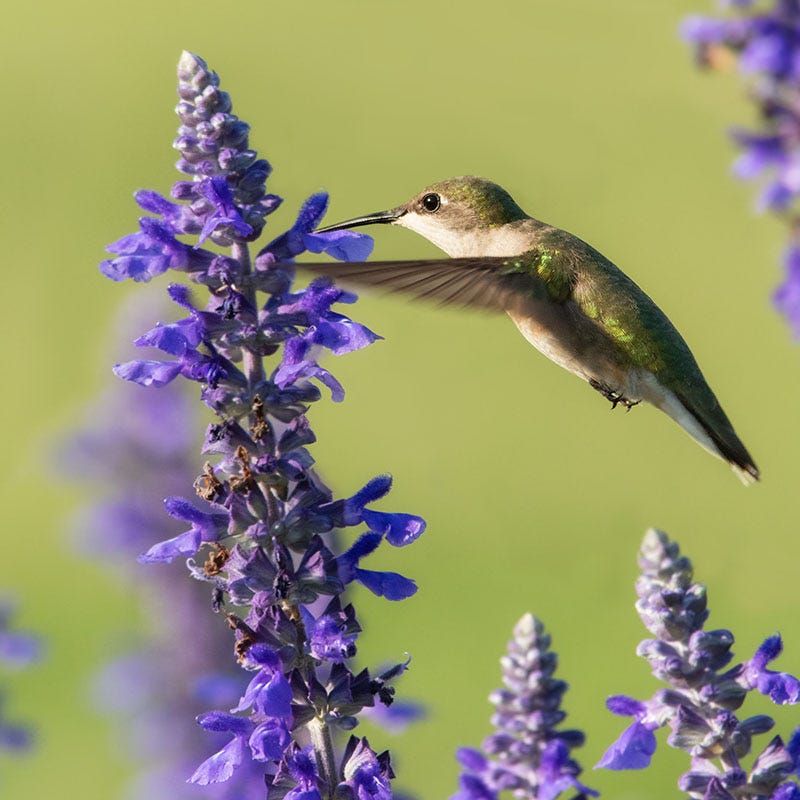
When a hummingbird hovers in front of a long, narrow bloom, its bill slides inside effortlessly, and its tongue can extend even further to lap up nectar pooled deep within the flower. Flat, wide-open blooms simply do not offer that same easy access.
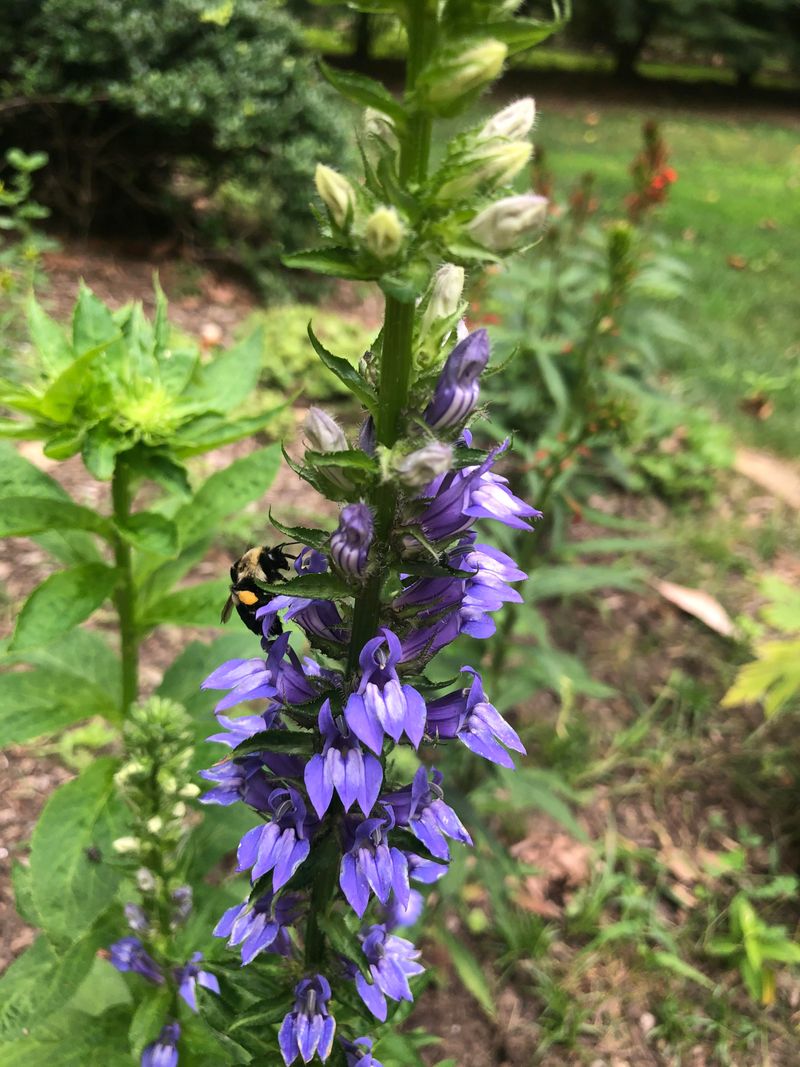
Great Blue Lobelia is a textbook example of a tubular flower built for hummingbirds. Its curved, narrow blooms create a natural channel that guides the bill straight to the nectar reward.
Black and Blue Salvia works the same way, with long tubular corollas that protect the nectar from rain and make it accessible mainly to creatures with the right equipment, which hummingbirds definitely have.
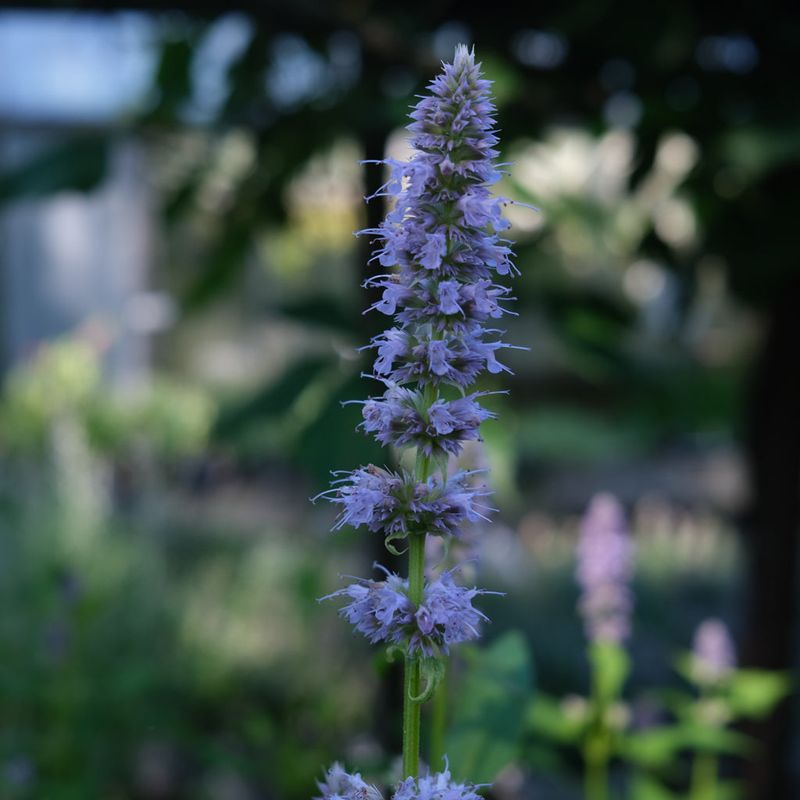
Blue Fortune Anise Hyssop takes a slightly different approach with shorter, densely packed tubular florets arranged along each spike.
Hummingbirds work their way methodically up and down the spike, collecting nectar from dozens of tiny blooms in a single visit.
That kind of efficient feeding is exactly what a high-energy bird burning hundreds of calories per hour needs from its food sources.
Choosing flowers with a tubular shape is one of the smartest decisions a Michigan gardener can make when trying to attract hummingbirds. Color draws them in from a distance, but shape determines whether they stay and feed.
Combining all three of these blue tubular flowers in your garden gives hummingbirds multiple reliable feeding options and gives you a front-row seat to one of nature’s most impressive aerial shows.
5. Blue Flowers Work Best When They Are Nectar Rich
Color is the first thing that catches a hummingbird’s eye from across the yard, but color alone will not keep one coming back.
A flower has to deliver on its promise with real, abundant nectar, or the hummingbird simply moves on and does not return.
Michigan gardeners sometimes plant all the right colors and then wonder why the hummingbirds seem uninterested, and the answer is almost always nectar quality or quantity.
Hummingbirds are not actually limited to red flowers, despite what many people assume. Blue, purple, lavender, orange, and pink flowers can all work beautifully when they provide strong nectar rewards.
What matters most is the combination of good color, a useful flower shape, and repeated bloom throughout the season.
A flower that blooms once and fades quickly is far less valuable than one that keeps producing fresh nectar-filled blooms week after week.
Great Blue Lobelia, Black and Blue Salvia, and Blue Fortune Anise Hyssop all earn their place in a Michigan hummingbird garden partly because they are genuinely nectar rich. These are not just pretty faces.
Each one produces flowers that contain enough sugar-rich nectar to make a hummingbird’s visit worthwhile, which is why you see the same birds returning to these plants repeatedly throughout the day.
When building your garden, think beyond color and ask whether each plant you choose is actually producing the nectar that hummingbirds need.
Avoid heavily hybridized or double-flowered varieties, since those often produce less nectar than their simpler, more natural counterparts.
Stick with proven performers like the three blue beauties featured in this article and you will have a garden that hummingbirds genuinely depend on.
6. Summer Bloom Timing Keeps Hummingbirds Returning
Timing matters more than most gardeners realize when it comes to keeping hummingbirds around all season.
Ruby-throated hummingbirds arrive in Michigan around late April or early May, spend the summer feeding and raising young, and then begin their southward migration in late summer and early fall.
Having nectar available during every phase of that seasonal arc is what turns a casual garden visit into a true summer-long relationship.
Black and Blue Salvia gets the party started early, producing its deep blue spikes during the warmer months and keeping them coming as long as warm weather holds.
Blue Fortune Anise Hyssop follows a similar pattern, blooming from early summer onward and providing a steady stream of nectar-rich flowers right through the height of Michigan’s hummingbird season.
Together, these two plants cover the core of summer remarkably well. Great Blue Lobelia steps in right when you need it most.
Its late summer bloom time fills the gap that often opens in gardens as earlier flowers wind down, and that timing lines up almost perfectly with the weeks when hummingbirds are actively feeding to build energy reserves before heading south.
A garden that has lobelia in bloom in August and September is a garden that hummingbirds will not want to leave.
Staggering your bloom times is one of the most practical strategies a Michigan gardener can use.
Rather than planting everything that blooms at once and then having nothing for weeks, choose plants that hand off the nectar baton from one to the next.
Salvia and anise hyssop carry the summer, and lobelia closes out the season with those beautiful blue spikes right when hummingbirds need them most.
7. A Cluster Of Flowers Works Better Than One Plant
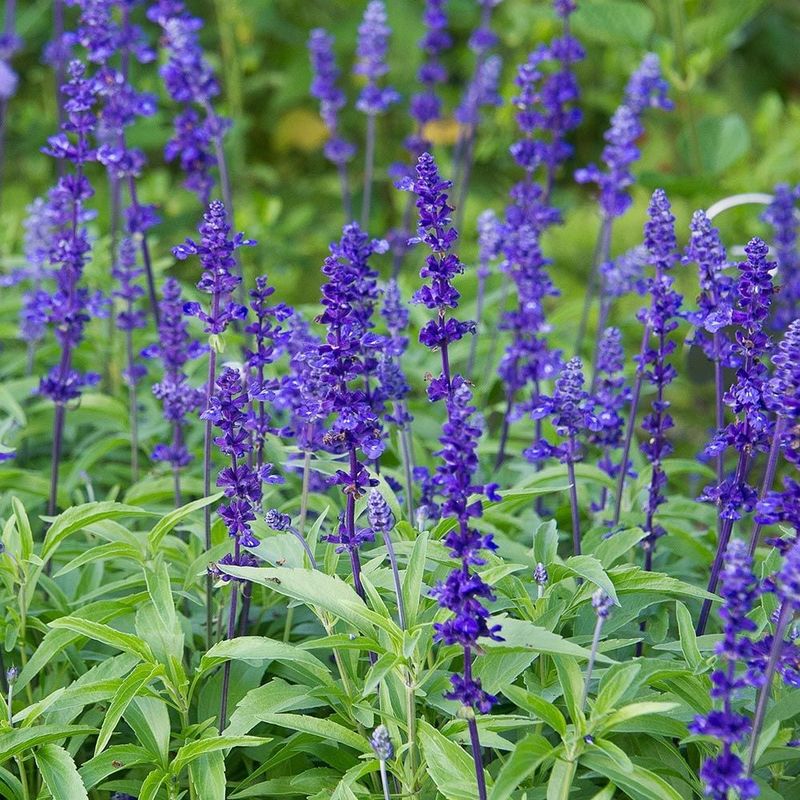
One lonely plant tucked into a corner of the yard is easy for a hummingbird to miss entirely. These birds move fast, cover large territories, and make quick decisions about where to spend their energy.
A single stem of blue salvia is a footnote. A generous patch of it is a destination, and that difference is everything when you are trying to attract hummingbirds consistently to your Michigan garden.
Planting in clusters creates a visual signal strong enough to catch a hummingbird’s attention from well above the rooftops.
Larger patches also provide far more nectar per visit, which means a hummingbird can refuel efficiently without having to fly to three different yards.
Once a hummingbird learns that your garden reliably offers a big nectar payoff in one spot, it will keep coming back and may even defend that patch from other hummingbirds.
Groups of five, seven, or more plants of the same type make the biggest impact. Odd numbers tend to look more natural and fill space more evenly, which also benefits the visual appeal of your garden for human visitors.
Mixing clusters of different plants together creates layers of color, texture, and bloom time that work together rather than competing.
The strongest blue hummingbird planting you can create in Michigan combines Great Blue Lobelia, Black and Blue Salvia, and Blue Fortune Anise Hyssop in a sunny to partly sunny area with steady moisture where the lobelia needs it.
That combination covers color, shape, nectar richness, and bloom timing all at once. Plant them together in generous groups and watch your Michigan garden become the hummingbird hotspot on the whole block.