The Spots In Michigan Flower Beds Where Powdery Mildew Starts Before You Ever Notice It
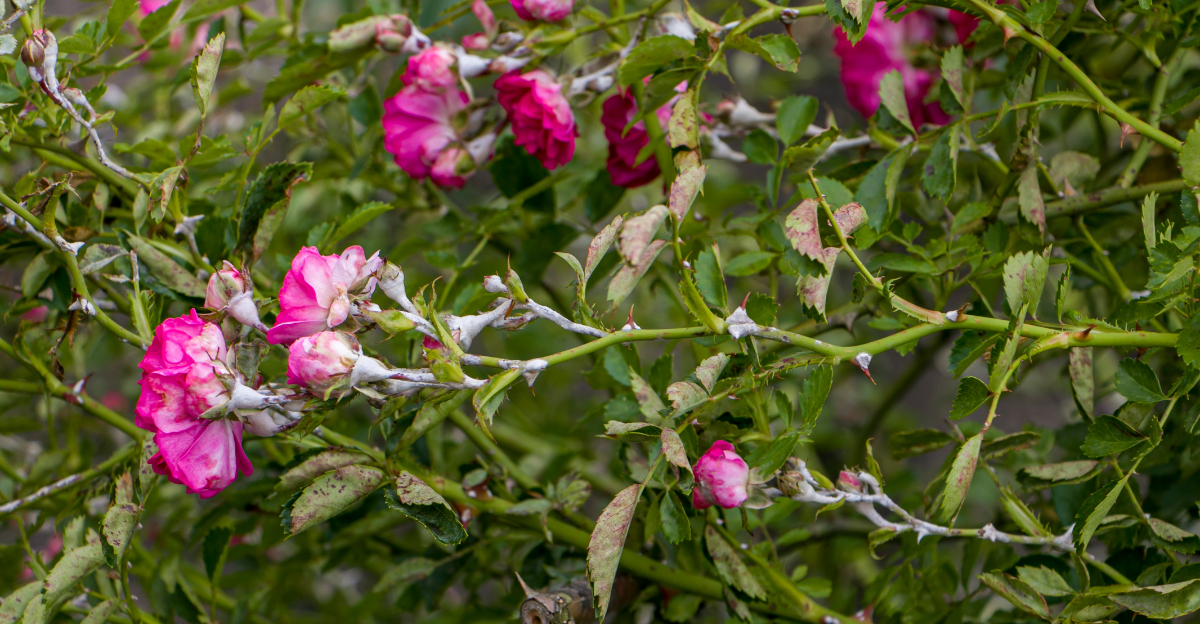
Powdery mildew has a way of seeming to appear all at once across an entire flower bed, but that is never actually how it starts.
By the time the white coating is visible on leaves you can easily see, the fungus has already been developing in specific low-visibility spots for longer than most Michigan gardeners realize.
Certain areas within a bed create the exact combination of poor airflow, moisture retention, and shade that powdery mildew needs to get established and build momentum.
Late summer humidity across Michigan accelerates the whole process significantly.
Learning to look at the right spots before symptoms become obvious is what gives you the earliest possible warning and the best chance of keeping it from spreading through everything else growing nearby.
1. Shaded Corners With Poor Airflow
Most gardeners never think twice about that cozy, shaded corner tucked between the fence and the shrubs. It looks peaceful, almost like a hidden retreat.
But underneath that calm appearance, something sneaky is happening at the leaf level.
Powdery mildew thrives in spots where air barely moves. Shaded corners create what gardeners call microclimates, small zones where humidity builds up and stays trapped.
In Michigan summers, where warm days often follow cool nights, these pockets of stagnant air become perfect breeding grounds for fungal spores. The moisture never fully dries out, and the fungus gets exactly what it needs to take hold.
What makes this spot especially tricky is that the shade also slows down the drying process after rain or morning dew. Leaves stay wet longer, and spores can germinate before you even realize there is a problem.
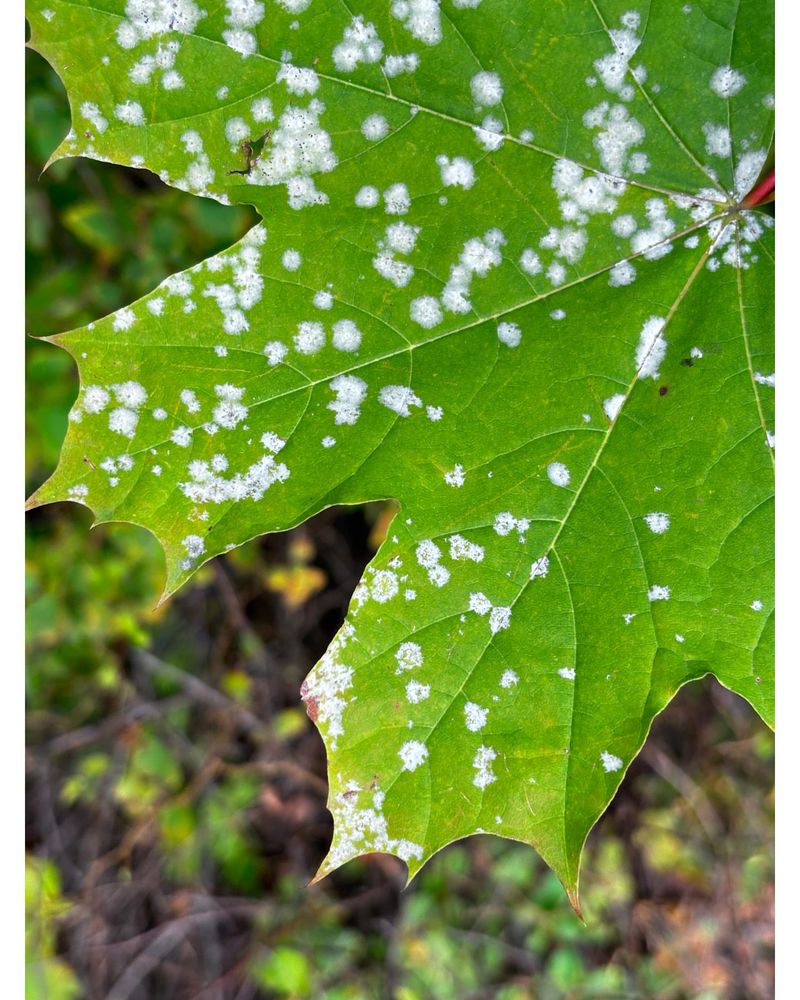
By the time you see white patches, the infection has already spread beyond that first leaf.
Fixing this starts with thinning out nearby plants and removing any debris that blocks natural airflow. Even trimming back an overhanging shrub by a few inches can make a noticeable difference.
Try to create open channels between plants so breezes can move through freely.
Checking shaded corners every week during June, July, and August is one of the smartest habits a gardener can build. Catching mildew in its earliest stage, before it spreads to neighboring plants, saves you a lot of work later in the season.
2. Crowded Plantings
Picture squeezing ten people into a tiny elevator. Nobody is comfortable, air stops moving, and things get warm and stuffy fast.
That is almost exactly what happens when plants are packed too tightly together in a flower bed.
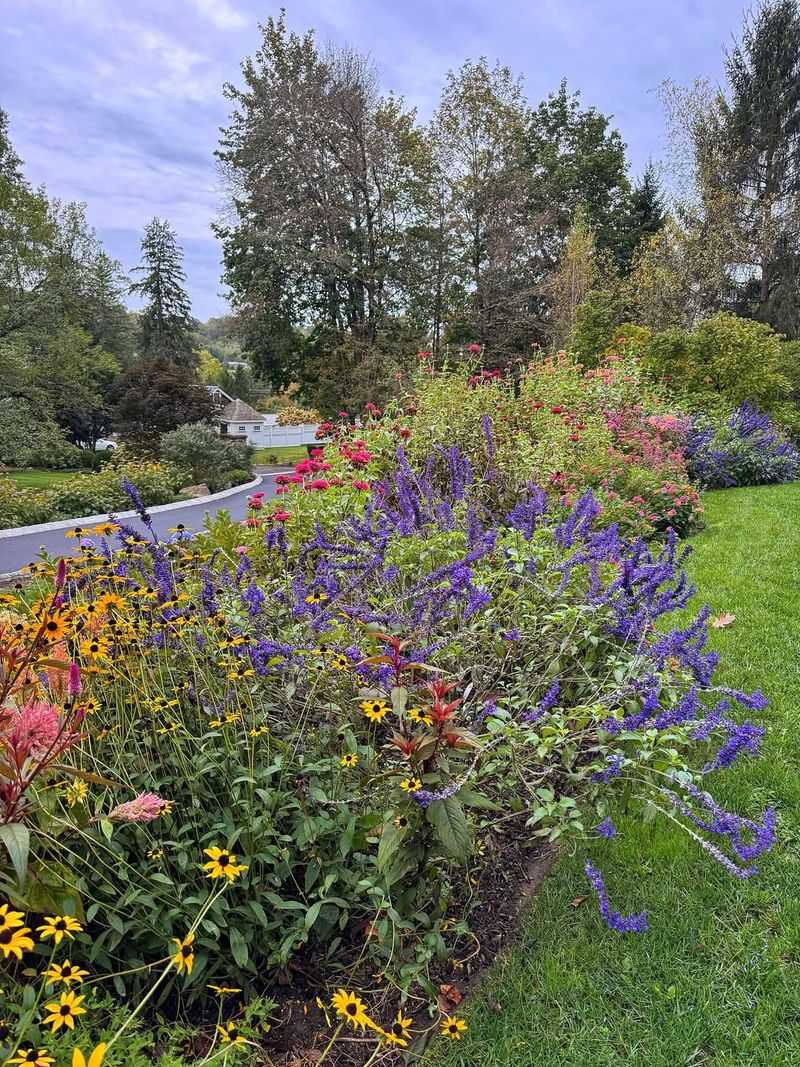
Crowded plantings are one of the most common reasons powdery mildew shows up early in Michigan gardens. When leaves overlap and stems press against each other, humidity gets trapped between them.
Spores land on that damp foliage and start growing well before any white coating becomes visible to the naked eye. The problem builds quietly in the interior of the planting where you rarely look.
Spacing recommendations vary by plant type, but a general rule for perennials and annuals is to allow at least 12 to 18 inches between medium-sized plants.
Your Michigan Garden Changes Every Week. Your Plan Should Too.
Gardening in Michigan changes quickly throughout the season. Every Friday you’ll receive a simple weekly plan showing exactly what to plant, prune, fertilize, harvest, and protect so you never miss the right timing.
Larger plants like garden phlox or bee balm, both notorious mildew targets in Michigan, benefit from even more space, closer to 24 inches apart. That extra room keeps air moving and surfaces drying after rain.
Thinning out crowded beds mid-season might feel drastic, but it genuinely helps. Remove weaker stems from the center of clumps, and cut back any foliage that is touching neighboring plants.
This simple step improves airflow dramatically without sacrificing the overall look of your garden.
Planning spacing carefully at planting time is always easier than fixing a crowded bed later. A little extra room between plants now means far less scrubbing and spraying come late summer when mildew season peaks across Michigan.
3. Near Drip Lines Or Overwatered Spots
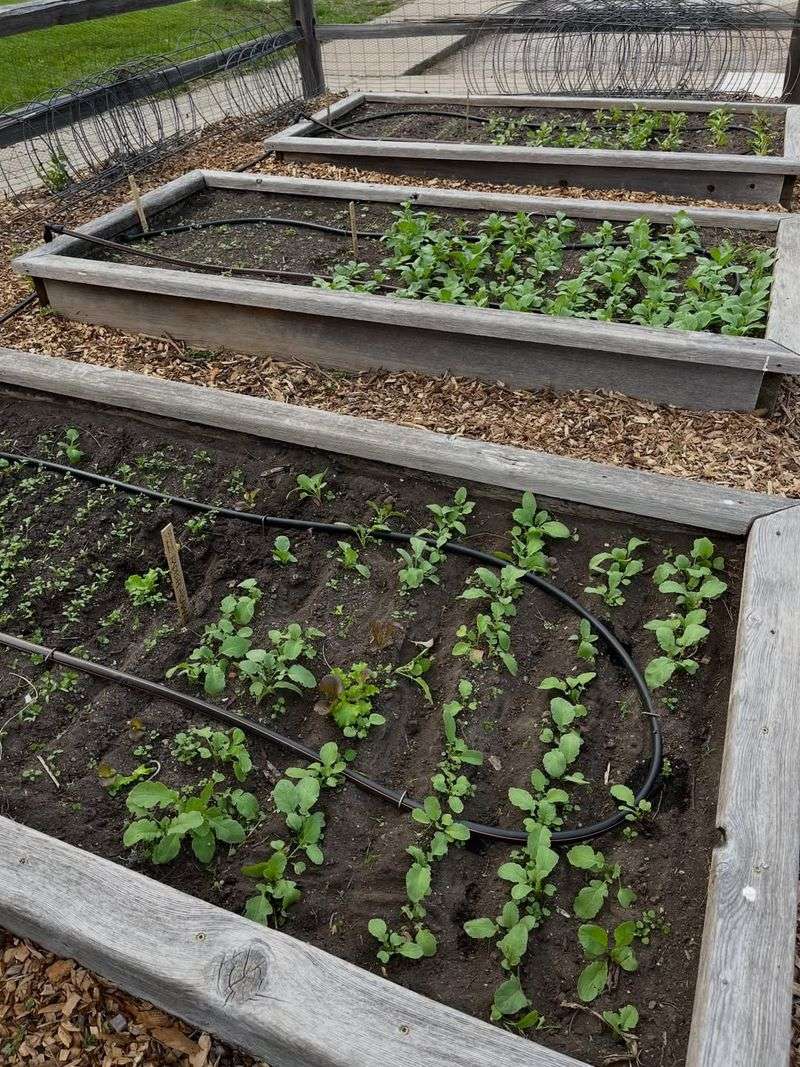
Water is life for any garden, but too much of it in the wrong place creates serious problems. Near drip lines and in spots that consistently stay wet, the soil surface and lower foliage never fully dry out between watering cycles.
That persistent moisture raises the local humidity right around the base and lower stems of your plants. Powdery mildew spores do not actually need standing water to grow.
They need humidity, and these wet zones provide exactly that in concentrated form.
Michigan gardens are already dealing with naturally humid summer conditions, so adding extra moisture through overwatering pushes the environment right into fungal territory.
A common mistake is running drip lines for too long or too frequently. For most Michigan flower beds, watering deeply two to three times per week is more effective than daily shallow watering.
Deep, less frequent watering encourages roots to grow downward while allowing the soil surface to dry between sessions, which significantly reduces that ground-level humidity.
Check your drip emitters regularly to make sure none are clogged or leaking extra water in one spot. A single dripping emitter can create a constantly soggy patch that becomes a mildew hotspot within days.
Adjusting placement so water targets the root zone rather than splashing on leaves also helps reduce fungal pressure.
Morning watering is always the best choice in Michigan because it gives foliage and soil surfaces the entire day to dry out before nighttime temperatures drop and humidity rises again.
Small timing adjustments like this can genuinely change how your garden handles mildew season.
4. Under Overhanging Structures
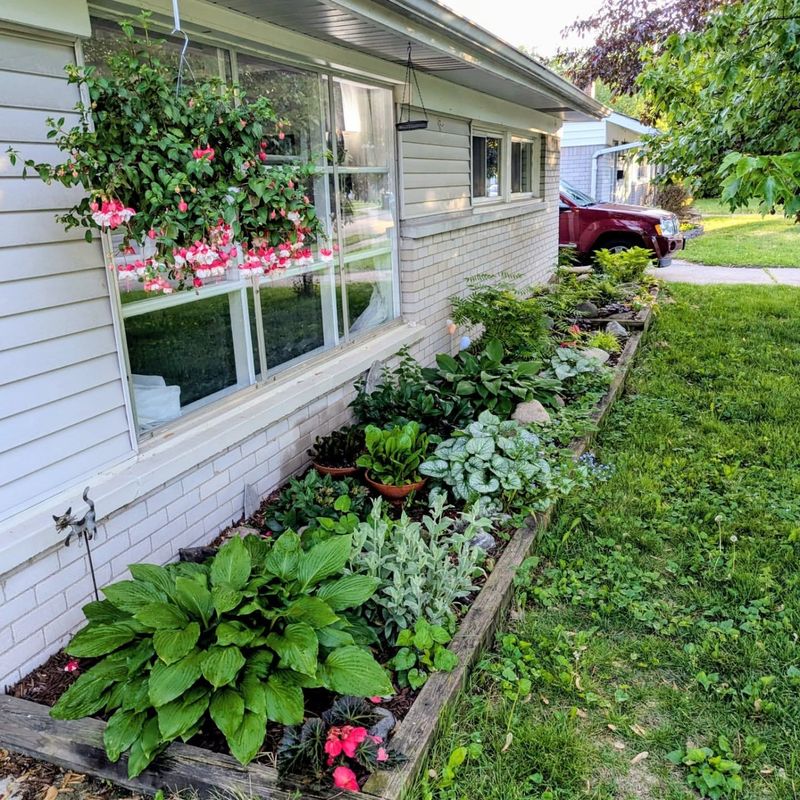
There is something appealing about planting flowers right along the side of a house or beneath a beautiful wooden trellis. The structure adds height, the plants fill in the space, and the whole setup looks charming.
What gardeners often miss, though, is what that overhead coverage actually does to the growing conditions below.
Eaves, trellises, and dense shrub canopies block both sunlight and rainfall from reaching the plants underneath. Without regular rain washing the foliage and sunlight drying it out, moisture from morning dew or light irrigation just sits on the leaves.
That stagnant, shaded environment is exactly where powdery mildew likes to get its start in Michigan gardens.
These protected spots also tend to have reduced airflow because structures on multiple sides create a kind of enclosed pocket. Fungal spores settle on leaves and find warm, humid, still air waiting for them.
Symptoms often appear here first, days before you notice anything elsewhere in the bed.
Choosing mildew-resistant plant varieties for these spots is one of the smartest moves you can make. Newer cultivars of popular Michigan plants like coneflowers and garden phlox have been bred specifically for better disease resistance.
Pairing the right plant with the right location removes a lot of the risk before it starts.
Pruning back any overhead shrubs or adjusting trellis coverage to allow more light and airflow in can also make a real difference.
Even partial improvements to light and ventilation in these enclosed spots noticeably reduce how often mildew takes hold under structures.
5. On Older Leaves At The Bottom Of Plants
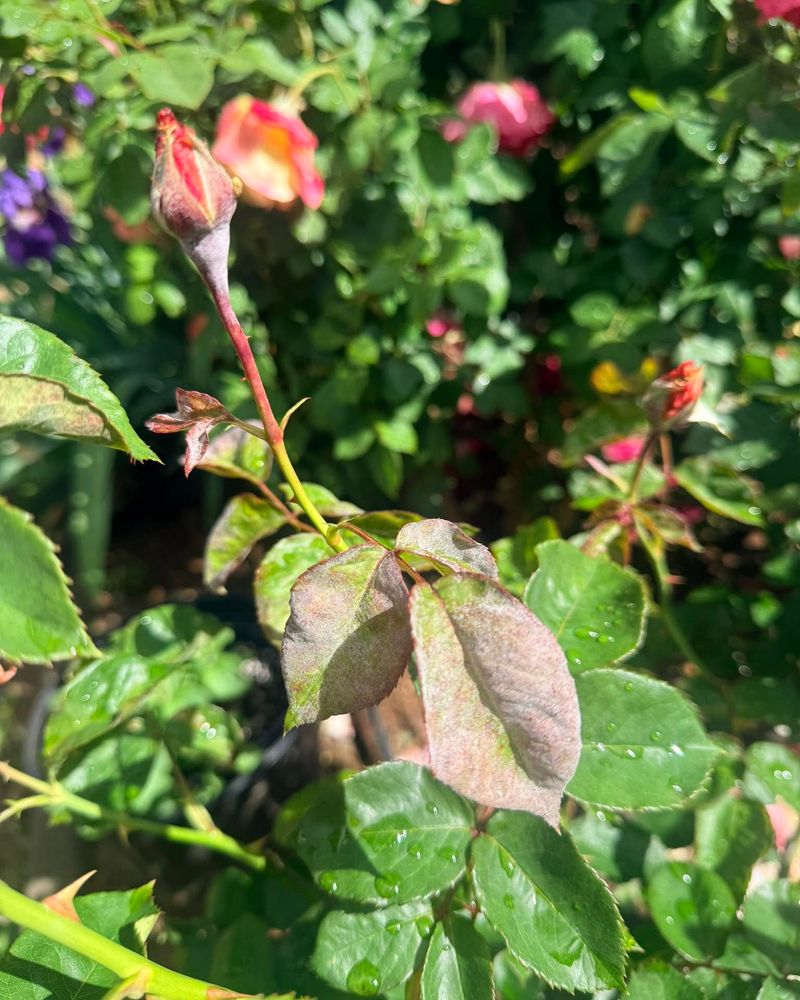
Flip over the bottom leaves of your garden phlox or your zinnias on a warm July afternoon. Chances are, if powdery mildew is coming, you will find the earliest signs right there, on those older, lower leaves that barely see sunlight anymore.
As plants grow taller through the Michigan summer, the upper canopy shades out the lower foliage. Those bottom leaves receive less light, less airflow, and more residual moisture from the soil below.
Older leaves are also naturally more vulnerable to fungal infection because their surface defenses weaken as they age.
Powdery mildew takes full advantage of this combination, establishing itself quietly on lower foliage long before it moves up to the showy parts of the plant.
Most gardeners scan their flower beds from a standing position, naturally focusing on blooms and upper growth. That habit means the lower leaves get overlooked for weeks at a time.
Making a habit of crouching down and physically turning over lower leaves every seven to ten days during summer changes everything about how early you catch problems.
Removing yellowing or crowded lower leaves proactively is a great prevention strategy. Stripping away three to five lower leaves from tall perennials improves airflow at the base and removes the tissue where mildew is most likely to begin.
This simple pruning habit takes only minutes per plant and pays off significantly by late summer.
In Michigan, where humid July and August nights combine with warm days, lower foliage inspection should become a non-negotiable part of your weekly garden routine from mid-June onward.
6. Beds With Poor Soil Drainage
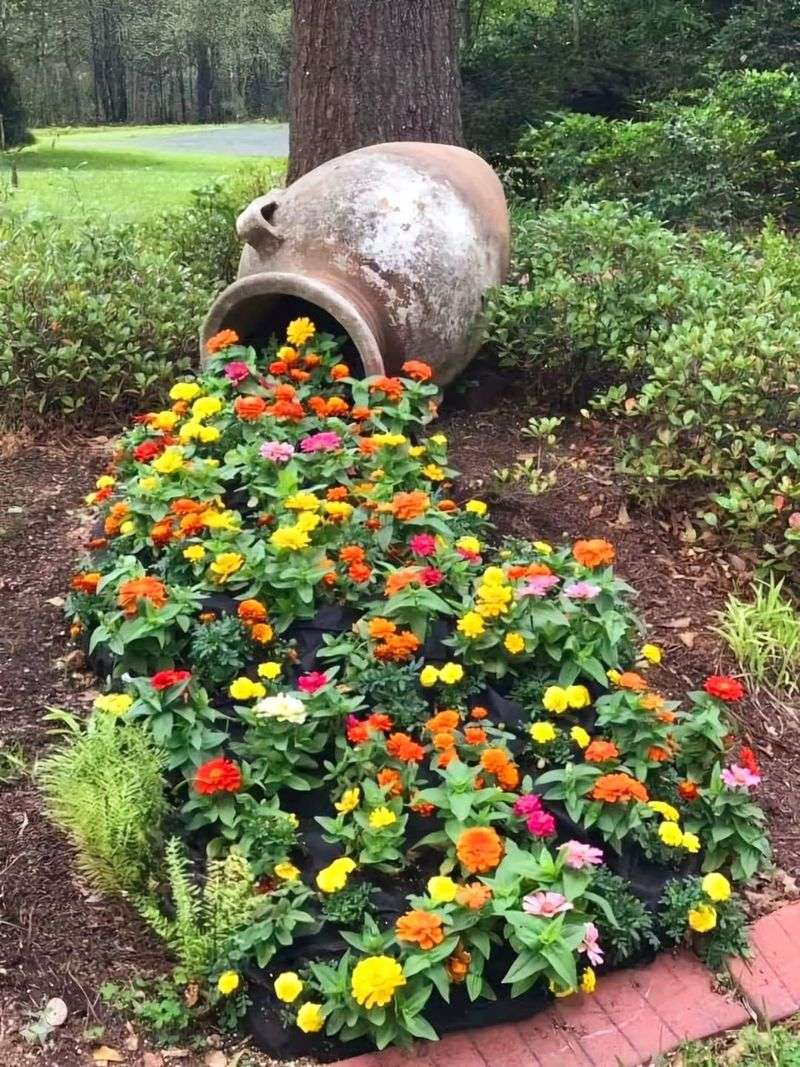
Clay-heavy soil is incredibly common across Michigan, and while it holds nutrients well, it also holds water far longer than plants actually need.
That excess moisture sitting in the root zone and on the soil surface creates a persistently humid environment right where your plants live.
Elevated ground-level humidity from waterlogged soil is a reliable early trigger for powdery mildew. Even on dry, sunny days, a bed with poor drainage can maintain high moisture levels just inches above the soil surface.
That localized humidity feeds fungal spores that have landed on lower foliage, giving them the conditions they need to germinate and spread before symptoms become visible.
Improving drainage in Michigan clay beds does not have to be a massive project.
Working two to three inches of coarse compost or aged wood chips into the top eight to ten inches of soil significantly improves its structure and drainage capacity over one to two seasons.
For severely compacted areas, adding perlite or coarse sand alongside compost helps break up the dense clay more quickly.
Raised beds are another excellent option for Michigan gardeners dealing with chronic drainage problems. Even raising the planting surface by six inches creates noticeably better drainage and airflow at the root zone.
Many experienced Michigan gardeners have made the switch to raised beds specifically because of how much it reduces fungal pressure throughout the season.
Testing your soil every two to three years also helps you stay ahead of compaction issues.
Knowing what your soil actually needs allows you to make targeted improvements rather than guessing, keeping your flower beds healthier and more resistant to mildew all season.
7. Near Companion Plants That Trap Humidity
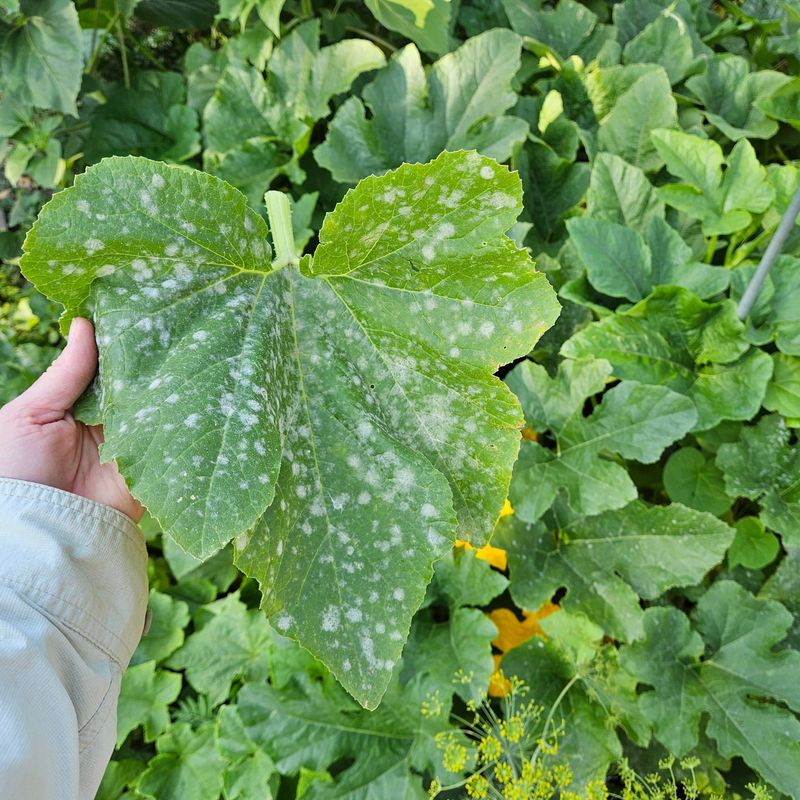
Companion planting gets a lot of well-deserved praise in gardening circles, but not every combination works out as planned.
Some dense groundcovers and thick shrubs actually create problems by trapping humidity right against your more vulnerable perennials.
When broad-leafed groundcovers like pachysandra or vinca spread tightly around the base of taller perennials, they act almost like a humidity blanket.
Air cannot circulate freely at ground level, moisture from rain and irrigation gets locked in, and the local environment stays damp far longer than it should.
Powdery mildew spores love exactly this kind of setup, and they often begin developing in these dense, humid pockets well before the infection becomes obvious to gardeners.
Non-native ornamental shrubs with very dense foliage can create similar problems when planted immediately adjacent to flower beds.
Their thick canopies block airflow and cast shade over neighboring plants, raising humidity and reducing the drying power of sunlight in the spaces between them.
Michigan gardeners often plant these shrubs for their beauty without realizing the microclimate consequences for nearby perennials.
Rethinking companion plant combinations with airflow in mind is a genuinely powerful prevention strategy.
Choosing lower-growing, open-structured groundcovers like creeping thyme or certain sedums allows air to move more freely at ground level.
Keeping a clear border of at least 12 inches between dense shrubs and perennial flower beds also helps maintain better ventilation. Spacing matters just as much between species as it does within a single planting.
Thoughtful plant combinations that prioritize airflow protect your entire flower bed from the kind of hidden humidity that gives powdery mildew its earliest foothold in Michigan gardens.