West Virginia Gardeners Who Start Broccoli Seeds Indoors Win At Fall Harvests
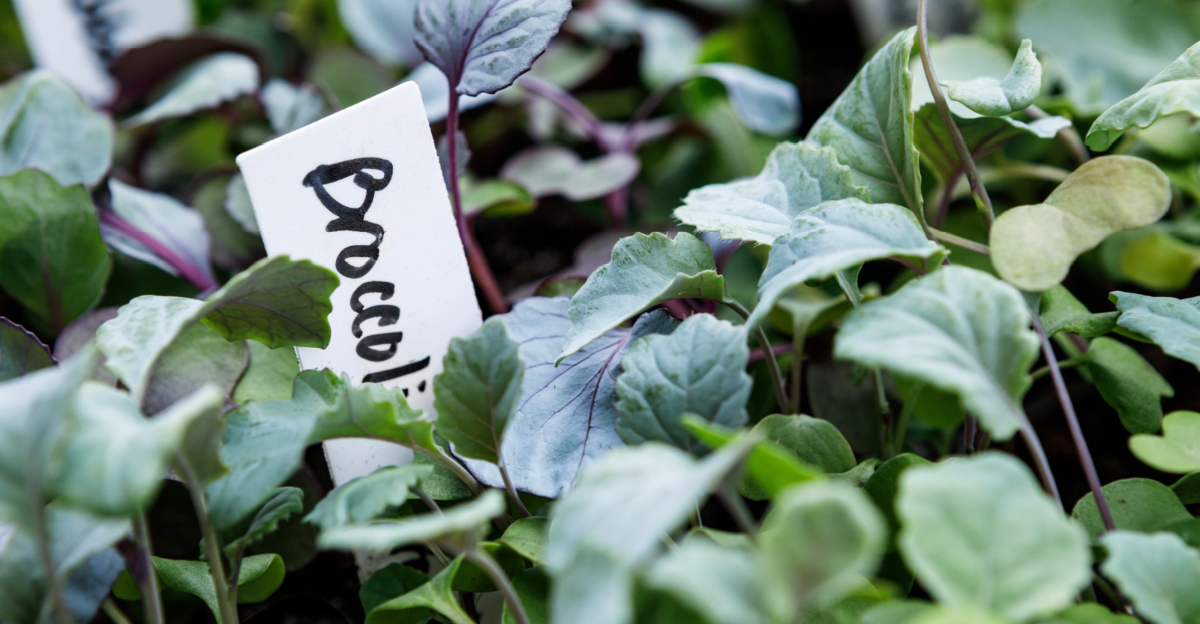
West Virginia gardens live by their own unpredictable schedule. A late spring frost can wreck your seedlings.
An early summer heatwave can bolt your broccoli before you ever harvest a single head. The window for success is narrow, but it’s real. Smart gardeners don’t gamble with that window. They cheat the calendar.
Starting broccoli seeds indoors isn’t just a technique. It’s the difference between a harvest worth bragging about and a season you’d rather forget.
You’re not waiting on the soil to warm up, the last frost to pass, or West Virginia’s famously stubborn weather to cooperate. You’re already three steps ahead.
By the time your neighbors are still debating when to plant, your seedlings are hardened, hungry, and ready to go in the ground. The result?
Dense, sweet heads of broccoli hitting your table right before first frost, exactly when cool evenings make them taste their best.
Why West Virginia Gardeners Start Broccoli Seeds Indoors For Fall
Broccoli loves cool weather, and fall in the Mountain State delivers exactly that. Summer heat, though, is hard on young transplants started too late outdoors.
West Virginia gardeners who start broccoli seeds indoors skip the heat stress problem entirely. Seedlings grow strong inside while summer blazes outside.
By the time outdoor temps cool down, indoor-started plants are already tough and ready. That timing advantage is everything for a solid fall harvest.
Direct sowing broccoli outdoors in midsummer often leads to weak, leggy plants. Indoor starting gives seeds a controlled, stable environment to thrive.
Humidity, temperature swings, and heavy rains can damage outdoor seedlings fast. A simple seed tray on a sunny windowsill or under grow lights changes the whole game.
Gardeners across the state have figured out this reliable strategy for fall success. Starting broccoli seeds indoors is not complicated, but the payoff is significant.
You get stronger plants, better timing, and far more confidence heading into fall planting season. That is why indoor starting is the winning move here.
The Best Time To Start Broccoli Seeds Indoors In West Virginia
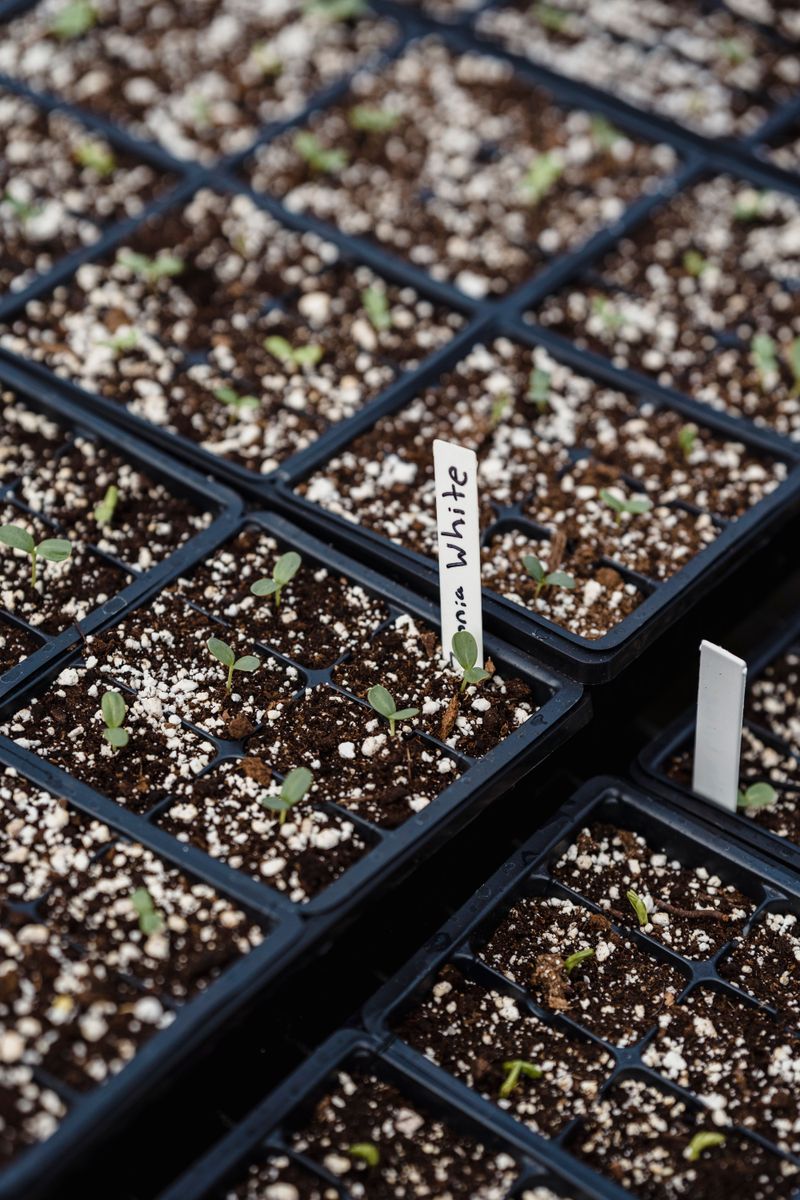
Timing is everything when you start broccoli seeds indoors in the Mountain State. Get it wrong by even two weeks and your harvest window slips away fast.
Most West Virginia gardeners aim to start seeds about six to eight weeks before their first fall frost. That first frost typically arrives between mid-October and early November depending on elevation.
For most of the state, late July through early August is the sweet spot for indoor starting. Higher elevations in the eastern mountains may need to start a week or two earlier.
Count backward from your expected frost date to land on your ideal start date. A simple frost date chart for your county makes this calculation easy and accurate.
Starting too early produces overgrown seedlings that struggle when transplanted outdoors. Starting too late leaves plants no time to mature before cold weather shuts them down.
Your West Virginia Garden Changes Every Week. Your Plan Should Too.
Gardening in West Virginia changes quickly throughout the season. Every Friday you’ll receive a simple weekly plan showing exactly what to plant, prune, fertilize, harvest, and protect so you never miss the right timing.
Seed packets often list days to maturity, which helps you reverse-engineer your start date. Most common varieties take 60 to 85 days from transplant to harvest.
Mark your calendar, set a reminder, and commit to that indoor start date. Consistent timing is what separates gardeners who succeed from those who always miss the window.
How To Choose The Right Broccoli Varieties For Fall Harvest
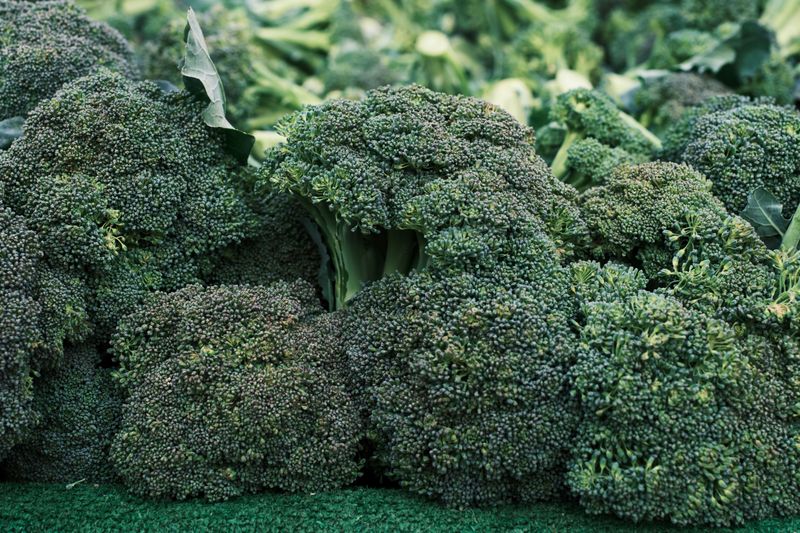
Not every broccoli variety performs equally well in a mountain-state fall garden. Picking the wrong type can mean small heads, poor flavor, or plants that bolt before harvest.
Waltham 29 is a classic open-pollinated choice that handles cool fall temps like a champion. It produces firm, tight heads and side shoots that keep giving after the main cut.
Calabrese is another reliable variety with a long harvest window and strong cold tolerance. Gardeners who want steady production through October love this dependable performer.
Belstar is a hybrid variety that matures quickly, which is perfect for areas with early frosts. Its uniform heads and disease resistance make it a favorite among experienced growers.
Green Magic is a fast-maturing hybrid that tolerates temperature swings without losing head quality. For higher-elevation counties where fall arrives early, this variety is a smart pick.
Avoid varieties bred specifically for spring planting if you are targeting a fall crop. Spring types often bolt in the warmth of late summer before they can form proper heads.
Read seed packet descriptions carefully and look for phrases like fall-friendly or cold-tolerant. Choosing the right variety from the start sets up every other step for success.
How To Start Broccoli Seeds Indoors Step By Step
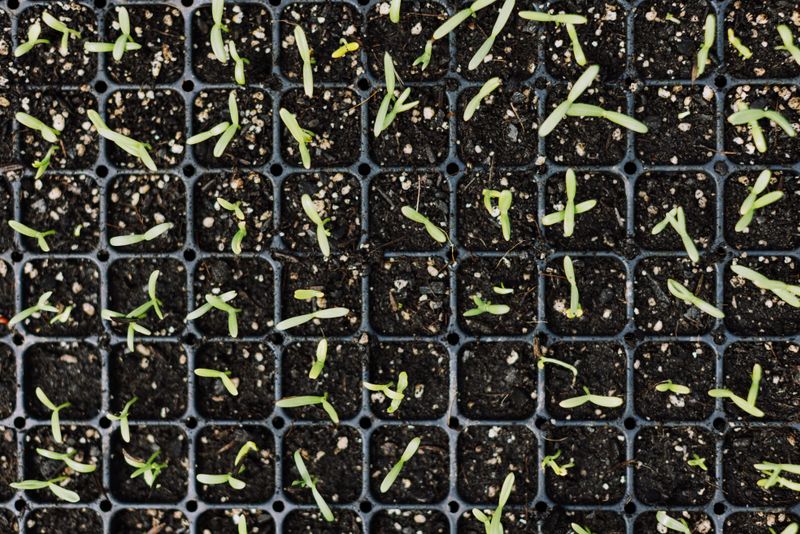
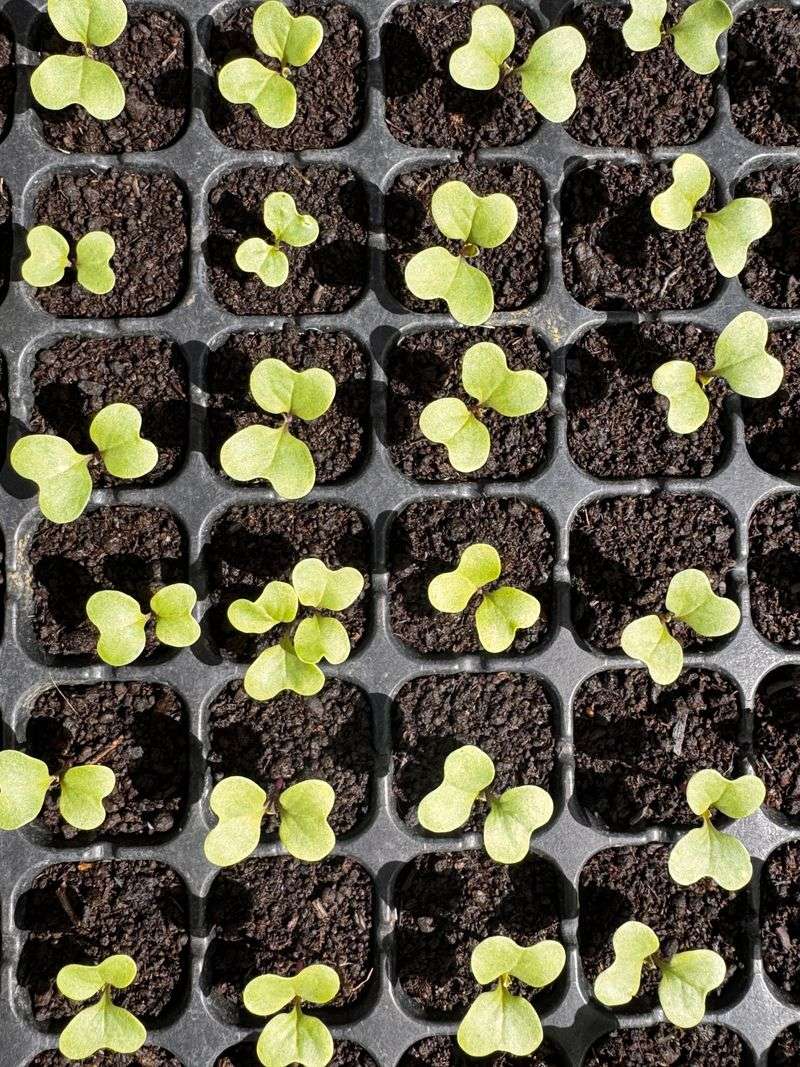
Grab a clean seed tray, quality seed-starting mix, and your chosen broccoli seeds. Avoid using regular garden soil indoors because it compacts and blocks root growth.
Fill each cell about three-quarters full with moistened seed-starting mix. Press it down gently so there are no big air pockets beneath the seeds.
Place two seeds per cell to improve your germination odds. You can thin to one strong seedling per cell once sprouts appear.
Sow seeds about a quarter inch deep and cover lightly with mix. Broccoli seeds need warmth to germinate, ideally between 65 and 75 degrees Fahrenheit.
A heat mat under the tray speeds up germination significantly. Most seeds will sprout within five to seven days under warm conditions.
Once sprouts appear, move the tray to your brightest window or under grow lights. Seedlings need 14 to 16 hours of light daily to stay compact and strong.
Water from the bottom by setting the tray in a shallow dish. This keeps the soil evenly moist without washing seeds around or causing damping off.
Starting broccoli seeds indoors this way gives you robust transplants ready to thrive outdoors. A strong start inside means a confident, productive fall garden outside.
When And How To Transplant Broccoli Seedlings Outdoors
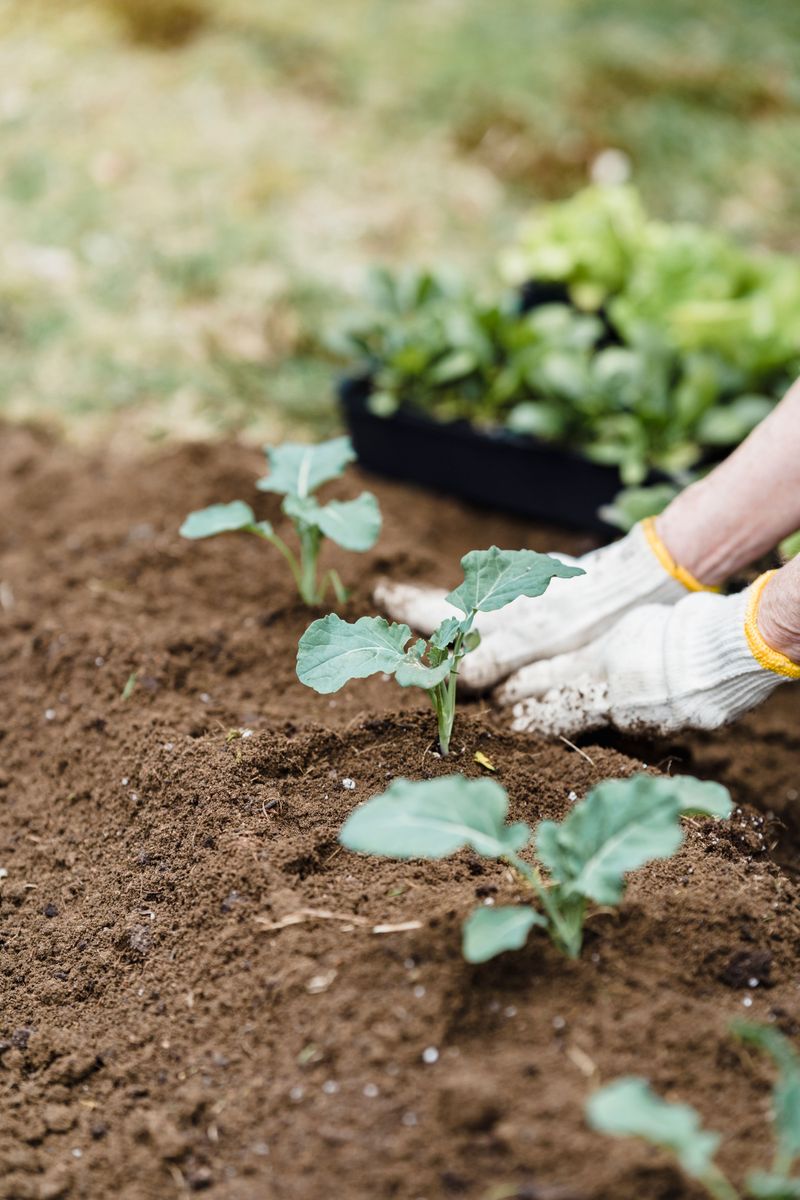
Transplanting day is one of the most exciting moments in a fall gardener’s season. Your seedlings have been building strength indoors, and now it is their time to shine.
Wait until seedlings have four to six true leaves before moving them outside. That usually happens three to four weeks after germination.
Harden off seedlings for seven to ten days before transplanting. Set them outside in a sheltered spot for a few hours each day, gradually increasing outdoor time.
This process toughens the plant tissue and reduces transplant shock significantly. Skipping hardening off can set your plants back by two weeks or more.
Choose a cloudy day or late afternoon for transplanting to reduce sun stress. Broccoli prefers full sun but benefits from a gentle introduction to the outdoor environment.
Space plants 18 inches apart in rows about 24 inches wide. Proper spacing encourages air circulation and reduces the risk of fungal problems later in the season.
Plant each seedling slightly deeper than it sat in the tray. Water thoroughly right after planting and add a light layer of mulch around each stem.
Transplanted seedlings that were started broccoli seeds indoors establish faster than direct-sown plants. You are weeks ahead of the game from the very first day outdoors.
How To Care For Fall Broccoli In West Virginia Gardens
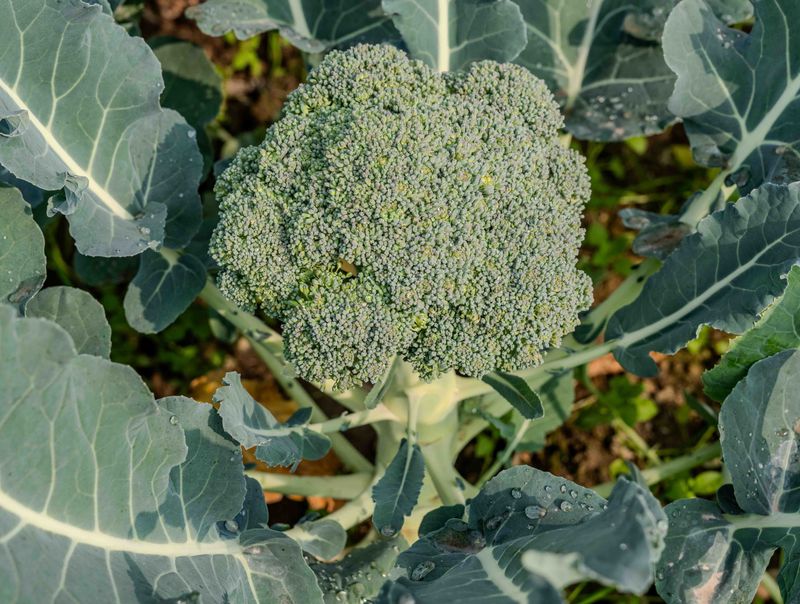
Fall broccoli is surprisingly low-maintenance once it is in the ground and settled. The cool air does most of the heavy lifting for you as temperatures drop.
Water consistently, aiming for about one inch per week from rain or irrigation. Uneven watering causes heads to crack or develop an off flavor at harvest time.
Mulch heavily around each plant with straw or shredded leaves. A two to three inch layer holds moisture, regulates soil temperature, and suppresses competing weeds.
Feed plants with a nitrogen-rich fertilizer three weeks after transplanting. Broccoli is a heavy feeder and needs steady nutrients to build those dense, beautiful heads.
Watch for cabbage worms and aphids, which love brassicas in fall. Row cover fabric is an easy, chemical-free way to block common pests from reaching your plants.
Check under leaves regularly for small white eggs or clusters of green insects. Catching pest pressure early keeps it from spiraling into a bigger problem later.
Avoid overhead watering in the evening, which encourages mold and mildew on leaves. Morning watering at the base of the plant keeps foliage dry and healthy all season.
Consistent care through September and October rewards you with heads worth bragging about. A little attention now means a stunning fall harvest is almost guaranteed.
When And How To Harvest Fall Broccoli In West Virginia
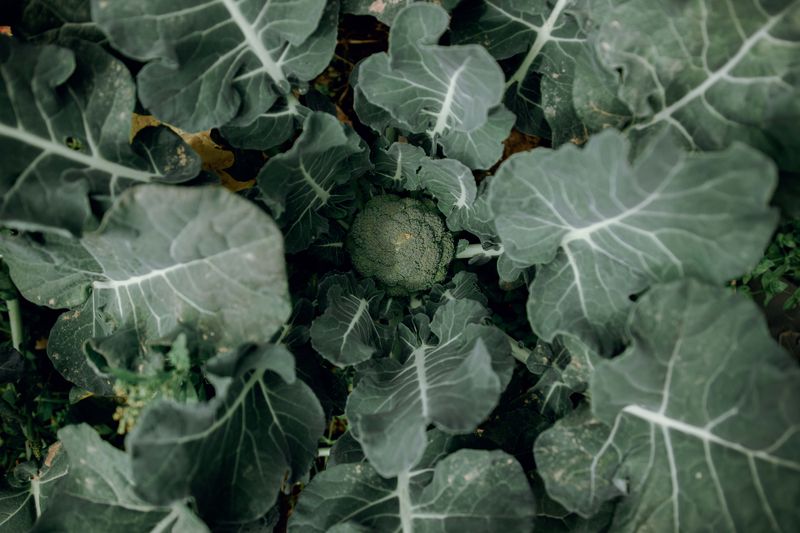
Harvest day for fall broccoli is pure satisfaction after weeks of careful tending. There is nothing quite like cutting a tight, dark green head you grew from seed.
Look for heads that are firm, compact, and deep green before harvesting. If yellow flowers start to open, cut immediately because flavor drops fast once blooming begins.
Most varieties are ready to harvest when heads reach six to eight inches across. Size varies by type, so use your seed packet as a reference guide.
Cut the main head with a sharp knife at a 45-degree angle. That angled cut helps water run off the stem, reducing rot between harvests.
Do not pull the whole plant after cutting the central head. Side shoots will emerge from the stem and produce smaller heads for weeks afterward.
A light frost actually improves broccoli flavor by converting starches into sugars. Heads harvested after a frost taste sweeter and more complex than summer-grown ones.
Store freshly cut heads in the refrigerator wrapped loosely in a damp paper towel. They stay crisp and flavorful for up to five days when stored properly.
Gardeners who start broccoli seeds indoors enjoy this reward earlier and more reliably. That head start at the beginning of the season makes every bite reflect the effort you put in.