Privet Is Now On Pennsylvania’s Noxious Plant List (Here’s What To Plant Instead)
Privet has been a go to landscaping shrub for decades. It’s dense, it grows fast, and it makes a great privacy hedge.
A lot of Pennsylvania homeowners have planted it without giving it a second thought. But things have changed, and if you have privet growing on your property, there’s something important you need to know.
Pennsylvania has officially added privet to its noxious plant list. That means this plant has been recognized as a serious threat to the local environment.
Privet spreads aggressively into natural areas, crowds out native plants, and disrupts the ecosystems that local wildlife depends on. What looks like a tidy hedge in your yard can quietly become an ecological problem just beyond your fence line.
The good news is that there are excellent native alternatives that give you everything privet promised without any of the environmental baggage. Great looks, fast growth, and none of the guilt.
1. Inkberry Holly
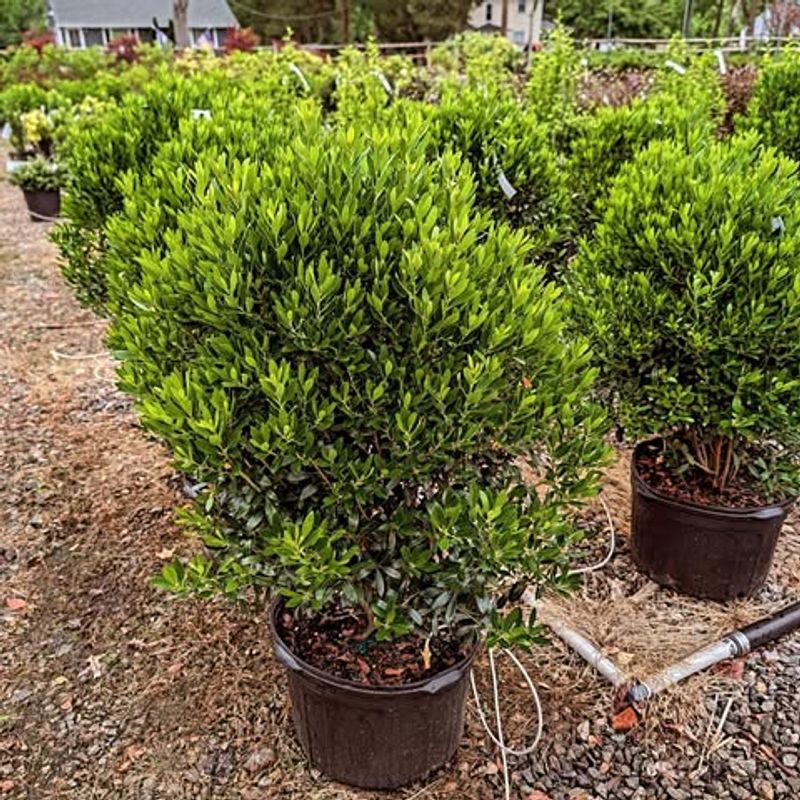
Inkberry Holly might not be the flashiest shrub on the block, but do not let its modest looks fool you. This tough, native evergreen is one of the most reliable hedging plants you can grow in Pennsylvania.
It stays green all winter, tolerates a wide range of conditions, and supports local wildlife without spreading where it should not.
Unlike privet, Inkberry Holly is completely non-invasive. It spreads slowly through underground suckers, which you can easily control with simple pruning.
The shrub typically grows four to eight feet tall and wide, making it ideal for low to medium-height screens and property borders. The glossy, dark green leaves give it a clean, polished appearance throughout the year.
Come late summer, small black berries appear and cling to the branches well into winter. These berries are a critical food source for more than 15 species of birds, including bluebirds, wild turkeys, and hermit thrushes.
Even before the berries form, the tiny white spring flowers attract native bees and other pollinators.
One of Inkberry Holly’s greatest strengths is its flexibility. It grows well in full sun or part shade and handles wet, poorly drained soils that would stress most other shrubs.
That makes it an excellent choice for low-lying areas, rain gardens, or spots near downspouts where water tends to pool.
Inkberry Holly is also deer-resistant, which is a big bonus in many Pennsylvania neighborhoods. Plant it in groups of three or more for the best hedge effect. It is low-maintenance, long-lived, and genuinely good for the environment.
2. American Holly
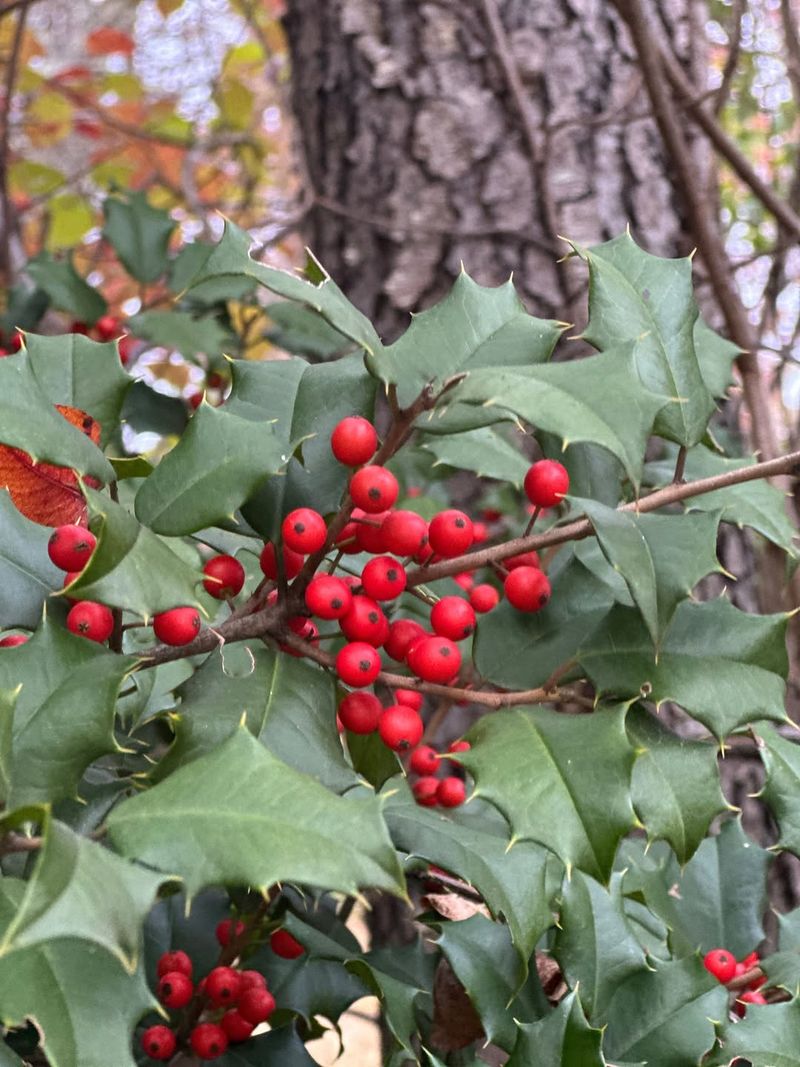
Few plants make a statement quite like American Holly. With its deep green, glossy leaves and bold red berries, this native evergreen looks stunning all year long.
It is one of the best replacements for privet because it provides the same dense screening without the invasive spread.
American Holly grows slowly but steadily, eventually reaching 15 to 30 feet tall. You can prune it into a formal hedge or let it grow naturally into a small tree.
Either way, it forms a thick, impenetrable wall of foliage that gives you excellent privacy. The dense branching also makes it a favorite nesting spot for songbirds.
Your Pennsylvania Garden Changes Every Week. Your Plan Should Too.
Gardening in Pennsylvania changes quickly throughout the season. Every Friday you’ll receive a simple weekly plan showing exactly what to plant, prune, fertilize, harvest, and protect so you never miss the right timing.
Birds absolutely love the red berries, which stay on the branches through winter when food is scarce.
Cedar waxwings, mockingbirds, and robins are among the many species that rely on American Holly for winter meals. Planting it near a window gives you a front-row seat to all that wildlife activity.
American Holly grows best in full sun to part shade and prefers well-drained, slightly acidic soil. It is drought-tolerant once established, making it a low-fuss option for most Pennsylvania yards.
You will need both a male and female plant nearby for berry production, so plan accordingly when purchasing.
This plant is native to the eastern United States and has been growing in Pennsylvania forests for thousands of years. It supports dozens of native insect species and adds real ecological value to your landscape.
Swapping privet for American Holly is one of the best decisions you can make for your yard and local wildlife.
3. Winterberry
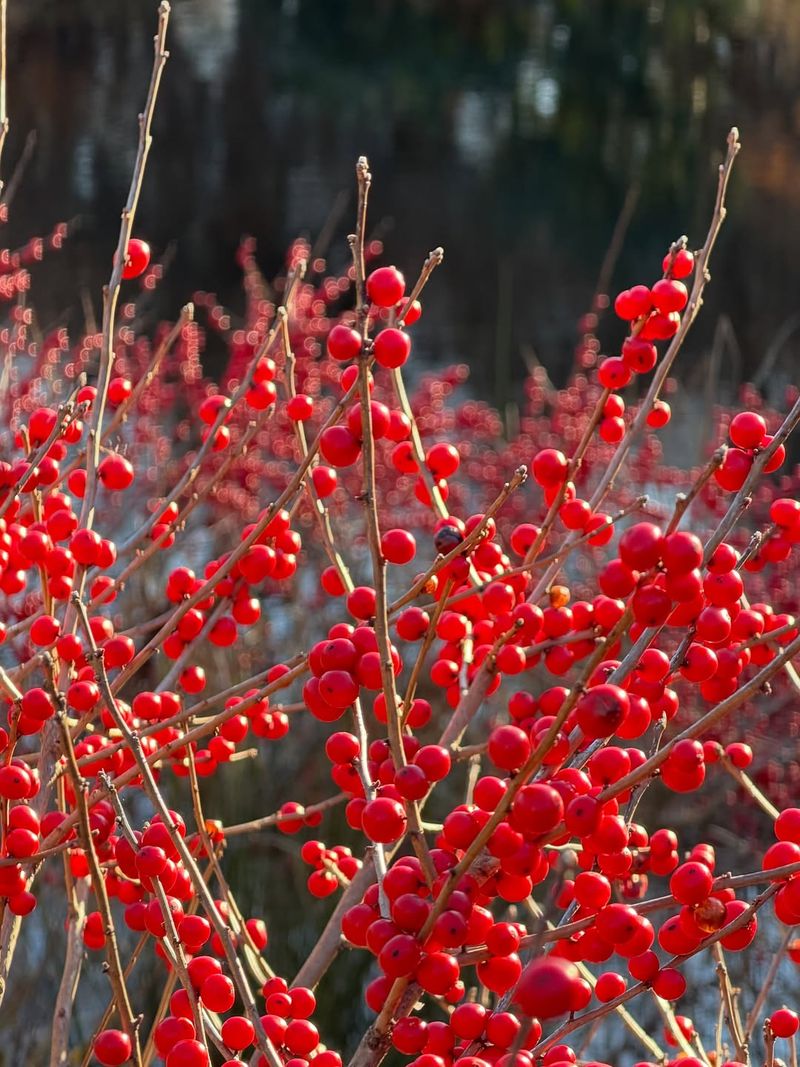
Imagine stepping outside on a gray January morning and seeing a shrub absolutely loaded with bright red berries. That is the magic of Winterberry.
When every other plant in the yard looks bare and dull, Winterberry puts on a show that stops people in their tracks. It is one of the most visually dramatic native shrubs you can grow in the Mid-Atlantic region.
Winterberry is a deciduous holly, meaning it drops its leaves in fall. But that is exactly when things get interesting.
Once the leaves fall, the branches are completely covered in brilliant red berries that glow against snow and gray skies. The display lasts from late fall all the way through winter, giving birds a steady food supply during the coldest months.
Birds go wild for Winterberry. Robins, bluebirds, cedar waxwings, and even wild turkeys flock to it for the berries.
The shrub also supports pollinators in spring, when small white flowers bloom and attract native bees. So from spring through winter, Winterberry is always doing something useful for local wildlife.
Winterberry grows best in moist to wet soils and full sun to part shade. It is a fantastic choice for rain gardens, pond edges, or any spot in your yard that stays damp.
Like other hollies, you need a male plant nearby to pollinate the females and trigger berry production. One male can pollinate several females planted within 40 feet.
Mature plants reach six to ten feet tall and spread naturally into a loose, rounded shape. Minimal pruning is needed. Winterberry is tough, native, and practically care-free once established in the right spot.
4. Red Chokeberry
Red Chokeberry is a plant that earns its keep in every single season. In spring, it is covered in clusters of delicate white flowers.
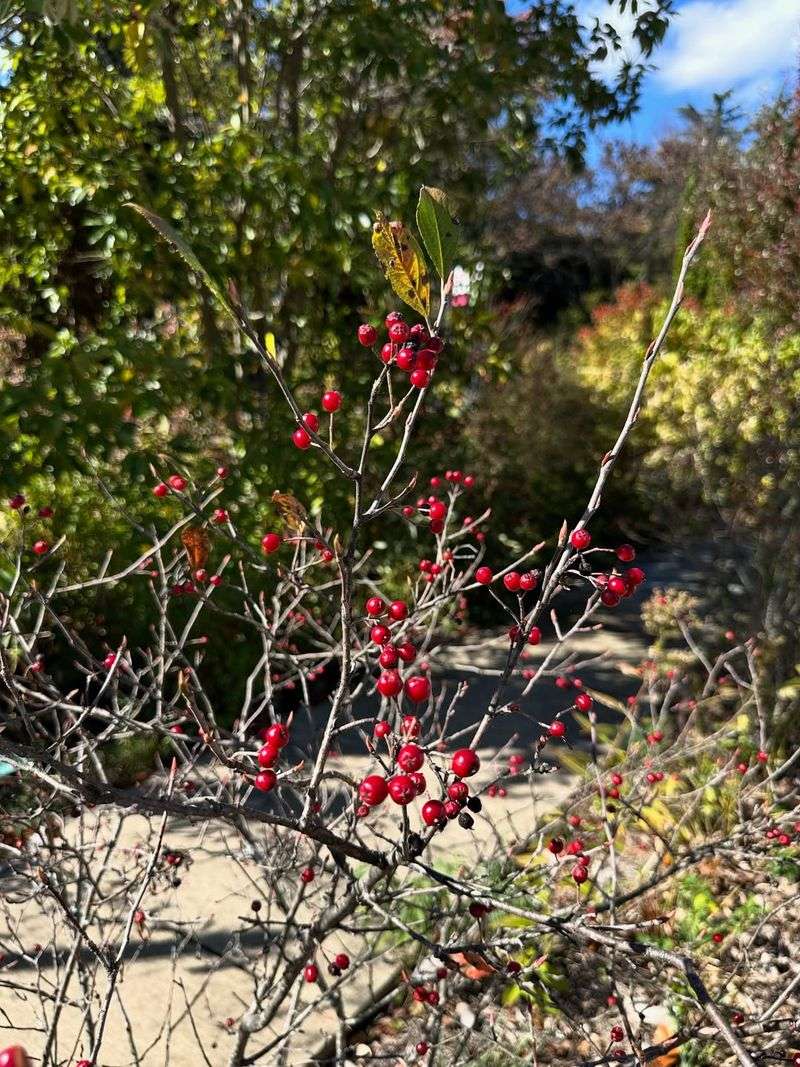
By summer, small green berries develop. Come fall, those berries turn a rich, glossy red just as the leaves shift to stunning shades of orange and red.
Even in winter, the dried berries cling to the branches and provide food for hungry birds. This native shrub is a powerhouse for pollinators. The spring flowers attract native bees, butterflies, and other beneficial insects.
Studies have shown that Red Chokeberry supports over 14 species of native bees. That kind of ecological contribution is something privet simply cannot match.
Red Chokeberry typically grows six to ten feet tall and forms a naturally upright, slightly spreading shape. It works beautifully as a hedge, a naturalized border planting, or a mass planting along a property line.
It spreads slowly through root suckers, which you can remove or leave to create a thicker stand over time.
One of the best things about Red Chokeberry is how little care it needs. It tolerates a wide range of soil types, from wet to dry, and grows well in full sun or part shade.
Once established, it rarely needs watering, fertilizing, or spraying. It is also highly resistant to most common pests and plant diseases.
The berries are technically edible for humans too, though they are very tart on their own. Many people use them in jams, juices, and baked goods.
Wildlife, however, needs no convincing. Red Chokeberry is a true workhorse of the native landscape.
5. Spicebush (Lindera benzoin)
Walk past a Spicebush on a warm day and brush a leaf with your hand. The spicy, citrusy scent that rises up is absolutely unforgettable.
Spicebush is one of those plants that engages all your senses, not just your eyes. It is also one of the most ecologically valuable native shrubs you can grow in Pennsylvania.
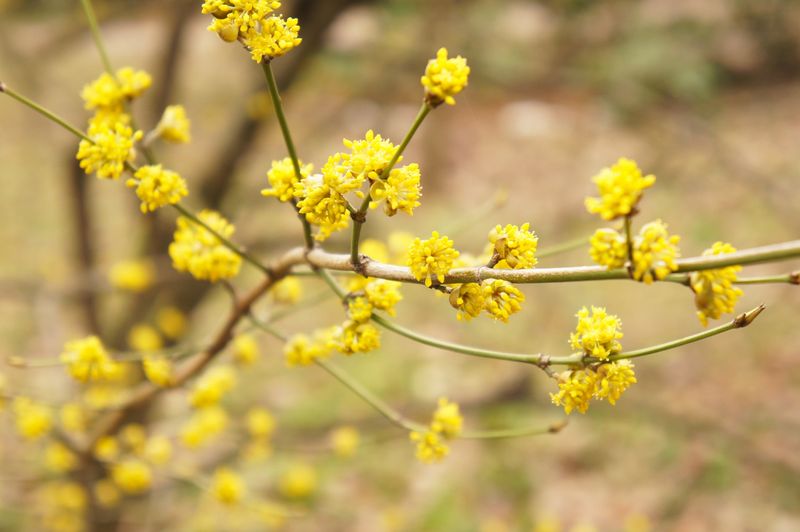
Early spring is when Spicebush really shines. Before most other plants have even woken up, Spicebush bursts into tiny clusters of bright yellow flowers that cover the bare branches.
These early blooms are a critical food source for queen bumblebees and other native pollinators emerging from winter dormancy. Few plants offer that kind of early-season help to struggling bee populations.
Spicebush is also the host plant for the Spicebush Swallowtail butterfly, one of the most beautiful butterflies in the eastern United States. The caterpillars rely almost exclusively on Spicebush leaves to grow and develop.
Planting Spicebush in your yard is essentially rolling out a welcome mat for these spectacular butterflies.
Female plants produce glossy red berries in fall that birds absolutely cannot resist. Thrushes, vireos, and other migratory birds fuel up on Spicebush berries during their long fall journeys south.
The shrub grows six to twelve feet tall and spreads into a naturally dense, rounded form that works well as a screen or border plant.
Spicebush thrives in part shade to full shade, making it one of the few native shrubs that performs well under tree canopies.
It prefers moist, rich soil but adapts to average garden conditions. Low maintenance and long-lived, Spicebush is a true gem of the eastern woodland garden.
6. Ninebark
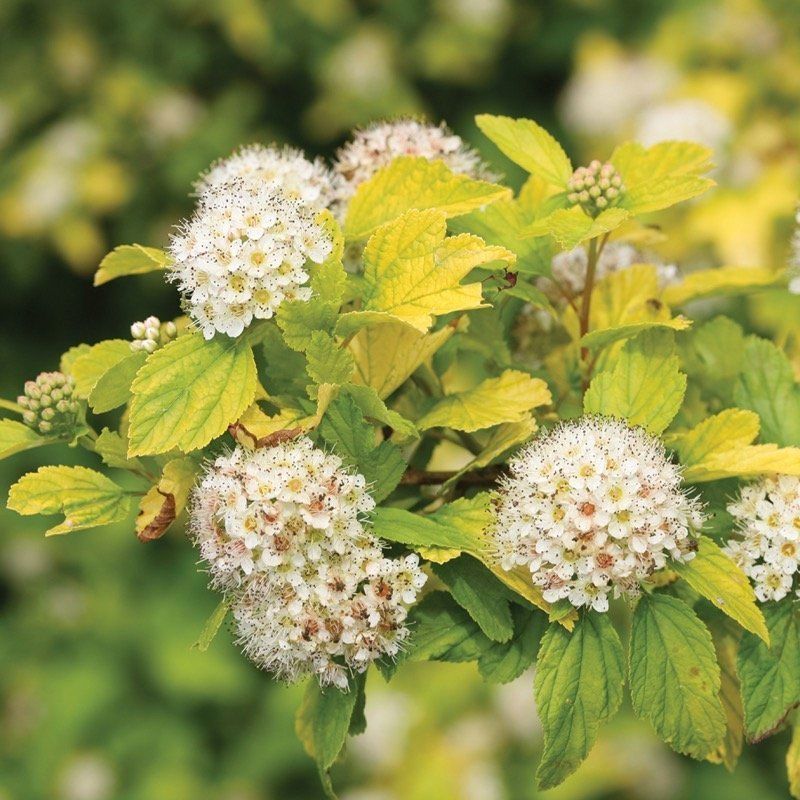
Ninebark is the kind of plant that garden designers get genuinely excited about. It has everything: interesting bark, beautiful flowers, colorful foliage, and seed clusters that birds love.
Best of all, it is tough as nails and grows well in conditions that would challenge most other shrubs. If you want a low-maintenance privet replacement with real visual personality, Ninebark is hard to beat.
The name comes from the plant’s distinctive peeling bark, which curls back in layers to reveal cinnamon and orange tones underneath.
In winter, when the leaves are gone, that textured bark becomes the star of the show. It adds a sculptural quality to the landscape that few other native shrubs can match.
In late spring, Ninebark produces dense clusters of small white or pale pink flowers that attract native bees, beetles, and butterflies. The flowers are followed by reddish seed clusters that birds pick at through fall and into winter.
The foliage ranges from bright green to deep burgundy depending on the variety you choose, giving you plenty of design flexibility.
Ninebark is remarkably adaptable. It grows in full sun or part shade and tolerates wet, dry, clay, or rocky soils.
It handles urban pollution and compacted soils better than most native shrubs, making it a solid choice for challenging spots in the yard. Mature plants reach five to ten feet tall and wide.
Pruning is simple. Cut it back hard every few years to rejuvenate the plant and keep it tidy. Ninebark rarely has pest or disease problems and needs no special fertilizer. It is a genuinely fuss-free native shrub with year-round appeal.
7. Sweetspire
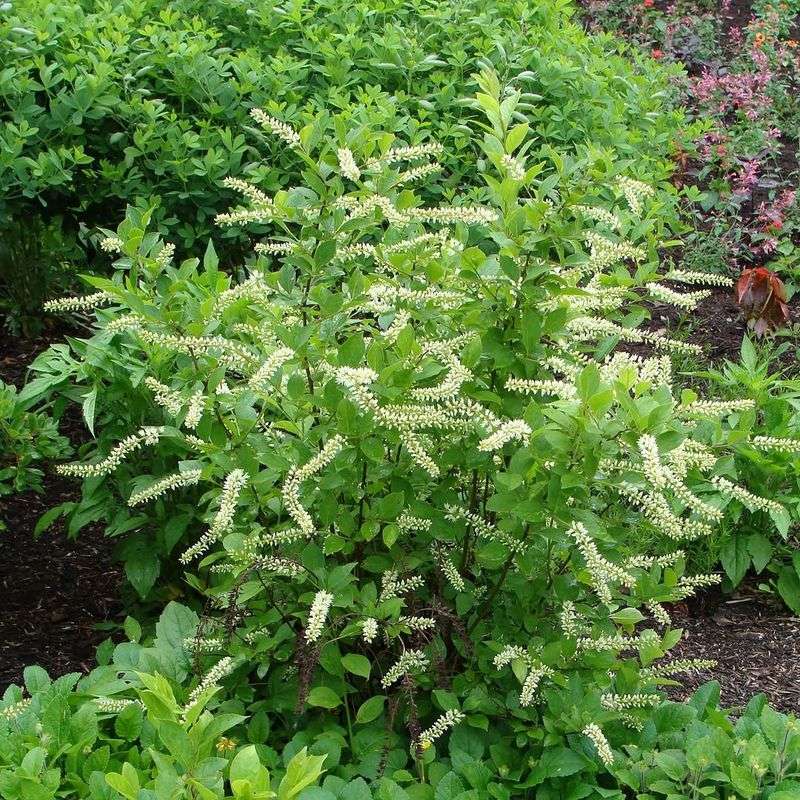
There is something almost magical about Sweetspire in bloom. Long, drooping clusters of tiny white flowers hang from every branch in late spring, filling the air with a light, sweet fragrance that carries across the whole yard.
It is one of those plants that makes neighbors stop and ask what it is. And when you tell them it is native and practically care-free, they want one immediately.
Sweetspire, also known as Virginia Sweetspire, is a deciduous shrub that grows three to five feet tall and spreads gradually through underground suckers. That spreading habit makes it excellent for filling in a border or creating a naturalized hedge over time.
Unlike privet, it spreads politely and never becomes a problem for neighboring properties or natural areas.
The fall color is another reason to love this plant. The leaves turn vivid shades of orange, red, and purple in autumn, often holding their color well into late fall.
Few shrubs offer both spectacular summer blooms and outstanding fall foliage in one tidy package. Sweetspire earns its space in the garden twice over.
Pollinators are wild about the flowers. Native bees, bumblebees, and butterflies visit the blooms repeatedly throughout the flowering period.
The shrub provides both nectar and pollen, making it a genuinely valuable food source for local bee populations during a busy growing season.
Sweetspire grows well in full sun to full shade, which makes it one of the most versatile native shrubs available. It handles wet soils, drought, and everything in between once it gets established.
It is also highly deer-resistant, which is always a welcome quality in Pennsylvania gardens. Plant it and enjoy the rewards for decades.