The Ohio Native Berry Bush That Produces Tons Of Fruit And Cleans Up Tick-Friendly Edges
Most Ohio shrubs make you choose. Wildlife value or clean edges.
Visual interest or practical function. The ones worth seeking out refuse that trade-off entirely.
One native berry bush has been making that case quietly in Ohio landscapes for years without getting nearly enough credit. It produces fruit in quantities that birds take seriously.
It tightens up the kind of overgrown, damp, shaded edges that tick populations rely on for cover. It does both while looking genuinely good through multiple seasons.
Ohio yards with a tick pressure problem almost always have a habitat problem underneath it. Edges that stay wild, damp, and undisturbed give ticks exactly what they need.
The right shrub in those spots changes the equation without a landscape overhaul. This native earns its place on both counts.
Most gardeners have never given it a serious look.
1. Grow Black Chokeberry For Native Fruit Without The Messy Edge
A forgotten fence line covered in weeds and volunteer saplings is not doing your yard any favors. Black chokeberry, Aronia melanocarpa, is a shrub native to Ohio that can replace that tangled strip with something structured and productive.
It grows in a tidy, upright clump and produces dark berries in late summer that actually have a purpose.
The shrub offers three full seasons of interest. Spring brings clusters of small white flowers.
Summer fills the branches with developing fruit. Fall turns the foliage a deep red-orange that stands out in any yard.
That kind of seasonal range is hard to find in a single plant.
Mature plants typically reach six to eight feet tall, depending on the cultivar and site conditions. Some cultivars stay more compact.
The shrub spreads slowly by root suckers, which lets it fill in over time without becoming invasive. Fruit production varies by sun, soil, moisture, pollination, and seasonal weather.
More sun generally means better flowering and heavier fruit set. Planting in a well-prepared, visible edge instead of a forgotten corner gives this native shrub the best chance to perform well for years.
2. Use It To Replace Brushy Tick-Friendly Corners
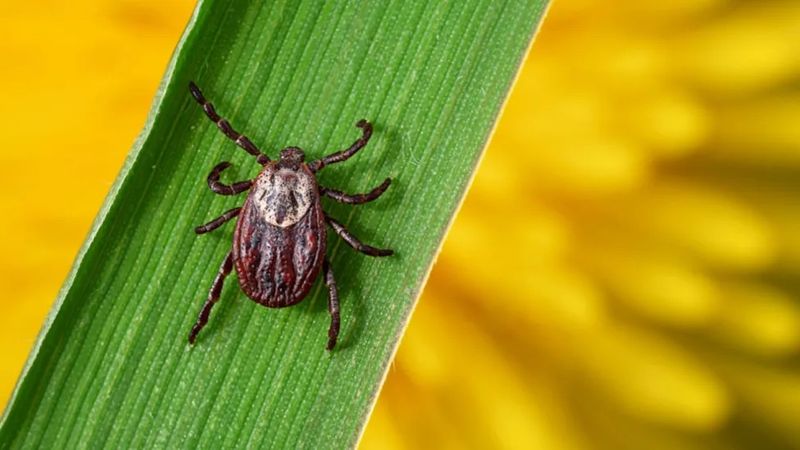
A damp, shaded corner piled with leaf litter and low weeds is one of the spots in a yard where ticks are most likely to rest and wait. Ticks prefer humid, protected areas with dense ground cover.
They move from leaf piles and brushy edges onto people and pets who brush through those spots.
Replacing a brushy, unmanaged corner with a planted native shrub border does not repel ticks. That needs to be said clearly.
What it can do is reduce the amount of dense, damp, tick-friendly ground cover in high-use areas near paths, play spaces, and garden edges. A managed shrub planting is easier to keep open, visible, and accessible than a tangle of weeds and wild growth.
Black chokeberry works well in this role because it has a clean upright form and does not create thick ground clutter on its own. Keeping the base clear of leaf piles and dense weeds is still your responsibility.
Your Ohio Garden Changes Every Week. Your Plan Should Too.
Gardening in Ohio changes quickly throughout the season. Every Friday you’ll receive a simple weekly plan showing exactly what to plant, prune, fertilize, harvest, and protect so you never miss the right timing.
The shrub gives you a framework for a more intentional edge. For full tick prevention, follow current guidance from your local extension office or public health department.
Yard design is one layer, not the whole answer.
3. Plant It Where Sun Helps Fruit Production
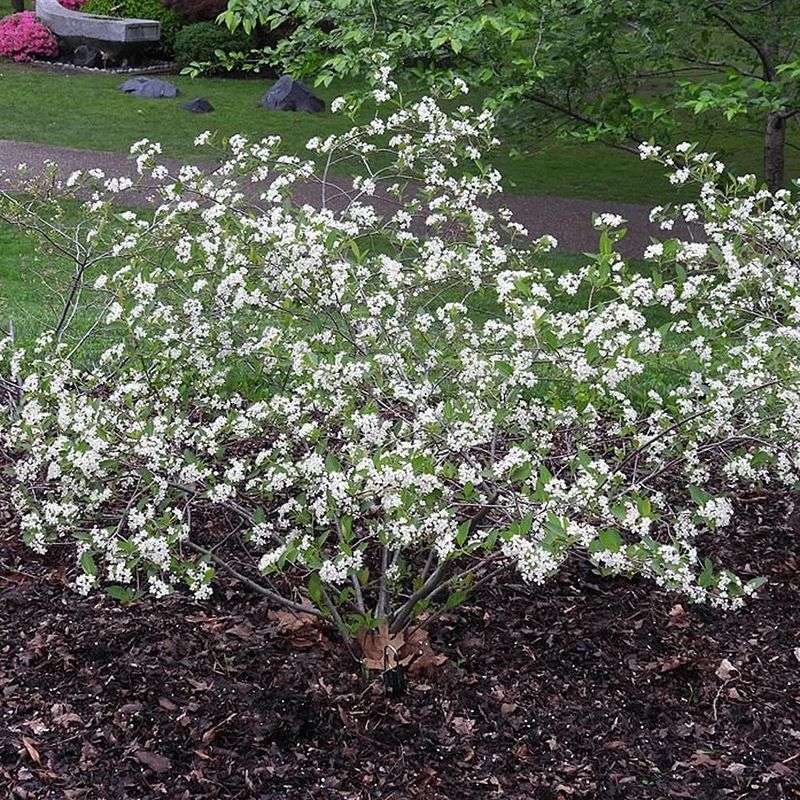
Sun placement matters more for fruit production than most gardeners expect. Black chokeberry can handle partial shade, but flowering and fruiting are usually better with more direct sunlight.
A site that gets at least six hours of sun per day gives the plant the energy it needs to flower well and set a solid crop of berries.
Part-shade sites can still support a healthy shrub with good foliage and fall color. The trade-off is often fewer flowers and a lighter fruit load.
If your main goal is berry production for wildlife or personal use, choose a sunnier spot. The south or west side of a yard edge is a better starting point than a north-facing corner under tree cover.
Soil flexibility is one of this shrub’s real strengths. It tolerates clay soils, wet areas, and moderately dry conditions once established.
That makes it practical for the kind of low spots and uneven edges that are common in local yards. Good drainage is still helpful for long-term health, but the plant does not need perfectly amended garden soil.
Start with a sunny, accessible spot and let the shrub settle in for a full growing season before expecting peak fruit output.
4. Expect Dark Berries That Birds Can Use Later
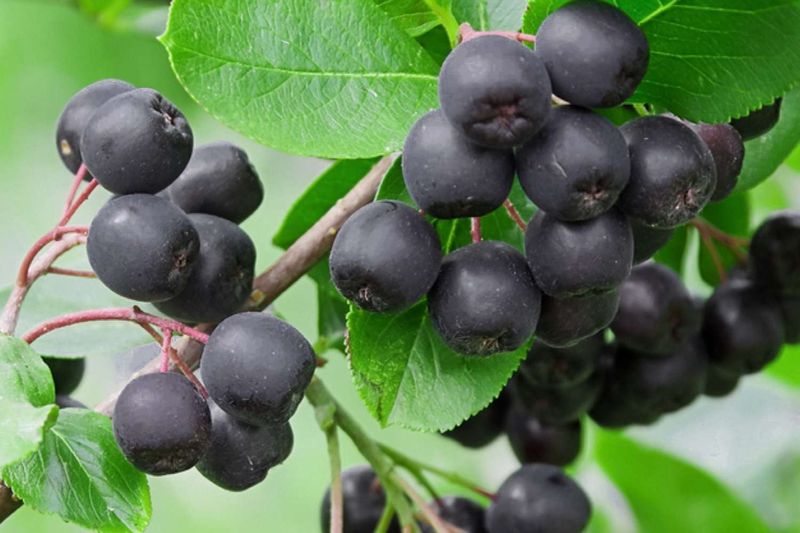
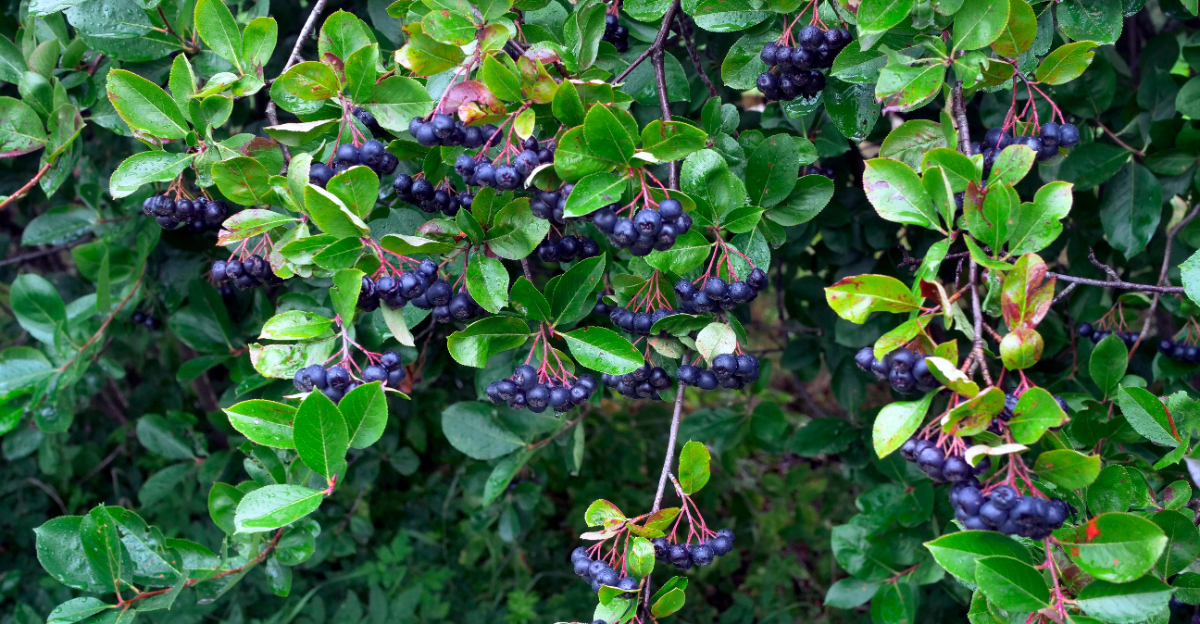
By late summer, black chokeberry branches fill with tight clusters of small, dark berries that look almost like blueberries but taste very different. The fruit is noticeably astringent when eaten fresh.
That sharp, mouth-drying quality comes from high tannin content. Most people find the raw berries too puckery to enjoy straight off the bush.
For people who want to use the harvest, the berries work well in cooked preparations. Jams, syrups, juice, and baked goods can all benefit from the fruit once it is properly identified, prepared, and sweetened.
Always confirm your identification before using any foraged or garden-grown berry. Do not make health claims based on berry use, and follow safe food handling practices.
Wildlife value is one of the more reliable benefits. Birds tend to leave the berries alone until late fall or winter when other food sources run low.
That persistence makes the fruit useful as a cold-season food source for native birds. Fruit load will vary by year depending on pollination success, weather during bloom, summer moisture, and how much wildlife pressure the planting faces.
A single shrub in a good site can produce a meaningful crop, but results are not guaranteed every season.
5. Let Spring Flowers Add More Than Fruit Value
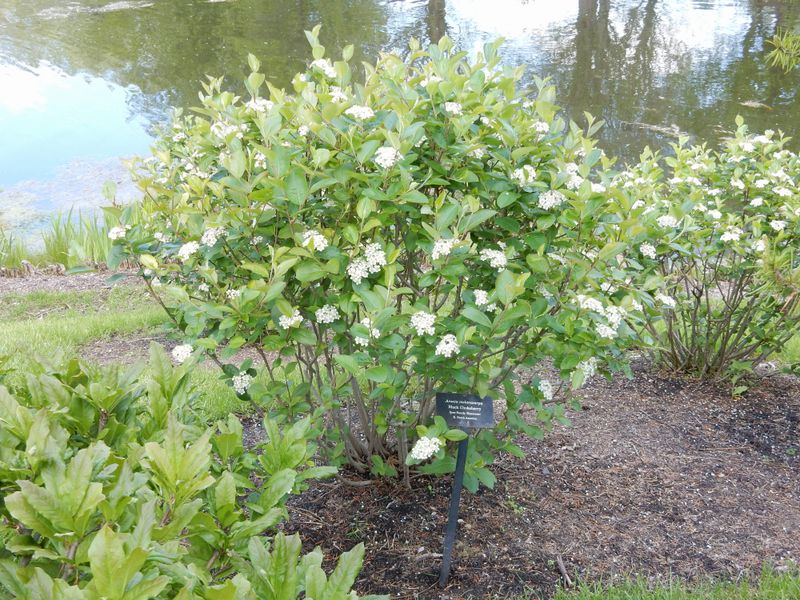
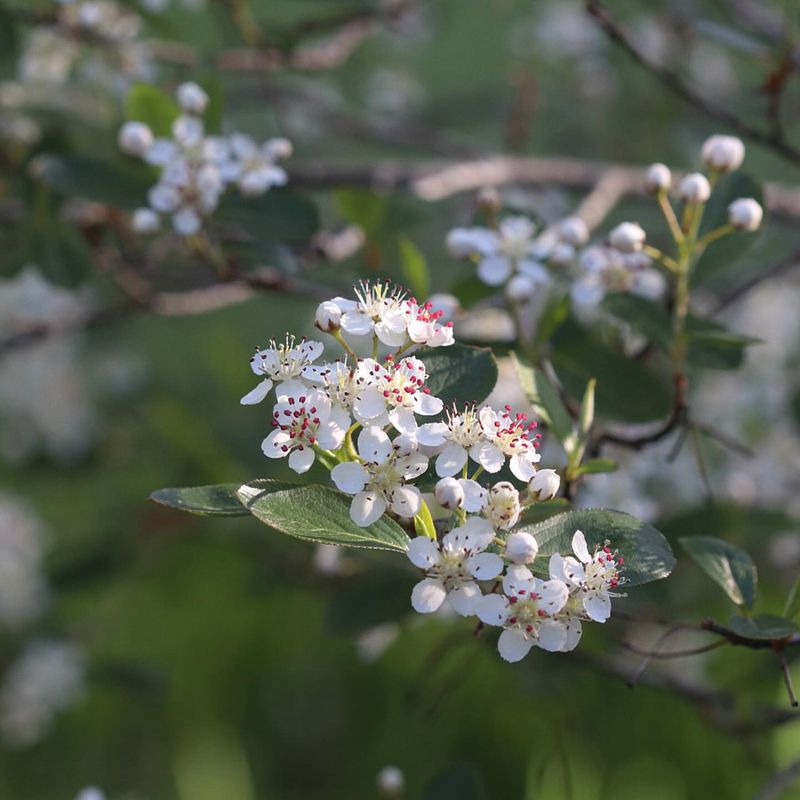
Before the berries form, the shrub earns its place in the yard through spring bloom. Black chokeberry produces clusters of small white flowers in mid-spring, typically in May in most parts of Ohio.
The flowers appear after the leaves begin to emerge, covering the branch tips in a way that reads as clean and bright from a distance.
The bloom period is relatively short, usually lasting a couple of weeks. During that window, the flowers attract native bees and other early-season pollinators looking for accessible pollen and nectar.
Good pollinator activity during bloom contributes to better fruit set later in the season. A shrub in a sunny, open spot tends to attract more pollinator visits than one tucked into a shaded corner.
Spring flowering also helps this shrub justify its space before the berries arrive. A yard edge that looks intentional in May, productive in August, and colorful in October is doing a lot of work across the growing season.
That seasonal layering is what separates a thoughtful native planting from a row of evergreen shrubs that look the same all year. The flowers are modest in size but generous in number, and they signal that a full season of activity is just getting started.
6. Keep The Base Open Instead Of Letting Weeds Crowd In
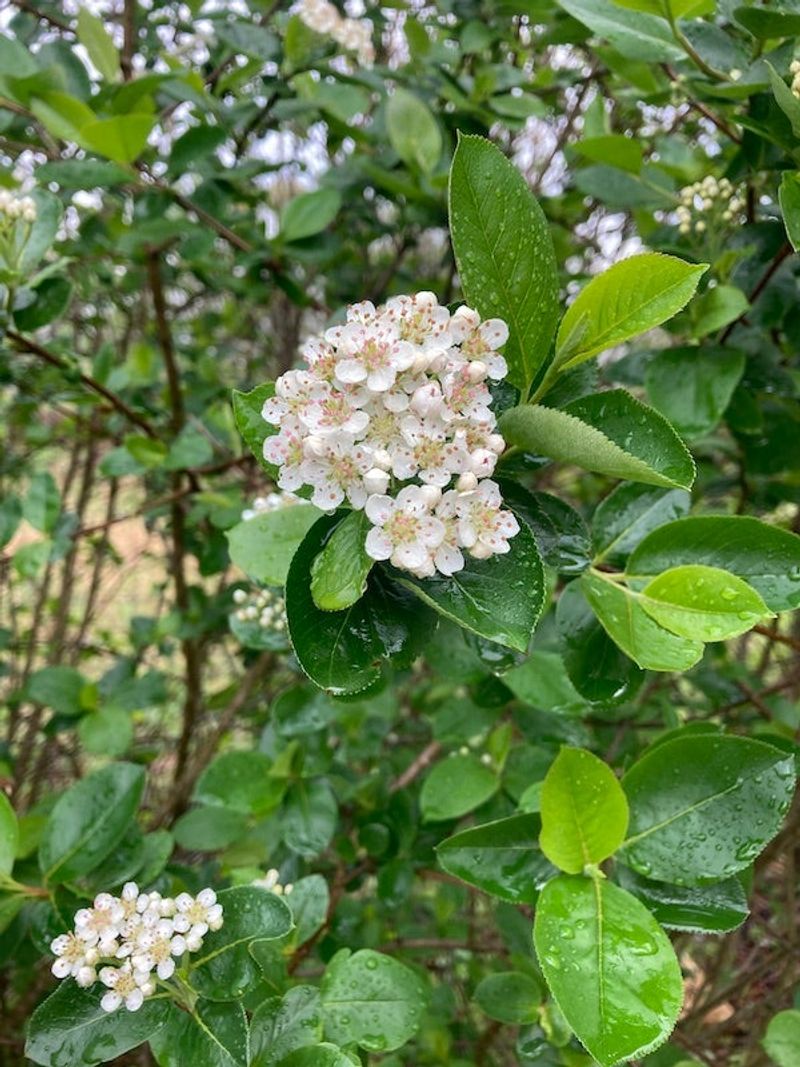
A managed shrub planting only delivers the habitat benefit you want if you actually manage it. Adding black chokeberry to a yard edge and then letting weeds, leaf piles, and ground clutter build up around it recreates the same conditions you were trying to replace.
The shrub itself is not the whole solution. How you maintain the space around it matters just as much.
Keeping the base of the planting open means clearing out dense weed growth and removing matted leaf litter in high-use areas. It also means preventing low-growing ground cover from becoming so thick that the space turns sheltered and damp.
Ticks are more comfortable in those kinds of conditions. An open, visible, well-maintained edge is harder for them to use than a tangled one.
Routine maintenance does not have to be labor-intensive. Pulling weeds while they are small, raking out leaf accumulation in spring and fall, and keeping a clean sight line along the planting edge are all practical habits.
Black chokeberry does not require heavy pruning, but removing old canes every few years helps keep the interior of the plant from becoming too dense.
A shrub with good airflow and an open base is healthier for the plant and easier for you to manage throughout the season.
7. Use Mulch And Spacing To Make Tick Checks Easier
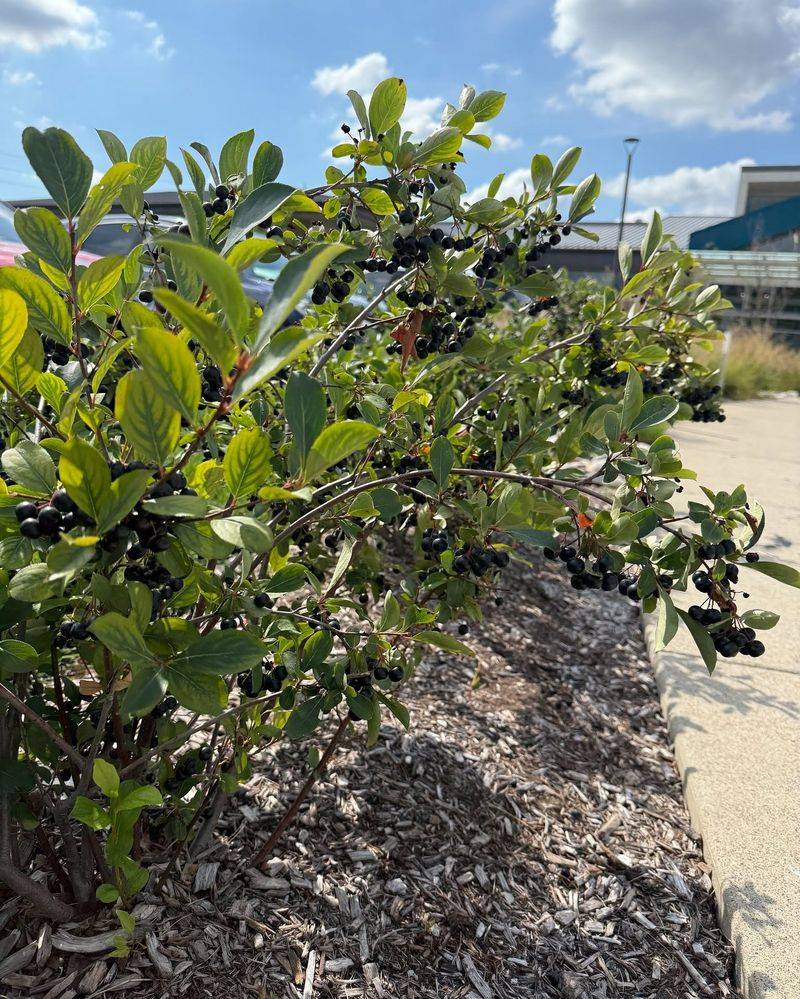
Spacing and mulch choices affect how easy a planting is to use and maintain. Black chokeberry shrubs planted too close together can form a dense wall that traps moisture and makes the base hard to see or access.
Giving each plant enough room to develop its full natural form, usually four to five feet between plants, keeps the planting open and manageable.
A modest layer of wood chip mulch between shrubs helps suppress weeds without creating the kind of thick, damp mat that can shelter ticks. Keep mulch depth at two to three inches.
Pull it back slightly from the base of each stem to avoid trapping moisture against the crown of the plant. Thick mulch piled against stems can cause rot and attract the kind of damp ground-level habitat you are trying to reduce.
An open, mulched edge also makes tick checks easier after you or your family have spent time near the planting.
When you can clearly see the ground and move through the space without brushing against dense cover, you are more likely to notice if something has hitched a ride.
Mulch alone does not control ticks. Spacing alone does not control ticks.
Both contribute to a yard edge that is easier to monitor, maintain, and move through safely. Always do a full tick check after time outdoors.
8. Treat Chokeberry As Habitat Help, Not Tick Repellent
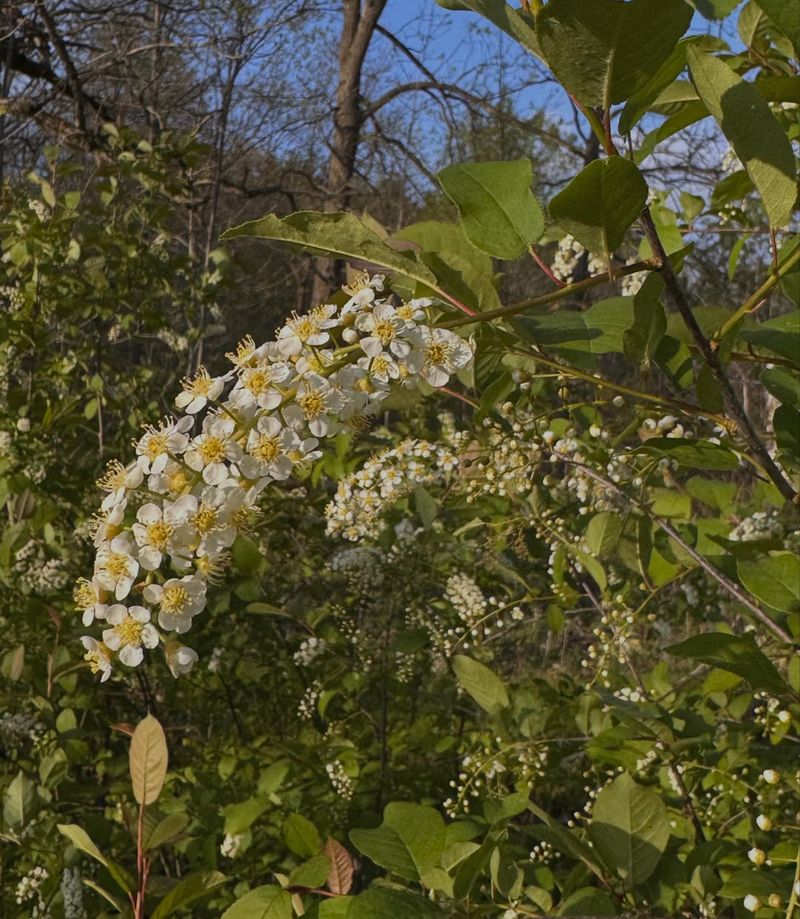
The most honest way to describe black chokeberry’s relationship to tick habitat is this: it helps you build a better edge, not a barrier. A shrub that brings structure, fruit, flowers, and fall color to a formerly messy corner is genuinely useful.
That usefulness does not include chemical tick repellency, and no native shrub can make that claim accurately.
What a well-managed chokeberry planting can do is give you a reason to maintain a yard edge that might otherwise go ignored. Tended plantings tend to stay more open, drier at ground level, and easier to monitor than neglected ones.
That kind of intentional maintenance reduces the conditions ticks prefer, even if it does not eliminate the risk.
For real tick prevention, follow guidance from your local extension office or state health department. That means checking yourself and pets after time outdoors, keeping grass mowed, creating a dry barrier between lawn and wooded edges, and using appropriate repellents.
Black chokeberry earns its place in the yard through fruit production, wildlife support, spring bloom, and seasonal structure. The tick-habitat angle is a real bonus when the planting is managed well.
Expect a strong, productive native shrub. Manage it consistently, and the edge benefits follow naturally.