The Native Ohio Plant That Barn Swallows Use For Nesting Material
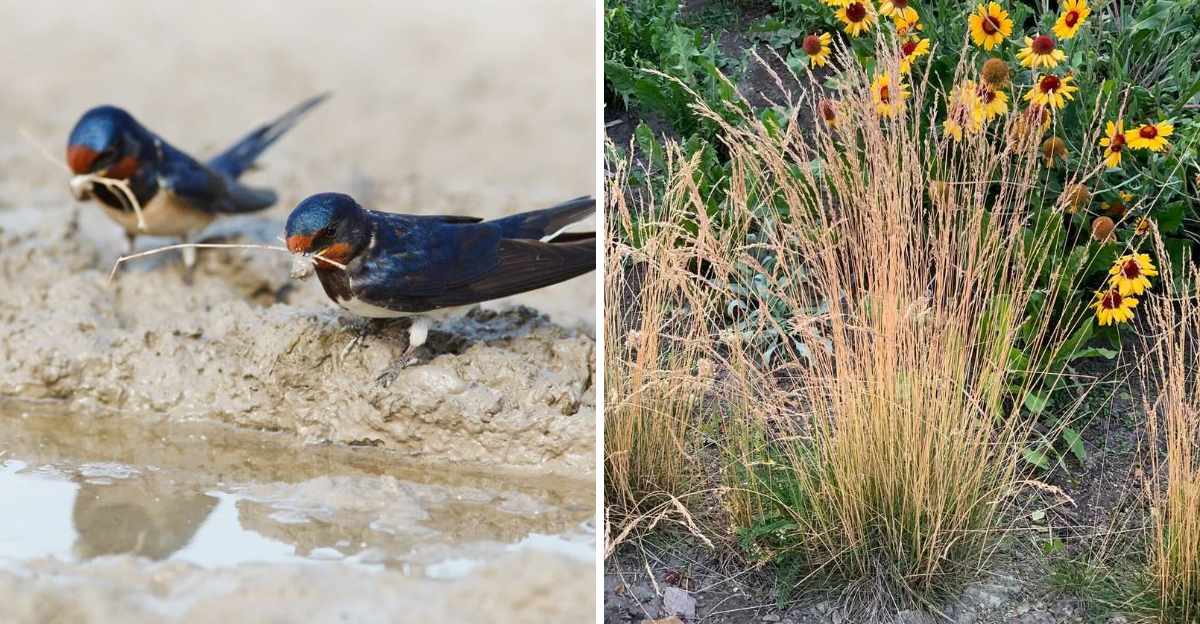
Barn swallows are one of the most acrobatic birds an Ohio yard can attract. That low, fast flight across open ground, the forked tail, the way they work the air above a lawn with a focus that looks almost joyful.
Most people who see them want more of them. What barn swallows need for nesting is more specific than most homeowners realize.
They are not improvising. They return to reliable sources of the right material.
Yards that provide it become part of a route they come back to season after season. One Ohio native plant has a particular relationship with barn swallows at nesting time.
It is not rare or hard to find. It grows across Ohio naturally and performs beautifully in a garden setting.
It also offers something barn swallows have depended on in this landscape for a very long time.
1. Grow Little Bluestem For Dry Grass Nesting Fibers
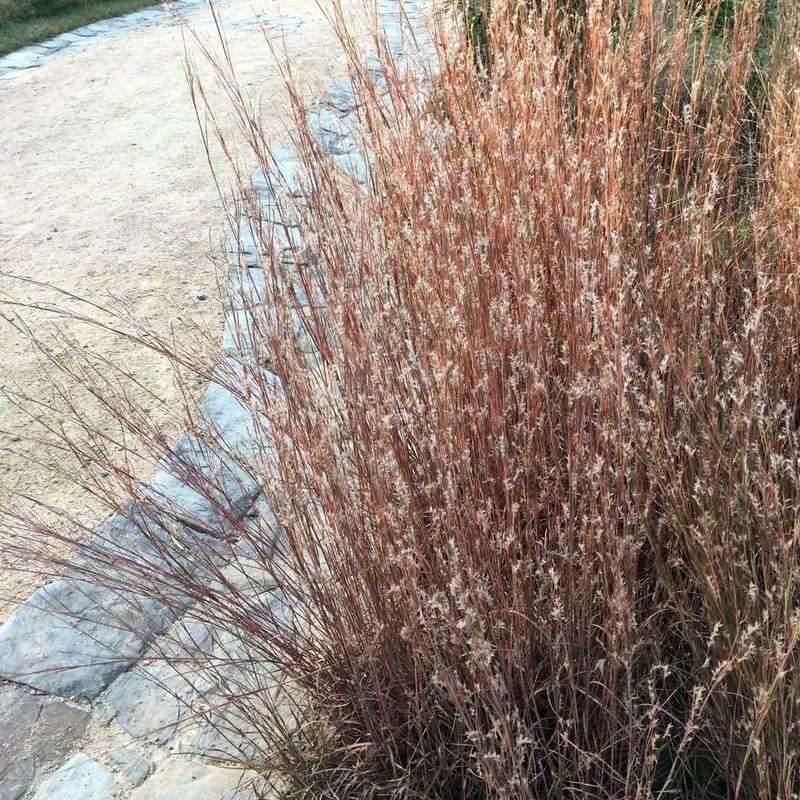
A dry clump of native grass beside a fence can offer the kind of small fibers birds notice during spring nest building. Little bluestem is a warm-season grass native to this state.
It grows in tight clumps and produces slender stems that dry out over fall and winter into lightweight, fibrous material.
Barn swallows do not rely on any single grass species for nesting. They use whatever dry fibers are available near a suitable structure.
Little bluestem stems are thin, flexible, and light enough to carry short distances. That makes them a reasonable material to have near open outbuildings or sheds where swallows nest.
The grass also holds its form well through winter, so stems stay available into early spring when nest building begins.
Research from Cornell Lab of Ornithology notes that barn swallow nests are built mostly from mud pellets, but dry grasses and feathers are commonly mixed in.
Planting little bluestem near open structures, mud access, and insect-rich edges gives swallows more of what they need in one area. It will not attract birds on its own, but it can be a useful part of a swallow-friendly landscape.
2. Remember Barn Swallows Still Need Mud Most
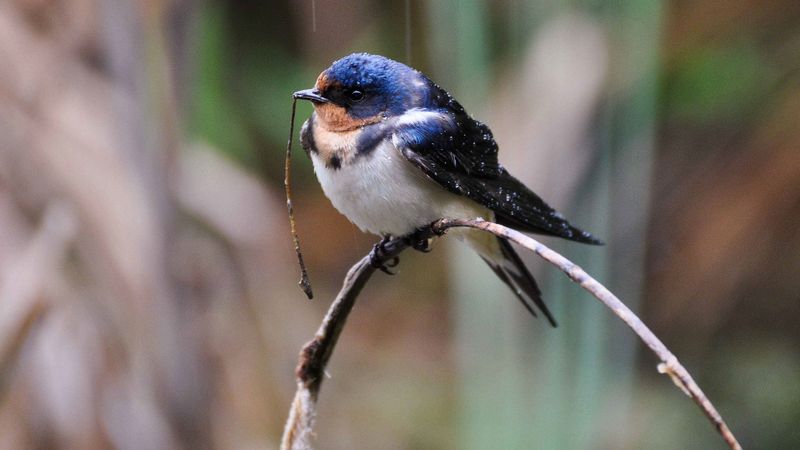
A mud nest tucked under a barn eave looks simple from a distance, but building it takes real effort. Barn swallows gather small mud pellets one at a time and press them together to form a sturdy cup shape.
According to Cornell Lab of Ornithology, a single nest can contain several hundred mud pellets collected over days of back-and-forth trips.
Dry grass and other plant fibers can be added into the mud as the nest takes shape. Feathers are often used to line the inside cup where eggs rest.
But without mud, none of that extra material holds together into a functional nest. A dry-grass clump nearby adds nothing useful if there is no soft, workable mud within a short flight.
Mud access matters most during the active building window, which typically runs from late spring into early summer in this state. Swallows look for soft, exposed soil near water or low spots after rain.
Your Ohio Garden Changes Every Week. Your Plan Should Too.
Gardening in Ohio changes quickly throughout the season. Every Friday you’ll receive a simple weekly plan showing exactly what to plant, prune, fertilize, harvest, and protect so you never miss the right timing.
Paved yards, dry lawns, and gravel paths offer nothing for nest building. If you want to support swallows near your property, keep a small patch of bare, moist soil available during their building window.
Grass alone is not enough.
3. Leave Some Stems Standing Into Early Spring
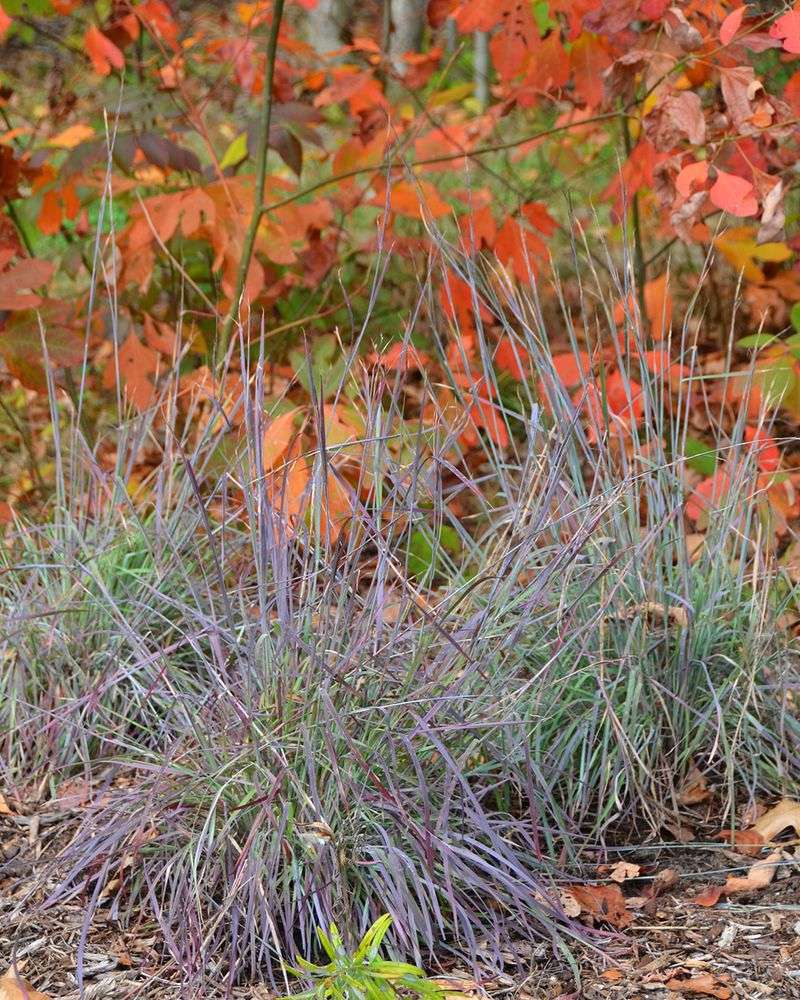
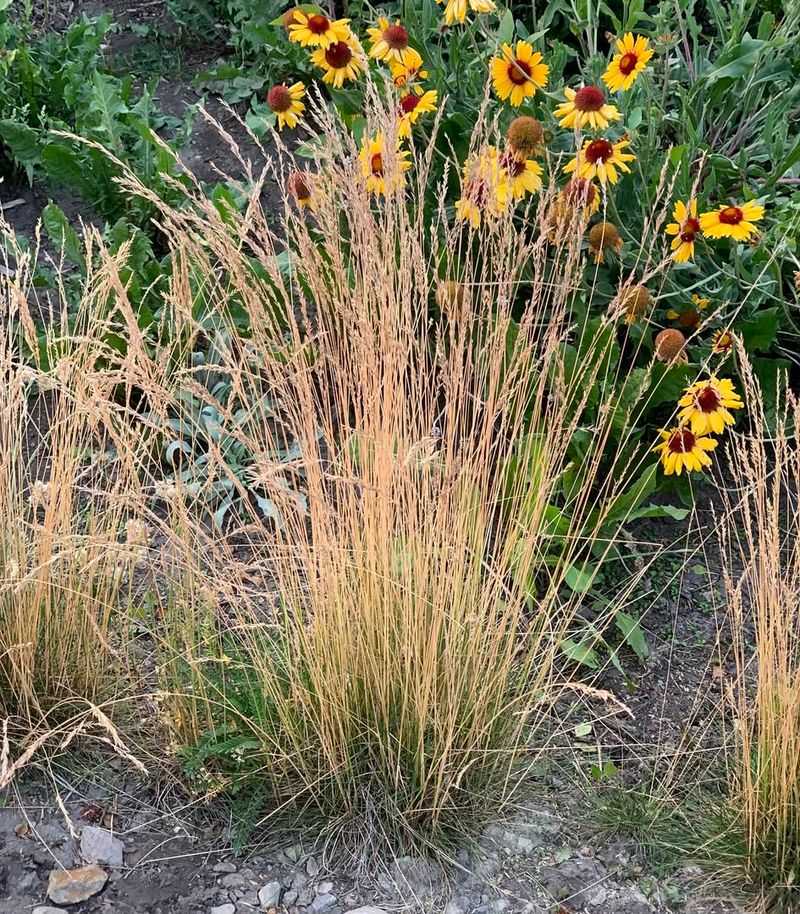
Tall, standing grass clumps in late winter might look like leftover yard mess, but they serve a real purpose for birds and the garden alike. Little bluestem holds its upright form through cold months better than many other native grasses.
The dried stems stay relatively intact even after frost and light snow.
Leaving those stems in place through winter gives barn swallows and other birds a source of dry fiber that is ready when nest building starts in spring. Early nesters may scout materials before the ground fully warms.
Having dry stems available on-site means less searching in areas where natural material is scarce.
From a garden standpoint, standing stems also protect the crown of the plant from frost heaving and harsh wind. The Lady Bird Johnson Wildflower Center notes that cutting warm-season grasses too early in fall or winter can stress the plant.
Waiting until late winter or early spring to cut back clumps gives both the plant and any birds in the area a better outcome. Aim to cut stems back to about four to six inches above ground before new growth pushes up.
That timing works well for the grass and keeps material available a little longer for early-season nesters.
4. Cut Back Grass Clumps After Birds Can Use Them
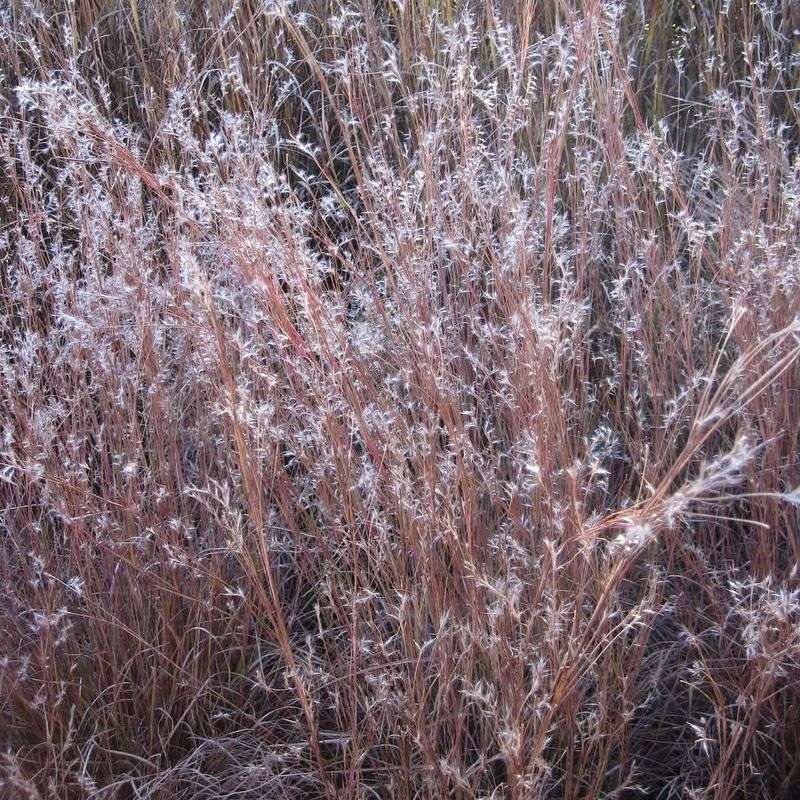
Spring cleanup timing can make a real difference for birds that use dry plant material during nest building. Cutting back little bluestem too early in the season removes stems before birds have had a chance to gather loose fibers.
Waiting until late winter, or even early spring, gives the material more time to serve a purpose.
Ohio State University Extension recommends cutting warm-season grasses back in late winter before new growth begins. That window typically falls somewhere between late February and mid-March in most parts of this state, depending on local conditions.
Cutting at that point removes old stems while still leaving the crown intact for the new season.
You do not need to leave every clump standing indefinitely. The goal is simply to avoid cutting everything down in November or December when birds may still use the structure.
If you have several clumps, consider cutting some back in fall and leaving others through winter. That staggered approach gives birds options across a longer window.
Loose stems that fall naturally from clumps can also be left near the base of the plant for ground-foraging birds. Keep the area tidy enough for safety, but flexible enough to let natural materials stay available a bit longer each season.
5. Plant It Where Sun Keeps Growth Strong
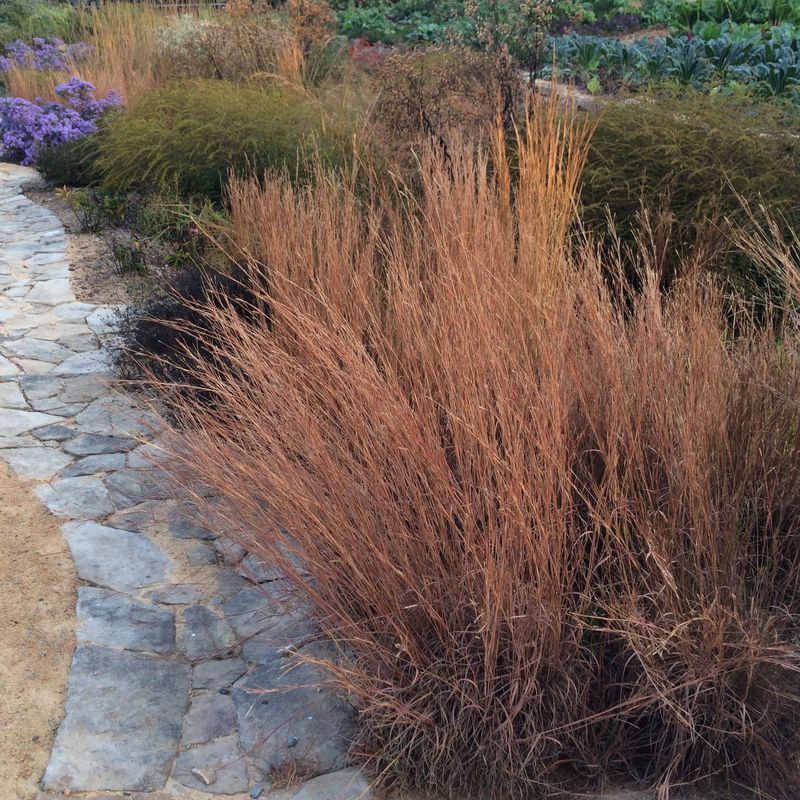
A sunny fence line or open yard edge is often the best place to establish little bluestem. This grass is adapted to full sun and well-drained soil.
It naturally grows in open prairies, roadsides, and dry hillsides across this state, where sunlight is consistent and drainage is reliable.
Planting in partial shade tends to produce weak, floppy clumps that lean and spread rather than standing upright. Stems from poorly grown plants may not hold their form well enough to be useful as dry fiber.
Strong, upright clumps from sun-grown plants produce better structure and more usable material over the season.
Well-drained soil is equally important. Little bluestem does not perform well in wet, compacted, or clay-heavy ground without amendment.
According to the Lady Bird Johnson Wildflower Center, this grass prefers dry to medium moisture and does not tolerate prolonged standing water. Sandy loam and rocky soils often produce the most vigorous clumps.
If your yard has heavier soil, raised edges or amended beds can help. Planting near open outbuildings, sheds, or barn edges where sun is plentiful puts little bluestem in the right conditions.
Strong growth there also keeps the grass close to places where barn swallows are most likely to build.
6. Keep A Muddy Patch Nearby During Nest Building
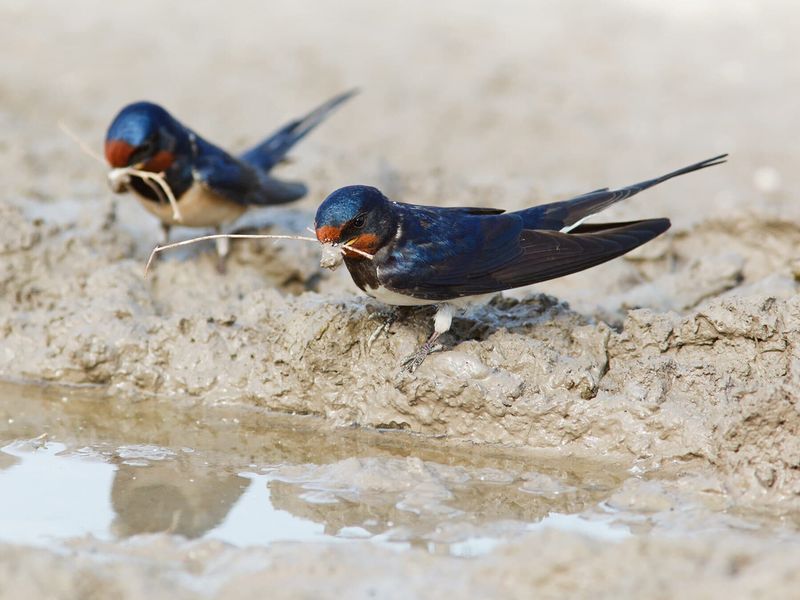
Watching a barn swallow dip toward a muddy puddle and lift off with a pellet tucked in its bill is one of the more satisfying moments in backyard bird watching. That mud-gathering behavior is central to how these birds build.
Without a reliable source of soft, workable mud, nest construction stalls completely.
You do not need a pond or a creek to support nesting swallows. A small, consistently moist patch of bare soil near an open structure can work during the building window.
The key is keeping the soil soft and exposed, not covered in mulch or grass. A low spot near a downspout or a shallow depression that holds moisture after rain can serve the purpose without creating a standing-water problem.
Avoid creating large areas of standing water, which can attract mosquitoes. A small, shallow mud patch that drains between rain events is safer and more practical.
Place it away from high-traffic doors and walkways so birds feel comfortable approaching. The Audubon Society notes that barn swallows prefer to nest in areas with open flight paths and low human disturbance during building.
A nearby mud source paired with suitable nesting structure and dry grass gives swallows the combination they need to get started.
7. Avoid Sprays Around Swallow-Friendly Yard Edges
Barn swallows are insect eaters from the moment they leave the nest. They catch flying insects on the wing, skimming low over fields, ponds, and open yards to pick off gnats, flies, beetles, and mosquitoes.
A single barn swallow can consume hundreds of insects in a day, according to Audubon Society resources.
Broad insecticide applications around yard edges, garden beds, and open lawn areas can reduce the flying insect population that swallows depend on. Fewer insects means less food for nesting adults and the chicks they feed.
That pressure on the food supply can affect how well a nesting pair raises a brood in any given season.
Native plantings like little bluestem support a wider insect community by providing structure, shelter, and host plant value. Keeping those edges free of routine pesticide applications helps preserve that insect base.
If pest pressure becomes a real problem in your yard or garden, contact your local OSU Extension office or a certified professional. Do that before applying any product near nesting or foraging areas.
Extension guidance can help you weigh options that target specific problems. It can also help you avoid wiping out the broader insect community that supports swallows and other native birds.
8. Let Native Grass Support More Than One Backyard Bird
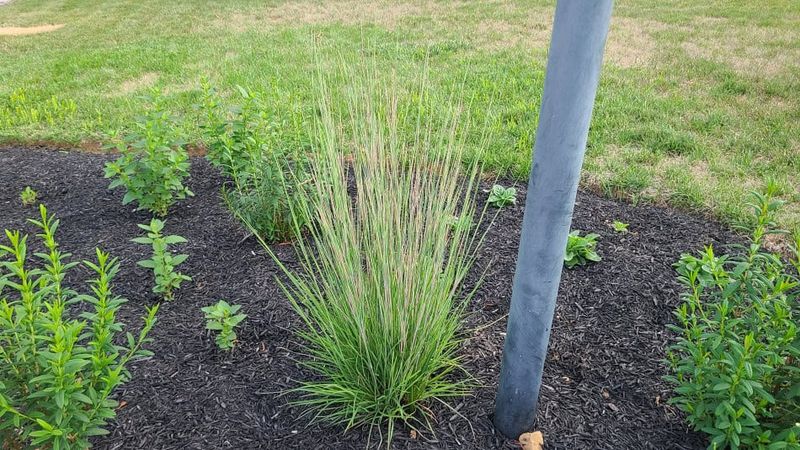
A well-placed clump of little bluestem does more than offer dry fibers for one bird species during nest building. Over the course of the year, native grasses can support a wider community of birds through seeds, insects, and physical structure.
Juncos, sparrows, and finches forage for seeds from grass heads in fall and winter.
Insects that shelter in grass clumps, including small beetles, caterpillars, and spiders, provide protein for a range of ground-foraging and aerial birds. The structure of a clump also gives small birds a place to perch briefly, scan for threats, or shelter from wind.
That layered value makes little bluestem more useful than a single-purpose planting.
Ohio Department of Natural Resources and native plant organizations in this state consistently recommend warm-season grasses as part of a layered native landscape.
Mixing little bluestem with native wildflowers, shrubs, and open ground creates a patchwork habitat that supports birds across multiple seasons.
Barn swallows may use dry stems during nest building, but the grass keeps working after that window closes. Managing it with simple annual cutbacks, avoiding chemical inputs nearby, and placing it in full sun gives little bluestem the best chance to thrive.
That care helps it deliver steady value to the broader bird community year after year.