Why Illinois Tomatoes Are Losing Blossoms In The Heat Wave And What You Can Do About It
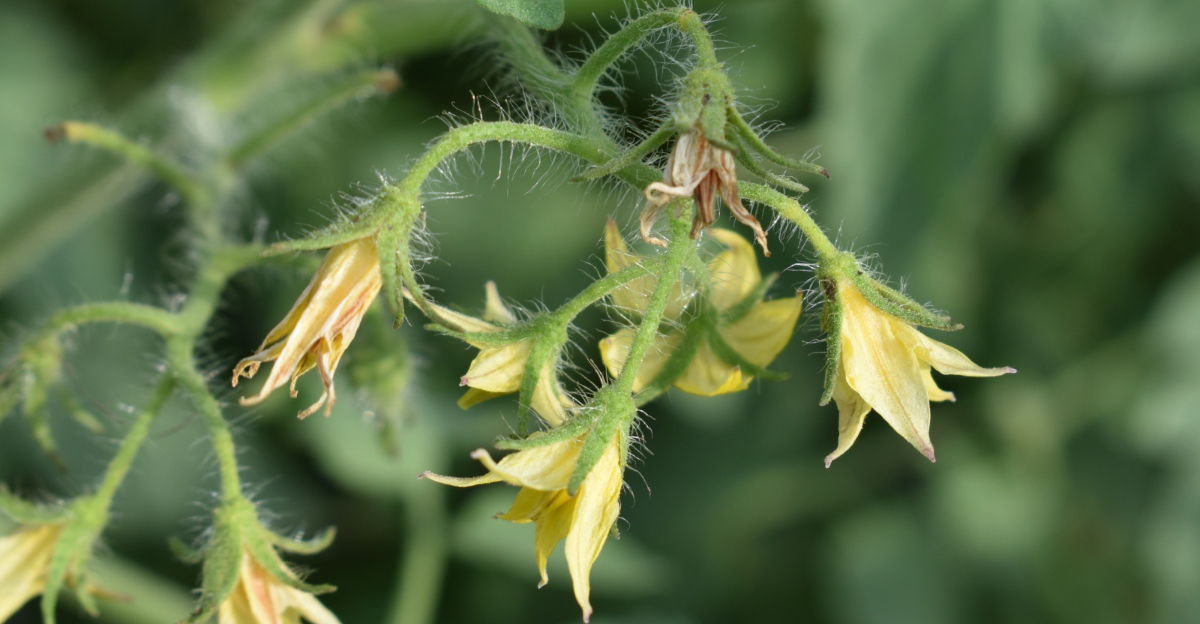
Your tomato plants looked like a sure thing last week. Flowers everywhere, stems thick, fruit practically writing itself into existence.
Now those blossoms are on the ground and the plants look like they gave up. They did not give up.
They simply responded to something beyond your control. When temperatures climb past what tomatoes can quietly handle, the flowers fall before they ever get the chance to become fruit.
It happens fast, it happens silently, and right now gardeners across Illinois are watching it unfold in their own backyards and wondering where they went wrong. Stop wondering.
This is not on you. Illinois summers have always pushed tomatoes to their limits, but this stretch has been something else entirely, and there are concrete things you can do today to turn this season around before it slips away.
Extreme Heat Above 95°F Makes Pollen Unviable
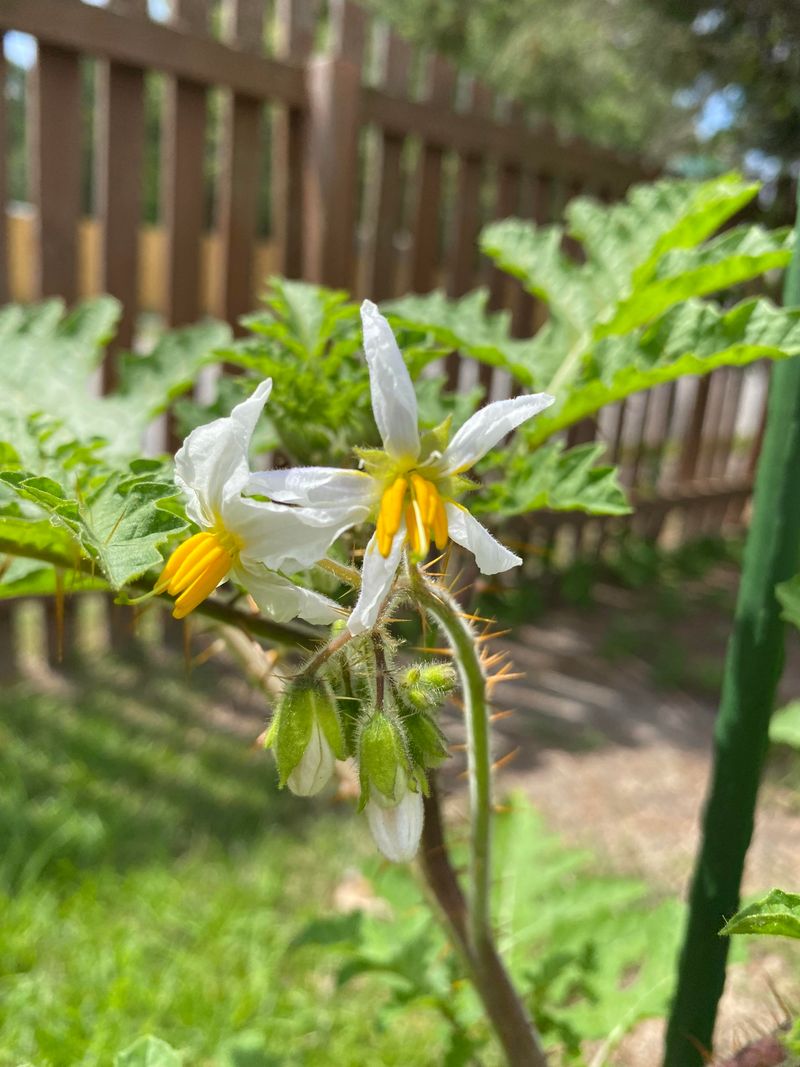
When the thermometer pushes past 95°F, your tomato plant hits a biological wall. Pollen grains simply stop working at those temperatures.
Tomato pollen is fragile stuff. It needs temperatures between 55°F and 90°F to stay fertile and do its job.
Above 95°F, the proteins inside each pollen grain break down fast. No viable pollen means no fertilization, and no fertilization means no fruit.
The flower opens, the bee visits, and nothing happens. The plant senses the failure and drops the blossom to save energy.
Illinois summers have always been warm, but recent heat waves push well beyond what tomatoes evolved to handle. Days above 95°F have become more frequent in recent years, often clustering together in July and August.
Back-to-back hot days compound the damage. Even one night that stays above 75°F between two scorching days can wipe out a week of potential fruit.
Choosing heat-tolerant varieties helps a lot before the season starts. Heatmaster, Solar Fire, and Florida 91 are bred to set fruit even when temperatures climb.
If you are mid-season and stuck with your current plants, focus on protecting them during peak afternoon hours. A little shade goes a long way toward keeping pollen alive.
Healthy soil and consistent watering also help plants stay strong enough to recover quickly. Once temperatures drop back below 90°F, most tomato plants bounce back and bloom again.
Warm Nights Above 75°F Disrupt Fruit Set
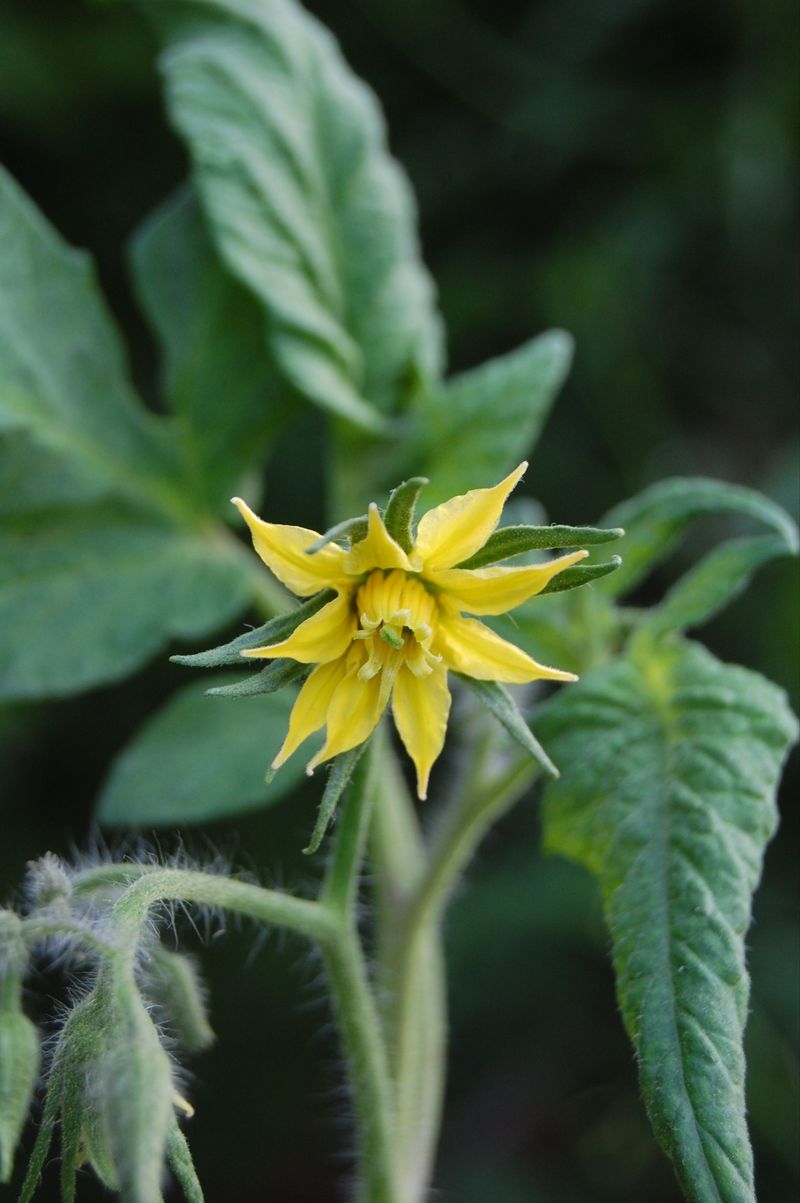
Most gardeners blame hot afternoons for blossom drop, but the nights are often the real culprit. When nighttime temperatures stay above 75°F, tomato plants cannot rest or recover.
Fruit set happens during a narrow window of cooler overnight hours. The plant needs that cool-down period to complete fertilization and start forming a tomato.
Warm nights force the plant to keep burning energy instead of redirecting resources toward fruit development. Think of it like trying to sleep in a sauna.
Illinois heat waves often bring sticky, muggy nights that offer no relief at all. Those stretches of 80°F nights in late July are especially hard on tomato gardens.
Research from University of Illinois Extension shows that nighttime temps above 75°F can be just as significant as daytime heat spikes. Many gardeners do not realize this until they notice a pattern of empty stems.
Your Illinois Garden Changes Every Week. Your Plan Should Too.
Gardening in Illinois changes quickly throughout the season. Every Friday you’ll receive a simple weekly plan showing exactly what to plant, prune, fertilize, harvest, and protect so you never miss the right timing.
You cannot control the weather, but you can help your plants cope. Mulching heavily keeps soil temperatures lower, which slightly offsets the effect of warm nights.
Watering deeply just before sunset gives roots access to cooler, moist soil through the night. That small drop in root-zone temperature makes a measurable difference in plant stress.
Some gardeners run a soaker hose on a timer set for 4 a.m. That early-morning soak cools the root zone just before dawn, right when the plant needs it most.
Patience matters too. Once a cool front moves through, your tomatoes will reward you fast with a fresh flush of blossoms and fruit set.
Low Humidity Dries Out Pollen Before Fertilization
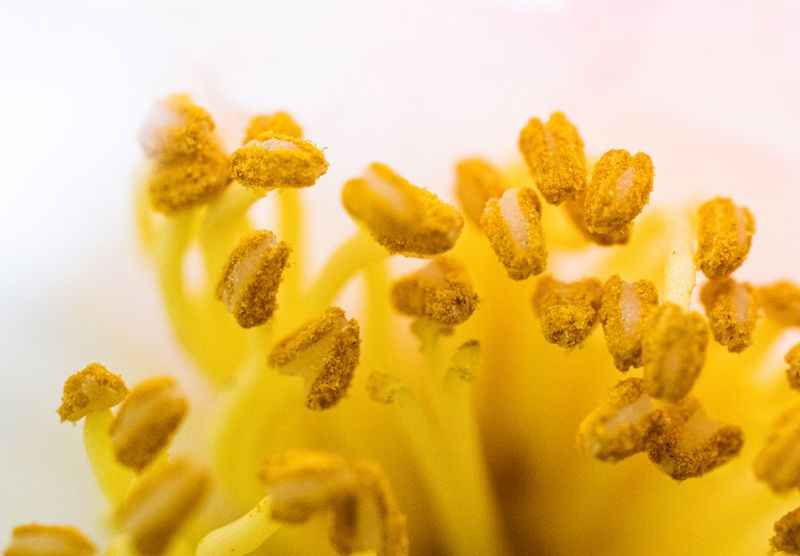
Humidity plays a sneaky role in tomato pollination that most gardeners overlook completely. When relative humidity drops below 40 percent, pollen desiccates before it can fertilize the flower.
Dry pollen loses its sticky quality. It stops clinging to the pistil and just falls away or blows off in the breeze.
Illinois heat waves can come paired with dry southwestern winds that pull moisture right out of the air. Those breezy hot days feel refreshing to people but are rough on tomato blossoms.
Pollen needs humidity between 40 and 70 percent to stay viable and sticky. Outside that range, fertilization rates drop sharply.
Interestingly, too much humidity also causes problems. When humidity climbs above 90 percent, pollen clumps together and will not release from the anther properly.
The sweet spot is a moderate, consistent humidity level, which is exactly what a heat wave does not offer. Illinois gardeners are often stuck with extremes in both directions.
One practical fix is misting the foliage lightly during the hottest part of the day. A fine mist raises the humidity immediately around the flowers without soaking the leaves.
Avoid overhead watering in the evening though, since wet foliage overnight invites fungal problems. A midday mist that dries quickly is the goal.
Grouping plants closer together also creates a slightly more humid microclimate around the foliage. Small adjustments like these add up to meaningfully better pollination rates during dry heat waves.
Stressed Plants Shed Blossoms As A Natural Protective Response
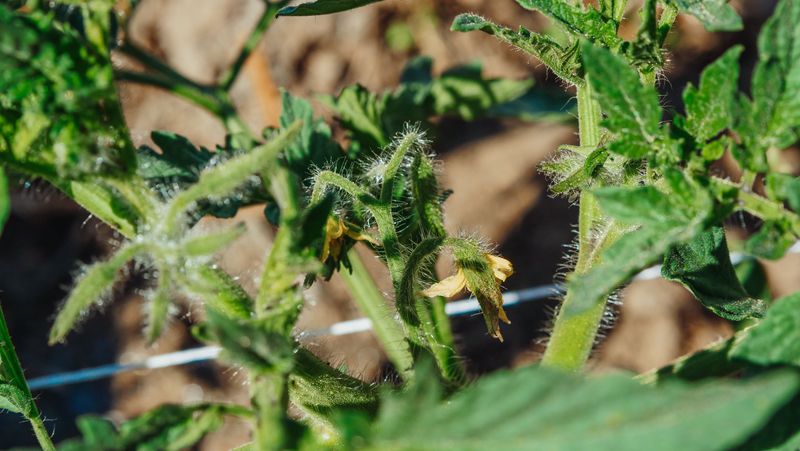
Your tomato plant is smarter than you might think. When conditions become extreme, it makes a quiet decision to shed blossoms and protect its core resources.
Blossom drop is not a failure on the plant’s part. It is a built-in stress response that prioritizes the plant’s core systems over reproduction.
Think of it like a ship’s captain tossing cargo overboard during a storm. The plant sheds what it cannot afford to support when resources run low.
Heat, drought, poor nutrition, and root damage can all trigger this response. During a heat wave, multiple stressors often hit at once, making the reaction more severe.
Nitrogen deficiency combined with heat stress is a particularly common double-hit for Illinois gardens in July. Plants that are already hungry drop blossoms at the first sign of heat trouble.
Feeding your plants a balanced fertilizer before a heat wave is predicted helps build their reserves. A well-fed plant has more energy to sustain blossoms even under stress.
Avoid heavy nitrogen applications during a heat wave though, since that pushes leafy growth instead of fruit set. A low-nitrogen, high-phosphorus fertilizer is the better choice mid-season.
Reducing other stressors matters just as much as managing heat directly. Check for pest damage, root disturbance from weeding, and compacted soil that blocks water absorption.
Once you lower the overall stress load, the plant stops shedding and starts setting fruit again. Gardeners who address multiple stressors together see faster recovery than those who focus on just one fix.
Shade Cloth During Peak Afternoon Hours Cuts Heat Stress
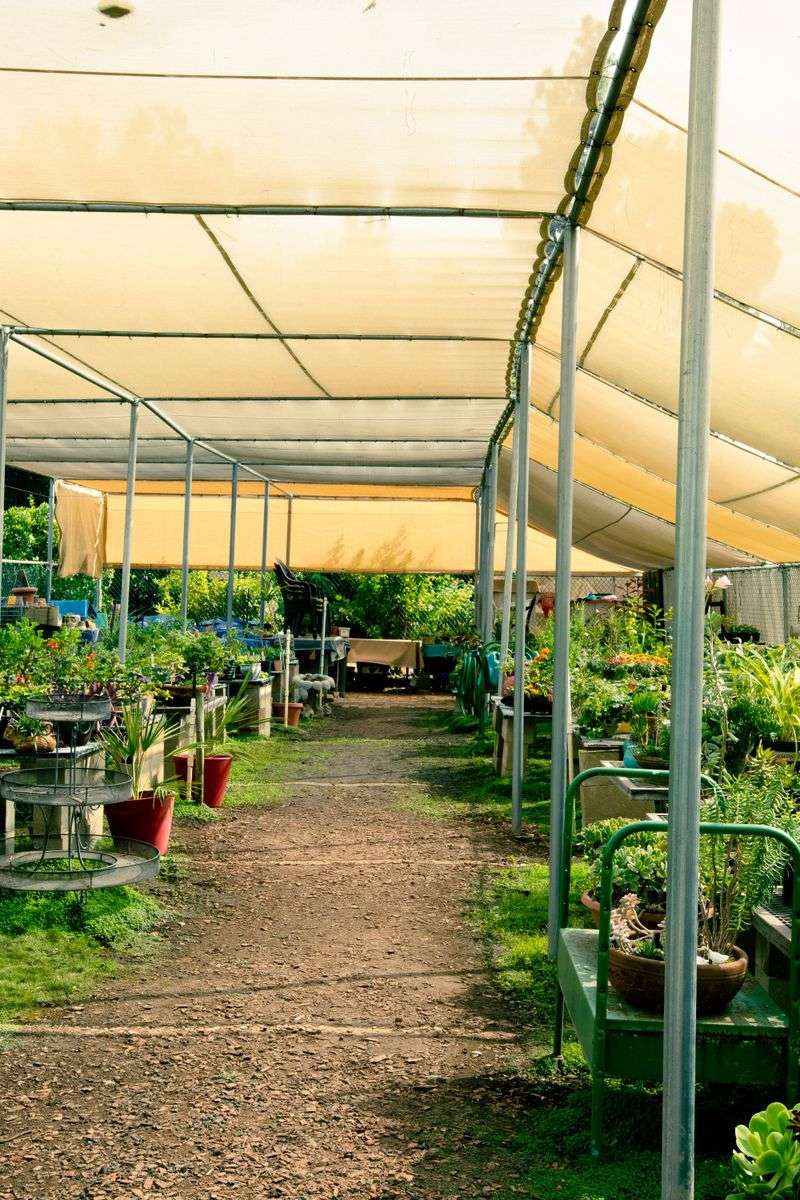
Shade cloth is one of the most underrated tools in a summer vegetable garden. A simple piece of 30 to 40 percent shade cloth draped over your tomatoes can drop leaf temperature by 10 to 15 degrees.
That temperature reduction during peak afternoon hours is often enough to keep pollen viable. Blossoms that would have dropped in full sun survive long enough to set fruit.
Peak heat in Illinois typically runs from 1 p.m. to 5 p.m. during a heat wave. Covering plants during just those four hours makes a significant difference without blocking the morning sun they need.
Tomatoes still need six to eight hours of direct sunlight daily to produce well. Shade cloth lets you protect them during the worst heat while preserving their light intake in the morning.
Setting up a simple PVC hoop frame over your raised beds makes deploying shade cloth fast and easy. You can clip the cloth on in minutes when a hot afternoon is forecast.
Row cover fabric rated at 30 percent shade is widely available at garden centers and online. It is lightweight, reusable, and pays for itself after just one saved harvest.
Some gardeners use old bedsheets or burlap as a budget alternative. Those materials work in a pinch but do not allow as much airflow as purpose-made shade cloth.
Good airflow under the cover matters because trapped heat makes things worse. Prop the edges up slightly to let air circulate while still blocking direct afternoon sun.
Shade cloth is one of those solutions that feels almost too simple, but the results speak loudly for themselves.
Heavy Mulching Around The Base Retains Soil Moisture
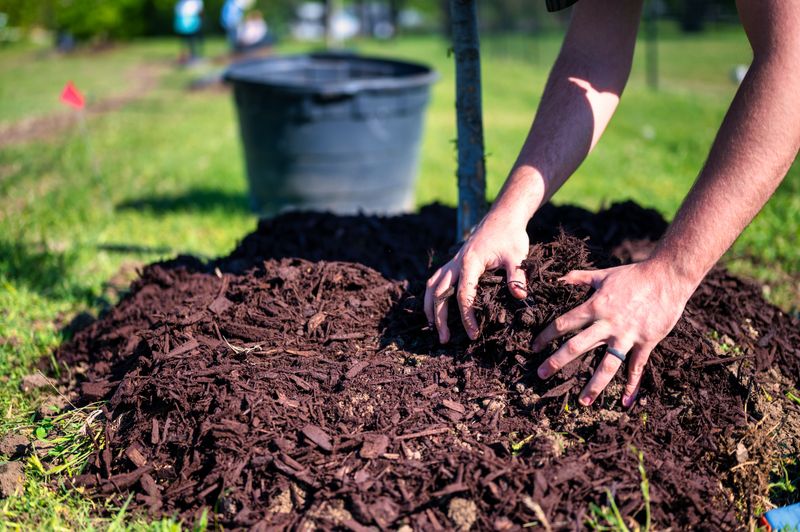
Hot soil is one of the fastest ways to push a tomato plant over the edge during a heat wave. Bare soil in full sun can reach 130°F at the surface, which stresses roots and shuts down water uptake.
A thick layer of mulch acts like a blanket over the soil, keeping it cool and moist. Straw, shredded leaves, and wood chips all work well for this purpose.
Aim for three to four inches of mulch spread evenly around the base of each plant. Keep the mulch a few inches away from the main stem to prevent rot.
Mulch slows evaporation dramatically, meaning you water less often and the water you do apply stays available to roots longer. During a heat wave, that retained moisture is critical.
Soil covered with mulch stays 20 to 30 degrees cooler than bare soil in the same conditions. Cooler roots mean a calmer, less stressed plant overall.
Straw is the classic choice for tomato gardens because it is loose, breathable, and easy to apply. Shredded hardwood bark works well too and breaks down into beneficial organic matter over time.
Avoid using fresh grass clippings as a thick layer since they mat together and block airflow. Dried grass clippings mixed with straw are fine in moderation.
Reapply mulch mid-season as it breaks down and thins out. A fresh layer in early July, right before peak heat arrives, sets your plants up for a much smoother summer.
Mulching is honestly one of the best investments of time and money you can make in your tomato garden.
Deep Watering In Early Morning Keeps Roots Cool
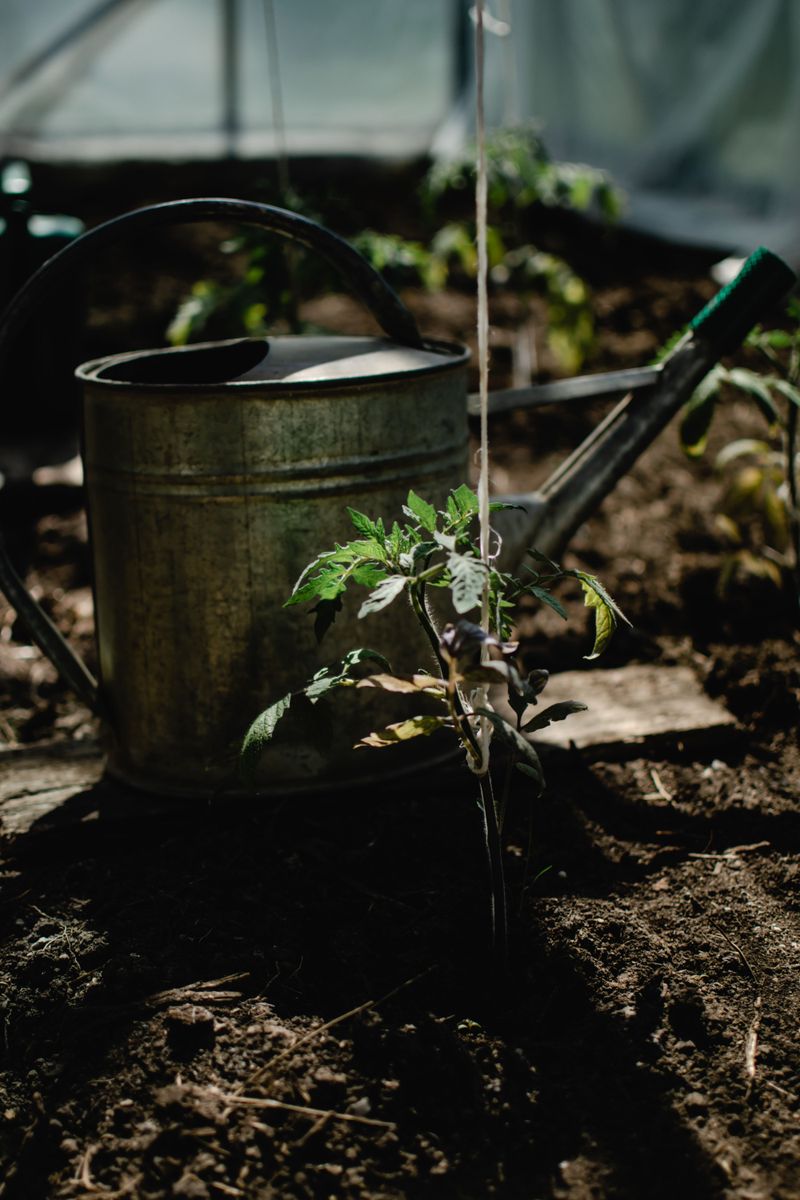
Watering at the right time of day makes a bigger difference than most gardeners expect. Early morning watering, ideally between 5 a.m. and 8 a.m., gives roots a deep drink before the heat climbs.
That moisture soaks down into the root zone and stays accessible all day. Roots stay cooler, and the plant has the hydration it needs to sustain blossoms through the afternoon heat.
Shallow watering is actually worse than no watering in some ways. Frequent light sprinkles encourage roots to stay near the surface, where soil temperatures are most extreme.
Deep watering means applying enough water to soak down at least six to eight inches into the soil. A slow drip for 30 to 45 minutes at the base of each plant achieves this effectively.
Illinois tomatoes losing blossoms in the heat wave often trace back to inconsistent watering habits. Plants that get drenched one day and ignored the next experience significant stress swings.
Consistent, deep, early-morning watering eliminates those stress spikes and gives plants a stable foundation to work from. Stability is what tomatoes crave during a heat wave.
Soaker hoses and drip irrigation systems are the gold standard for deep, efficient watering. They deliver moisture directly to the root zone without wetting foliage.
Wet foliage during the heat of the day can cause scorch marks and increase the risk of fungal disease. Keeping water off the leaves is always the smarter approach.
A simple timer attached to your soaker hose automates the whole process, so you never miss a critical early-morning watering session.
Light Misting At Midday Helps Maintain Pollen Viability
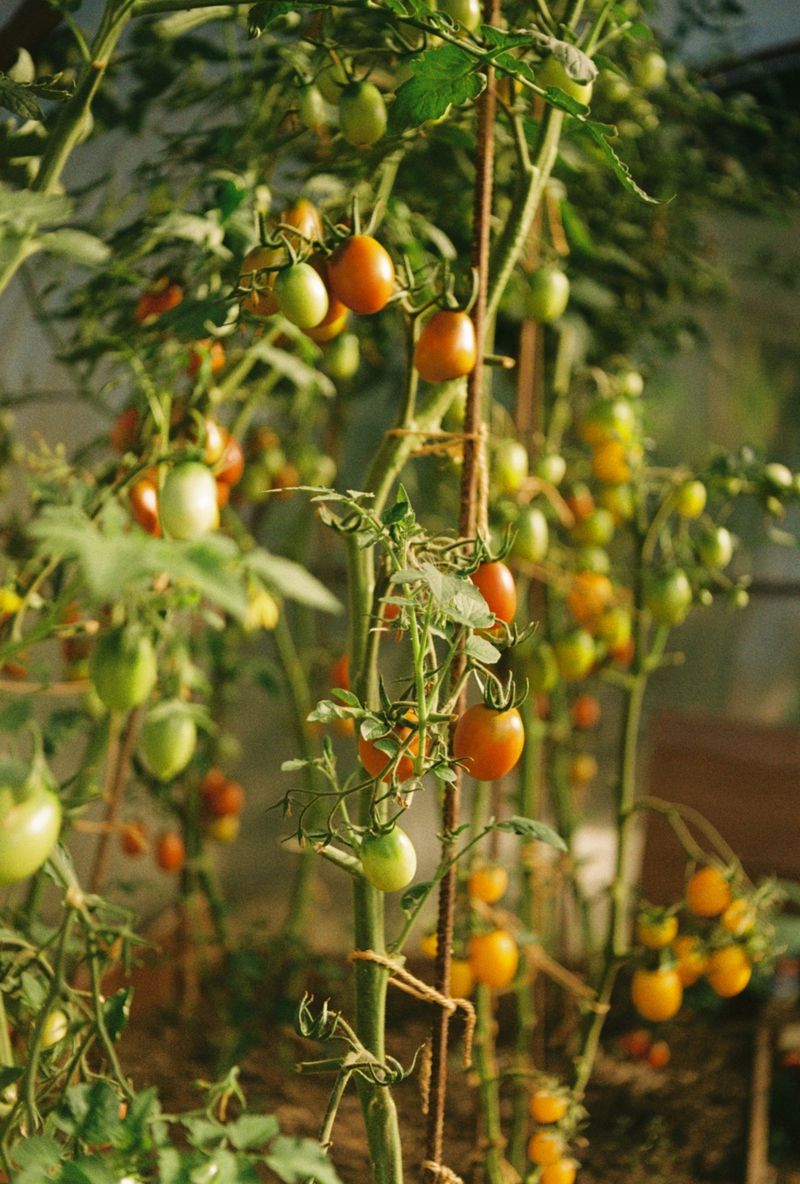
A gentle midday mist sounds counterintuitive, but it works surprisingly well for saving blossoms during a heat wave. A fine spray of cool water around the flowers raises local humidity just enough to keep pollen sticky and viable.
Illinois tomatoes losing blossoms in the heat wave often need this quick intervention most between noon and 2 p.m. That two-hour window is when temperatures and dryness peak together.
Use a garden hose with a fine mist nozzle or a handheld spray bottle for small gardens. The goal is a light fog, not a soaking, so water evaporates quickly without sitting on leaves.
Misting takes only a few minutes and can make a noticeable difference in how many blossoms survive each day. Gardeners who try it during heat waves often report visibly better fruit set within a week.
Aim the mist at the flower clusters rather than the broad foliage. You want the humidity boost right where pollination happens, not across the entire plant canopy.
Avoid misting late in the afternoon or evening since wet foliage overnight significantly increases the risk of fungal infections like early blight. Timing matters as much as technique here.
Pairing midday misting with shade cloth creates a powerful one-two punch against heat stress. The cloth blocks intense sun while the mist restores the humidity pollen needs to function.
Neither fix costs much money or takes much time. Small, consistent actions during a heat wave add up to a harvest you can actually be proud of.
Your tomatoes are tougher than they look right now, and with a little help, they will prove it.