How Michigan Gardeners Treat Leaf Spot Before It Spreads To Other Plants
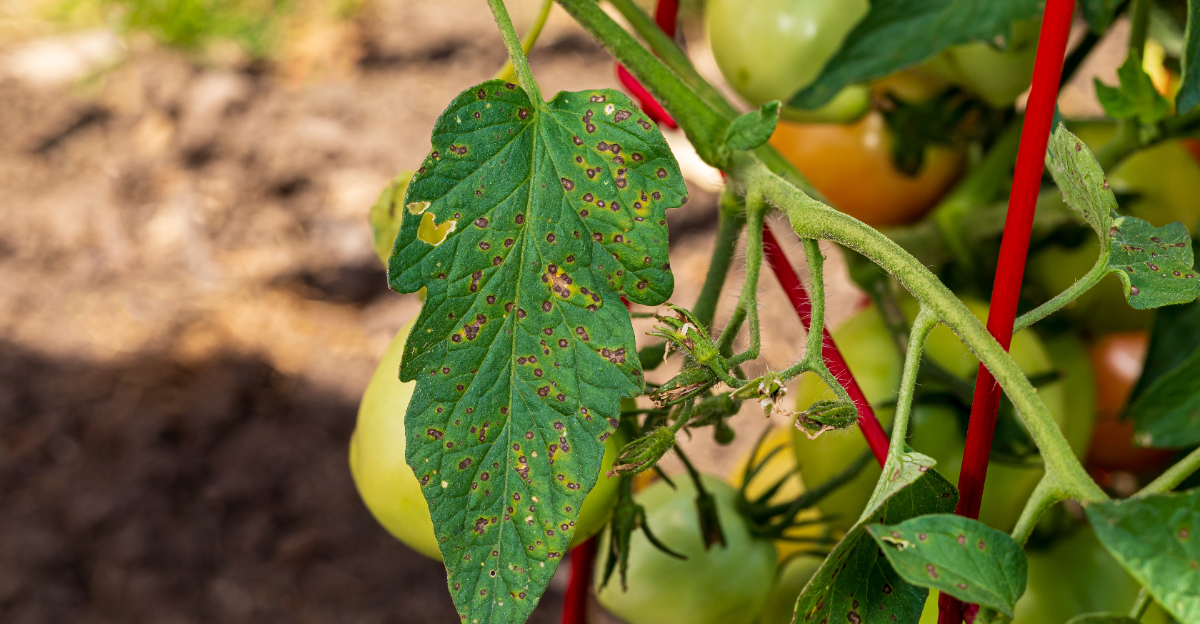
Leaf spot has a way of appearing suddenly and moving through a garden faster than most Michigan growers expect when they first encounter it.
The initial spots on a few leaves seem minor enough to ignore, but that window of easy management closes quickly once the fungal or bacterial source begins spreading through moisture, tools, and physical contact between plants.
Michigan’s humid summers create ideal conditions for leaf spot pathogens to move aggressively once they are established in a bed.
Treating it effectively requires acting early, using the right approach for the specific type of leaf spot present, and making several changes to routine garden habits that inadvertently help it spread.
Getting ahead of it before neighboring plants show symptoms is always significantly easier than trying to contain it after the fact.
1. Identify The Plant Before Treating The Spots
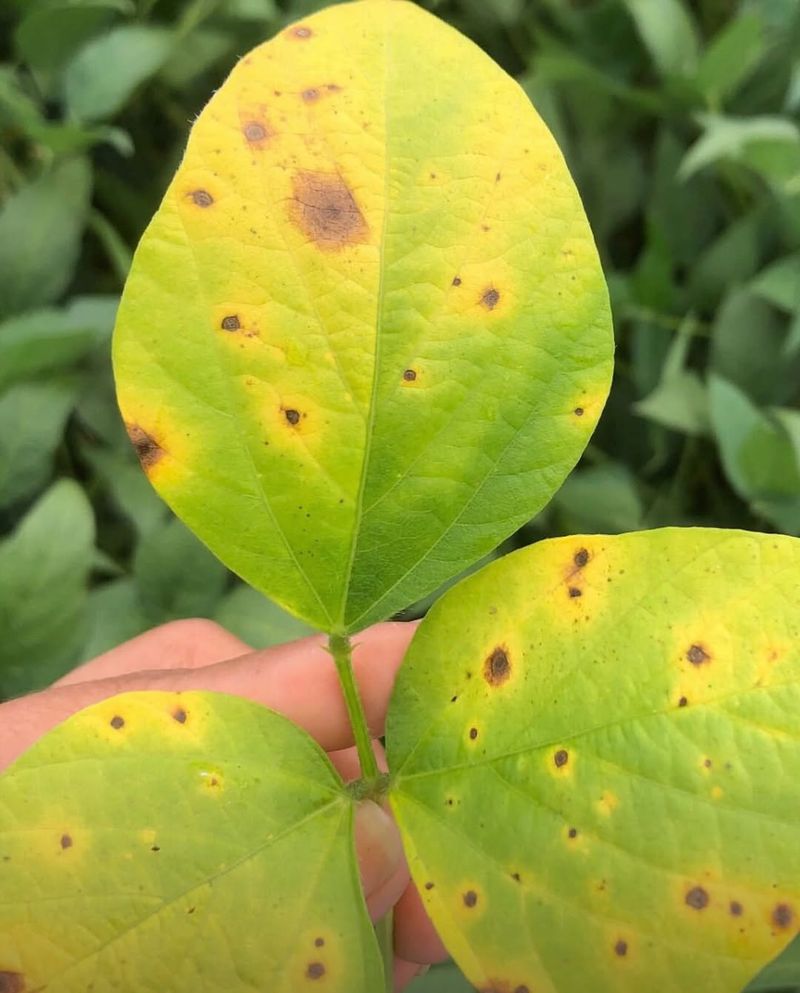
Not every spotted leaf means the same thing, and treating the wrong problem can actually make things worse. Before reaching for any spray or remedy, take a close look at the plant showing symptoms.
A tomato leaf spot looks very different from a peony leaf spot, and both have different causes than what you might find on a rose or a hydrangea.
Some leaf spots come from fungal issues, others from bacteria, and some are caused by environmental stress like too much sun or inconsistent watering.
Guessing without looking carefully often leads gardeners to use the wrong product, which wastes time and money while the real problem keeps spreading.
Michigan gardens have a wide variety of plants, and each one can react differently to the same conditions.
Start by noting the color of the spots, their shape, whether they have a yellow ring around them, and which leaves are affected first. Lower leaves showing spots first often signal a soil-related issue.
Spots appearing all over at once can point to something different entirely. Taking a photo and bringing it to your local Michigan cooperative extension office or a trusted garden center can give you a solid answer fast.
Getting the identification right from the beginning saves your whole garden a lot of trouble down the road.
2. Remove The Worst Spotted Leaves First
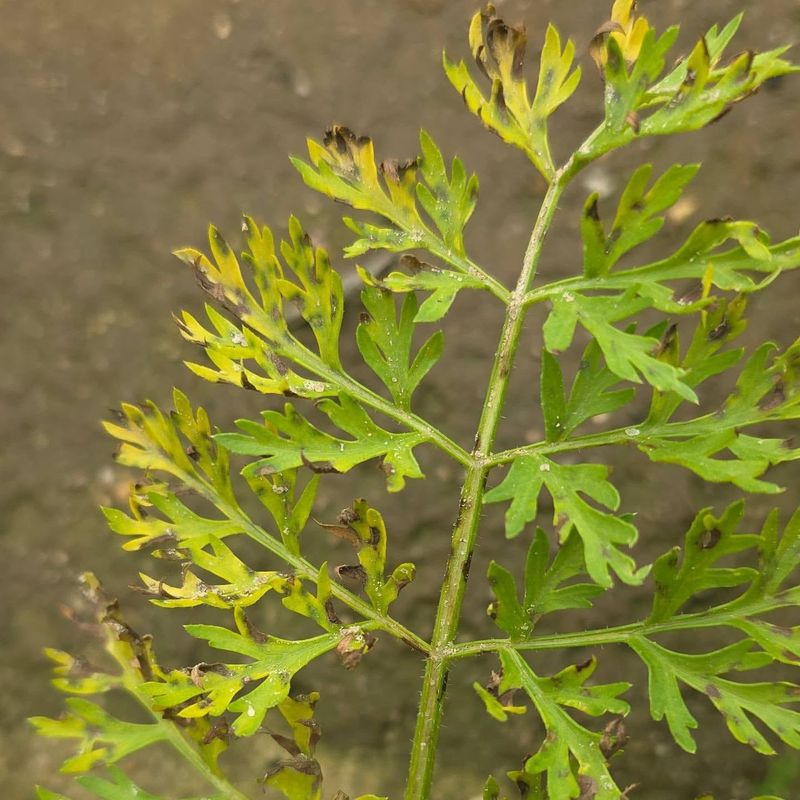
Once you know what you are dealing with, the most practical first move is removing the leaves that are already heavily spotted.
You do not need to strip the plant bare, but pulling off the worst-affected leaves right away reduces the amount of problem material sitting on the plant.
Fewer affected leaves means fewer chances for the issue to spread further.
Use clean pruners or even your fingers, depending on the plant and how the leaves are attached. The key is to avoid brushing those spotted leaves against healthy ones as you remove them.
Each contact point is a potential transfer spot, especially when the foliage is damp from morning dew or recent rain.
Here is something many gardeners skip over: where those leaves go matters just as much as removing them. Tossing spotted leaves onto the compost pile or leaving them on the ground nearby is a common mistake.
Your Michigan Garden Changes Every Week. Your Plan Should Too.
Gardening in Michigan changes quickly throughout the season. Every Friday you’ll receive a simple weekly plan showing exactly what to plant, prune, fertilize, harvest, and protect so you never miss the right timing.
Most home compost piles do not get hot enough to break down fungal or bacterial material properly. Place the removed leaves directly into a trash bag and put them in the garbage, not back into the garden.
Keeping the garden floor clean around affected plants is one of the simplest and most effective ways to slow down leaf spot before it gets a foothold on your healthier plants nearby.
3. Stop Watering From Above
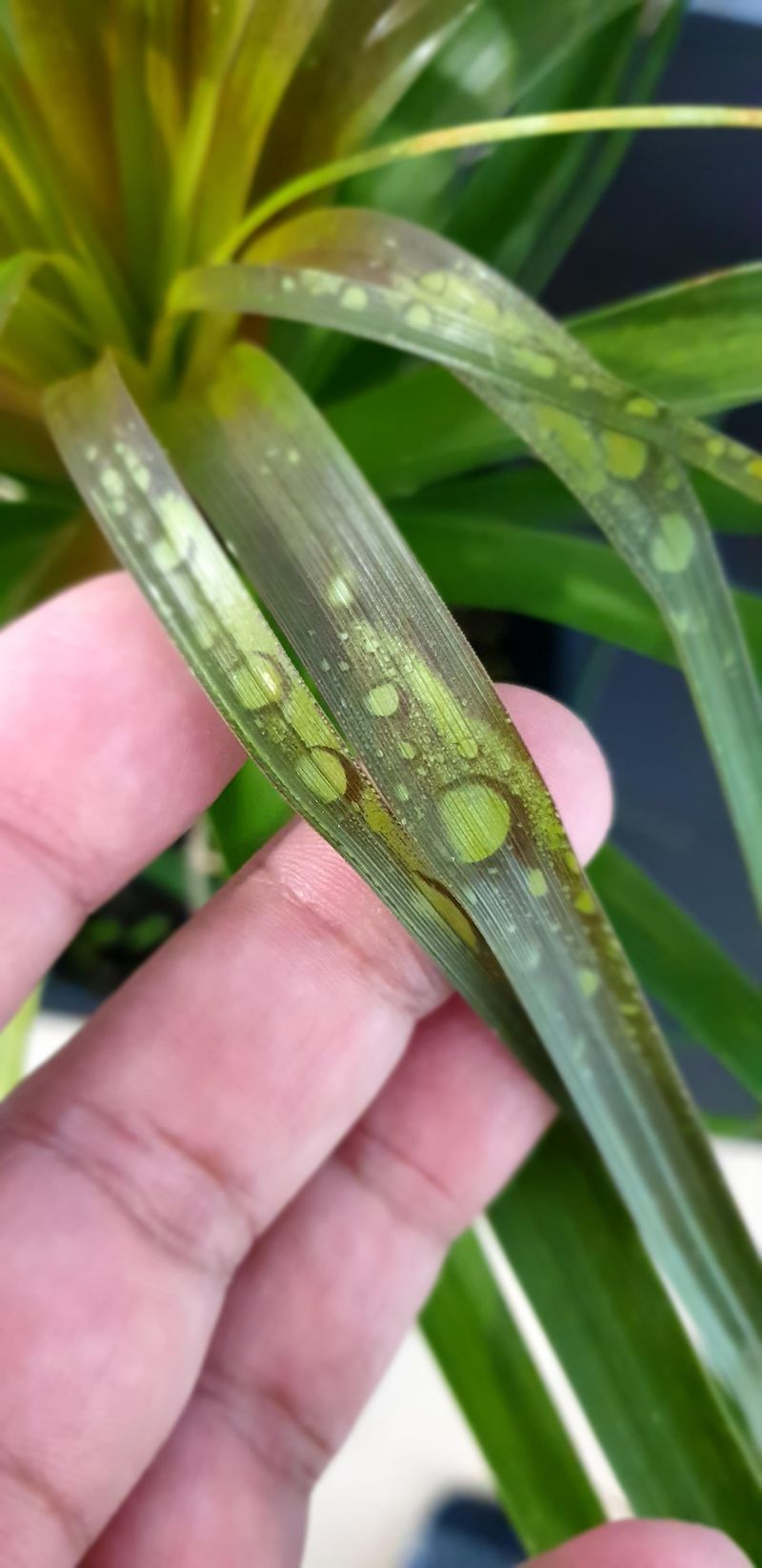
Watering from above might seem like the easiest way to give your plants a drink, but when leaf spot is already present, that overhead spray can turn into a delivery system for the problem.
Water droplets landing on spotted leaves pick up fungal spores or bacteria and then splash them onto nearby healthy leaves.
It happens fast, and the damage adds up over just a few days of watering the same way.
Michigan summers bring enough natural rain on their own, so adding overhead irrigation on top of that only increases the risk. Switching to drip irrigation or soaker hoses is one of the smartest changes a gardener can make when leaf spot appears.
These methods deliver water directly to the soil and root zone, keeping the foliage completely dry during the watering process.
If you do not have drip irrigation set up yet, a simple workaround is to use a watering can with a long spout and aim carefully at the base of each plant. It takes a little more time, but it keeps the leaves out of the equation entirely.
Dry leaves are far less hospitable to the spread of leaf spot than wet ones. Making this one change in your watering method can noticeably slow down how quickly the problem moves through your Michigan garden beds and borders.
4. Water Early So Leaves Dry Fast
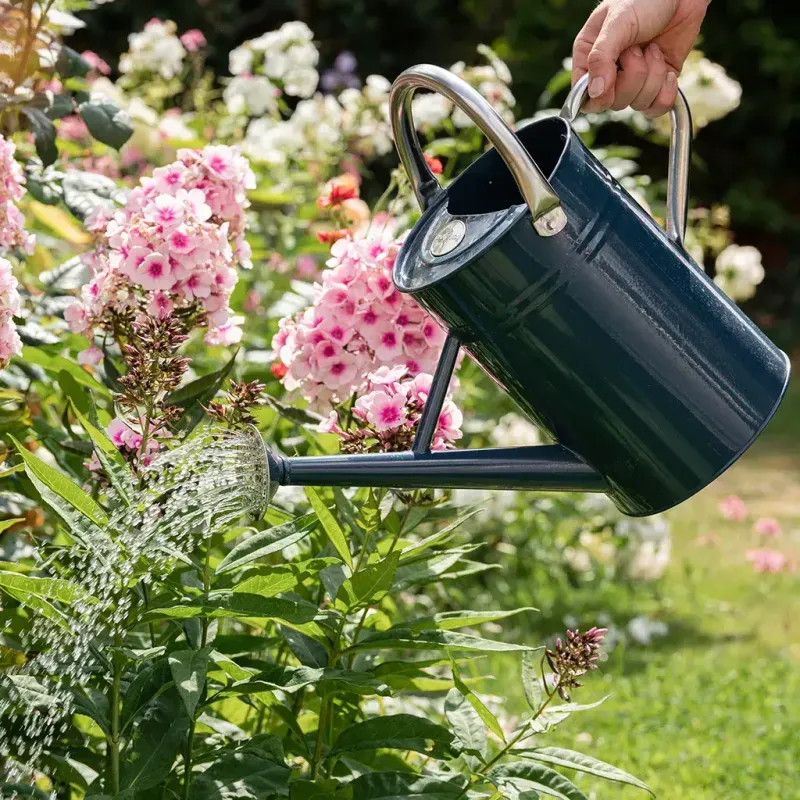
Timing your watering sessions might sound like a small detail, but it genuinely changes how your plants respond to moisture throughout the day.
Watering in the morning gives any water that lands on leaves plenty of time to evaporate before temperatures drop in the evening.
In Michigan, late summer nights can get surprisingly cool and damp, and wet foliage sitting through those cool hours is a recipe for leaf spot to thrive.
Evening watering is one of the most common habits that quietly encourages leaf spot to spread. When you water at the end of the day, leaves that got splashed stay wet all night long.
That extended moisture is exactly the kind of environment where fungal spores settle in and start causing problems. Shifting your routine to early morning is one of those small adjustments that pays off quickly.
Morning watering also gives you a chance to check on your plants while conditions are calm and the light is good. You can spot new leaf issues early, notice which plants are struggling, and take action before the afternoon heat rolls in.
Even on days when Michigan rain is in the forecast, watering early rather than late keeps your plants in better shape.
Paired with soil-level watering techniques, getting on an early morning schedule is one of the most reliable habits Michigan gardeners can build to stay ahead of leaf spot all season long.
5. Increase Airflow Around The Plant
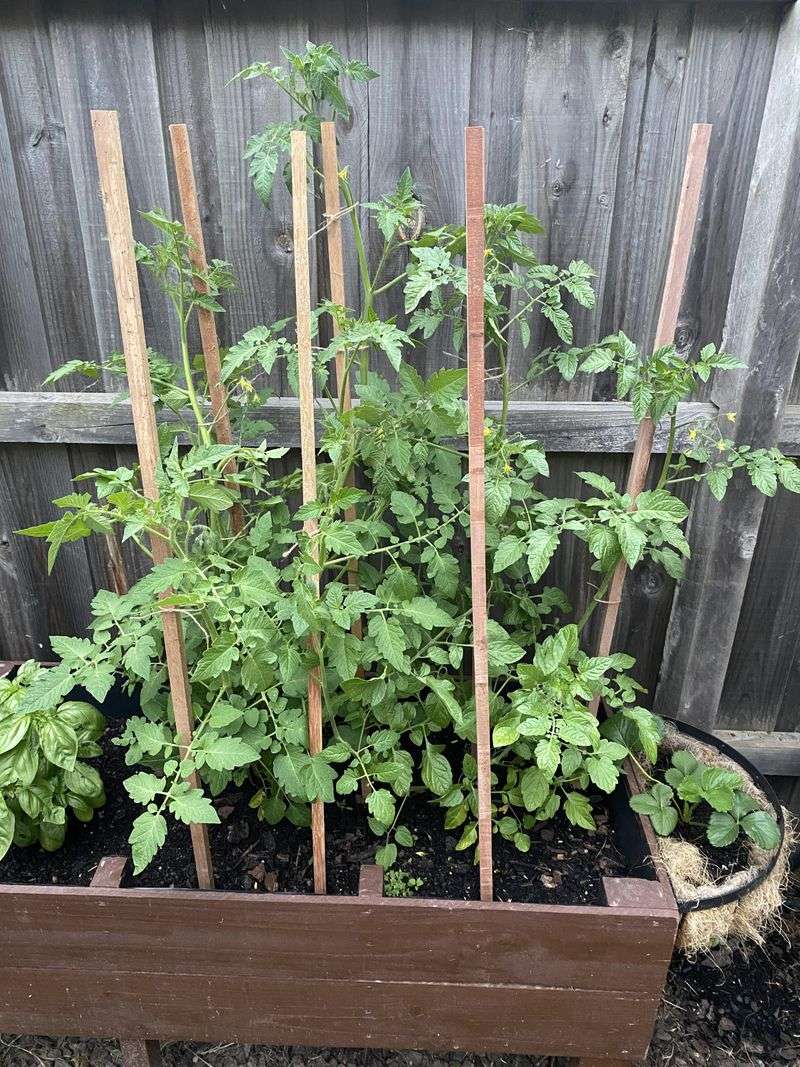
Crowded plants stay wet much longer after rain or watering, and that extra moisture hanging around the foliage is a major reason leaf spot spreads so aggressively in dense garden beds.
Good airflow is one of the most underrated tools in a Michigan gardener’s routine, and it costs nothing to improve it once you understand what to look for.
Staking tomatoes so they grow upright instead of flopping over neighboring plants makes a real difference. When stems are trained vertically, air can move freely between leaves, helping them dry out faster after any kind of moisture.
The same idea applies to roses, dahlias, and other plants that tend to bush outward and trap humidity in the center of the plant.
Thinning out crowded stems lightly, not aggressively, gives the remaining healthy growth better access to light and air circulation.
Removing weeds from around the base of affected plants also helps, since weeds trap moisture and compete for space at ground level.
Proper plant spacing from the beginning of the season is always the best prevention, but mid-season adjustments still make a noticeable impact.
Michigan gardeners who take airflow seriously tend to see fewer repeat leaf spot problems from year to year, simply because their plants are not sitting in the kind of still, damp conditions that allow spores and bacteria to move freely from one leaf to the next.
6. Mulch To Reduce Soil Splash
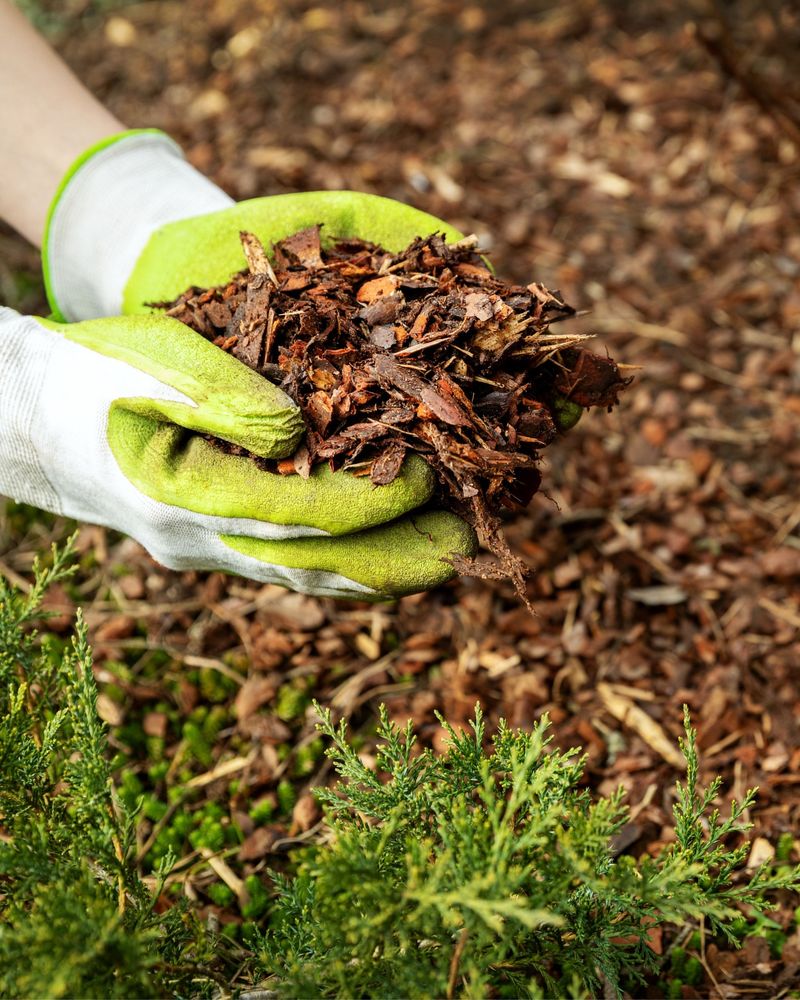
Rain hitting bare soil might look harmless, but every raindrop that lands near your plants can send tiny particles of soil flying upward onto the lower leaves.
When leaf spot material is present in that soil from previous seasons or fallen debris, those splashing droplets carry it right up to your plants.
Mulch acts as a physical barrier that absorbs the impact of rain and watering before it reaches the soil surface.
Straw is a popular and affordable choice for vegetable beds, especially around tomatoes, peppers, and squash. Shredded leaves work well too, as long as they came from healthy plants and not from anything that showed disease last season.
Pine needles are a good option around acid-loving plants, and clean compost can double as both a mulch layer and a gentle soil amendment.
Apply mulch in a layer about two to three inches thick around the base of your plants, keeping it pulled slightly away from the main stem to avoid trapping moisture right at the crown.
Michigan gardens benefit from mulch in multiple ways beyond just protecting against soil splash.
It helps retain moisture during dry spells, moderates soil temperature during the unpredictable Michigan summer swings, and reduces the amount of weeding you need to do throughout the season.
Adding mulch early in the season, before problems appear, is always the smarter move compared to adding it as a reaction.
7. Do Not Work Around Wet Plants
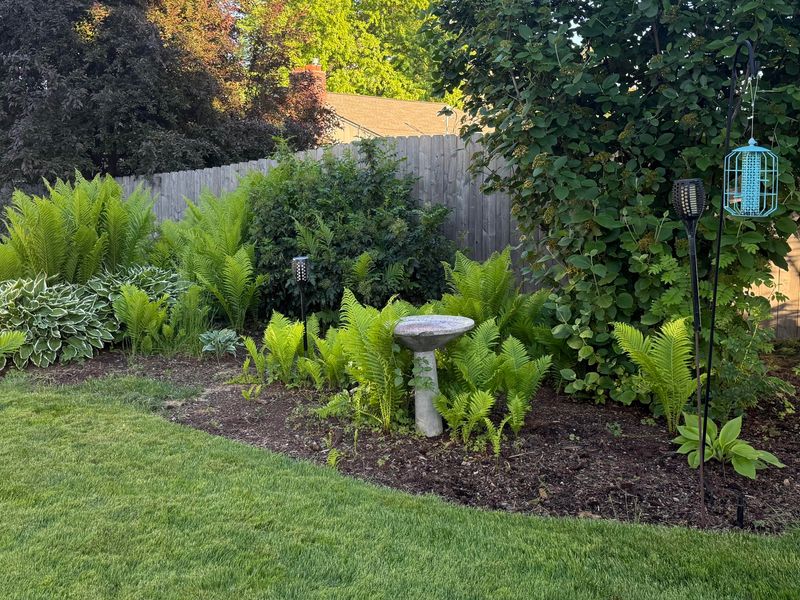
Most gardeners know to wash their hands before handling food, but fewer think about what their hands, tools, and clothing carry from plant to plant in the garden.
When leaves are wet from rain, morning dew, or recent watering, any contact with an affected plant can transfer leaf spot material to a healthy one.
It happens without you even noticing, and by the time spots appear on the next plant, the connection is easy to miss.
Pruning, tying, harvesting, and even just brushing through a wet planting bed all create opportunities for transfer.
Garden gloves that touch a spotted leaf and then handle a healthy rose or tomato plant can move the problem along just as effectively as splashing water. Tools that are not cleaned between plants can do the same thing.
The solution is straightforward: wait until the foliage dries before doing any hands-on work in the garden. On dewy Michigan mornings, that usually means waiting until mid-morning when the sun has had time to dry things off.
On overcast or rainy days, it is better to skip the garden chores entirely if possible.
If you must work around wet plants, clean your tools with a diluted bleach solution or rubbing alcohol between plants, and change your gloves when moving from an affected area to a healthy one.
Small habits like these add up to significant protection across an entire Michigan garden season.
8. Rotate Susceptible Crops Next Season
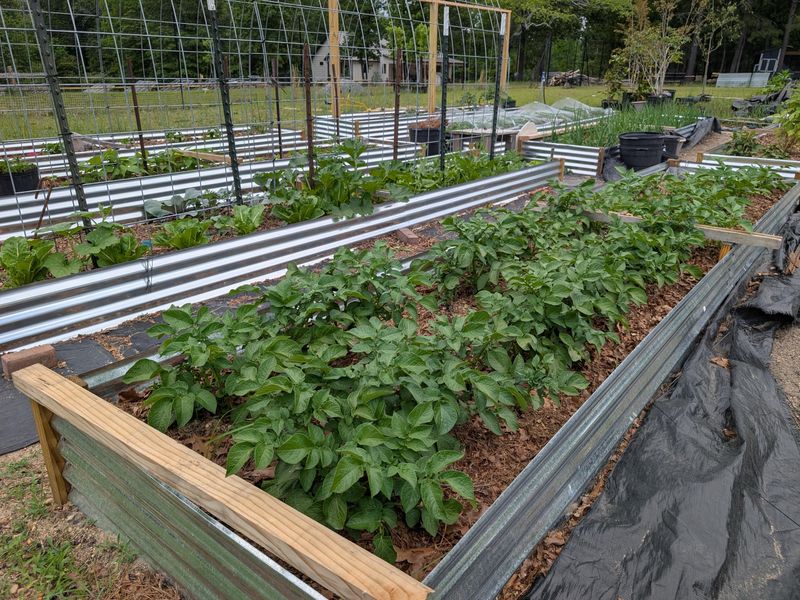
Planting tomatoes in the same spot year after year is one of the fastest ways to build up leaf spot pressure in a Michigan vegetable garden.
The fungi and bacteria that cause leaf spot can survive in the soil and on plant debris through the winter, ready to infect the next round of plants as soon as conditions warm up in spring.
When you put the same type of plant back in the same bed, you are essentially handing that problem a fresh start.
Crop rotation means moving susceptible crops to a different area of the garden each season. Tomatoes, peppers, potatoes, and eggplants all belong to the same plant family, which means they share many of the same vulnerabilities.
Rotating them together as a group, rather than just moving tomatoes and leaving peppers in place, gives the soil a real break from those specific pressures. A simple three or four-year rotation plan works well for most Michigan home gardens.
Divide your growing space into sections and cycle your crop families through them over the years, giving each section time without a susceptible crop before planting one there again.
Keeping a basic garden journal with notes on where you planted each crop and whether leaf spot appeared makes planning next season much easier.
Rotation is not a guarantee that leaf spot will never return, but it meaningfully reduces how much pressure your plants face each new growing season.
9. Use Fungicide Only When It Fits The Problem
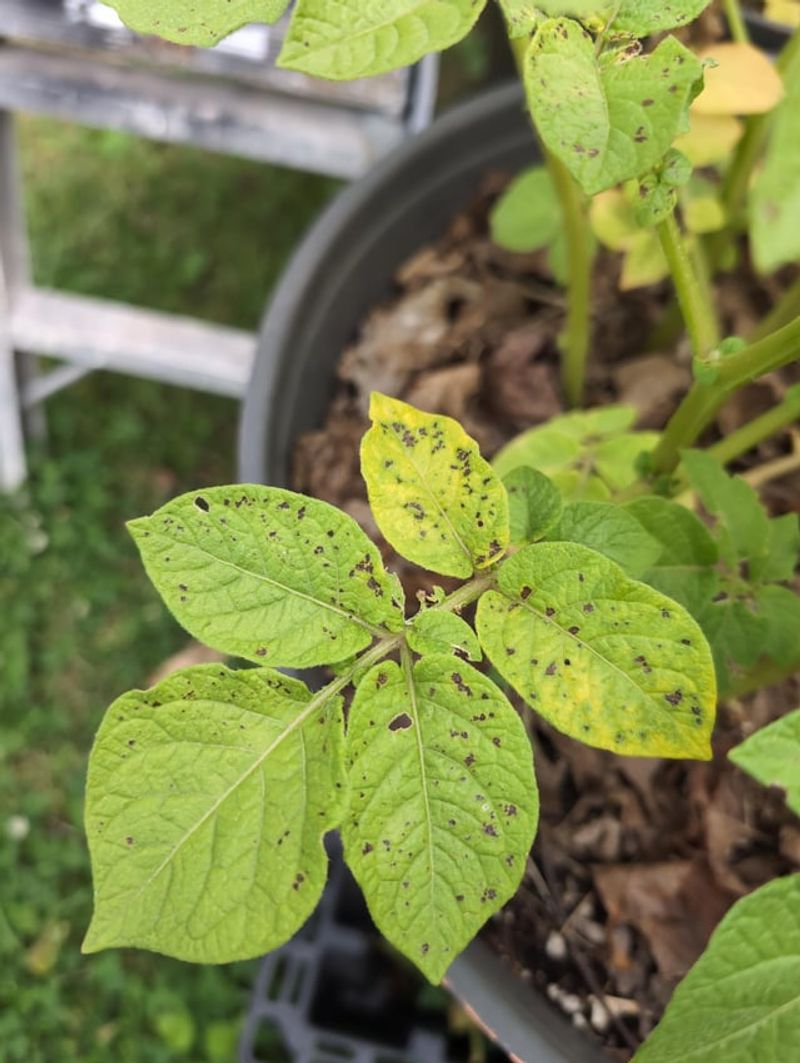
Reaching for a spray bottle at the first sign of spotted leaves is a very common reaction, but it is not always the right one.
Fungicides work well against fungal leaf spot, but they do nothing against bacterial leaf spot, and using the wrong product can give a false sense of security while the actual problem keeps spreading.
Before spraying anything, it helps to know what you are actually dealing with.
Bacterial leaf spots often look water-soaked at first and may have angular shapes defined by the leaf veins. Fungal spots tend to be more circular with defined edges, sometimes with a darker border or a yellow halo.
Environmental spots from nutrient issues or sunscald look different again. A local cooperative extension service or master gardener program in Michigan can help you tell the difference if you are unsure.
When a fungicide is the right choice, read the label carefully and follow it exactly. Labels specify which plants the product is approved for, how often to apply it, and how close to harvest you can safely use it on edible crops.
Most fungicides protect new, healthy growth rather than reversing spots that already exist. That means starting treatment early, before the problem gets severe, gives you the best results.
Products containing copper or chlorothalonil are commonly used for fungal leaf spot on vegetables and ornamentals, but always confirm the label matches your specific plant and situation before applying anything.
10. Clean Up The Bed At The End Of The Season
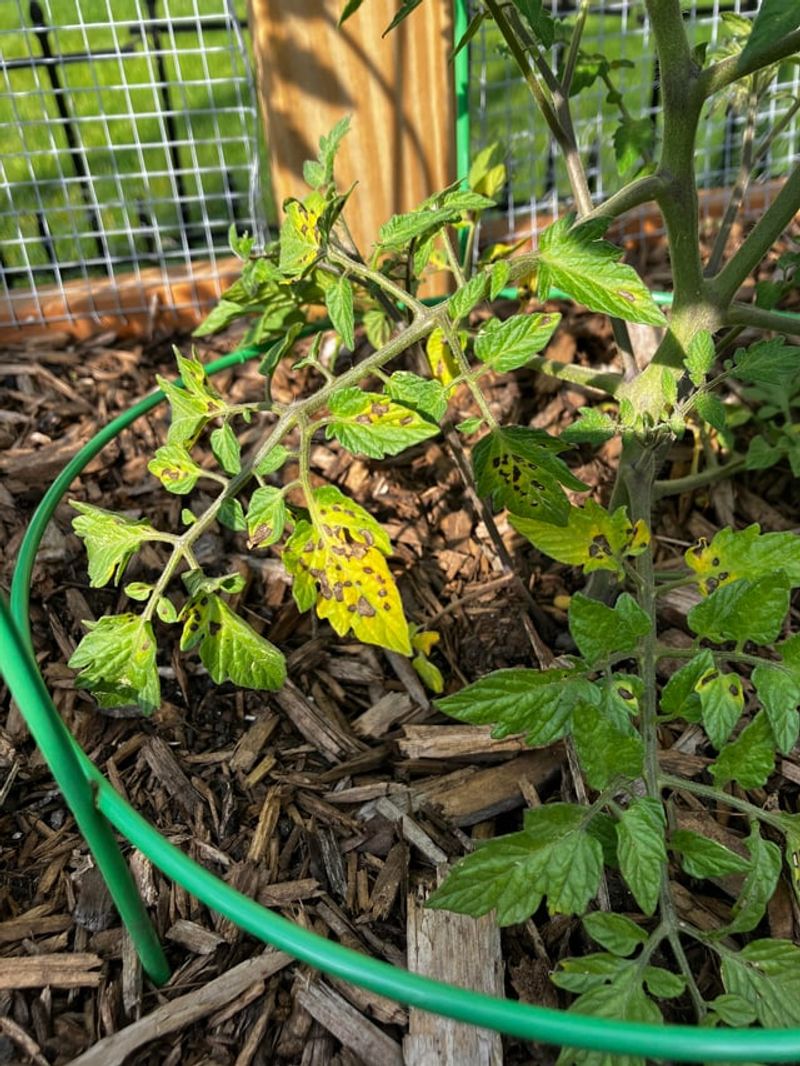
Everything you do during the growing season matters, but what you do after the last harvest can shape how your entire next season goes. Leaf spot material does not simply disappear when cold weather arrives.
Affected leaves, stems, and plant debris left in the garden bed over winter give fungal spores and bacteria a protected place to wait out the cold and start fresh when spring returns.
At the end of the season, clear out the entire bed. Remove affected leaves, pull up old plant stems, and rake the soil surface to pick up anything that has fallen.
For vegetable beds that had visible leaf spot problems, bagging that debris for the trash is safer than composting it.
Healthy plant material without disease signs can go into the compost pile, but anything spotted or suspicious should leave the garden entirely.
Finishing the season with a clean bed puts you in a much stronger position heading into next year. Combine that cleanup with a solid routine throughout the season, and you have a real system working in your favor.
Identify the plant and the problem first, remove the worst leaves early, water at soil level and in the morning, improve airflow, add mulch, avoid handling wet plants, rotate your crops, and use labeled products only when the situation genuinely calls for them.
Michigan gardens that follow this kind of thoughtful routine tend to stay healthier, season after season, without needing to rely heavily on chemical solutions.