Massachusetts Gardeners Start Broccoli Seeds Indoors To Secure A Reliable Fall Harvest
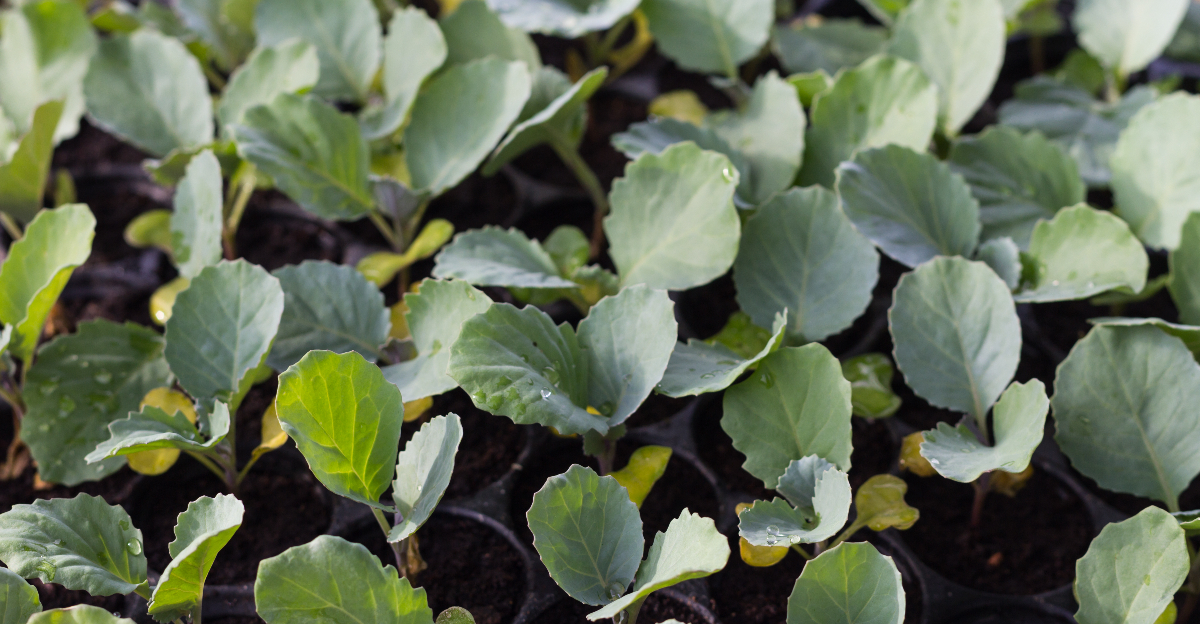
Broccoli has a reputation for being fussy, and honestly, it earned it. This is a crop that bolts in summer heat, struggles with frost timing, and gives you exactly one chance to get the harvest window right.
Massachusetts gardeners who figure out the indoor seed starting trick, though, tend to become a little smug about it, and for good reason. Starting seeds inside puts you in control of the timeline instead of at the mercy of August.
You choose when the plant hits the ground, and you set it up to mature right as fall temperatures drop into that sweet spot broccoli actually loves. It is not complicated, but the timing matters more than most people expect.
Get it right, and you are cutting dense, dark green heads just as your neighbors are pulling out their sad summer tomatoes.
Indoor Seed Starting And The Fall Broccoli Advantage
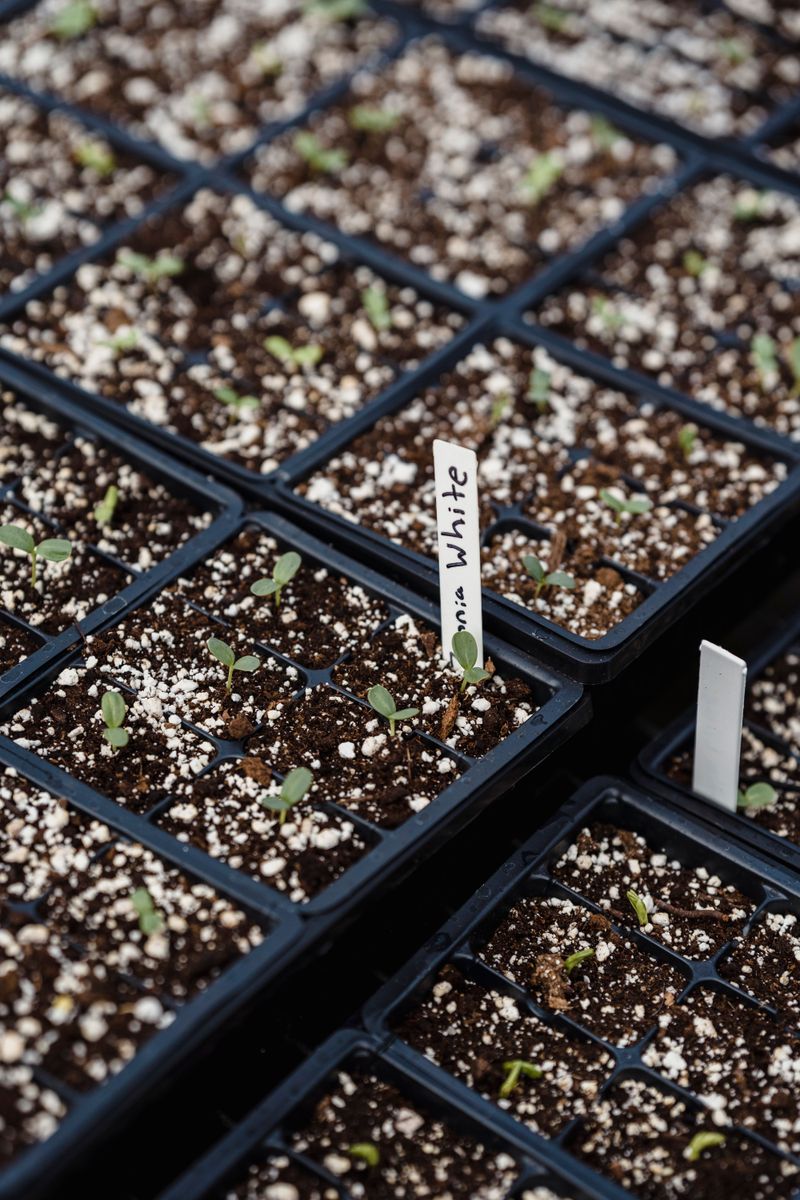
Broccoli loves the cold, and that is actually great news for fall gardeners. Starting broccoli seeds indoors puts you in control of the harvest window.
When you grow seedlings inside, you skip the brutal midsummer heat outside. Broccoli planted directly in July soil often struggles and bolts before forming tight heads.
Indoor seed starting lets you time the transplant perfectly. Your seedlings go out when outdoor temps begin cooling, which is exactly what broccoli craves.
Fall-harvested broccoli often tastes sweeter than spring crops. A light frost actually improves the flavor by converting starches into sugars inside the plant.
Massachusetts gardeners start broccoli seeds indoors to secure a reliable fall harvest because outdoor conditions in summer are simply too unpredictable. The indoor environment gives seedlings a safe, controlled start.
You get stronger plants, better timing, and tastier heads. That combination is hard to beat, especially in a state where the growing season has firm boundaries on both ends.
Once you taste that October broccoli, sweet and crisp from a frosty night, indoor seed starting will become a permanent part of your fall garden routine. Reliable harvests start with smart indoor planning.
The Best Time To Start Broccoli Seeds Indoors In Massachusetts
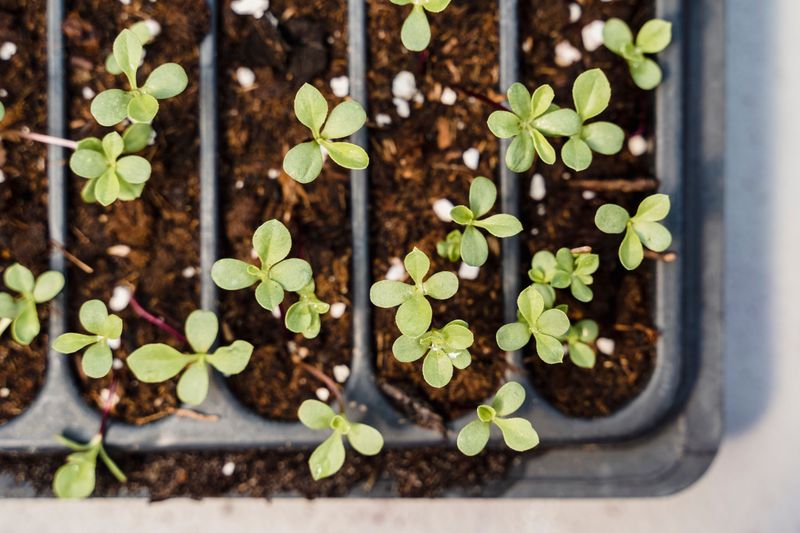
Timing is everything, and broccoli is not forgiving when you get it wrong. Planting too early or too late can cost you the entire harvest.
For a fall crop in Massachusetts, count backward from your first expected frost date. Most of the state sees first frost between mid-October and early November.
Broccoli takes about 60 to 80 days from transplant to harvest. Add another three to four weeks for indoor seedling growth, and you land on a start date of late June to mid-July.
Starting seeds indoors around July 1st is a popular target for central and eastern Massachusetts. Gardeners in the western highlands may want to start a week or two earlier due to shorter seasons.
Check the Old Farmer’s Almanac frost date tool for your specific zip code. That small step makes a big difference in hitting your target harvest window.
Do not wait until August to start seeds indoors. By then, you will not have enough growing days before hard frost shuts down the season.
Your Massachusetts Garden Changes Every Week. Your Plan Should Too.
Gardening in Massachusetts changes quickly throughout the season. Every Friday you’ll receive a simple weekly plan showing exactly what to plant, prune, fertilize, harvest, and protect so you never miss the right timing.
Massachusetts gardeners who start broccoli seeds indoors in that late June to mid-July sweet spot consistently report the best results. Nail the timing, and the rest of the process becomes much easier and more rewarding for your fall table.
What You Need To Start Broccoli Seeds Indoors
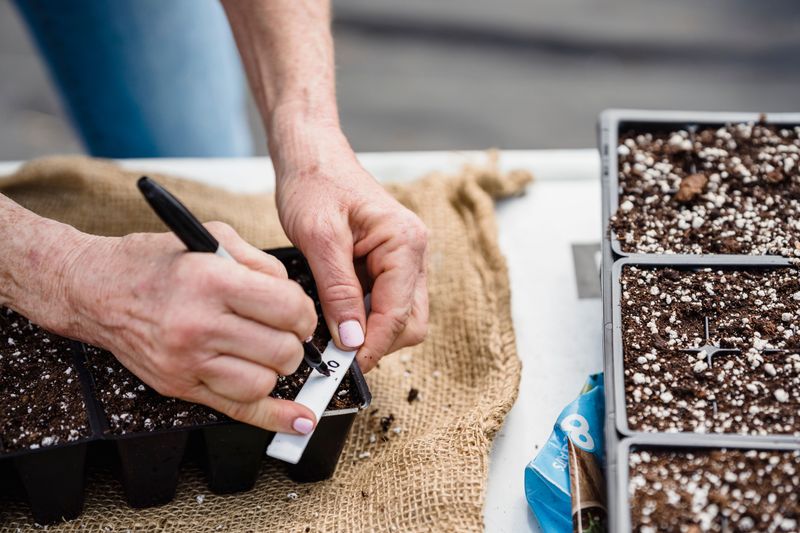
Good tools make the whole process smoother and less stressful. You do not need a fancy setup to grow great seedlings indoors.
Start with a quality seed-starting mix, not regular potting soil. Seed-starting mix is lighter and drains better, which prevents damping off and root rot in young plants.
Small plastic cell trays or peat pots work well for broccoli. Each cell gives one seed its own space to develop without competing for nutrients or moisture.
A grow light is almost essential in Massachusetts homes during summer. South-facing windows can work, but supplemental lighting ensures seedlings grow stocky and strong instead of leggy and weak.
You will also need a spray bottle or a gentle watering can. Overwatering is a common beginner mistake, and a spray bottle gives you more control over moisture levels.
A seedling heat mat speeds up germination nicely. Broccoli seeds germinate best between 65 and 75 degrees Fahrenheit, and a heat mat keeps the soil temperature consistent even in air-conditioned homes.
Labels and a permanent marker help you track which variety is which, especially if you start multiple types. Keeping organized now saves confusion later when seedlings all look alike.
Once your supplies are gathered, the actual seed-starting process is surprisingly simple. A little preparation goes a long way toward securing that fall broccoli harvest you are counting on.
How To Sow And Care For Broccoli Seedlings Indoors
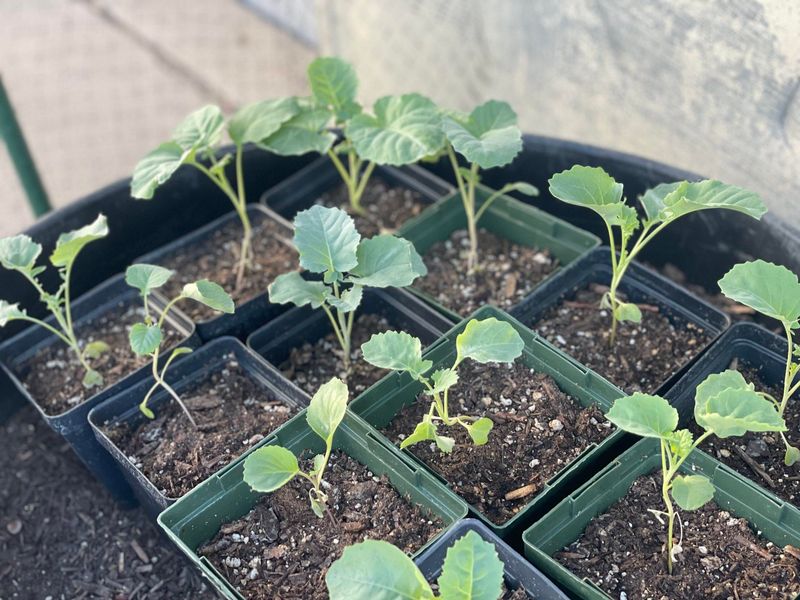
Sowing broccoli seeds is satisfying work, and the process is beginner-friendly from the very first step. Fill your cell trays with moist seed-starting mix before you begin.
Press the mix down lightly to remove air pockets, then place one or two seeds per cell about a quarter-inch deep. Cover with a thin layer of mix and mist the surface gently with a spray bottle.
Cover the tray with a plastic dome or plastic wrap to hold in moisture. Seeds usually sprout within five to ten days when kept warm and consistently moist.
Once sprouts appear, remove the dome immediately. Leaving it on too long encourages damping off, a fungal issue that causes seedlings to fail at the soil line.
Position your grow light two to four inches above the seedlings. Keep it on for fourteen to sixteen hours daily to mimic long summer days and prevent legginess.
Water from the bottom when possible by setting trays in a shallow dish of water. This method encourages roots to grow downward and keeps the soil surface drier, reducing fungal risk.
Feed seedlings with a diluted liquid fertilizer once they develop their first true leaves. A half-strength balanced fertilizer applied weekly keeps growth steady without overwhelming young roots.
Thin each cell to one seedling after the first true leaves appear. Snip the weaker one at soil level rather than pulling it out, so you do not disturb the keeper.
When And How To Transplant Broccoli Seedlings Outdoors
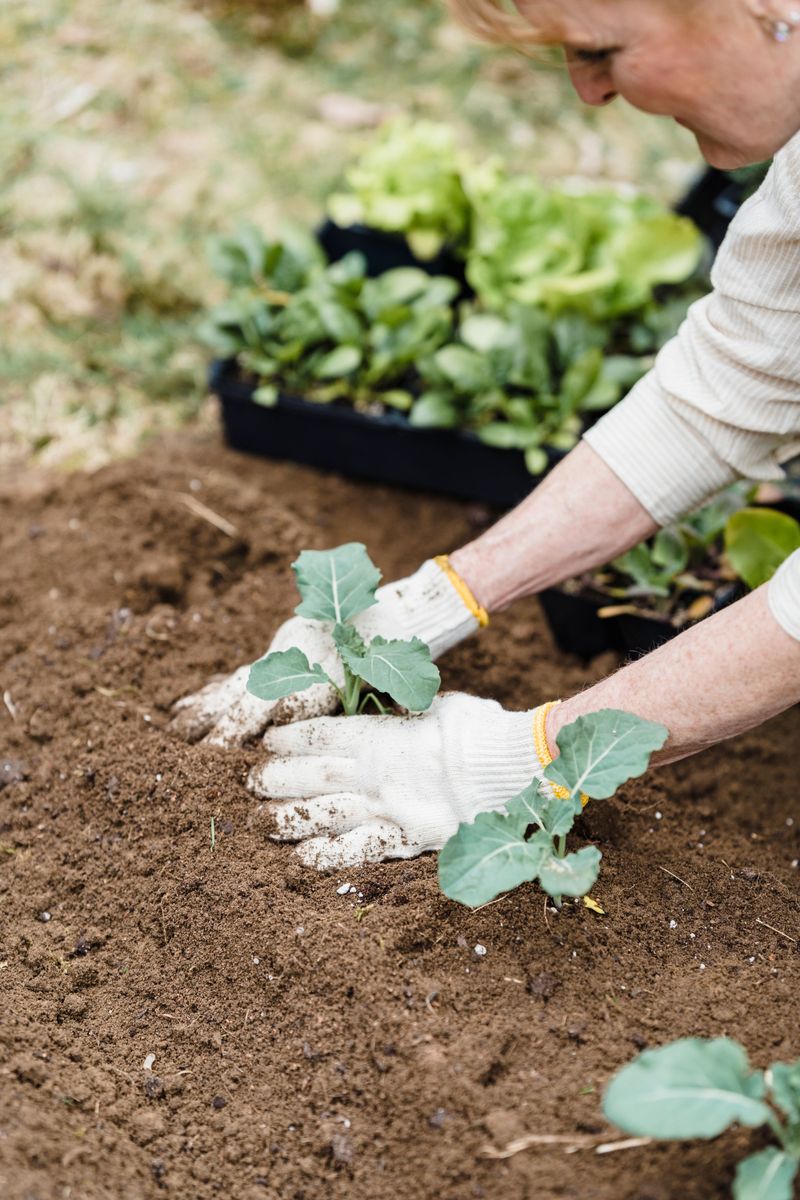
Transplanting day feels like a milestone, and it truly is one. Your seedlings have been waiting for this moment since that first tiny sprout broke the soil.
Broccoli seedlings are ready to go outside when they are three to four weeks old and have at least two sets of true leaves. They should be about four to six inches tall at this point.
Hardening off is a step many beginners skip, and that is a costly mistake. Set your trays outside in a shaded spot for a few hours each day over one week before transplanting.
Gradually increase sun exposure each day during that hardening period. This process toughens the cell walls and prepares seedlings for wind, temperature swings, and direct sunlight.
Choose a cloudy day or late afternoon for transplanting. Planting in full midday sun stresses young roots and can cause transplant shock that sets back growth by a week or more.
Space broccoli plants eighteen to twenty-four inches apart in rows about thirty inches wide. Crowding plants leads to poor air circulation and increases disease pressure significantly.
Dig a hole slightly deeper than the root ball and set the seedling in. Firm the soil around the base gently, then water thoroughly to settle the roots into their new home.
Massachusetts gardeners who nail the transplant timing give their broccoli the best possible shot at forming beautiful, dense heads before fall frosts arrive in force.
How To Care For Broccoli Plants After Transplanting
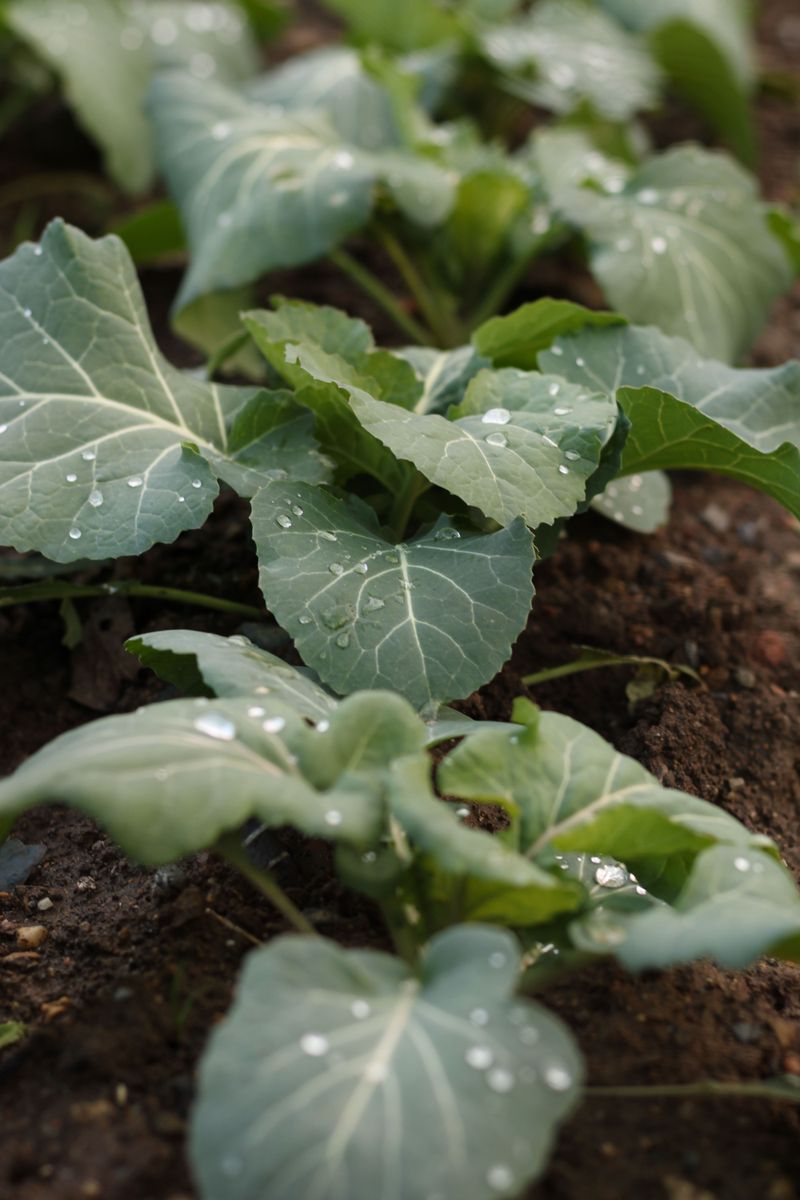
Once your broccoli seedlings are in the ground, consistent watering becomes your top priority. Broccoli needs about 1 to 1.5 inches of water per week, so check the soil regularly and water deeply rather than frequently.
Mulching around the base of each plant helps retain moisture and keeps the soil cool during late summer heat. A 2- to 3-inch layer of straw or shredded leaves works well for Massachusetts gardens heading into fall.
Broccoli is a heavy feeder, so a balanced fertilizer applied two to three weeks after transplanting gives the plants a solid push. Side-dressing with compost is another good option if you prefer to keep things organic.
Keep an eye out for common pests like cabbage worms and aphids, which tend to appear as the season shifts. Row covers are a practical solution that protects plants without the need for any sprays.
Broccoli develops best when daytime temperatures stay between 65°F and 75°F, which aligns well with Massachusetts fall conditions. If an early frost is in the forecast, a lightweight fabric cover overnight is enough to protect your crop.
Harvest the central head once it reaches a full, tight formation but before the buds begin to loosen or show any yellow. Cutting the head with a sharp knife at an angle encourages side shoots to form, which can extend your harvest by several weeks.