The Real Reason Stink Bugs Are Getting Into Your Massachusetts Home This Summer
Something crawled across your windowsill last Tuesday, and you felt it before you saw it. That faint, sour smell hit first.
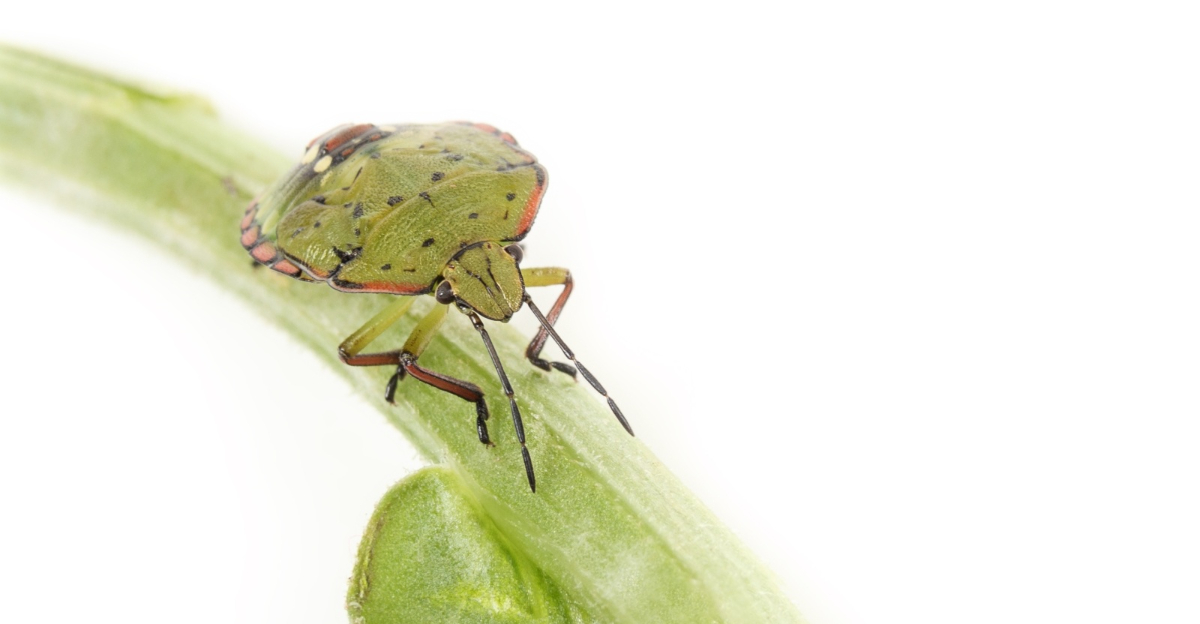
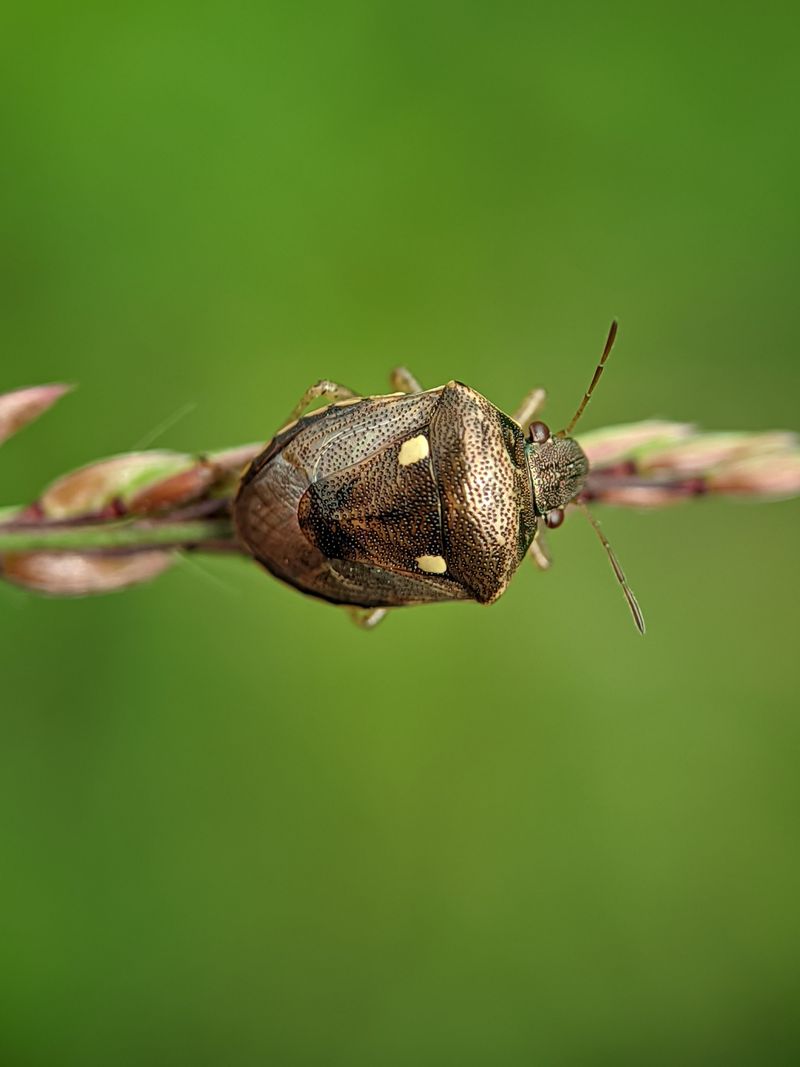
Brown, shield-shaped, and impossibly calm, the stink bug sat there like it owned the place. Here is the part nobody tells you: it kind of does.
Massachusetts is central to one of the most aggressive insect invasions in decades. Studies tracking the brown marmorated stink bug show it pushing deeper into residential neighborhoods over time.
Wall voids, attic insulation, and crawl spaces become their winter quarters. Right now, while temperatures still hold, they are already scouting your exterior.
Tiny cracks near your foundation, worn weatherstripping, and gaps behind electrical outlets are their doors.
Across Massachusetts, homeowners who sealed those entry points before the first cold snap cut infestations drastically.
Waiting hands the advantage directly to them. Understanding their exact strategy is the only thing standing between you and a full infestation.
Warm Temperatures Are Driving Them Indoors
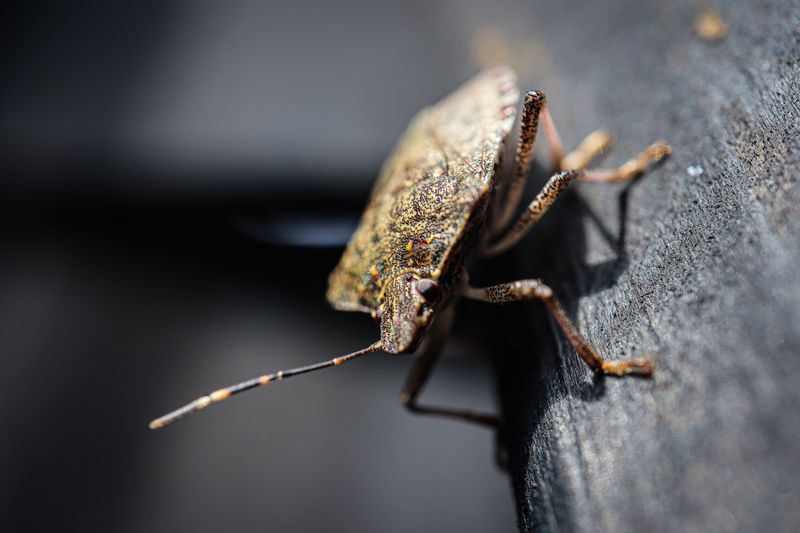
Summer heat pushes stink bugs directly toward your walls. Your air-conditioned interior is dramatically cooler than the air outside, and stink bugs feel that difference.
Stink bugs are cold-blooded, so they cannot regulate their own body heat. They move toward comfort on instinct, without hesitation.
As Massachusetts summers trend warmer, the pressure on these bugs increases. More heat outside means more motivation to squeeze through any gap they can find.
They are not being rude guests. They are just following their survival instincts straight into your living room.
Sealing your home before peak heat arrives is smarter than reacting after they are already inside. Think of it as pest-proofing before the summer rush hits your neighborhood hard.
The connection between warm temperatures and stink bugs getting into your Massachusetts home this summer is direct and predictable. Once you accept that heat is the trigger, prevention starts making a lot more sense.
Tiny Cracks In Walls Or Windows Need Sealing

You might think your home is sealed tight, but stink bugs disagree completely. Gaps you can barely see with the naked eye are wide enough for them to squeeze through.
Check around window frames, door trim, and pipe entry points. These are the most overlooked spots where bugs enter freely and without resistance.
Old caulk shrinks and cracks over time, especially after harsh Massachusetts winters. Even a small gap along a baseboard can become a bug highway by July.
Hardware stores sell foam backer rod and weatherproof caulk that work great for this job. A basic run to the hardware store now saves major headaches later in the season.
Pay special attention to where utility lines enter your home. Cable wires, phone lines, and AC units all create small openings that bugs exploit with surprising efficiency.
Window screens with even tiny holes or bent edges are another sneaky entry point. Replace damaged screens before summer peaks for maximum protection against these persistent crawlers.
Stink bugs getting into your Massachusetts home this summer often comes down to one simple truth. Your walls have more openings than you have ever noticed, and these bugs notice every single one.
Your Massachusetts Garden Changes Every Week. Your Plan Should Too.
Gardening in Massachusetts changes quickly throughout the season. Every Friday you’ll receive a simple weekly plan showing exactly what to plant, prune, fertilize, harvest, and protect so you never miss the right timing.
Outdoor Lights Near Entry Points Are Attracting Them
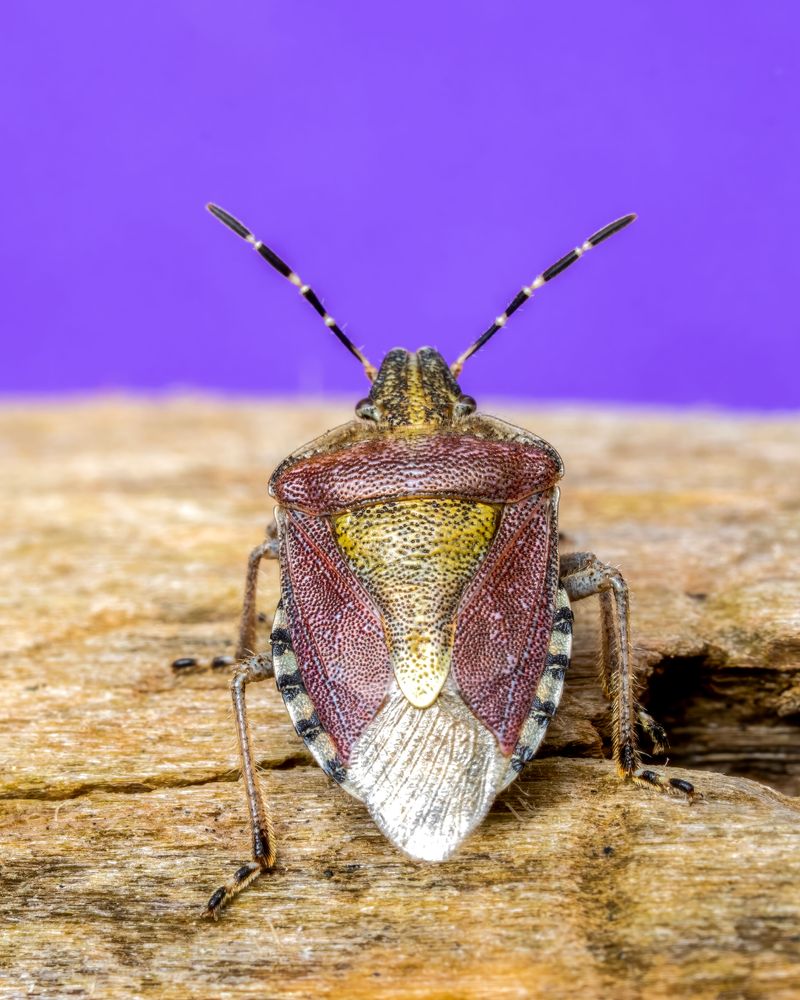
Leaving your porch light blazing all night is basically hosting a stink bug party. These insects are strongly attracted to light sources, especially after dark.
When a bright bulb sits right next to your front door, bugs swarm toward it. Then your door opens, and in they march without even trying.
Swapping regular bulbs for warm white or yellow LED lights makes a noticeable difference. Warm and yellow-spectrum bulbs are far less attractive to insects than cool white or blue-tinted options.
Motion-activated lights are another smart upgrade for your home. They only turn on when needed, which dramatically cuts the hours bugs spend circling your entry points.
Try moving lights away from doors when possible. Mounting a bright light on a post farther from the entrance draws bugs away rather than directly toward your home.
Garage lights, basement windows, and side-door fixtures are often forgotten in this equation. Every lit entry point is a potential landing zone for bugs looking for a way inside.
Stink bugs getting into your Massachusetts home this summer may have more to do with your lighting setup than you ever expected. A few small changes outside can make your home dramatically less appealing to these nighttime wanderers.
More Entry Points Exist Than You Realize
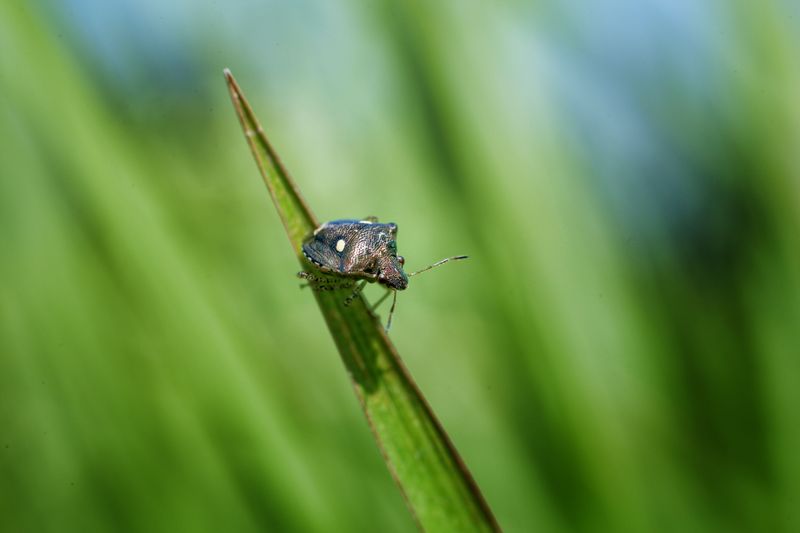
Most people check the obvious spots and call it done. But stink bugs are patient, creative, and surprisingly flexible when it comes to finding a way in.
Attic vents are a major culprit that homeowners almost always overlook. If the mesh screen on your attic vent is torn or missing, bugs have a wide-open door above your ceiling.
Chimney openings, dryer vents, and crawl space screens are equally risky. Each one represents a direct path from outside air straight into your home structure.
Gaps behind exterior electrical outlets are another surprise entry point. A stink bug can slip behind a faceplate and emerge inside your wall without ever touching a window.
Siding that has warped, cracked, or pulled away from trim creates long channels bugs can travel through. Walk around your home slowly and look for any spots where materials no longer sit flush.
Even the gap under a garage door can let dozens of bugs in overnight. Adding a door sweep or replacing a worn rubber seal is a quick fix that blocks one of the most common entry routes.
The real reason stink bugs keep appearing inside is that entry points multiply quietly over time. A thorough exterior inspection once a year can change your bug situation dramatically.
Nearby Gardens May Be Harboring Large Populations
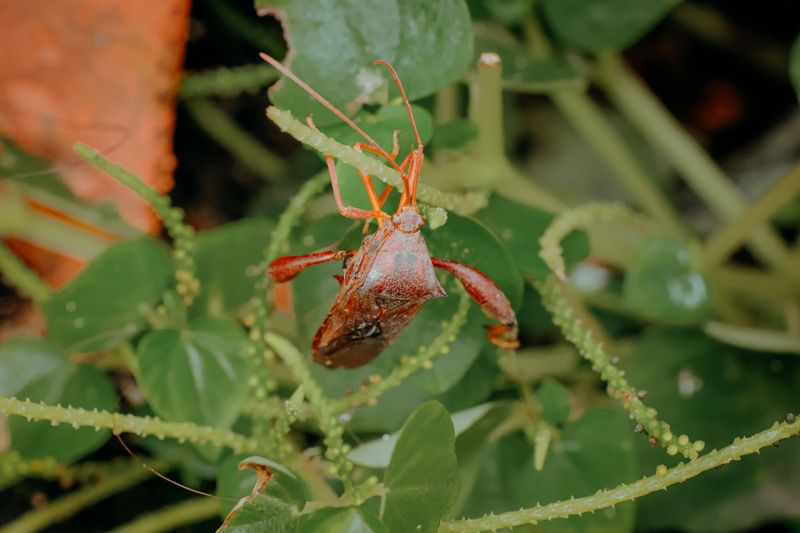
Your vegetable garden might be the most beautiful thing in your yard, and also the biggest stink bug magnet you own. These insects absolutely love feeding on tomatoes, peppers, beans, and corn.
A thriving garden right next to your home creates a population hub just steps from your door. Once the garden gets crowded, bugs start exploring neighboring structures for shelter and food.
Fruit trees and berry bushes add even more appeal to your property. Ripe fruit draws them in from across your yard, and your home sits directly in their path.
Planting aromatic herbs like lavender, mint, and marigolds near garden edges can help deter them naturally. Strong scents confuse their sensory systems and make your garden less inviting overall.
Keeping garden beds slightly away from your home foundation creates a buffer zone. Even a few feet of distance can reduce how quickly bugs transition from garden to wall.
Check plants regularly for egg clusters, which look like tiny pale green dots on leaf undersides. Removing egg masses early prevents the next generation from ever reaching your siding.
Stink bugs getting into your Massachusetts home this summer often starts with what is growing in your backyard. A well-managed garden is both beautiful and a smarter line of defense.
An Infestation Could Already Be In Your Walls
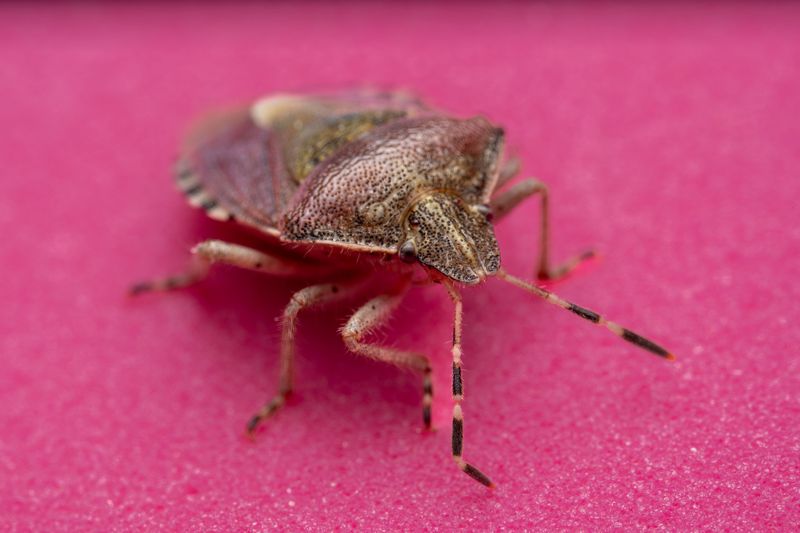
Stink bugs cluster inside wall voids long before you ever spot one crawling across your floor. They enter in early summer and find dark, quiet spaces between your insulation and drywall.
You might not notice them until the population grows large enough to push individuals into living spaces.
A musty or faintly sour odor in a room with no obvious source is a warning sign. That smell is the chemical these bugs release when stressed, and it can seep through drywall.
Tapping along your walls and listening for unusual hollow sounds will not reveal bugs, but calling a pest professional can. An expert can identify activity patterns and recommend targeted treatment safely.
Avoid crushing stink bugs you find indoors. Crushing them releases an intense odor that can actually attract more bugs from inside the wall toward that same spot.
Use a vacuum with a sealed bag or canister to collect them instead. Drop a small piece of dryer sheet inside the vacuum first to help neutralize the smell during collection.
When stink bugs getting into your Massachusetts home this summer seem unstoppable, the problem may already be living inside your walls. Early action matters more than waiting for things to get worse.
High Indoor Humidity Is Appealing To Them
Stink bugs are not just chasing cool air when they enter your home. High moisture levels inside your walls and basement create an environment they find genuinely comfortable.
Basements, crawl spaces, and bathrooms with poor ventilation are prime real estate for these bugs. Humidity gives them the moisture they need to survive extended stays indoors.
A dehumidifier running in your basement during summer months makes a real difference. Keeping indoor humidity low makes your home significantly less hospitable to a wide range of pests, stink bugs included.
Check under sinks and around water heaters for slow leaks or condensation buildup. Even small moisture sources create microenvironments that attract bugs looking for a humid hideout.
Bathroom exhaust fans should vent fully outside, not into attic spaces. When humid air collects in your attic, it creates exactly the kind of damp, dark habitat stink bugs prefer.
Crawl space encapsulation is a bigger investment but one of the most effective long-term solutions. Sealing a crawl space eliminates a major moisture source and removes a common bug staging area beneath your floors.
Managing humidity is one of the most underrated strategies for keeping stink bugs out of your Massachusetts home this summer. Dry homes are simply less attractive to insects looking for a comfortable place to stay.