This Underrated Texas Native Tree Helps Discourage Ticks While Feeding Wildlife All Season
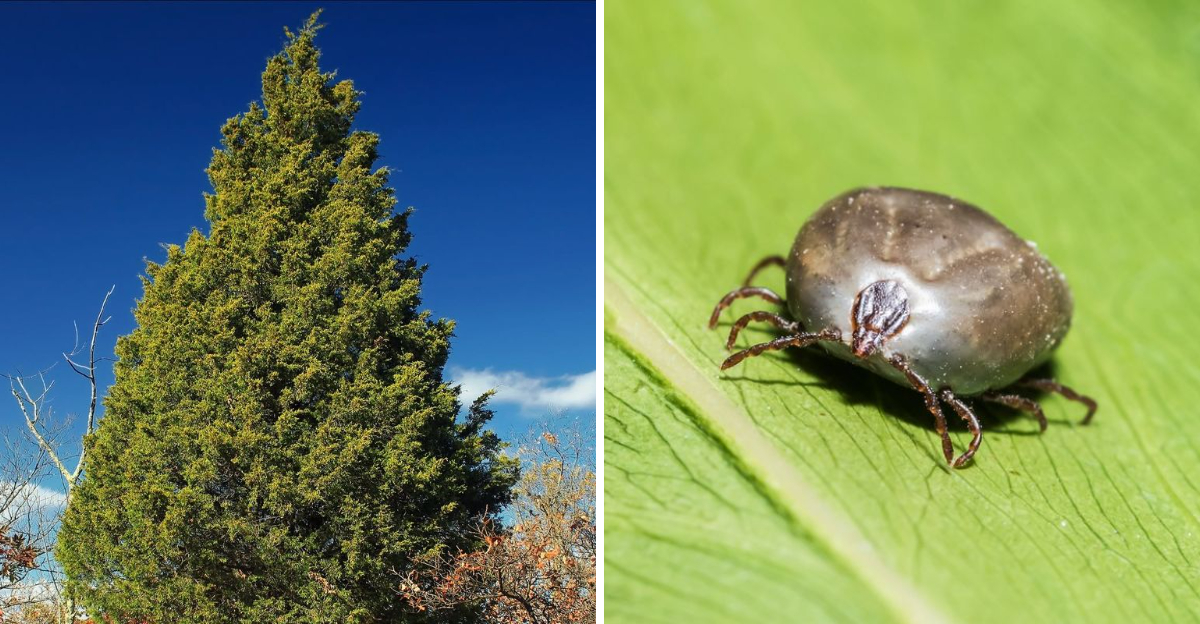
Most conversations about tick prevention in Texas focus on sprays, treatments, and keeping the grass short. And while those things have their place, there’s a much more interesting solution that most people never even consider.
It grows tall, provides shade, feeds wildlife, and quietly makes your property a lot less appealing to ticks all at the same time. It’s a native Texas tree, and it deserves a lot more attention than it gets.
This underrated tree has been growing across the Texas landscape for centuries, supporting local ecosystems in ways that most ornamental trees simply cannot match. Birds love it. Deer browse it. Pollinators depend on it.
And because it’s native, it does all of this while thriving in the Texas climate without demanding constant care or extra watering. But here’s the part that really makes it stand out.
The way this tree grows and the environment it creates around it naturally discourages the conditions that ticks love most. It’s not a magic fix, but it’s a genuinely smart addition to any Texas property.
1. Meet Eastern Red Cedar
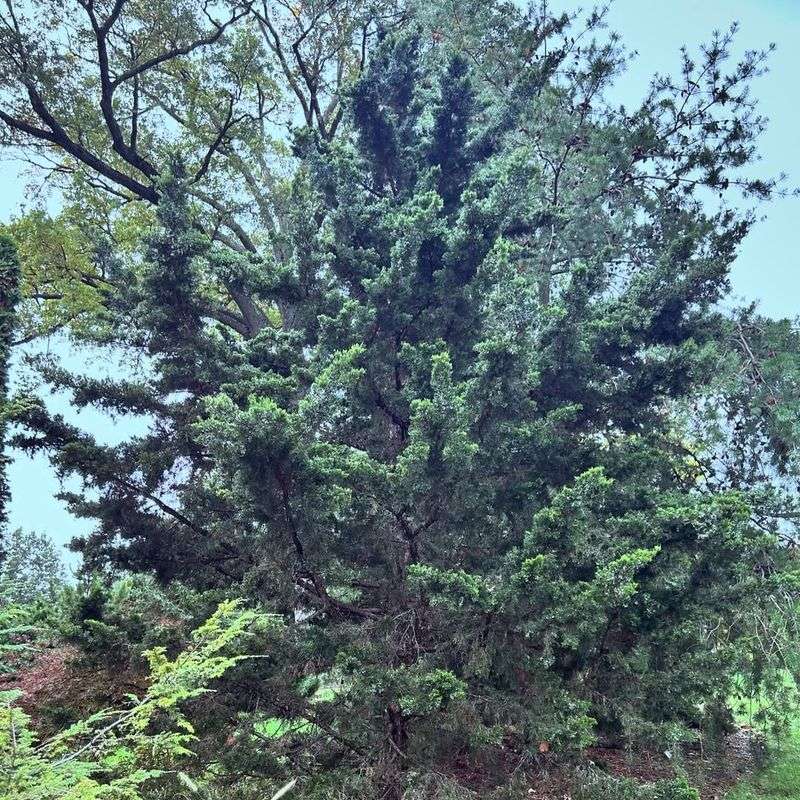
Juniperus virginiana goes by many names, but most Texans simply call it the Eastern Red Cedar. Do not let the name fool you though because this tree is actually a juniper, not a true cedar.
It has been growing across Texas for thousands of years, and it is one of the toughest evergreens you will find anywhere in the state.
The tree grows in a dense, columnar or pyramid shape and can reach anywhere from 20 to 40 feet tall. Its foliage stays a rich, dark green all year long, giving your yard color even during the coldest months.
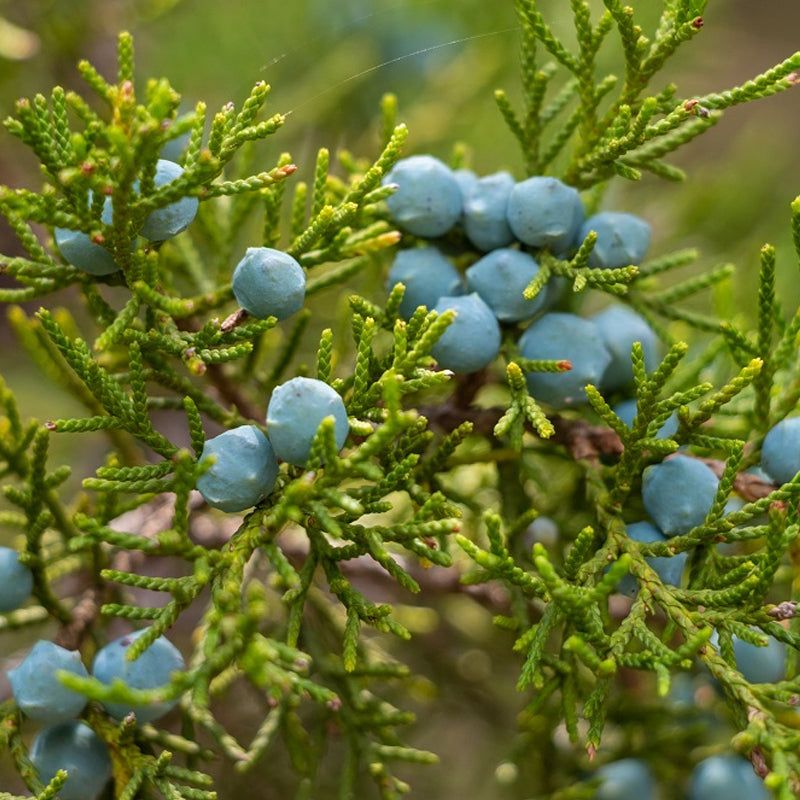
In fall and winter, the female trees produce small, round, blue-gray berries that look almost like tiny blueberries coated in a soft, powdery frost.
The bark has a warm reddish-brown color and peels in long, thin strips, which gives the tree a rugged, natural look.
The wood itself is fragrant and naturally resistant to rot, which is why it has been used historically for fence posts, furniture, and cedar chests. Farmers across Texas have relied on this tree for generations.
Eastern Red Cedar is considered a pioneer species, meaning it is often one of the first trees to move into open land. It thrives in rocky soil, clay, sandy ground, and almost everything in between.
Whether you live in Central Texas, East Texas, or the Hill Country, there is a good chance this tree will do well in your yard. It is a true Texas original that deserves a lot more appreciation than it usually gets.
2. Tick-Deterring Qualities
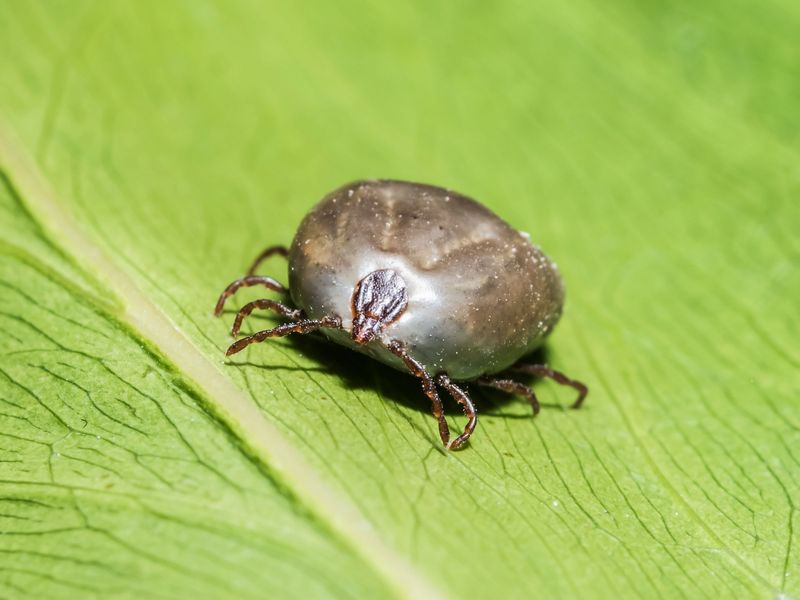
Ticks love moisture. They thrive in humid, shaded areas with tall grass and damp leaf litter. That is exactly why the Eastern Red Cedar is such a smart addition to any yard where tick activity is a concern.
The way this tree grows naturally works against the conditions ticks need to survive. Eastern Red Cedar has incredibly dense foliage that blocks a significant amount of rainfall from reaching the ground directly beneath it.
Your Texas Garden Changes Every Week. Your Plan Should Too.
Gardening in Texas changes quickly throughout the season. Every Friday you’ll receive a simple weekly plan showing exactly what to plant, prune, fertilize, harvest, and protect so you never miss the right timing.
Over time, the fallen needles and berries create a dry, compact layer on the soil. This drier microclimate is far less inviting to ticks than the moist, grassy areas they prefer.
Studies and field observations have shown that tick populations tend to be lower in areas dominated by cedar trees compared to open, grassy zones.
Beyond just the dryness, the natural oils found in cedar wood and foliage have long been recognized for their pest-repelling properties. Cedar oil is actually used in many natural tick and insect repellent products.
Having living cedar trees in your yard means you get a continuous, natural source of these oils in your outdoor environment.
Planting Eastern Red Cedar along yard borders, near play areas, or between wooded sections and open lawn can help create a buffer zone that is less friendly to ticks.
Combine the cedar with regular lawn maintenance like mowing and clearing leaf piles, and you have a solid, natural strategy for reducing tick pressure.
It is not a guaranteed solution, but it is a meaningful and eco-friendly step in the right direction for any Texas homeowner.
3. Year-Round Wildlife Support
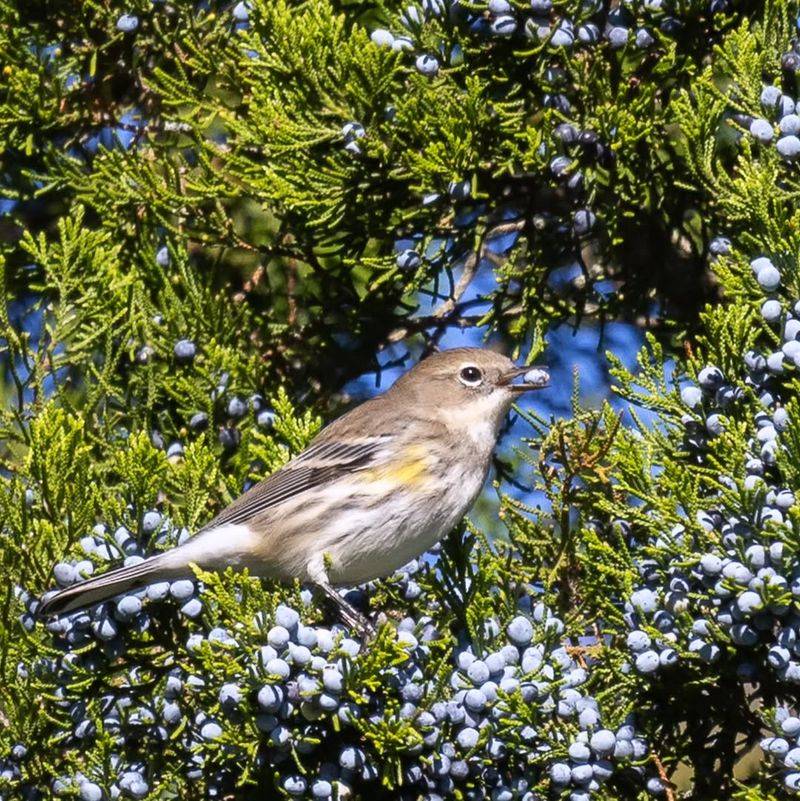
Ask any birder in Texas about the Eastern Red Cedar and their eyes will light up. This tree is basically a full-service restaurant for wildlife, and it stays open twelve months a year.
Few native trees can match the consistent food and shelter value that this one provides across every season.
The blue berries that ripen in late fall and persist through winter are a critical food source for dozens of bird species. Cedar waxwings, American robins, bluebirds, yellow-rumped warblers, and mockingbirds all flock to these trees when berries are plentiful.
Small mammals like foxes, raccoons, and opossums also snack on fallen berries. The nutritional fat content in the berries is especially valuable during cold months when other food sources are scarce.
Beyond food, the dense branching structure of the Eastern Red Cedar makes it one of the best nesting trees around. Birds like the chipping sparrow and the yellow-breasted chat love to build nests tucked inside the thick foliage.
The tree also provides year-round roosting cover, giving birds a safe place to shelter from wind, rain, and predators.
During spring and summer, the tree supports insects that in turn feed insectivorous birds and their chicks. It becomes part of a living food web that supports your local ecosystem.
Planting even one Eastern Red Cedar can noticeably increase the bird activity in your yard within just a season or two. For anyone interested in backyard wildlife gardening, this tree is an absolute cornerstone species that pulls its weight every single month of the year.
4. Low-Maintenance Landscaping
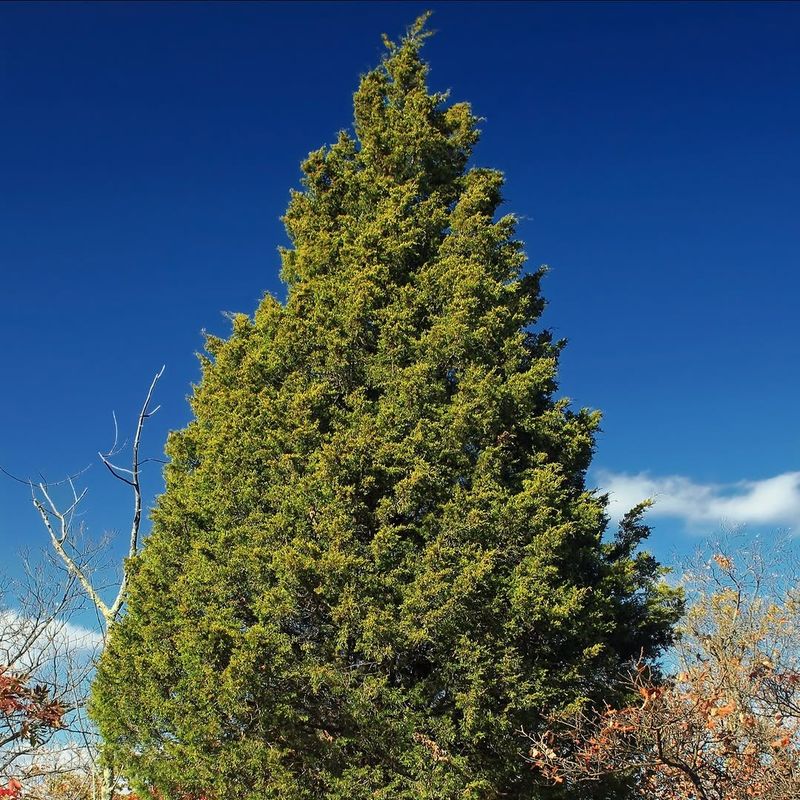
Honestly, if you want a tree that practically takes care of itself, the Eastern Red Cedar is hard to beat.
Gardeners and homeowners who do not have a lot of time or resources to dedicate to yard work will find this tree to be a genuinely easy addition to their landscape. It asks for very little and gives back a whole lot.
One of the biggest advantages is its drought tolerance. Once established, Eastern Red Cedar can go long stretches without rain and still look healthy and full.
This makes it a perfect fit for Texas summers, which can be brutally hot and dry for weeks at a time. The tree does not need irrigation systems, fertilizer programs, or regular soil amendments to stay strong and green.
Eastern Red Cedar also adapts to a wide range of soil types. Rocky Hill Country soil, heavy clay in North Texas, sandy East Texas ground, it handles them all without complaint.
It even tolerates occasional flooding and compacted soils, which is more than most landscape trees can say. Poor soil conditions that would stress other trees barely slow this one down.
Pest and disease problems are minimal compared to many other landscape trees. You will rarely need to spray or treat an established Eastern Red Cedar.
It is naturally resistant to many common issues that plague other species. The only real task is occasional pruning to keep the shape you want and to remove any dry inner branches for better airflow.
For a busy homeowner looking for a hardworking, hands-off tree, this one fits the bill perfectly.
5. Ideal Planting Locations
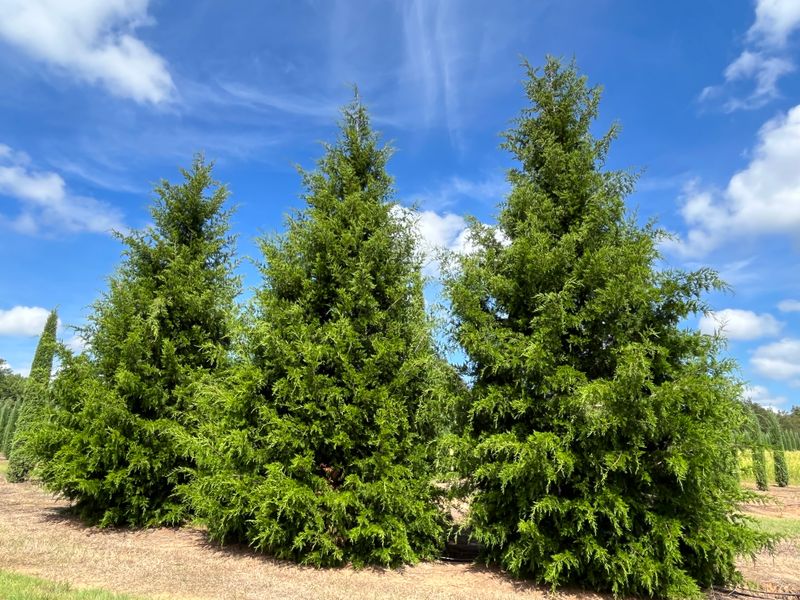
Placement matters when you are adding any tree to your property, and the Eastern Red Cedar gives you a lot of flexibility. Because of its upright, dense growth habit, it works beautifully in spots where you want structure, screening, or wind protection.
Getting creative with where you plant it can maximize both its practical and ecological benefits. Along fence lines and property edges, Eastern Red Cedar shines as a natural privacy screen.
Plant them about eight to ten feet apart and within a few years you will have a thick, living wall of green that blocks views, muffles noise, and marks boundaries without needing a wooden or vinyl fence.
As a windbreak on the north or west side of a property, a row of these trees can also reduce heating costs in winter by blocking cold prevailing winds.
Pairing Eastern Red Cedar with native shrubs and understory plants takes things to the next level. Try combining them with native beautyberry, agarita, or coral honeysuckle to create a layered habitat that supports even more wildlife species.
Adding native grasses like little bluestem around the base creates a diverse groundcover layer that ties the whole planting together.
Avoid planting Eastern Red Cedar too close to apple or crabapple trees, since it can host cedar-apple rust, a fungal disease that affects both plants. Keep them at least a few hundred feet apart if possible.
Otherwise, the Eastern Red Cedar is a flexible, forgiving tree that fits into most landscape situations with ease. A little thoughtful planning at planting time goes a long way toward getting the most out of this remarkable native tree.
6. Seasonal Care Tips
Even low-maintenance trees benefit from a little seasonal attention, and the Eastern Red Cedar is no different. The good news is that caring for this tree is straightforward and does not require specialized knowledge or expensive tools.
A simple routine spread across the year will keep it looking great and functioning at its best.
Late winter or early spring is the best time to prune. Before new growth kicks in, take a look at the overall shape and remove any dry, damaged, or crossing branches.
Thinning out crowded inner branches improves airflow and lets more light into the center of the tree. This helps reduce the risk of fungal issues and keeps the foliage dense and healthy on the outside where it matters most for wildlife and screening.
Through spring and summer, keep an eye out for bagworms, which are one of the few pest problems that can bother Eastern Red Cedar. These caterpillars spin silky, bag-shaped cases and hang from the branches.
Catching them early and removing them by hand is the easiest fix. Serious infestations can be treated with Bacillus thuringiensis, a natural and safe biological control option.
In fall, consider planting native grasses like little bluestem or sideoats grama around the base of your cedar trees.
These grasses add another layer of habitat for ground-nesting birds and beneficial insects, and they complement the cedar beautifully from a visual standpoint.
Together, native grasses and Eastern Red Cedar create a year-round habitat that supports wildlife while naturally reducing the conditions that ticks need to thrive. Small seasonal efforts add up to a big payoff over time.