Wisconsin Opossums Are The Tick Control Secret Most Homeowners Never Knew They Had
Every summer, Wisconsin homeowners dump serious cash into tick sprays, yard treatments, and traps that maybe, maybe work.
Meanwhile, something far more effective has been quietly waddling through their backyards at 2 a.m., eating everything they paid to remove.
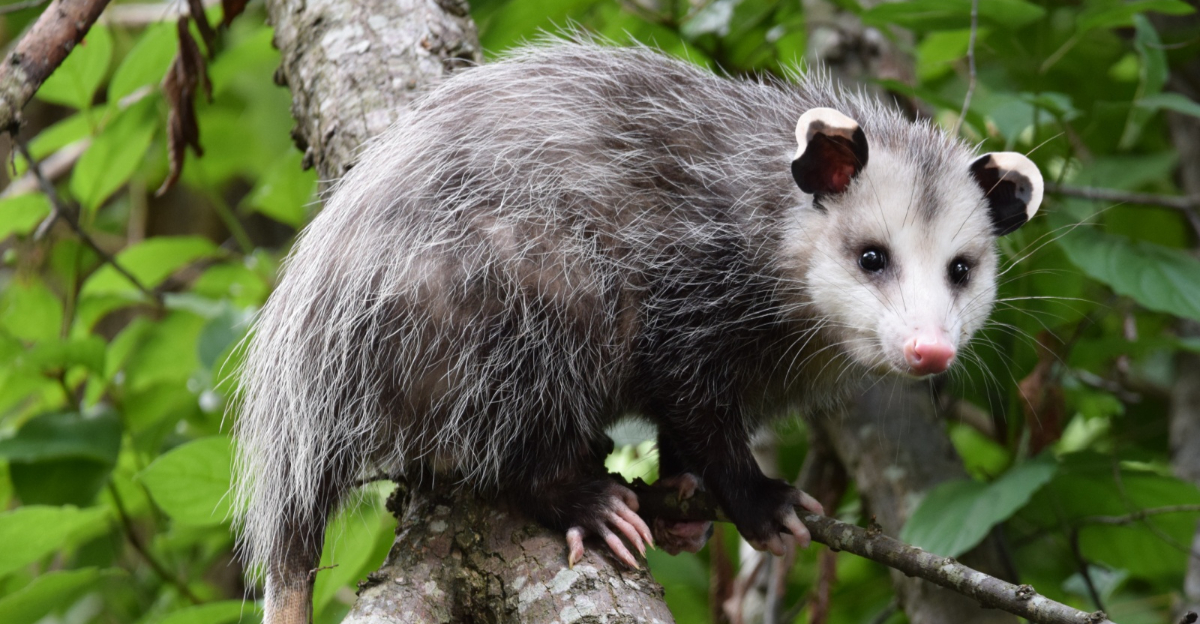
Meet the opossum. Ugly, misunderstood, and almost always underestimated. These marsupials don’t just pass through your yard. They work it.
A single opossum can consume thousands of ticks in one season, not because it’s trying to help you, but because ticks are simply an easy snack. No chemicals. No batteries.
No monthly subscription. Wisconsin yards face some of the heaviest tick pressure in the region, and most people have no idea their best defense is already on the clock.
It sleeps under your deck. It hisses at your cat. And every single night, it’s doing a job no product on a store shelf can match. You’ve been ignoring your best hire.
Wisconsin Opossums Rank Among The Most Valuable Tick Control Animals
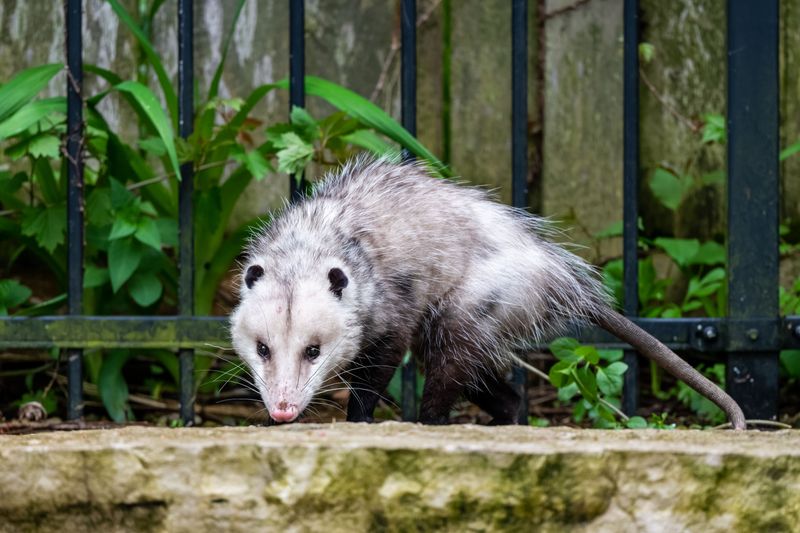
Nobody expects the scruffy yard visitor to be a hero. Yet Wisconsin opossums quietly earn that title every single season.
These marsupials are native to North America and thrive across the entire state. Over recent decades, opossums have expanded steadily into Wisconsin’s forests, fields, and suburbs.
What makes them so special for tick control? Their obsessive grooming habits set them apart from every other backyard animal.
Opossums groom themselves constantly, almost like cats. Every tick that latches onto their fur gets eaten before it can do any harm.
Scientists at the Cary Institute of Ecosystem Studies confirmed this through field research. Their findings drew significant attention from researchers and shifted how many experts approach pest management.
Opossums do not just reduce ticks on their own bodies. They lower the overall tick population in every area they roam through.
A single opossum covering a small territory removes a substantial number of ticks each week. That adds up fast across an entire season.
For Wisconsin homeowners dealing with tick pressure from wooded edges or tall grass, this matters enormously. Welcoming opossums is one of the smartest moves a yard owner can make.
They ask for nothing in return and cost you nothing at all. That is a pest control deal you simply cannot beat.
Their Grooming Habits Remove Thousands Of Ticks At A Time
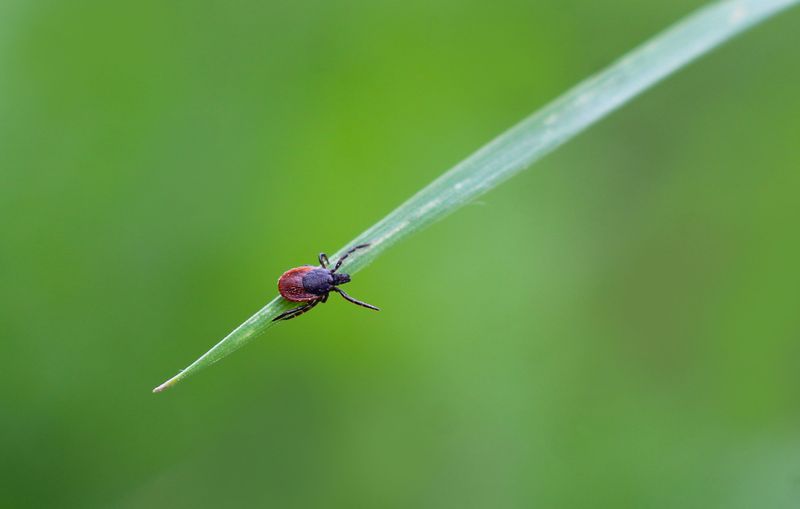
Picture a tiny, furry vacuum cleaner moving through your yard every night. That is essentially what an opossum’s grooming routine looks like.
Opossums lick and nibble every inch of their bodies with remarkable dedication. Any tick that tries to hitch a ride gets swallowed almost immediately.
Researchers estimate that opossums may consume up to 95 percent of the ticks that land on them, based on field observations.
That efficiency rate compares favorably with most common chemical treatments available to homeowners.
Their saliva and digestive system handle ticks without any trouble at all. The ticks simply do not survive the process.
This behavior is not learned or trained. It is completely instinctive, built into the opossum’s biology over thousands of generations.
Your Wisconsin Garden Changes Every Week. Your Plan Should Too.
Gardening in Wisconsin changes quickly throughout the season. Every Friday you’ll receive a simple weekly plan showing exactly what to plant, prune, fertilize, harvest, and protect so you never miss the right timing.
Even young opossums practice intense grooming from a very early age. The habit starts before they ever leave their mother’s pouch.
What makes this especially powerful is that opossums are active at night. Ticks are also most active during evening and early morning hours, so the timing lines up perfectly.
Homeowners who let opossums roam freely are essentially running a tick removal service around the clock. No electricity, no refills, no side effects.
That grooming routine, repeated night after night across your entire property, creates a meaningful reduction in the local tick population.
A Single Opossum Removes An Astonishing Number Of Ticks Each Season
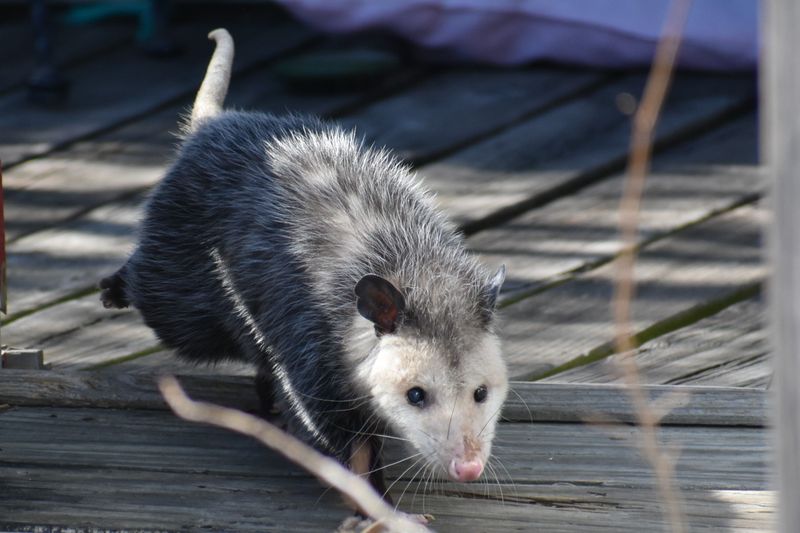
The numbers here are genuinely surprising. Researchers estimate one opossum may consume around 5,000 ticks in a single season.
That figure comes from research conducted by wildlife ecologist Richard Ostfeld. His team studied how different animals interact with ticks in the wild.
Deer, mice, and chipmunks were also part of the study. Opossums outperformed every single one of them when it came to tick removal.
White-footed mice, for example, pass ticks right along. They are actually major carriers of Lyme disease bacteria in the wild.
Opossums flip that equation completely. Instead of spreading ticks, they absorb and eliminate them at a remarkable rate.
Five thousand ticks per season sounds abstract until you do the math. That is roughly 100 ticks removed from your environment every single week.
Now imagine two or three opossums passing through your property on a regular rotation. The reduction in tick exposure becomes genuinely significant.
For families with kids who play outside, this is not just a fun wildlife fact. It is a real reduction in health risk.
Tick-borne illnesses like Lyme disease, Rocky Mountain spotted fever, and ehrlichiosis are all present in Wisconsin. Having natural tick predators nearby lowers the odds of encountering an infected one.
Letting opossums work your yard is one of the easiest and most effective forms of tick management available to any homeowner today.
Growing Tick Problems In Wisconsin Make Opossums More Essential Than Ever
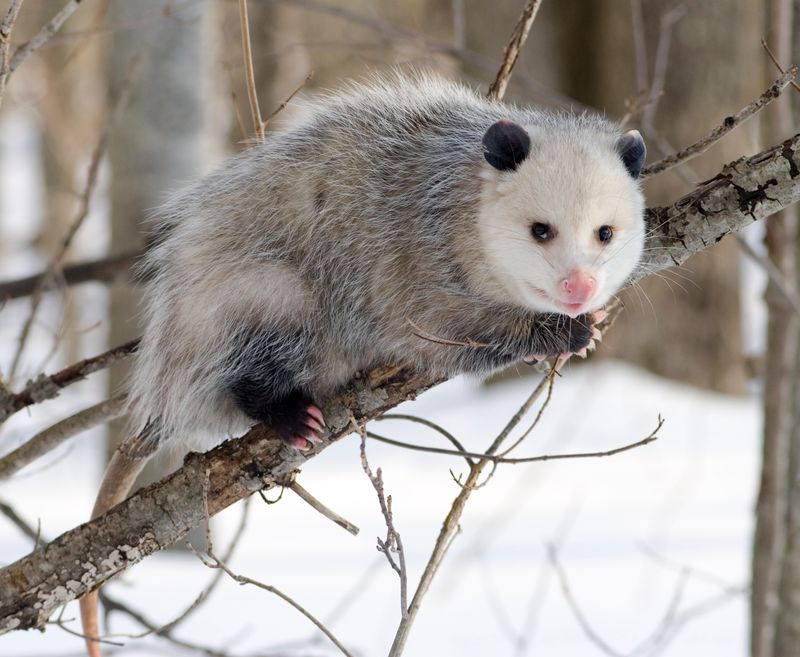
Tick populations across the state have been climbing steadily for years. Warmer winters and wetter springs have created ideal conditions for tick survival.
Wisconsin is home to several tick species that carry serious diseases. The blacklegged tick, the lone star tick, and the American dog tick are all common here.
Public health officials have tracked a steady rise in tick-borne illness cases across the region. Families spending time outdoors face more exposure than they did even a decade ago.
Spraying the yard helps, but chemicals come with their own costs. They can harm beneficial insects, affect pollinators in your garden, and require repeated applications all season long.
Natural solutions are gaining popularity for good reason. They work without the drawbacks that come with pesticide use.
Opossums fit perfectly into this growing demand for eco-friendly pest management. They are already present in Wisconsin and need no introduction or installation.
Unlike chickens or guinea fowl, opossums roam large territories on their own. They cover ground that no single backyard bird ever could.
As tick pressure grows across Wisconsin, the value of native predators becomes impossible to ignore. Opossums are perfectly adapted to handle this specific problem.
Supporting their presence in your neighborhood creates a ripple effect. More opossums mean fewer ticks, and fewer ticks mean healthier families throughout the entire community.
Backyard Animals Simply Cannot Match The Tick Control Opossums Provide
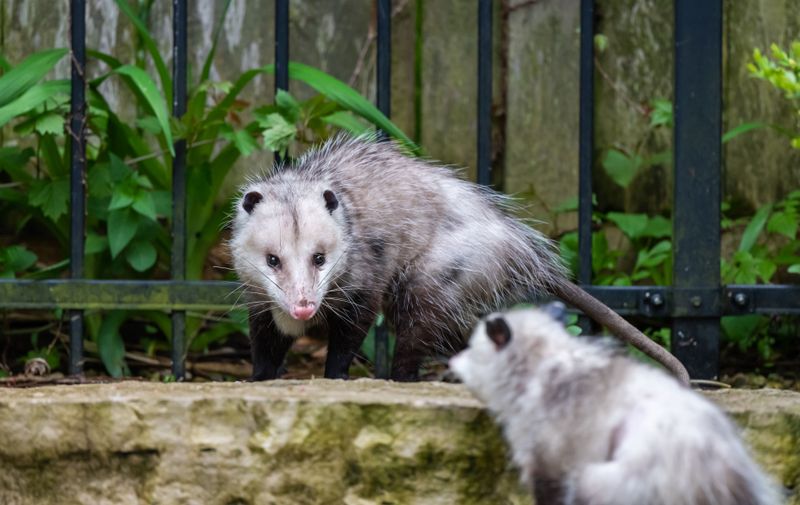
Plenty of animals eat ticks occasionally. Only one does it with the consistency and volume that actually moves the needle.
Chickens are often praised as tick predators, and they do eat them. But chickens stay close to their coop and rarely cover a full yard on their own.
Guinea fowl are even louder than chickens and require dedicated care. They are also not ideal for suburban neighborhoods with noise-sensitive neighbors nearby.
Wild turkeys eat ticks too, but they are not exactly backyard-friendly. Attracting them creates a whole new set of challenges for most homeowners.
Deer are frequently blamed for spreading ticks, and that reputation is well earned. They carry ticks across wide distances without consuming a single one.
Opossums stand completely apart from this group. Their grooming behavior is more thorough and more consistent than any other common backyard species.
They do not need feed, fencing, or any special setup to do their job. They simply show up, roam, groom, and move on through the night.
Their immune systems also make them resistant to many tick-borne pathogens. They do not amplify disease the way rodents and deer often do.
For a homeowner who wants real, measurable tick reduction without major effort, no backyard animal comes close to what an opossum delivers. They are the clear winner in this category.
Attracting Opossums To Your Wisconsin Yard Is Easier Than You Think
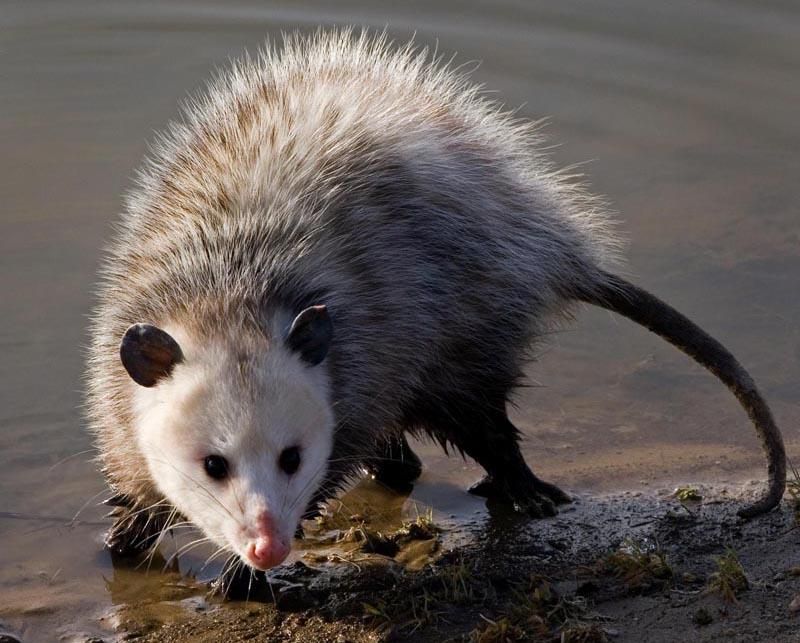
You do not need a wildlife degree to make your yard opossum-friendly. A few small changes go a very long way.
Opossums are opportunistic feeders, meaning they eat whatever is available. Fallen fruit, garden scraps, and compost piles naturally attract them to a space.
Leaving a shallow dish of fresh water near a fence line or wooded edge is a simple welcome signal. Opossums need hydration just like any other animal.
Brush piles and log stacks give them safe spots to rest during daylight hours. They are nocturnal, so daytime shelter matters a great deal to them.
Avoid using rodenticides anywhere on your property. These poisons can harm opossums that eat affected rodents, removing your best tick ally in the process.
Dense shrubs, low-growing hedges, and leaf litter along fence lines all create natural corridors. Opossums follow these paths night after night on their regular routes.
You do not need to feed them directly or handle them in any way. Passive habitat support is all it takes to keep them coming back.
Pet food left outside overnight can also attract them, though this is not always ideal for other reasons. A dedicated water source is a cleaner and safer option.
Small efforts in your yard add up to a meaningful boost for local opossum activity. More visits mean more ticks removed from your Wisconsin property every single week.
Chasing Opossums Away Is A Mistake Most Wisconsin Homeowners Regret
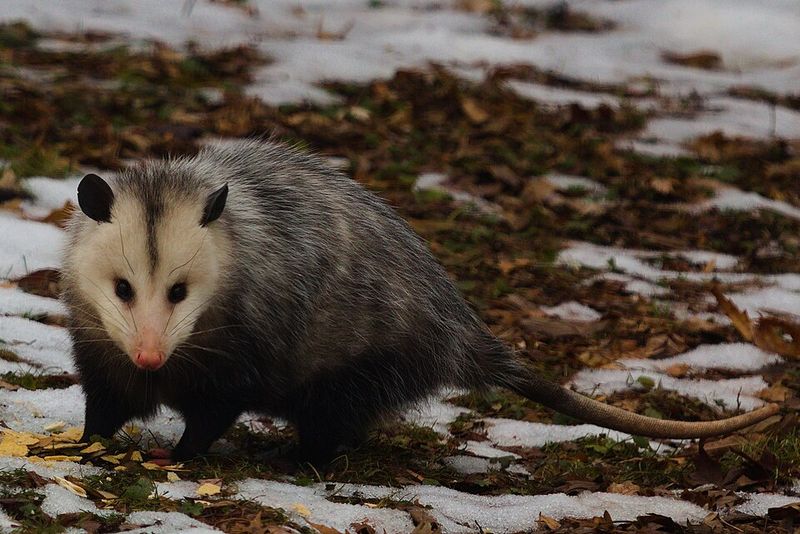
That hissing, teeth-baring posture looks terrifying at first glance. Most people see it and immediately want the opossum gone from their yard.
Here is the truth: that dramatic display is almost entirely bluff. Opossums are not aggressive animals and rarely follow through on any threat.
Their famous motionless response is also involuntary, not a clever act. Their nervous system shuts down under extreme stress, and they simply go limp.
Removing opossums from your property creates a gap in your natural tick management system that may take time to recover. The connection becomes obvious in hindsight.
Opossums are also largely immune to rabies because their body temperature runs too low for the virus to survive. They pose far less health risk than most people assume.
Their presence near a home is not a sign of infestation or danger. It simply means your yard offers food, water, or shelter they find useful.
Coexisting with opossums requires almost no adjustment to your daily routine. They are quiet, solitary, and completely uninterested in human interaction.
Every opossum you chase away is thousands of ticks you keep in your yard. Supporting these Wisconsin opossums is one of the simplest ways to reduce tick exposure for your family all season long.