The Native Ohio Shrub To Grow Instead Of Lilac For A Smaller Yard
Lilacs are hard to argue with in bloom. That fragrance, that color, that moment in spring that makes every Ohio gardener glad they planted one.
The problem shows up the other fifty weeks of the year. Lilacs get big, they spread, and in a smaller Ohio yard they have a way of taking over a space that was never designed to hold them.
There is a native Ohio shrub that fits a smaller yard more honestly. It brings real seasonal interest without the size that makes lilacs such a complicated commitment in tighter spaces.
Fall color that turns heads, summer bloom that pollinators take seriously, and a growth habit that respects the scale of the yard it grows in. It does not come with the fragrance of a lilac, but it offers something lilacs never quite deliver in return.
Some yards need a plant that knows its place. This one does.
1. Choose Virginia Sweetspire When Lilac Gets Too Large
A shrub can be lovely in bloom and still feel too bulky when it crowds a walkway by June. Common lilac, Syringa vulgaris, is a spring classic, but many selections mature at eight to fifteen feet tall and equally wide.
That scale works well on a large property. In a compact bed beside a front door or along a narrow side Ohio yard, though, it can quickly feel out of proportion.
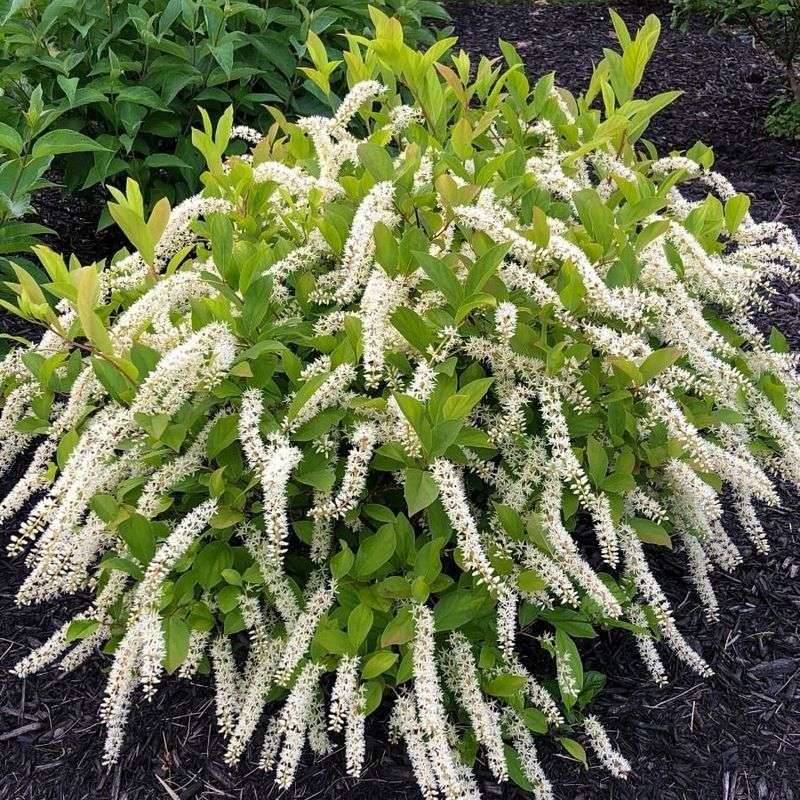
Virginia sweetspire typically matures at three to five feet tall and three to six feet wide, depending on the cultivar and growing conditions. Compact selections like Little Henry tend to stay closer to three feet.
The straight species may spread a bit wider over time, especially in moist, fertile soil. That size difference matters when you are working with a bed that is only four or five feet deep.
Lilacs are not bad shrubs. They simply need room to perform well.
When a yard cannot offer that room, sweetspire fits the scale more naturally. It does not require aggressive pruning to stay tidy.
It brings fragrance, flowers, and fall color to spaces where a full-sized lilac would eventually feel like too much shrub for the site.
2. Use Fragrant White Flowers For A Softer Spring Show
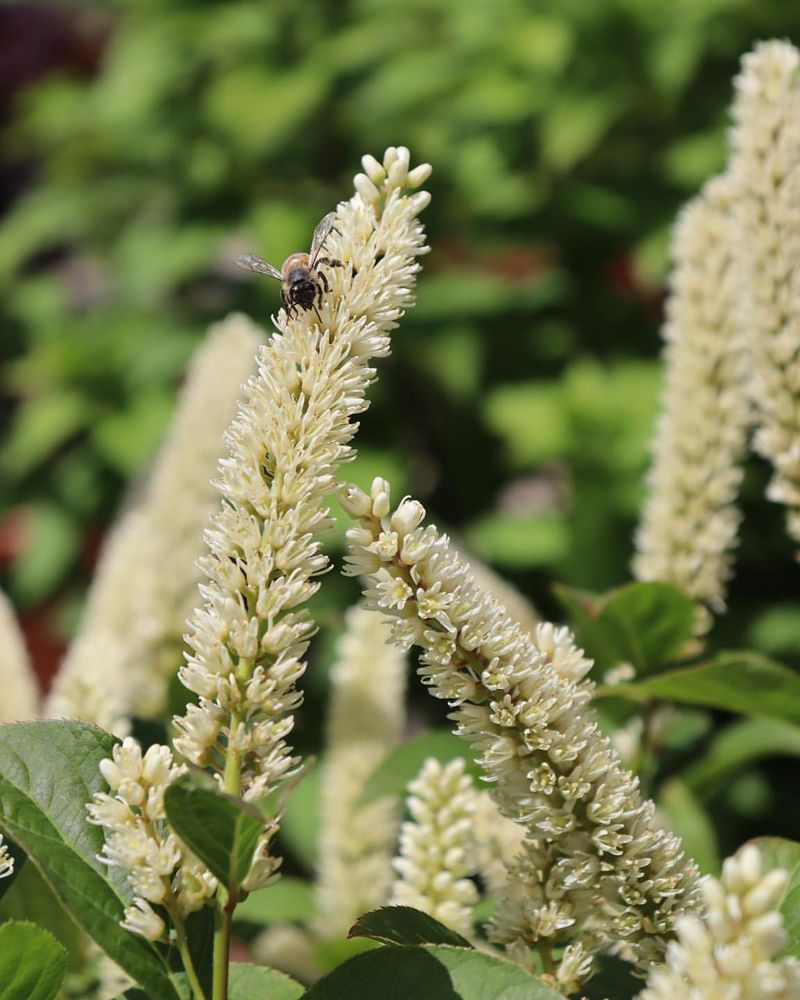
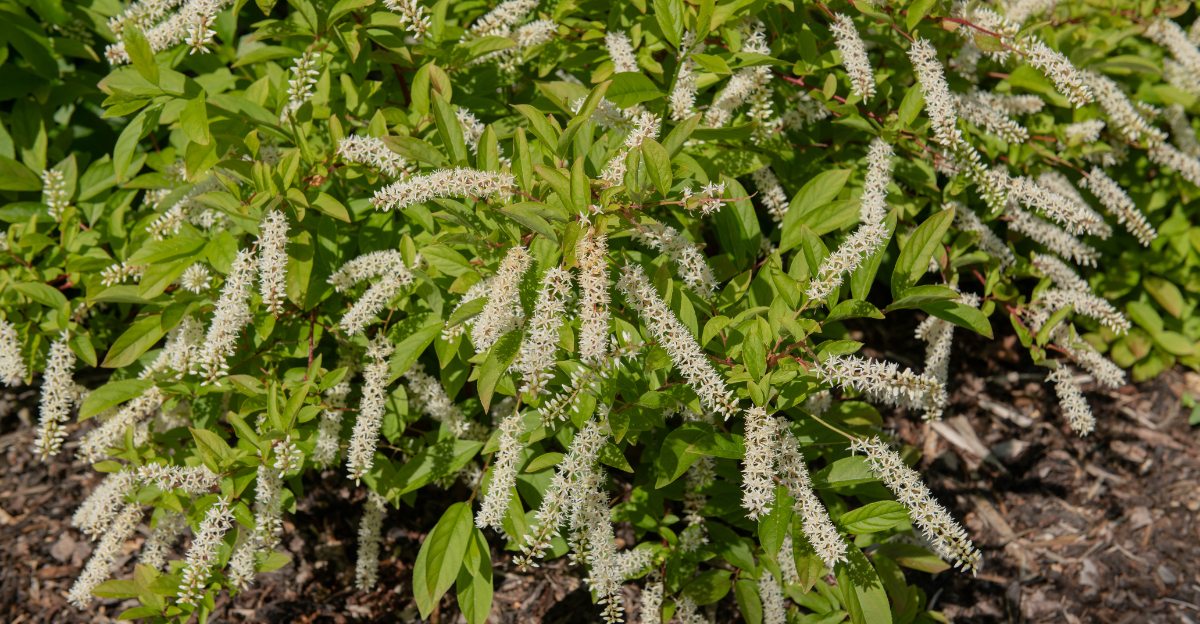
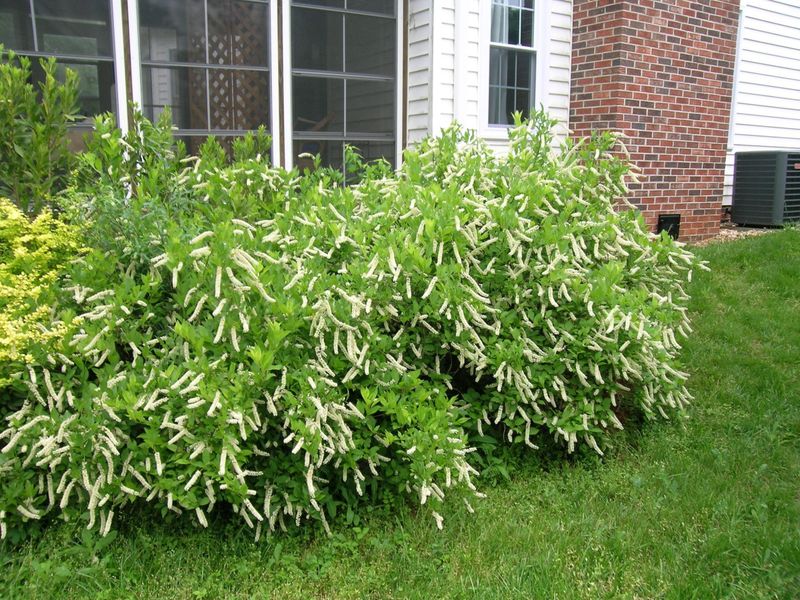
White flower clusters hanging in graceful arching sprays give Virginia sweetspire a look that feels more relaxed than a formal lilac bloom. The flowers appear in late spring to early summer, typically June in most parts of this state.
Each cluster is called a raceme and can reach three to six inches long. The blossoms are small, creamy white, and sweetly fragrant, drawing in bees and butterflies steadily throughout the bloom period.
The scent is real but softer than classic lilac. Lilac fragrance is bold, heady, and unmistakable from several feet away.
Sweetspire’s scent is lighter and more subtle. You notice it most when you are close to the shrub or when a breeze moves through the flowers.
That gentler quality suits a small patio planting or a front walkway bed where a heavy fragrance might feel overwhelming.
Your Ohio Garden Changes Every Week. Your Plan Should Too.
Gardening in Ohio changes quickly throughout the season. Every Friday you’ll receive a simple weekly plan showing exactly what to plant, prune, fertilize, harvest, and protect so you never miss the right timing.
The bloom shape is also different. Lilacs produce large upright panicles in purple, pink, or white.
Sweetspire produces nodding, drooping racemes that sway slightly in the wind. That softer silhouette blends well with ornamental grasses, ferns, and native perennials.
Gardeners who want a more naturalistic look often find sweetspire’s flower form easier to combine with other plants in a mixed border.
3. Plant It Where Moist Soil Gives Shrubs An Edge
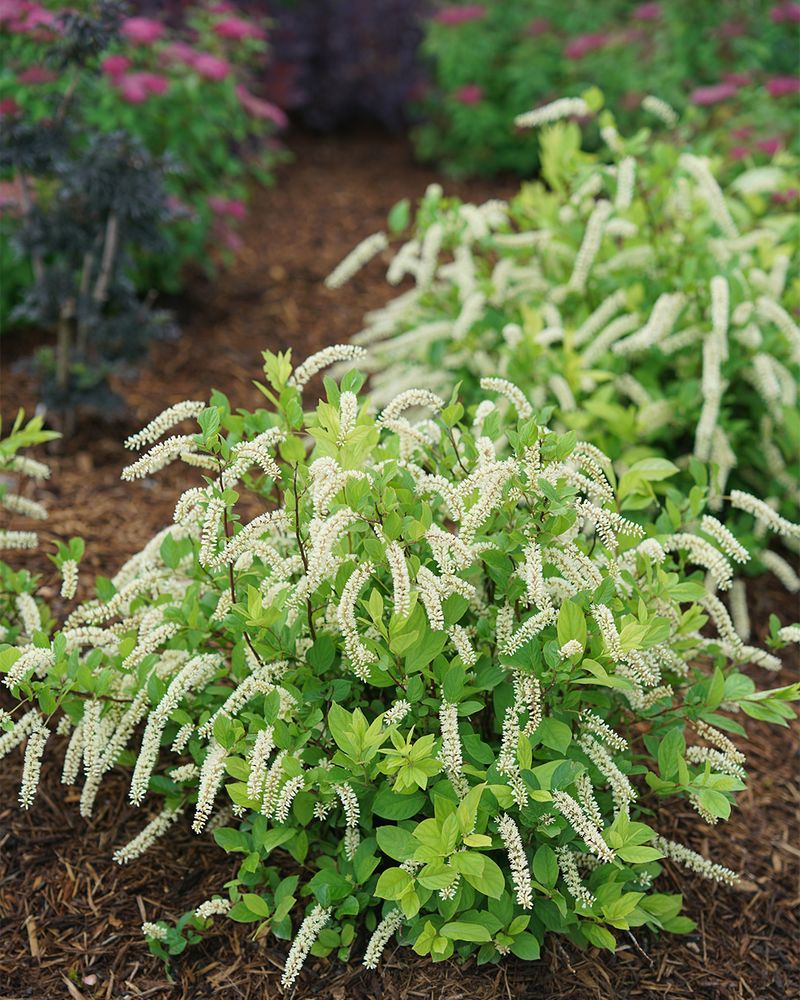
Damp spots in the yard frustrate most Ohio gardeners. Downspout discharge zones, low corners near the foundation, and shaded side yards that never fully drain can make it hard to establish most flowering shrubs.
Virginia sweetspire handles those conditions better than many options, including lilac, which strongly prefers well-drained soil.
Sweetspire is native to streambanks, moist woodlands, and low areas along the eastern United States, including parts of this state. That origin means its roots are adapted to periods of wet soil.
It can tolerate moist to moderately wet conditions when drainage is at least somewhat functional. It is not a true aquatic plant and does not belong in standing water.
But a low bed that stays damp after rain is exactly the kind of site where sweetspire can settle in and perform well.
This tolerance makes it useful in rain gardens, bioswales, and low-lying foundation beds. It also grows well in average garden soil with reasonable moisture.
Avoid planting it in dry, sandy, or heavily compacted soil where it will struggle to establish. Mulching around the base helps retain moisture and keeps the root zone cooler during summer.
Consistent moisture in the first growing season is especially important for getting a new plant off to a strong start.
4. Give It Sun Or Part Shade For Better Blooming
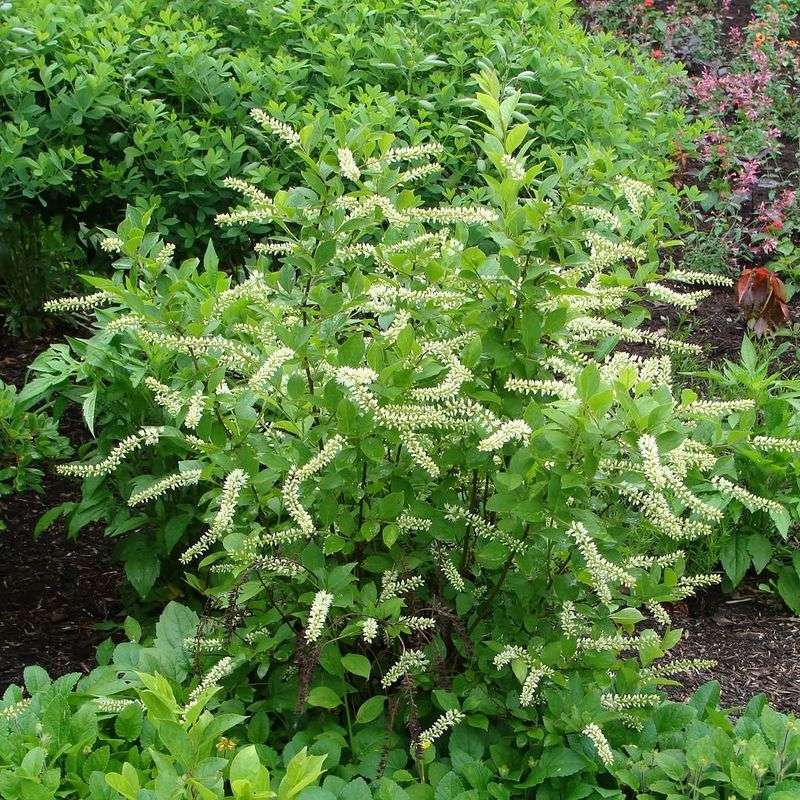
A shaded side yard does not have to mean fewer flowers. Virginia sweetspire blooms in full sun and part shade, which gives it an advantage over lilac in landscapes where mature trees limit direct light.
Lilac typically needs at least six hours of full sun to bloom well. In shadier conditions, lilac often produces fewer flowers and becomes more susceptible to powdery mildew.
Sweetspire is more flexible. It performs well with four to six hours of sunlight.
That makes it practical for beds along a house’s north or east side, under open-branched trees, or in part-shade borders near a fence. In shadier spots, flowering may be slightly reduced, but the plant still leafs out well and holds its shape.
Sun exposure also affects fall color. Sweetspire planted in more sun tends to develop richer red and burgundy tones in autumn.
Plants growing in deeper shade may show softer orange or yellow tones instead. Neither result is a failure.
Both offer seasonal interest that outlasts most other shrubs in the fall garden. If your primary goal is maximum fall color, choose a spot with morning sun and afternoon shade.
That usually gives the best mix of flower production and foliage display in regional growing conditions.
5. Let The Arching Stems Fit Smaller Garden Beds
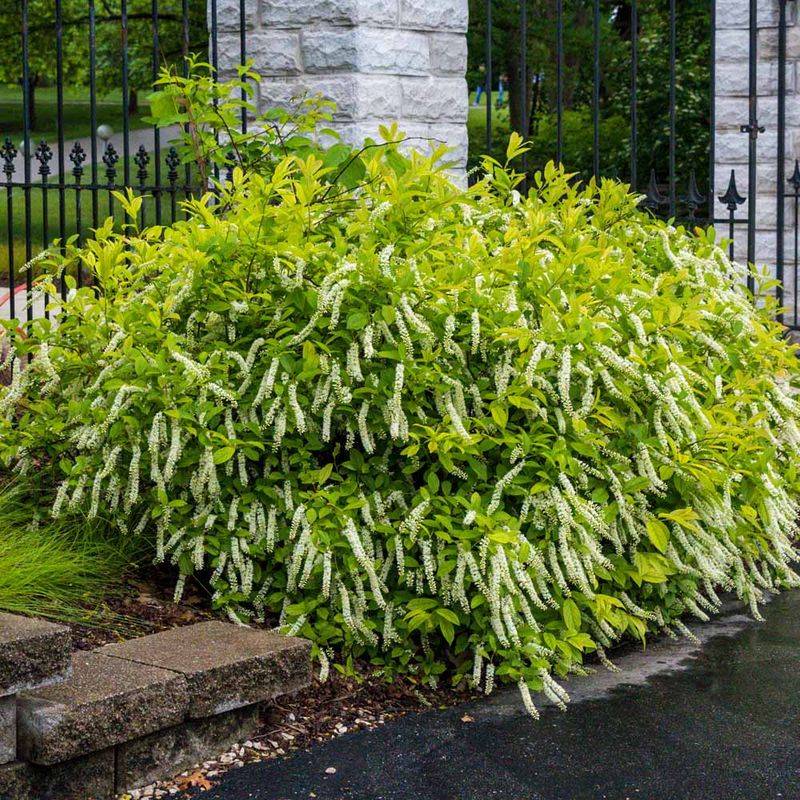
Stiff, upright shrubs can feel blocky in a narrow foundation bed. They often need shearing to stay in bounds, and that shearing removes the natural character that makes a shrub worth growing.
Virginia sweetspire’s arching stems give it a softer, more flowing outline that works well in beds where scale and flexibility matter.
At maturity, the stems arc outward gently rather than shooting straight up. That habit creates a rounded, mounded shape that blends naturally with ornamental grasses, low perennials, and groundcovers.
The shrub does not demand a wide clearance from walls or structures the way a large, stiff-stemmed lilac does. Still, giving it two to three feet of space from a foundation wall allows air to circulate and stems to arch freely without pressing against the structure.
Spacing between plants matters too. For a layered border planting, space sweetspire at least four feet apart to allow each plant room to develop its natural form.
Crowding plants together too tightly can limit airflow and reduce flowering over time. For a naturalistic mass planting in a larger bed, slightly tighter spacing works, especially with compact cultivars.
The arching-stem habit also makes sweetspire practical for softening corners or transitioning between lawn and a fence line. It can also anchor a mixed native shrub planting without dominating the space.
6. Expect Fall Color Lilacs Cannot Match
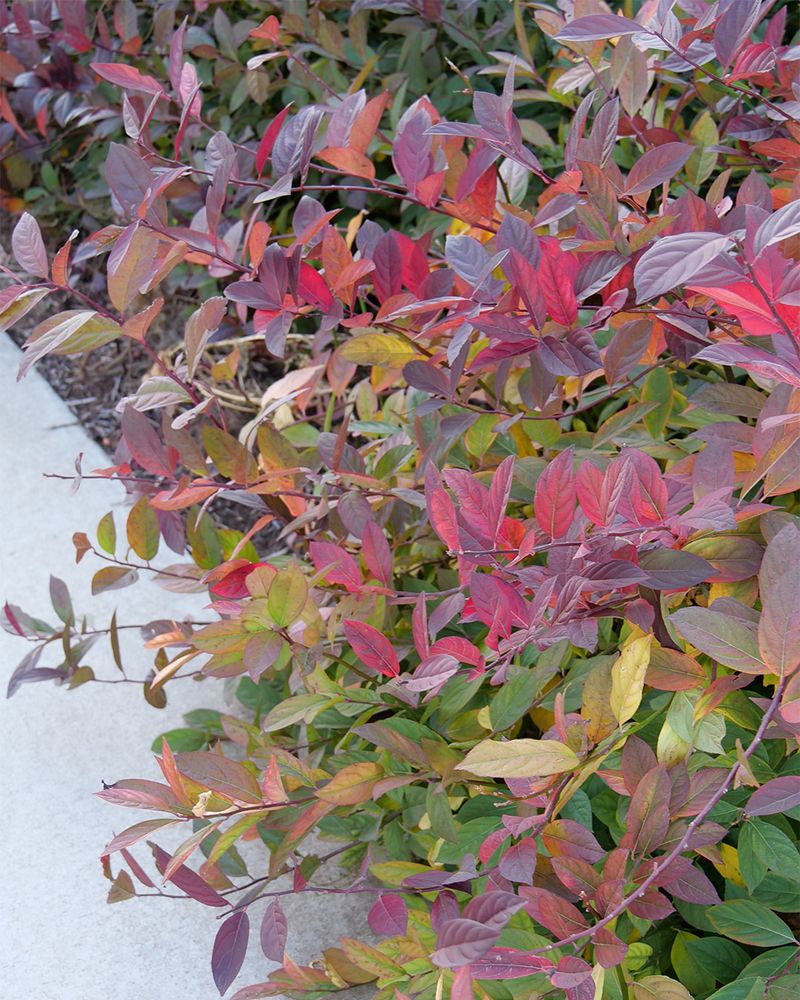
Most flowering shrubs offer one season of interest and then fade into the background. Virginia sweetspire is different.
Once the white flowers finish in early summer, the plant stays green and tidy through the growing season. Then fall arrives and the foliage transforms into one of the more reliable fall-color displays among native shrubs in this region.
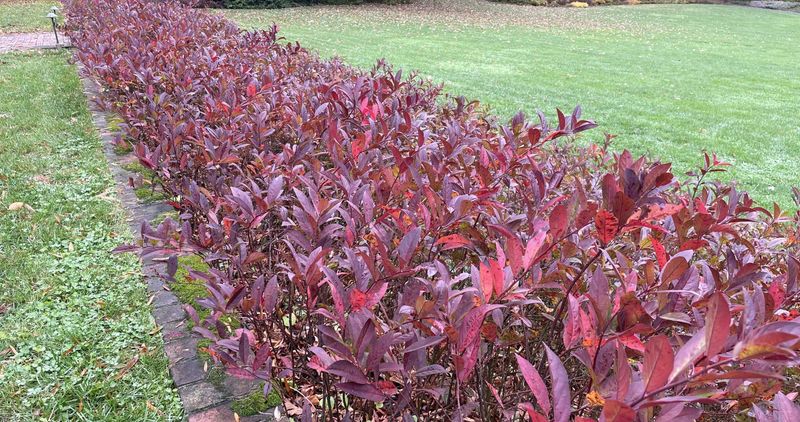
Leaves turn shades of red, orange, burgundy, and sometimes deep purple-red depending on the cultivar, site conditions, and autumn weather. The color often develops gradually and holds for several weeks rather than dropping quickly after the first cold snap.
That extended display is one of sweetspire’s most practical advantages over lilac, which typically offers little to no notable fall color before the leaves drop.
Cultivar selection influences the intensity of fall color. Henry’s Garnet, a widely available selection, is known for especially rich red and garnet tones in autumn.
Little Henry also produces good fall color in a more compact form. Keep in mind that fall color can vary from year to year depending on temperature swings and moisture levels.
A dry summer followed by cool fall nights tends to produce the deepest color. In warmer autumns or sites with heavy shade, colors may be softer.
Either way, the fall display adds seasonal value that most shrubs in a small Ohio yard simply do not deliver.
7. Control Suckers Before The Shrub Spreads Too Far
One trait Virginia sweetspire is honest about is its tendency to spread by suckering. New shoots can emerge from the root zone, gradually expanding the plant’s footprint over time.
In the right conditions, especially in moist, fertile soil, this can happen faster than expected. Understanding this habit upfront helps you decide where the shrub fits and how to manage it.
Suckering is not always a problem. In a naturalistic planting, a rain garden, or a large native bed, the spreading habit fills space efficiently and creates a denser colony that supports more pollinators.
For a tight foundation bed or a small mixed border, though, unchecked spread can crowd neighboring plants. The fix is straightforward.
Check the base of the plant each spring and remove unwanted suckers by cutting them off at or just below the soil line. Doing this early, before the shoots develop into full stems, keeps the job quick and simple.
Compact cultivars like Little Henry tend to sucker less aggressively than the straight species, making them a better fit for confined spaces. Even so, some spread is possible in favorable conditions.
Planting sweetspire in a slightly drier or more average soil site can also slow the suckering rate. Managing spread is a small trade-off for a shrub that delivers fragrance, fall color, and native habitat value across multiple seasons.
8. Pick Native Fragrance Over Another Oversized Shrub
Choosing a shrub for a small yard is really about trade-offs. A lilac gives you bold spring fragrance and iconic purple blooms, but it may outgrow a compact bed in ten years and need significant pruning to stay manageable.
Virginia sweetspire gives you a softer, native fragrance, white flowers, multi-season interest, and a scale that suits tighter spaces more gracefully over the long term.
Beyond the garden, sweetspire supports native bees, butterflies, and other pollinators in ways that a non-native lilac cannot. Native shrubs have co-evolved with local insects and provide food and habitat resources that introduced plants often cannot replicate.
For gardeners who want their yard to do more than look good, that ecological value is a real benefit.
Virginia sweetspire is not a flawless plant. It can sucker.
Its fragrance is subtler than lilac. Its flowers are white, not purple.
But for a small-yard gardener who wants a shrub with fragrance, fall color, moisture tolerance, and native habitat value, it checks more boxes than most alternatives.
Cultivars like Henry’s Garnet and Little Henry are widely available at native plant nurseries and some garden centers across this state.
Starting with one plant in a moist or part-shade spot is a low-risk way to see how well it fits your specific yard and growing conditions.