What Foxes Are Actually Doing In North Carolina Gardens And Why Gardeners Should Pay Attention

Most North Carolina gardeners spot a fox moving through the yard and assume it is either a nuisance or a novelty. The reality is more interesting than either of those reactions suggests.
Foxes follow a very specific agenda when they move through a garden space, and what they are actually targeting reveals something useful about what is happening at ground level in that particular yard. Their presence is not random.
It is a direct response to conditions that most homeowners never connect to fox activity.
Paying attention to where a fox moves, what it investigates, and how often it returns tells an observant gardener more about their pest situation than most conventional monitoring methods ever would.
1. They Are Searching For Easy Food
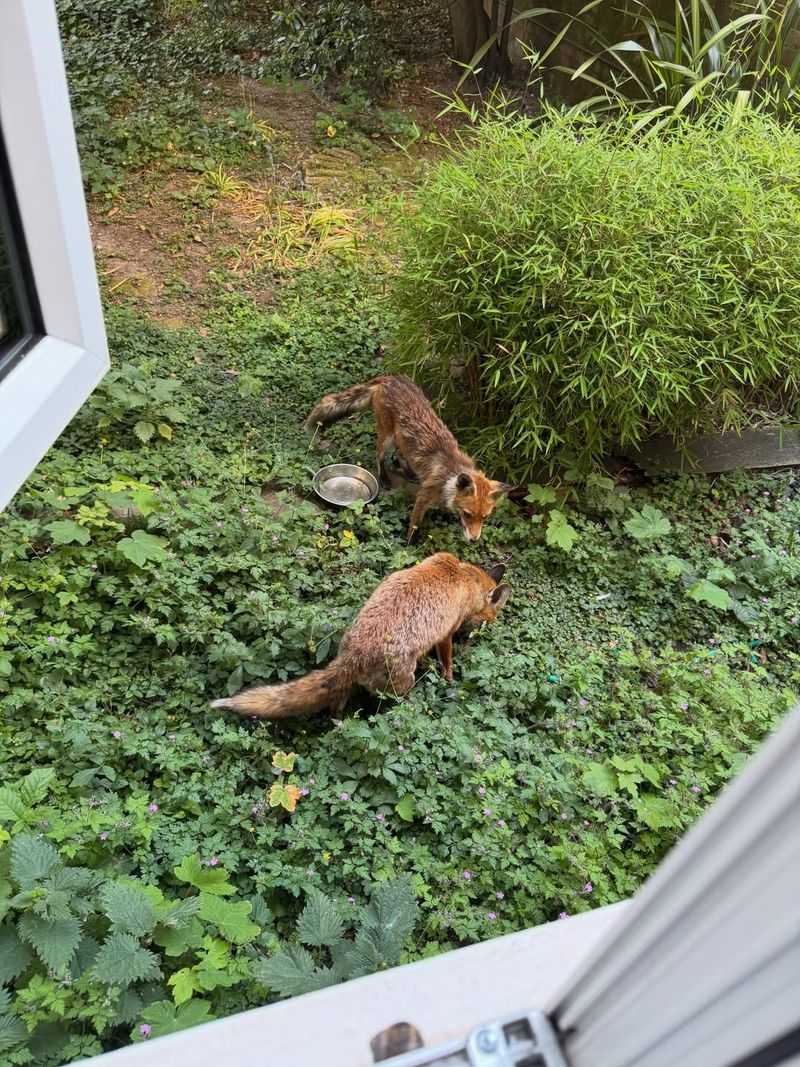
A fox nose is incredibly powerful, and when your yard is full of food smells, word gets around fast in the animal world.
Fallen fruit, spilled bird seed, open compost bins, and outdoor pet food bowls are some of the biggest attractants that bring foxes right to your garden gate.
Even a small pile of kitchen scraps near a compost area can be enough to keep a fox coming back night after night.
Insects hiding under mulch and logs are also fair game for a hungry fox passing through. Small animals like voles, mice, and chipmunks that gather near garden beds create an all-you-can-eat situation that foxes find hard to resist.
Open trash cans add even more temptation to an already appealing yard.
The good news is that gardeners have a lot of control here. Picking up fallen fruit regularly, storing bird seed in sealed containers, and using a covered compost bin can make a real difference.
Bringing pet food bowls inside at night is one of the simplest steps you can take. Securing trash lids tightly removes one more reason for a fox to stop by.
Foxes are smart animals that remember good food spots and return to them often. Once the easy food disappears, most foxes will naturally shift their focus somewhere else.
Making your yard less food-friendly is not about being unwelcoming to wildlife, it is just about setting smart boundaries that work for everyone involved.
2. They Are Following Rodent Activity Around Beds And Sheds

Foxes are some of nature’s most efficient rodent hunters, and if your garden has a mouse or vole problem, there is a good chance a fox has already noticed.
Sheds, wood piles, compost areas, and overgrown vegetable beds are prime real estate for small rodents, and foxes know exactly where to look.
A fox poking around your shed is almost certainly following a scent trail left by the mice living underneath it.
Tall grass near garden borders creates perfect runways for voles and mice moving between food sources. Foxes pick up on this activity quickly and will patrol these areas with impressive patience and focus.
In many ways, having a fox pass through is a sign that your yard has a thriving small-animal population that may need some attention.
Your North Carolina Garden Changes Every Week. Your Plan Should Too.
Gardening in North Carolina changes quickly throughout the season. Every Friday you’ll receive a simple weekly plan showing exactly what to plant, prune, fertilize, harvest, and protect so you never miss the right timing.
Foxes actually play a helpful role in keeping rodent numbers balanced, which is why many wildlife experts consider them a natural part of a healthy garden ecosystem.
That said, too much clutter and debris around sheds and compost areas can shelter more rodents than any fox can manage on its own.
Cleaning up brush piles, stacking wood neatly off the ground, and mowing tall grass regularly all help reduce the conditions that attract both rodents and the foxes that follow them.
Gardeners who manage clutter well tend to see fewer rodent problems overall. Fewer rodents means fewer fox visits, which keeps the whole yard calmer and easier to manage through every season.
3. They Are Using Dense Edges For Cover
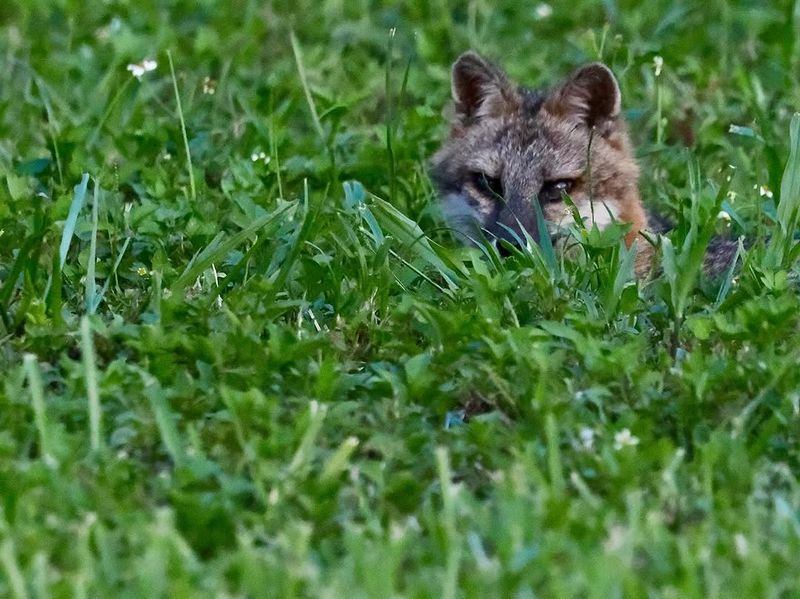
Foxes are naturally cautious animals that prefer to move through a landscape without being spotted. Dense hedgerows, brushy corners, overgrown fence lines, and wooded garden edges give them exactly the kind of cover they need to travel safely.
If your garden backs up to a wooded area or has thick shrubby borders, you are essentially offering a fox highway right through your property.
North Carolina gardens often have naturalistic edges that blend into surrounding woods or neighboring yards, making them especially easy for foxes to navigate.
A fox moving along your fence line is usually just passing through on its regular patrol route rather than targeting anything specific inside your garden.
They tend to stick to edges rather than crossing wide open spaces whenever possible.
The areas that need the most attention are those near chicken coops, sheds, compost piles, and outdoor pet spaces. A fox that finds dense cover right next to one of these spots has the perfect setup for a quick and hidden approach.
Trimming back overgrown borders near these areas removes the cover advantage and makes your yard feel less appealing as a travel route.
You do not need to clear every shrub or natural edge to discourage fox activity. Simply creating a buffer of open, well-maintained space around your most vulnerable areas is often enough.
A few strategic changes to your garden edges can go a long way toward keeping your chickens, pets, and compost safer without turning your yard into a barren space.
4. They May Be Raising Kits Nearby

Spring and early summer bring one of the most fascinating chapters in a fox’s life, and your garden might be closer to the action than you think.
Female foxes, called vixens, look for quiet, sheltered spots to raise their young, and suburban yards often check every box on their list.
Crawl spaces under porches, the gap beneath a garden shed, dense brush piles, earthen banks, and quiet yard corners are all places where a fox family might set up home.
Fox kits are born in late winter to early spring and spend several weeks in or near the den before they start venturing out.
During this time, the mother fox will be especially active and may appear more frequently in your yard as she hunts to feed her growing family.
Seeing a fox during daylight hours in spring is often connected to this nesting and feeding behavior.
If you find a den on your property, the most important thing to do is leave it alone. Disturbing an active den can cause the mother to move her young to a less safe location and creates unnecessary stress for the animals.
Most fox families will move on naturally once the kits are old enough to travel, usually by midsummer.
If you are unsure whether a den is active or feel concerned about the location, North Carolina Wildlife Resources Commission experts are a great resource.
They can offer guidance specific to your situation without any need to react with urgency or alarm.
5. They Are Not Always A Sign Something Is Wrong

Seeing a fox in your yard in the middle of the afternoon does not automatically mean something is wrong. Many people assume that a fox out during daylight must be sick or behaving strangely, but that is not usually the case.
Foxes are naturally flexible in their activity patterns, and they often shift to daytime movement when they are feeding young or when nighttime competition for food is too high.
North Carolina foxes are well adapted to life near humans and often move through neighborhoods, parks, and gardens without any problem at all.
A fox trotting calmly through your yard, sniffing around the edges, and moving on is simply doing what foxes do.
There is no reason to panic or call animal control unless the animal appears disoriented, is moving in circles, or is approaching people without hesitation.
Observing from a distance is always the best first response. Watching quietly gives you the chance to understand what the fox is actually doing and whether its behavior seems normal.
Most of the time, a calm and alert fox moving purposefully through a yard is a healthy animal just passing through its home range.
Reacting too quickly by chasing, shouting, or attempting to trap a fox that poses no real threat can create more stress for the animal and for your household than simply watching and waiting.
Patience and a little knowledge go a long way when it comes to sharing space with North Carolina wildlife in a way that feels comfortable for everyone.
6. They Are Checking Gardens For Insects And Fruit

Foxes are true opportunists when it comes to food, and a well-planted North Carolina garden can look like a buffet to an animal with a sharp nose.
Ripe berries, fallen apples and pears, figs on the ground, and seasonal insects hiding in the soil are all things a fox will happily investigate.
If you grow blueberries, blackberries, or strawberries, do not be surprised to find fox tracks nearby during harvest season.
Insects are actually a significant part of a fox’s diet, especially in summer. A fox digging lightly near a garden bed or rooting around in the mulch is often after beetles, grubs, or earthworms rather than your vegetables.
This kind of foraging behavior looks alarming at first glance but is usually pretty harmless to the garden itself.
Open compost piles are one of the biggest draws for fruit-focused fox visits. Kitchen scraps that include fruit peels, cores, and overripe produce send out a strong scent signal that foxes pick up from a surprising distance.
Switching to a closed compost bin with a secure lid is one of the most effective changes a gardener can make to reduce these visits.
Picking ripe produce promptly and collecting fallen fruit every day or two removes the food reward that keeps foxes coming back. A garden that offers nothing easy to eat is a garden that foxes pass through rather than stop at.
Small habits like these add up quickly and make a noticeable difference in how often foxes visit your space.
7. They Are Teaching Gardeners Where The Yard Needs Boundaries
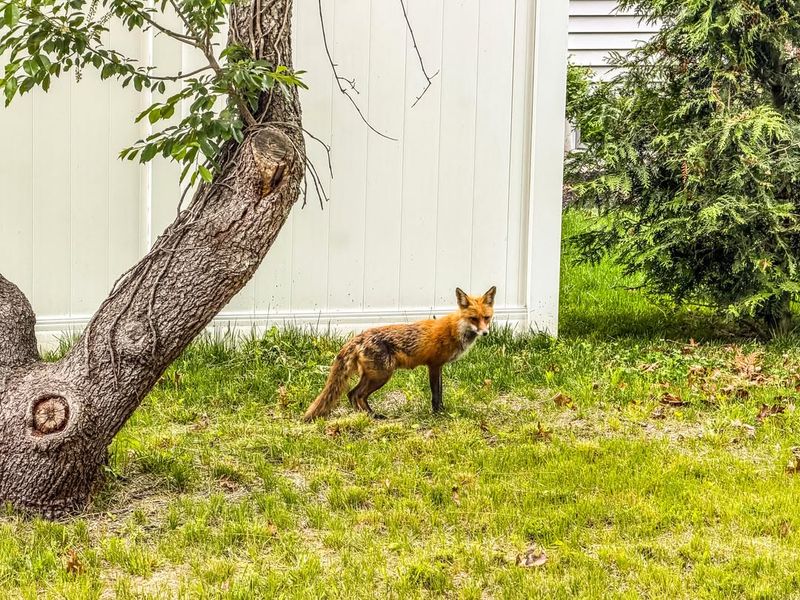
Fox activity in your yard is almost like a free inspection of every weak spot you did not know you had. Wherever a fox keeps showing up, there is usually a reason, and that reason often points to something a gardener can easily fix.
Open crawl spaces under porches and sheds, loose boards in fencing, and unsecured trash cans are some of the most common entry points that fox behavior reveals.
Compost bins without lids, pet food left outside overnight, and brush piles stacked close to the house all send out an open invitation.
A fox returning to the same corner of your yard again and again is essentially showing you exactly where your setup needs some attention.
Most of these issues are straightforward to address with basic hardware, a little time, and some simple changes to daily habits.
Loose poultry areas deserve special mention because they represent both a vulnerability for your animals and a strong attractant for foxes. Even a small gap in a chicken run or an unsecured latch can be enough for a determined fox to exploit.
Checking your poultry enclosures regularly for weak points is a smart habit that pays off in peace of mind.
The beauty of thinking about fox behavior this way is that every fix you make improves your yard overall, not just for fox management.
A tighter, cleaner, better-organized outdoor space is better for your garden, your pets, your composting routine, and the overall health of your property.
Fox visits, in this sense, are one of the more useful wake-up calls a gardener can get.
8. They Remind Gardeners To Protect Pets And Poultry
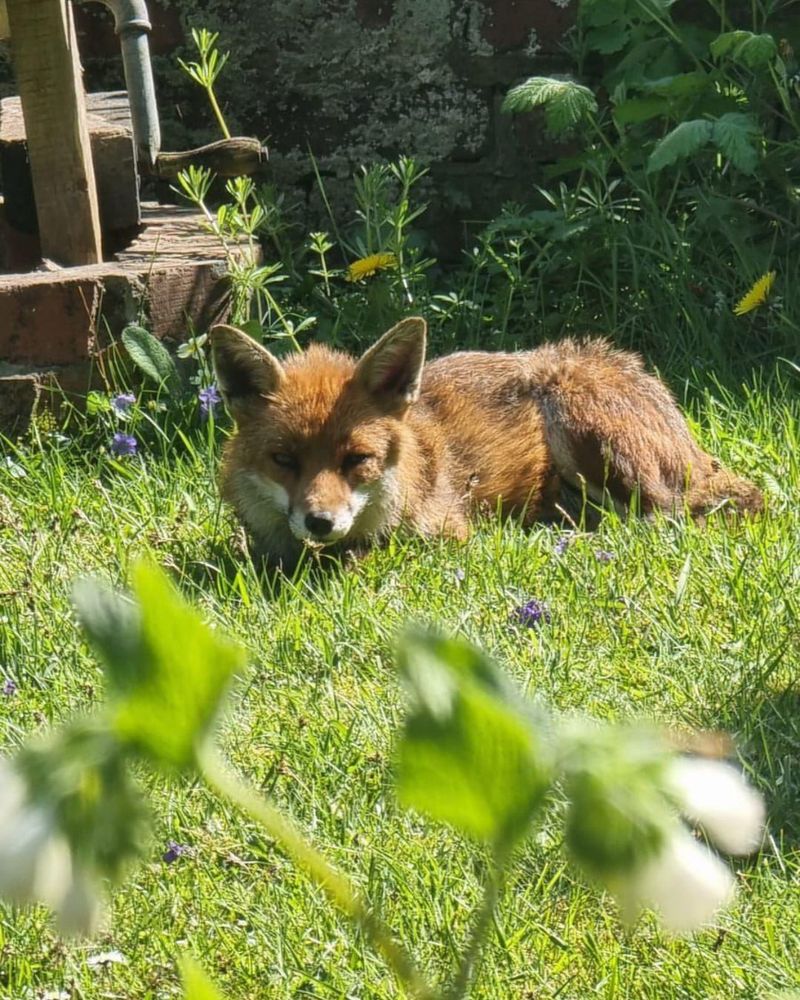
Foxes are a natural part of North Carolina’s wildlife landscape, and most of the time they pass through yards without causing any real trouble.
But if you keep small pets, chickens, ducks, or rabbits outdoors, taking fox activity seriously is simply responsible ownership.
A fox that finds an easy opportunity near your animals will take it, and prevention is always easier than dealing with the aftermath.
Covered runs for chickens and ducks are one of the most effective protections available. Hardware cloth with small openings is far more secure than standard chicken wire, which foxes can push through or chew over time.
Solid latches, not just simple hook clasps, on coop doors make a significant difference because foxes are surprisingly good at working open simple closures with their paws.
Small pets like rabbits and guinea pigs should never be left in outdoor enclosures overnight without a fully secured, covered structure.
Even during the day, supervised outdoor time is the safest approach when fox activity has been spotted nearby.
Bringing pet food bowls inside before dusk removes one more reason for a fox to linger close to the house.
Closed trash lids, clean yard edges, and no food scraps left outdoors round out a solid, practical approach to calm coexistence.
If a fox’s behavior ever seems unusual, such as stumbling, acting aggressively without provocation, or approaching people directly, the right call is to contact the North Carolina Wildlife Resources Commission or your local animal control right away.
Smart habits and a calm response make living alongside these animals genuinely manageable.