The Best Time To Fertilize Lavender In Ohio For Healthier Growth
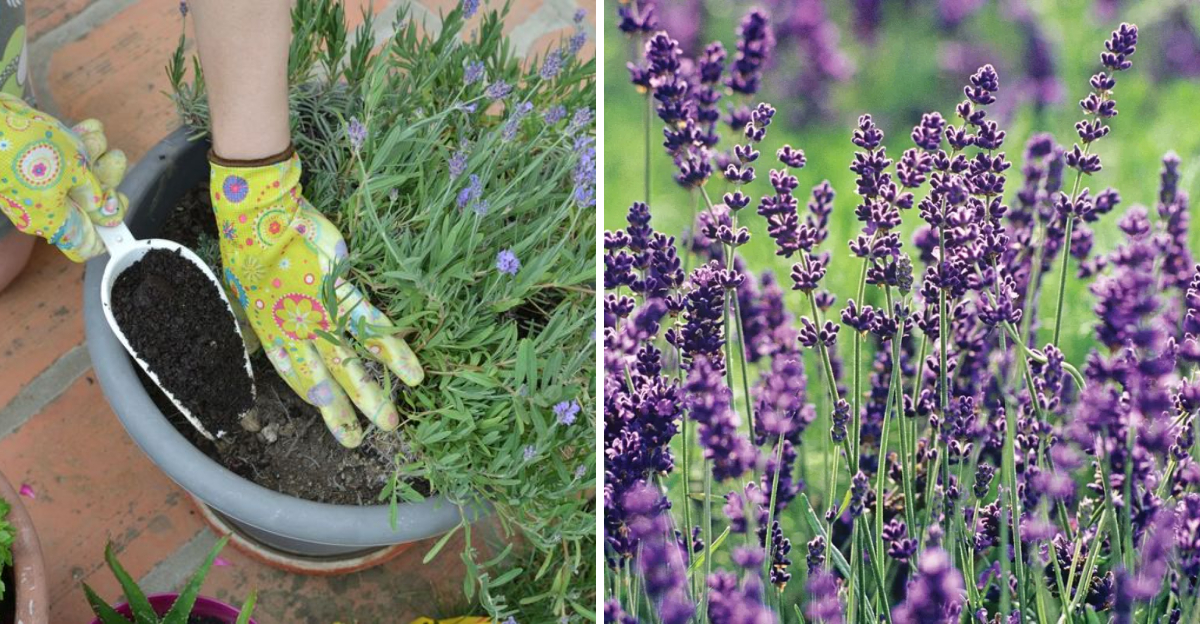
Lavender has a reputation for being easy, but in Ohio, that confidence can backfire fast. One wrong move with fertilizer and a plant that should stay compact, fragrant, and beautiful can start looking floppy, weak, or just plain off.
That is the twist a lot of gardeners do not see coming.
The biggest mistake is not always the product. It is the timing.
Feed lavender too early, too late, or too heavily, and you can throw the whole plant out of rhythm. Instead of stronger growth, you get the kind of soft, unhappy top growth that struggles to hold up when Ohio weather starts doing what Ohio weather does best.
That is why timing matters so much with lavender. This is not a plant that wants fuss for the sake of fuss.
It wants a measured touch at the right moment. Get that part right, and the payoff can be huge, with healthier growth, better form, and a plant that looks far more at home in the garden.
1. Early Spring Is Usually The Best Window To Feed Lavender
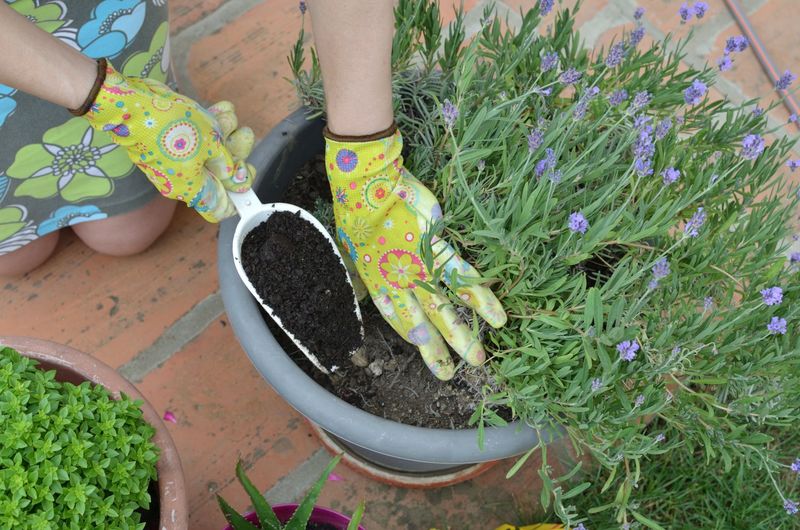
Somewhere between the last hard frost and the moment Ohio fully commits to spring, lavender starts waking up. That narrow window, usually late March through mid-April depending on your part of the state, is generally the most practical time to offer a light, careful feeding.
The plant is beginning to draw energy upward, roots are becoming active again, and a small nutrient boost can support that process without pushing the plant too hard.
The key word here is light. Lavender naturally grows in the thin, rocky soils of the Mediterranean, so it is not built to process heavy doses of fertilizer.
A low-nitrogen formula applied once in early spring is typically all the plant needs for the entire growing season. Reaching for a balanced or high-nitrogen product is where many Ohio gardeners unknowingly make their first mistake.
Timing also matters because lavender does not respond well to fertilizer applied too early when the ground is still cold and saturated from snowmelt.
Nutrients applied to cold, wet soil often do not reach the roots effectively anyway, and the extra moisture can cause more harm than good in clay-heavy Ohio ground.
Waiting until the soil has begun to warm and drain, and until you can see signs of fresh growth starting, gives the fertilizer a much better chance of doing something useful.
Feeding too early wastes product and stresses a plant that is still recovering from winter dormancy.
2. New Growth Gives The Clearest Signal That Timing Is Right
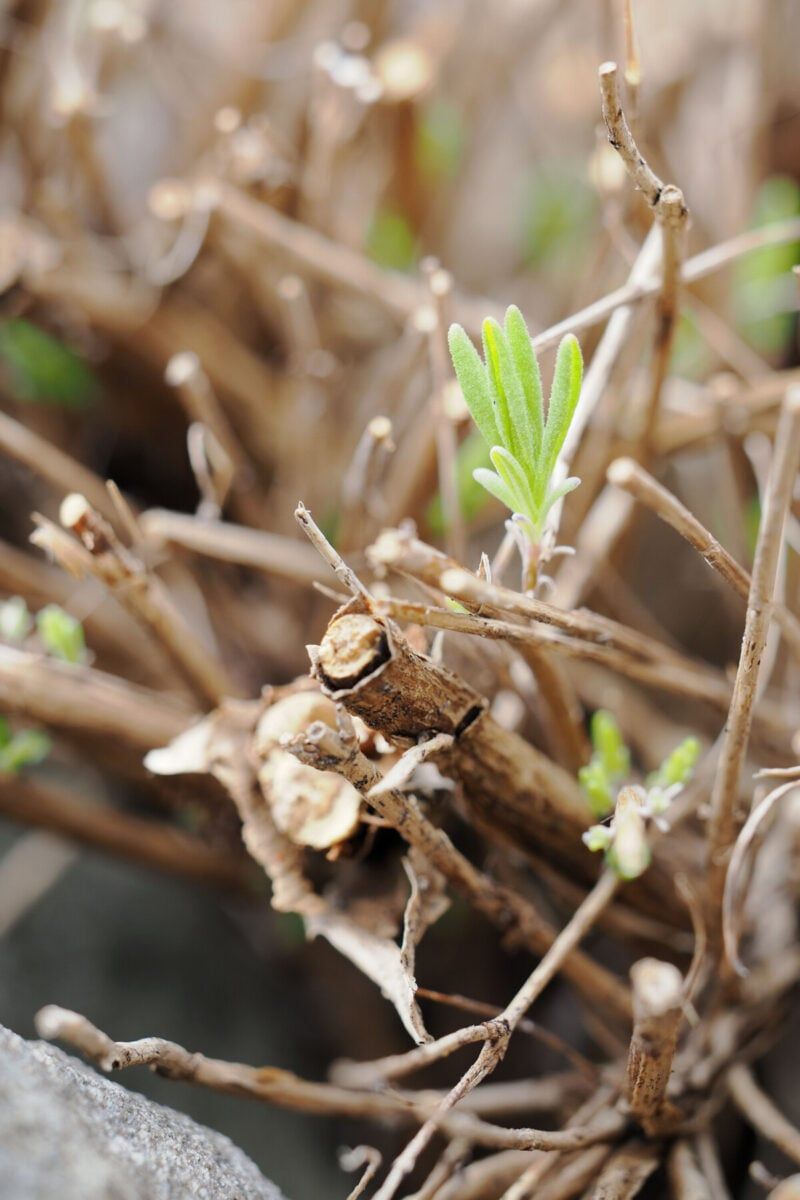
Forget the calendar for a moment. The most reliable fertilizing guide you have is not a date in March or a reminder on your phone.
It is the plant itself. When lavender begins pushing out fresh, bright green growth along its woody stems, that is the signal that the root system is active and the plant is ready to use what you give it.
Feeding before that moment often means the nutrients sit unused in the soil, or worse, they wash away before the roots can absorb anything.
Your Ohio Garden Changes Every Week. Your Plan Should Too.
Gardening in Ohio changes quickly throughout the season. Every Friday you’ll receive a simple weekly plan showing exactly what to plant, prune, fertilize, harvest, and protect so you never miss the right timing.
Ohio springs can be tricky because warm days can arrive weeks earlier than a true, sustained warming trend. A stretch of 60-degree days in February might tempt you to get outside and start your garden tasks, but lavender is not fooled that easily.
Wait until you see consistent new growth emerging, not just a single warm spell, before you consider any feeding at all.
Watching for plant cues also helps you avoid the mistake of fertilizing a plant that is already stressed from winter damage, poor drainage, or disease. A plant that is struggling will not benefit from added nutrients.
In fact, fertilizer applied to a weakened lavender can make things worse by encouraging soft, vulnerable growth at exactly the wrong time.
Healthy new growth, firm and green at the base of the stems, tells you the plant has made it through winter and is genuinely ready to grow.
That visual check is worth more than any fixed date on a planting calendar.
3. Too Much Fertilizer Can Backfire Fast On Lavender
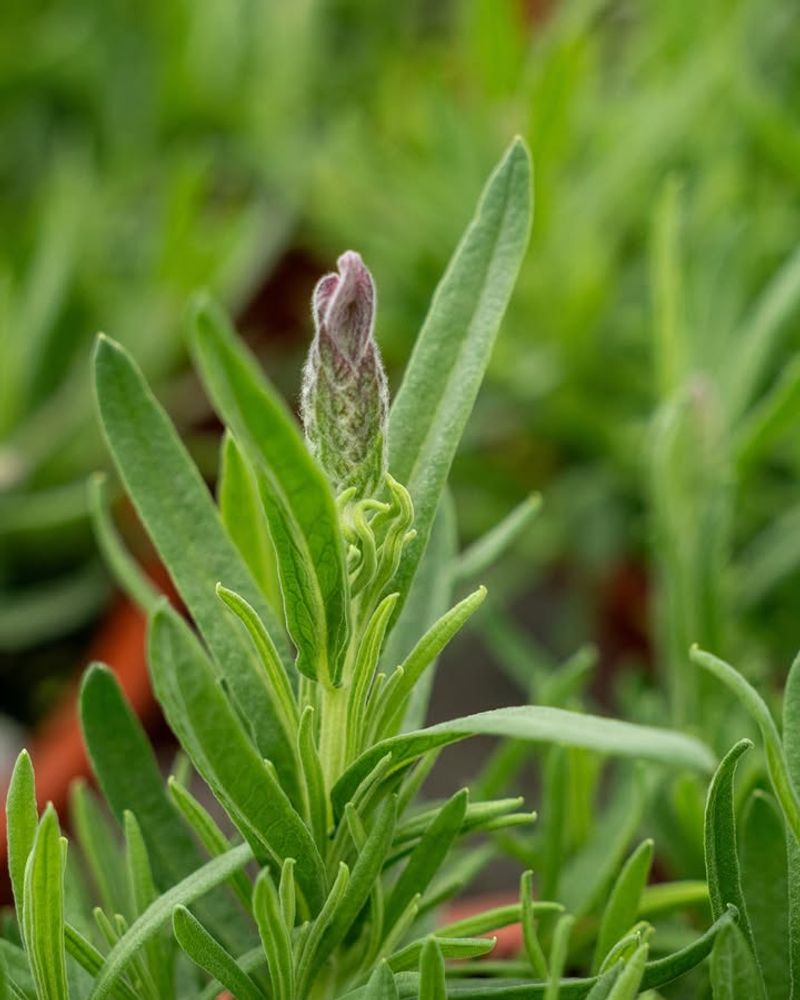
Walk through any Ohio garden center in spring and you will see fertilizers marketed with impressive numbers and bold promises. For most plants, a nutrient-rich boost sounds like a great idea.
For lavender, it can be the fastest way to ruin a plant that was doing just fine on its own. Too much fertilizer, especially anything high in nitrogen, pushes lavender into producing soft, leafy growth that the plant simply cannot sustain.
That floppy, overly green growth might look healthy at first glance, but it creates real problems. Soft stems are far more vulnerable to fungal disease, especially in Ohio’s humid summers.
Overly lush plants also tend to lose their natural compact shape, sprawling open in the center and becoming harder to prune back into good form. Worst of all, heavy feeding often comes at the expense of flowers.
Lavender that is busy producing leaves has less energy to put into the fragrant blooms most gardeners are actually hoping for.
Research-backed guidance from extension horticulturists consistently points out that lavender is a low-fertility plant by nature.
It evolved to thrive where nutrients are scarce, which means it does not have the internal mechanisms to handle a rich feeding schedule the way a vegetable crop would.
Applying more fertilizer than the plant can use does not result in a bigger, better lavender. It results in a weaker one.
Keeping the feeding minimal and infrequent is not being neglectful. It is actually one of the smartest things an Ohio gardener can do for this plant.
4. Lean Soil Matters More Than Heavy Feeding
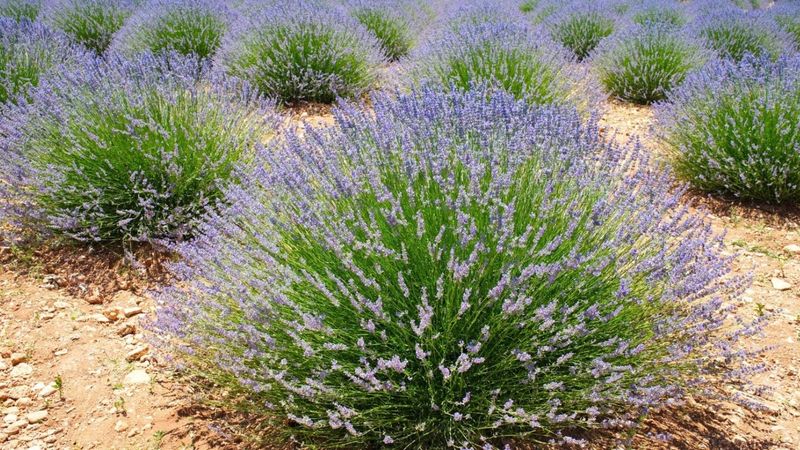
Before you ever open a bag of fertilizer, take a good look at the ground your lavender is growing in. Soil quality and drainage are far more important to this plant’s long-term health than any feeding schedule you could follow.
Lavender roots need to breathe. They need soil that drains quickly after rain and does not hold moisture against the crown of the plant for extended periods.
In Ohio, where heavy clay soils are common in many regions, getting the drainage right is often the single biggest factor in whether lavender survives and thrives.
Lavender actually performs better in lean, slightly poor soil than in rich, heavily amended garden beds.
Adding a lot of compost or organic matter to a lavender planting site can backfire by retaining too much moisture and encouraging the kind of soft, weak growth that makes the plant disease-prone.
A mix of native soil with added coarse sand, fine gravel, or pea gravel worked into the top several inches of the bed often does more good than any fertilizer application ever could.
Slightly alkaline soil pH, somewhere in the range of 6.5 to 7.5, also suits lavender well. Ohio soils tend to vary quite a bit by region, so testing your soil before planting or amending gives you a clearer picture of what you are actually working with.
Adjusting pH and drainage before planting sets the foundation that lavender needs to grow well for years, and it reduces how much you ever need to fertilize at all.
5. Young Plants Need A Different Approach Than Established Clumps
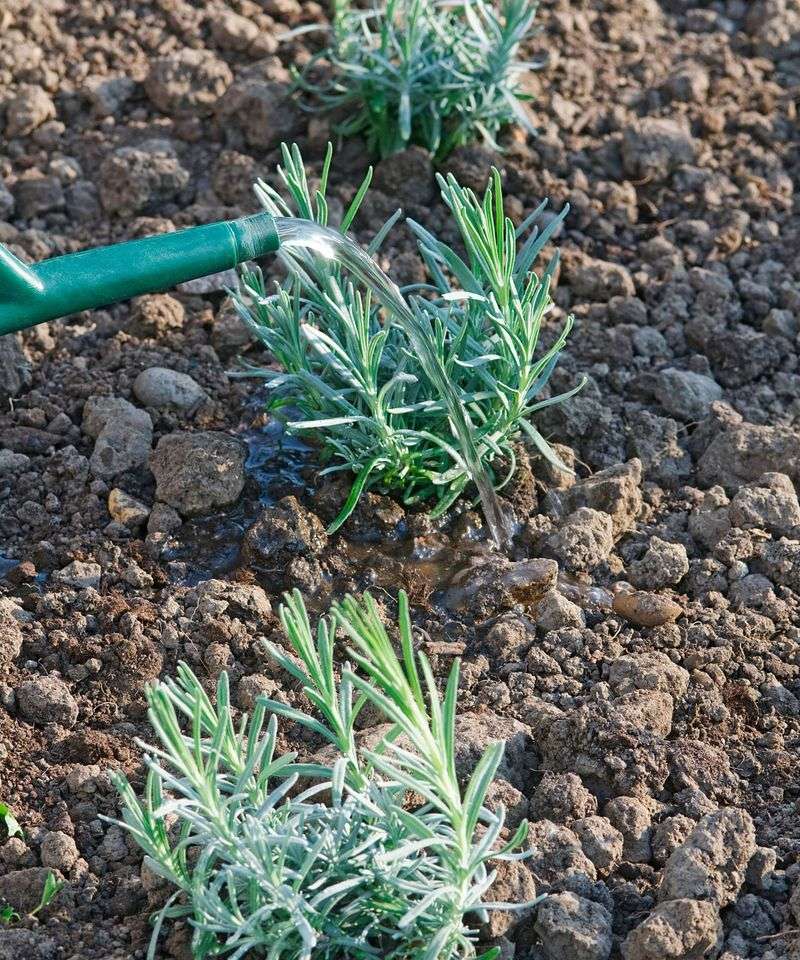
A lavender plant you put in the ground last fall or earlier this spring is not in the same situation as a mature clump that has been growing in your yard for three or four years.
Young transplants are still working to establish their root systems, and that process takes priority over top growth.
Giving a newly planted lavender a heavy feeding right away can actually interfere with root development by pushing the plant to grow leaves and stems before its roots are ready to support that growth.
For young lavender in its first season, the gentlest approach is usually the best one. Many experienced gardeners skip fertilizing entirely during the establishment year and simply focus on drainage, sun exposure, and appropriate watering.
If any feeding is offered at all, it should be extremely light and applied only after the plant has shown clear signs of settling in and producing new growth on its own.
Established lavender plants, on the other hand, have deep, well-spread root systems and a built-up tolerance for the lean conditions they prefer. Mature clumps often do not need fertilizer at all if they are planted in appropriate soil and getting full sun.
When older plants do receive a light feeding in early spring, they tend to respond well as long as the amount is kept modest.
The practical takeaway for Ohio gardeners is to treat plant age as part of the fertilizing equation, not just the season or the product label instructions.
Younger plants need patience more than they need nutrients.
6. Slow Release Feeding Works Better Than Pushing Fast Growth
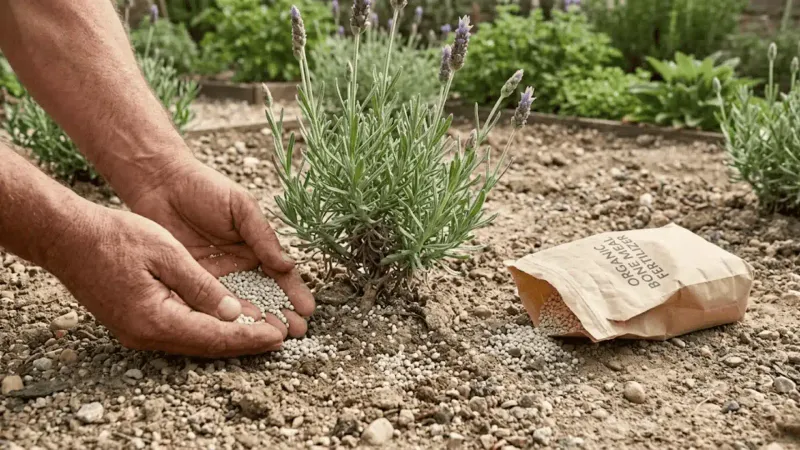
Not all fertilizers work the same way, and for lavender, that distinction matters a lot. Fast-release, water-soluble fertilizers deliver nutrients quickly and all at once, which can overwhelm a plant that prefers steady, minimal nutrition.
A sudden flush of available nitrogen is exactly the kind of thing that pushes lavender into producing floppy, weak growth instead of the sturdy, aromatic stems and flowers it is known for.
Slow-release granular fertilizers or gentle organic options like bone meal or a light topdressing of well-aged compost tend to suit lavender much better.
They break down gradually over weeks or months, feeding the plant at a pace it can actually use without triggering the kind of excessive growth response that fast-release products can cause.
A low-nitrogen formula, something like a 5-10-10 ratio, is frequently mentioned by horticultural sources as a reasonable starting point for lavender that genuinely needs a feeding.
Applying a slow-release product once in early spring and then leaving the plant alone for the rest of the season is a much more lavender-friendly approach than repeated monthly applications.
Lavender does not need or want to be fertilized on the same schedule as your annuals or container plants.
Keeping the feeding to one light, well-timed application per year, and choosing a product that releases nutrients slowly, respects what this plant actually is: a tough, drought-tolerant perennial that performs best when you work with its natural preferences rather than against them.
7. Ohio Gardeners Get Better Results When They Keep It Light
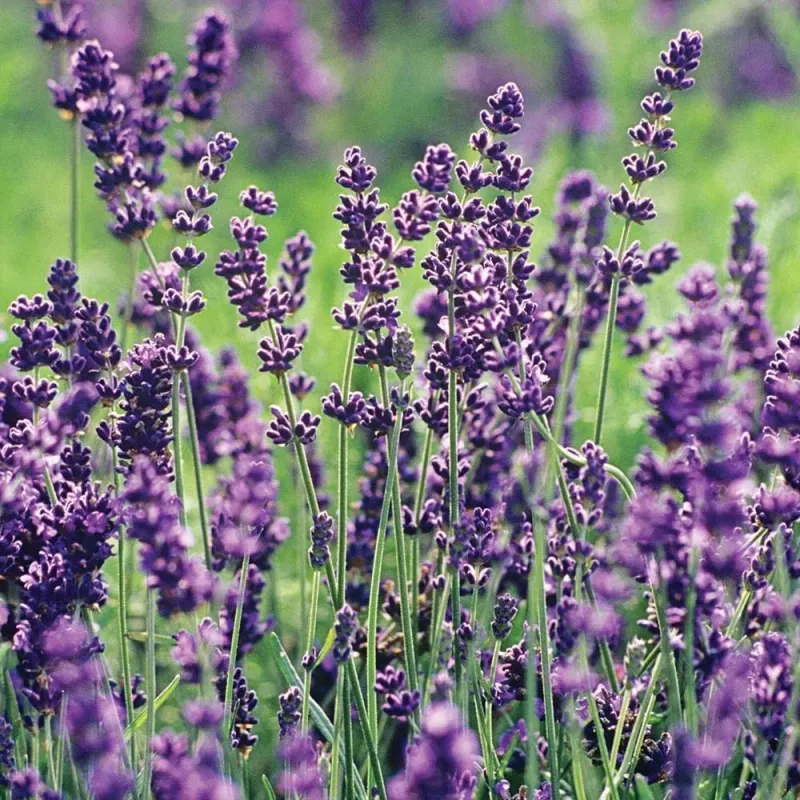
Across Ohio, gardeners who grow lavender successfully tend to share one habit: restraint. They do not over-water.
They do not over-prune at the wrong time. And they definitely do not over-fertilize.
The plants that do best in Ohio conditions are usually the ones that were given good drainage, a sunny spot, and a hands-off approach to feeding.
That pattern holds up whether you are growing lavender in Columbus, Cleveland, or a small rural plot in the southern part of the state.
Ohio’s climate adds a few specific reasons to keep fertilizing light. Winters here can be wet, and lavender that has been pushed into lush growth by heavy feeding is less cold-hardy going into those wet, freezing months.
Plants that stay compact and a little lean through the growing season tend to harden off more effectively and come back stronger in spring.
Heavy fertilizing in late summer or fall is especially risky because it encourages tender new growth at exactly the time when the plant should be slowing down and preparing for dormancy.
The big-picture lesson is that lavender is not a plant that rewards extra effort in the feeding department.
Getting the basics right, full sun, sharp drainage, appropriate soil pH, and a single light feeding in early spring when growth is actively starting, gives Ohio gardeners the best shot at healthy, fragrant plants that return year after year.
Less really is more with lavender, and the gardeners who embrace that idea tend to be the ones with the most beautiful plants come summer.