What Georgia Gardeners Can Do Right Now To Keep Hummingbirds Around All Summer
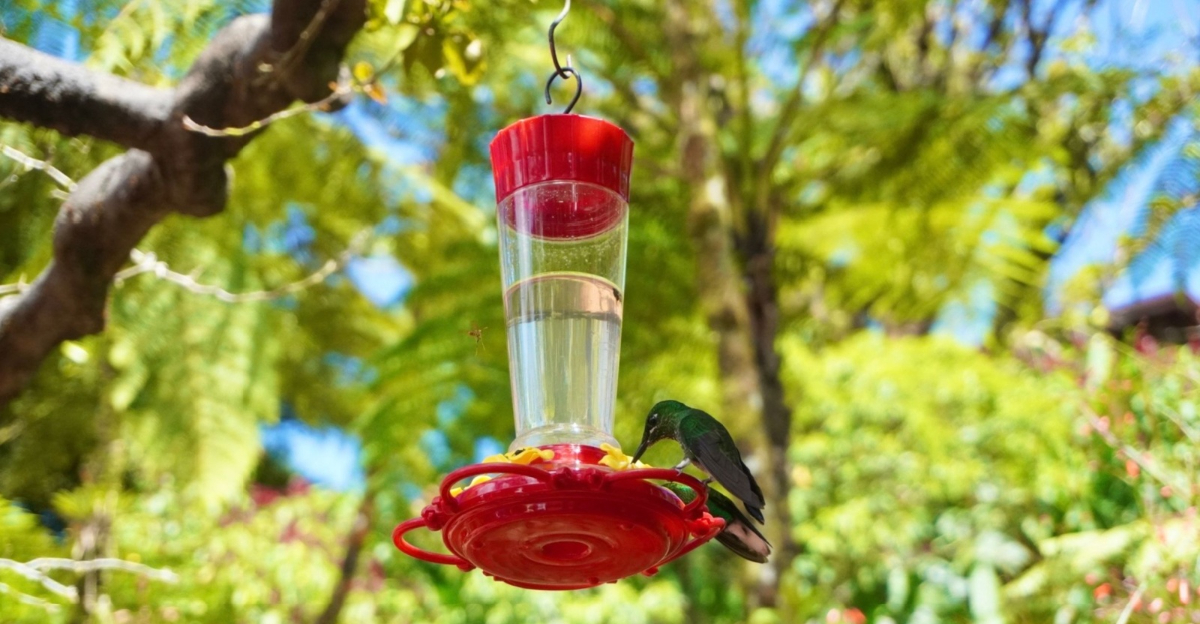
There are few things more exciting in a Georgia summer garden than catching a flash of iridescent green and that unmistakable wing blur hovering near the flower beds.
Hummingbirds move fast, they’re picky about where they spend their time, and they will absolutely pass your yard by if it doesn’t offer what they’re looking for.
The good news is that keeping them coming back through the long Georgia summer is very achievable once you understand what actually holds their attention. It’s not one big dramatic gesture.
It’s a combination of fresh nectar, clean feeders, the right flowering plants, shady perching spots, and a yard that isn’t working against them with heavy pesticide use.
Get those pieces in place and hummingbirds can become a genuine highlight of the summer garden.
1. Keep Feeders Filled With Fresh Clear Nectar
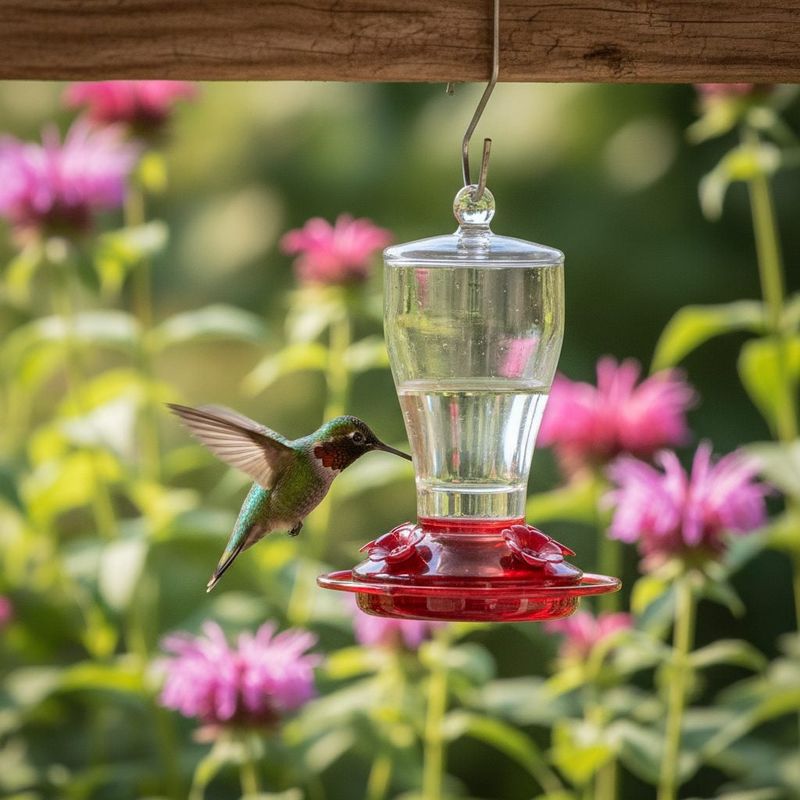
A quiet feeder with no visitors is one of the first signs that something has gone wrong in the yard. In Georgia, summer heat moves fast, and nectar that sat fine yesterday may already be cloudy or fermenting by midday today.
Hummingbirds notice quickly, and an unappealing feeder will send them looking elsewhere.
Keeping feeders filled with fresh, clear nectar is one of the most reliable ways to hold hummingbirds in your yard through the long Georgia summer. Fresh nectar means the birds have a consistent, safe energy source they can count on.
When nectar looks cloudy, yellowish, or has visible floating particles, it is time for a full change.
In Georgia’s heat, nectar can spoil in as little as one to two days during the hottest stretches of summer. Checking feeders every day takes only a moment, and that quick look can make the difference between a busy feeder and an abandoned one.
Try placing feeders in a spot that gets morning sun but some afternoon shade to slow spoilage a little. Even then, regular checking matters more than feeder placement alone.
A dependable supply of fresh nectar is the single most important thing you can offer a hummingbird visiting your Georgia garden, and it costs very little to maintain once the habit is established.
2. Use The Right Sugar Water Ratio
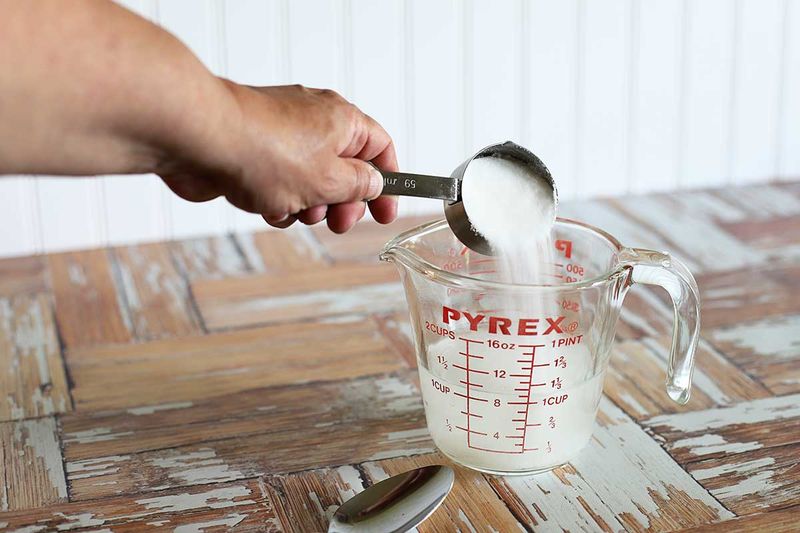
Mixing nectar at home feels simple, but getting the ratio right actually matters more than many gardeners expect. The standard recommendation for hummingbird feeders is one part plain white granulated sugar dissolved in four parts water.
That four-to-one ratio closely mimics the natural sugar concentration found in the flowers hummingbirds prefer in the wild.
A stronger mixture might seem like a generous treat, but nectar that is too concentrated can be harder for hummingbirds to process and may ferment faster in Georgia’s summer heat.
A weaker solution may not give them enough energy to fuel their incredibly fast metabolism.
Sticking with the four-to-one ratio is the most sensible approach for backyard feeders.
Boiling the water before mixing can help dissolve the sugar completely and may slightly reduce microbial growth in the feeder, though it is not strictly required if you are using clean water and a clean feeder.
Your Georgia Garden Changes Every Week. Your Plan Should Too.
Gardening in Georgia changes quickly throughout the season. Every Friday you’ll receive a simple weekly plan showing exactly what to plant, prune, fertilize, harvest, and protect so you never miss the right timing.
Let the solution cool fully before filling the feeder so you are not putting warm liquid into a container that will hang in the sun.
Store any extra nectar in the refrigerator for up to a week. Using plain white table sugar is important here because raw sugar, brown sugar, honey, and artificial sweeteners each carry ingredients that are not appropriate for hummingbirds.
Simple and consistent preparation is what keeps Georgia feeders working well all season long.
3. Clean Feeders Often In Hot Weather
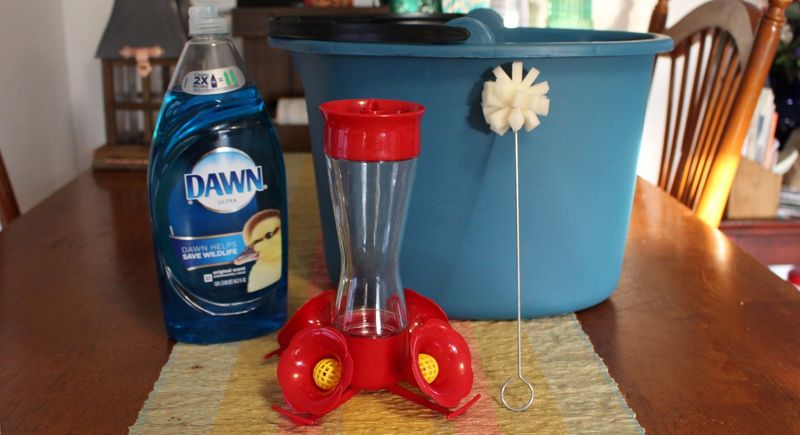
Sticky summer heat in Georgia is beautiful for flowers but rough on feeders. When temperatures climb into the upper eighties and nineties, nectar inside a feeder can begin to ferment or grow mold much faster than most people expect.
A feeder that looks clean from a distance may already have a thin film of mold or residue building up inside the reservoir or around the feeding ports.
Cleaning feeders every two to three days during the hottest parts of summer is a reasonable target for Georgia gardeners.
During cooler stretches, once a week may be enough, but when heat is intense and sustained, more frequent cleaning is the safer choice.
Use hot water and a small bottle brush to scrub the inside of the reservoir and all feeding ports thoroughly. Mild dish soap can be used sparingly, but rinse the feeder completely so no soapy residue remains.
Avoid using bleach or harsh chemicals because even small amounts of residue can be harmful to hummingbirds. Some gardeners keep two feeders so one can soak and dry while the other stays in use.
That simple swap makes the cleaning routine much easier to maintain throughout a long Georgia summer. Black mold spots inside the feeder are a sign that cleaning has been delayed too long.
A clean feeder signals to visiting hummingbirds that your yard is a reliable, safe stop worth returning to again and again throughout the warm season.
4. Skip Red Dye In The Nectar
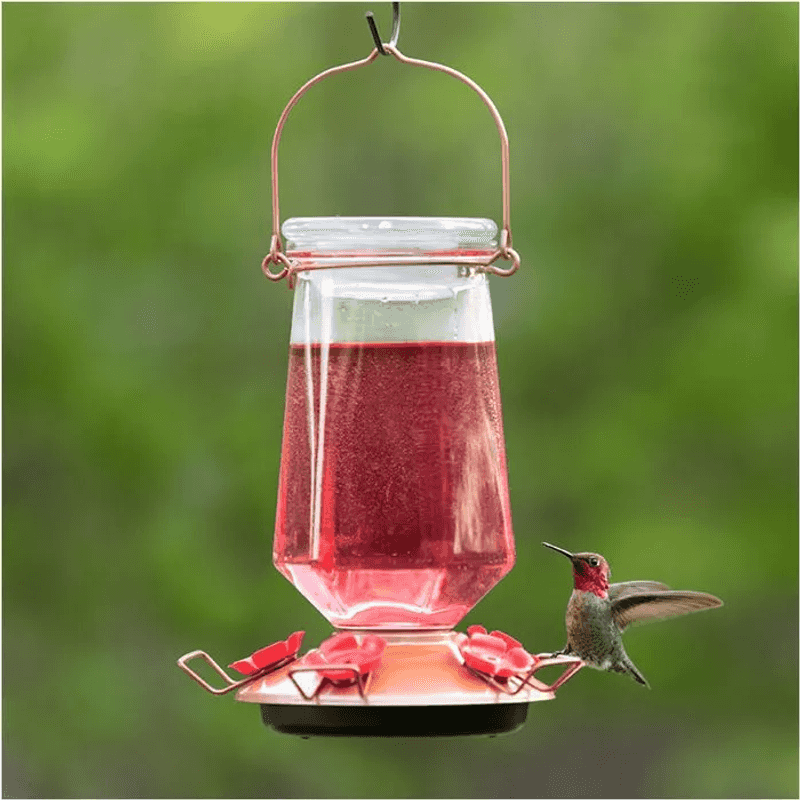
Walk down the bird supply aisle at most Georgia garden centers and you will find bottles of red hummingbird nectar concentrate sitting right next to plain feeders. The bright color is eye-catching, and the packaging often implies that red dye helps attract birds.
The reality is that hummingbirds are drawn to the red color of the feeder itself, not to red-colored liquid inside it.
Adding red dye to homemade or store-bought nectar is unnecessary and potentially problematic.
Research into artificial food dyes and their effects on small birds has raised enough concern among wildlife experts that most hummingbird specialists recommend skipping dye entirely.
Plain clear nectar made from white sugar and water is all that is needed to keep birds coming back.
If you have been buying pre-mixed red nectar, switching to homemade clear nectar is an easy change that costs less and removes a potential risk from your feeder routine.
The birds will not notice the switch in color as long as the feeder itself has red parts, which most standard feeders do.
Some feeders come with red flower-shaped ports or red caps that are more than enough visual cue for a passing hummingbird to investigate. Keeping the nectar clear also makes it easier to spot spoilage, because cloudiness or discoloration becomes obvious immediately.
In a Georgia yard focused on hummingbird health, clear nectar is the straightforward, sensible choice for every feeder you hang.
5. Plant Tubular Flowers Hummingbirds Visit
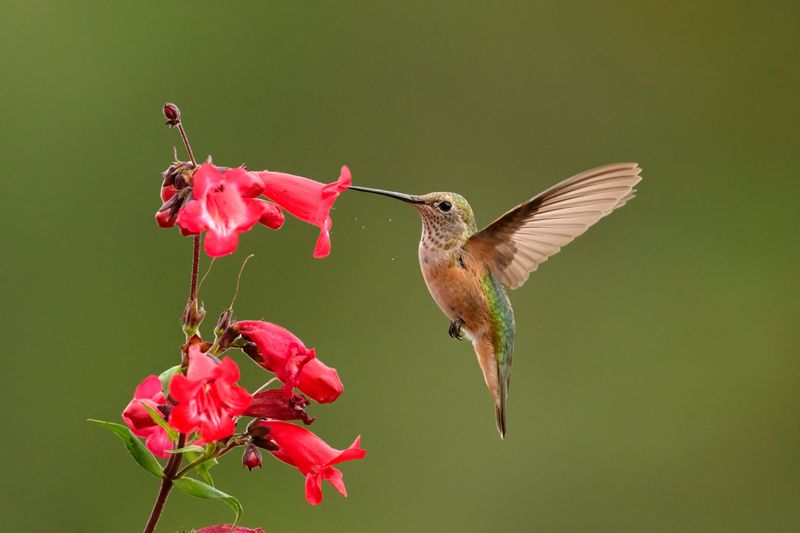
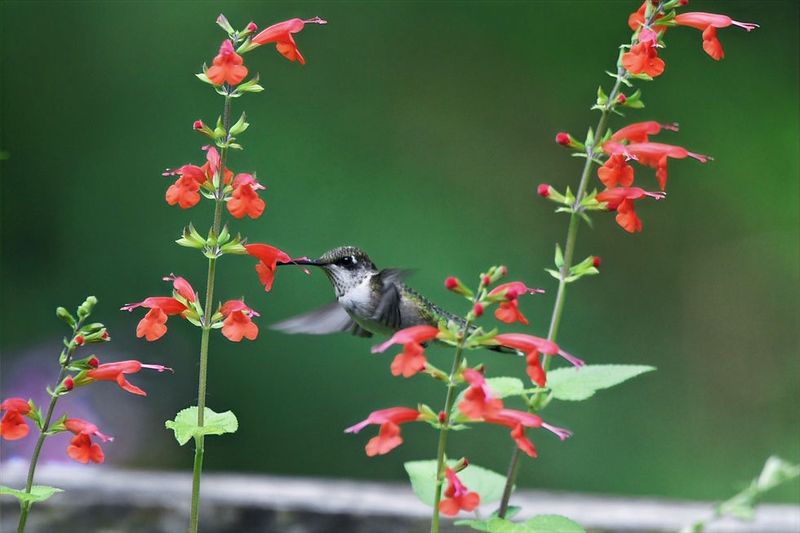
A hummingbird darting through a patch of red salvia on a warm Georgia morning is one of those backyard moments that makes gardening feel completely worthwhile.
Tubular flowers are shaped in a way that suits the long, narrow bill and quick-hovering flight style of hummingbirds perfectly.
The birds probe deep into the tube to reach nectar, and the plant gets pollinated in return.
Some of the most reliable tubular flowers for Georgia gardens include red salvia, coral honeysuckle, cardinal flower, penstemon, and cross vine.
These plants bloom reliably in Georgia’s climate and produce enough nectar to attract repeat visitors throughout the summer.
Planting a mix of species that bloom at slightly different times helps ensure that your garden offers something from late spring well into early fall.
Grouping tubular flowers in clusters rather than spreading single plants around the yard makes it easier for hummingbirds to spot them from above and makes each visit more efficient for the bird.
A border along a fence or a bed near the porch works especially well.
Red and orange flowers tend to catch a hummingbird’s attention first, but pink, purple, and coral shades are visited regularly too.
Combining flowering plants with your feeders creates a layered approach that makes your Georgia garden far more appealing than a feeder alone.
The more nectar sources available, the more time hummingbirds spend exploring your yard rather than passing through.
6. Add Native Vines And Summer Bloomers
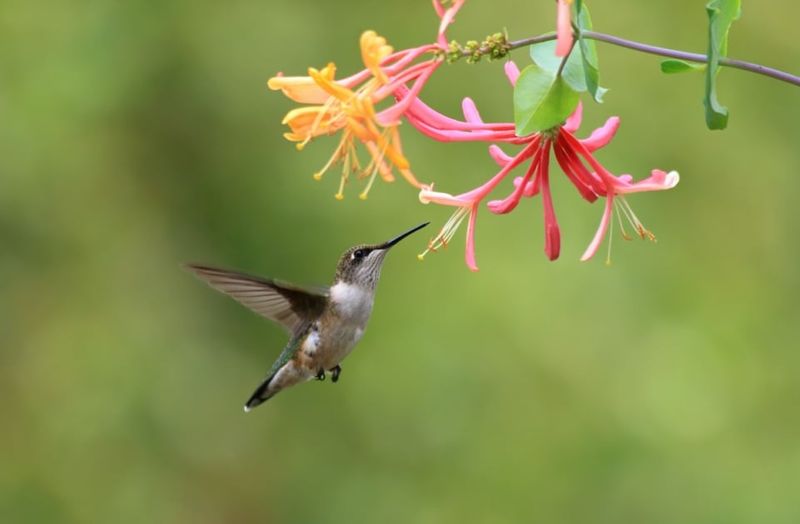
Few plants earn their place in a Georgia hummingbird garden faster than coral honeysuckle. This native vine climbs fences, trellises, and arbors with ease, and its tubular red and yellow flowers appear reliably through much of the warm season.
Unlike the invasive Japanese honeysuckle that spreads aggressively across Georgia roadsides, coral honeysuckle stays manageable and supports local wildlife beautifully.
Native vines and summer bloomers add vertical interest to the garden while giving hummingbirds new foraging routes to explore.
Trumpet vine is another bold option that produces large orange-red flowers and attracts hummingbirds reliably, though it does spread vigorously and works best in spaces where it has room to grow.
Planting natives gives hummingbirds food sources that evolved alongside them over many generations, making these plants particularly well-suited to meet their needs.
Beyond vines, summer bloomers like bee balm, lantana, and firespike add bursts of color and nectar through the hottest months when some spring flowers have already faded.
Firespike in particular is a standout performer in Georgia’s late summer and early fall garden, blooming right when hummingbirds are preparing for migration and need reliable fuel.
Mixing native vines with a few well-chosen summer bloomers extends the garden’s value across the full season.
That kind of layered planting approach turns a simple flower bed into a genuine habitat that hummingbirds recognize as worth returning to each day.
7. Provide Shelter And Perching Spots Nearby
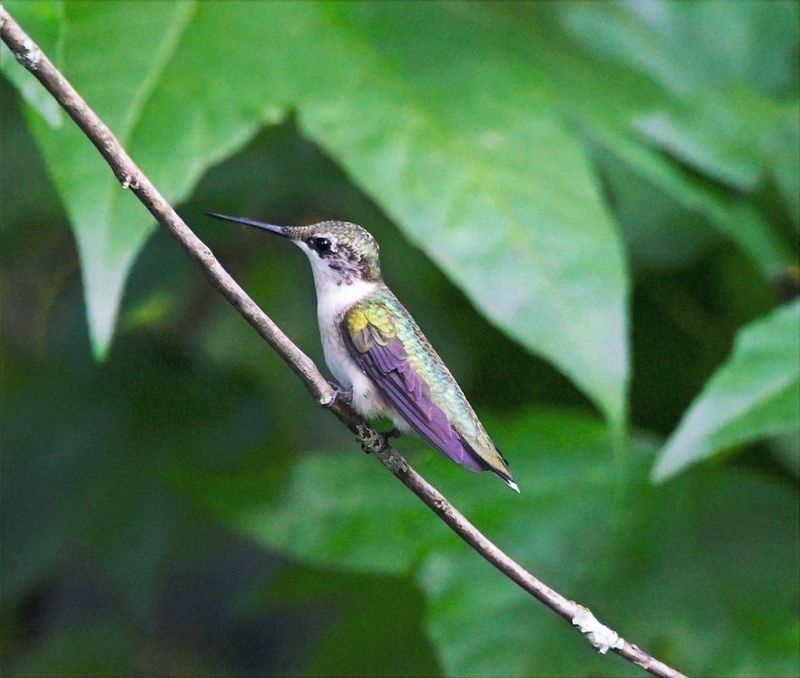
Most people think of hummingbirds as birds that are constantly in motion, but they actually spend a surprising amount of time sitting still.
Between feeder visits and flower foraging, hummingbirds perch on thin branches to rest, digest, and keep watch over their territory.
A Georgia yard with no good perching spots near the feeder may feel less settled and secure to a visiting bird.
Trees and shrubs near feeders give hummingbirds the shelter and rest spots they look for naturally. Small trees like dogwoods or native hollies work well because their branching structure provides thin, exposed twigs that hummingbirds prefer for perching.
Dense shrubs along garden edges also offer cover from heat and from larger birds that might harass them at the feeder.
Shade matters too. Georgia summers get genuinely hot, and a feeder or garden bed that sits in full afternoon sun all day can make the area less comfortable for small birds.
Positioning feeders where they receive morning light but some afternoon shade helps with both nectar freshness and bird comfort.
A garden with layered plantings, including trees, mid-height shrubs, and flowering ground level plants, creates a space that feels like a complete habitat rather than just a feeding station.
Hummingbirds that find shelter, perching spots, and reliable nectar in one location are far more likely to establish a regular routine in your Georgia garden and stay through the full summer season.
8. Reduce Pesticide Use Around Flowering Plants
One thing many Georgia homeowners do not immediately connect to hummingbird activity is pesticide use in the flower bed. Hummingbirds do not eat only nectar.
They also catch small insects and spiders, which are critical sources of protein, especially during nesting season and migration.
A garden treated heavily with broad-spectrum pesticides may have fewer of the tiny insects that hummingbirds depend on for complete nutrition.
Reducing pesticide use around flowering plants and near feeders creates a healthier environment for hummingbirds and the insects they forage on.
Pesticide residue can also linger on flower petals and inside tubular blooms where hummingbirds probe for nectar.
While the direct risk to individual birds from a single exposure may be low, repeated contact over a full season adds up in ways that are hard to observe from the porch.
Integrated pest management approaches, such as removing pests by hand, using targeted treatments only when necessary, and choosing plants that resist common Georgia garden pests naturally, help reduce the need for broad chemical applications.
Native plants tend to require fewer interventions because they are adapted to local conditions and local insect pressures.
Encouraging natural predators like spiders and beneficial insects also helps keep pest populations in check without chemicals.
A Georgia garden that leans toward lower pesticide pressure becomes a more complete habitat where hummingbirds can find nectar, tiny insects, and shelter all in one comfortable, familiar space they feel safe returning to throughout the summer.