This Is The Ohio Native Plant Grandmothers Grew And Grandchildren Should Revive
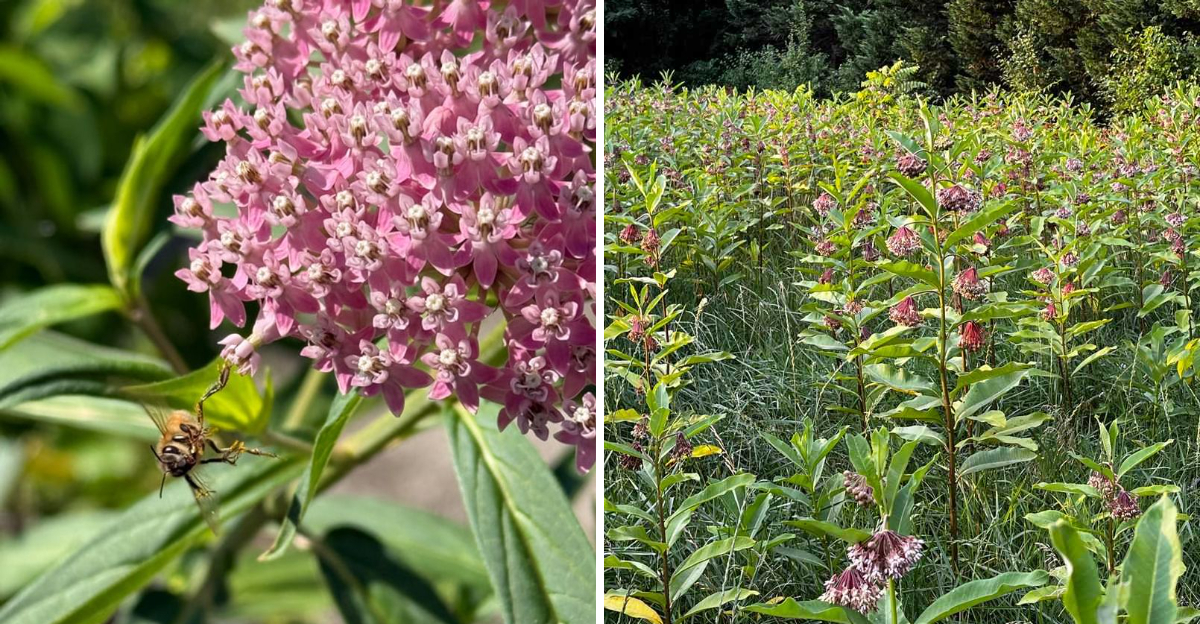
Something grew in your grandmother’s backyard that she probably never bragged about, never bought at a fancy nursery, and never once had to water twice.
It just showed up, spread quietly, smelled like something close to heaven in July, and fed creatures that traveled thousands of miles to find it.
Most people today walk right past it without a second glance.
That plant is common milkweed, a native Ohio wildflower with a history deeper than most garden trends and a purpose more powerful than most ornamental plants combined.
It fed monarchs when monarchs were everywhere. It filled old farmyard corners with pink blooms that smelled sweeter than almost anything in a summer garden.
Grandmothers knew its value instinctively, even without a pollinator guide or a university extension bulletin.
Now the monarchs are struggling, the old gardens are gone, and a whole generation of young gardeners is just starting to ask the right questions.
Here’s everything worth knowing about common milkweed, from its blooms and seed pods to its spreads, its visitors, and the family garden legacy waiting to be reclaimed.
Start With Common Milkweed
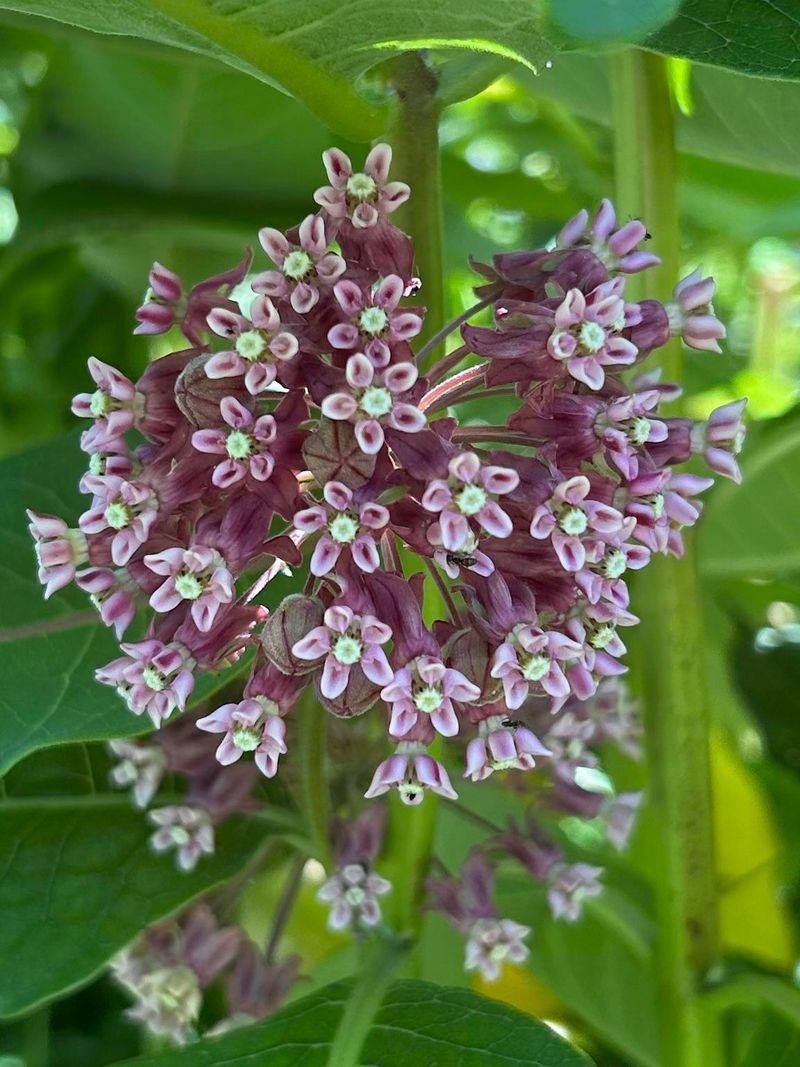
Common milkweed has one of the best origin stories in Ohio’s plant world.
Its scientific name is Asclepias syriaca, and despite the name hinting at somewhere far away, it is as Ohio as cornfields and covered bridges.
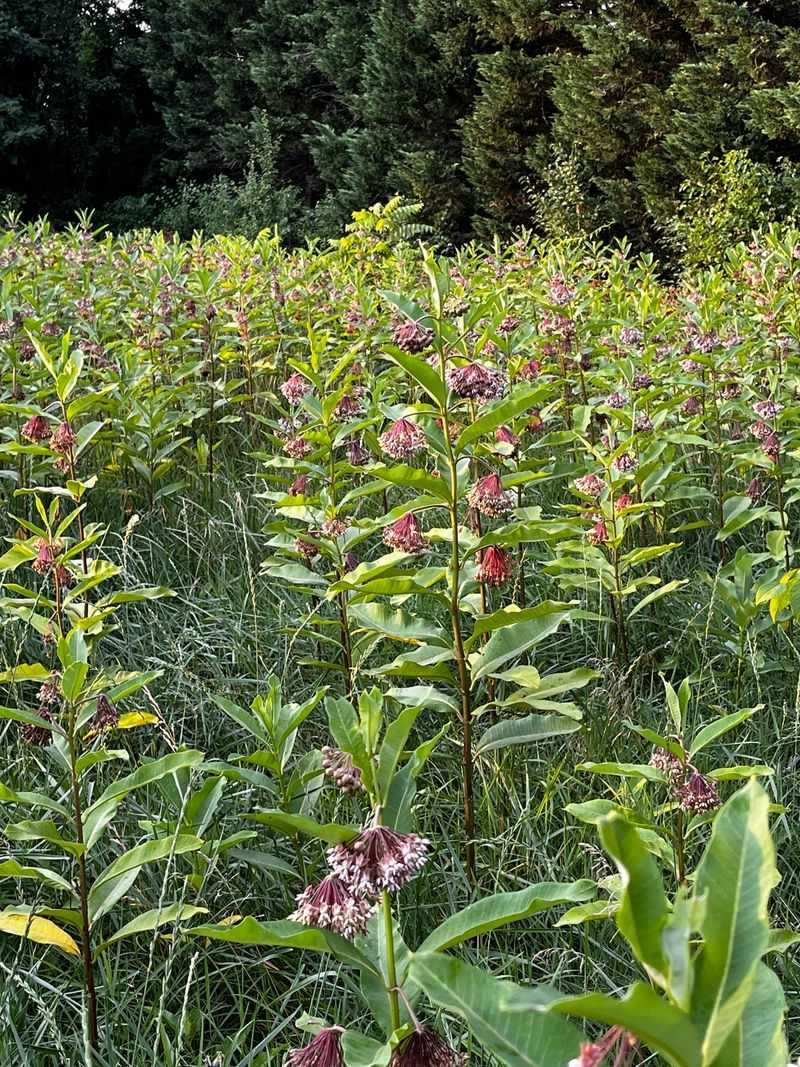
It grows naturally across the state, from roadsides and open meadows to old fence lines and sunny backyard edges where the lawn gives way to something wilder.
The plant grows tall, usually reaching three to five feet at full height.
Its stems are thick and sturdy, and when broken, they release a milky white sap that gave the plant its common name.
That sap is actually a mild latex, and it plays a role in the plant’s natural defenses against certain insects that cannot handle it.
Common milkweed is one of the most ecologically valuable native plants in Ohio. It supports over 450 insect species in various ways, making it a powerhouse in any yard or garden.
Most ornamental plants cannot come close to that number.
Gardeners who want to start somewhere with native plants often overthink the first step. Common milkweed makes that first step easy.
It is hardy, low maintenance, and deeply connected to Ohio’s natural landscape.
Once you know what it looks like, you will start spotting it everywhere, and you will never see a roadside the same way again.
Pink Flowers Bring Old Garden Charm
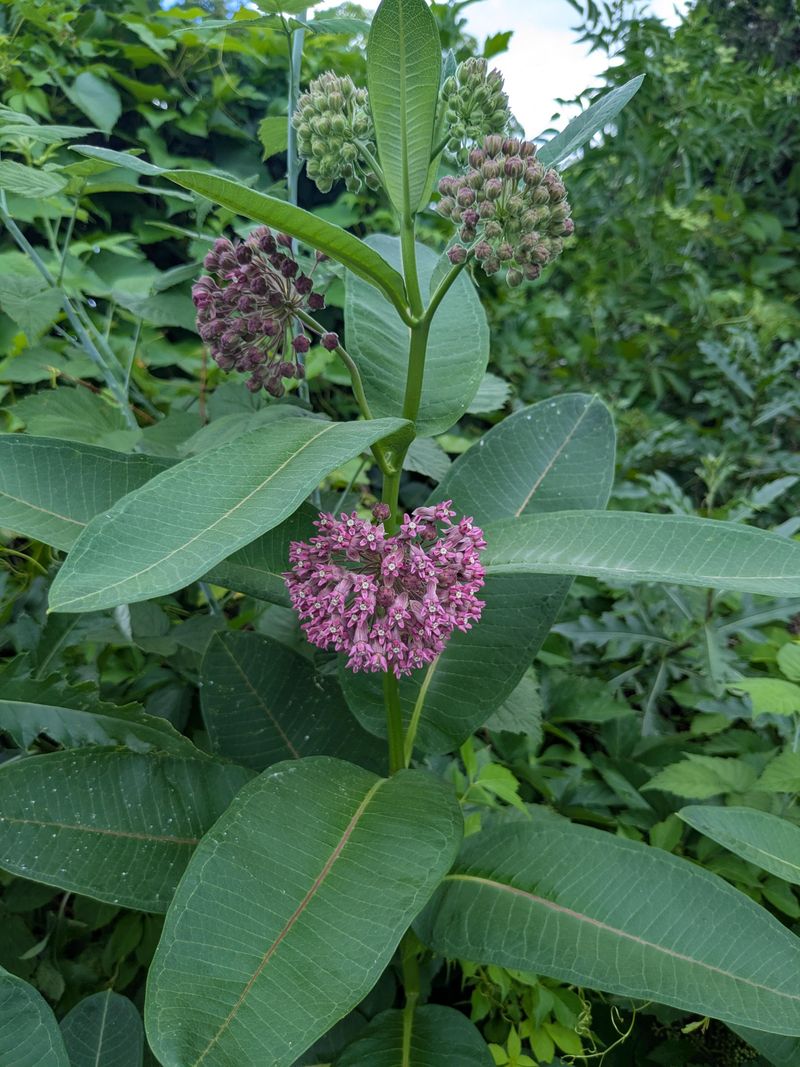
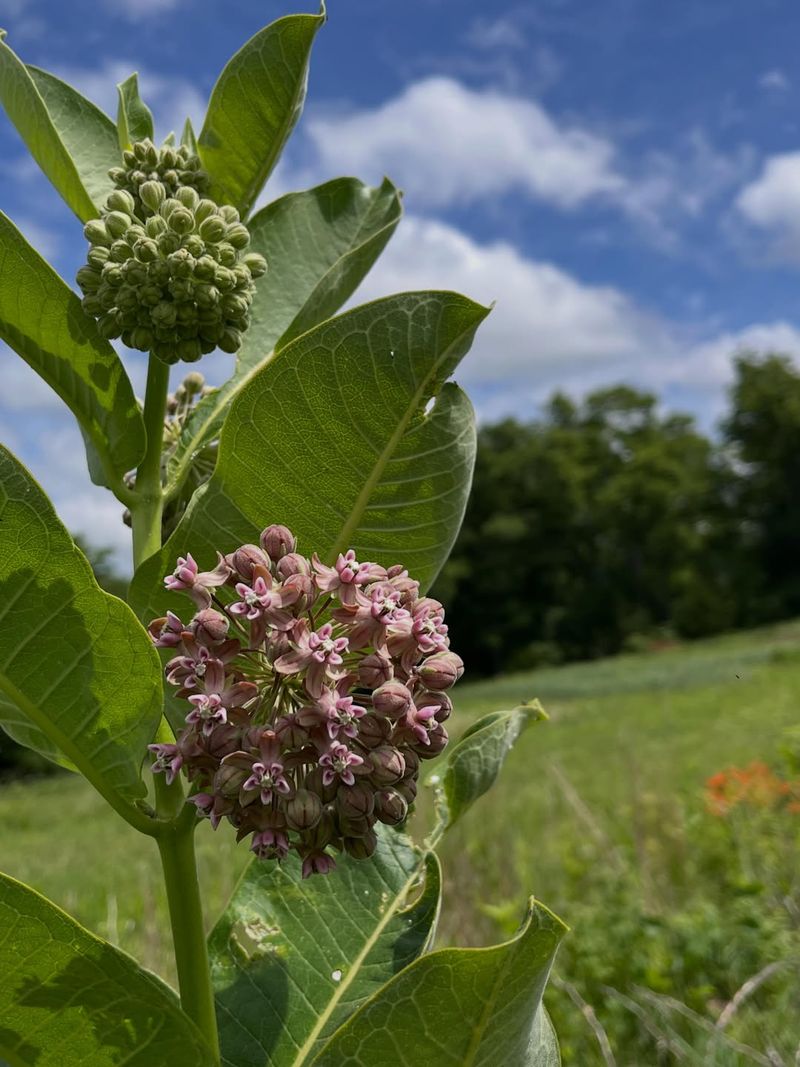
Few flowers in Ohio smell the way common milkweed does in the middle of July.
The blooms arrive in rounded clusters called umbels, packed tightly with small, star-shaped florets in shades of dusty pink and soft lavender. Up close, they look almost architectural, like tiny crowns stacked together on a single stem.
The fragrance is something most people cannot fully describe until they smell it again after years away.
It is sweet but not sharp, rich but not heavy. Old-timers sometimes compared it to vanilla mixed with something floral and wild.
Your Ohio Garden Changes Every Week. Your Plan Should Too.
Gardening in Ohio changes quickly throughout the season. Every Friday you’ll receive a simple weekly plan showing exactly what to plant, prune, fertilize, harvest, and protect so you never miss the right timing.
Once you catch it drifting across a warm evening yard, you understand exactly why grandmothers let it grow near the porch.
Blooms typically appear from late June through August in Ohio, giving the garden a long stretch of color and scent during the hottest weeks of the year.
That timing matters because many other garden flowers fade or go dormant right when milkweed is hitting its peak. It fills a gap that few other native plants can cover quite so well.
The blooms also produce nectar in generous amounts, making them one of the most visited flowers in any Ohio summer garden.
You do not need a lot of them to make a difference. Even a small patch delivers that old-garden sweetness that newer landscaping trends have mostly forgotten.
Bring back the bloom, and you bring back the memory.
Monarchs Need Milkweed Leaves
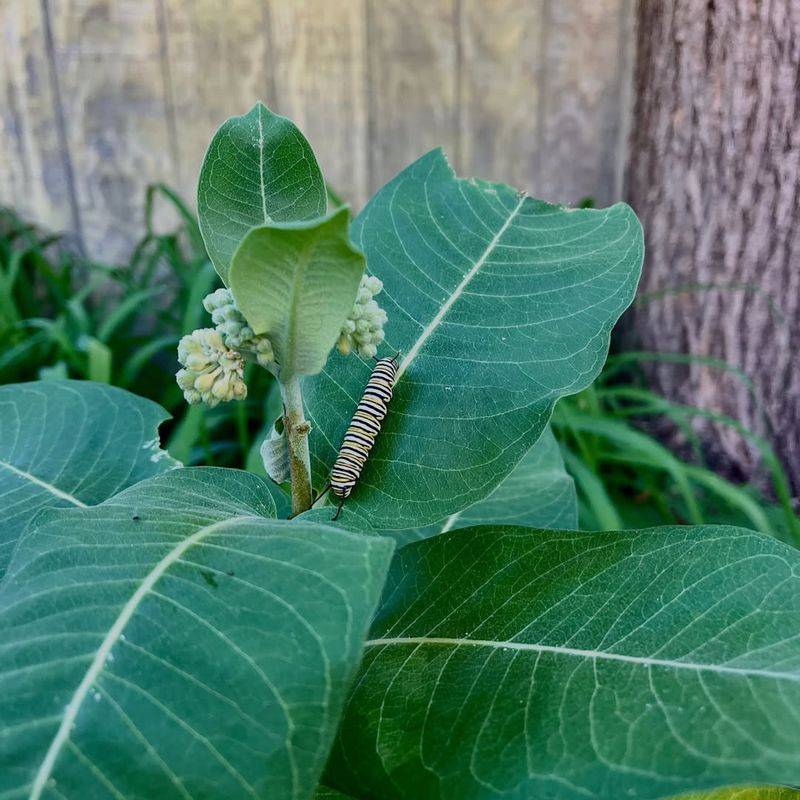
Monarch butterflies do not just prefer milkweed. They require it.
A monarch caterpillar cannot survive on any other plant. The female lays her eggs exclusively on milkweed leaves, and once the eggs hatch, those tiny caterpillars eat nothing else until they form their chrysalis.
Without milkweed, the monarch life cycle simply stops.
Common milkweed is the species monarchs rely on most heavily across the Midwest, including Ohio.
The loss of milkweed across agricultural landscapes has been one of the leading reasons monarch populations have dropped sharply over recent decades. Roadsides and old farm fields where milkweed once grew freely have been cleared, mowed, or replaced with non-native plants that offer monarchs nothing.
Planting common milkweed is one of the most direct actions an Ohio gardener can take to support the monarch migration.
Ohio sits right in the heart of the eastern migratory flyway. Monarchs pass through in late summer and early fall on their way to overwintering sites in Mexico, and they depend on habitat along that route for both feeding and reproduction.
Even one established milkweed patch in a backyard can host multiple monarch generations in a single season.
Caterpillars are easy to spot once you know where to look. Finding one on your own plant feels like a small miracle.
It is the kind of moment that turns a casual gardener into a dedicated native plant grower almost overnight.
Full Sun Builds Stronger Patches
Sunlight is where common milkweed does its best work.
This plant evolved in open meadows, roadsides, and cleared fields where it receives direct sun for most of the day. Placing it in a shaded or partially shaded spot will not eliminate it, but it will slow its growth, reduce blooming, and limit the dense, productive patches that make it most useful for pollinators.
A site with at least six hours of direct sunlight daily is ideal for common milkweed.
South-facing or west-facing garden edges, open backyard corners, and sunny strips along fences are all solid choices. The more sun the patch gets, the taller and more vigorous the plants grow, and the more flowers and leaves they produce for visiting monarchs and other insects.
Soil quality is flexible.
Common milkweed tolerates poor, dry, or sandy soils better than many garden plants. It actually prefers well-drained soil over rich, heavily amended beds.
Overly fertile soil can push the plant toward leafy growth at the expense of flowers, which is the opposite of what most gardeners want.
The sunniest, slightly forgotten corner of your yard, the spot where nothing else seems to thrive, is probably the perfect home for a milkweed patch.
It tends to root itself in the places other plants reject, which is part of what made it such a reliable presence in old Ohio farmyards.
Give it sun and space, and it will reward you generously every summer.
Seed Pods Add Nostalgic Texture
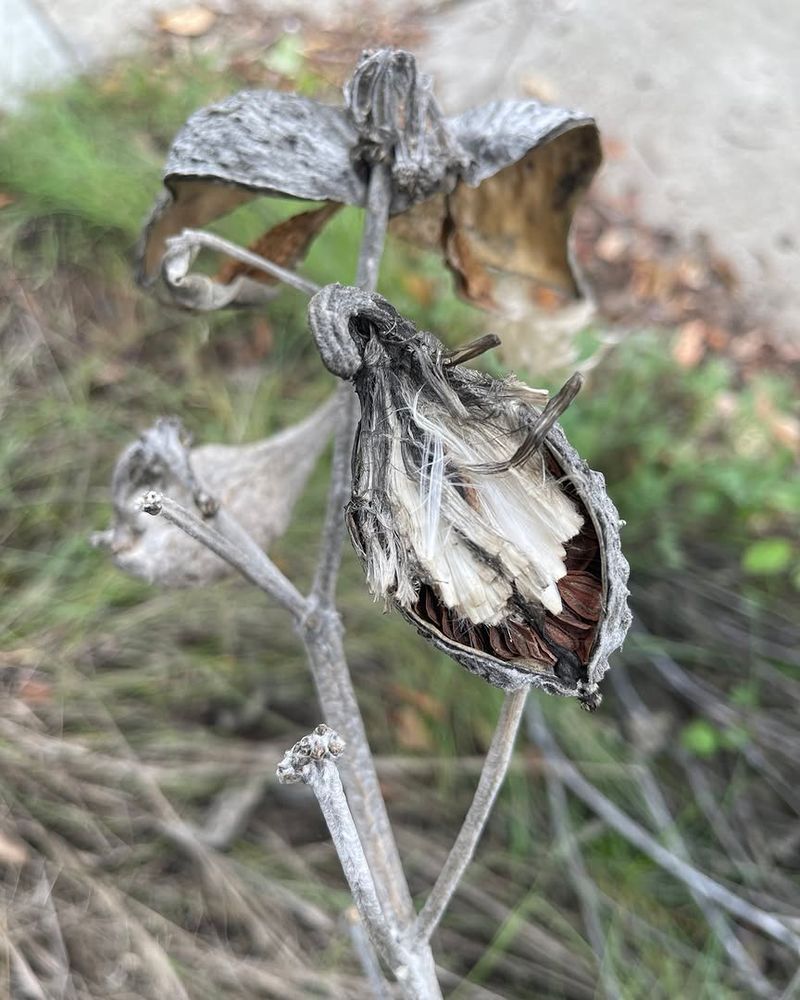
By September, common milkweed transforms into something entirely different from its summer self.
The pink blooms are long gone, and in their place, large bumpy seed pods cling to the stems like small rough footballs. They start out green and firm, slowly turning tan and woody as autumn deepens.
Then, on a crisp October day, the pods split open along a single seam.
What comes out is one of the most beautiful things an Ohio garden produces.
Each seed is attached to a long, silky white fiber called coma, and when the wind catches it, hundreds of seeds drift upward and away like tiny parachutes crossing a pale sky.
Children who grow up seeing this never forget it.
Grandmothers who grew milkweed near the house often collected the pods before they opened, using the dried forms in autumn arrangements alongside goldenrod and dried grasses.
The pods have a quiet, sculptural quality that most garden plants cannot match.
Leaving them on the stem through fall and early winter also benefits birds that feed on the seeds and insects that overwinter in the dried stems. Cutting the garden back too early removes that habitat, so patience pays off here.
From a purely visual standpoint, milkweed pods are a seasonal gift.
They add texture, height, and an old-fashioned charm to any late-season garden. If you have ever seen a milkweed pod burst open on a windy fall afternoon, you already know exactly why this plant deserves a permanent spot in every Ohio yard.
Spread Needs A Planned Corner
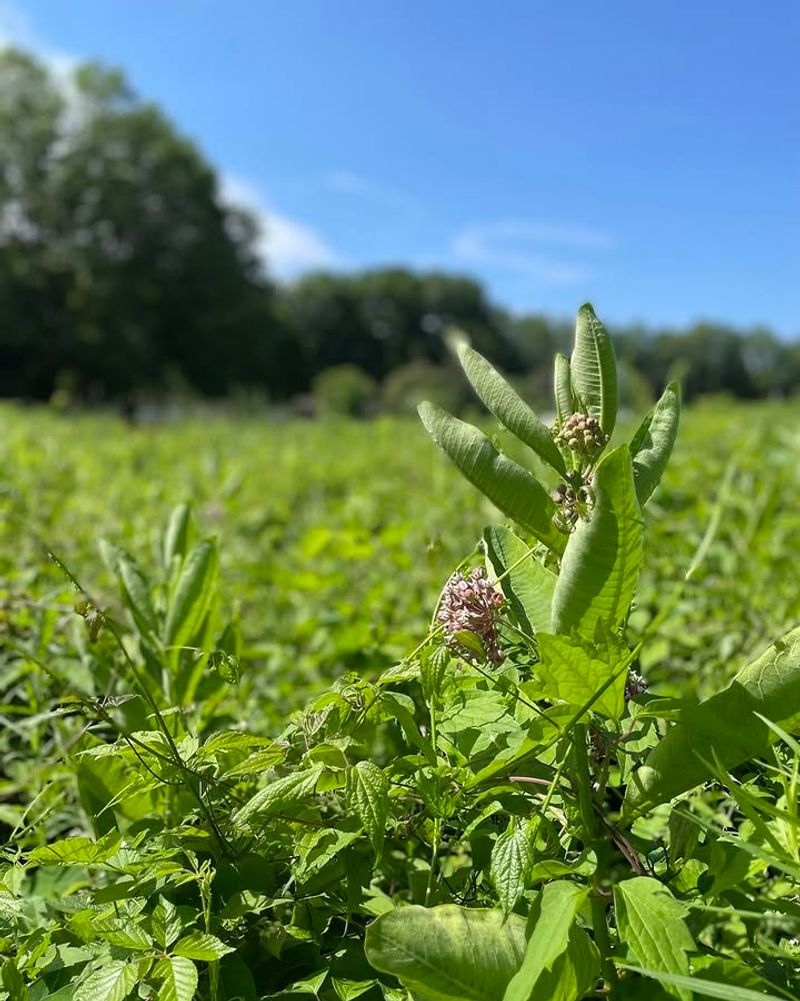
Common milkweed is generous with its space, sometimes a little too generous.
It spreads through two methods: underground rhizomes that push out new shoots from the root system each spring, and seeds that float away on the wind each fall.
Both methods work efficiently, which means a small planting can expand into a sizable patch within a few seasons without much encouragement from the gardener.
That spreading habit is exactly what made it work so well in old Ohio farmyards.
Nobody planted it in a tidy raised bed. It lived along fence lines, in rough corners near outbuildings, and along the edges of fields where mowing stopped.
Those spots gave it room to do what it does naturally, and the result was reliable, self-sustaining patches that returned year after year.
Modern yards require a bit more planning.
Giving common milkweed a dedicated corner or border edge, away from vegetable beds and perennial arrangements you want to keep tidy, allows it to spread freely without becoming a management problem.
A mow edge or a simple barrier helps define the boundary if needed.
Some gardeners treat the spreading as a feature rather than a flaw, filling in a rough slope or a hard-to-mow strip with milkweed and letting nature take over.
The key is choosing the right spot before planting the first seedling. A planned corner turns a spreading plant into a thriving habitat patch instead of an accidental takeover.
Pollinators Visit More Than Monarchs
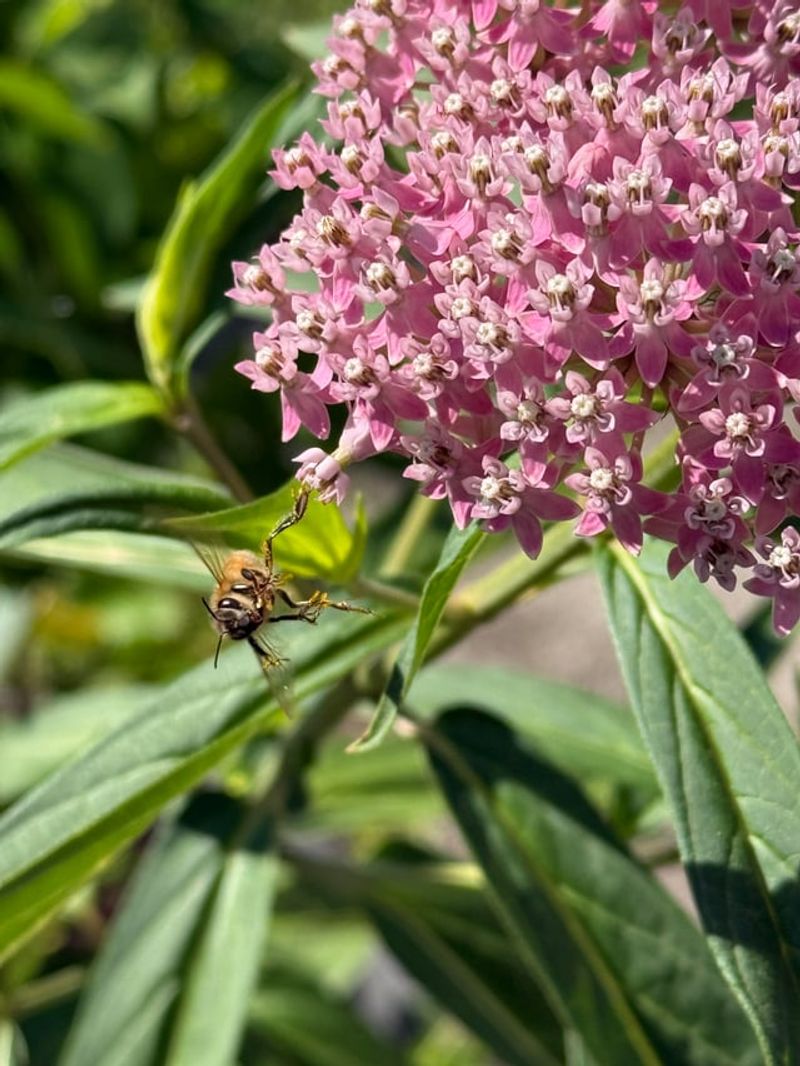
Monarchs get most of the attention when milkweed comes up in conversation, and they deserve every bit of it.
But the guest list at a blooming milkweed patch is far longer than most people realize.
On a warm July morning, a single cluster of milkweed flowers can host a small crowd of visitors that reads like a who-is-who of Ohio pollinators.
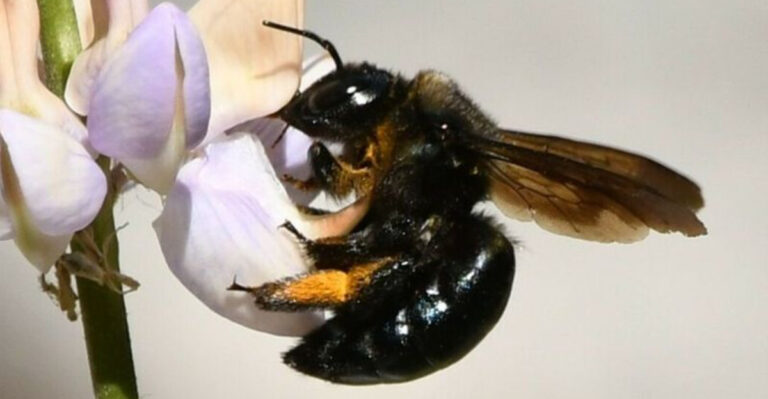
Bumblebees are frequent regulars, drawn in by the nectar-rich florets. Honeybees visit in steady numbers throughout the bloom period. Native sweat bees and mining bees work the flowers alongside them.
Great spangled fritillary butterflies, tiger swallowtails, and red-spotted purples all stop at milkweed blooms during summer foraging runs.
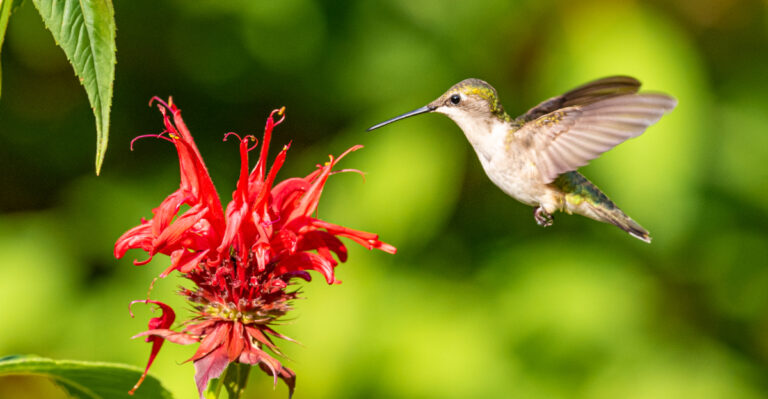
Hummingbird clearwing moths, which look remarkably like tiny hummingbirds, hover at the flowers on summer evenings in a way that stops first-time observers completely in their tracks.
Milkweed bugs and milkweed beetles also call the plant home, feeding on seeds and stems as part of the natural system.
Their bold red and black coloring makes them easy to spot and fun to observe, especially for younger gardeners just learning to pay attention to what lives in a garden.
Common milkweed is one of the top nectar sources for native bees in Ohio.
A single established patch supports more pollinator diversity than most carefully curated ornamental borders. Plant one milkweed patch and you have essentially opened a pollinator diner that stays busy all summer long.
Family Gardens Can Bring It Back
The most powerful thing about common milkweed is not its fragrance, its seed pods, or even its role in the monarch migration, though all of those things matter enormously.
The most powerful thing is what happens when a grandparent shows a grandchild a monarch caterpillar eating a milkweed leaf for the first time.
That moment plants something that lasts a lifetime.
Native plant gardening is growing fast among younger generations, and common milkweed is one of the easiest entry points.
It requires no special tools, no expensive soil amendments, and no complicated care routine. A child can help plant milkweed seeds in spring, watch the shoots emerge, find caterpillars in summer, and collect seed pods in fall.
That complete seasonal arc teaches more about ecology than most classroom lessons can cover.
Starting from seed is simple.
Ohio-grown milkweed seeds can be cold-stratified over winter and direct-sown in early spring, or started indoors six to eight weeks before the last frost. Transplants are also available from native plant nurseries and Ohio native plant sales held each spring through conservation districts and botanical gardens across the state.
One smart placement tip before you start: put your first milkweed patch along a sunny south-facing fence or property edge, away from high-traffic lawn areas.
That spot gets the light the plant needs, gives it room to spread naturally, and keeps it visible enough for the whole family to check on it through the season.
Bring back the plant, and you bring back the story. That is worth more than any garden trend.