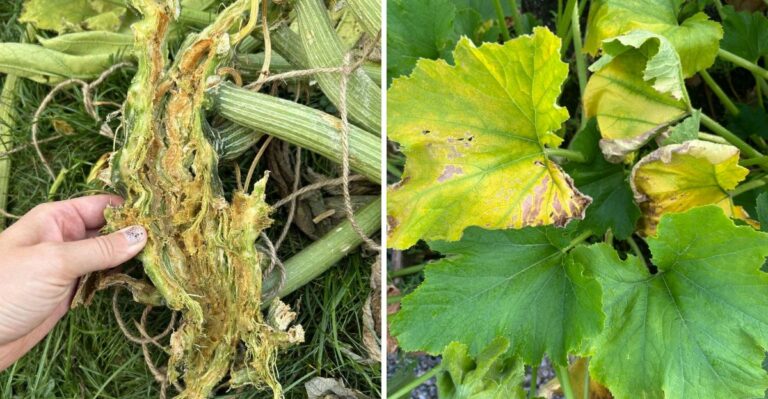
What Ohio Law Says About Neighbors Who Let Weeds Spread Onto Your Property
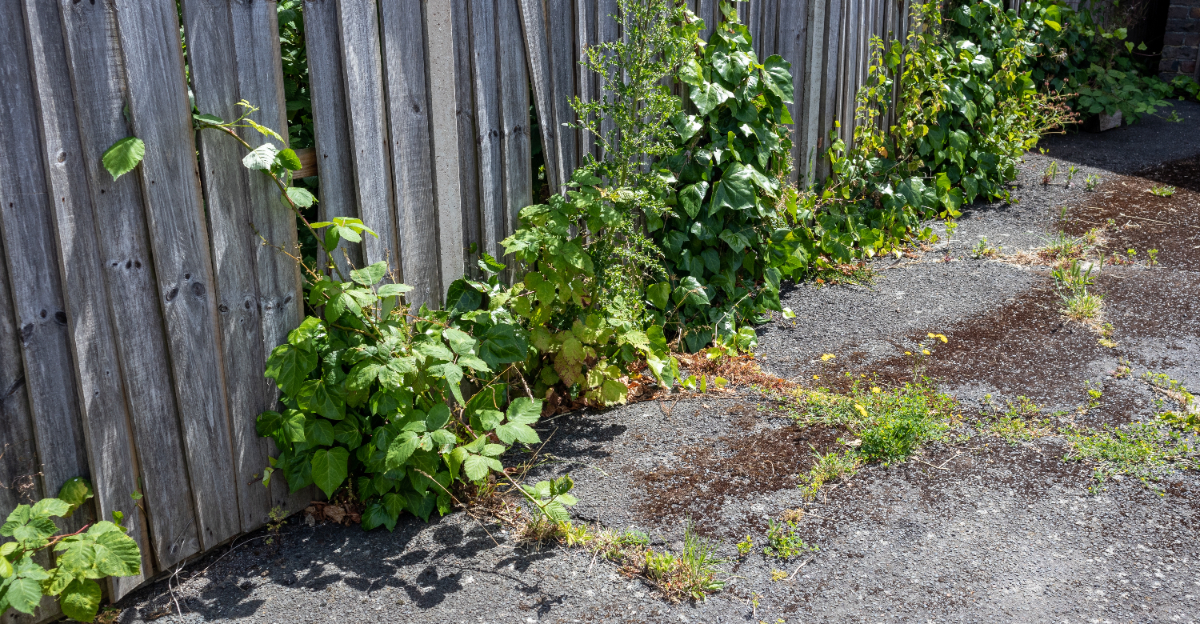
Most Ohio neighbor disputes start politely and escalate slowly. A few conversations, some ignored requests, and suddenly you are looking at a weed situation that started two properties over and made itself at home in your garden beds.
At some point the question shifts from neighborly to legal. Ohio has actual statutes and local ordinances that address invasive weeds and noxious plants.
They spell out what a property owner is responsible for when neglect becomes someone else’s problem. Most homeowners have no idea those laws exist until they need them.
By that point the weeds have had a full season to establish. What Ohio law actually says is more specific than most people expect.
It varies by municipality, it comes with enforcement mechanisms, and knowing it changes how a conversation with a difficult neighbor gets approached. You have more options than you probably realize.
1. Ohio Law Treats Noxious Weeds Differently Than Messy Yards
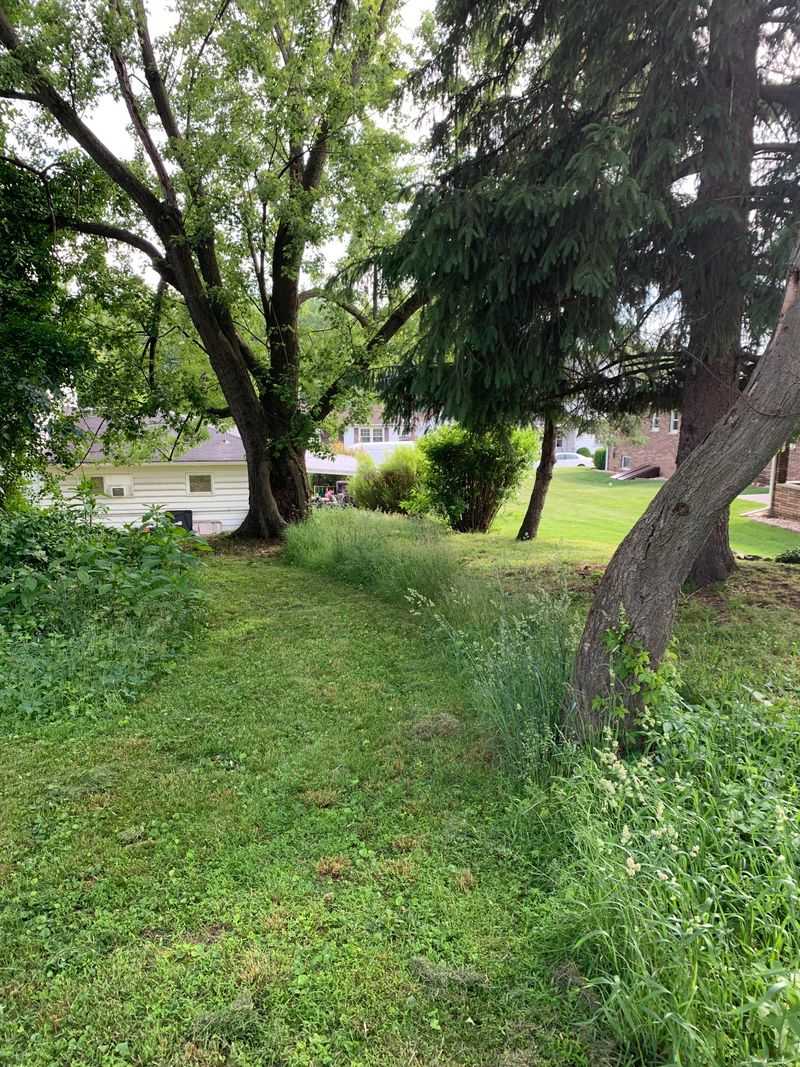
A cluttered, overgrown yard and a yard full of legally listed noxious weeds are not the same thing under state rules. The distinction matters a lot when you are trying to figure out whether your neighbor is actually breaking the law.
Not every tall, aggressive, or annoying plant qualifies as a noxious weed in this state.
The Ohio Department of Agriculture maintains a list of prohibited and restricted noxious weeds under Ohio Administrative Code rules. Plants on that list, such as Canada thistle, poison hemlock, and Johnson grass, carry specific legal weight.
A plant that is simply overgrown, weedy-looking, or invasive in a garden sense may not appear on that list at all.
Identification is a key step before filing any complaint. Calling a plant a noxious weed when it is not can weaken your case with code enforcement.
County extension offices can help you identify plants correctly, often at no cost. Knowing the exact name of the plant, and whether it appears on the state list, gives your complaint a much stronger foundation.
Start with the facts before making any claims to a neighbor or local office.
2. Local Weed Codes May Matter More Than State Law
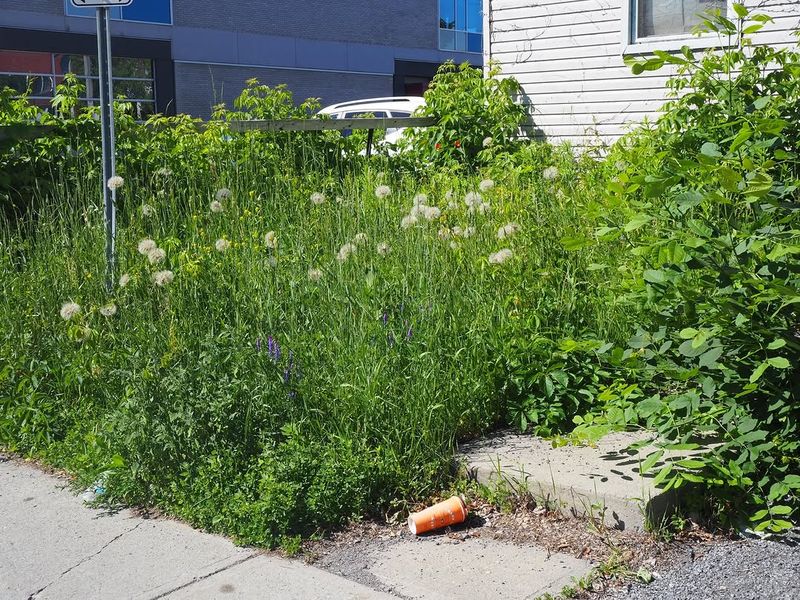
Many homeowners are surprised to learn that their city, village, or township has its own weed and grass rules that go well beyond what state law covers.
A neighbor’s tall grass or messy garden beds may not violate any state noxious-weed rule, but they could still be a local code violation.
Local governments in this state have broad authority to set their own property maintenance standards.
Cities and villages often set a maximum grass height, commonly around eight inches, though that number varies by location. Some municipalities also regulate vacant lots, abandoned properties, and nuisance vegetation separately from residential yards.
HOA rules can add another layer of requirements on top of city or county codes.
The best way to find out what applies to your address is to look up your city or township code online, or call the local code enforcement office directly. County and township offices handle rural properties differently than city offices handle urban ones.
Your Ohio Garden Changes Every Week. Your Plan Should Too.
Gardening in Ohio changes quickly throughout the season. Every Friday you’ll receive a simple weekly plan showing exactly what to plant, prune, fertilize, harvest, and protect so you never miss the right timing.
Rules for a property inside city limits may be completely different from rules for a property in an unincorporated township area nearby. Checking the right source for your specific location saves time and avoids confusion.
3. Noxious Weeds Must Be Cut Before They Spread Or Seed
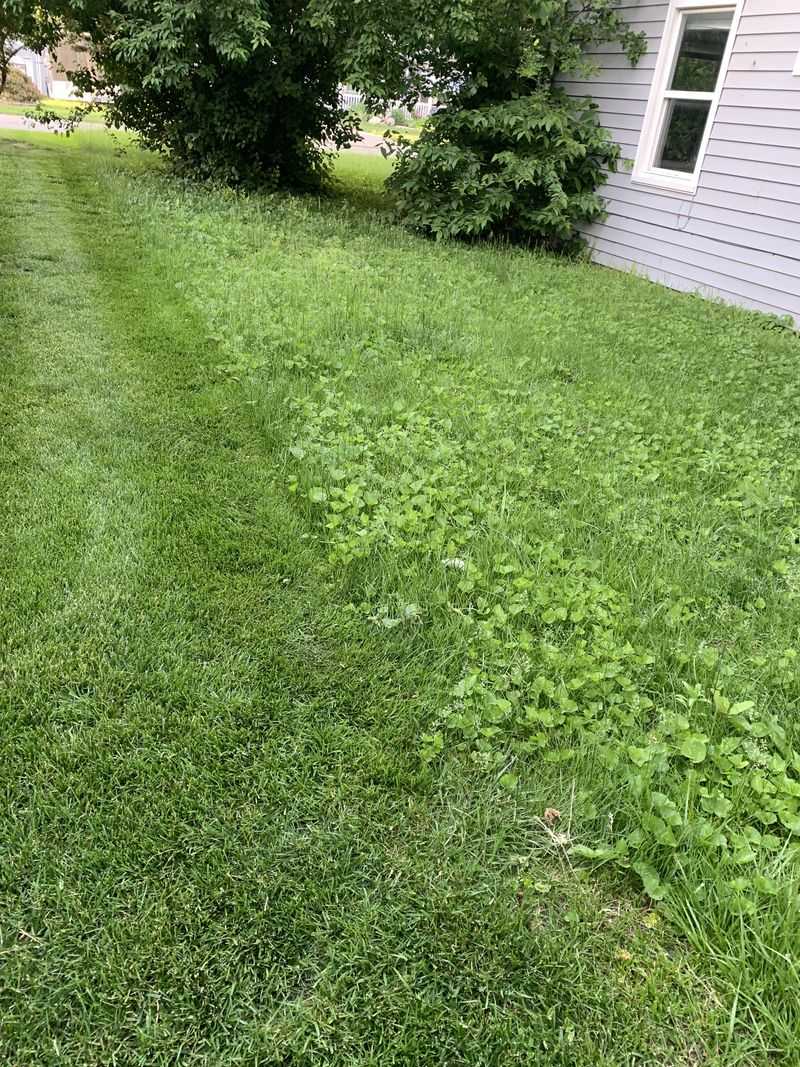
Timing is one of the most practical details in noxious-weed control. State and local rules often focus on preventing these plants from blooming, producing seed, or spreading onto adjacent land.
Once seed heads mature and the wind carries them across property lines, controlling the spread becomes much harder for everyone involved.
Under Ohio Revised Code Section 971.33, landowners are required to cut or destroy noxious weeds before they go to seed or spread by other means. The goal of this rule is prevention, not just cleanup after the fact.
Waiting until the plants are fully mature before acting can put a landowner in violation of the rule.
That said, the specific timing requirements and enforcement process can vary depending on local rules and the type of weed involved. Not every spreading plant triggers this rule.
The plant must be on the legally recognized noxious-weed list for this section to apply. If you believe a neighbor’s plants are seeding onto your property, document what you observe and note the dates.
Then contact your local code enforcement office or township trustees with that information.. Acting early in the growing season tends to produce better results than waiting until fall.
4. Cities Can Send Notices And Order Weed Removal
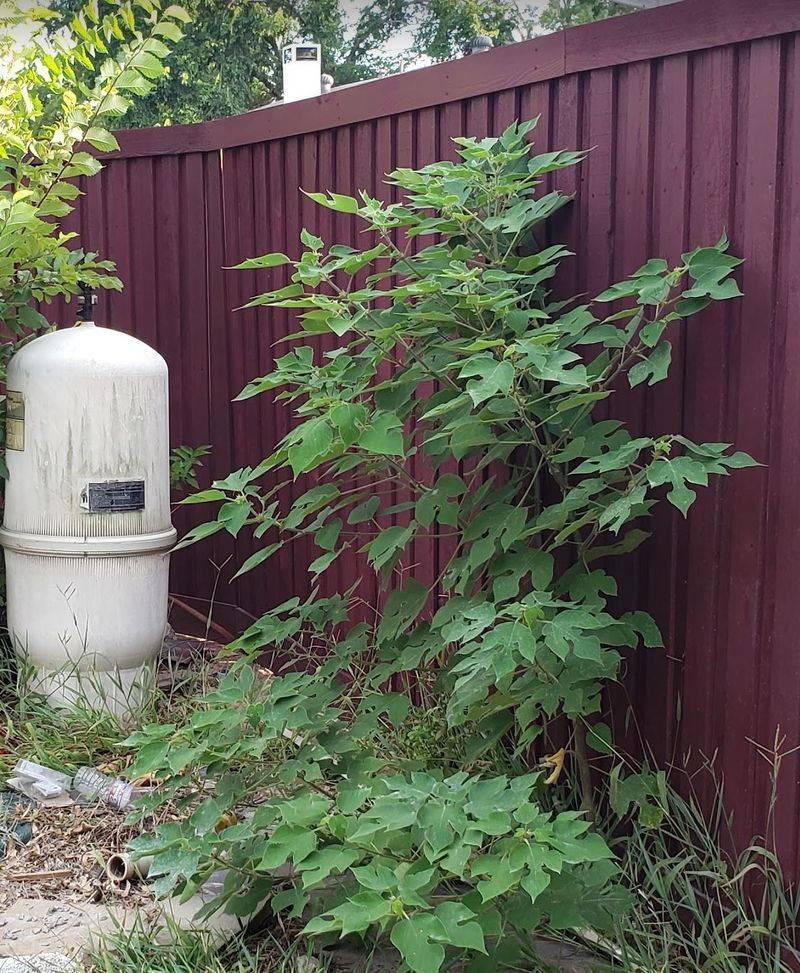
A city notice taped to a front door is often the first sign that a weed complaint has gone official. Many municipalities in this state have a formal process for handling weed and nuisance vegetation complaints.
That process typically involves written notice to the property owner, a set period to correct the violation, and city-ordered removal if the owner fails to act.
After the correction period passes without action, the city may hire a contractor to cut or remove the vegetation. The cost of that work is then billed back to the property owner, sometimes as a lien on the property.
This assessment process is common in Ohio municipalities, though the exact steps and timelines differ from city to city.
If you are filing a complaint as a neighbor, contact your city’s code enforcement office or housing department. Provide clear information about the location of the problem, the type of vegetation, and any documentation you have gathered.
Code enforcement officers have discretion in how they respond, and not every complaint results in immediate action.
Checking your city’s municipal code page before you call helps you understand what the city is actually authorized to do and what standard they apply to weed violations.
5. Township Rules Can Apply Along Fence Lines And Roadsides
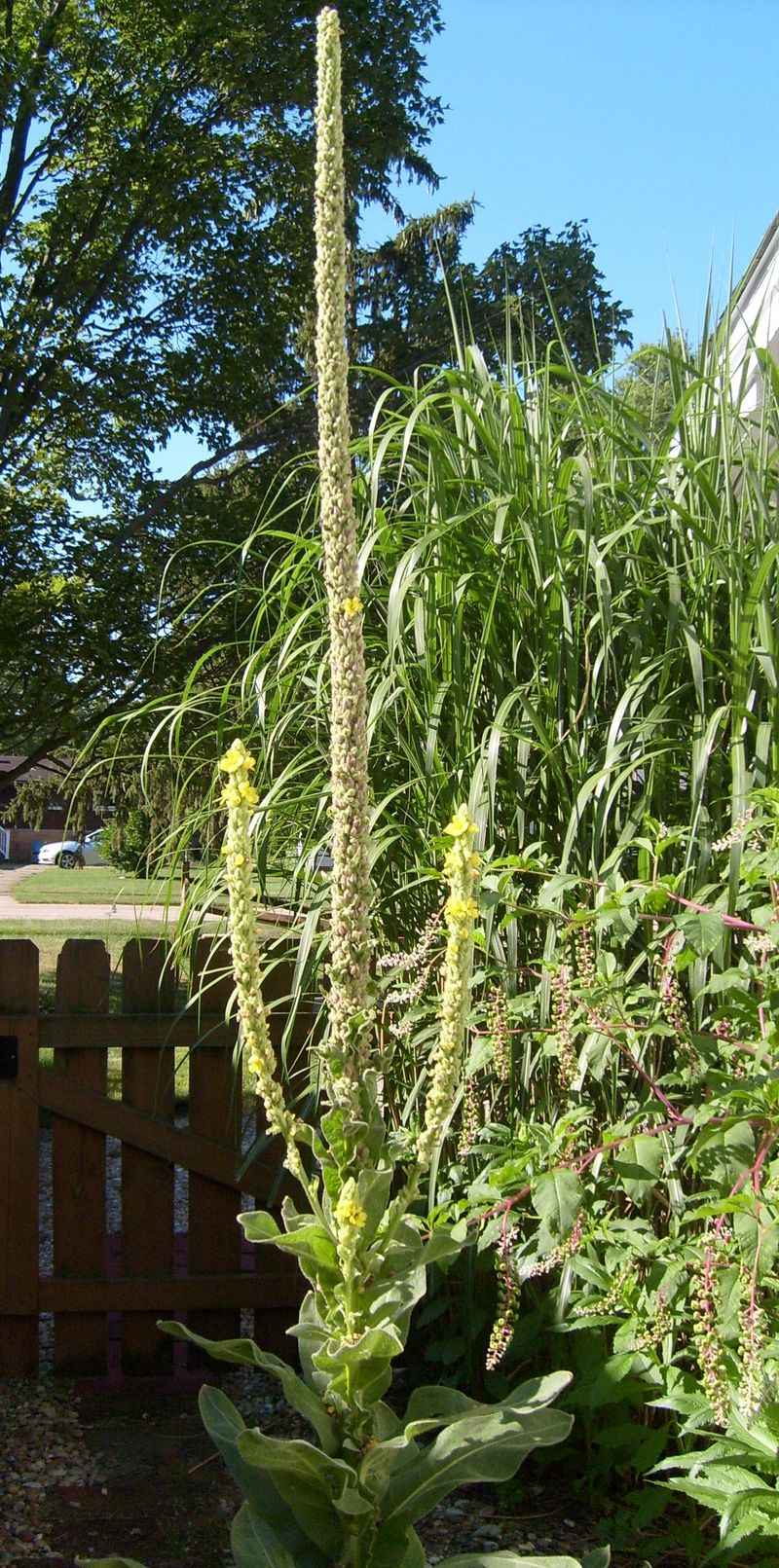
Rural properties and unincorporated areas operate under a different set of rules than city lots. If your property sits outside city or village limits, township trustees and county regulations are likely the relevant authorities.
Fence-line vegetation and roadside growth are common points of friction in these areas.
Ohio townships have authority to address noxious weeds and nuisance vegetation under state law. Township trustees can act when landowners fail to control noxious weeds along fence lines, roadsides, or the edges of their property.
Public roadside ditches fall under a separate set of rules that may involve the county engineer or township road crew.
The Ohio Revised Code gives township trustees tools to respond to noxious weed complaints on private property within their jurisdiction.
The process typically involves notice to the landowner, a period to correct the problem, and trustee-ordered cutting if the owner does not act.
Costs may be assessed back to the landowner. Rules for agricultural land, vacant parcels, and residential lots in townships can differ, so checking with your township trustees directly is the most reliable approach.
County extension offices can also point you toward the right local authority for fence-line and roadside vegetation concerns.
6. Document The Weeds Before You File A Complaint

Good documentation can make the difference between a complaint that gets attention and one that gets set aside. Before contacting any office or authority, spend some time gathering clear evidence of the problem from your own property.
Staying on your side of the line is not just courteous, it protects you from any claim of trespassing or interference.
Take dated photographs that show the weeds, their location relative to the property line, and any visible seed heads or spreading growth. If seeds or plant material have already crossed onto your property, photograph that too.
Write down what you observe and when, including whether you have spoken to your neighbor about the issue.
Note the approximate height of the plants, the type of vegetation if you can identify it, and whether the problem has been ongoing across multiple seasons. A county extension office can help you identify the plants correctly, which strengthens any complaint you file.
Code enforcement officers respond better to specific, factual reports than to general frustration. If the situation involves repeated violations over time, a record of dates and photos shows a pattern.
That kind of documentation can be useful if the issue ever moves beyond a code complaint to a formal dispute or legal process.
7. Do Not Cross The Property Line To Cut Them Yourself
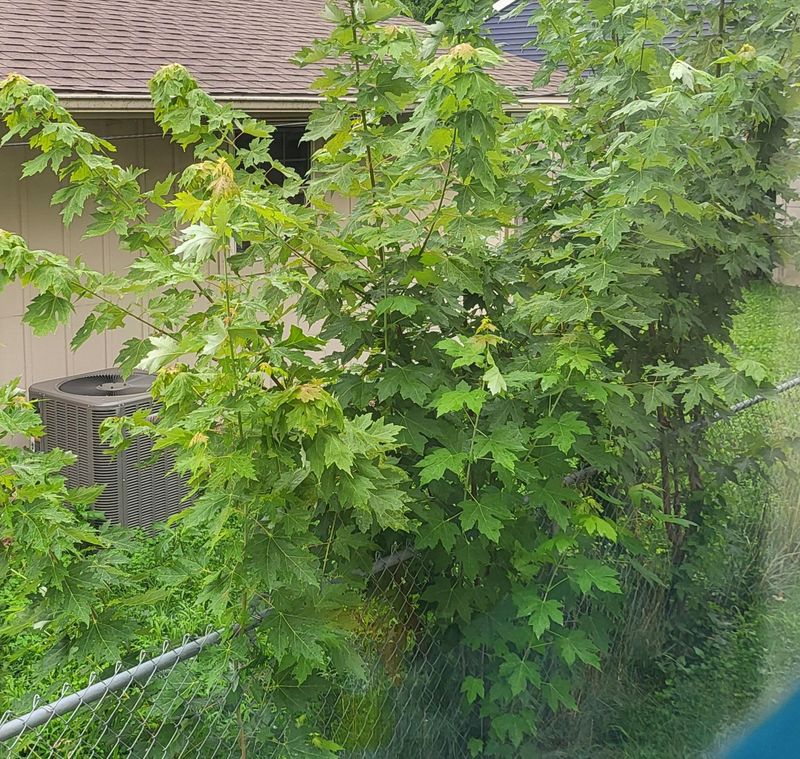
Frustration with a neighbor’s weeds can build quickly, especially when seed heads are blowing into a garden that took years to cultivate.
Even so, stepping onto a neighbor’s property to cut, spray, or remove their plants is a step that can create serious legal problems for you.
What feels like a reasonable fix can turn into a trespassing claim or a dispute over property damage.
Spraying herbicide over or across a property line is also risky. Herbicide drift can harm plants the neighbor values, and that can open the door to a civil claim.
Cutting back vegetation that extends over the property line is sometimes discussed as a common-law right. The rules around that vary, so the safer approach is to consult a legal professional before acting.
The right path is to use official channels. Contact code enforcement, file a formal complaint, or speak with township trustees.
If the problem involves a specific plant that is legally classified as a noxious weed, state and local authorities have tools to address it.
Taking matters into your own hands, even with good intentions, can shift the legal focus from your neighbor’s weeds to your own actions.
Patience and documentation tend to produce better outcomes than self-help remedies.
8. Start With Local Code Enforcement Before Taking Legal Action
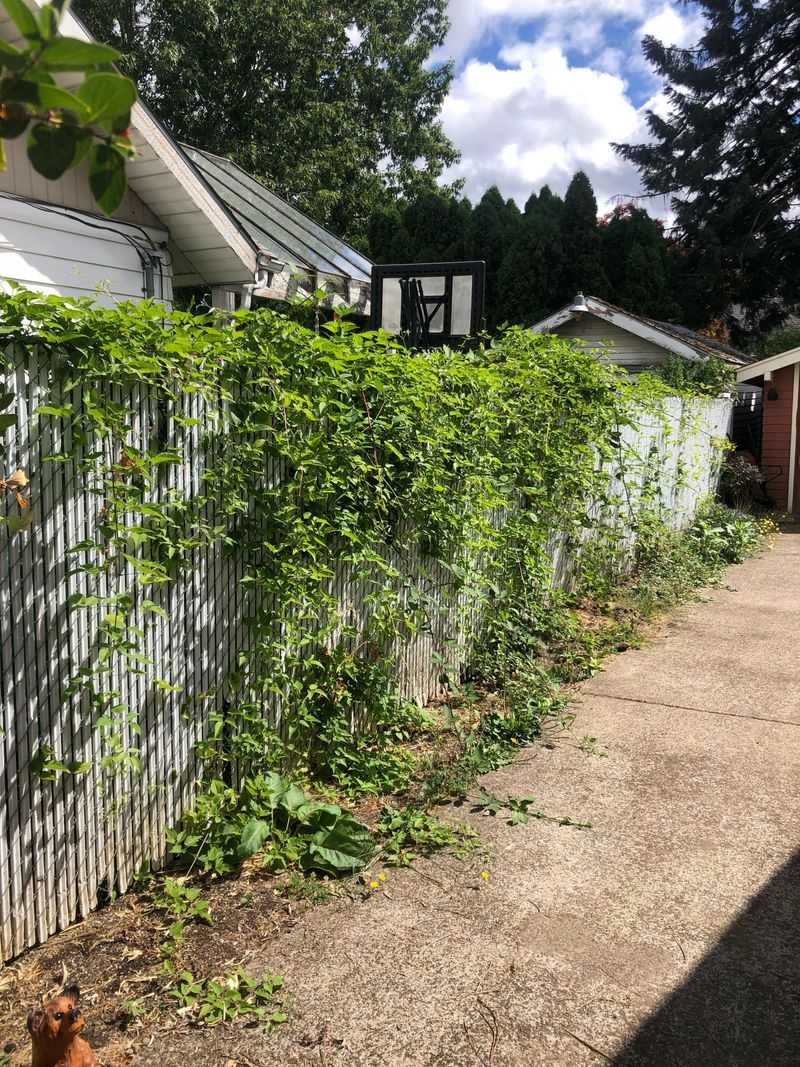
Before calling a lawyer or filing anything in court, the most practical first step is almost always the local code enforcement office. These offices exist specifically to handle complaints about property maintenance, nuisance vegetation, and code violations.
They are often free to contact, and a single call can clarify whether a violation actually exists under local rules.
Bring your documentation when you reach out. A clear description of the problem, dated photos, and the property address help the officer understand the situation quickly.
Ask what standard the city or township uses, what the complaint process looks like, and how long the process typically takes. Understanding the process helps manage your expectations.
Code enforcement cannot always guarantee a specific outcome, and officers have discretion in how they respond.
If the complaint involves a genuine noxious-weed violation, state and local authorities have more tools available than in cases involving ordinary tall grass.
Serious disputes and cases involving property damage may eventually require advice from a qualified attorney. The same applies when a neighbor refuses to comply after repeated violations.
A real estate attorney or local legal aid office can help you understand your options without making promises about results. This article is general information, not legal advice, and local rules vary widely across cities, villages, townships, and counties.