Stop Trimming Everything And Learn When Ohio Plants Actually Need Pruning
Every season, many Ohio gardeners make one mistake that damages their shrubs and harms their blooms. The same mistake delays their fruit trees by an entire year.
The annoying part? They are completely unaware of it. If you stroll through any neighborhood in the spring, you’ll notice it. Lilacs neatly trimmed into small mounds.
Rose bushes that were pruned back in October by someone who thought they were doing the right thing. Both of these plants are entering the new season weaker than they should be.
Yes, pruning seems straightforward. Just grab some shears, cut away the messy parts, and you’re done.
But there’s a timing trick that’s crucial for every healthy, thriving plant in your yard, and most people never find out about it.
Ohio’s four seasons are more than just changing temperatures. They serve as a natural calendar telling you precisely what to prune and what to leave alone.
The only question is whether you have been listening to the right months. Put the pruners down. It is time to actually learn when to use them.
Cut Back Overgrown Shrubs While They Rest
Not every messy shrub needs immediate attention. However, late winter is one of the best times for gardeners all year, yet many people miss it.
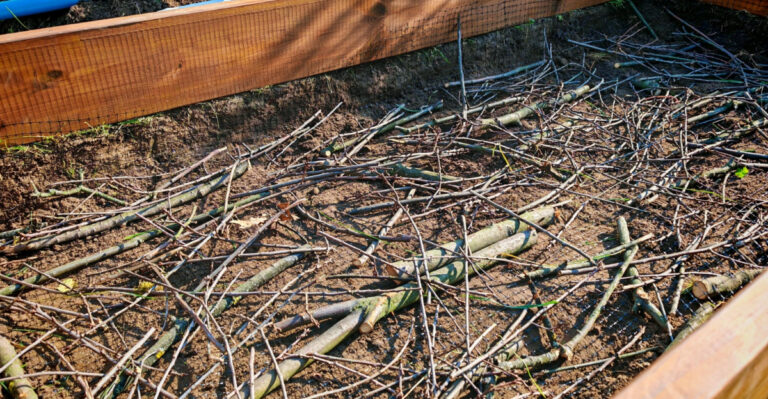
When a shrub is completely dormant, it’s like it’s taking a long nap. There’s almost no water flowing through the stems, and no nutrients moving around.
It’s just a plant resting, totally undisturbed. This nap is your chance to make bigger, bolder cuts without shocking the plant.
Think of it as pruning made easy. Shrubs that have become crowded, leggy, or just out of control respond really well to dormant pruning. Dormant renewal pruning can be used for overgrown shrubs, but routine pruning of spring bloomers is best after flowering.
Forsythia, lilac, and viburnum are common in Ohio yards. Start by removing the oldest, thickest canes at the base. Open up the center to let some air in. This will allow younger, more productive growth to fill the space when spring arrives.
The timing, however, depends on your zip code. Southern Ohio starts in late February, while Northern Ohio gardeners should wait until mid-March.
So, pay attention to the branches, not just the calendar. Once the buds begin to swell, your time is running out.
One important rule to remember: dormant pruning is not about shearing. No balls. No boxes. Just clean, careful cuts that follow the plant’s natural shape.
Remove any crossing branches. Cut out weak stems. Clear away anything damaged by winter. The shrub will wake up, shake off the cold, and grow back stronger than ever.
Thin Branches Instead Of Shearing Every Edge
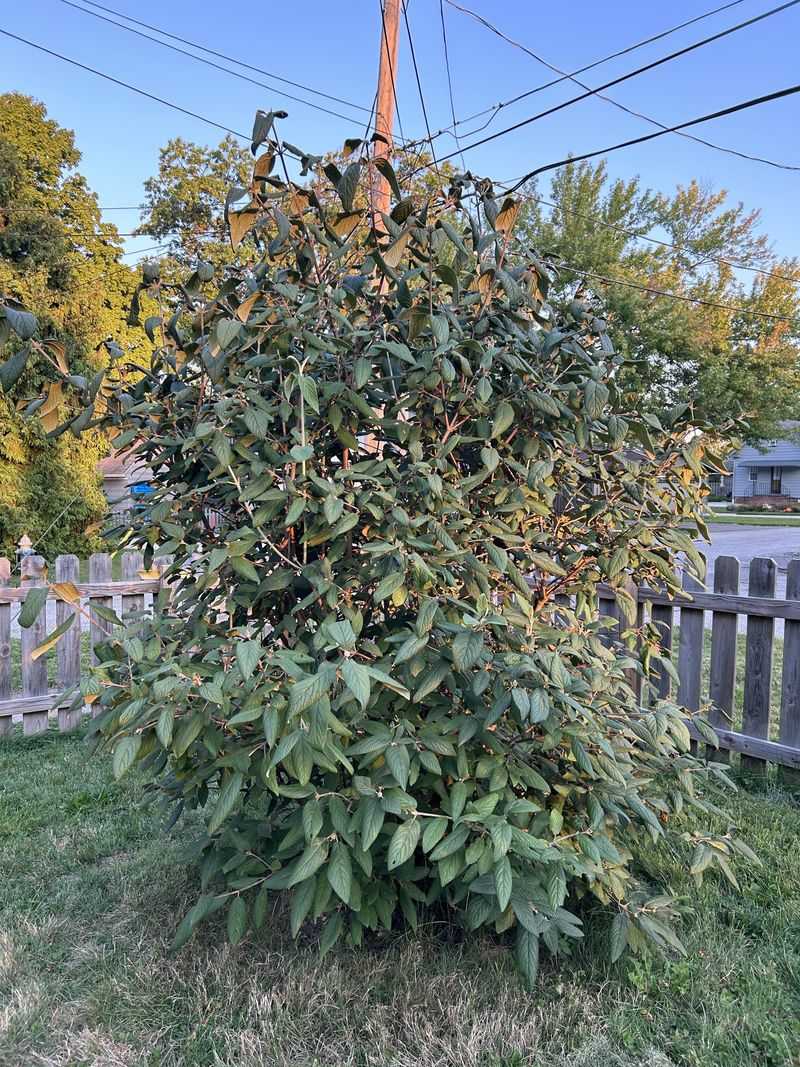
Put the hedge trimmer back in the garage. Seriously. Trimming every shrub into a neat shape feels satisfying at the time. It appears clean. It seems intentional. But beneath that tidy surface, something unpleasant is occurring.
Constant trimming creates a thick layer of dense outer growth. Sunlight can’t penetrate it. Air can’t flow through it. Gradually, the inside of the plant becomes a mass of weak, crossing stems with no leaves. Attractive on the outside. Gone on the inside.
Your Ohio Garden Changes Every Week. Your Plan Should Too.
Gardening in Ohio changes quickly throughout the season. Every Friday you’ll receive a simple weekly plan showing exactly what to plant, prune, fertilize, harvest, and protect so you never miss the right timing.
Thinning cuts operate in a completely different way. Instead of just snipping the tips, you take out entire stems all the way back to where they start. The main trunk. A larger branch. The base. All gone.
That one change opens up the inside, floods the plant with light, and allows air to circulate through the canopy. The difference is huge.
Forsythia, viburnum, and native serviceberry aren’t meant to be shaped into boxes or balls. They have a natural arching growth that looks amazing when you embrace it.
If you try to force that growth with a hedge trimmer, you just end up with a lumpy mass. So, save the hedge trimmer for formal hedges where trimming is actually the goal. Everything else deserves a pair of hand pruners and a bit more care.
Shape Hedges When New Growth Fills In
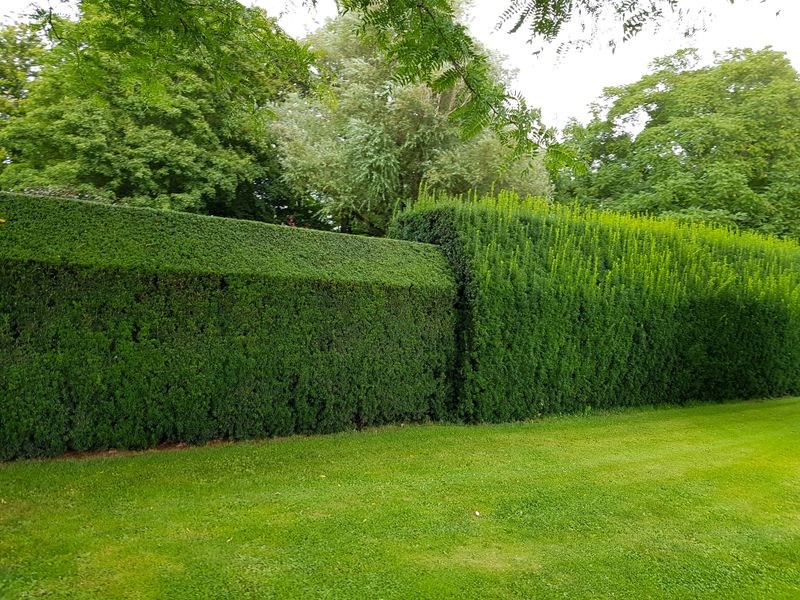
Your hedge doesn’t require you to be on it every weekend with a trimmer. Take a step back. Allow it some room.
Formal hedges such as privet, boxwood, and arborvitae actually do better with less interference than many believe. Two light trims a year is the ideal amount. Anything more just adds extra work for you and stress for the plant.
The first trim should happen in late spring. Wait until that first burst of new growth has filled in and become a bit tougher. In Ohio, this typically occurs around May or June. If you cut too early, the hedge will appear patchy and thin.
Trimming too frequently causes the plant to expend all its energy on surface regrowth. This leads to a thick outer layer with a hollow, struggling center.
Ohio summers are already humid enough. That dense outer layer traps moisture against the leaves and invites fungal issues.
A second light trim in August helps tidy things up before fall. Just make sure not to go past late August. Any new growth stimulated by a late trim won’t have enough time to harden off before the first frost arrives unexpectedly.
One shaping rule that many learn the hard way: always keep the base of the hedge wider than the top. Sunlight needs to reach those lower branches.
If you reverse that shape, the bottom will gradually become bare, leaving only leggy stems at ground level. A little geometry now can prevent a very ugly problem later.
Remove Broken Branches Before They Become Trouble
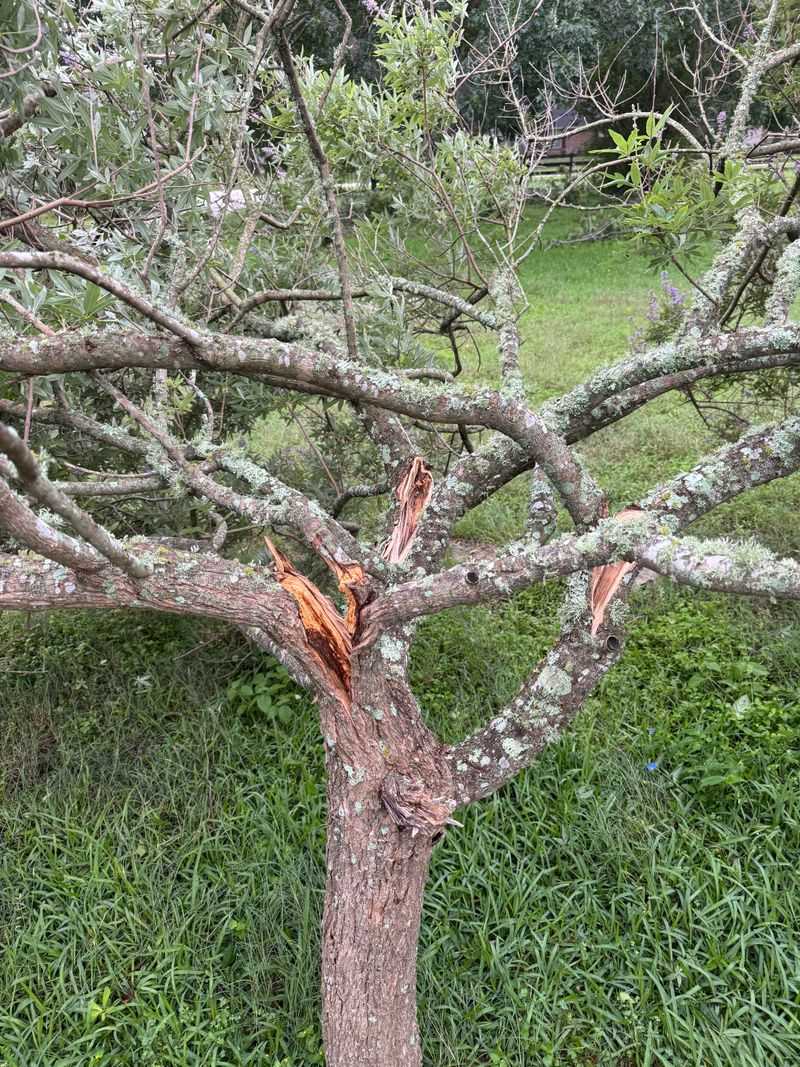
Some pruning choices don’t wait for the perfect season. They wait for the perfect moment. And that moment is the instant you notice a problem.
Broken branches, cracked limbs, or anything hanging by a thread after a storm isn’t a spring project. It’s a project for this weekend.
Ohio winters can be harsh, and ice buildup can turn a perfectly healthy tree into a risk overnight. So, don’t leave damaged wood there, hoping it will fix itself. It never fixes itself.
Crossing branches need the same level of attention. Two branches rubbing against each other might seem harmless. But, that constant friction is wearing away the bark and creating an open wound.
Pests are attracted to open wounds. Diseases target open wounds. Remove the smaller or awkwardly placed branch, and the issue disappears before it even becomes one.
Now, here’s where you need to set your ego aside. Large limbs under tension can be unpredictable.
One wrong cut, and a branch that weighs more than you can shift in an unexpected direction. Anything above head height or near a building should be handled by a certified arborist. No exceptions.
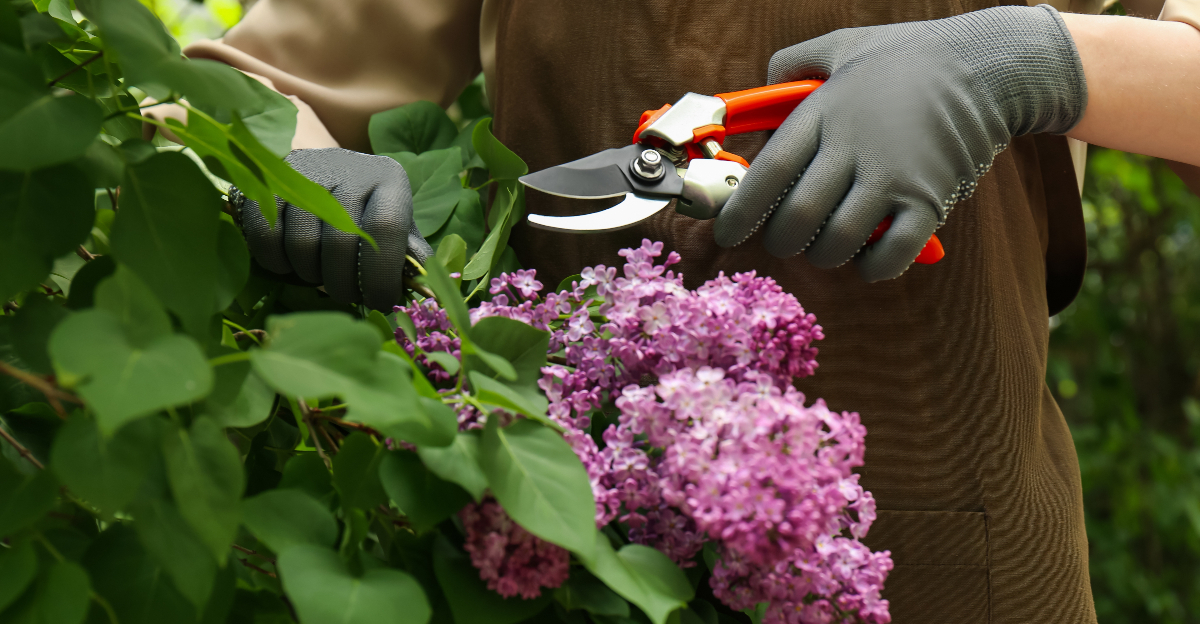
For smaller shrubs and low branches, the method is simple. Cut just outside the branch collar, that slightly swollen ridge where the branch connects to the trunk.
No stubs. Clean cuts close over quicker, seal better, and keep the plant structurally sound for many years ahead. Respect the collar. Leave no stubs. Call a professional before you do something you can’t undo.
Let Flowering Shrubs Set The Schedule
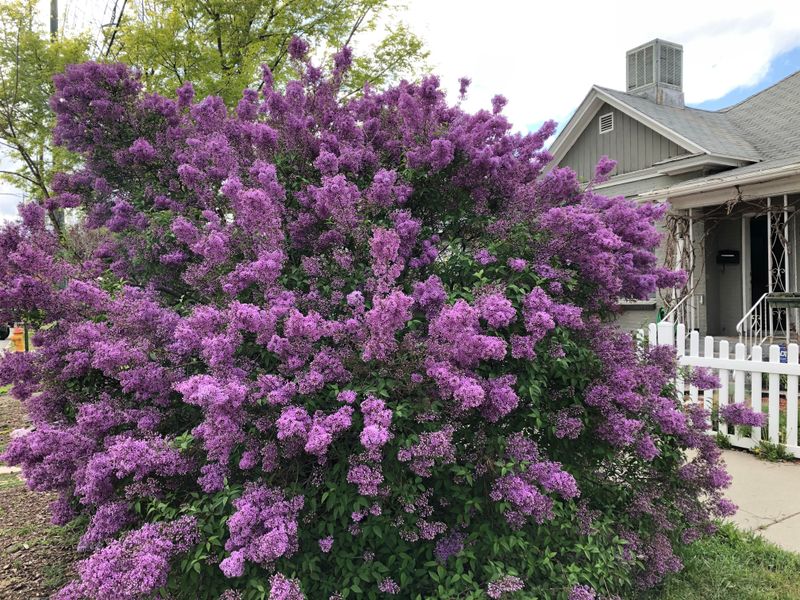
Three words distinguish a yard filled with flowers from one filled with disappointment. Old wood or new?
Get that answer correct and your flowering shrubs will put on a display every season. Get it wrong and you’ll find yourself staring at a lilac that hardly bloomed. Here’s what went wrong. You pruned it at the incorrect time.
Spring bloomers like lilac, forsythia, weigela, and azalea create their flower buds on old wood. That’s growth from the previous season.
Those buds are already on the branches, just waiting for their time to shine. If you cut the shrub before it blooms, those buds disappear. There are no second chances. No blooms until next year at the earliest.
The solution is almost embarrassingly straightforward. Wait for the flowers to fade, then take out the pruners.
In Ohio, that typically means from April to early May. The plant then has the whole growing season to produce new growth and prepare next year’s buds.
However, summer bloomers work on a completely different principle. Panicle hydrangea, butterfly bush, and summer spirea all bloom on new growth from the current season. Prune them in late winter or early spring, and the blooms are safe.
So, stop pruning based on the calendar and start pruning according to the bloom cycle. The plants know the schedule. It’s time you learned it too.
Give Roses A Spring Refresh Before Growth Surges
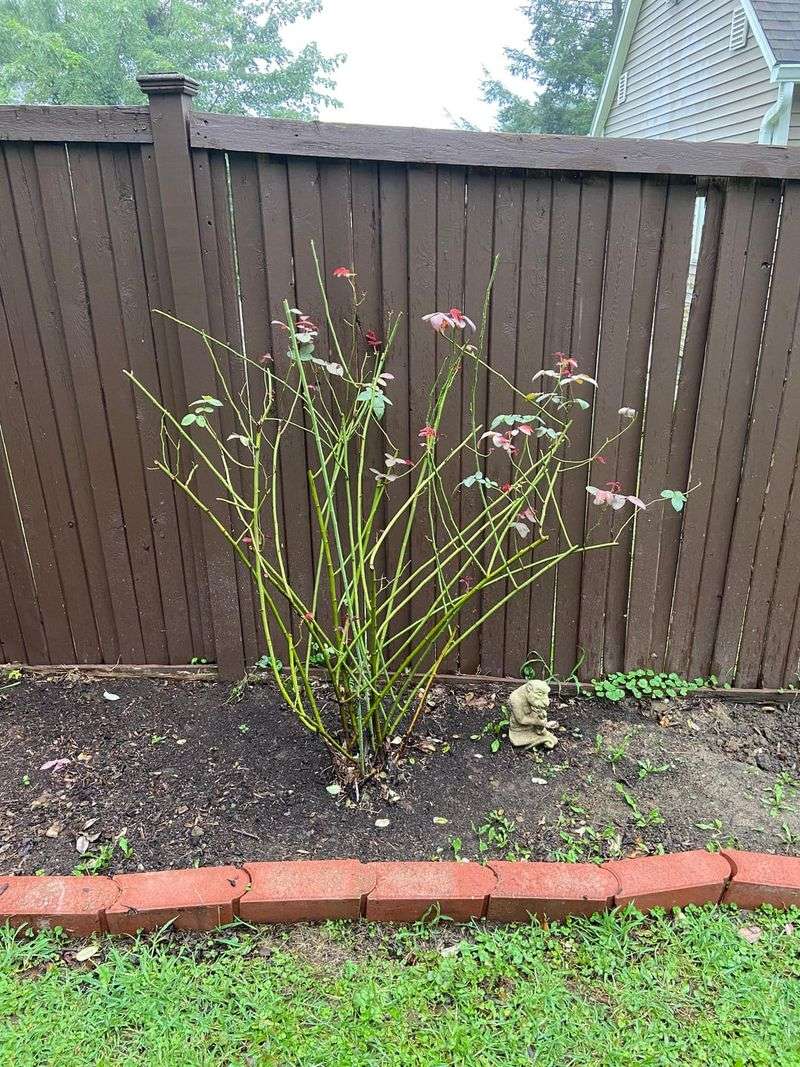
Roses are known for being a bit dramatic. To be honest, they’ve kind of earned that reputation. However, gardeners who get the timing right often find that the whole process is much less scary than it seems.
The most crucial rule is to be patient. Don’t mess with them until winter has truly finished its last attacks.
In Ohio, this usually means waiting until late March to early April for most areas. Gardeners in Northern Ohio should hold off a bit longer than those in Columbus or Cincinnati.
Unsure when to begin? Keep an eye on the forsythia. Veteran rose growers usually swear by this method. When the forsythia starts to bloom, it’s the perfect time to prune your roses.
The temperatures are becoming stable, and the canes are starting to show swollen buds. That bright yellow burst is basically nature giving you the go-ahead.
When you do start pruning, cut just above a bud that’s facing outward at a clean 45-degree angle. This angle helps water run off the cut, and the outward-facing bud encourages new growth to move away from the center.
Hybrid teas and grandifloras should be cut back to about 12 to 18 inches. Shrub roses and landscape roses are more forgiving and can handle a cut of one-third to one-half without any issues.
Make sure to remove anything that looks discolored, shriveled, or damaged by the cold winter.
One important detail that can make a big difference between good results and great ones is having sharp pruners. Jagged cuts take longer to heal and leave canes vulnerable.
Spending a few minutes sharpening your tools before you start is the best upgrade your roses will ever receive.
Prune Fruit Trees Before Buds Break
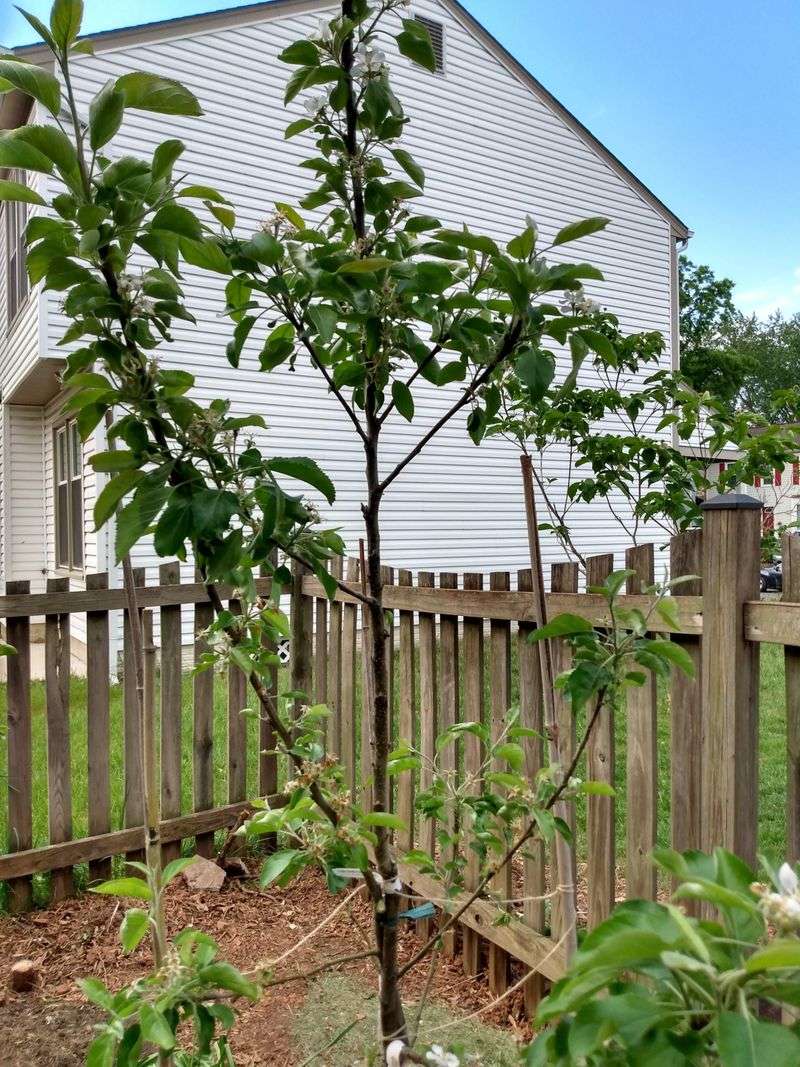
Fruit trees really test a gardener’s patience. If you rush things, the tree will definitely make you regret it when harvest time comes around. If you get the timing right, the results can be truly amazing.
In Ohio, late winter is the perfect time. From late February to mid-March, after the worst of the cold has passed but before the buds start to open.
The tree is still dormant, resting, and ready to handle significant cuts without the stress that comes with active growth.
However, the benefits go beyond just appearance. A well-pruned fruit tree doesn’t waste energy on a bunch of small fruits.
Instead, it channels that energy into fewer, larger, and higher-quality fruits. Better light in the canopy also improves air circulation, which helps reduce the fungal diseases that thrive in the summer.
Structure is important too. According to the Ohio State University Extension, there are two main training methods. Apples and pears thrive with a central leader. Peaches, on the other hand, do better with an open center.
So, start by addressing the obvious issues. Look for broken branches or branches that rub against each other. Remove those first, then take a step back and really observe the tree before making any more cuts.
That moment of pause is more important than most people think. Taking off too much in one season can stress the tree much more than leaving a few extra branches for next year. Take your time. The fruit is worth the wait.
Hold Off On Forsythia Until The Show Ends
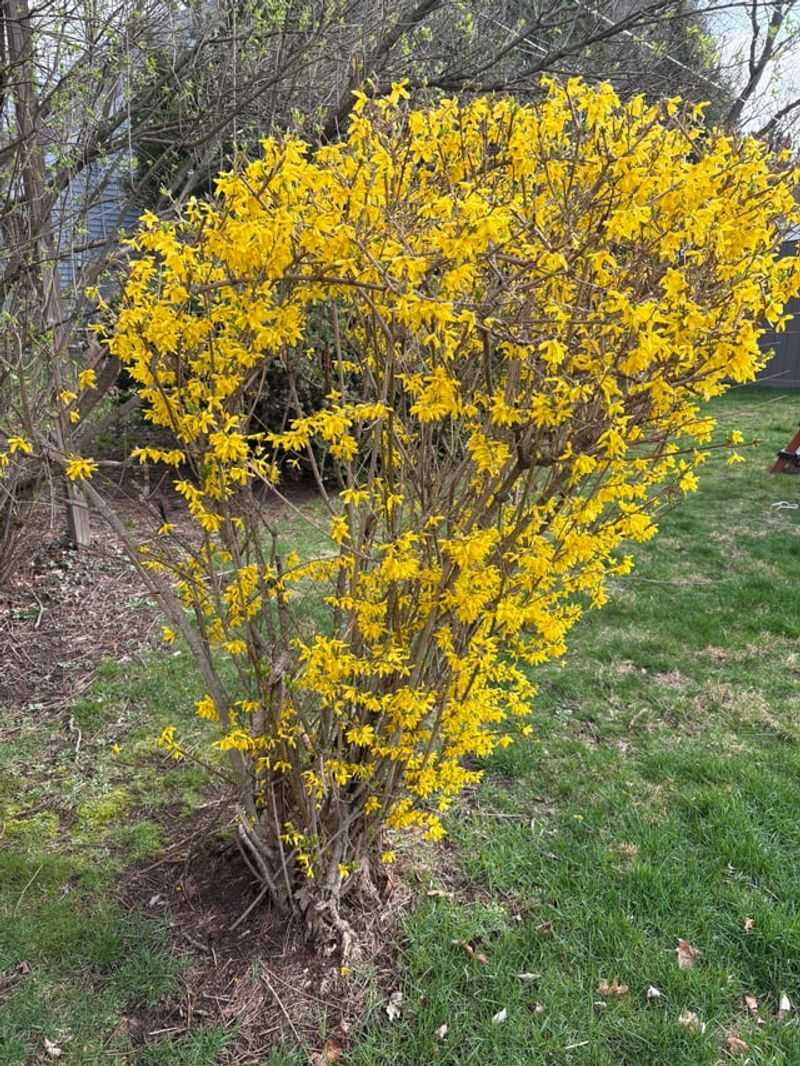
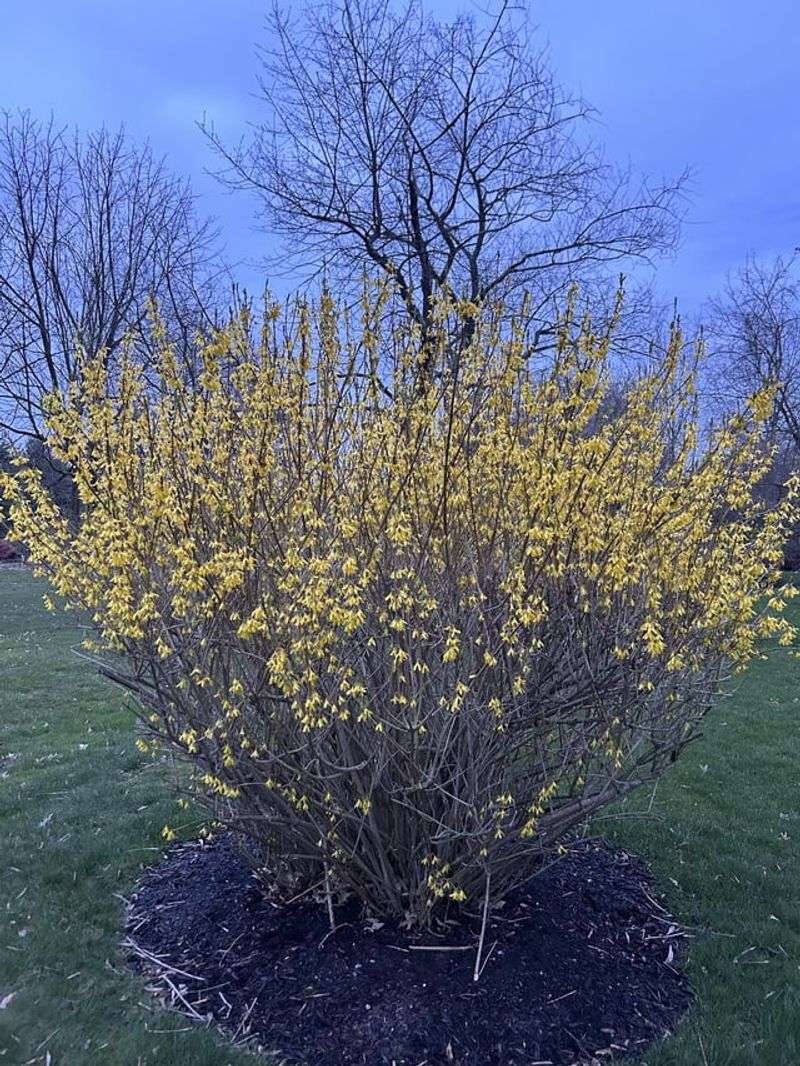
While everything else in the yard is still figuring out if winter is really over, forsythia is already putting on a full yellow spectacle. It’s totally unfazed by the cold that just passed.
For many gardeners in Ohio, this is the first real sigh of relief for the season. Naturally, this also makes it one of the most frequently mishandled shrubs in the state.
Here’s the key point that most people overlook. Forsythia blooms on old wood. Those flowers don’t come from new growth. They’re actually on branches that the plant developed last season, waiting for their moment in the sun.
If you grab the pruners too soon, that chance never arrives. A well-meaning trim before the blooms fade can wipe out the entire display before it even begins. So, the rule is straightforward, but it takes self-control.
Wait. Observe. Allow every single flower to fade before making any cuts. Then, prune immediately after, because the countdown for next year’s buds starts right away.
New stems require the whole growing season to mature and form those buds. Every week of growth is crucial.
If you prune late after blooming, you steal time from the plant. If you prune before blooming, you miss out on one of the best free shows. Keep an eye on the flowers. When the last one falls, that’s your signal.