This Underrated Pennsylvania Native Shrub Helps Discourage Ticks While Feeding Wildlife All Season
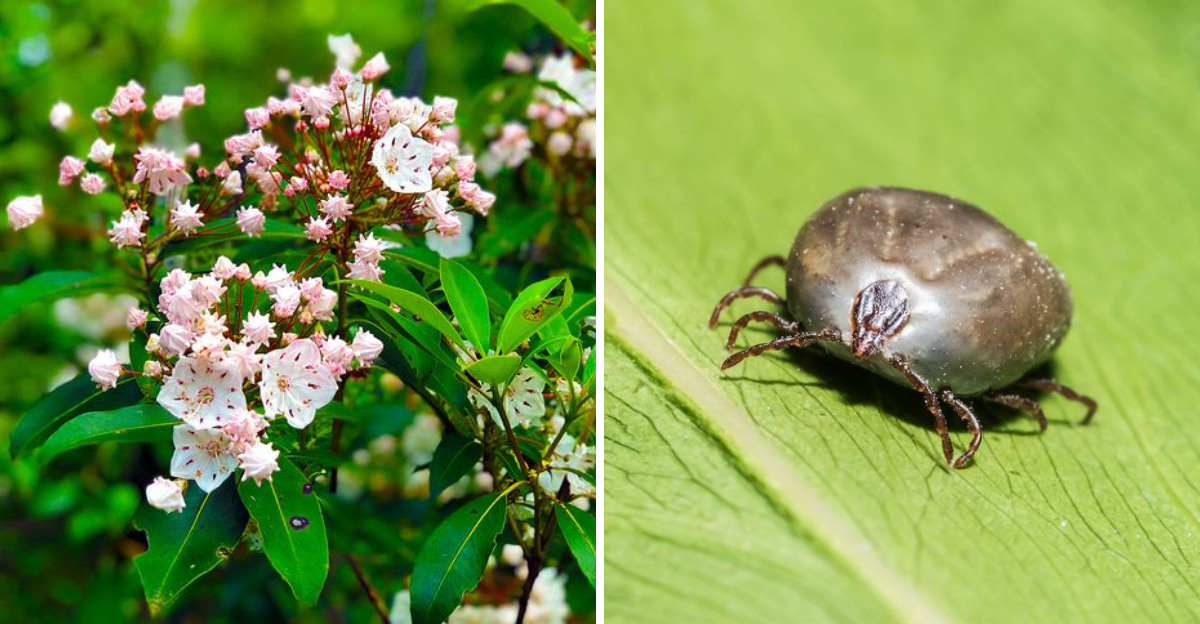
Most conversations about tick prevention in Pennsylvania focus on sprays, yard treatments, and keeping the grass trimmed short. And while those things have their place, there’s a much more interesting solution that most homeowners never even consider.
It grows right in your yard, provides shelter and food for wildlife, and quietly makes your property a lot less appealing to ticks all at the same time. It’s a native Pennsylvania shrub, and it deserves a lot more attention than it gets.
This underrated plant has been part of the Pennsylvania landscape for centuries, supporting local ecosystems in ways that ornamental shrubs simply cannot match. Birds love it.
Pollinators depend on it. And because it’s native, it does all of this while thriving in Pennsylvania’s climate without demanding extra care or constant watering.
But here’s what really makes it stand out. The way this shrub grows and the environment it creates naturally discourages the conditions that ticks love most.
Meet Mountain Laurel
Tucked into the hillsides and forest edges of Pennsylvania, Mountain Laurel has been quietly thriving for centuries.
Known scientifically as Kalmia latifolia, this native evergreen shrub is one of the most beautiful plants you can find growing wild in the eastern United States. It was even named Pennsylvania’s official state flower back in 1933, and for good reason.
Mountain Laurel grows as a dense, multi-stemmed shrub that can reach anywhere from 5 to 15 feet tall. Its leaves are thick, glossy, and deep green, staying lush and full all year long even through cold Pennsylvania winters.
That evergreen quality alone makes it stand out from many other native shrubs that go bare in fall.
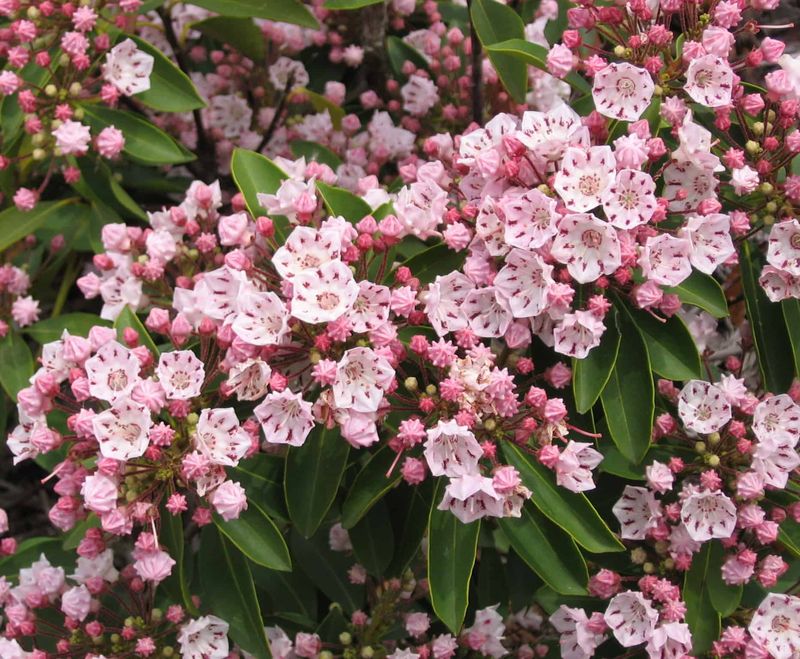
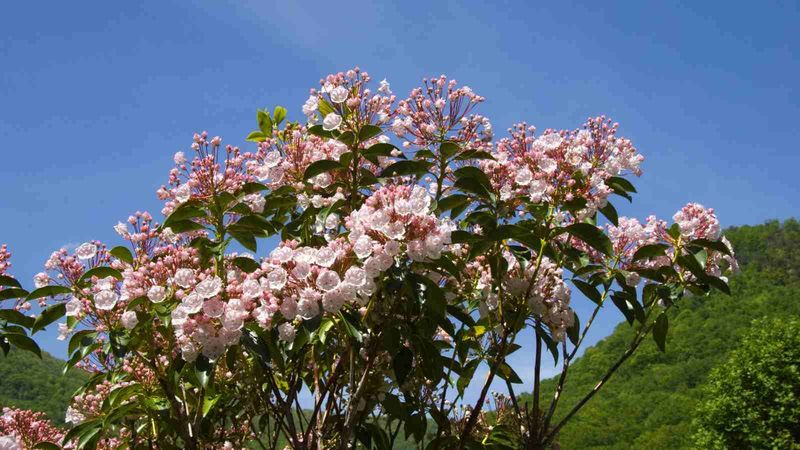
The real showstopper comes in late spring, usually from May through June. That is when Mountain Laurel bursts into bloom with large, showy clusters of flowers.
The blooms range from pure white to soft pink to deep rose, often with delicate markings inside each petal. Each individual flower has a unique cup shape that almost looks hand-painted.
Beyond its looks, Mountain Laurel is a tough and adaptable plant. It grows naturally in rocky, acidic soils along woodland edges, stream banks, and mountain slopes.
It tolerates shade better than most flowering shrubs, making it a smart choice for yards with trees. Native plant enthusiasts love it because it supports local ecosystems without needing extra fertilizers or heavy watering.
If you have never considered planting it, now is a great time to get to know this remarkable Pennsylvania native.
Tick-Deterring Qualities
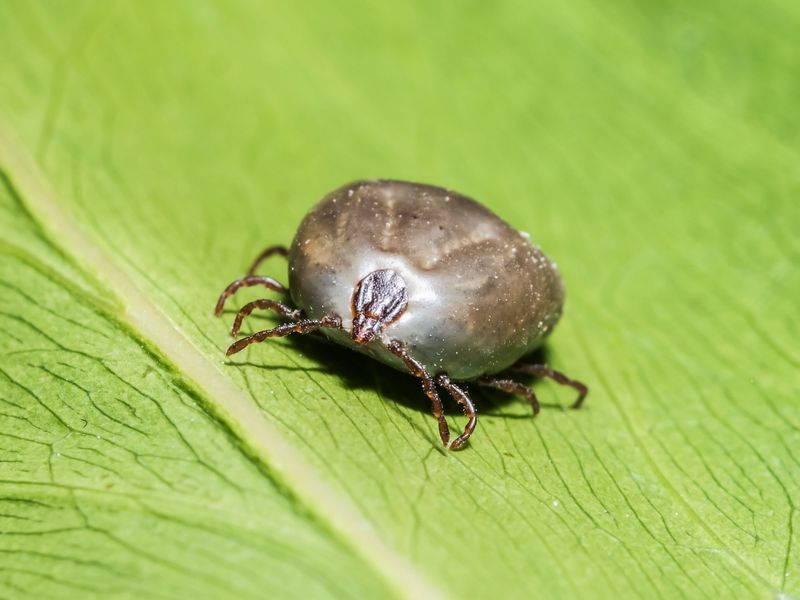
Ticks thrive in warm, moist environments with plenty of leaf litter, tall grass, and low-growing vegetation. They need humidity to survive, and they tend to hang out in transition zones where lawns meet wooded or brushy areas.
That is exactly where smart landscaping can make a real difference, and Mountain Laurel is one of the best tools you have.
When Mountain Laurel grows in a thick, dense mass, it creates a microclimate underneath its canopy that is actually less friendly to ticks. The dense, layered foliage blocks moisture from settling close to the ground.
Your Pennsylvania Garden Changes Every Week. Your Plan Should Too.
Gardening in Pennsylvania changes quickly throughout the season. Every Friday you’ll receive a simple weekly plan showing exactly what to plant, prune, fertilize, harvest, and protect so you never miss the right timing.
Shade from the thick leaves reduces the humid conditions ticks depend on to stay active. The result is a drier, less hospitable zone right where ticks would otherwise love to gather.
Planting Mountain Laurel along yard borders, fence lines, or woodland edges can act as a natural buffer zone. Ticks often travel from wooded areas into yards by latching onto deer, mice, and other animals.
A thick shrub border creates a physical and environmental barrier that interrupts that pathway.
It is worth pairing Mountain Laurel with other tick management habits, like keeping grass trimmed short and removing leaf piles near the house. But using native plants as part of your strategy is a smart, low-chemical approach that benefits the whole yard.
Studies on tick habitat have shown that dry, well-structured plantings reduce tick populations in residential areas.
Mountain Laurel gives you beauty, structure, and a real layer of natural protection all at once. That combination is hard to beat for any Pennsylvania homeowner.
Year-Round Wildlife Benefits
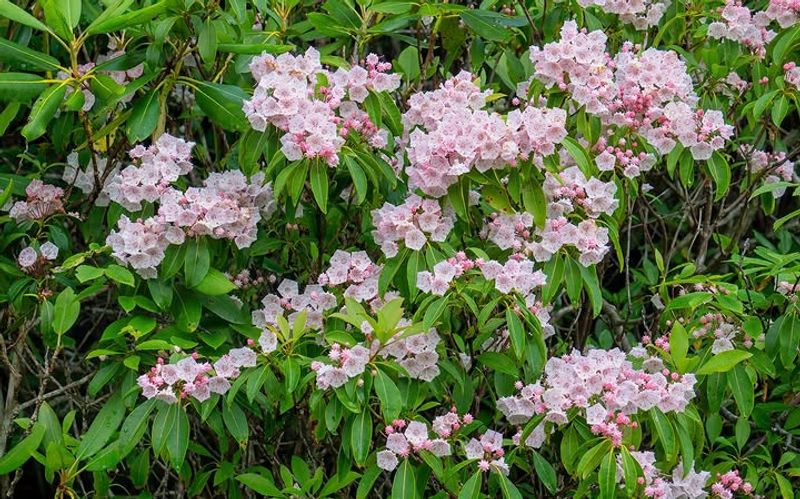
Walk past a blooming Mountain Laurel in May and you will almost always hear buzzing. Bees absolutely love this plant.
Native bumblebees, honeybees, and several species of native solitary bees flock to the flowers for nectar and pollen.
The unique shape of the Mountain Laurel flower even has a built-in mechanism that flings pollen onto visiting bees, making it one of nature’s most clever pollination systems.
But the benefits do not stop when the flowers fade. Through summer, fall, and winter, the dense evergreen branches of Mountain Laurel become a shelter hotspot for wildlife.
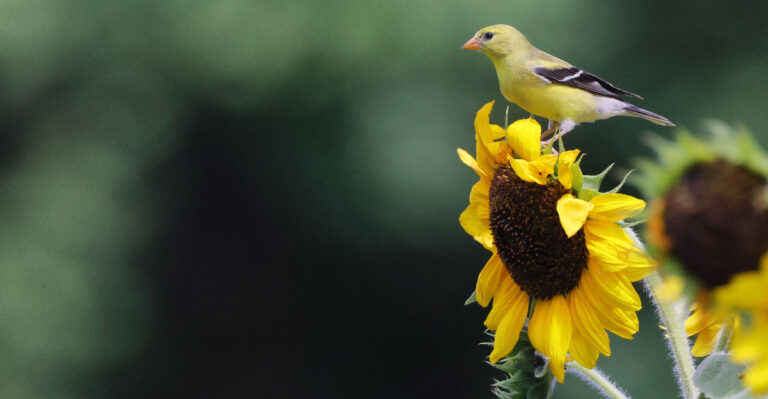
Birds like chickadees, towhees, and sparrows nest inside the thick foliage, protected from wind, rain, and predators. The shrub’s layered branches create the kind of cozy, hidden structure that small birds need to feel safe.
Small mammals also benefit from Mountain Laurel’s dense growth. Rabbits, chipmunks, and even foxes use the cover it provides for resting and raising young.
White-tailed deer occasionally browse on the leaves, though they tend to avoid it compared to other plants, which is actually another plus for gardeners.
Pollinators that visit Mountain Laurel in spring go on to support the rest of your garden throughout the season. A healthy pollinator population means better fruit set on vegetable plants, more flowers on perennials, and a more vibrant yard overall.
Planting even one or two Mountain Laurel shrubs can noticeably increase the wildlife activity in your yard. It is one of those plants that gives back far more than you put in, season after season.
Evergreen Screening And Aesthetics
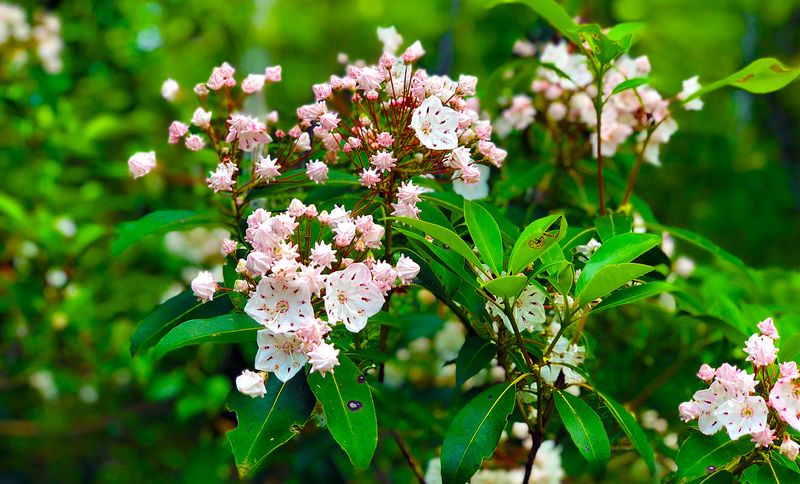
Some shrubs look great in summer and turn into bare sticks by November. Mountain Laurel is not one of them.
Its thick, glossy leaves stay rich and green through every season, making it one of the most reliable evergreen screening plants available for Pennsylvania landscapes.
That consistency is something homeowners genuinely appreciate when winter rolls in and most of the yard looks bare.
Planted in a row along a fence, property edge, or walkway, Mountain Laurel creates a natural privacy screen that works all year.
The shrubs fill in gradually over a few seasons, eventually forming a lush, layered wall of greenery that blocks views, reduces noise, and adds a polished look to the yard. Unlike wooden fences or vinyl panels, this living screen gets better with age.
From an aesthetic standpoint, Mountain Laurel is hard to match. The deep green foliage provides a rich backdrop for other plants throughout the growing season.
When it blooms in late spring, the clusters of pink and white flowers turn heads and draw compliments from neighbors and passersby. Even the twisted, gnarled branching structure of older plants has a sculptural, artistic quality.
Landscape designers often use Mountain Laurel as a foundation plant around homes, especially on north-facing or shaded sides where other flowering shrubs struggle.
It pairs beautifully with rhododendrons, ferns, and native azaleas to create a layered woodland garden look.
Whether your yard is formal or naturalistic, Mountain Laurel adds structure and beauty without looking fussy or high-maintenance. It is a plant that genuinely earns its place in the landscape every single month of the year.
Low-Maintenance Landscaping
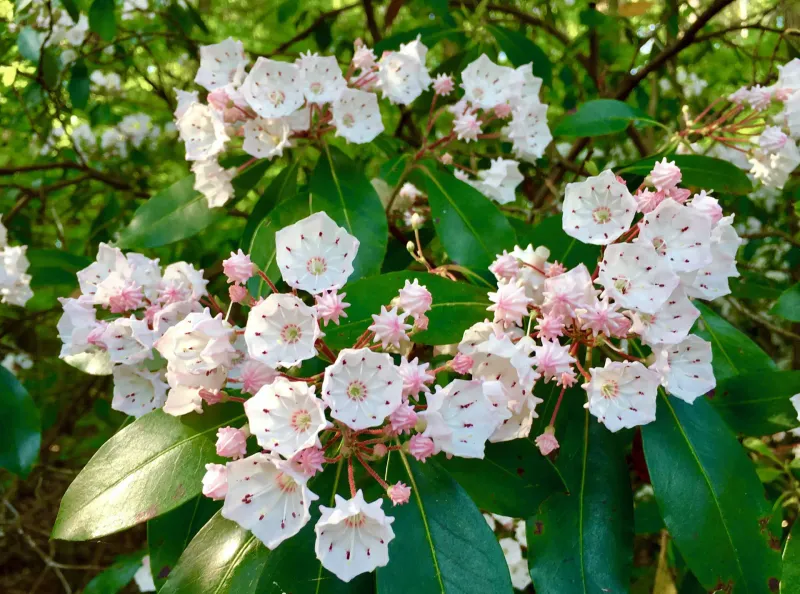
Not everyone has hours to spend in the garden every weekend, and that is completely okay. Mountain Laurel is one of those rare plants that looks after itself once it gets going.
After the first year or two of establishment, it becomes remarkably self-sufficient, handling drought, shade, and poor soil conditions without much help from you.
Once its root system is settled in, Mountain Laurel pulls moisture from deeper in the soil and handles dry spells with ease. You do not need to water it constantly or set up irrigation systems.
It also thrives in the kind of acidic, rocky, or clay-heavy soils that frustrate gardeners trying to grow other ornamental shrubs. Pennsylvania’s native soil conditions are actually ideal for it.
Pruning is rarely necessary unless you want to shape the plant or remove older, less productive stems. If you do prune, the best time is right after it finishes blooming in late spring or early summer.
Cutting it back at the wrong time can remove next year’s flower buds, so a little timing awareness goes a long way. Other than that, Mountain Laurel mostly takes care of itself.
Fertilizing is usually not required either, especially if you mulch around the base with wood chips or shredded leaves to mimic the forest floor conditions it naturally prefers.
That layer of organic mulch helps retain soil moisture, regulate temperature, and slowly feed the roots.
For busy homeowners, new gardeners, or anyone who wants a beautiful yard without constant upkeep, Mountain Laurel is practically a dream plant. Simple, tough, and gorgeous all at once.
Planting Tips For Maximum Effect
Getting Mountain Laurel off to a strong start is mostly about picking the right spot. It performs best in partial shade to full sun, but in Pennsylvania’s hot summers, a location with morning sun and afternoon shade tends to produce the healthiest plants.
Too much harsh afternoon sun can scorch the leaves, while too much deep shade reduces flowering. A dappled woodland edge is the sweet spot.
Soil matters a lot with this plant. Mountain Laurel strongly prefers well-drained, acidic soil with a pH between 4.5 and 6.0.
If your soil is too alkaline, the leaves can turn yellow and the plant will struggle. Amending the planting area with peat moss, sulfur, or aged pine bark before planting can help create the right conditions.
Always avoid areas where water pools after rain, since soggy roots are one of the few things Mountain Laurel really dislikes.
Spacing is another key factor, especially if you are planting for tick deterrence. Space shrubs about 3 to 6 feet apart depending on the mature size of the variety you choose.
Closer spacing encourages the plants to grow together into a dense, unbroken mass, which is exactly what you want for creating that tick-unfriendly microclimate along yard edges.
For even better results, combine Mountain Laurel with other native understory plants like wild ginger, Christmas fern, or native azaleas.
These companions fill in the lower layers of the planting, creating a multi-tiered habitat that supports more wildlife while further reducing open, humid ground that ticks prefer.
A thoughtfully planted native border can transform your yard into a healthier, more beautiful space for people and wildlife alike.