Florida Nurseries That Carry Rare Tropical Fruit Trees Most Garden Centers Never Stock
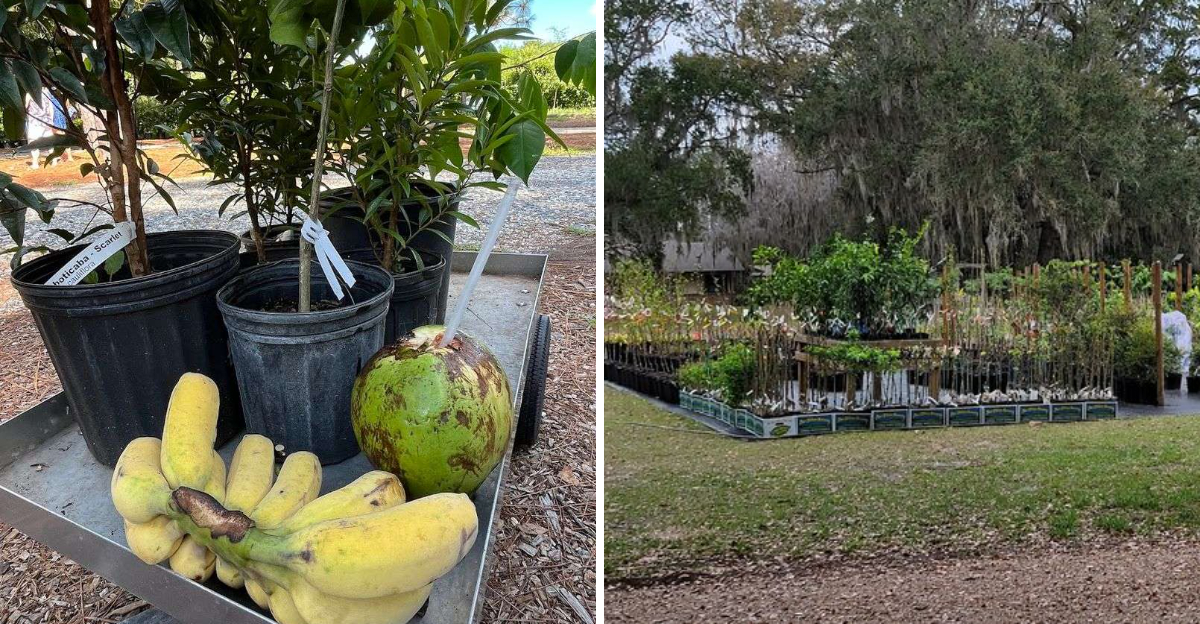
Most Florida garden centers carry the same short list of fruit trees. Citrus, avocado, maybe a mango if the season is right.
Walk in with something more specific in mind and the conversation usually ends at the customer service desk with a shrug and a suggestion to try online. The nurseries worth seeking out operate on a different inventory entirely.
Rare tropical fruit trees that most Florida gardeners have never tasted, let alone grown. Species with devoted followings among collectors and food forest enthusiasts who have spent years tracking down reliable sources.
These nurseries are not always easy to find and they do not always advertise heavily. Their reputation travels through the kind of word-of-mouth that builds slowly and holds up because the plants actually deliver.
For anyone serious about expanding what their Florida yard can produce, this is where that search gets interesting.
1. Lara Farms Specializes In Rare Tropical Fruit Trees
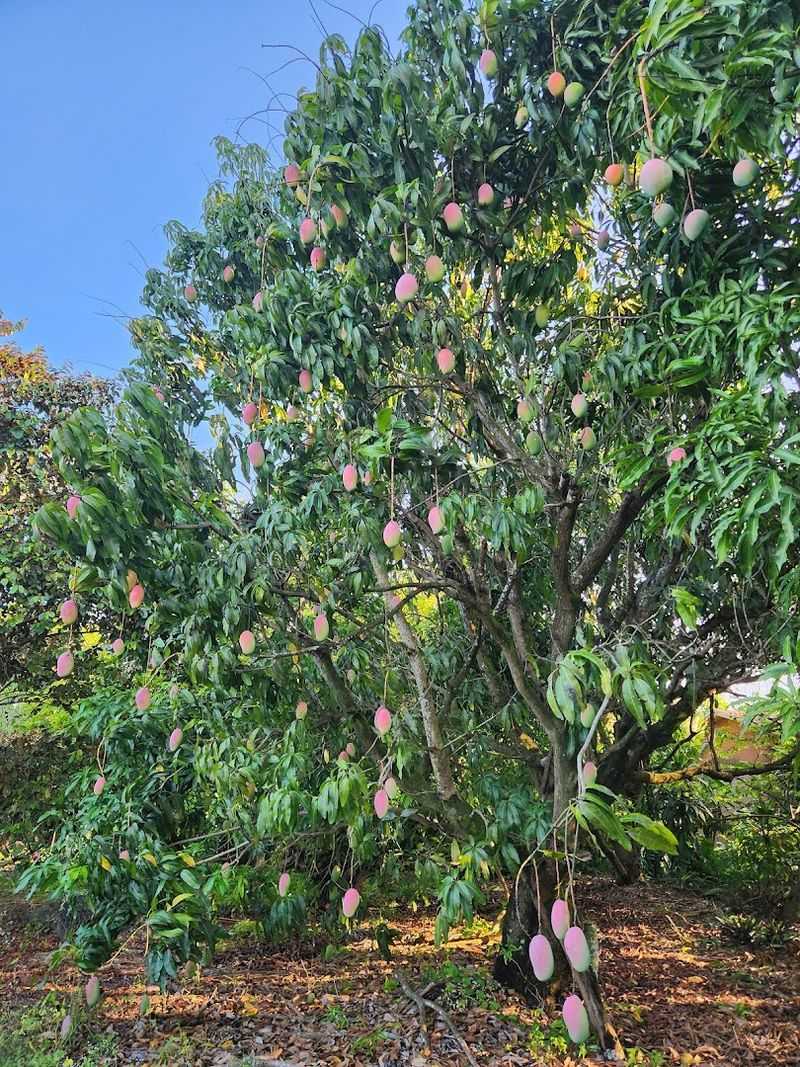
A mango collector who has already exhausted the ordinary garden-center selection knows the frustration of finding the same three cultivars over and over. Lara Farms in Miami is worth the trip for exactly that reason.
Established in 1980, this nursery has been focused on rare tropical fruit trees for over four decades, building a reputation that reaches well beyond southern regions.
Shoppers looking for unusual tropical edibles, grafted fruit trees, and warm-region varieties that most stores never carry will find Lara Farms a serious stop. The nursery ships to all 50 states, which makes it useful even for buyers outside the area.
That said, always call or check current availability before visiting, because rare fruit inventory shifts with season, propagation cycles, and demand.
Miami-area nurseries like this one often stock trees that are simply too cold-sensitive to survive without protection in central or northern regions.
If you are shopping from farther north, ask specifically about cold tolerance, container suitability, and whether a tree needs a warm microclimate to fruit well.
Ask about grafted versus seedling trees, expected fruiting timeline, mature size, and soil drainage needs. Lara Farms represents the kind of long-running, specialist operation that rare fruit enthusiasts in this state rely on when ordinary options fall short.
2. Excalibur Fruit Trees Is A Serious Stop For Tropical Fruit Collectors
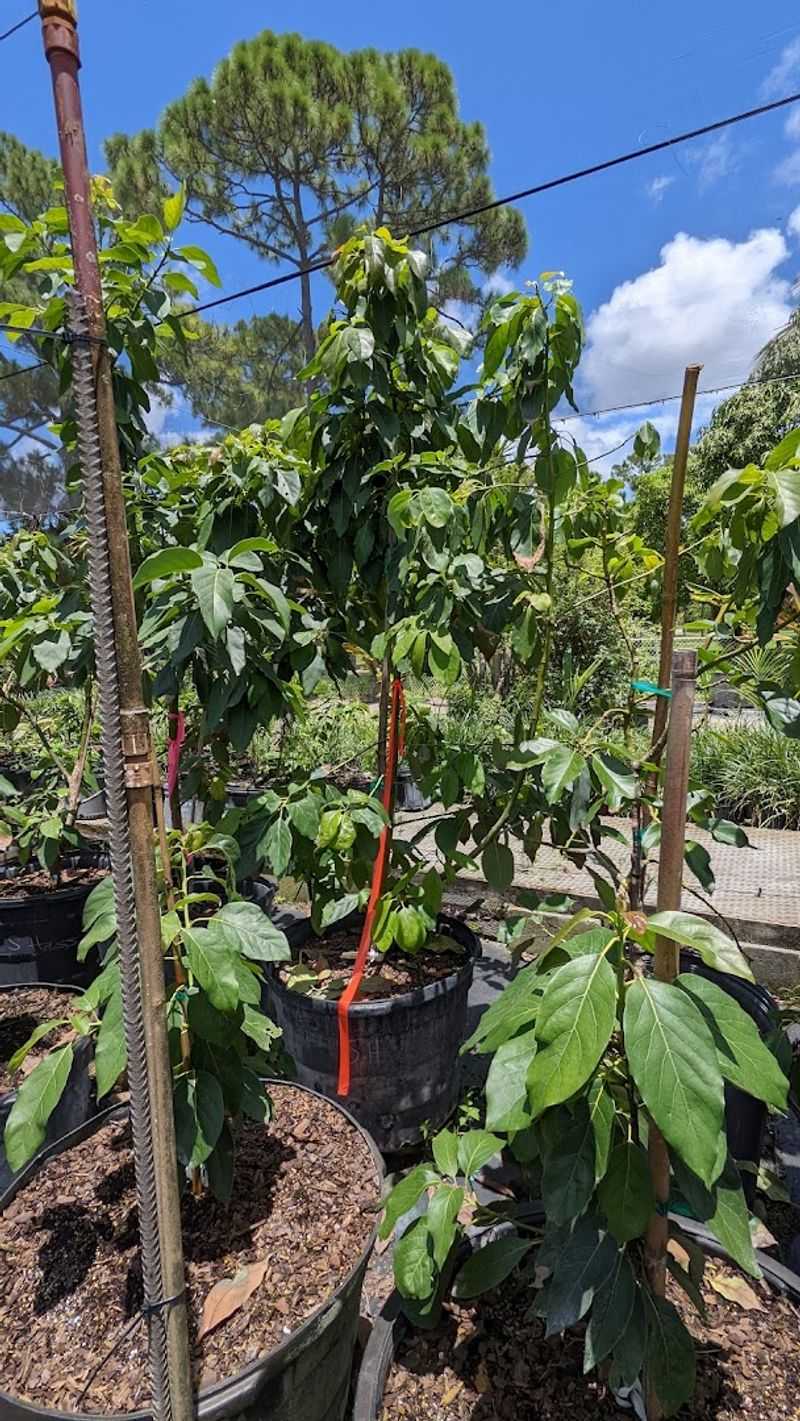
Backyard growers hunting for something beyond a standard nursery rack often end up talking about Excalibur Fruit Trees in Lake Worth. This nursery has earned a following among tropical fruit collectors and edible-landscape shoppers.
They want unusual cultivars and mature trees rather than whatever the chain stores happen to have in stock.
Excalibur is known for carrying tropical fruit trees with collector appeal, and the grounds themselves reflect years of serious horticultural focus. Rare and unusual cultivars may be available, but inventory changes with the season, propagation cycles, and demand.
Always confirm current stock, retail hours, and whether walk-in access is available before making the drive out to Fearnley Road.
Some tropical fruit trees sold here may need warm microclimates or cold protection during winter snaps. That is especially important for buyers from central or northern regions of the state.
Your Florida Garden Changes Every Week. Your Plan Should Too.
Gardening in Florida changes quickly throughout the season. Every Friday you’ll receive a simple weekly plan showing exactly what to plant, prune, fertilize, harvest, and protect so you never miss the right timing.
Ask about cold tolerance ratings, rootstock, grafting, mature size, and fruiting expectations before purchasing. A tree that thrives in Palm Beach County may struggle without protection farther inland or farther north.
Check UF/IFAS Extension guidance for any fruit tree species you are unfamiliar with, and do not skip the conversation about soil drainage and irrigation needs. Excalibur rewards collectors who come prepared with questions.
3. FruitScapes Carries Rare Fruit Trees On Pine Island
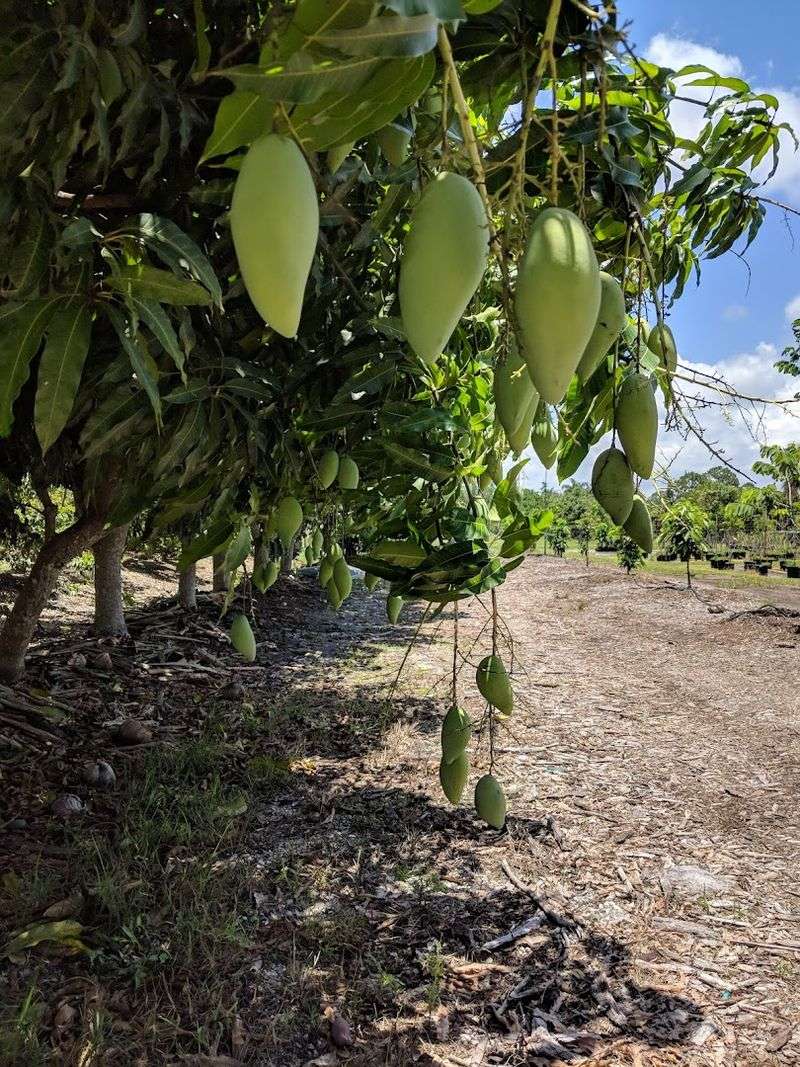
Driving out to Pine Island for fruit trees might sound like an adventure, but serious tropical fruit enthusiasts have been making that trip for good reason.
FruitScapes on Stringfellow Road in Bokeelia sits in one of the most fruit-friendly growing pockets in all of southwest Florida.
The island’s warm, humid conditions and sandy well-drained soil create an environment where tropical edibles genuinely thrive.
FruitScapes is a member of the Rare Fruit Council and specializes in rare and unusual fruiting trees, shrubs, and vines. Mango culture runs deep here, and the nursery offers both wholesale and retail tree sales across the state.
Unusual tropical edibles and hard-to-find fruiting plants are part of what sets this location apart from a typical garden center.
Island nurseries can be affected by seasonal changes, storm damage, shipping schedules, and shifting inventory. Verify current hours, directions, and available stock before you head out.
Some trees sold here may be suited specifically to warm coastal conditions and may need extra care or container culture in colder inland areas. Ask about cold tolerance, mature size, soil needs, and fruiting timeline.
Bring a list of what you are hunting for and call ahead so you are not making a long drive for something that is currently out of stock.
4. Top Tropicals Stocks Rare Tropical Fruit Trees And Edibles
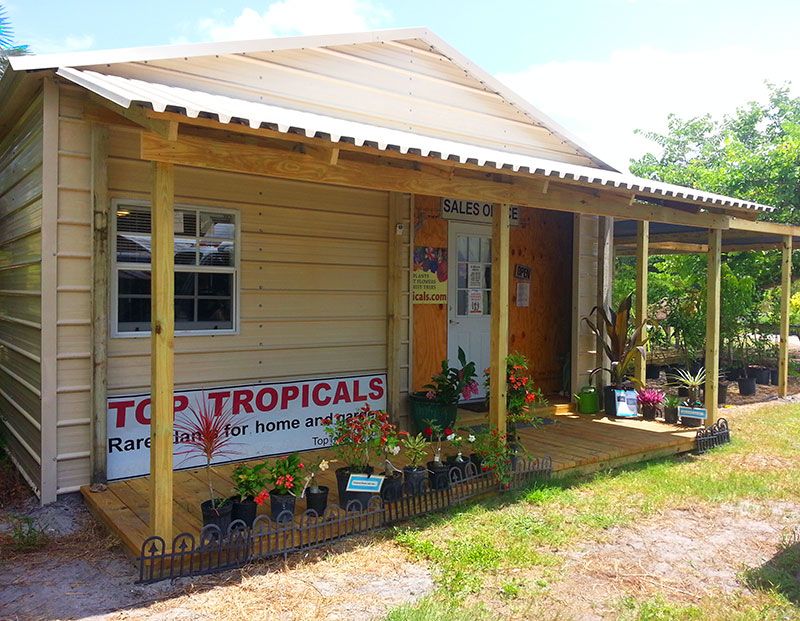
Few nurseries in this state have built the kind of online and in-person reputation that Top Tropicals has earned among tropical plant collectors. Located on Orange River Boulevard in Fort Myers, this nursery goes well beyond what an ordinary garden center offers.
It stocks rare tropicals and exotic edibles that most shoppers have never seen in person. Top Tropicals may carry unusual fruit trees and edible plants that are genuinely hard to find elsewhere in the state.
The selection can include tropical and subtropical edibles suited to warm-region growing, along with plants that push the limits of what a home landscape can produce.
That said, availability changes with season, propagation cycles, and demand, so avoid assuming a specific tree will be waiting when you arrive.
Confirm whether the plant you want is available for in-person pickup, local retail purchase, or shipping before planning your visit. Ask about mature size, cold tolerance, rootstock, grafting, and whether a tree suits your specific growing region.
Some tropical edibles do well in containers in central or northern areas where cold snaps are a real risk.
Check UF/IFAS guidance for any unfamiliar species, and ask nursery staff about soil drainage, fertilizing schedules, and pest or disease concerns specific to your area.
Top Tropicals rewards shoppers who arrive with good questions.
5. D’s Fruit Trees Focuses On Tropical Fruit Trees For South Florida
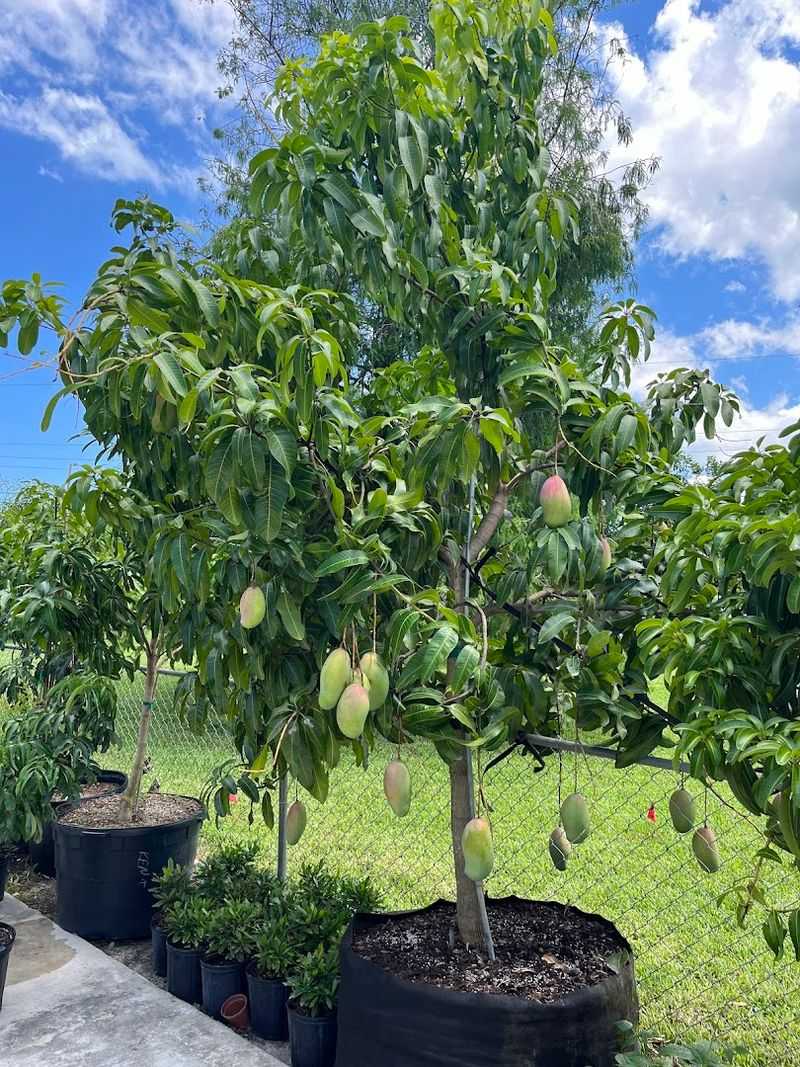
Shoppers who arrive at D’s Fruit Trees in Miami quickly realize this is not a casual stop. With over 100 varieties of rare and tropical fruit trees, this nursery covers a serious range of edibles that most garden centers never stock.
Grafted trees, delivery options across the state, and a focus on warm-region suitability make this a destination for collectors who know what they are looking for.
You may find lychee, soursop, mamey, star apple, jaboticaba, sapodilla, tamarind, breadfruit, and Spanish lime among the offerings. Mango varieties may also go well beyond the familiar grocery-store types.
Inspect plant quality carefully when you visit, and always ask about cultivar identity, grafted versus seedling origin, and expected fruiting timeline before purchasing.
Southern-region nurseries like this one often carry trees that need winter protection or container culture in central or northern areas of the state.
Cold tolerance varies widely across tropical fruit species, so do not assume a tree that grows well in Miami will handle a cold snap farther inland without help.
Call ahead to confirm current hours, any appointment requirements, parking, and what is actually in stock on the day you plan to visit. Checking UF/IFAS Extension resources for any unfamiliar species before buying is always a smart move.
6. South Eden Edible Nursery Brings Rare Fruit Trees To Central Florida
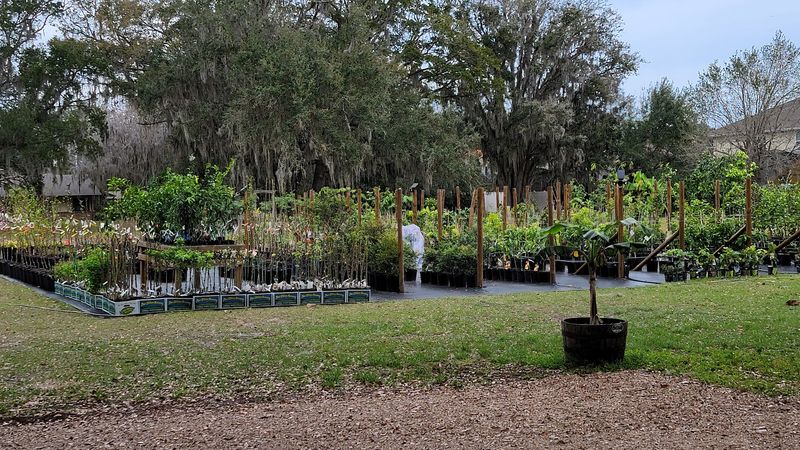
Collectors who live outside the warm southern tip of the state often feel stuck when hunting for unusual fruit trees. South Eden Edible Nursery in Kissimmee offers a genuinely useful option for shoppers in central regions.
It serves those who want rare tropical and subtropical edibles without driving all the way to Miami. The nursery focuses on exotic fruit trees and edible-landscape plants that go beyond what most local garden centers carry.
Rare mango varieties, dwarf mango selections, jackfruit hybrids, container-friendly citrus, and other unusual edibles may be part of what South Eden offers.
Hard-to-find varieties and edible-landscape planning are part of the nursery’s appeal for collectors building productive home gardens or food forests.
Central regions carry real cold risk for many tropical fruit species. Ask specifically about cold tolerance, microclimate needs, container suitability, and winter cold protection.
Some trees that thrive without effort in Miami may need a sheltered spot, frost cloth, or container culture in Kissimmee. Confirm current retail hours, any appointment requirements, and what is in stock before visiting.
Inventory at specialty edible nurseries shifts with propagation cycles, seasonal demand, and availability. Review UF/IFAS guidance on any tropical species new to your growing area, and ask about mature size and soil drainage before committing to a purchase.
7. GreenDreams Blends Rare Fruit Trees With Food-Forest Planting
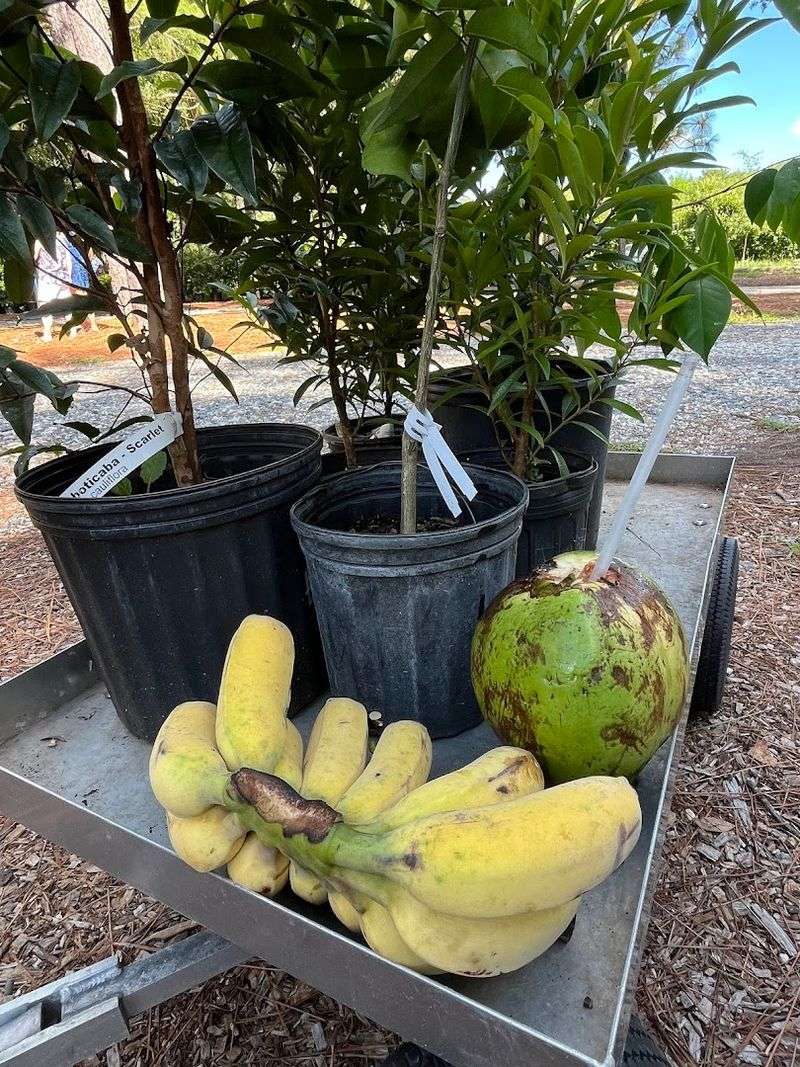
Not every rare fruit tree shopper is just looking for a single specimen to put in the backyard. GreenDreams in Spring Hill draws a different kind of buyer.
It appeals to the food-forest planner, the permaculture enthusiast, and the homeowner who wants an edible landscape.
Located on US Highway 41, this nursery blends fruit trees with food-forest design and plant education in a way that sets it apart from standard retail operations.
Unusual edibles and fruit trees suited to northwest-central growing conditions are part of what GreenDreams brings to the table. So are plants selected with productive landscapes in mind.
The nursery’s approach to edible-landscape planning can be genuinely helpful for buyers who want to think beyond a single tree purchase.
Spring Hill sits in an area where cold snaps are a real consideration for tropical fruit trees. Some tropical edibles that thrive in southern regions may need microclimates, container culture, or cold protection this far north.
Ask about site fit, mature size, soil drainage, irrigation needs, and cold tolerance before buying any tropical fruit tree here.
Staff who understand food-forest planting can be a valuable resource, so come with questions about layering, spacing, and long-term fruiting expectations.
Confirm current retail hours and inventory before visiting, as specialty edible nurseries can have shifting stock throughout the year.
8. Richard Lyons Nursery Carries Rare And Unusual Fruit Trees
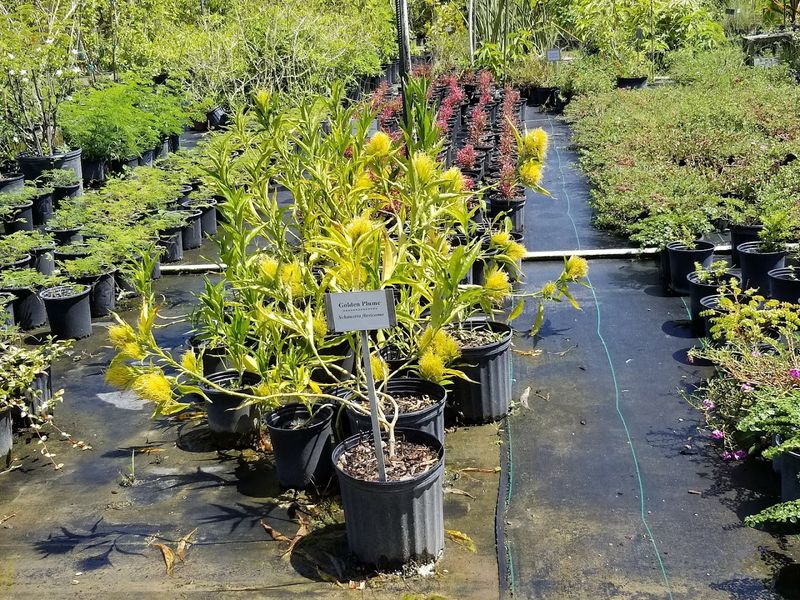
A homeowner may spend months searching for a truly unusual tropical fruit tree and keep coming up empty at ordinary garden centers. Richard Lyons Nursery might have exactly what they need.
Located on SW 134th Avenue in Miami, this nursery has a reputation among rare fruit enthusiasts. It carries tropical and subtropical edibles that go well beyond the standard selection found elsewhere.
Rare plants, unusual fruit and nut trees, and collector-style shopping are part of what draws buyers to this Miami address.
The nursery’s focus on unusual tropical and subtropical edibles makes it a worthwhile stop for serious collectors who have already exhausted more common options.
Exact inventory is not always predictable, so use cautious expectations and call ahead before visiting.
Confirm current retail hours, whether walk-in access is available, and what specific trees are in stock on the day you plan to arrive.
Miami-area nurseries often carry trees that are too cold-sensitive for central or northern regions without significant protection or container culture.
Ask about cold tolerance, grafted versus seedling origin, rootstock, mature size, soil drainage, and fruiting timeline before purchasing. Rare fruit trees can be deeply rewarding, but they often need more research and hands-on care than common fruit trees.
Check UF/IFAS Extension resources for any species you are unfamiliar with, and follow FDACS rules when moving plants or regulated material.