This Native North Carolina Plant Turns A Sunny Garden Edge Into A Pollinator Magnet
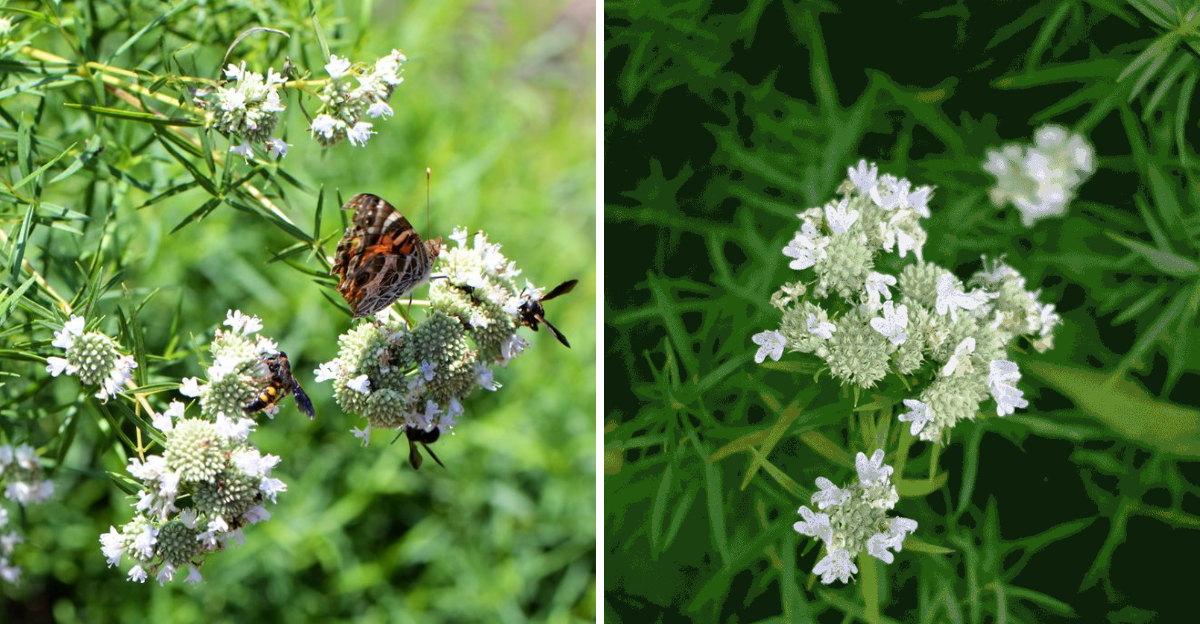
That sunny garden edge baking away along your fence line or driveway border is not wasted space. It is just waiting for the right plant, and Narrowleaf Mountain Mint might be exactly what it has been waiting for.
This compact native perennial has a genuinely impressive talent for turning a dry, sun-baked border into one of the most active pollinator spots in the entire yard.
We are talking bees, butterflies, native sweat bees, and other beneficial insects showing up in numbers that tend to surprise even experienced gardeners the first time they see it in full summer bloom.
It handles dry soil, it thrives in heat, and it has a strong track record in North Carolina landscapes. Honestly, for a sunny edge that needs some life, this one is hard to beat.
1. Narrowleaf Mountain Mint Fits Sunny Garden Edges
Sunny garden edges can be tricky spots to fill. The soil often dries out faster than the rest of the yard, full sun beats down most of the day, and many plants simply struggle to look good there by midsummer.
Narrowleaf Mountain Mint handles those conditions with ease, making it a reliable choice for North Carolina gardeners who want something that actually performs on a hot, exposed border.
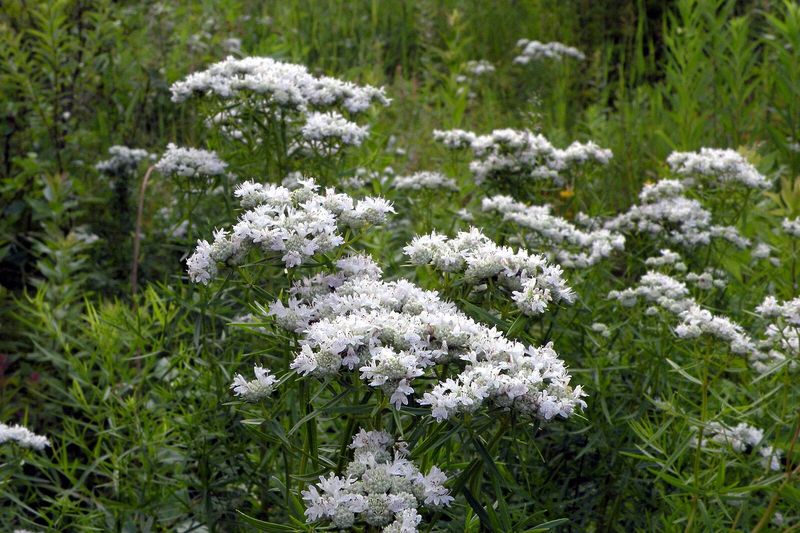
Known botanically as Pycnanthemum tenuifolium, this native perennial grows naturally in meadows, roadsides, and open woodland edges across much of the eastern United States, including throughout North Carolina.
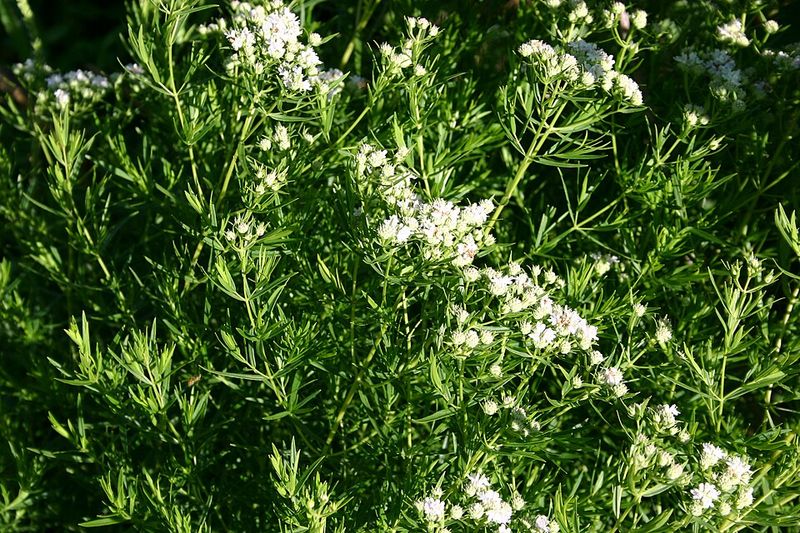
Its upright, fine-textured stems stay relatively tidy, reaching roughly two to three feet tall, which suits the scale of most residential garden borders without overwhelming neighboring plants.
Gardeners in the Piedmont and Coastal Plain regions of North Carolina often find it blends well with other sun-loving natives like black-eyed Susans and native grasses.
Along a walkway edge or at the front of a pollinator bed, it provides structure without demanding much attention.
Full sun tends to bring out the best bloom production, though partial shade conditions can still support healthy growth.
For anyone who has struggled to find a low-maintenance native that looks intentional rather than accidental along a sunny edge, Narrowleaf Mountain Mint offers a genuinely satisfying answer.
2. Tiny Blooms Bring Big Pollinator Activity
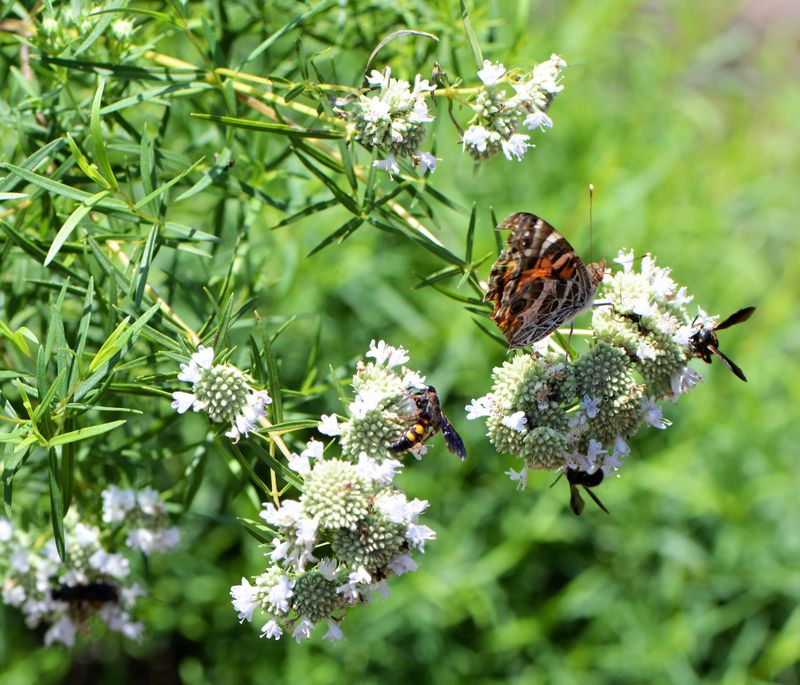
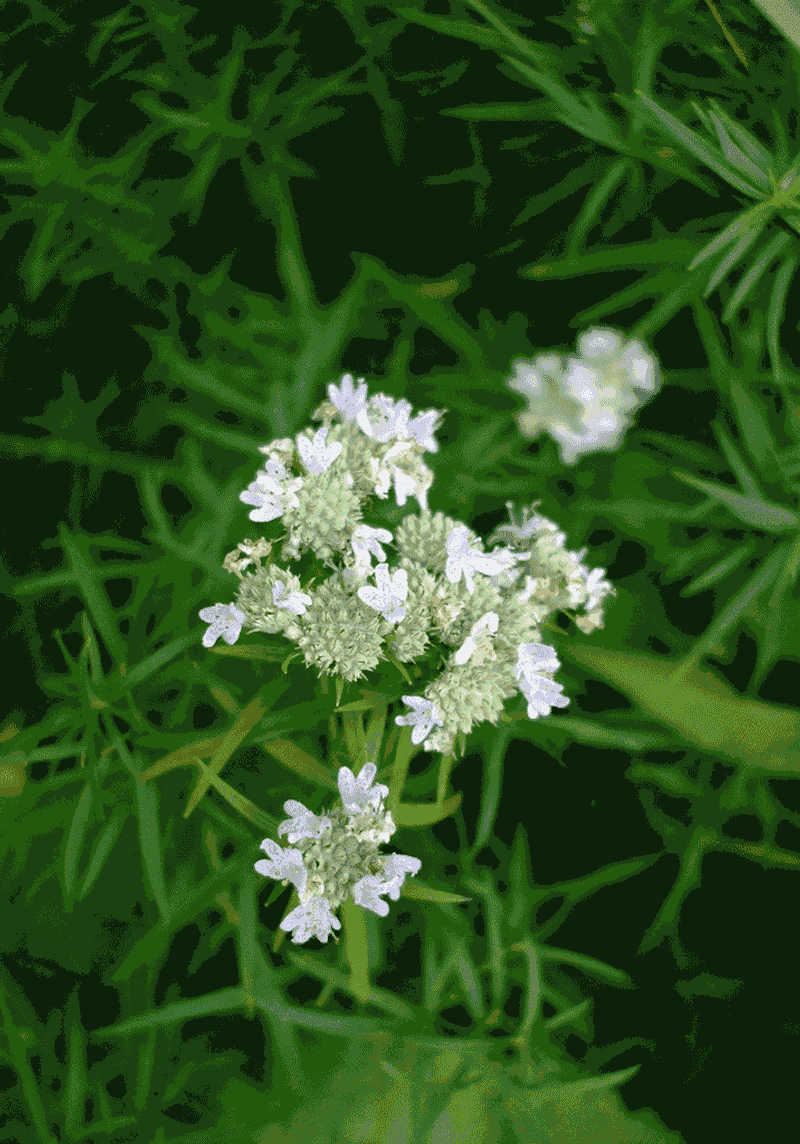
Looking at Narrowleaf Mountain Mint for the first time, you might wonder how such small flowers could attract so much wildlife. The blooms are modest in size, clustered in flat-topped heads along the upper stems, and they open in pale white with faint purple spotting.
But size does not tell the whole story when it comes to pollinator appeal.
The plant produces aromatic oils that many pollinators find irresistible. On a warm summer morning in North Carolina, a single established clump can host dozens of insects moving from flower to flower within just a few minutes.
Bees of many species, small butterflies, wasps, beetles, and flies all tend to show up when this plant is in bloom. That kind of consistent, multi-species activity is relatively rare and genuinely exciting to watch from a garden path or porch.
Your North Carolina Garden Changes Every Week. Your Plan Should Too.
Gardening in North Carolina changes quickly throughout the season. Every Friday you’ll receive a simple weekly plan showing exactly what to plant, prune, fertilize, harvest, and protect so you never miss the right timing.
Bloom time typically runs from late June through August across much of North Carolina, which fills an important gap in the native plant calendar when many spring bloomers have already faded.
Gardeners who track pollinator visits often note that activity on Narrowleaf Mountain Mint can remain steady throughout the hottest weeks of summer.
Of course, results vary depending on local pollinator populations, nearby habitat, pesticide use in the area, and overall plant health.
Still, the combination of aromatic foliage and accessible blooms makes this native plant a strong performer in pollinator beds and sunny borders alike.
3. Bees Visit The Flowers In Summer
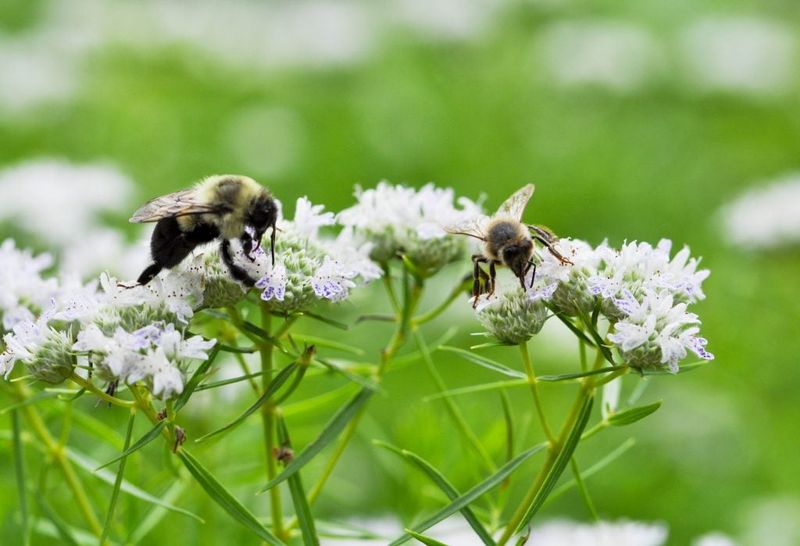
Few sights in a summer garden match the steady rhythm of bees working a patch of Narrowleaf Mountain Mint.
Bumblebees, honeybees, and a wide variety of smaller native bees all tend to show up during the bloom season, which runs through the warmest months in North Carolina.
On calm, sunny days, the movement across the flower clusters can be nearly constant from mid-morning through late afternoon.
What draws so many bee species is the combination of accessible nectar and the plant’s aromatic oils.
Narrowleaf Mountain Mint belongs to the mint family, and like many relatives in that group, it produces compounds in its foliage that seem to attract bees with unusual reliability.
Research on native bees and native plants consistently highlights members of the Pycnanthemum genus as high-value foraging sources, particularly for specialist bees that prefer plants in the mint family.
For North Carolina homeowners who want to support local bee populations, placing a few plants along a sunny border can make a meaningful difference during the summer foraging season.
Keeping insecticide use away from blooming plants is especially important, since even products considered low-risk can reduce bee visits and harm beneficial insects.
Planting in groups of three or more tends to increase visibility and attract more foragers than a single specimen would. Bee activity may also vary by season, weather patterns, and what else is blooming nearby in the landscape.
4. Butterflies And Other Pollinators Join In
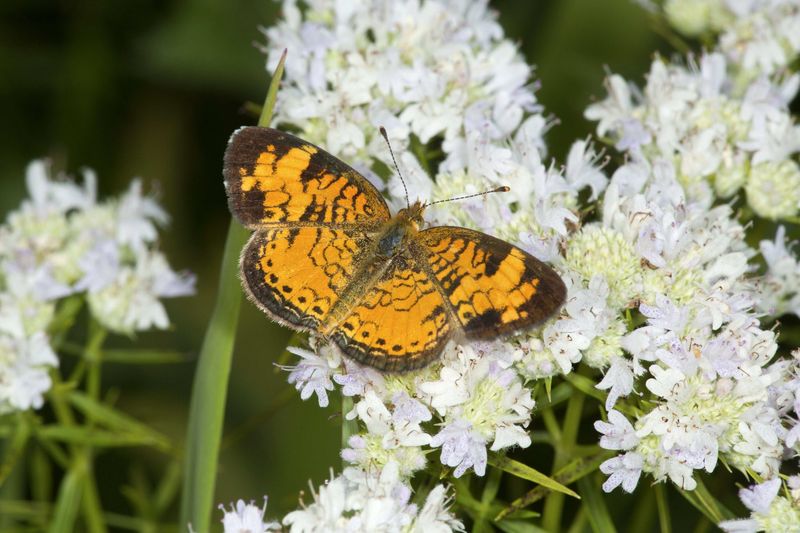
Beyond bees, the blooms of Narrowleaf Mountain Mint draw a lively mix of other pollinators that many gardeners do not expect from such an understated plant.
Skippers, small fritillaries, sulfur butterflies, and a range of beneficial wasps frequently appear during peak bloom.
In North Carolina, where butterfly diversity runs fairly high during summer months, this native plant can become one of the busiest spots in a pollinator garden.
Wasps often get overlooked as pollinators, but many species visit flowers regularly while searching for nectar.
Narrowleaf Mountain Mint tends to attract small parasitic wasps as well, which are actually beneficial in the garden because they help manage pest insect populations naturally.
Seeing a mix of bees, butterflies, and wasps working the same plant at the same time gives a clear picture of how much ecological value one native species can bring to a sunny border.
Hoverflies, which resemble bees but belong to the fly family, also visit the flowers in noticeable numbers. These insects are both pollinators and predators of garden pests in their larval stage, so their presence adds another layer of benefit.
For North Carolina gardeners trying to build a more balanced and resilient landscape, adding Narrowleaf Mountain Mint to a sunny edge introduces a web of beneficial relationships that extends well beyond the plant itself.
Pollinator activity can shift based on local conditions, nearby flowering plants, and seasonal weather patterns.
5. Native Sweat Bees Help Make It Stand Out
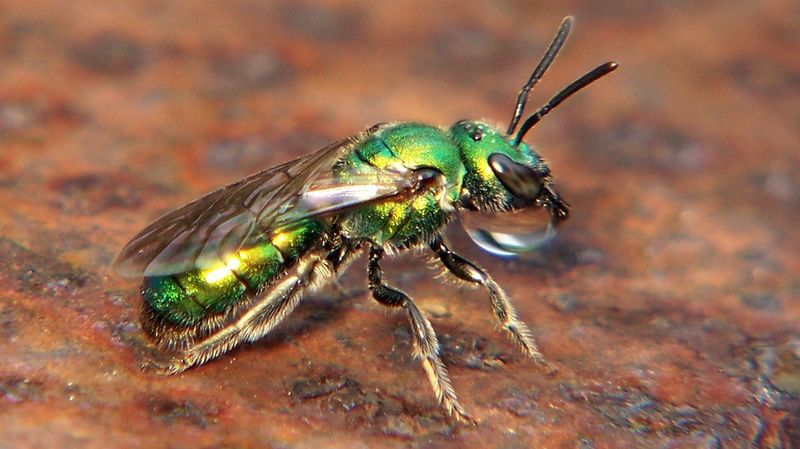
One of the more delightful surprises that comes with growing Narrowleaf Mountain Mint is the appearance of native sweat bees. These small, often metallic-green insects are easy to overlook at first glance, but up close they are genuinely beautiful.
Sweat bees in the family Halictidae are among the most diverse groups of native bees in North Carolina, and several species show a strong preference for plants in the mint family during summer.
Unlike honeybees, which are non-native and managed by beekeepers, sweat bees are wild native insects that nest in the ground or in soft wood.
They tend to forage close to home, which means a garden with Narrowleaf Mountain Mint along a sunny edge can provide meaningful support for local sweat bee populations without any special effort from the gardener.
That kind of ground-level ecological contribution is one reason native plant advocates in North Carolina frequently recommend this species for residential pollinator gardens.
Watching sweat bees work the small flower clusters is one of those quiet pleasures that makes a native plant garden feel alive in a different way than a traditional ornamental border.
Their presence also signals that the garden is relatively free of harmful pesticide exposure, since these small bees are particularly sensitive to chemical treatments.
For anyone curious about native bee diversity in their own backyard, Narrowleaf Mountain Mint along a sunny North Carolina border offers an easy and rewarding way to start paying attention.
6. Good Drainage Helps It Grow Well
Soil drainage plays a bigger role in how well Narrowleaf Mountain Mint performs than most gardeners might initially assume.
Standing water and consistently soggy soil can stress the plant over time, making it less vigorous and less likely to produce the generous bloom display that pollinators rely on.
In North Carolina, where heavy clay soils are common in many Piedmont yards, improving drainage before planting can make a noticeable difference in long-term results.
Raised beds, sloped borders, and areas with naturally sandy or loamy soil tend to suit this plant well. Along a garden edge where water moves through quickly after rain, Narrowleaf Mountain Mint often settles in without much fuss.
Gardeners who have struggled with plants rotting out in low spots will find this native more forgiving when placed on a slightly elevated or well-drained section of the border.
Amending heavy clay with compost or coarse material before planting can help, though the plant does not need particularly rich soil to thrive. In fact, overly fertile soil sometimes encourages leafy growth at the expense of flowers.
A lean, well-drained planting spot tends to push the plant toward heavier blooming, which is ultimately what attracts the most pollinator activity.
North Carolina gardeners working with challenging soil conditions often find that choosing the right spot matters more than heavy soil amendment when it comes to getting the best out of this native perennial.
7. Dry Soil Tolerance Makes It Useful On Edges
Garden edges are often the driest spots in the yard. Pavement, sidewalks, and structures radiate heat and pull moisture away from the soil faster than open garden beds.
Many plants placed along these exposed borders look stressed by midsummer, which is exactly when you want them to look their best for pollinators.
Narrowleaf Mountain Mint handles dry conditions with a resilience that makes it genuinely well-suited for these challenging spots.
Once established, this native perennial can get by on rainfall alone in most parts of North Carolina without showing signs of serious drought stress.
That established period, usually the first growing season after planting, does require some supplemental watering during dry stretches to help roots develop.
After that, the plant tends to fend for itself through the kind of hot, dry summers that are common across the Piedmont and Coastal Plain regions of North Carolina.
For homeowners who want a low-water pollinator planting along a sunny border without setting up an irrigation system, this native mint offers a practical and ecologically sound option.
Dry slope edges, gravel garden margins, and the narrow strips between a lawn and a fence line are all spots where Narrowleaf Mountain Mint can fill a role that few other flowering natives manage as gracefully.
Drought tolerance can vary somewhat depending on soil type, sun intensity, and local climate conditions, so monitoring plants during their first summer is still a sensible approach.
8. Compact Growth Keeps Borders Manageable
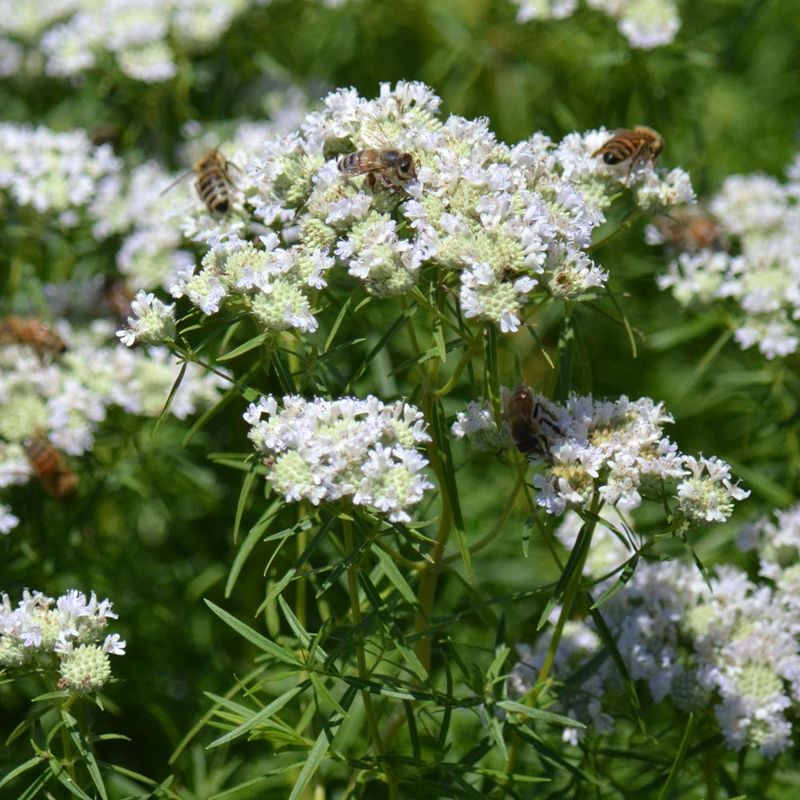
Some native plants that attract pollinators also spread aggressively, which can create headaches for gardeners trying to maintain a tidy border.
Narrowleaf Mountain Mint grows in a clumping form that spreads slowly over time, making it much easier to manage than some of its relatives in the mint family.
That restrained growth habit is one of the reasons it works so well along walkway edges and front-of-border plantings in North Carolina residential yards.
The plant typically reaches two to three feet in height and spreads gradually through rhizomes, but it does not tend to run rampantly through a bed the way some spreading perennials do.
Dividing established clumps every few years keeps them from getting too wide while also giving you extra plants to fill in other sunny spots.
That kind of easy maintenance fits well with the low-effort approach that most homeowners prefer for garden borders.
Fine-textured stems and narrow leaves give the plant a light, airy appearance that pairs nicely with bolder-leaved natives and ornamental grasses.
In North Carolina pollinator gardens, it often serves as a middle-ground plant that adds visual texture without dominating the composition.
Spacing plants about eighteen to twenty-four inches apart at planting gives each one room to develop a full shape without crowding.
For gardeners who want a native perennial that stays in its lane while still delivering strong pollinator value through the summer, compact growth is a genuine selling point worth appreciating.