These Uncommon Insects Actually Make Michigan Gardens Healthier
Most garden insect conversations in Michigan focus on the ones causing damage and how to stop them.
The insects working quietly on the beneficial side of that equation rarely get the same attention, and several of the most useful ones are so unfamiliar in appearance that gardeners encountering them for the first time assume they are pests worth eliminating.
Ground beetles, soldier beetles, pirate bugs, and several less recognizable species are doing consistent and valuable work in Michigan gardens throughout the season.
Recognizing them correctly changes how you respond when they show up and encourages the kind of habitat decisions that keep their populations healthy and active across the entire growing space.
1. Green Lacewings
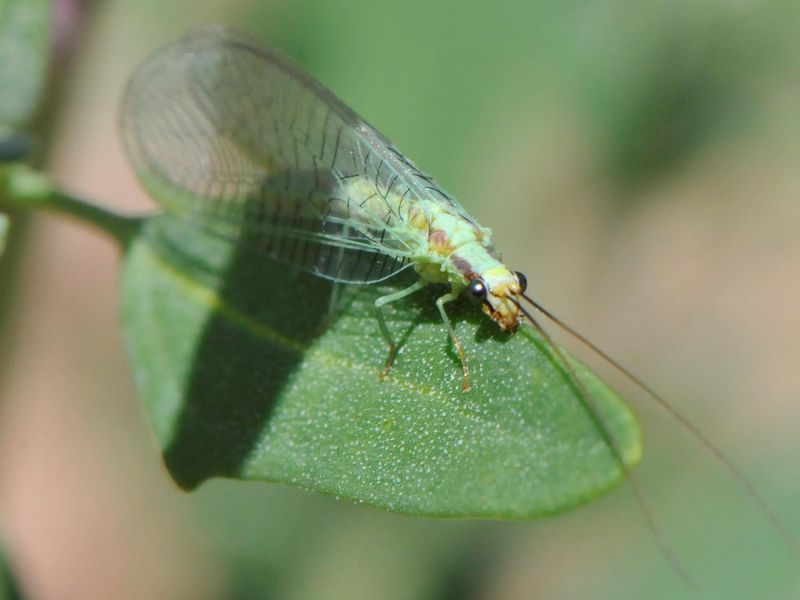
Few insects look as delicate as the green lacewing, with its shimmery wings and bright lime-green body. Most gardeners walk right past them without a second thought, but these fragile-looking creatures are quietly working overtime.
The young, called larvae, are absolute feeding machines when it comes to soft-bodied pests.
Green lacewing larvae feed on aphids, small caterpillars, mites, and insect eggs. They are so aggressive in their early stage that some gardeners call them “aphid lions.”
A single larva can consume hundreds of aphids before it reaches adulthood, which makes them incredibly valuable when pest pressure builds up on tender plants.
Adult green lacewings do not feed on pests the same way their young do. Instead, they sip nectar and pollen from small flowers, so planting things like dill, fennel, coriander, and sweet alyssum will bring them in and keep them close.
Avoid broad-spectrum insect sprays whenever possible, because those products wipe out lacewing populations along with the pests you are targeting.
Michigan gardeners who want natural pest management without constant effort will find green lacewings to be reliable allies. Support them by keeping a variety of small-flowered plants blooming throughout the season.
The more welcoming your garden feels to these insects, the more they will show up and get to work on your behalf.
2. Hover Flies
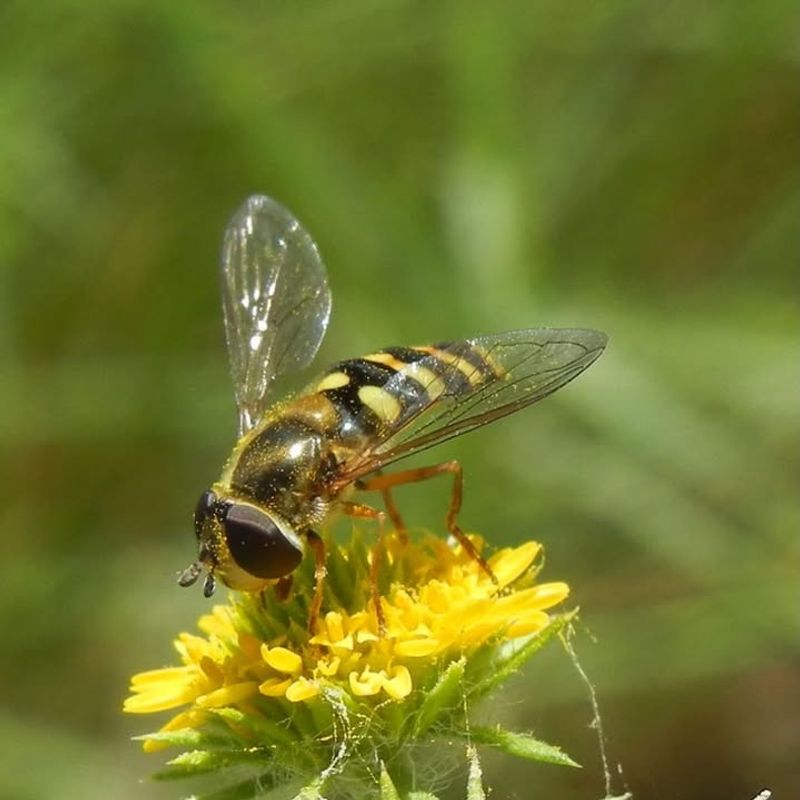
At first glance, hover flies look like tiny bees or wasps. They have yellow and black stripes, and they hover in place near flowers with impressive precision.
Many people shoo them away thinking they will sting, but hover flies are completely harmless and actually one of the most helpful visitors your garden can attract.
Adults spend their time moving between flowers, sipping nectar and picking up pollen as they go. This makes them surprisingly effective pollinators, especially for roses, beans, lettuce, and peppers.
While bees get most of the pollination credit, hover flies quietly fill in the gaps, especially during cooler Michigan mornings when bees are less active.
The real pest control happens at the larval stage. Hover fly larvae feed directly on aphid colonies, working through clusters of them on plant stems and leaves.
If you have ever noticed your aphid problem disappear without any spraying, hover fly larvae may deserve the credit.
Attracting hover flies is straightforward. Plant flat, open flowers like yarrow, marigolds, and phacelia, which give adults easy access to nectar.
Your Michigan Garden Changes Every Week. Your Plan Should Too.
Gardening in Michigan changes quickly throughout the season. Every Friday you’ll receive a simple weekly plan showing exactly what to plant, prune, fertilize, harvest, and protect so you never miss the right timing.
Avoid removing plants that have gone slightly past their peak bloom, because hover flies will still visit them. Gardens with a mix of flowering herbs and vegetables tend to have the strongest hover fly presence, and that combination pays off all season long.
3. Parasitoid Wasps
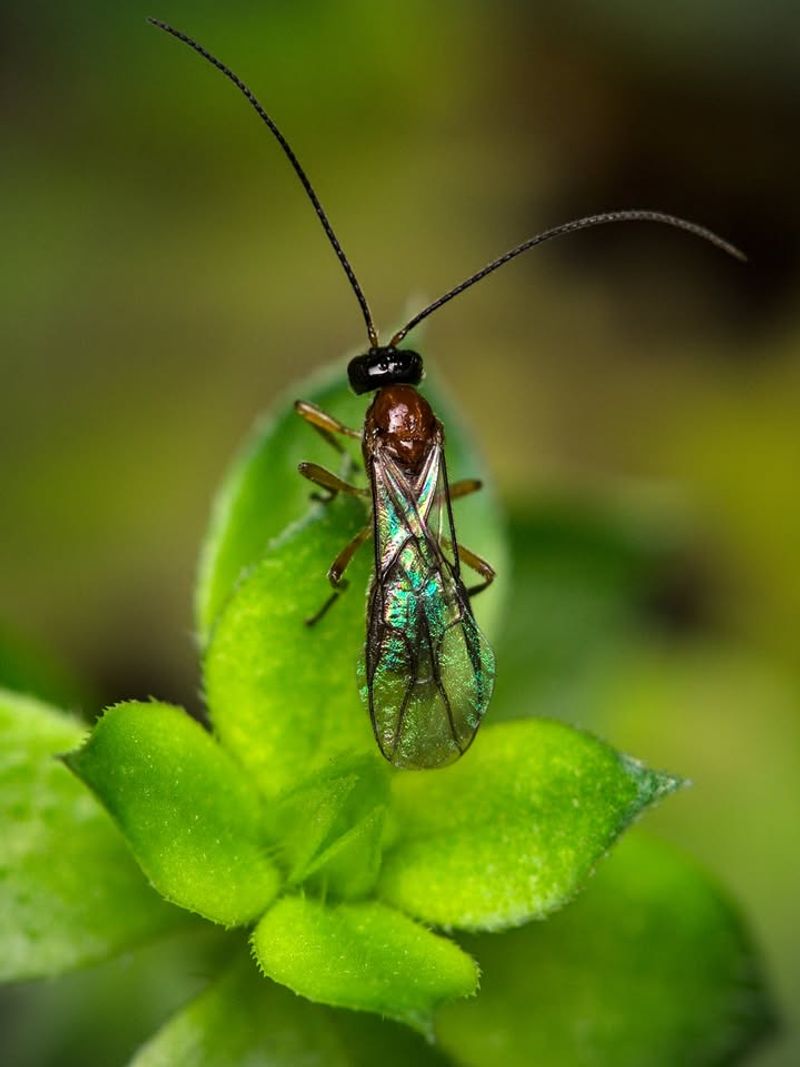
Most people hear the word wasp and immediately picture large nests and painful stings. Parasitoid wasps are nothing like that.
Many of them are so small you would need a magnifying glass to appreciate their features. They are quiet, solitary, and completely focused on one thing: finding hosts for their eggs.
These wasps lay their eggs inside or on top of other insects, including aphids, caterpillars, whiteflies, and beetle larvae. As the wasp eggs develop, they consume the host from the inside, which naturally reduces pest populations without any chemical help.
It sounds intense, but for a garden struggling with caterpillar pressure or a whitefly outbreak, parasitoid wasps are exactly what is needed.
Because they are so small, most gardeners never notice them. You might spot a parasitoid wasp hovering slowly over leaves or moving along stems, but it is easy to mistake them for tiny flies.
The evidence of their work shows up as mummified aphids or caterpillars that have stopped feeding and appear stiff and discolored.
Supporting parasitoid wasps means planting small-flowered plants that provide nectar for adults. Dill, cilantro, fennel, and sweet alyssum are excellent choices.
Skipping broad insecticide applications is equally important, because these wasps are highly sensitive to chemical exposure. Once you protect them, they become some of the most effective pest managers in your entire garden.
4. Ground Beetles
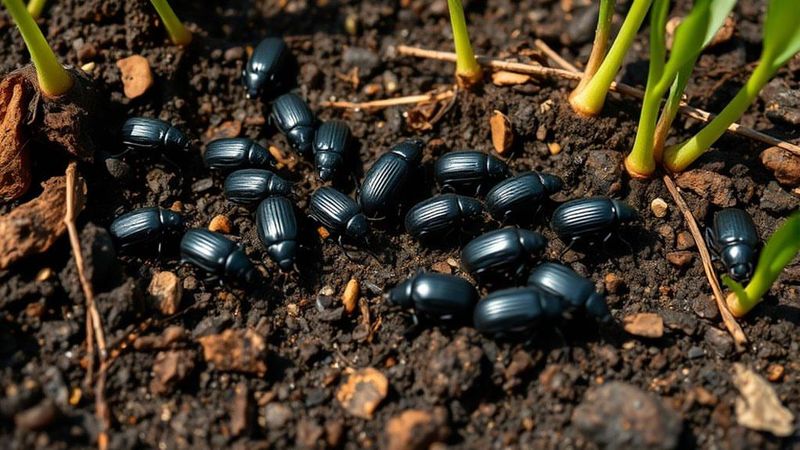
Ground beetles are the night shift workers of the garden world. While you are sleeping, these fast-moving, shiny black beetles are patrolling the soil surface, mulch edges, and garden borders looking for anything worth eating.
They rarely get noticed simply because most of their activity happens after dark.
Many species of ground beetles feed on soil-dwelling pests including slugs, root maggots, and small caterpillars that live near or on the ground.
Some species even feed on weed seeds, which adds another layer of benefit that most gardeners never think about.
A healthy ground beetle population can make a real difference in how many pests survive to damage your plants.
Creating a welcoming environment for ground beetles is not complicated. They love mulched garden beds, areas with leaf litter, and undisturbed edges along fences or borders.
These spots give them shelter during the day and hunting grounds at night. Avoid turning the soil too often, because frequent tilling disrupts their habitat and removes the cover they rely on.
Plant diversity also plays a role. Gardens with a mix of vegetables, herbs, and native plants tend to host larger ground beetle populations than bare, uniform beds.
If you can leave a few areas of your garden slightly wild and undisturbed, ground beetles will move in and set up permanent residence. Over time, their presence will quietly reduce the pest pressure across your entire growing space.
5. Rove Beetles
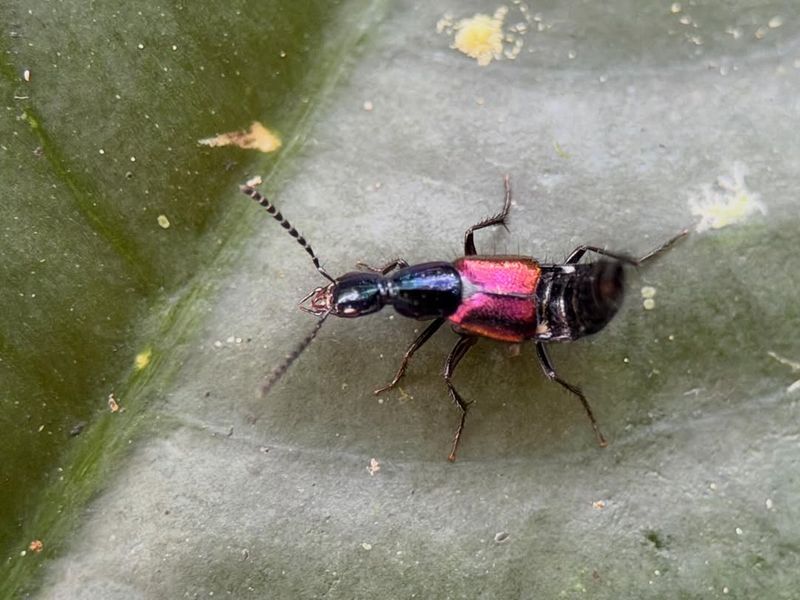
Rove beetles have a look that surprises most people. They are long and slender with short wing covers that leave most of their abdomen exposed, and they curl the tip upward when threatened, which makes them look a bit like tiny scorpions.
Do not let the unusual appearance fool you, because these beetles are completely harmless to people and genuinely useful in the garden.
Speed is one of their most noticeable traits. Rove beetles move fast through compost piles, garden soil, mulch, and decaying organic material.
They are hunters, and their quick movement helps them catch small soil-dwelling pests including fungus gnat larvae, mites, springtails, and nematodes.
Some species also help break down organic matter, which feeds healthy soil biology over time.
Finding rove beetles in your garden is a good sign. Their presence usually indicates that the soil ecosystem is active and balanced.
They tend to show up in gardens where compost is used regularly and where the soil stays moist enough to support the small organisms they feed on.
To encourage rove beetles, add organic matter to your beds consistently and avoid chemical soil drenches that disrupt microbial life. A compost pile nearby gives them a reliable habitat and a steady food source.
Mulching garden paths and edges also helps retain the moisture and organic material they prefer. Over a full growing season, a healthy rove beetle population contributes more to soil health than most gardeners realize.
6. Soldier Beetles
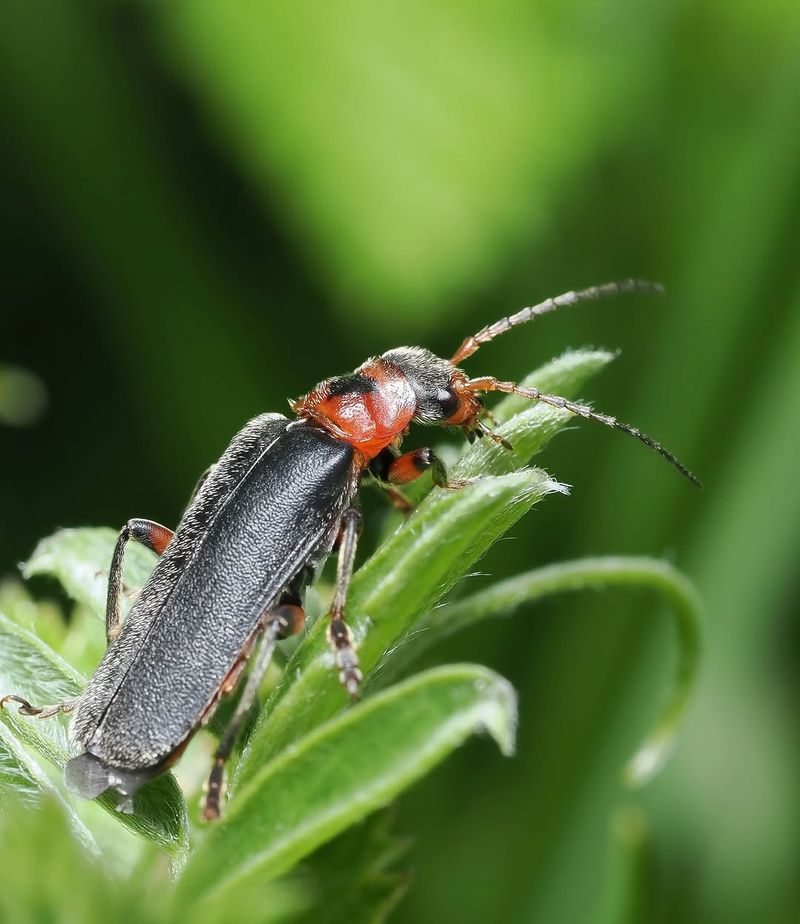
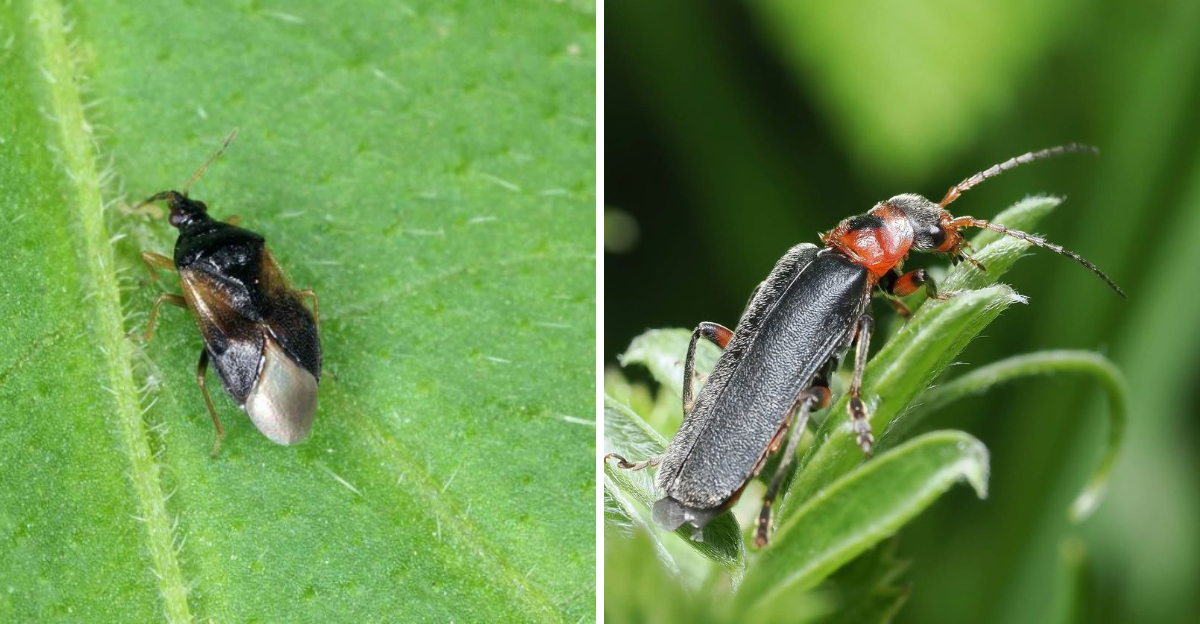
Soldier beetles are one of those insects that look familiar but rarely get identified by name. They are medium-sized beetles with soft, leathery wing covers, often in combinations of orange, yellow, and black.
Late summer is when they really shine, because that is when goldenrod, asters, and yarrow are in full bloom, and soldier beetles flock to those flowers in good numbers.
Adults visit flowers for nectar and pollen, and while they feed, they move pollen from bloom to bloom. This makes them useful pollinators for late-season plants that need help just as honeybee activity begins to slow down.
Dill and other flowering herbs also attract them, which is great news for gardeners who grow herbs alongside vegetables.
Beyond pollination, soldier beetles can feed on small soft-bodied pests including aphids and insect eggs when they encounter them.
They are not aggressive hunters the way ground beetles are, but they do contribute to keeping pest populations in check during their time on flowers.
Think of them as bonus pest managers who also happen to help your garden reproduce.
Planting a mix of late-blooming native flowers is the best way to support soldier beetles in Michigan gardens. Goldenrod, native asters, and cup plant are all excellent options.
Letting herbs like dill and parsley go to flower at the end of the season also gives soldier beetles a reason to linger. They are easy guests to welcome and even easier to appreciate once you know what they are doing.
7. Minute Pirate Bugs
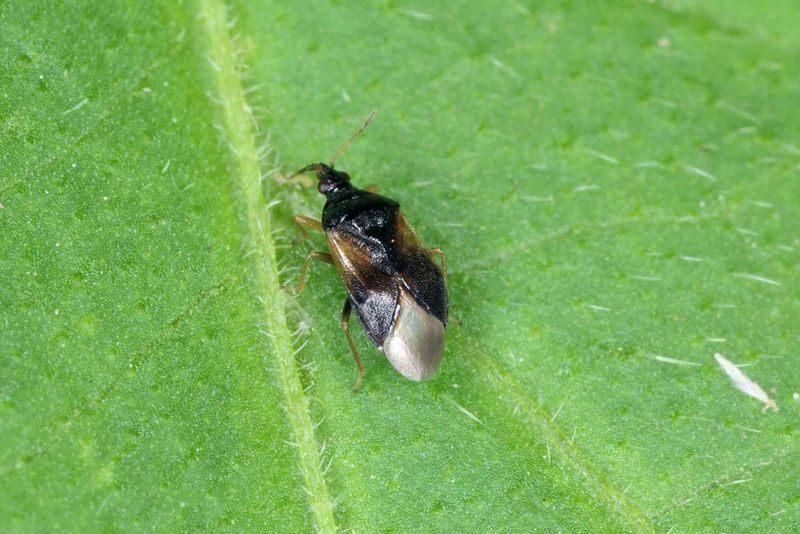
Minute pirate bugs earn their name honestly. They are genuinely tiny, measuring only about one-fifth of an inch, and they move so quickly across plant surfaces that most gardeners never spot them.
But do not underestimate them based on size, because these small insects are among the most aggressive predators in the garden relative to their body weight.
Thrips, aphids, spider mites, and insect eggs are all on the menu for minute pirate bugs. They use a sharp beak to pierce their prey and feed on the contents, working through infestations with impressive efficiency.
Gardens dealing with thrips damage on onions, peppers, or flowers often see improvement once minute pirate bug populations build up naturally.
One quirky thing about minute pirate bugs is that they sometimes bite people in late summer and early fall. The bite is a tiny pinch, not dangerous at all, just slightly annoying.
This happens because as pest populations drop and food becomes scarce, the bugs may probe skin out of curiosity. It is a small inconvenience for a very helpful garden resident.
Attracting minute pirate bugs comes down to planting flowers that provide pollen, which adults eat between hunts. Goldenrod, daisies, and native wildflowers work well.
Keeping a diverse garden with plenty of plant variety gives these tiny hunters the habitat and food sources they need to build strong populations.
Once they are established, pest pressure often drops noticeably without any intervention on your part.
8. Tachinid Flies
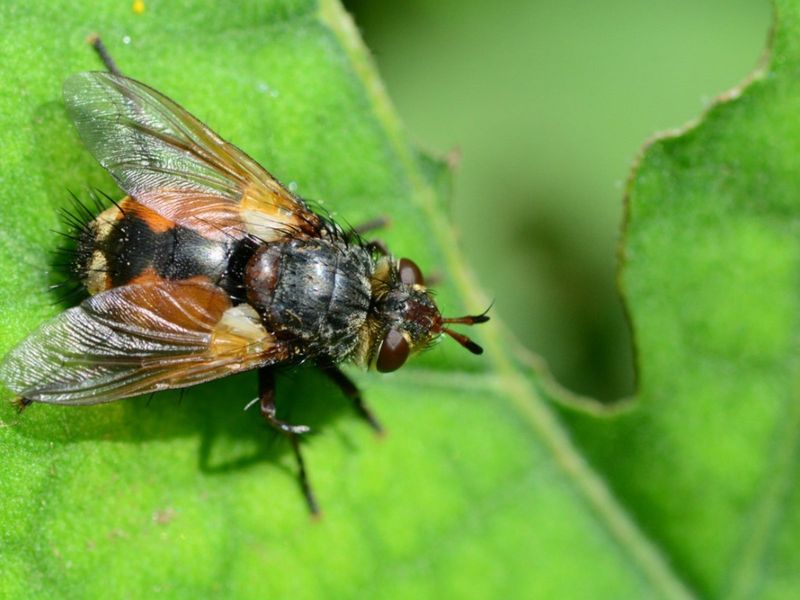
Tachinid flies look so much like ordinary house flies that most gardeners brush them off without a second thought. They are bristly, sturdy-bodied flies that show up on flowers throughout the growing season.
But these flies have a fascinating and highly effective strategy for managing garden pests that makes them genuinely worth knowing about.
Female tachinid flies lay their eggs on or near caterpillars, beetles, and true bugs. When the larvae hatch, they develop inside the host, eventually ending its life cycle and dramatically reducing pest populations in the process.
This makes tachinid flies one of the most effective natural controls for caterpillar pressure in Michigan gardens, including some of the toughest species like armyworms and hornworms.
Adults need nectar to survive and reproduce, which means the flowers you plant directly affect how many tachinid flies stick around.
Dill, parsley, fennel, yarrow, asters, and goldenrod are all strong choices because they produce the small, accessible blooms that these flies prefer.
Letting herbs bolt and flower at the end of the season is one of the easiest ways to support them.
Because tachinid flies look so unremarkable, it takes a deliberate shift in perspective to appreciate them. Next time you see a bristly fly hovering over your yarrow or dill, take a moment to watch it.
Chances are good it is a tachinid fly doing quiet, valuable work that your garden genuinely depends on. Protecting these flies by reducing pesticide use keeps that natural system running smoothly all year.