Do These Things The Moment You Notice Ohio Boxwoods Turning Yellow
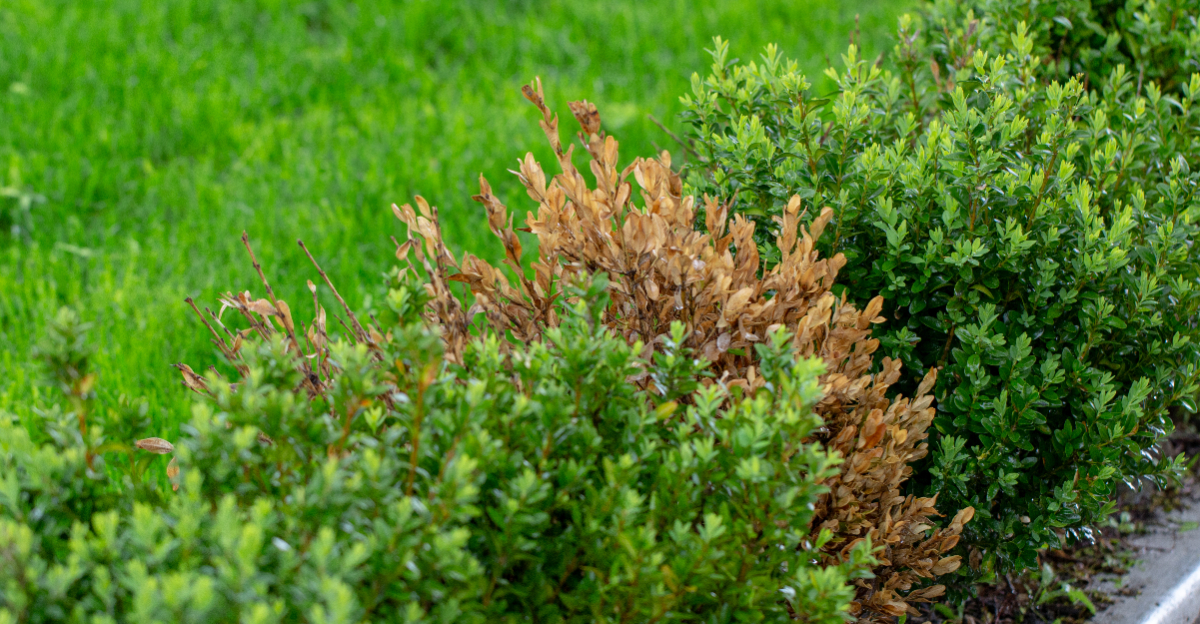
Yellow boxwoods are not a problem that improves on its own. The moment that color shift becomes visible, something has already been wrong long enough to show up on the leaves.
Every week without a response moves the situation further in the wrong direction. Ohio boxwoods turn yellow for specific reasons.
Not random ones. Each cause has a different fix, and reaching for the wrong response wastes time the plant does not have to spare.
The gardeners who save yellowing boxwoods are not doing anything complicated. They move quickly and work through the right checklist in the right order.
The ones who lose them waited, guessed, or treated the symptom instead of the cause. A yellow boxwood is asking for something specific right now.
Figuring out what that is, and acting on it fast, is the difference between a recoverable situation and a much harder one.
1. Check Soil Moisture Before Adding More Water
A yellow patch along a hedge row is easy to misread as a thirst signal, but the soil tells a more honest story. Push two or three fingers into the ground a few inches down near the drip line of the shrub.
If the soil feels wet or muddy, adding more water will only make things worse.
Saturated soil pushes oxygen out of the root zone. Roots that sit in waterlogged ground cannot absorb nutrients properly, and the foliage begins to fade.
This looks almost identical to drought stress, which is why checking before watering matters so much.
Dry soil that crumbles and feels powdery is a sign the shrub may need water, but even then, a slow, deep soak works better than a quick daily sprinkle.
Recent heavy rainfall can also fool a gardener into thinking the soil is fine when surface runoff has left deeper layers bone dry.
Drainage matters just as much as moisture. If water pools near the base after rain and takes more than a few hours to clear, poor drainage may be stressing the roots steadily over time.
Note how long puddles linger before deciding on a watering plan. A simple finger test before each watering session can prevent a lot of unnecessary damage to an otherwise healthy shrub.
2. Look For Root Stress Around The Base
Soggy soil near the base of a shrub is not always the first clue. Sometimes the problem starts quietly underground, long before the foliage shows any color change.
Root-zone stress can build up slowly from compacted soil, poor site drainage, or planting conditions that were never quite right to begin with.
Mulch piled too high against the trunk is one of the most common root-area problems in home landscapes. A thick volcano of mulch trapping moisture against the crown can encourage rot and suffocate the area where the stem meets the root system.
Pull mulch back a few inches from the base and check for soft, discolored, or mushy tissue at the crown.
Planting depth matters too. A boxwood set too deeply in the soil may struggle for years before showing obvious symptoms.
Your Ohio Garden Changes Every Week. Your Plan Should Too.
Gardening in Ohio changes quickly throughout the season. Every Friday you’ll receive a simple weekly plan showing exactly what to plant, prune, fertilize, harvest, and protect so you never miss the right timing.
Construction activity nearby, heavy foot traffic, or soil compaction from equipment can also damage feeder roots without leaving any visible surface sign.
Check the base gently without tearing roots apart. Look at the color and firmness of the lower stem.
Note whether the soil around the crown drains freely or stays wet after rain. Healthy root crowns are firm and tan to light brown.
Soft, dark, or foul-smelling tissue near the base suggests a more serious root problem that warrants a closer look from a local extension professional.
3. Inspect Leaves For Boxwood Mites And Leafminers
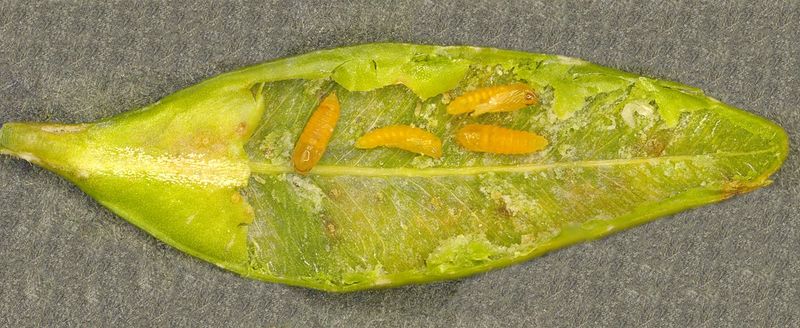
Stippled, dull, or off-color foliage on a boxwood does not always mean a watering problem. Tiny pests can cause foliage to fade, bronze, or yellow in ways that are easy to overlook without a close look at the leaf surface.
Two of the most common culprits in home landscapes are boxwood mites and boxwood leafminers.
Boxwood mites are extremely small and may require a hand lens to see clearly. They feed on leaf tissue, leaving a fine stippled or grayish pattern across the surface.
Heavy mite feeding can make foliage look faded or dusty. Leafminers are the larvae of a small fly that tunnels inside the leaf, creating blistered or puckered patches that are visible when you hold a leaf up to light.
Look at the undersides of leaves as well as the tops. Check for blistering, stippling, tiny moving specks, or any sign of tunneling inside the leaf tissue.
Confirm what you are seeing before considering any treatment. Misidentifying a pest can lead to applying the wrong product, which wastes money and may harm beneficial insects.
Ohio State University Extension and the OSU Ohioline fact sheets provide solid identification guidance for both of these pests. If you suspect either one, identify the problem first.
Then read product labels carefully and follow extension-backed control recommendations before applying anything to the shrub.
4. Check For Winter Burn On Exposed Branches
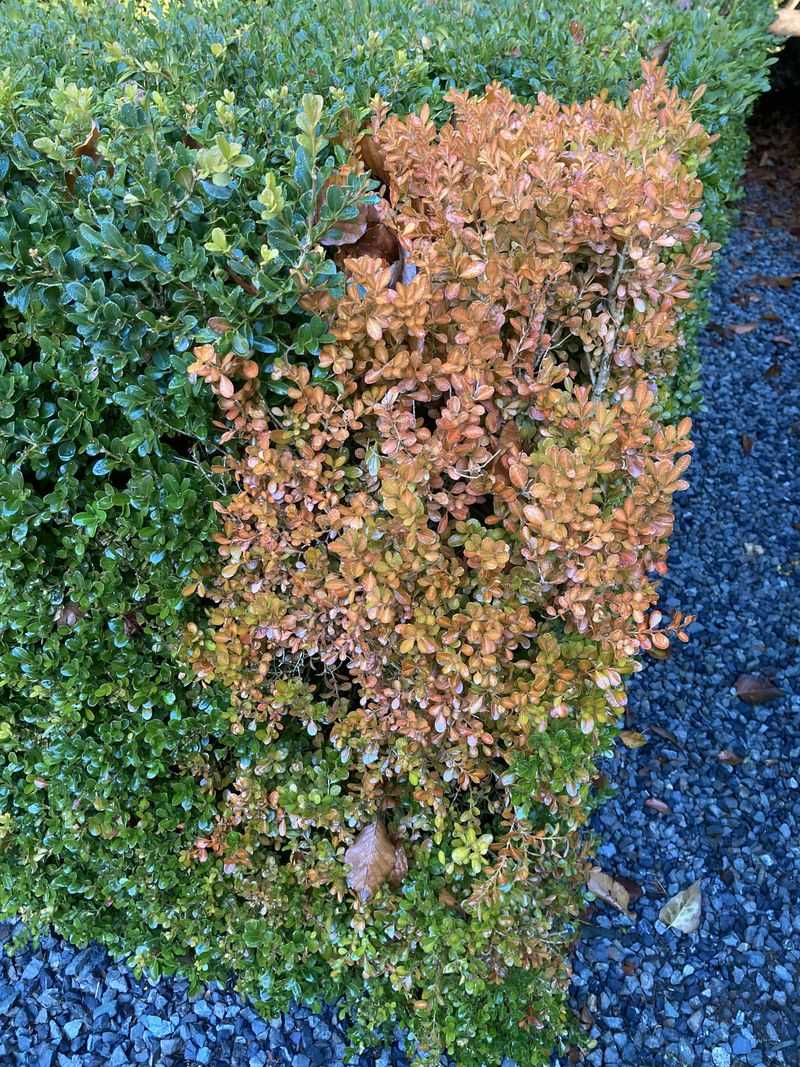
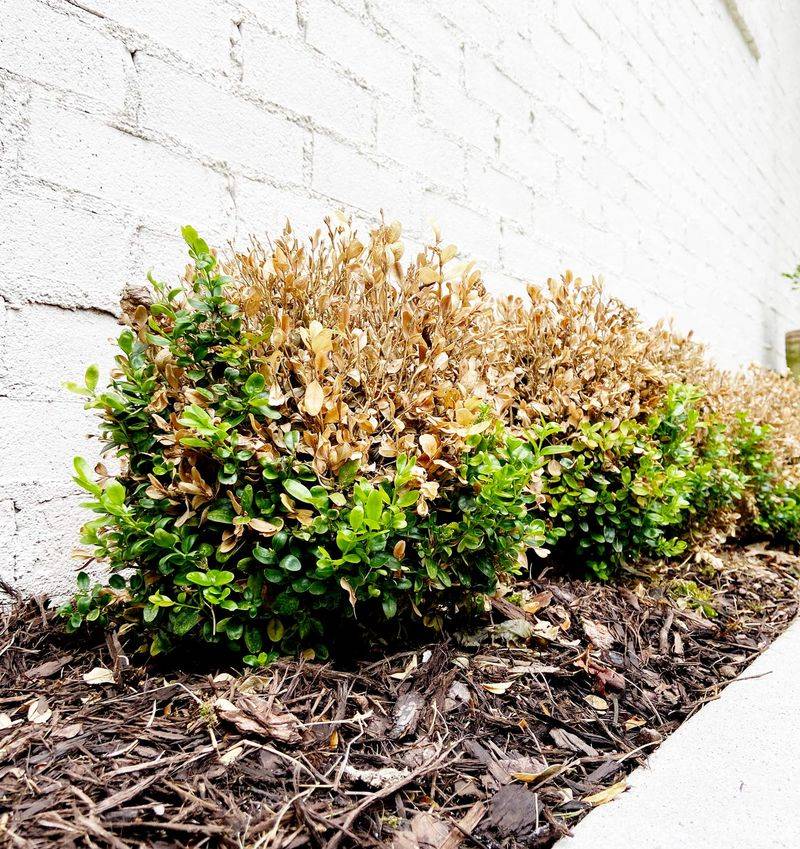
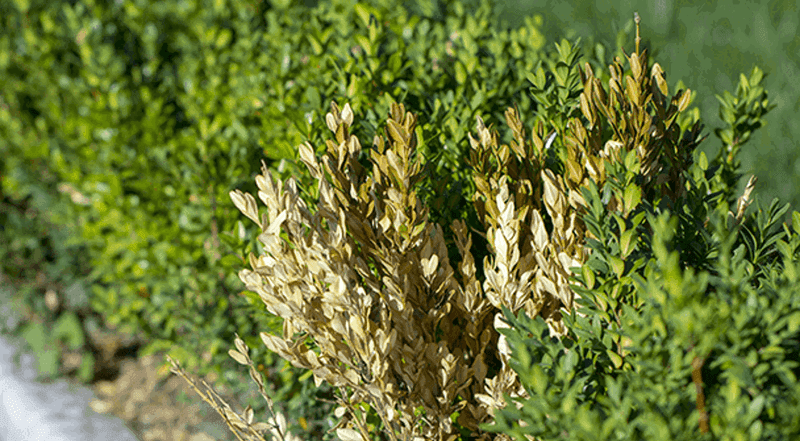
After a rough winter in this state, it is not unusual to walk out to a boxwood hedge and find one side looking noticeably worse than the other. That uneven pattern is often a strong clue pointing toward winter-burn damage rather than a soil or pest problem.
The exposed side of the shrub takes the brunt of drying winter winds, intense reflected sunlight, and temperature swings that the sheltered side never experiences.
Winter burn happens when foliage loses moisture through normal transpiration but frozen or very cold soil prevents the roots from replacing it. The result is yellowed, bronzed, or tan foliage, usually on the south, west, or windward side of the plant.
Salt spray from nearby roads can produce a similar pattern on the sides closest to traffic.
The damage often becomes fully visible in late winter or early spring as temperatures warm up. New growth emerging from the same branches is usually a reassuring sign that the shrub is still actively pushing out energy.
Patience matters here. Avoid cutting into branches right away, because some tissue that looks damaged may still be alive and capable of pushing new growth.
Wait until new growth is clearly visible before deciding what needs to be removed. A scratch test on a stem, lightly scraping the outer bark to look for green tissue underneath, can help you judge which wood is still viable before making any cuts.
5. Look For Blight Before Pruning Anything
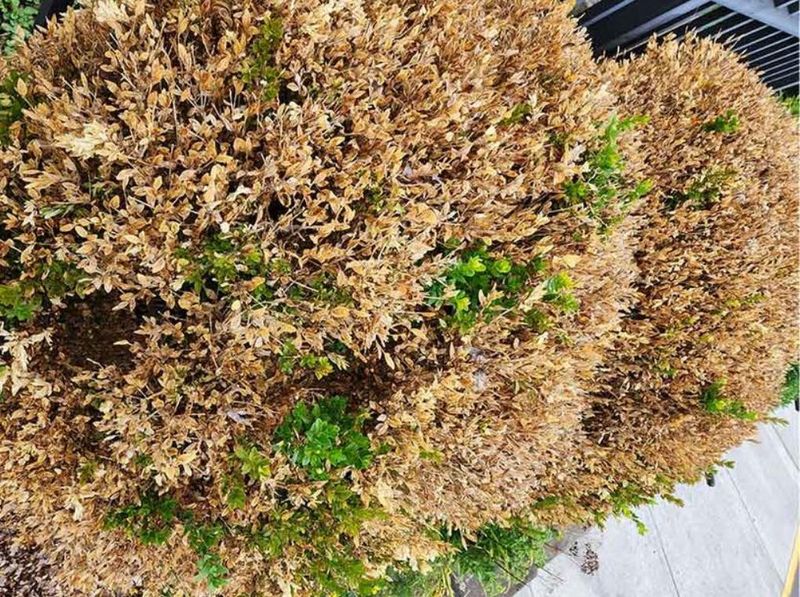
Reaching for the pruning shears the moment yellow leaves appear is a natural instinct, but it can cause serious problems if boxwood blight is present. Boxwood blight is a fungal disease that spreads efficiently on plant debris, contaminated tools, and clothing.
Pruning a plant with active blight without following proper sanitation steps can move the pathogen to healthy shrubs nearby.
Signs that may suggest blight include rapidly spreading leaf spots with darker borders and dark streaking on young stems. Sudden heavy leaf drop that leaves bare stems behind is another warning sign.
The pattern tends to spread fast and can move through a hedge row in a short time under warm, wet conditions.
Not every yellow or spotty leaf means blight is present. Other fungal issues, stress responses, and pest damage can look similar.
This is exactly why identification matters before any pruning takes place. Cutting into a plant without knowing what you are dealing with can do more harm than good.
If symptoms look suspicious, stop and contact your local OSU Extension office or submit a sample to the C. Wayne Ellett Plant and Pest Diagnostic Clinic at Ohio State University.
They can provide confirmed identification and current management guidance. Extension-backed sanitation steps, including tool disinfection and proper debris disposal, are essential if blight is confirmed.
Acting carefully now protects the rest of the landscape.
6. Clear Fallen Leaves And Diseased Debris From The Bed
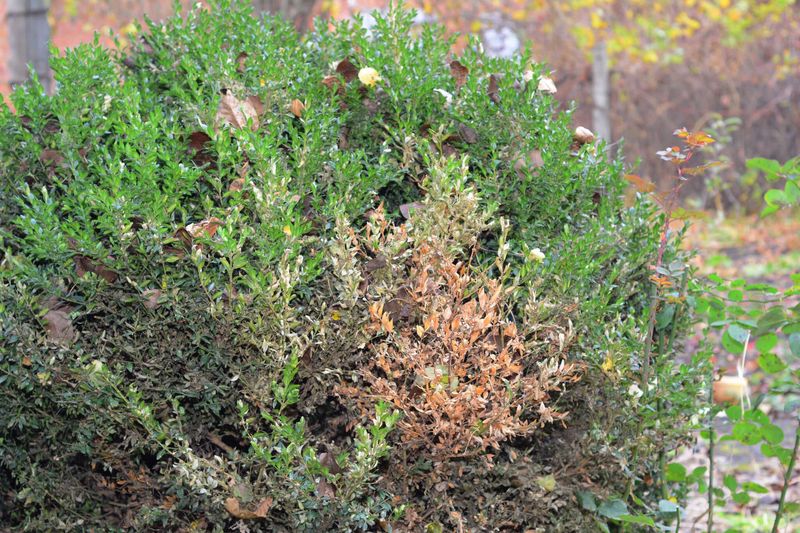
Old clippings and fallen leaves under a boxwood hedge may not look like a big concern. They can quietly create the right conditions for disease and moisture problems to develop.
Accumulated debris traps moisture against the lower foliage and stems, which encourages fungal activity over time. Keeping the bed tidy is one of the simplest things you can do for shrub health.
Routine cleanup after pruning or after a storm helps reduce the amount of material sitting on the soil surface. Rake or hand-collect fallen leaves, old clippings, and any plant material that looks discolored or spotted.
Bag the material rather than composting it if you have any reason to suspect disease is involved.
If boxwood blight or another fungal disease has been identified or strongly suspected in the area, follow the specific disposal guidance provided by extension sources. Simply composting suspect material can allow fungal spores to persist and spread.
Some materials may need to go in the trash rather than the compost pile.
Clean tools after working around any shrub showing symptoms. A diluted bleach solution or an isopropyl alcohol wipe on blades between cuts is a widely recommended sanitation step when disease is a concern.
Keeping the bed surface clear of debris year-round reduces places where pests and pathogens can shelter through winter. Do this beyond cleanup season so they have fewer places to re-emerge when conditions warm up again.
7. Avoid Heavy Fertilizer Until You Know The Cause
Fertilizer can feel like a logical first response when foliage starts looking pale or yellow. The thinking makes sense on the surface.
Green color in leaves is tied to chlorophyll, and chlorophyll production depends on nutrients. But applying fertilizer before understanding the cause of yellowing can make certain problems noticeably worse.
If poor drainage or saturated soil is stressing the roots, adding fertilizer salts to already compromised root tissue can increase stress rather than relieve it.
Fertilizer will not correct root rot, fix compacted soil, reverse winter-burn damage, or address a pest infestation.
Applying it under those conditions adds pressure to a plant that is already struggling.
When nutrient deficiency or a pH imbalance is genuinely suspected, a soil test is the right first step. The OSU Extension Soil, Water, and Forage Analytical Laboratory offers soil testing services.
Those results can show what the soil is lacking and whether the pH allows nutrients to be available to the plant. Boxwoods prefer a slightly acidic to near-neutral pH, roughly 6.5 to 7.0.
If testing confirms a deficiency, follow the recommended rates for boxwood rather than guessing at amounts. More fertilizer is not always better, and excess nitrogen applied at the wrong time can encourage tender late-season growth that is vulnerable to cold injury.
Patience and accurate information produce better results than a quick application based on appearance alone.
8. Call Extension Help If Yellowing Keeps Spreading
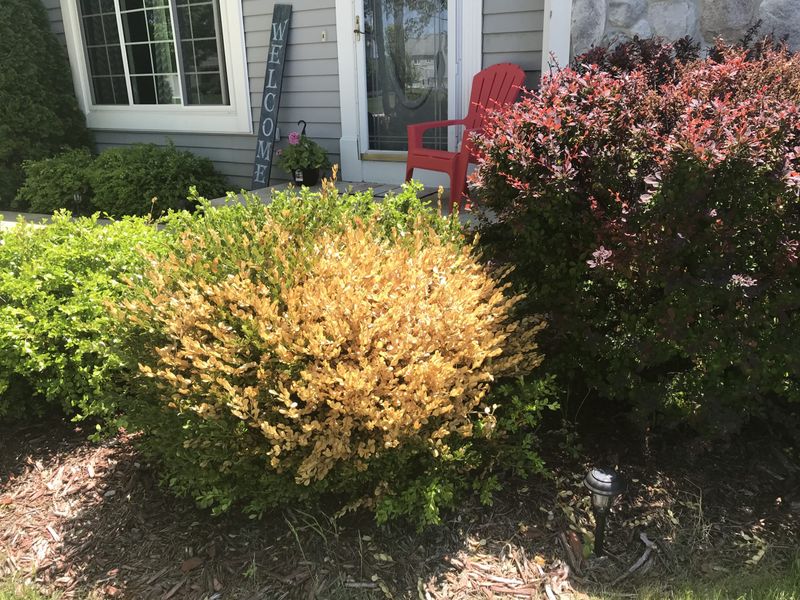
Some yellowing problems respond quickly once the right cause is identified and corrected. Others keep spreading despite a gardener’s best efforts, and that pattern is a signal worth taking seriously.
When yellowing moves steadily through a hedge, returns season after season, or shows up alongside rapid decline, it is time to bring in a professional set of eyes.
Ohio State University Extension offices are located across the state. They are staffed with horticulture professionals who understand regional growing conditions, common diseases, and pest pressures that affect local landscapes.
They can help narrow down possible causes and point you toward reliable diagnostic resources when a visual inspection is not enough.
The C. Wayne Ellett Plant and Pest Diagnostic Clinic at Ohio State accepts plant samples.
It can provide laboratory-confirmed identification for suspected diseases, including boxwood blight. Bringing a confirmed diagnosis to the table changes everything about how you respond.
Guesswork is expensive and can lead to treatments that do not address the actual problem.
Before contacting extension, gather as much information as you can. Take clear photos of the affected foliage, stems, and the base of the plant.
Note recent watering habits, any fertilizer applied, nearby construction, soil drainage patterns, and how long the symptoms have been visible.
The more context you provide, the faster and more accurately an extension professional can help you figure out what is going on and what to do next.