The One Thing Georgia Gardeners Should Do To Peonies Right After They Finish Blooming
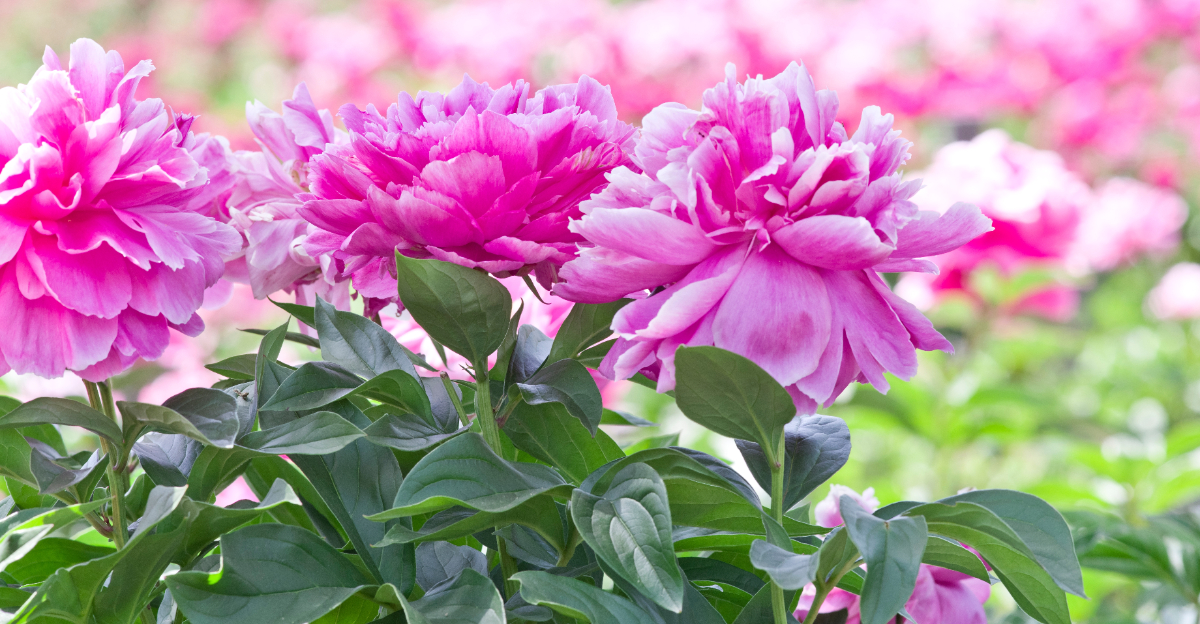
Peonies put on an incredible show, but it never seems to last long enough. One week they are covered with beautiful blooms, and before you know it the flowers are fading.
That is usually when many gardeners stop paying attention and move on to other plants. It is an easy mistake to make because the hardest work appears to be over.
In reality, what happens right after flowering can influence how well your peony performs next year. Giving it the right care now helps the plant focus on building strength instead of wasting energy where it no longer needs to.
That timing is especially important in Georgia, where warm weather keeps gardens growing well after peonies finish blooming.
One simple task can help your plant stay healthier through the rest of the season while encouraging a stronger display the following spring.
It only takes a few minutes, but it can make a noticeable difference when bloom time comes around again.
1. Remove Spent Flowers Without Cutting Healthy Leaves
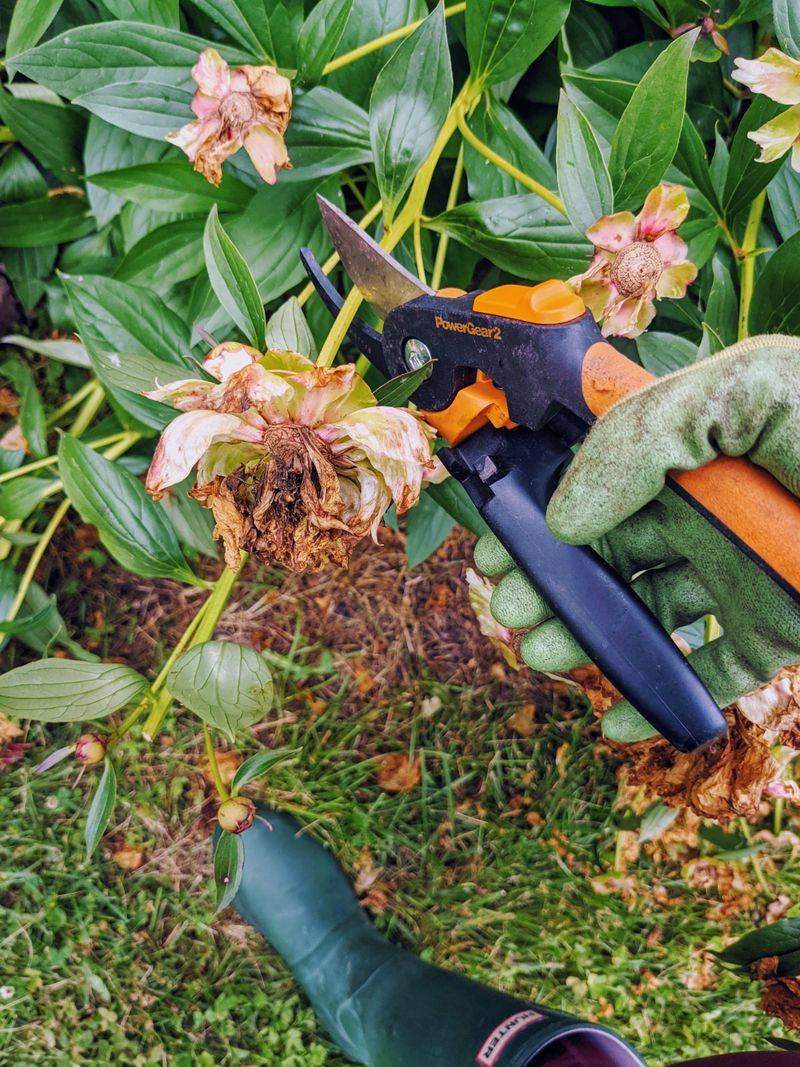
Spent blooms are not just ugly. Left on the plant, they can attract fungal problems and drain energy the plant needs for root development.
Snap or snip off faded flowers right at the base of the bloom head. Cut just below the spent flower, not all the way down the stem.
Stop there.
Healthy green leaves must stay on the plant. Removing them too early cuts off the plant’s ability to make food through photosynthesis.
Those leaves are working hard even after the flowers are gone.
Deadheading is a simple task, but the timing matters. Do it as soon as petals start dropping.
Waiting too long lets the plant put energy into forming seed pods instead of strengthening roots.
Seed pods pull resources away from the root system. Unless you are intentionally saving seeds, remove them right away.
Most gardeners in warmer Southern climates skip seed saving entirely since peonies grown from seed take years to bloom.
Use clean, sharp scissors or pruning shears. Dirty blades can spread disease from plant to plant.
Wipe them down with rubbing alcohol before and after use.
2. Leave The Foliage To Feed Next Year’s Blooms
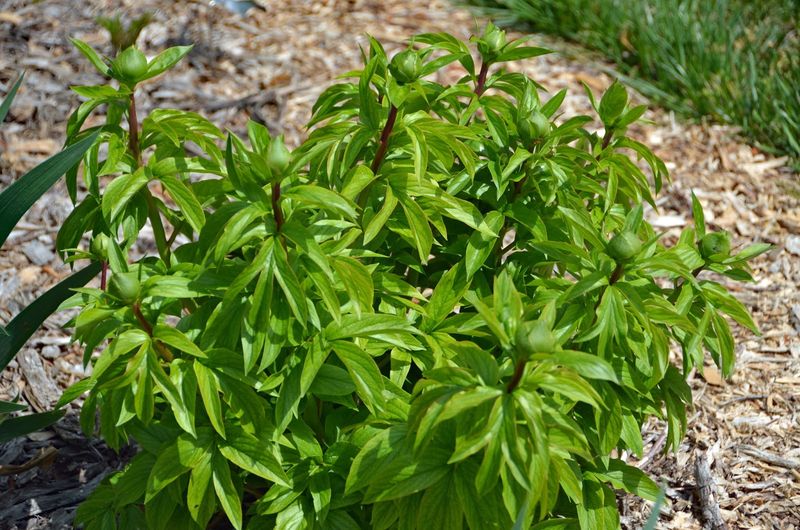
Green leaves are not just filler after bloom season ends. Every single leaf is actively converting sunlight into energy stored in the roots below ground.
Peonies are perennials that rely heavily on late spring and summer foliage to build up carbohydrate reserves. Those reserves fuel next year’s flower buds.
Cut the leaves off early, and next spring’s blooms will suffer for it.
A lot of gardeners get impatient once flowers fade. The plant looks less exciting, and the urge to tidy things up is real.
Resist it. Foliage needs to stay until it naturally begins to yellow in fall.
In warmer Southern climates, peonies may hold their foliage longer than plants grown further north. That extra time is actually an advantage.
More weeks of green leaves means more energy stored underground.
Avoid cutting back green stems just to make the garden look neater. Tying stems loosely to a small stake is a cleaner option if the plant sprawls.
Your Georgia Garden Changes Every Week. Your Plan Should Too.
Gardening in Georgia changes quickly throughout the season. Every Friday you’ll receive a simple weekly plan showing exactly what to plant, prune, fertilize, harvest, and protect so you never miss the right timing.
That keeps the look tidy without removing any leaf area.
Fertilizing lightly right after bloom can support this foliage phase. A low-nitrogen fertilizer applied around the drip line helps without pushing excessive leafy growth at the expense of root energy.
Patience during this phase pays off directly.
3. Water During Dry Summer Weather
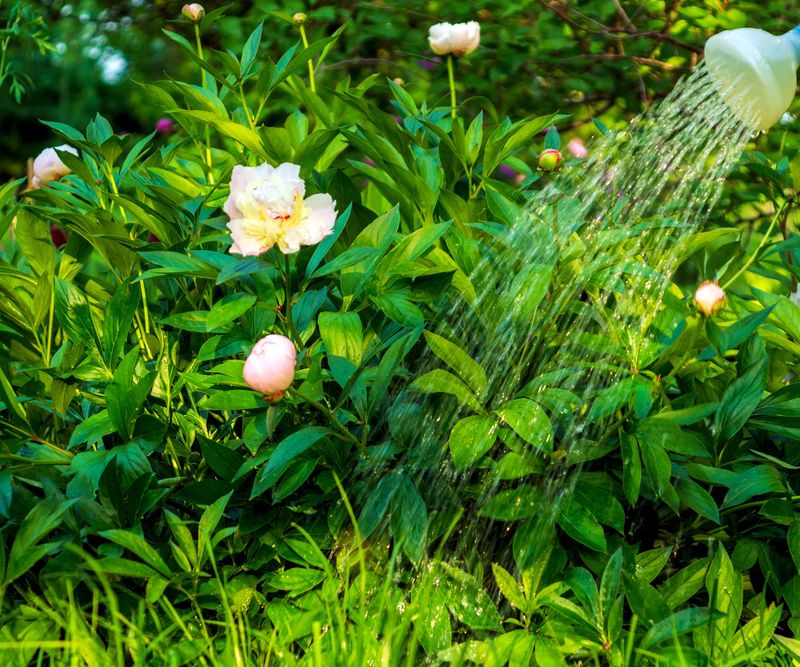
Peonies are tougher than most people think, but they are not drought-proof. Prolonged dry spells during summer stress the root system right when it should be storing energy.
Aim for about one inch of water per week during dry stretches. If rainfall is covering that, skip supplemental watering.
Overwatering is just as damaging as underwatering, especially in heavy clay soils common across many parts of the South.
Water at the base of the plant, not overhead. Wet foliage in warm, humid conditions invites fungal issues.
A soaker hose or slow drip at ground level works much better than a sprinkler.
Check soil moisture before watering. Push a finger about two inches into the soil near the plant base.
If it feels dry at that depth, it is time to water. If it still feels moist, hold off another day or two.
Summer heat in the region can be intense. Consistent moisture helps peonies handle heat stress without dropping leaves prematurely.
Stressed plants store less energy, which leads directly to fewer blooms the next season.
Morning watering is the best option when you do need to water. It gives foliage time to dry out before evening, reducing the chance of fungal problems developing overnight.
Keep watering consistent through late summer.
4. Pull Weeds Away From The Base
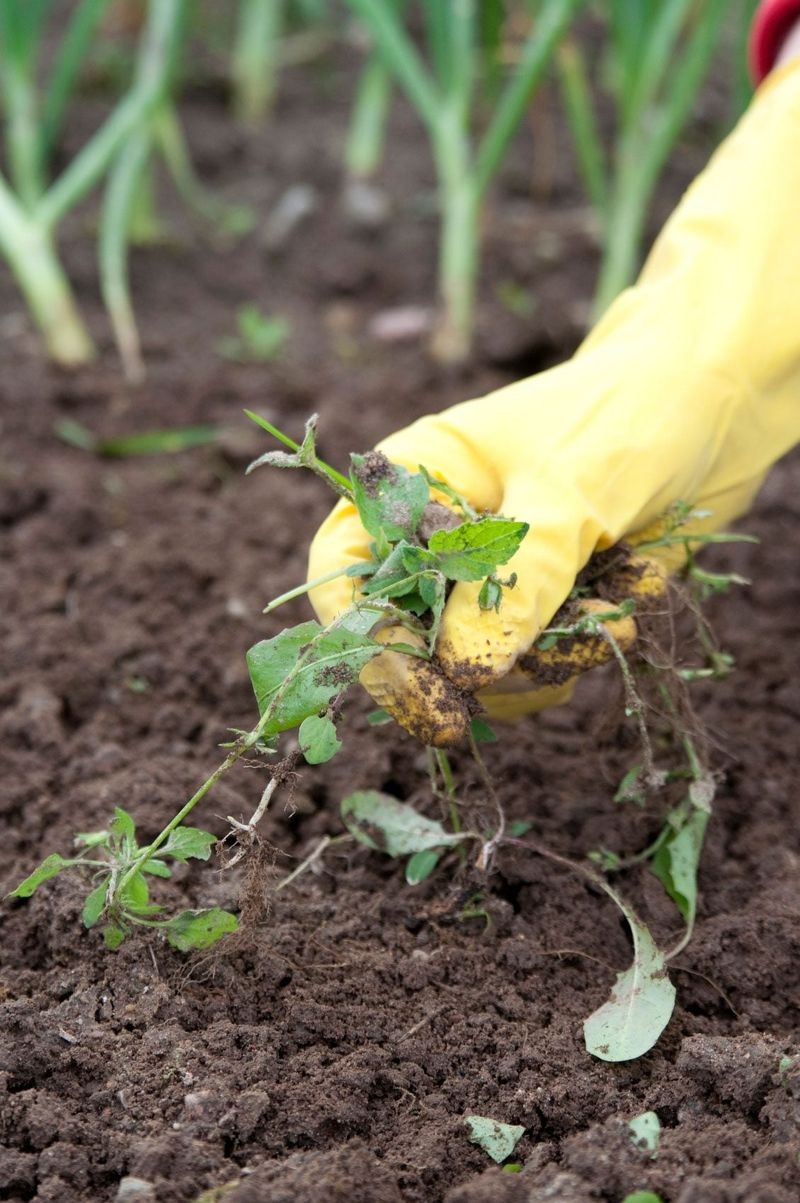
Weeds around peonies are not just a cosmetic problem. They compete directly for water, nutrients, and space, and they can harbor pests and fungal spores that spread to nearby plants.
After bloom season, weed pressure tends to increase as summer heat kicks in. Getting ahead of it early makes the job much easier.
A quick weekly check around the base of each plant keeps things manageable.
Pull weeds by hand rather than using a hoe close to the plant. Peony roots sit near the soil surface, and careless hoeing can nick or damage them.
Hand pulling is slower but much safer for the root system.
Pay attention to what is growing close to the crown. Weeds that creep right up against the base of the plant can trap moisture, which increases the risk of crown rot.
Good airflow around the plant base matters more than most gardeners realize.
After pulling weeds, smooth the soil back around the base gently. Disturbed soil around the crown can expose roots to temperature swings and pests.
A light pat-down is enough.
Some gardeners in warmer Southern areas deal with particularly aggressive weeds like nutsedge or crabgrass.
Pulling them before they set seed prevents the problem from multiplying into the next season.
Staying consistent with weeding through summer protects the plant’s energy.
5. Add A Light Layer Of Mulch
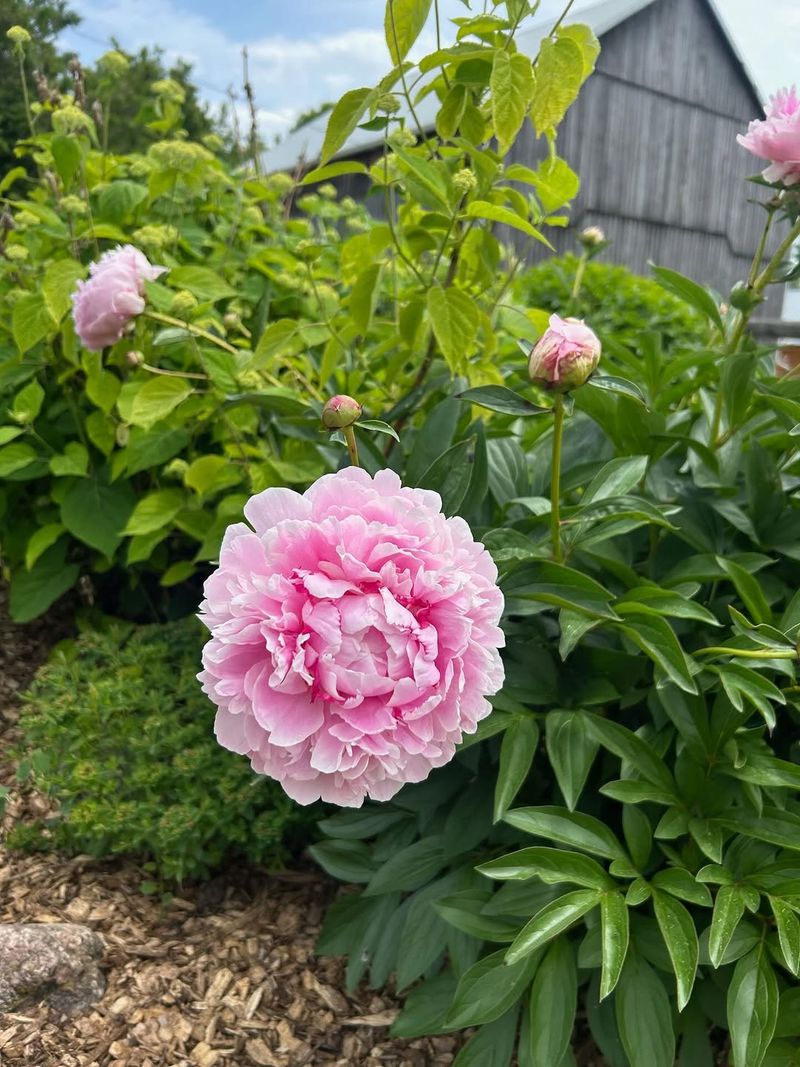
Mulch does a lot of quiet work around peonies. It holds moisture in the soil, moderates soil temperature, and slows weed growth all at once.
After weeding, apply a light layer of organic mulch around the plant base. Two inches is enough.
More than that can cause problems, especially if mulch piles up directly against the crown of the plant.
Keep mulch pulled back slightly from the crown itself. Crown rot is a real risk with peonies, and anything that traps moisture right at the base increases that risk.
Aim for a small gap of a few inches between the mulch and the plant stems.
Good mulch options include shredded bark, pine straw, or compost. Pine straw is widely available across the South and works well in warm climates.
It breaks down slowly, adds a bit of organic matter, and does not compact heavily.
Mulch also helps protect roots from the intense summer heat that bakes exposed soil. Soil temperatures under a mulch layer can stay noticeably cooler than bare ground.
That matters for root health during peak summer months.
Refresh mulch if it breaks down or thins out over the summer. A quick top-up keeps the benefits consistent through the hottest months of the year.
6. Watch For Signs Of Leaf Disease
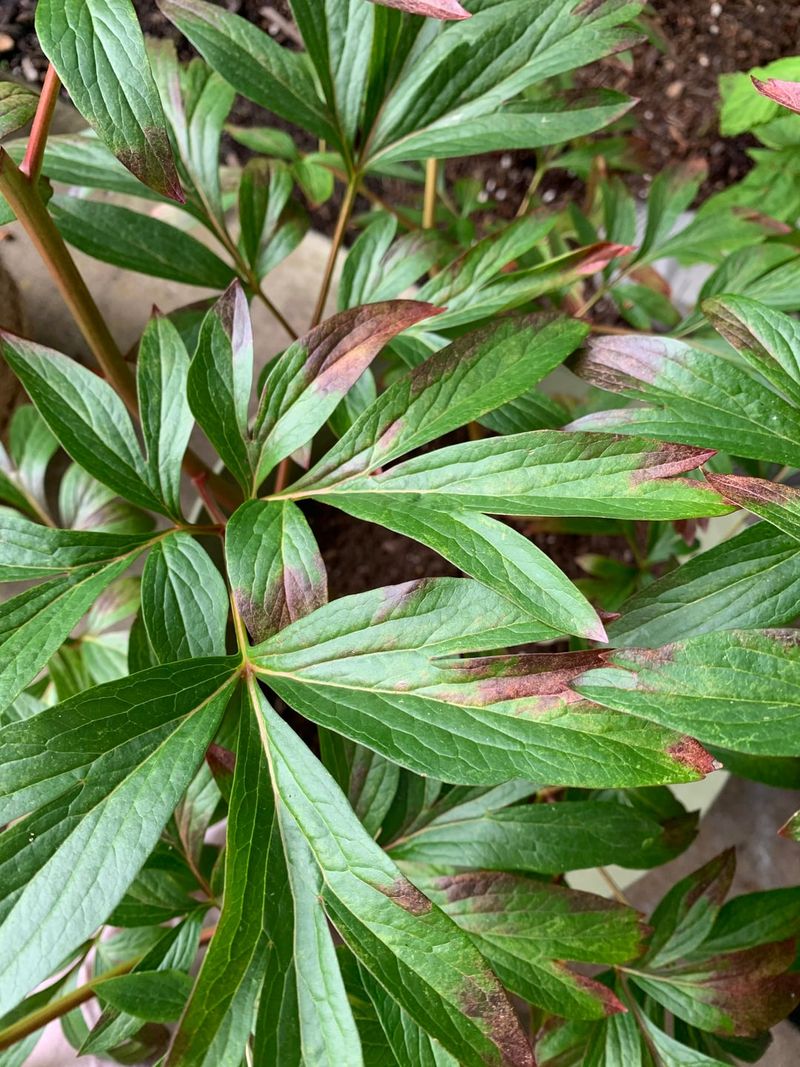
Botrytis blight is the most common disease problem peony growers face, and humid summer conditions create the perfect environment for it to spread fast.
Check leaves regularly after bloom season ends. Early signs include brown or grayish spots on leaf surfaces, sometimes with a water-soaked appearance around the edges.
Catching it early gives you a real chance to manage it.
Remove affected leaves immediately if you spot disease. Do not toss them into a compost pile.
Bag them and put them in the trash to avoid spreading spores to healthy plants nearby.
Good airflow around the plant helps prevent fungal problems from taking hold. Overcrowded plants in humid conditions are far more vulnerable than those with space to breathe.
If plants are too close together, spacing them out during fall division can help long-term.
Avoid overhead watering during humid stretches. Wet foliage combined with warm nights creates ideal conditions for fungal spores to germinate and spread across leaf surfaces.
Copper-based fungicide sprays can help if disease pressure is high. Follow label directions carefully and apply during dry conditions for best results.
Preventive applications work better than reactive ones.
Clean up fallen leaves around the plant base throughout summer.
Spores overwinter in debris on the soil surface and reinfect plants the following spring.
7. Avoid Cutting Back Healthy Foliage
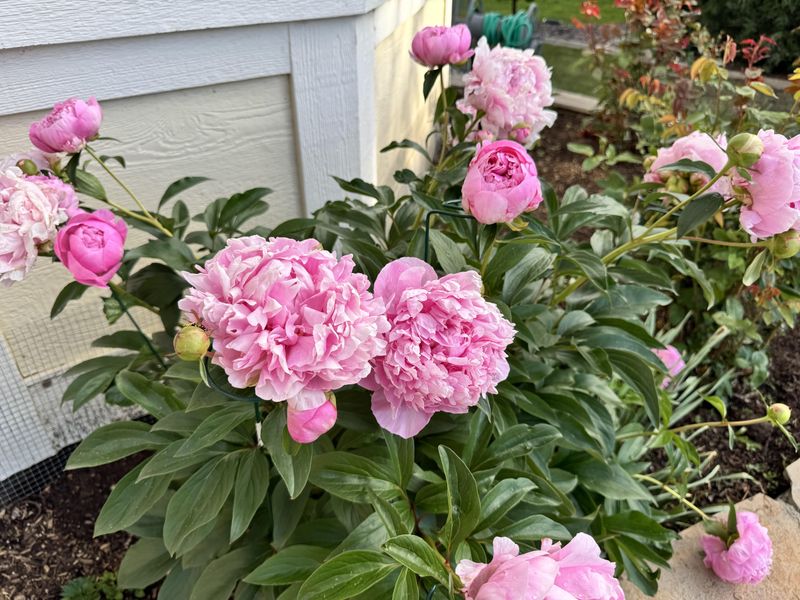
Cutting back healthy peony leaves too early is one of the most common mistakes home gardeners make. It feels like good garden maintenance, but it actually sets the plant back significantly.
Leaves need to stay on the plant until they naturally yellow and brown in fall. That process signals the plant is finishing its energy storage cycle for the season.
Interrupting it early means less fuel stored in the roots for next spring.
Some gardeners assume that once blooming is over, the plant is done for the year. Peonies do not work that way.
Root development and energy storage continue actively through late summer and into early fall.
A plant with full, healthy foliage going into late summer is a plant building strength underground. Roots are expanding, carbohydrates are accumulating, and next year’s flower buds are already beginning to form beneath the soil surface.
In Georgia, fall arrives later than in northern states. That means peonies often hold their foliage well into October.
Take advantage of that extended growing window rather than rushing the cleanup process.
Wait until leaves turn yellow or brown on their own before cutting stems back. At that point, cut stems down to about two to three inches above the soil.
Remove all cut material from the bed to reduce overwintering disease pressure.